
Fundraise For Us
Find out how you can host or take part in a fundraising event for the Bionics Institute.
Hosting or taking part in a fundraising event or activity is a simple and fun way to raise funds for the Bionics Institute’s life-changing research while connecting with your local community.

Ways you can fundraise
Whether you take part in an existing challenge, create your own activity or mark an occasion, there are many ways to help us raise essential funds.
Here’s how some of our amazing supporters have raised funds for the Bionics Institute.
Cynthia’s 50km fun run
Cynthia McLarty commemorated her 50th birthday by running an incredible 50km to raise funds for the Bionics Institute’s infant hearing research program. Find out more about Cynthia’s run here.
Suzanne’s open garden
As a cochlear implant recipient, Suzanne shared her appreciation for the Bionics Institute by holding an open garden event to raise funds for the hearing program. Find out more about Suzanne’s open garden here.
How to fundraise for the Bionics Institute
1. Decide on your activity – this could be an existing event you’re joining or a new event you’ve decided to organise.
2. Let us know your fundraising plans by contacting our team using the details below.
3. Set up an online fundraising page through sites such as GiveNow and Facebook
4. Spread the word! Share your fundraising page on social media or use posters to promote your fundraiser.
Get in touch
If you would like to fundraise for the Bionics Institute, please contact our fundraising team using this form.


A world leader in the development of medical devices, the Bionics Institute is a non-profit medical research institute solving challenging conditions with technology, with a focus on:




Get Involved
Make a difference to the lives of people around the world for generations to come through supporting medical research at the Bionics Institute.


Your support will help:


Why it’s important to support medical research
News and Events




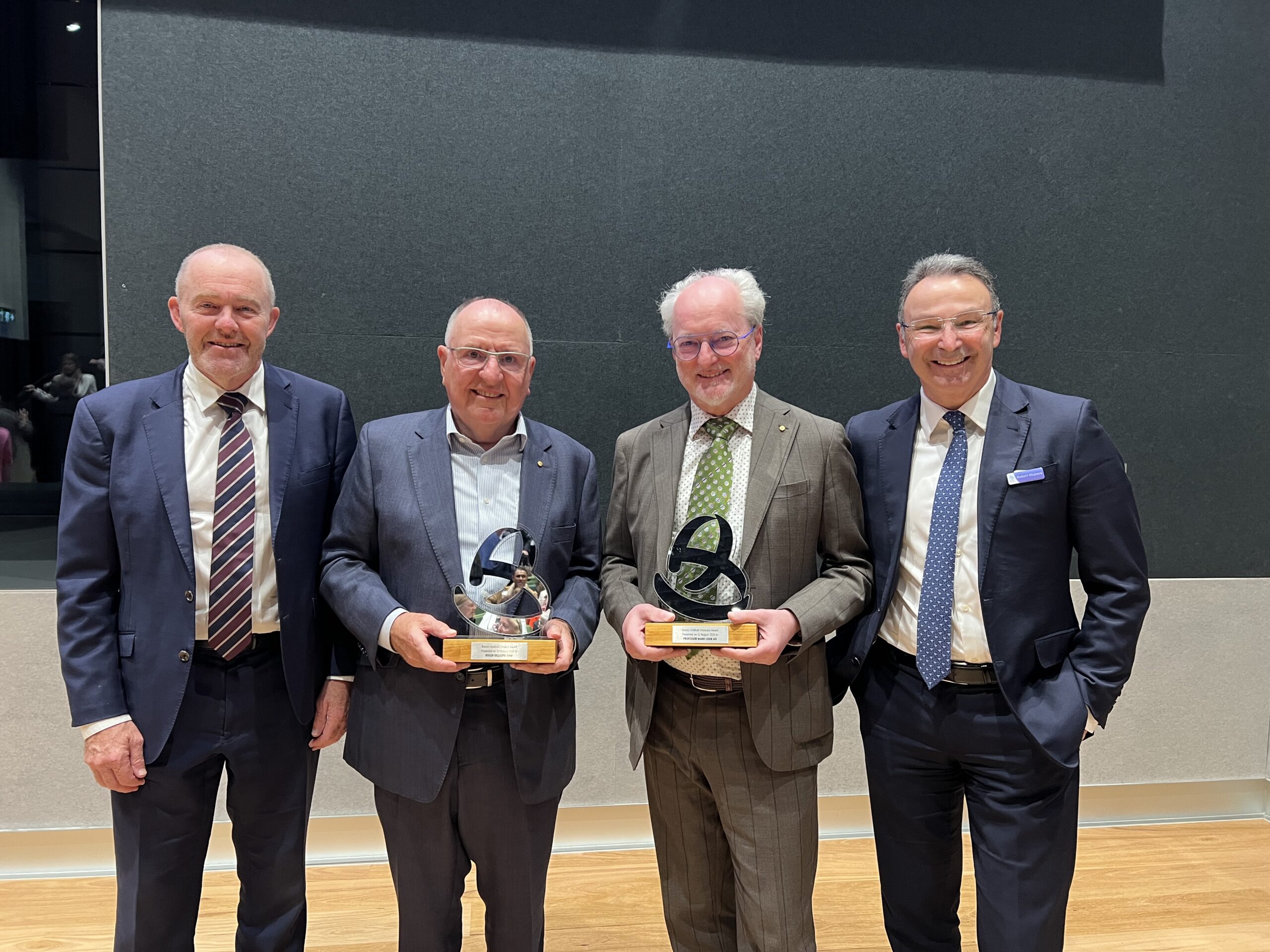


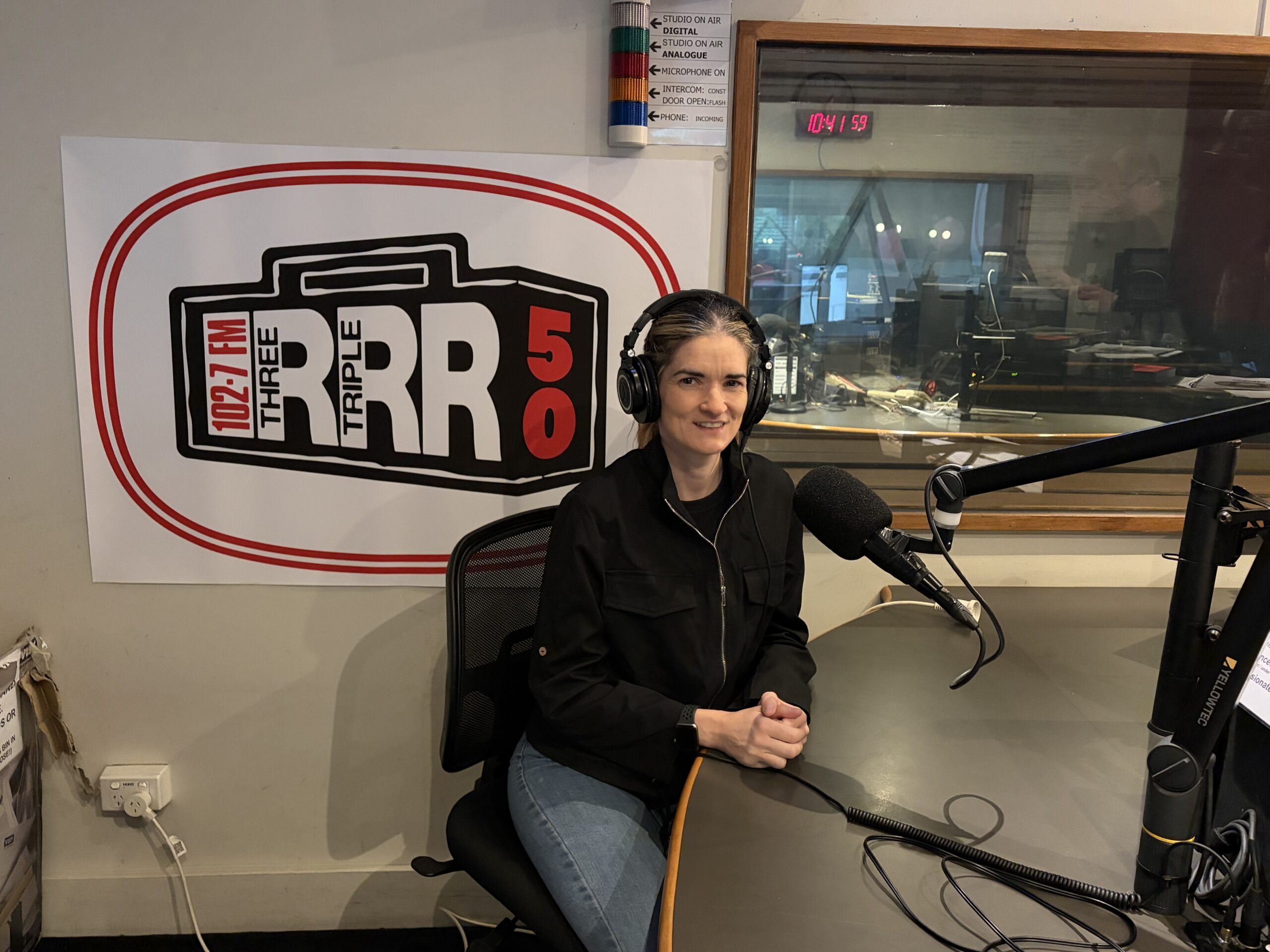


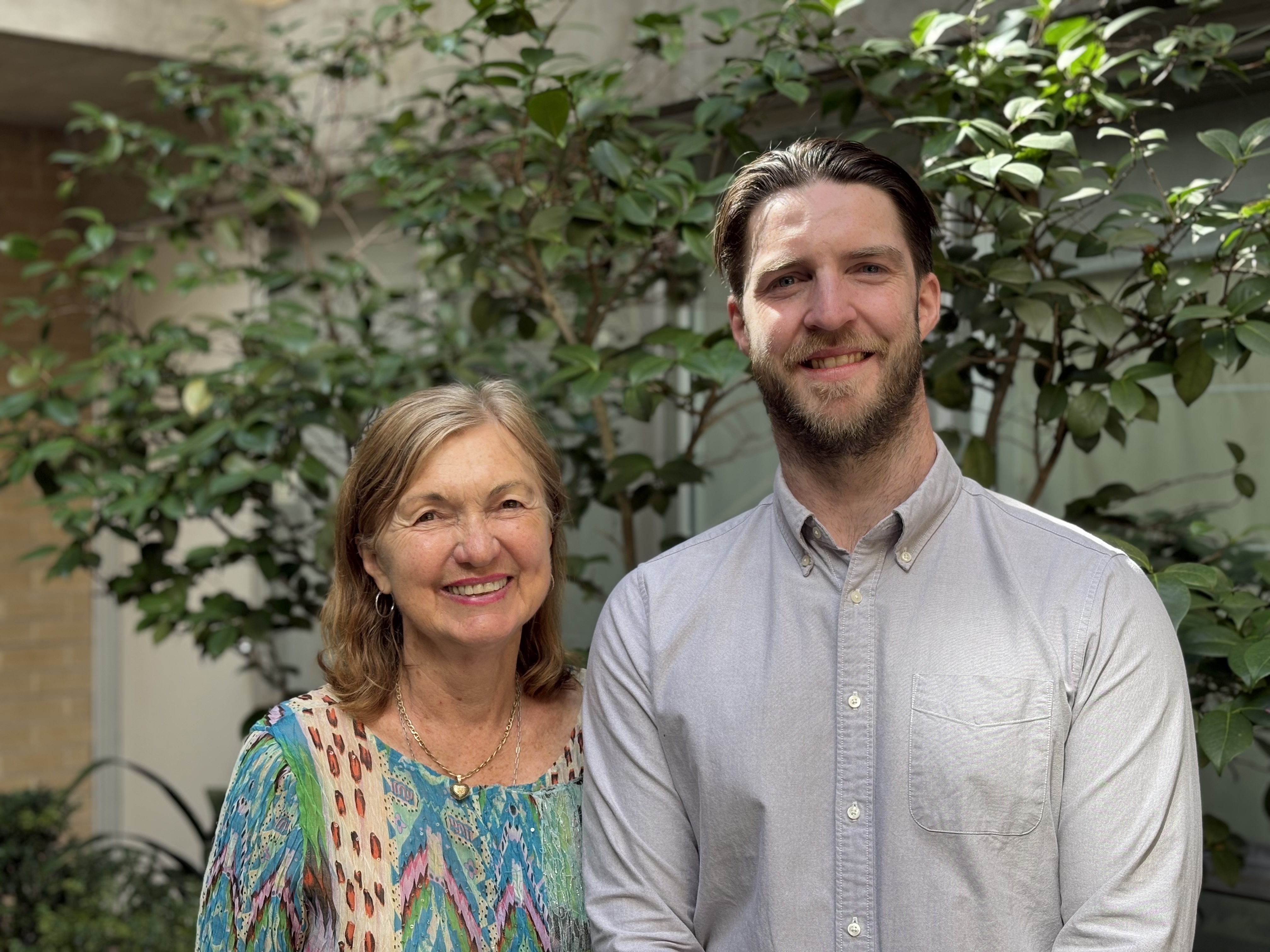








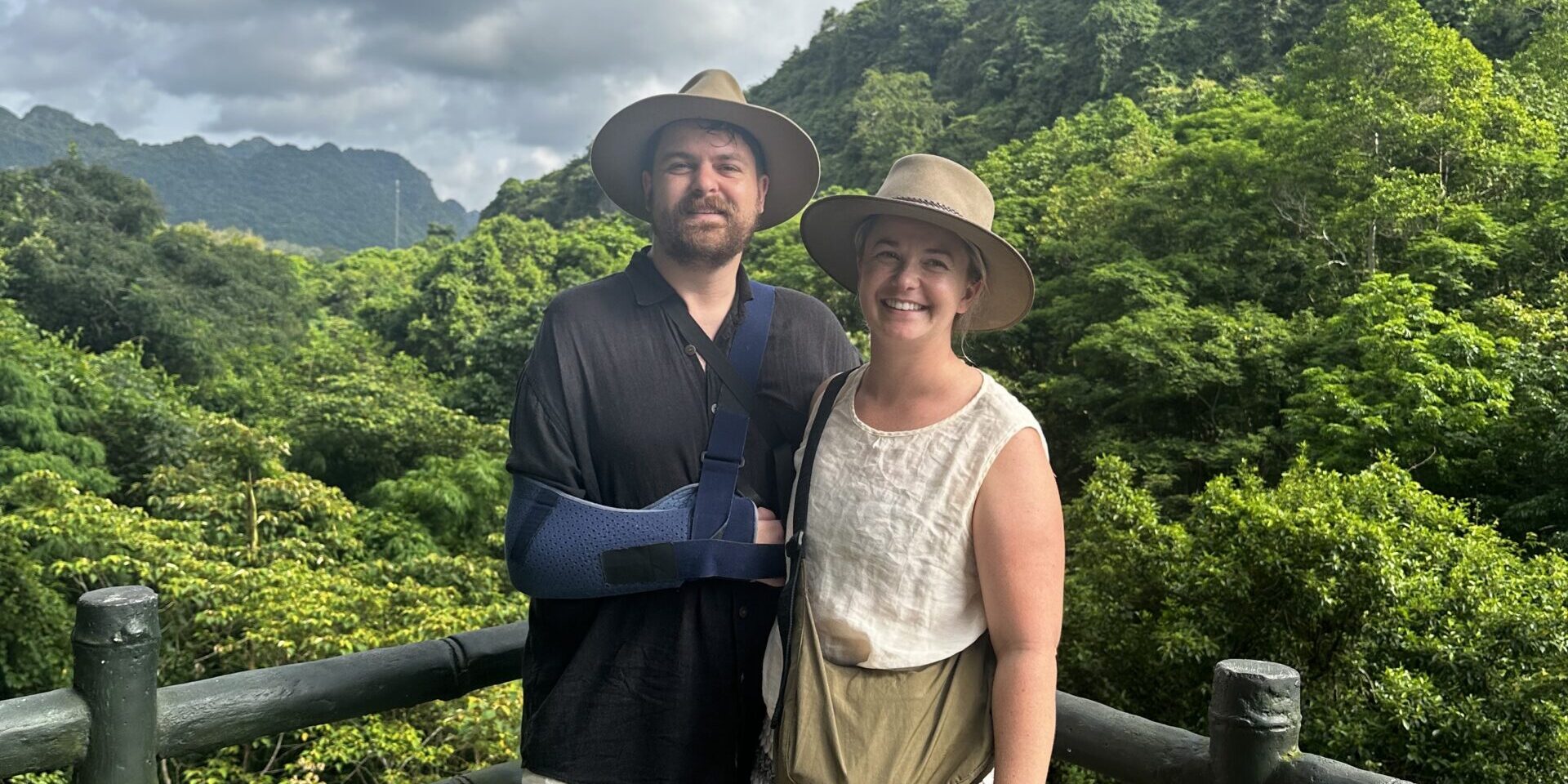
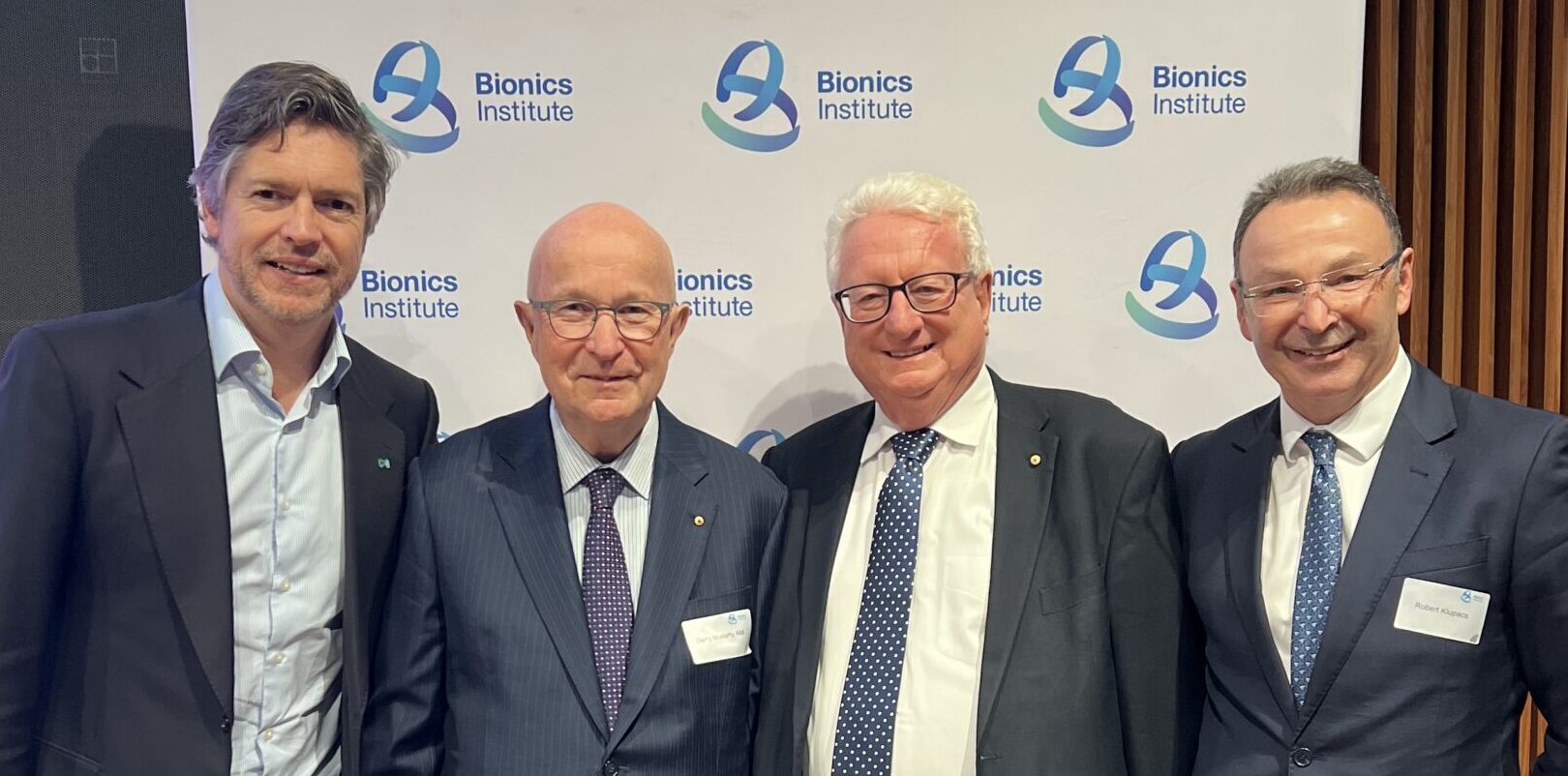
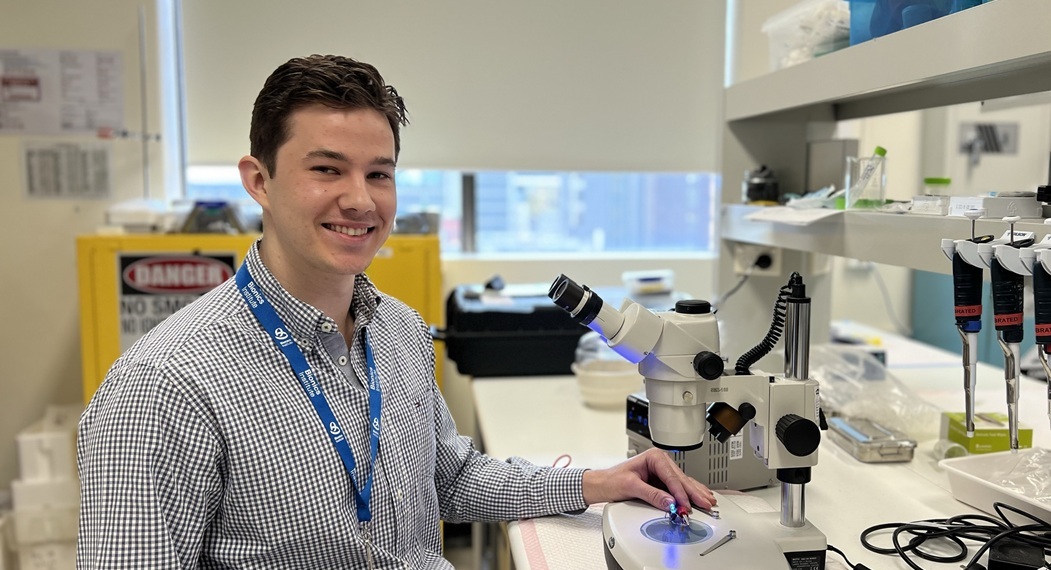
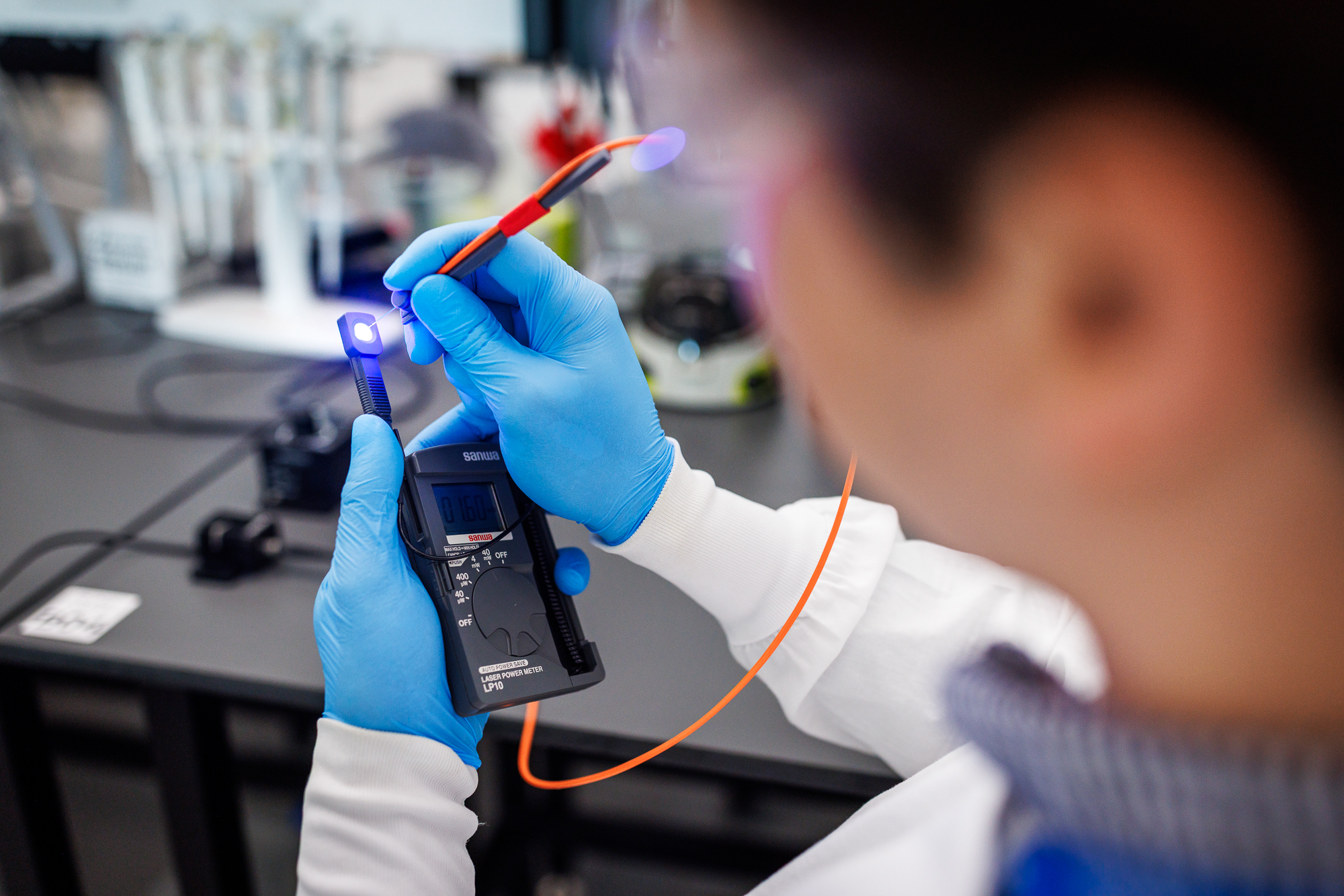


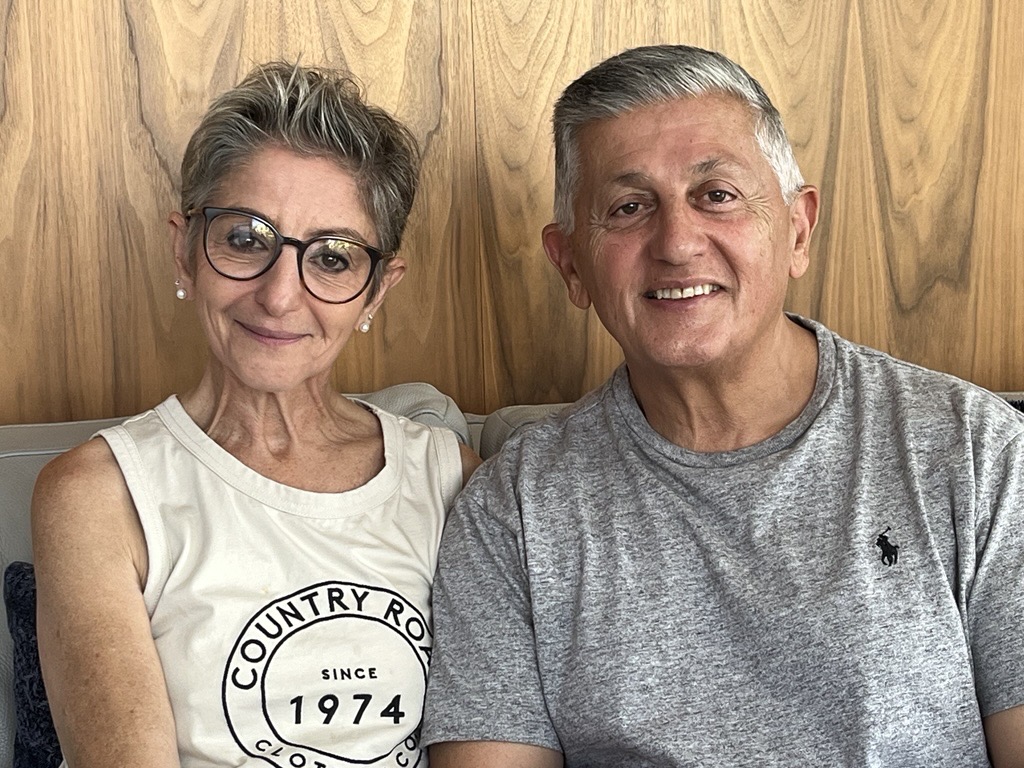



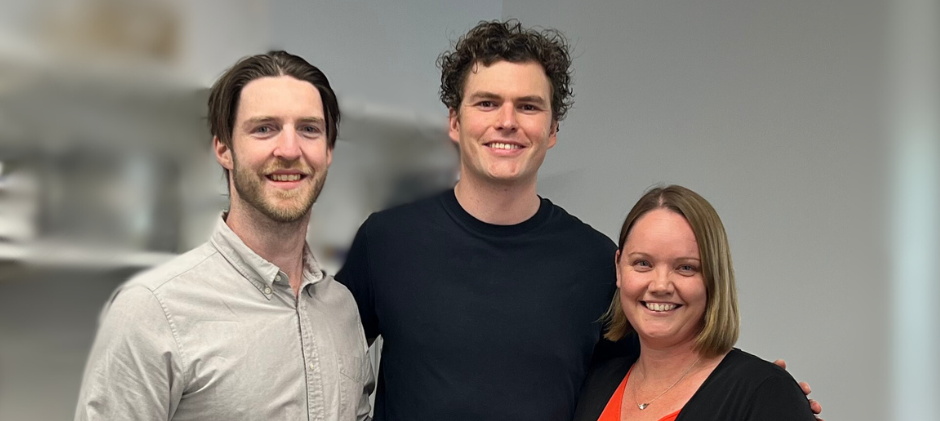
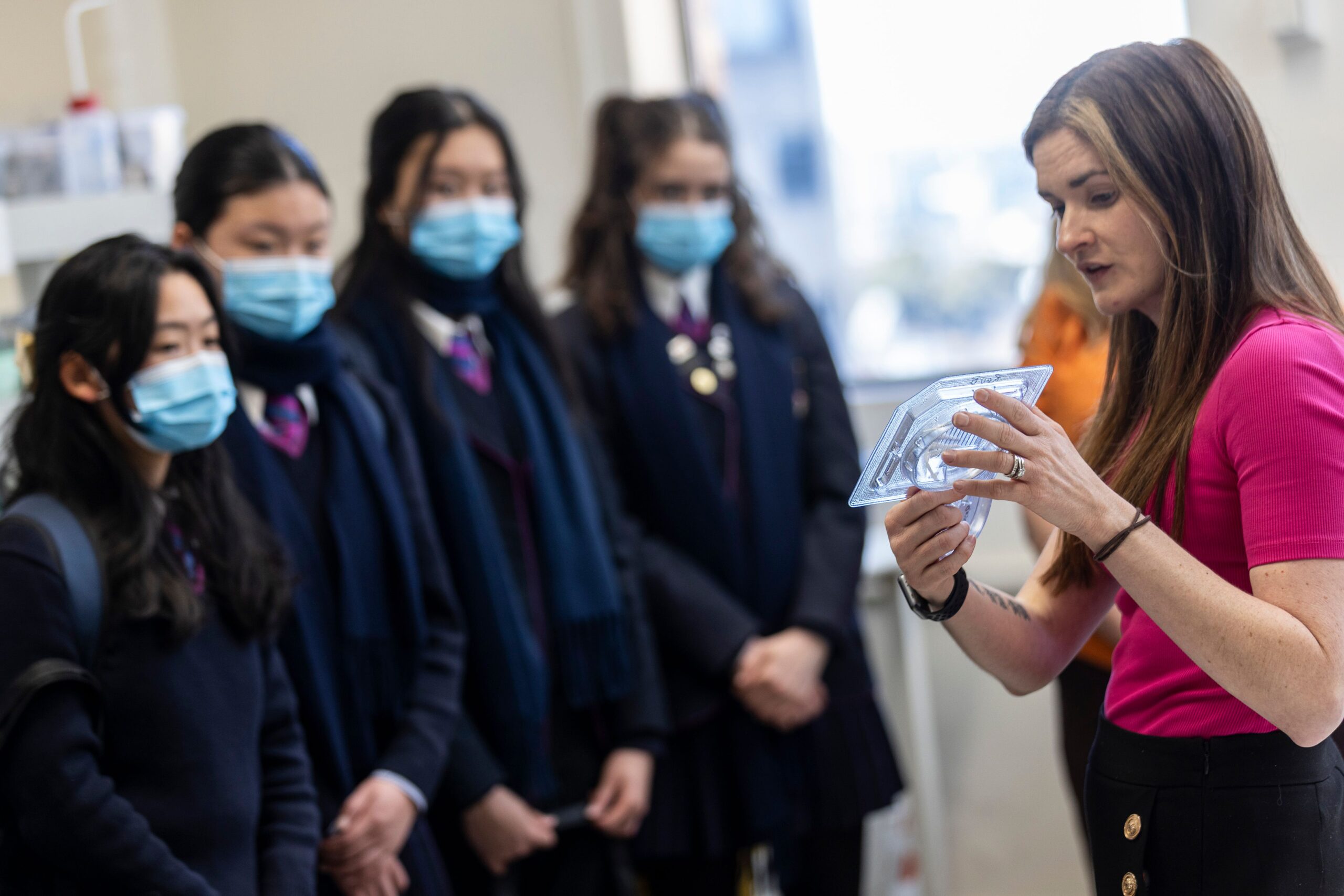

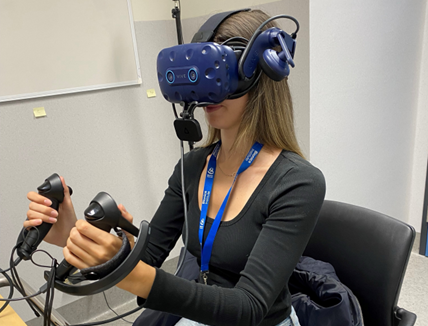


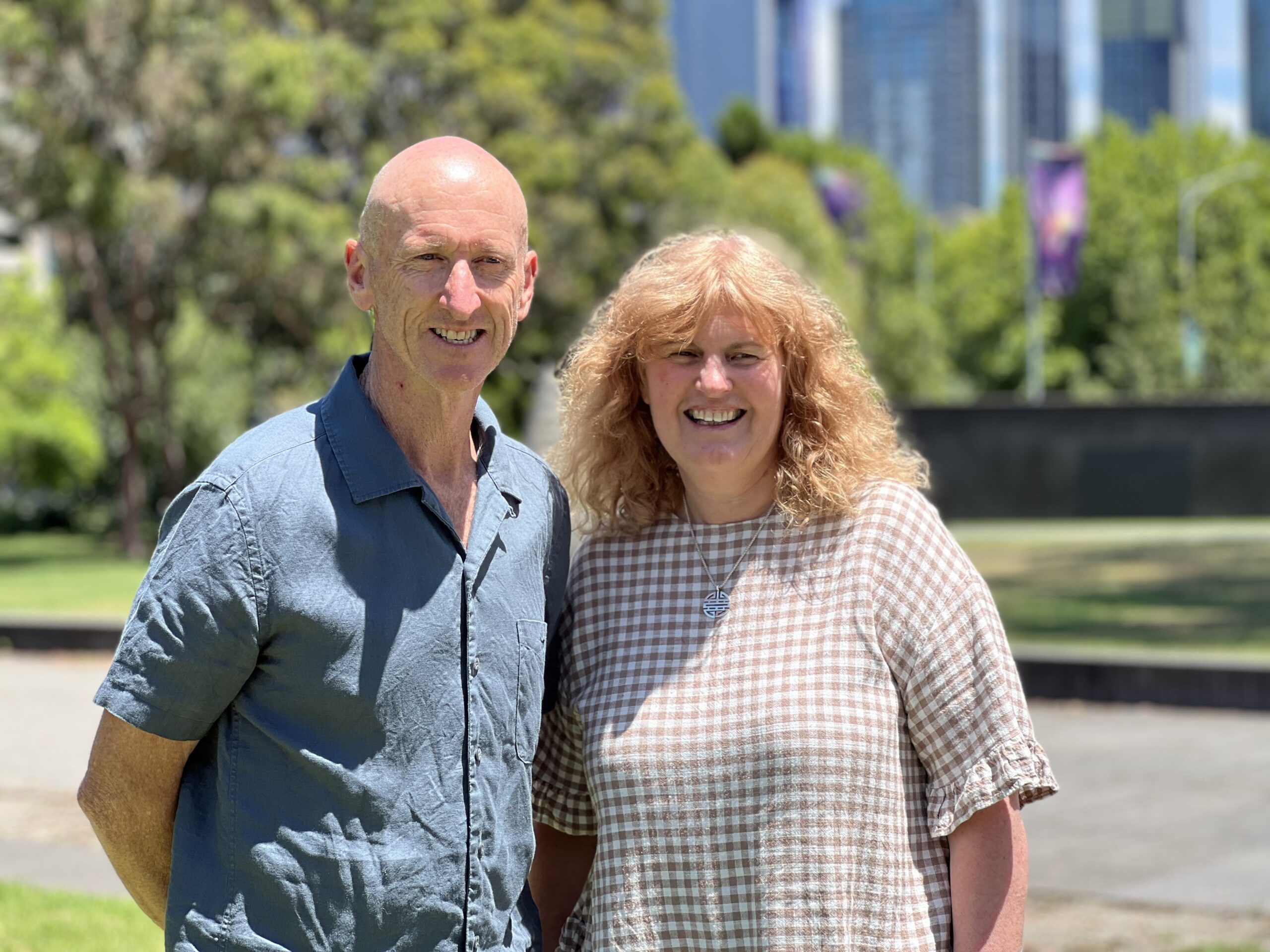
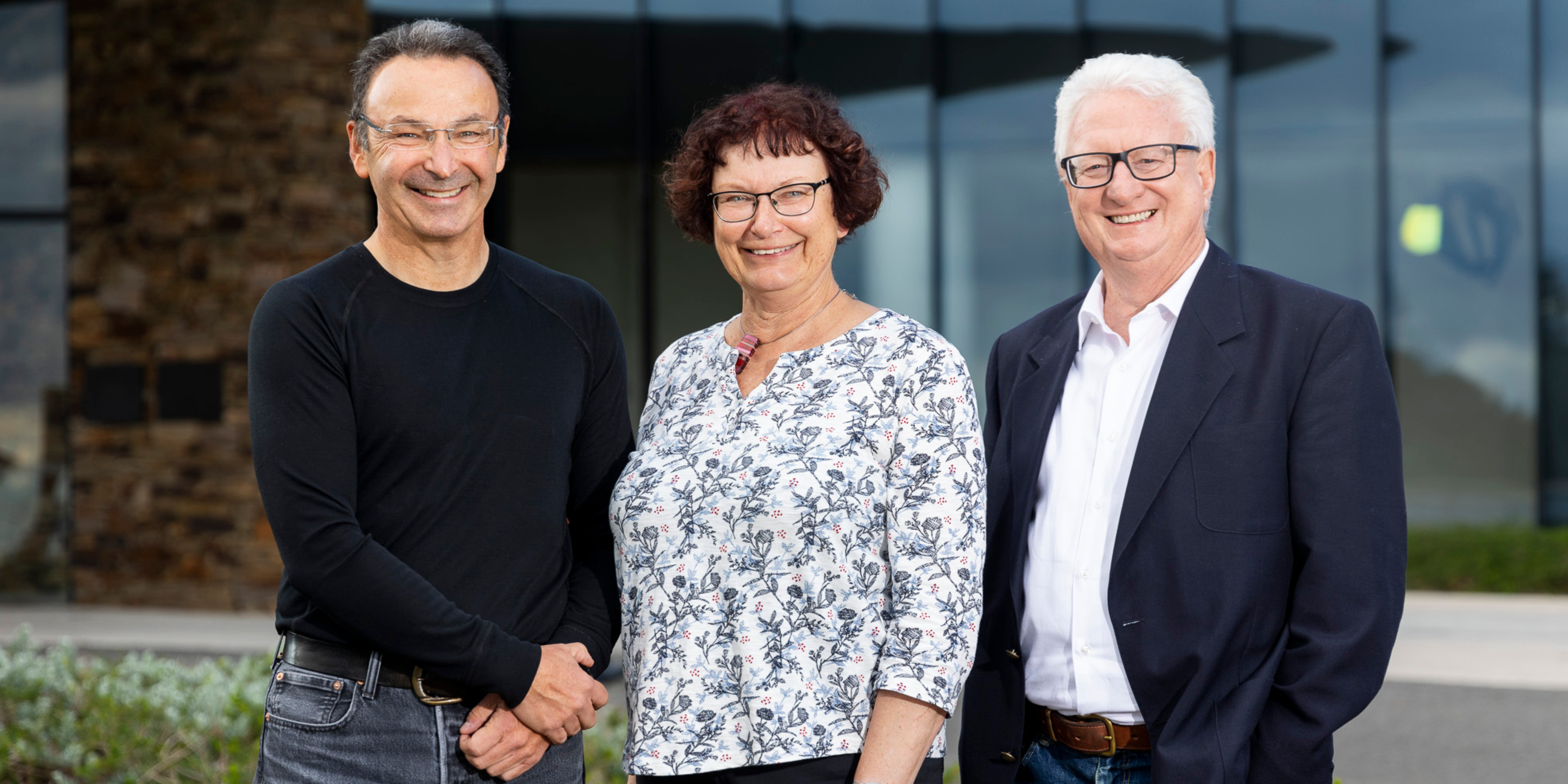



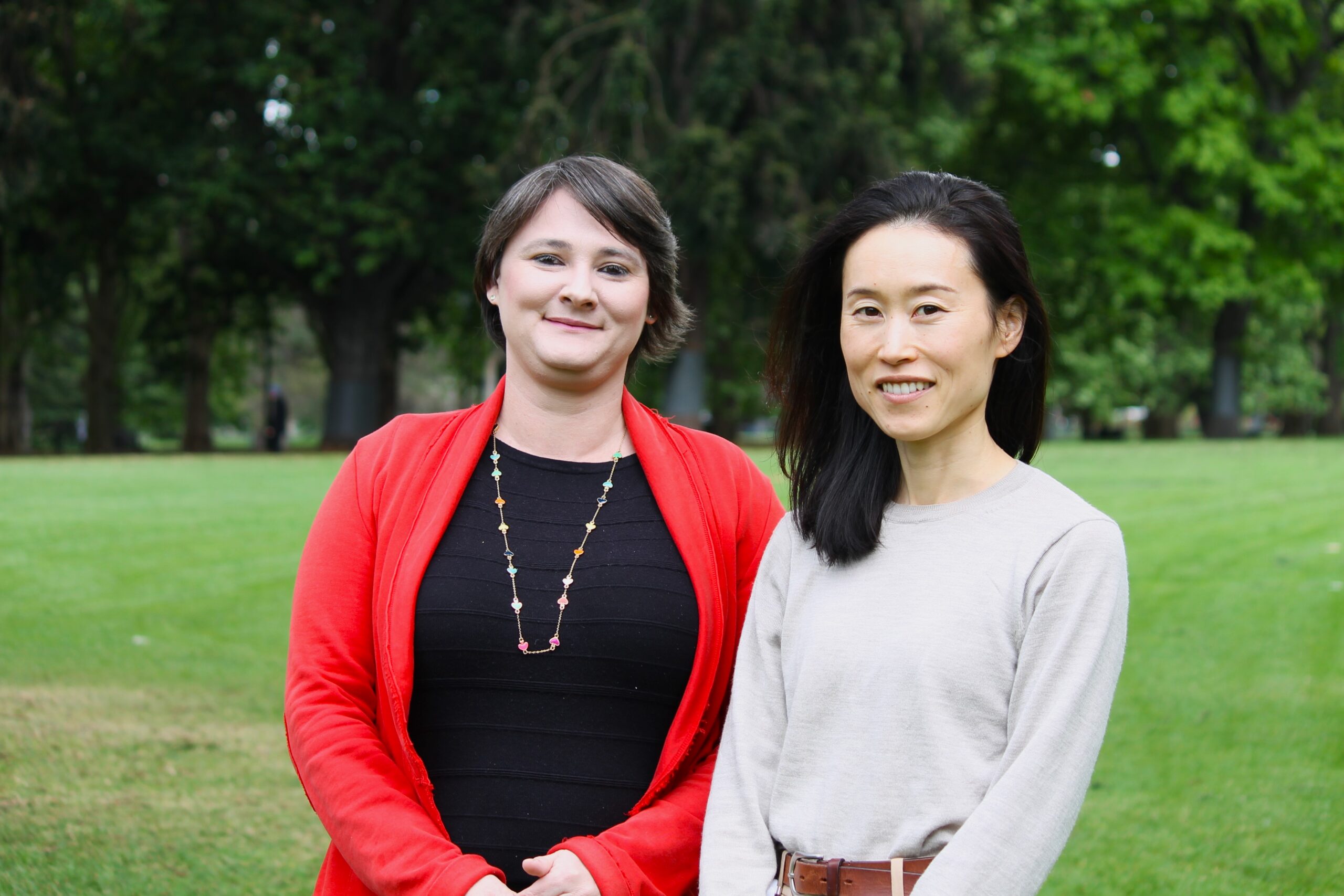
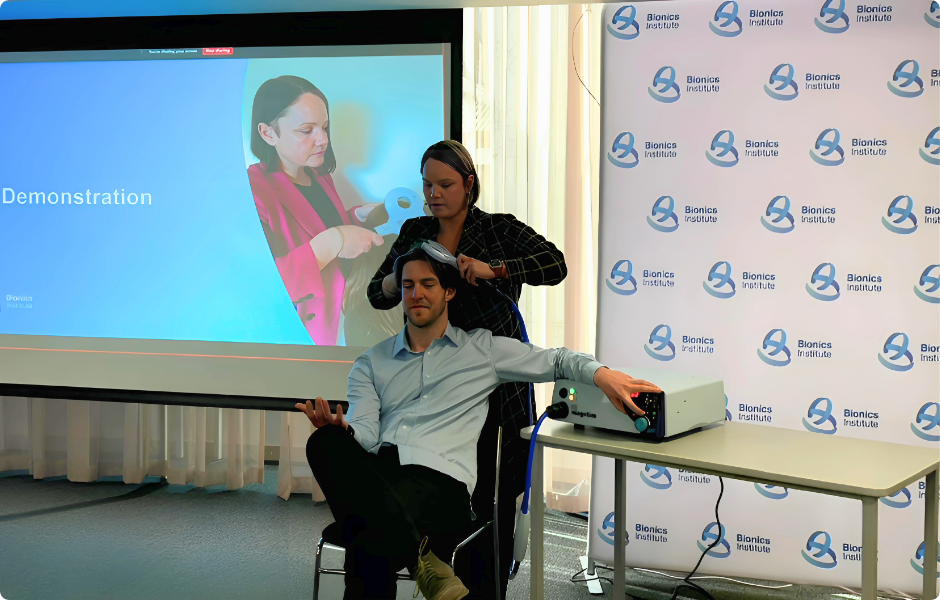
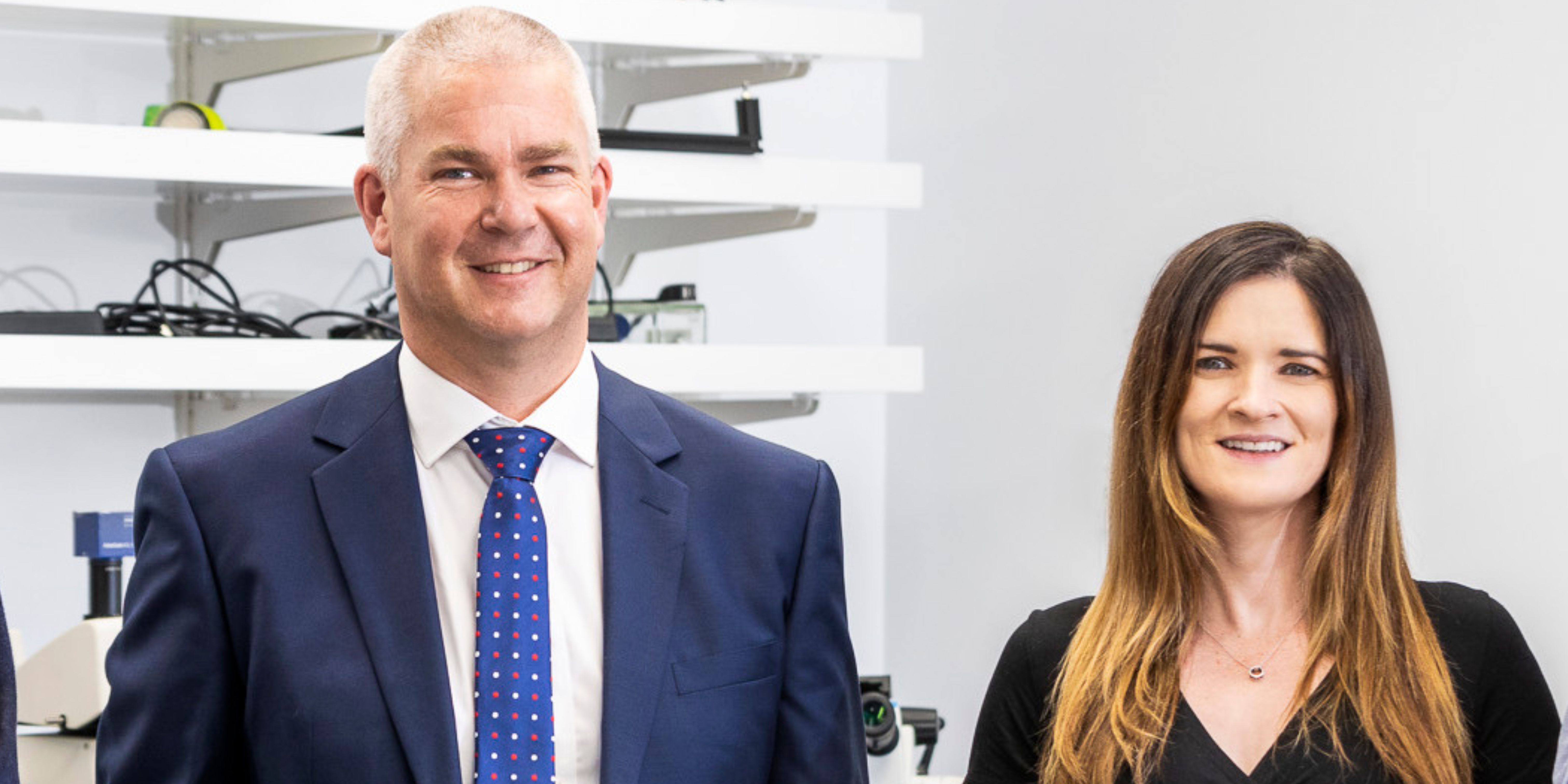










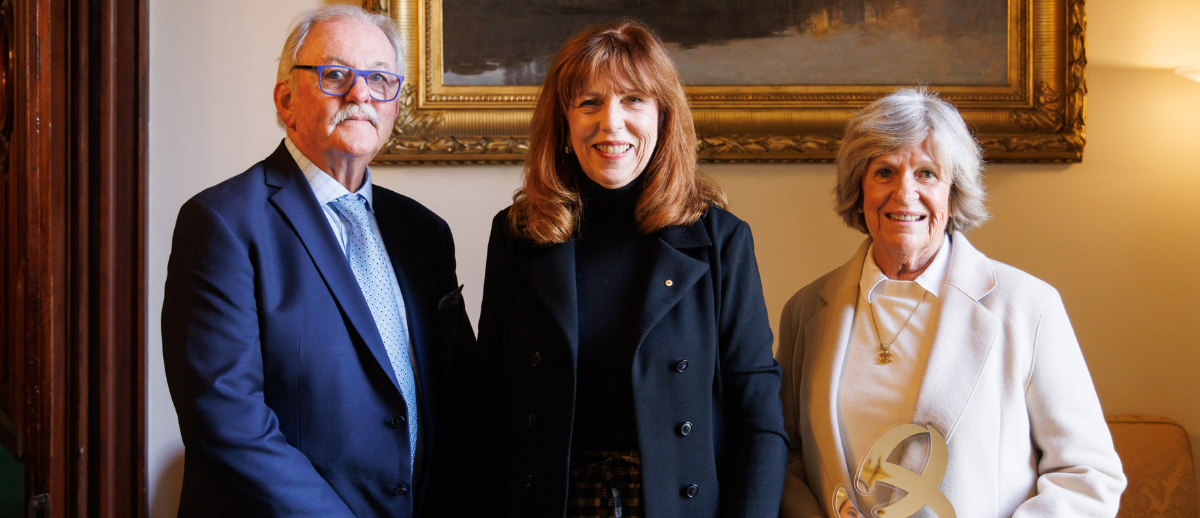
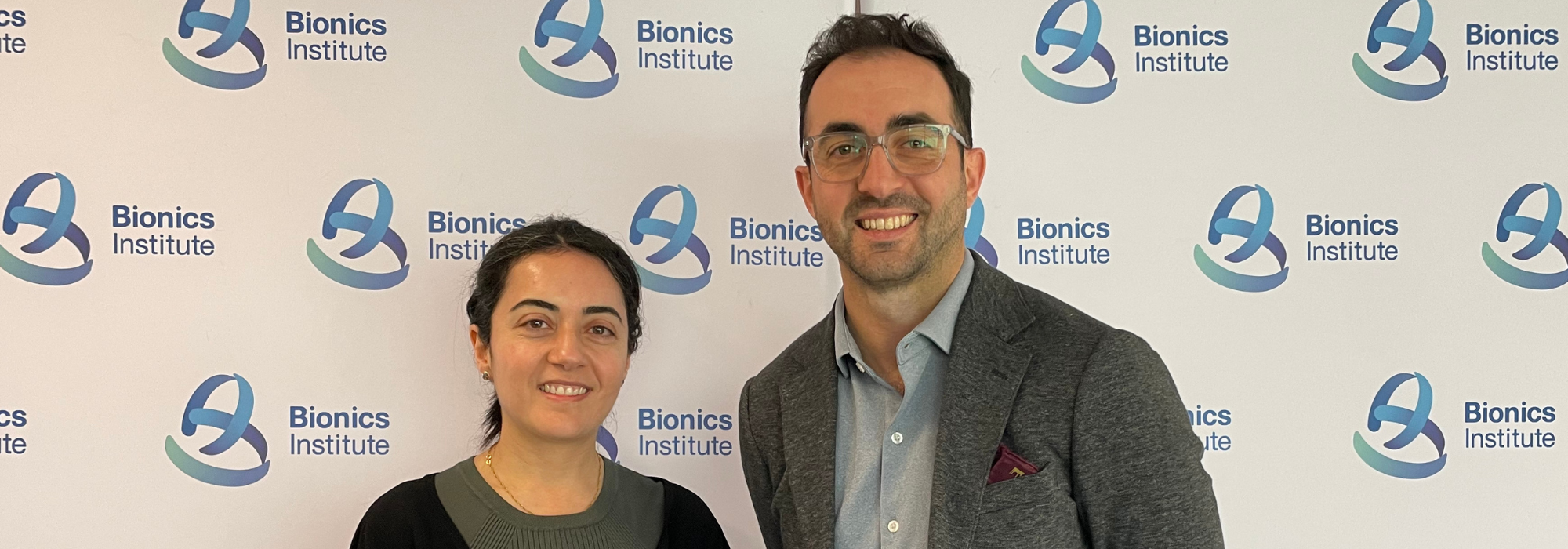







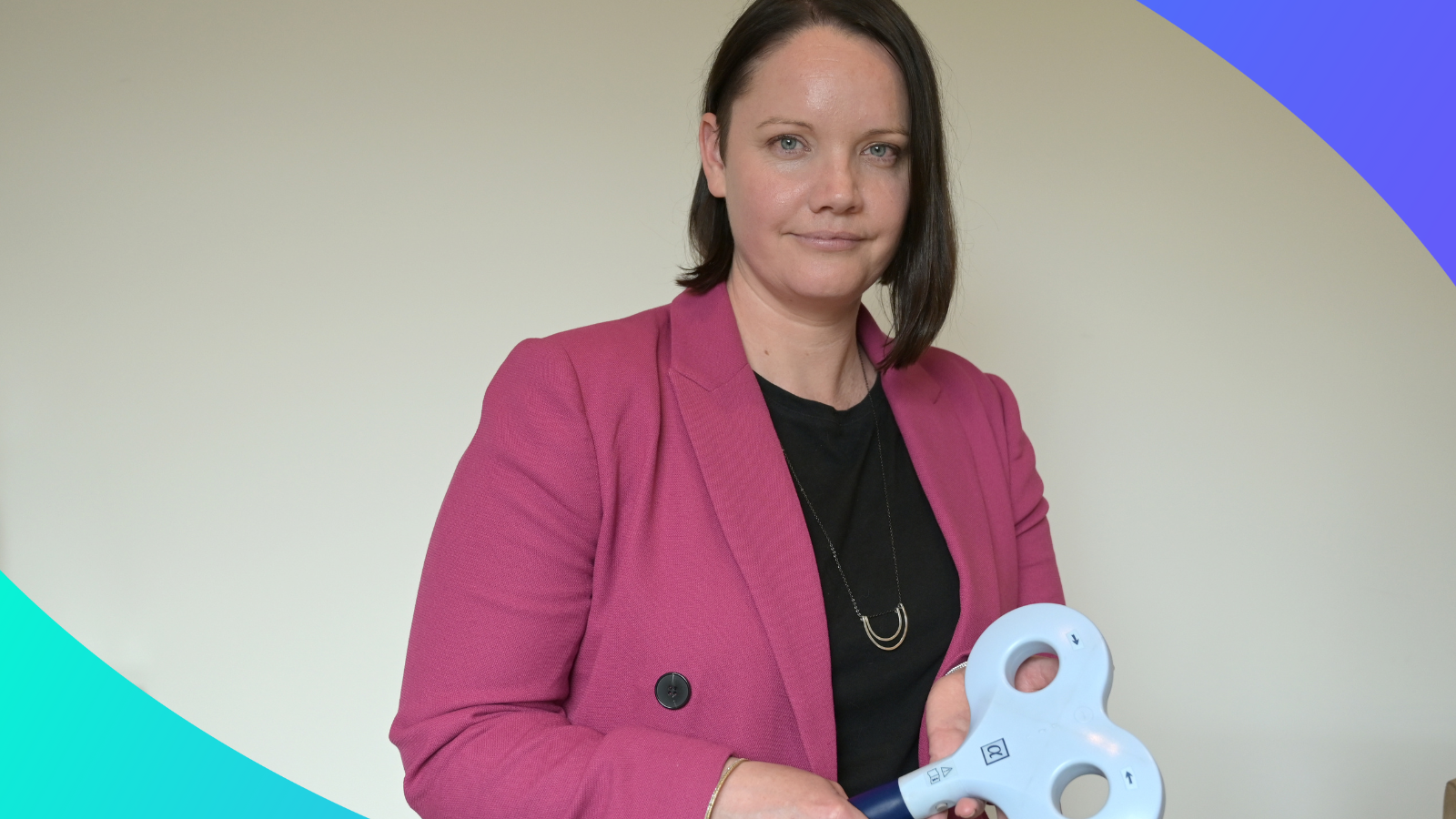





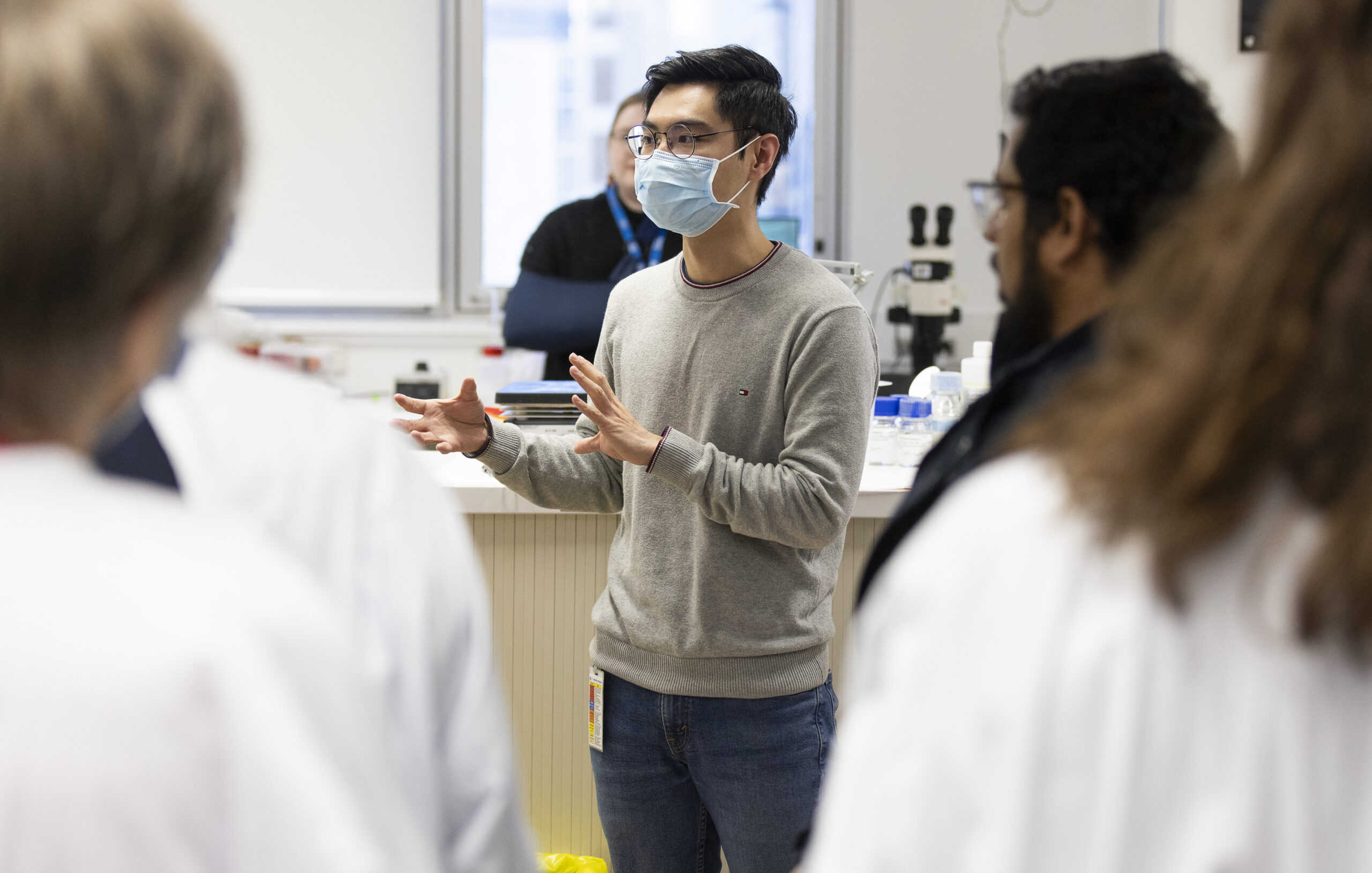



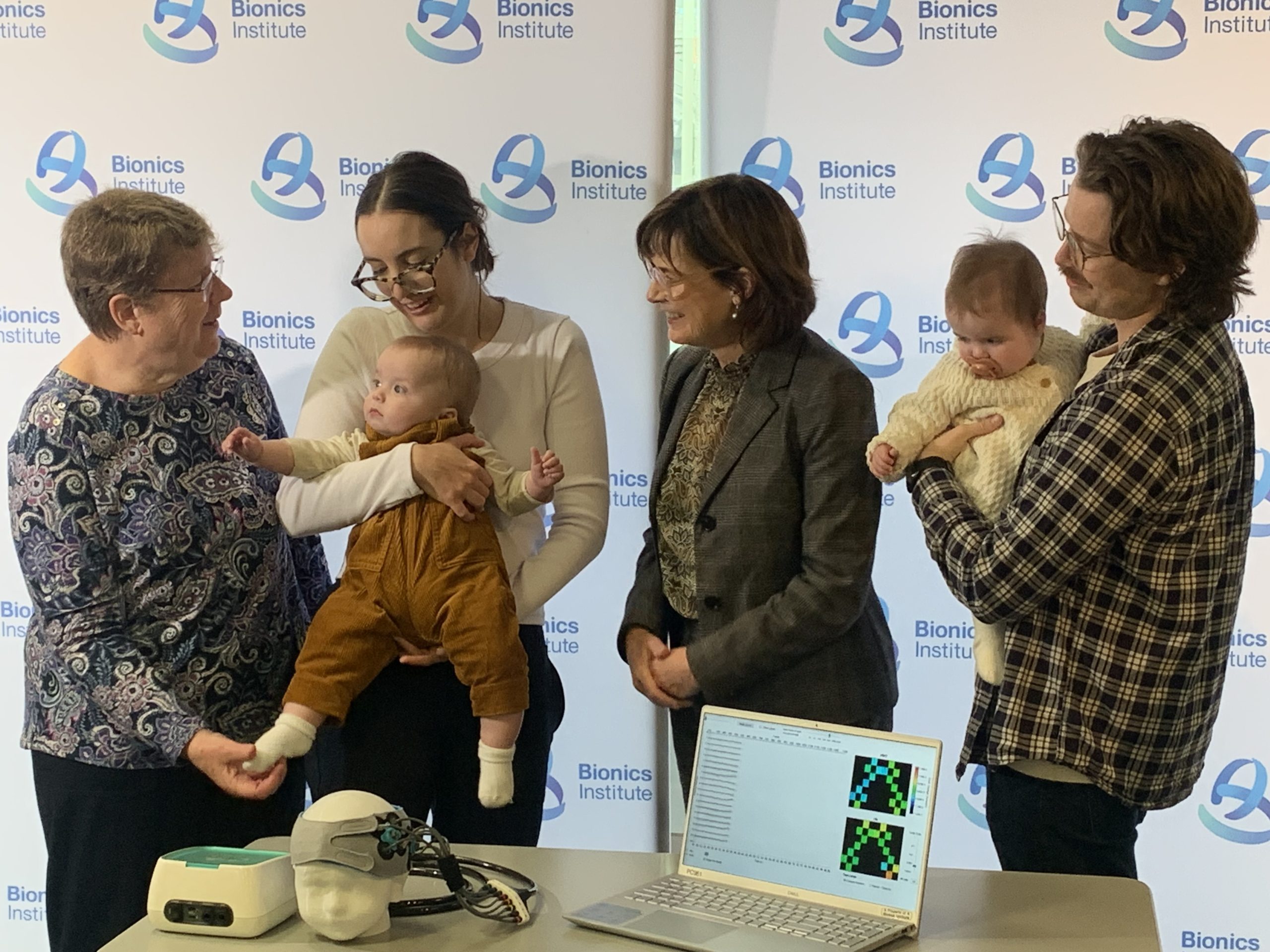




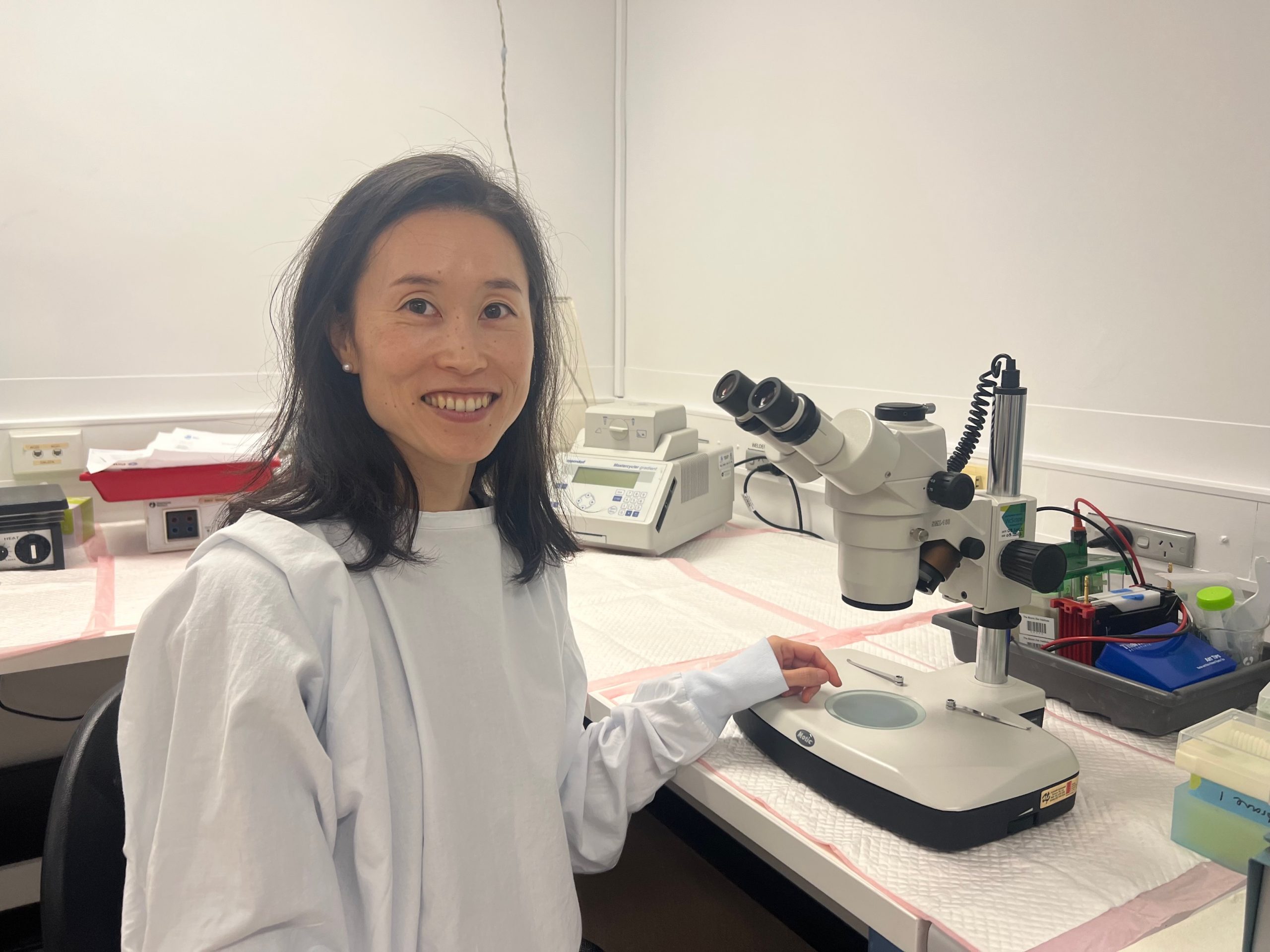


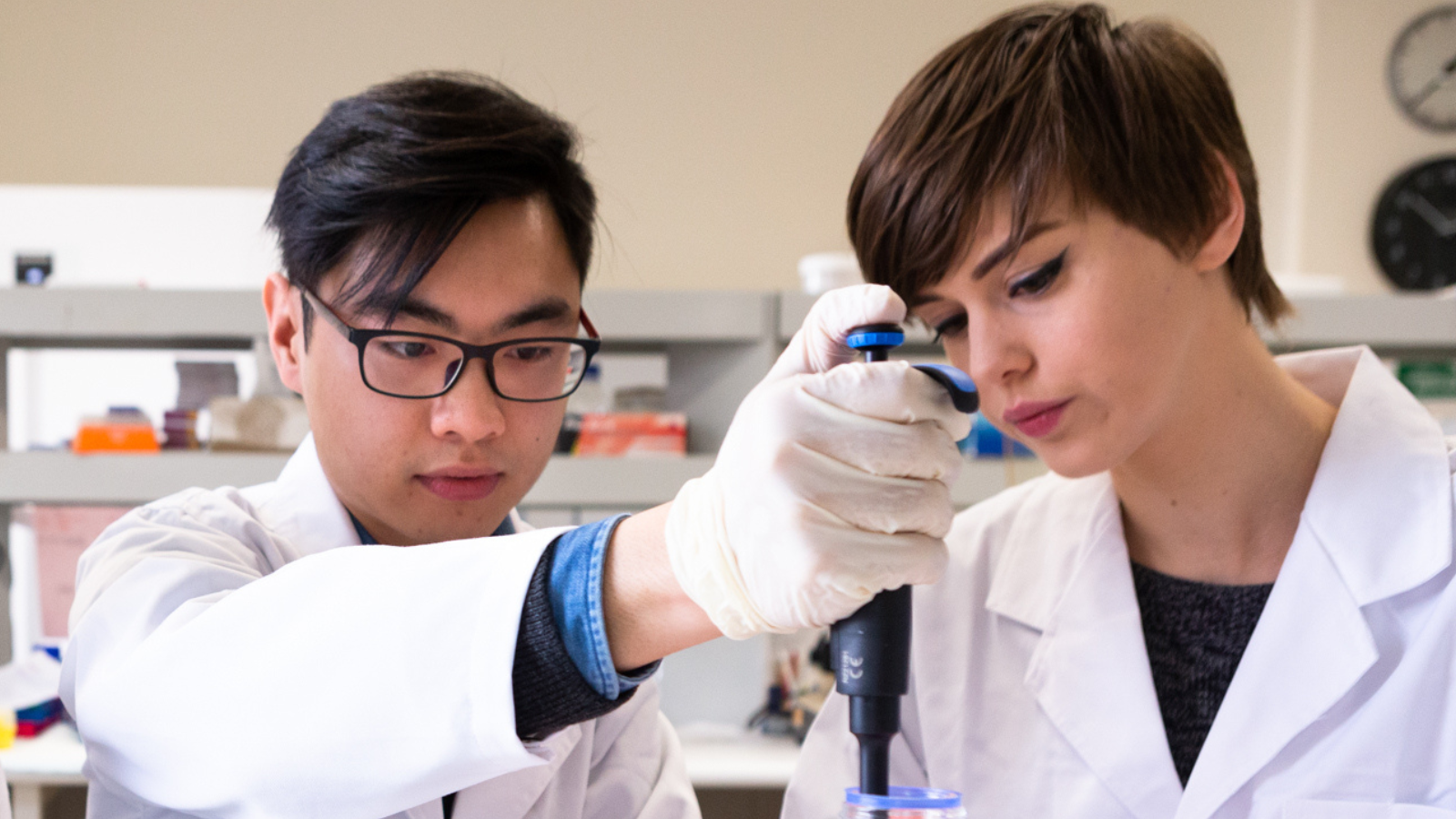



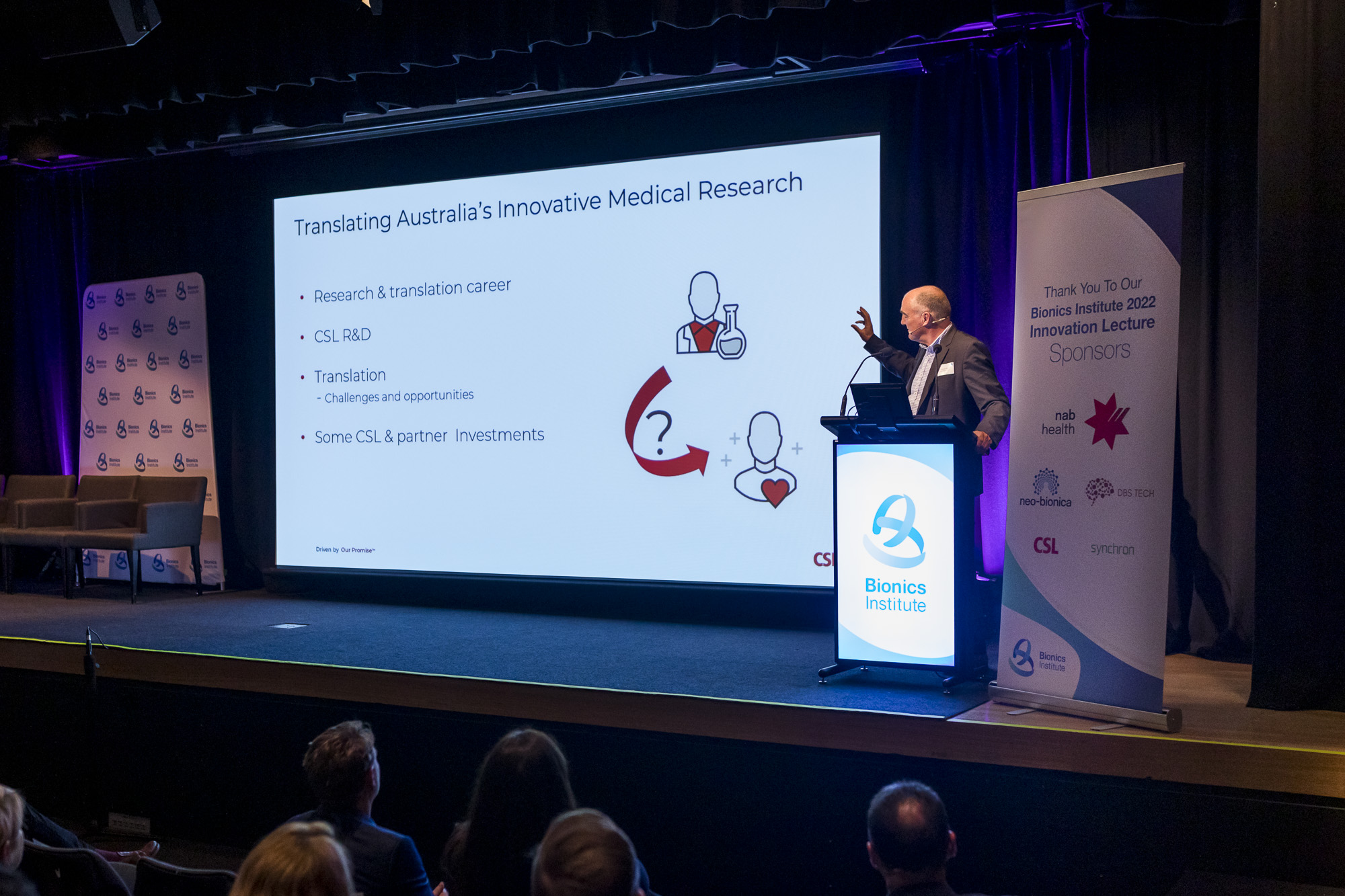
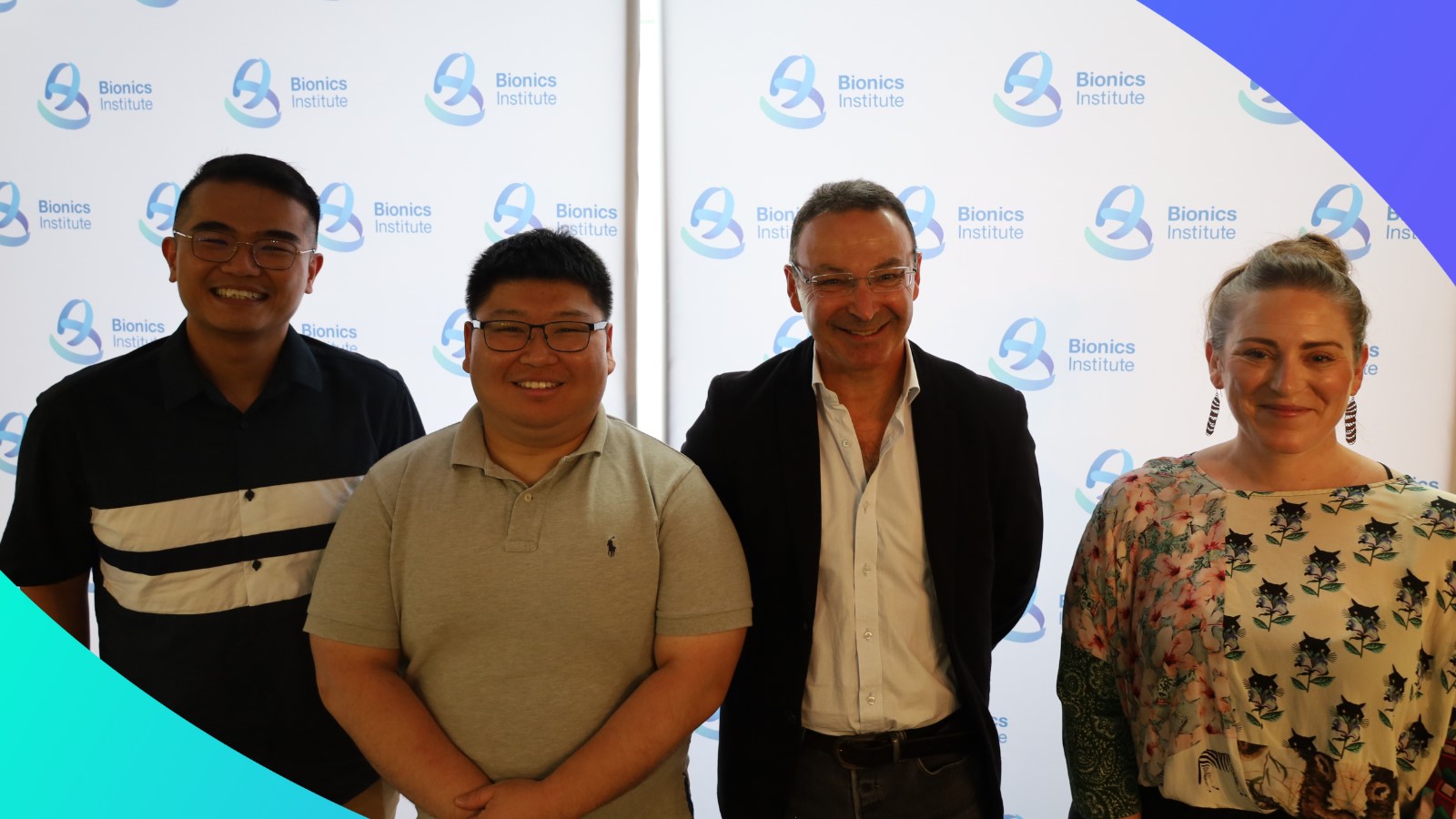
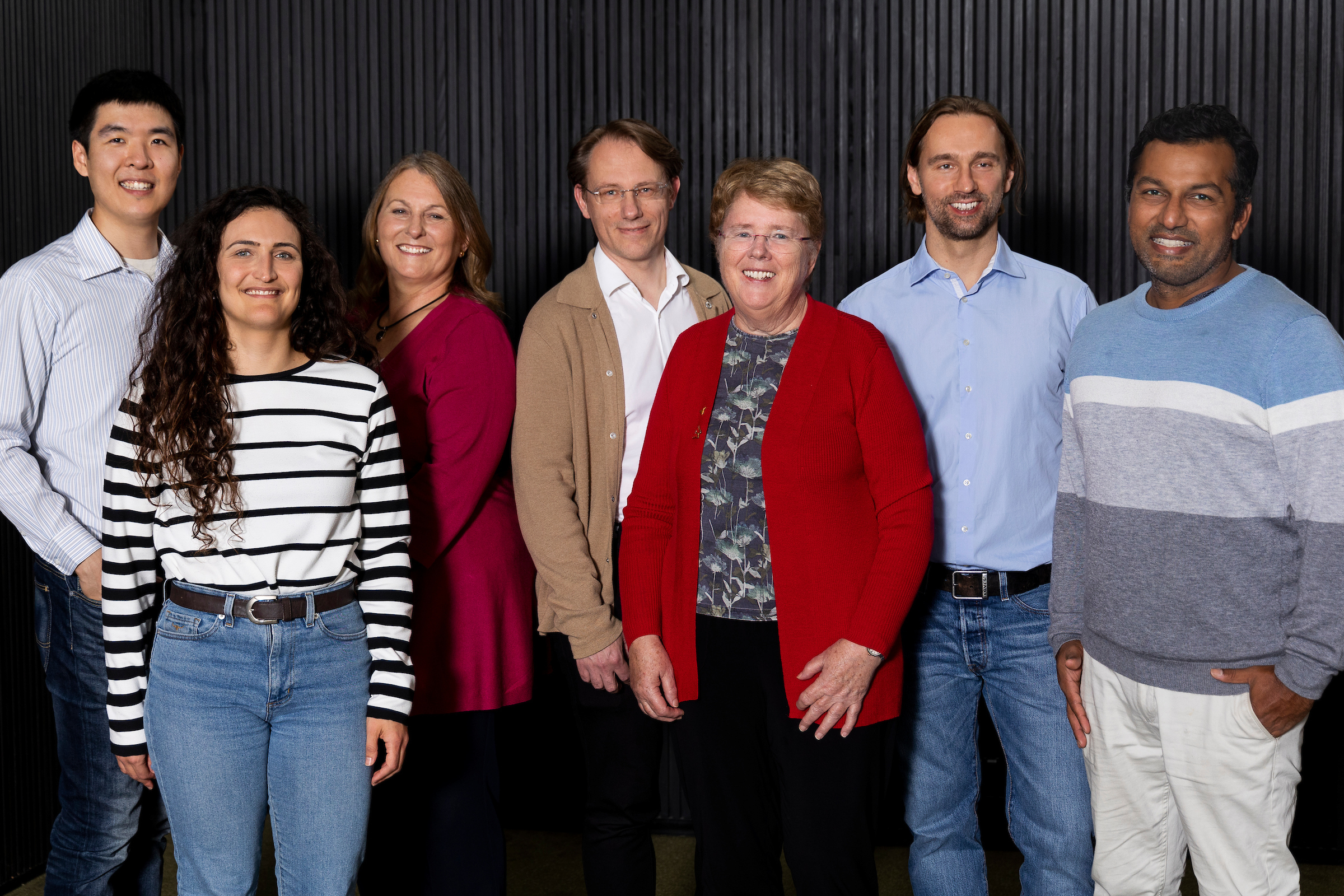
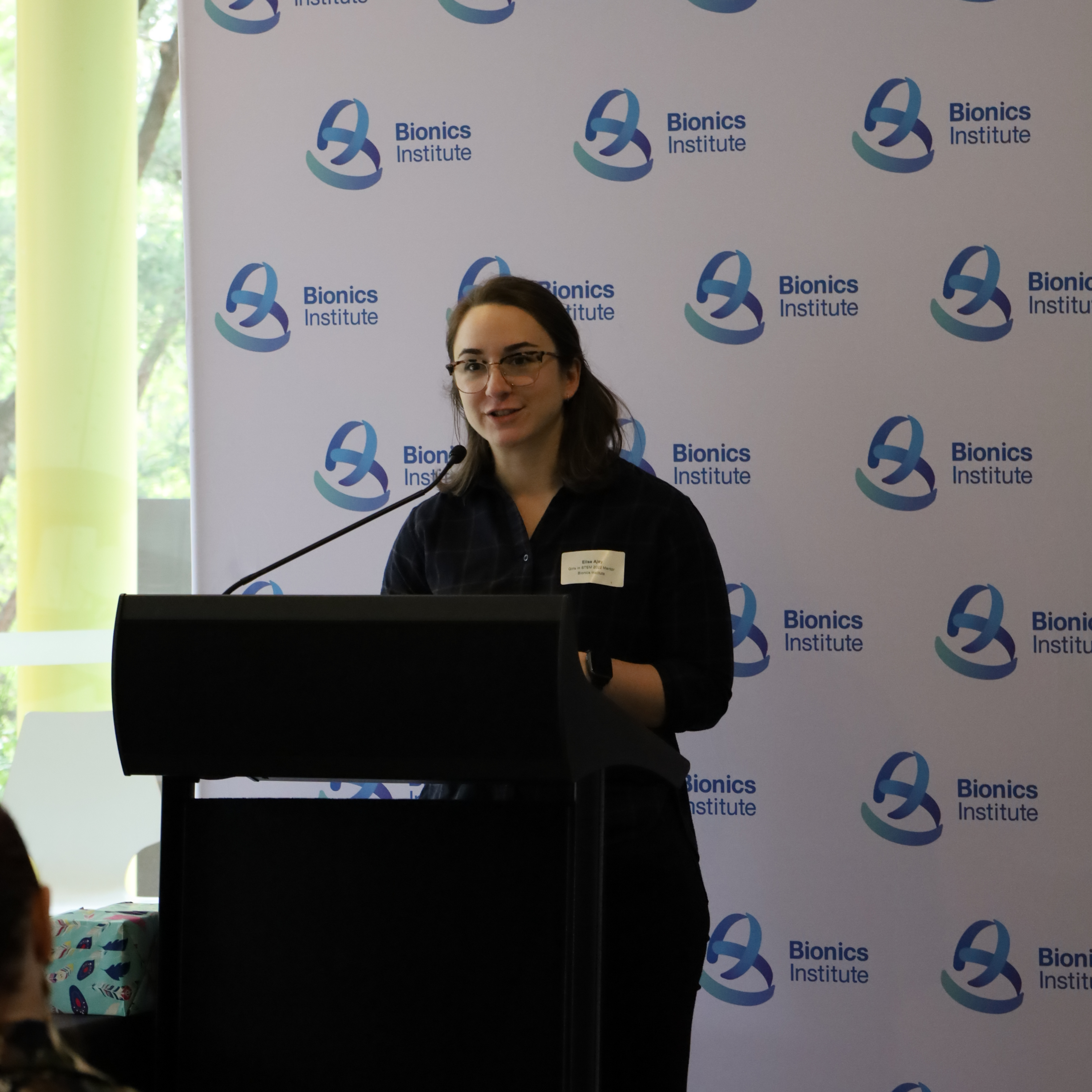









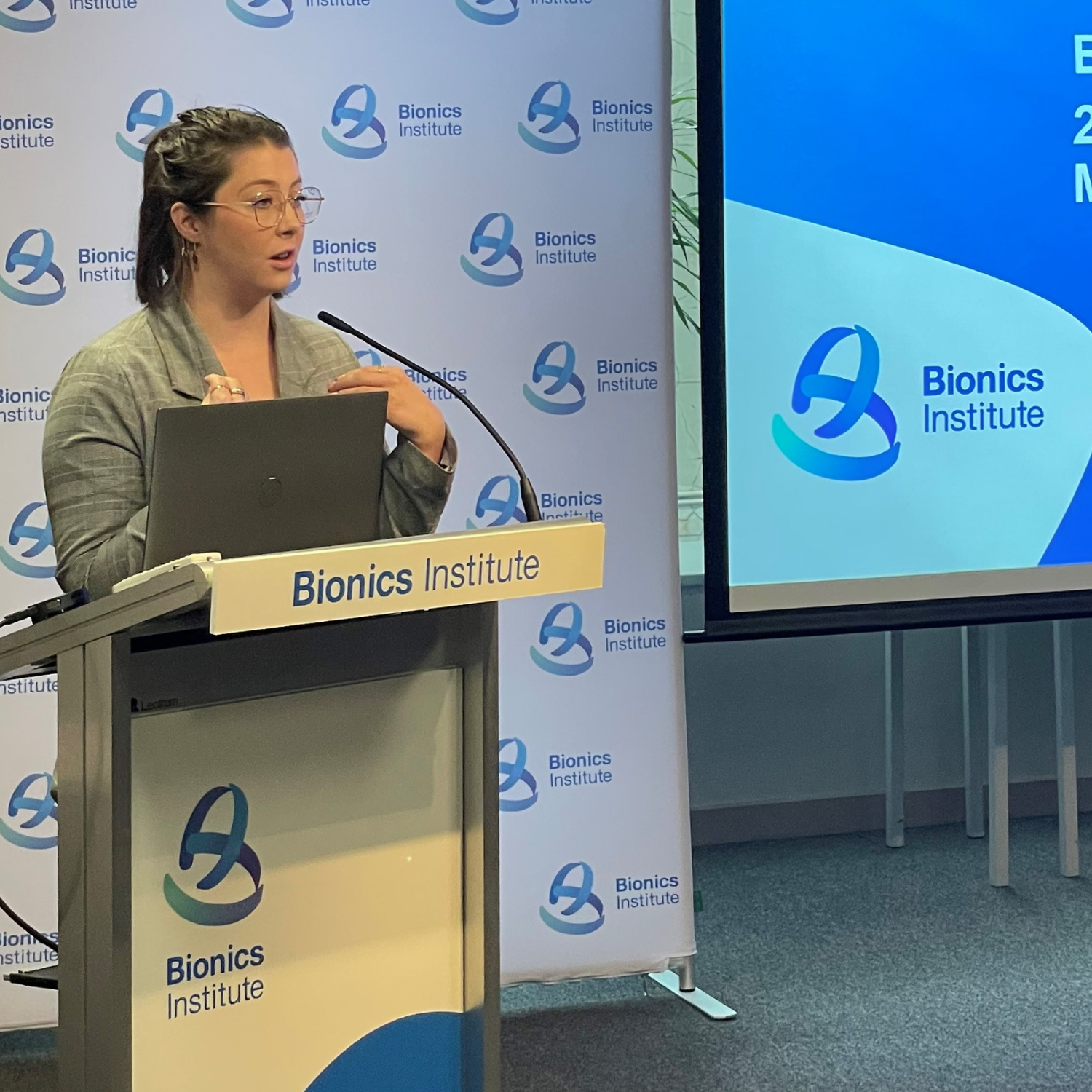
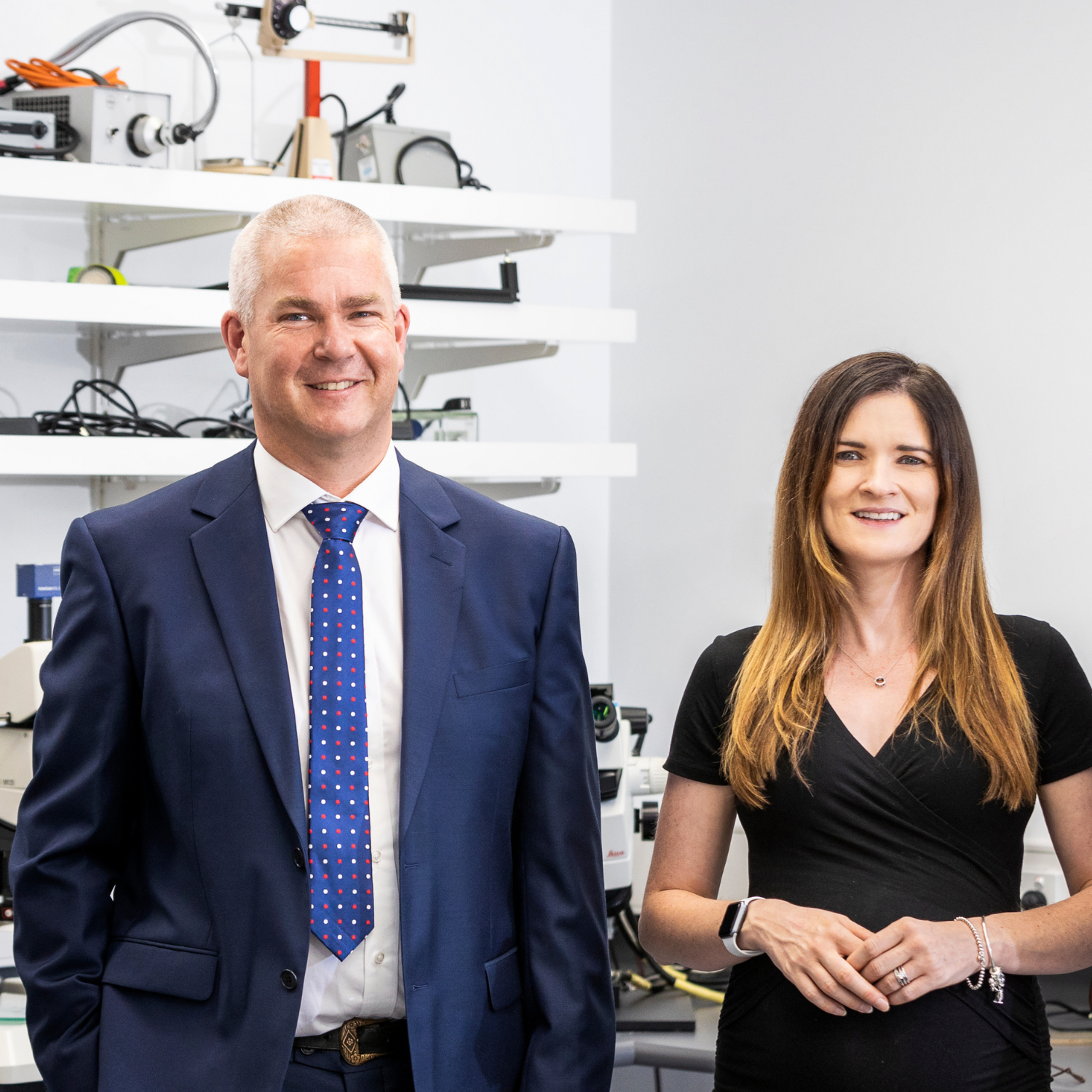
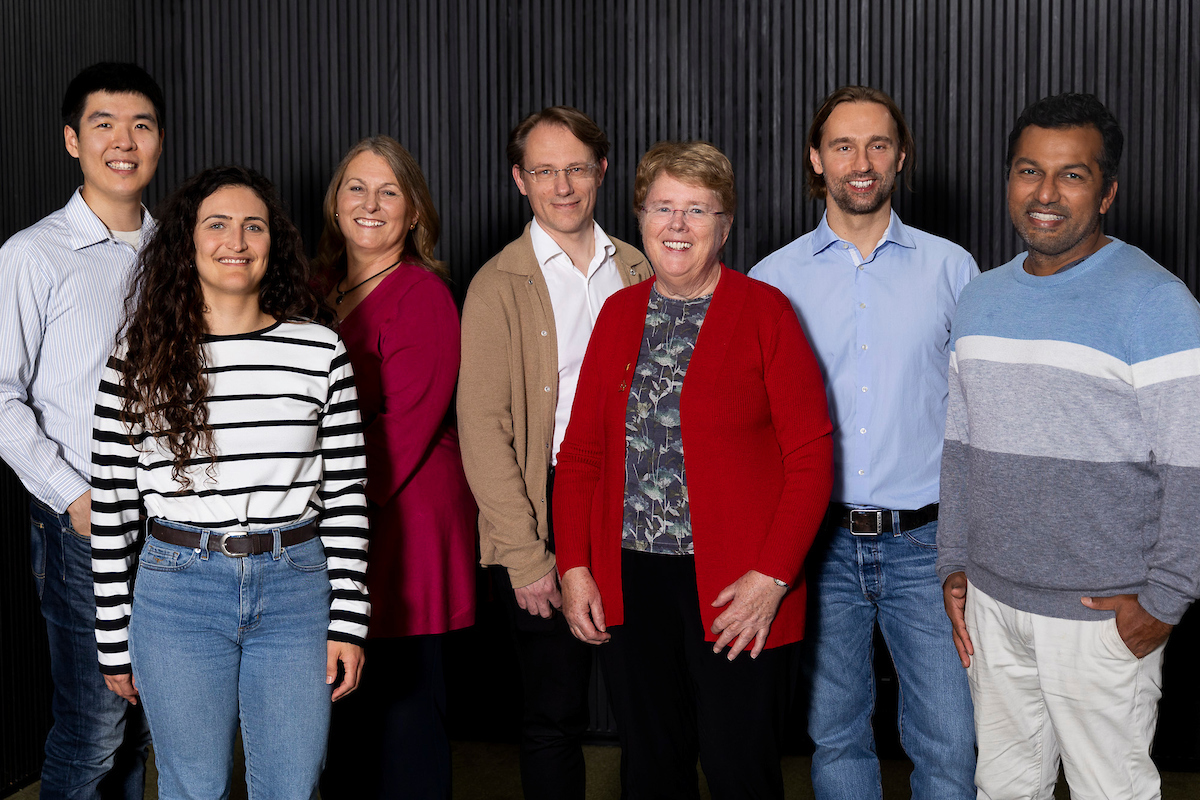












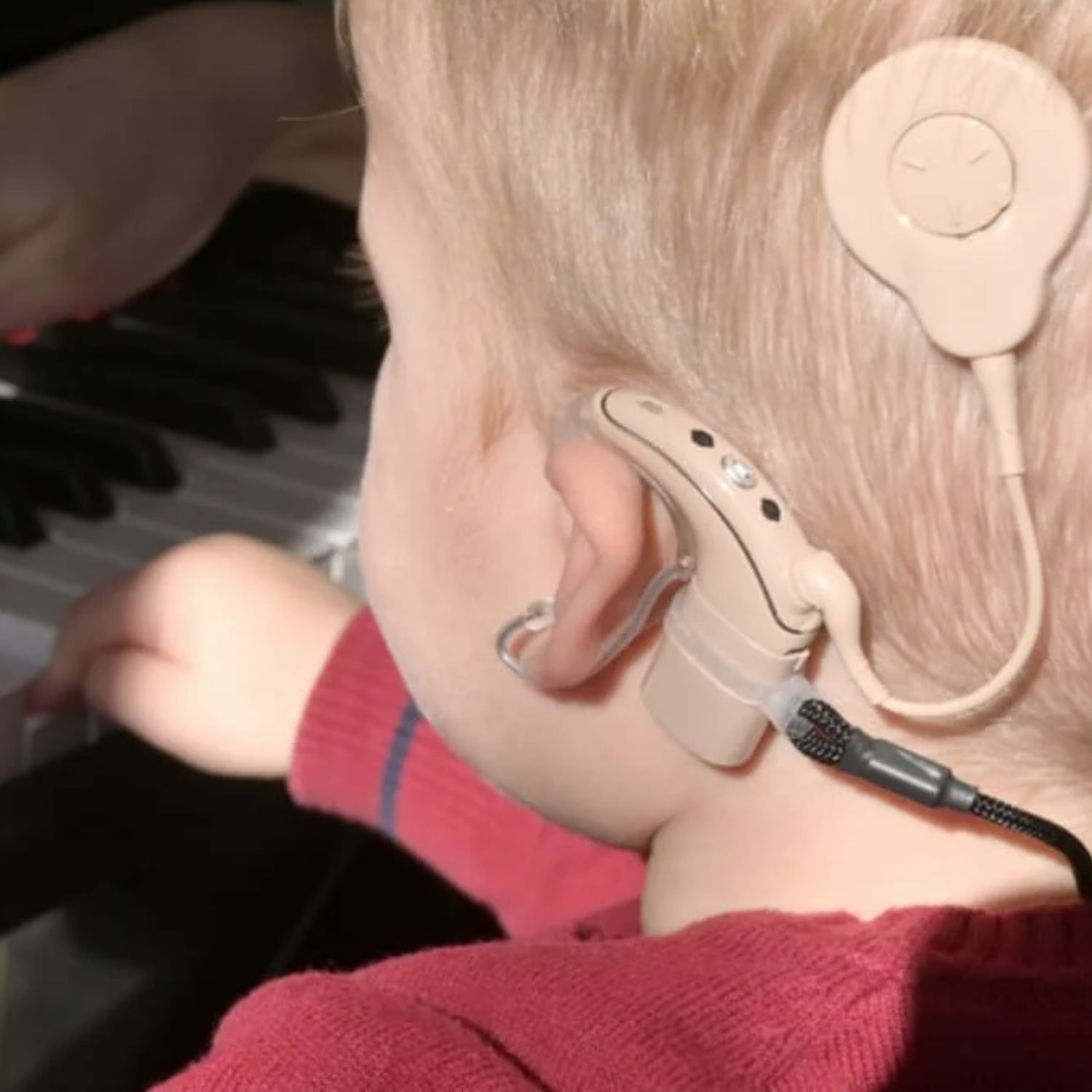




Cynthia McLarty recently hosted a garden party fundraiser and raised an incredible $10K to help speed us groundbreaking Bionics Institute reaseach.
“What an incredible day it was, made possible by all the people that came and supported the event and the donors that were so generous.
I have been forever grateful to the Bionics institute from that miracle day, 24 years ago, when my son Sam heard sound for the first time. A moment I will never forget.” – Cynthia
Hosting the Garden party was a small way of giving back to an organisation that has changed so many lives around the world, and will continue to do so. Cynthia McLarty
You might be interested in…
Corporate Giving
Find out how your company can support medical device research at the Bionics Institute
Corporate giving is a wonderful way to improve workplace culture and attract and retain quality staff whilst supporting innovative medical research.

Corporate Giving
Highlighting a company’s social responsibility and impact has also been linked to better reputation and brand.
Corporate giving can come in many forms, including:
• Philanthropic gifts from a Corporate Foundation
• Corporate Partnerships through cash and in-kind sponsorship and brand alignment
• Donation Matching to double your impact and incentivise others to give to a great cause.
Companies can also support their employees through Workplace Giving.
Alternatively, your employees can also Fundraise For Us by organising workplace fundraising activities, such as a corporate fun run or morning tea.
If your company is interested in supporting the Bionics Institute, please contact our fundraising team using this form.
A world leader in the development of medical devices, the Bionics Institute is a non-profit medical research institute solving challenging conditions with technology, with a focus on:
Support Us
By supporting medical device research at the Bionics Institute, you will make a difference to the lives of people around the world for generations to come.
Donate nowYour support will help:
There are many ways that you can become a Bionics Institute supporter:


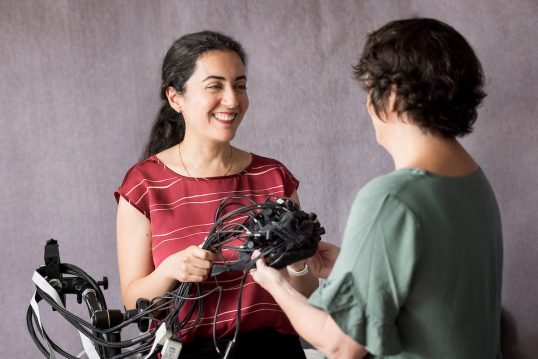
Regular gifts help us to budget and plan medical research activities well into the future here.
Become a regular giver.

Remembering the Bionics Institute in your Will is a thoughtful and practical way of making a life-changing difference to people’s lives. You can find out more about leaving a gift in your Will here.
To discuss leaving a gift in your Will, please contact Ann Fazakerley by email: [email protected], call +61 3 9667 7500 or complete this form.

Holding or taking part in a fundraising event or activity is a fun way to raise money for life-changing research whilst connecting with your local community. You can get some inspiration for your event here.
To discuss setting up a community fundraiser, please contact our fundraising team using this form.

Giving in tribute is a meaningful and lasting way to celebrate a loved one’s life and honour their memory.
Asking guests to give in celebration of your birthday, wedding or anniversary is a wonderful way to share your passion for medical device research with friends and family.
You can find out more about giving in tribute and celebration here.
To discuss giving donations in memory of a loved family member or friend, or to request donation forms and envelopes, please contact our fundraising team using this form.

Corporate giving is a wonderful way to improve workplace culture and attract and retain quality staff whilst supporting innovative medical research.
Highlighting a company’s social responsibility and impact has also been linked to better reputation and brand.
If your company is interested in supporting the Bionics Institute, please contact our fundraising team using this form.
News and Events
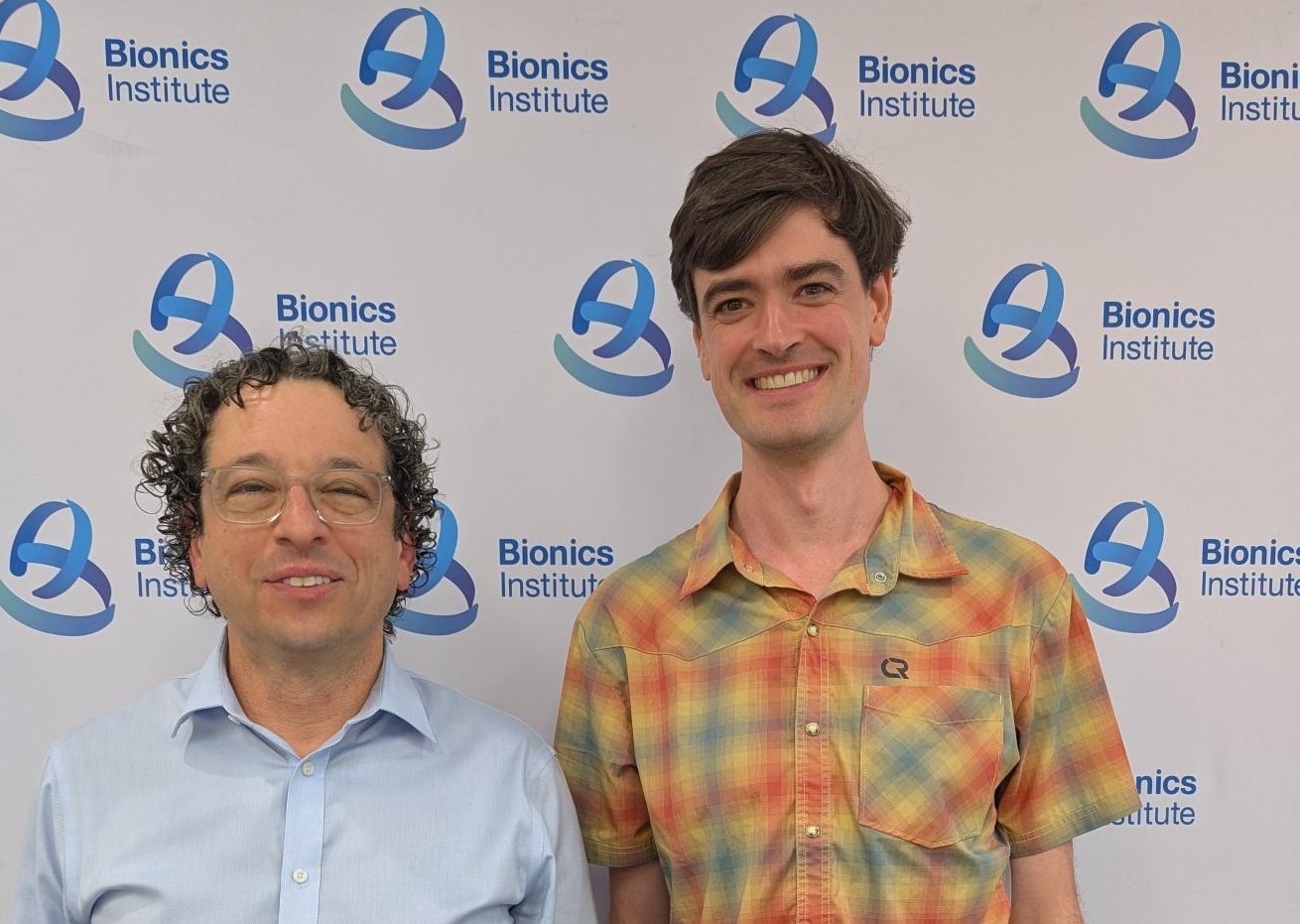
Bionics Institute’s Mica Haneman will be taking part in a triathlon later this year to raise money towards our cochlear implant research.
Mica, an audiology graduate and research assistant with the Bionics Institute’s hearing team was inspired by taking part in our recent Bionics takes on Bogong event and seeing first-hand the difference community funding can make.
“I have the privilege of working with cochlear implant recipients to investigate ways of improving how cochlear implants are programmed.”
“Some people with a cochlear implant still experience many challenges with how sounds and speech are heard.”
“The work the Bionics Institute teams are doing to try and resolve this is so important.”
I’m always looking for a new challenge, so I’m really excited to be working towards a new goal, whilst also raising money towards such a worthwhile cause. Mica Haneman
We’d love to hear your fundraising ideas!
If you’re thinking about setting up a fundraiser for Bionics Institute research, or have any questions about how you can do this, click here to see how you can fundraise for us!
You might be interested in…
Support Us
Invest in groundbreaking research to help those with Parkinson’s disease gait
Donate nowAbigail’s Story

Parkinson’s gait research can change lives
For someone with Parkinson’s gait impairments, movement becomes a challenge. Walking becomes painful. The resulting shuffling gait can lead to falls, hospital, even early admission to aged care.
Now there’s promising research to relieve this problem. Here’s how it works:
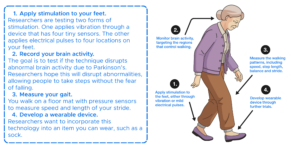
Help fund pioneering research
Parkinson’s disease affects more than six million people worldwide, and gait difficulties are among its most common and debilitating symptoms.
Our research team, led by A/Prof Mehrnaz Shoushtarian, is developing a new intervention to address these challenges using non-invasive stimulation of the feet, delivered through vibration or mild electrical pulses.
The team is currently conducting clinical trials to test whether this approach can reduce gait disturbances by disrupting the abnormal brain activity that interferes with walking.
You can help make this work possible with a generous gift today—supporting efforts to reduce falls and improve stability for people living with Parkinson’s.
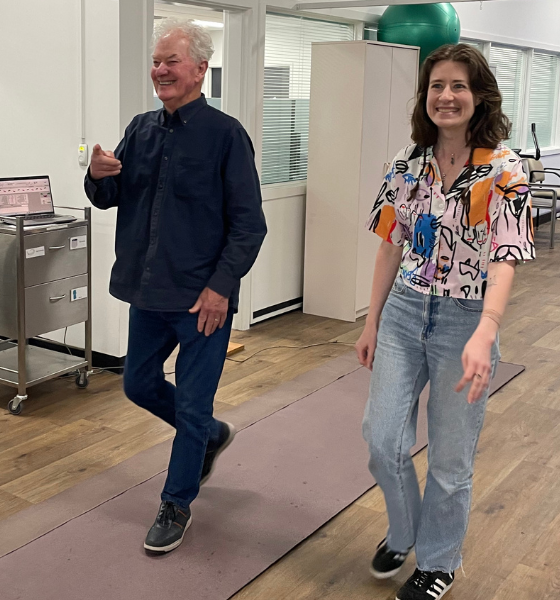
Imagine if you could put on a sock and it buzzed your feet and then you could walk more smoothly during the day… that would be amazing. This gives us a lot of hope.” Abigail, whose early onset of Parkinson’s affected her ability to walk independently and care for her children.
Want to support research like this?
Want to support the future of research like this?
The progress of life-changing treatments are only made possible by donations from our supporters. Your support today could give those with chronic pain hope of a pain-free future.
Find out how you can support research innovation here.

What is the vagus nerve?
The vagus nerve is the longest of the twelve cranial nerves that originate in the brain. It travels from the brainstem, through the neck and, leaving the other cranial nerves behind, passes into the chest and abdomen. Although it is often referred to as a singular nerve, it is actually a pair of nerves that travel through the left and right sides of the body. The vagus nerve can be imagined as an upside-down tree, with branches that grow off the main “trunk”. These branches provide nerve fibres to many organs. As possibly the longest nerve in the body, it has the nickname “the wandering nerve.”
Get Involved
The vagus nerve is made up of two types of fibre:
Afferent and efferent fibres.
Whereas afferent fibres might inform the brain that an organ is inflamed, the efferent fibres may carry signals to the organ to reduce the inflammatory response.
1. Afferent fibres
Makes up most of the vagus nerve, carry signals that encode information about the body to the central nervous system (CNS, made up of the brain and spinal cord).
2. Efferent fibres
Carry electrical impulses from the CNS to the heart, lungs and digestive system.
The vagus nerve helps regulate multiple bodily functions, many of which are described in Table 1. Some are voluntary, and some are involuntary (such as reflexes).
The extensive network formed by the vagus nerve and its branches throughout the gut—from the oesophagus (food pipe) down to the first part of the colon (large bowel)—is an important part of the body.
The combination of this network and its connection to the CNS make up a two-way highway often called the brain-gut axis. As well as monitoring the activities of the internal organs, the brain-gut axis also:
- Activates the gut’s immune system (the gut wall barrier against microorganisms)
- Affects leakiness of the gut lining
- Regulates inflammation (a process induced by the immune system causing the tissue to become hot, red, swollen and sometimes painful).
Functions of the vagus nerve
Part of the tongue
Increases brain dopamine levels
Larynx (voice box) and throat
Speech
Trachea (windpipe) and lungs
Cough reflex, mucus production and airway diameter
Heart
Heart rate and amount of contraction by upper heart chambers
Throat and oesophagus (food pipe)
Swallowing
Stomach and most of the bowel
Contractions and secretions of the gut needed to help with food digestion, vomiting
Pancreas
Contractions and secretions of the gut needed to help with food digestion, vomiting
Liver
Glucose production
Gallbladder
Bile production which helps digestion
Bladder
Urinary sphincter constriction
Brain
Mood, stress response
Immune system and inflammation
Vagus nerve is a main component of the body’s immune and inflammatory response
When the body is under stress or inflammation, the vagus nerve communicates with a body system called the hypothalamic-pituitary-adrenal axis, or HPA axis, leading to release of cortisol—a major stress hormone.
Having high cortisol may cause euphoria, irritability, mood swings and low mood. Various studies have found high levels of cortisol in mental disorders such as depression, bipolar disorder and schizophrenia.
It is thought that high cortisol can affect brain hormone levels, such as lowering serotonin levels. Growing research suggests that symptoms of chronic depression and anxiety can be improved with vagal nerve stimulation (VNS) by activating nerves that produce various brain hormones involved in mood regulation.
Information regarding body inflammation travels via the vagus nerve to the CNS, and signals are sent back to the gut to stop the inflammatory process. This happens in a number of ways.
Firstly, as mentioned earlier, the vagus nerve can work with the HPA axis to activate the release of cortisol and other hormones that reduce inflammation.
Secondly, the vagus nerve can stimulate release of two neurotransmitters (molecules that pass between nerves), noradrenaline and acetylcholine, reducing the inflammation.
Around 15 centimetres long, the pancreas lies high up in the abdomen, behind the stomach. The pancreas has a complex relationship with many of the gut hormones and secretes enzymes into the small intestine to help break down food. In addition, the pancreas produces several hormones, two of which are insulin and glucagon.
When glucose is sensed in the gut, the vagus nerve is thought to stimulate the pancreas to release insulin. Insulin increases the storage of digested carbohydrates, proteins and fats.
Glucagon does the opposite, triggering the body to release these products from storage into the bloodstream when required.
A balance of these two hormones is therefore needed to manage blood glucose and the body’s energy levels—too much insulin relative to glucagon can lead to hypoglycaemia (low blood sugar); too little insulin relative to glucagon can lead to diabetes which can lead to multiple medical complications.
Albert U, Maina G, Aguglia A, Vitalucci A, Bogetto F, Fronda C, et al. Vagus nerve stimulation for treatment-resistant mood disorders: A long-term naturalistic study. (CC 1.0). BMC Psychiatry [Internet]. 2015 Mar 31 [cited 2022 Jul 7];15(64):1–9. Available from: https://bmcpsychiatry.biomedcentral.com/articles/10.1186/s12888-015-0435-8
Barrett KE, Barman SM, Brooks HL, Yuan J. Ganong’s Review of Medical Physiology. 26th ed. McGraw-Hill Education; 2019.
Breit S, Kupferberg A, Rogler G, Hasler G. Vagus nerve as modulator of the brain-gut axis in psychiatric and inflammatory disorders. (CC BY). Front Psychiatry. 2018 Mar 13;9:44.
Lkhagvasuren B, Mee-inta O, Zhao ZW, Hiramoto T, Boldbaatar D, Kuo YM. Pancreas-Brain Crosstalk. (CC BY). Front Neuroanat [Internet]. 2021 Jul 20 [cited 2022 Jul 7];15:1–15. Available from: https://www.frontiersin.org/articles/10.3389/fnana.2021.691777/full
Milev R V., Giacobbe P, Kennedy SH, Blumberger DM, Daskalakis ZJ, Downar J, et al. Canadian Network for Mood and Anxiety Treatments (CANMAT) 2016 clinical guidelines for the management of adults with major depressive disorder: Section 4. Neurostimulation treatments [Internet]. Vol. 61, Canadian Journal of Psychiatry. SAGE Publications Inc.; 2016 [cited 2022 Jul 6]. p. 561–75. Available from: https://journals.sagepub.com/doi/pdf/10.1177/0706743716660033
Pavlov VA, Tracey KJ. The vagus nerve and the inflammatory reflex—linking immunity and metabolism. Nat Rev Endocrinol [Internet]. 2012 Dec [cited 2022 Jul 7];8(12):743–54. Available from: https://www.ncbi.nlm.nih.gov/pmc/articles/PMC4082307
Snell RS. Clinical Anatomy for Medical Students. 6th ed. Vol. 6th Ed. Lippincott Williams & Wilkins; 2000.
Medical disclaimer
This article contains general information relating to a medical condition. Such information is provided for informational purposes only and does not replace medical advice given by your healthcare professional.
How research at the Bionics Institute is harnessing the vagus nerve
Our researchers are developing a vagus nerve stimulation device to treat rheumatoid arthritis and Crohn’s disease.
How does it work?
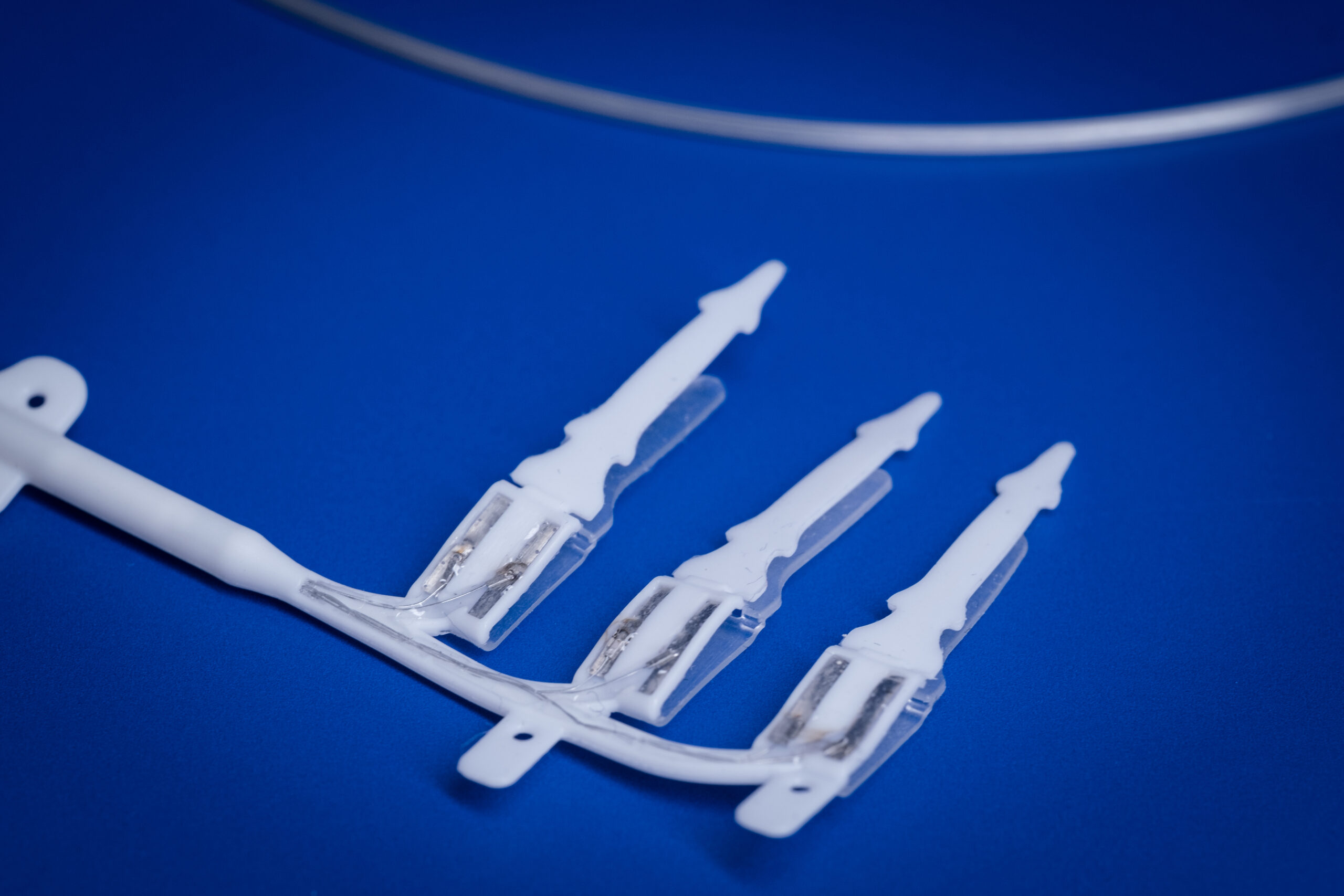
• A tiny electrode array is attached to the vagus nerve just under the diaphragm and powered by a small battery implanted at hip level
• The vagus nerve is stimulated by the electrode array in response to inflammation caused by Crohn’s disease or rheumatoid arthritis
• The vagus nerve initiates a natural anti-inflammatory response to reduce the symptoms of Crohn’s disease or rheumatoid arthritis.
• The treatment causes fewer side effects than medications and the battery lasts for 10 years.
Want to support the future of research like this?
Early-stage research for life-changing devices like this is made possible by donations from our supporters.rnYour support today could turn the seed of an idea into a new treatment in the future.rnrnFind out how you can support research innovation here.

Subscribe for the latest news
Subscribe nowUnderstanding Dementia
Over 425,000 Australians live with dementia. We're pioneering breakthrough research to change their future and yours.
Get Involved
What is dementia?
Dementia is the umbrella term for over 100 neurological disorders which cause a gradual, progressive impairment in brain function. It is the largest cause of disability of older adults in Australia, and second leading cause of death [1]. Over 425,000 Australians have dementia, and over 200 people are diagnosed daily [1]. Dementia causes impairment of cognition (thinking, remembering, reasoning [2]) and can affect language, behaviour, personality and mobility [7]. Alzheimer’s disease is the most common form of dementia, accounting for 60-80% of cases, and is caused by abnormal protein deposits. Vascular dementia – makes up 10% of dementia [3] and is caused by obstructed flow of blood and oxygen to the brain.

Dementia causes impairment of cognition (thinking, remembering, reasoning [2]) and can affect language, behaviour, personality and mobility [7]. As the disease progresses, the person loses ability to perform everyday tasks and maintain independence. Features vary according to dementia type and severity. Table 1 describes some common findings.
Common features of dementia
Cognition
Short-term memory loss
Not recognising familiar people
Getting lost
Difficulty managing complex tasks
Poor judgement, reasoning, problem solving and planning
Poor attention, difficulty concentrating
Confusion
Behaviour and emotions
Impulsivity
Wandering
Emotional numbness or mood swings
Loss of interest in usual activities
Movement
Stiff muscles
Tremor
Coordination, walking or balance problems
Loss of facial expression
Sleep
Insomnia
Daytime sleepiness
Language
Repeating questions
Word-finding problems
Trouble communicating
Perception
Hallucinations
Delusions
Most cases occur when brain cells (neurons) fail and disconnect from other brain cells, eventually dying off. This occurs more in dementia than in normal ageing [2]. This process occurs in Alzheimer’s disease, Lewy body dementia, and frontotemporal dementia, the most common types of “neurodegenerative” dementia. The cause is unknown in most people. Having a first-degree relative with Alzheimer’s disease may increase the risk of developing it by 10-30% [3]. Rare genetic mutations cause dementia in a minority [2]. People with ethnicities such as African-American have higher rates of dementia [4]. Alzheimer’s disease makes up 60-80% of dementia [3], and is caused by abnormal protein deposits forming amyloid plaques and tau tangles. Some brain changes seen in dementia are summarised below [5,6]:
- A thorough history from the patient and close friends/family
- Lewy body dementia – caused by abnormal deposits of protein alpha-synuclein (Lewy bodies)
- Frontotemporal dementia – caused by abnormal amounts or types of tau and TDP-43 proteins in frontal and temporal lobes
- Vascular dementia – makes up 10% of dementia [3] and is caused by obstructed flow of blood and oxygen to the brain. Changes related to stroke, or white matter may be seen
- Mixed dementia is a combination of two or more types of dementia.
- Other diseases can cause dementia, or dementia-like syndromes, such as Creutzfeldt-Jakob disease, Huntington’s disease, and Chronic Traumatic Encephalopathy (repeated traumatic brain injury).
With no single test for dementia, and with other medical conditions able to mimic dementia such as depression, it can take around three years to receive a confident diagnosis. It is often longer for people whose first language is not English [1]. Some or all the following will be needed to reach a diagnosis:
- A thorough history from the patient and close friends/family
- Medical history, such as past stroke
- Physical examination
- Cognitive tests
- Laboratory tests for other causes of cognitive impairment, such as anaemia, vitamin B12, and thyroid function
- Brain imaging to check for abnormalities such as stroke or cerebral atrophy (signs of loss of brain tissue seen in normal ageing or neurodegenerative dementia).
Although there is no cure, some treatments and support are available. It is important to help the person function and have the best possible quality of life. This might involve allied health input to improve independence and mobility, or support for the person’s carer to manage symptoms such as wandering or agitation. Medications that modify the brain’s chemical messengers are available for Alzheimer’s disease and can improve symptoms. However, it is controversial as to whether they slow disease progression [8,9]. Medications used to improve blood vessel health, such as blood pressure and cholesterol, are often used to treat vascular dementia. Research suggests that some Alzheimer’s medications may help in vascular dementia.
Unfortunately, there is no conclusive evidence for dementia prevention. It is suggested that that cognitive training, blood pressure management for people with hypertension, and increased physical activity may be of benefit [10].
1. NHMRC National Institute for Dementia Research. Boosting Dementia | Report on early outcomes. (CC BY 4.0) [Internet]. 2018. Available from: https://www.nhmrc.gov.au/file/15479/download?token=mh688ClE
2.What Is Dementia? Symptoms, Types, and Diagnosis [Internet]. Source: National Institute on Aging. 2021 [cited 2022 May 4]. Available from: https://www.nia.nih.gov/health/what-is-dementia
3. What Is Dementia? [Internet]. Source: CDC. 2019 [cited 2022 May 4]. Available from: https://www.cdc.gov/aging/dementia/index.html
4. Can I Prevent Dementia? [Internet]. Source: MedlinePlus, National Library of Medicine. 2022 [cited 2022 May 4]. Available from: https://www.alzheimers.gov/life-with-dementia/can-i-prevent-dementia
5.Understanding Different Types of Dementia [Internet]. Source: MedlinePlus, National Library of Medicine. 2022 [cited 2022 May 4]. Available from: https://www.nia.nih.gov/health/infographics/understanding-different-types-dementia
6. Vascular Dementia: Causes, Symptoms, and Treatments [Internet]. Source: National Institute on Aging. 2021 [cited 2022 May 4]. Available from: https://www.nia.nih.gov/health/vascular-dementia
7.Australian Institute of Health and Welfare. Dementia. (CC BY 4.0) [Internet]. 2020 [cited 2022 May 4]. Available from: https://www.aihw.gov.au/reports/australias-health/dementia
8. Dementia in Australia | Prescriptions for dementia-specific medications. (CC BY 4.0) [Internet]. Australian Institute of Health and Welfare. 2021 [cited 2022 May 4]. Available from: https://www.aihw.gov.au/reports/dementia/dementia-in-aus/contents/health-services-used-by-people-with-dementia/prescriptions-for-dementia-specific-medications
9. Alzheimer’s Disease Fact Sheet [Internet]. Source: National Institute on Aging. 2021 [cited 2022 May 4]. Available from: https://www.nia.nih.gov/health/alzheimers-disease-fact-sheet
10. Hodes R. Dementia prevention: What does the evidence tell us? | National Institute on Aging [Internet]. Source: National Institute of Aging. 2017 [cited 2022 May 4]. Available from: https://www.nia.nih.gov/research/blog/2017/10/dementia-prevention-what-does-evidence-tell-us
Medical disclaimer
This article contains general information relating to a medical condition. Such information is provided for informational purposes only and does not replace medical advice given by your healthcare professional.
Research at the Bionics Institute into dementia
Our researchers are developing the use of transcranial magnetic stimulation, a non-invasive treatment that shows promise of improving cognition in Alzheimer’s disease and a range of other diseases.rnrnTranscranial Magnetic Stimulation (TMS) is a safe and painless technique, which uses magnetic pulses to alter brain activity.rnrnWith your help, we can accelerate this research and improve diagnosis and treatment of dementia.rnrnYour support today could change the lives of people with dementia around the world.
Want to support the future of research like this?
Early-stage research for life-changing devices like this is made possible by donations from our supporters.rnYour support today could turn the seed of an idea into a new treatment in the future.rnrnFind out how you can support research innovation here.
Subscribe for the latest news
Subscribe nowCrohn's disease
Australia has one of the highest rates of inflammatory bowel disease (IBD) globally [4], with Crohn’s affecting about 3 in 1,000 people [5].
Get Involved
What is Crohn’s disease?
Crohn’s disease is a type of inflammatory bowel disease affecting the length of the digestive system.
Inflammation happens when the immune system causes the gut to become red, swollen and sometimes painful.
For people living with Crohn’s, they may experience abdominal pain and diarrhoea, weight loss, and diseases of the area in and around the anus (perianal disease).
A lifelong condition, Crohn’s disease starts between the ages 15 and 30 years, with a smaller peak around age 50 [1].

Generalised symptoms can include tiredness, fever, or weight loss [2]
Abdominal pain and diarrhoea are common, sometimes with passage of blood [2]
Up to 50% of people with Crohn’s require surgery within 20 years of diagnosis, due to complications such as [2]:
- Stricture (narrowing) of the bowel causing obstruction (symptoms of obstruction include nausea, vomiting, abdominal bloating and pain, and constipation)
- Abscess (collection of pus)
- Fistula (a narrow tunnel growing between organs)
Perianal disease occurs in up to 42%of people with Crohn’s within 20 years of diagnosis. Fistulas are the most common disease, but also strictures, ulcers, haemorrhoids (piles), fissures (tears), skin tags and rarely cancer can occur [6].
Other organs can also be affected, such as the skin, eyes, and joints [1].
Common features of dementia
Crohn’s disease appears to be caused by a complex interplay between genetics, environment, gut bacteria, and the immune system [4,7].
Relatives of people with Crohn’s have a higher risk than average of developing the disease [1].
Smoking may double the risk of developing Crohn’s and its complications [8].
Whether diet has a role in inflammation is unclear [1,9].
Crohn’s disease is diagnosed after a thorough history, physical examination, and appropriate tests.
Commonly used tests
Stool tests
Infection
Blood
Calprotectin levels (helps to show disease activity)
Blood tests
Full blood count and inflammatory markers (to look for anaemia, inflammation, infection), kidney and liver health, vitamin and mineral levels, coeliac test (gluten allergy)
Endoscopy
A fibreoptic video camera is used to view the bowel wall, and allows the taking of biopsies (tissue samples)
Capsule endoscopy
A tiny wireless camera that is swallowed. Most useful for looking at the small intestine
Imaging tests
Such as abdominal X-ray, barium studies, computed tomography (CT), ultrasound, or magnetic resonance imaging (MRI)
Treatment aims to manage flares and maintain remission, with surgery for drug-resistant disease or complications [10].
The Montreal classification system helps doctors to decide on best treatment. This system categorises the disease as to which parts of the gut are inflamed, presence of strictures, whether inflammation has spread to the outer gut wall, and whether perianal disease is present [6].
Generally, medications are the first line of treatment. Medications can range from antibiotics, to anti-inflammatory therapies, to those that suppress the immune system [10]. However, medications can cause side effects.
Surgery is always required for fistulas that have formed between gut and vagina or gut and bladder, and perianal fistulas are treated by drainage and sometimes further surgery.
If someone’s gut disease is severe, such as penetrating the full thickness of the bowel wall or abscesses within the abdomen, or their Crohn’s is not responding to medical treatment then surgery may be considered.
Operations do not always involve bowel resection (removal) of diseased gut, but can include keyhole treatments, and repairs of strictures [6].
Smoking and mental health issues should also be addressed [2,8].
Evidence for dietary manipulation is not strong [1,2,9].
1. Feuerstein JD, Cheifetz AS. Crohn Disease: Epidemiology, Diagnosis, and Management. Mayo Clin Proc [Internet]. 2017 Jul 1 [cited 2022 Feb 8];92(7):1088–103. Available from: http://www.mayoclinicproceedings.org/article/S0025619617303130/fulltext
2. Lichtenstein GR, Loftus E V., Isaacs KL, Regueiro MD, Gerson LB, Sands BE. ACG Clinical Guideline: Management of Crohn’s Disease in Adults. Am J Gastroenterol [Internet]. 2018 Apr 1 [cited 2022 Feb 8];113(4):481–517. Available from: https://journals.lww.com/ajg/Fulltext/2018/04000/ACG_Clinical_Guideline__Management_of_Crohn_s.10.aspx
3. Australian Government D of H. Inflammatory Bowel Disease National Action Plan 2019. (CC BY 4.0) [Material adapted] [Internet]. 2019 [cited 2022 Feb 3]. Available from: https://www.health.gov.au/sites/default/files/documents/2019/09/national-strategic-action-plan-for-inflammatory-bowel-disease-inflammatory-bowel-disease-national-action-plan-2019_0.pdf
4. Alatab S, Sepanlou SG, Ikuta K, Vahedi H, Bisignano C, Safiri S, et al. The global, regional, and national burden of inflammatory bowel disease in 195 countries and territories, 1990–2017: a systematic analysis for the Global Burden of Disease Study 2017. Lancet Gastroenterol Hepatol [Internet]. 2020 Jan 1 [cited 2022 Feb 3];5(1):17–30. Available from: http://www.thelancet.com/article/S2468125319303334/fulltext
5. Busingye D, Pollack A, Chidwick K. Prevalence of inflammatory bowel disease in the Australian general practice population: A cross-sectional study. (CC BY 4.0). PLoS One [Internet]. 2021 May 1 [cited 2022 Feb 4];16(5):e0252458. Available from: https://journals.plos.org/plosone/article?id=10.1371/journal.pone.0252458
6. Meima-van Praag EM, Buskens CJ, Hompes R, Bemelman WA. Surgical management of Crohn’s disease: a state of the art review. (CC BY 4.0). Int J Colorectal Dis [Internet]. 2021 Jun 1 [cited 2022 Feb 23];36:1133–45. Available from: https://link.springer.com/article/10.1007/s00384-021-03857-2
7. Loddo I, Romano C. Inflammatory bowel disease: Genetics, epigenetics, and pathogenesis. Front Immunol [Internet]. 2015 [cited 2022 Feb 3];6(NOV). Available from: /labs/pmc/articles/PMC4629465/
8. Berkowitz L, Schultz BM, Salazar GA, Pardo-Roa C, Sebastián VP, Álvarez-Lobos MM, et al. Impact of cigarette smoking on the gastrointestinal tract inflammation: Opposing effects in Crohn’s disease and ulcerative colitis. (CC BY). Front Immunol. 2018 Jan 30;9(JAN):1–10.
9. Bernstein CN, Eliakim A, Fedail S, Fried M, Gearry R, Goh KL, et al. Inflammatory Bowel Disease: Update August 2015. World Gastroenterology Organisation Global Guidelines. 2016. p. 1–36.
10. GESA. Management Overview of IBD [Internet]. 2021 [cited 2022 Feb 4]. p. 1–2. Available from: http://www.gesa.org.au
Medical disclaimer
This article contains general information relating to a medical condition. Such information is provided for informational purposes only and does not replace medical advice given by your healthcare professional.
Research at the Bionics Institute into dementia
Bionics Institute researchers are developing an electrical medical device for people with IBD that aims to:
• Improve symptoms
• Prevent recurrence of the disease after surgery and need for a second operation
• Avoid the need for further medications
How does it work?
• A tiny electrode array is attached to the vagus nerve just under the diaphragm
• The vagus nerve connects the brain to the gut and controls natural anti-inflammatory processes in the body
• The vagus nerve is stimulated by the electrode array in response to gut inflammation caused by Crohn’s disease.
• The vagus nerve initiates a natural anti-inflammatory response to reduce the symptoms of Crohn’s disease
• The electrode array is powered by a small battery implanted at hip level.
• The battery only needs to be replaced every 10 years ensuring the device provides a set-and-forget treatment
• The treatment causes fewer side effects than medications
Want to support the future of research like this?
Early-stage research for life-changing devices like this is made possible by donations from our supporters.rnYour support today could turn the seed of an idea into a new treatment in the future.rnrnFind out how you can support research innovation here.