Breakthrough technology supports next phase of Bionics Institute hearing therapeutics research.
Researchers at the Bionics Institute have secured a new patent for an advanced drug delivery technology designed to improve treatment approaches for hearing loss.
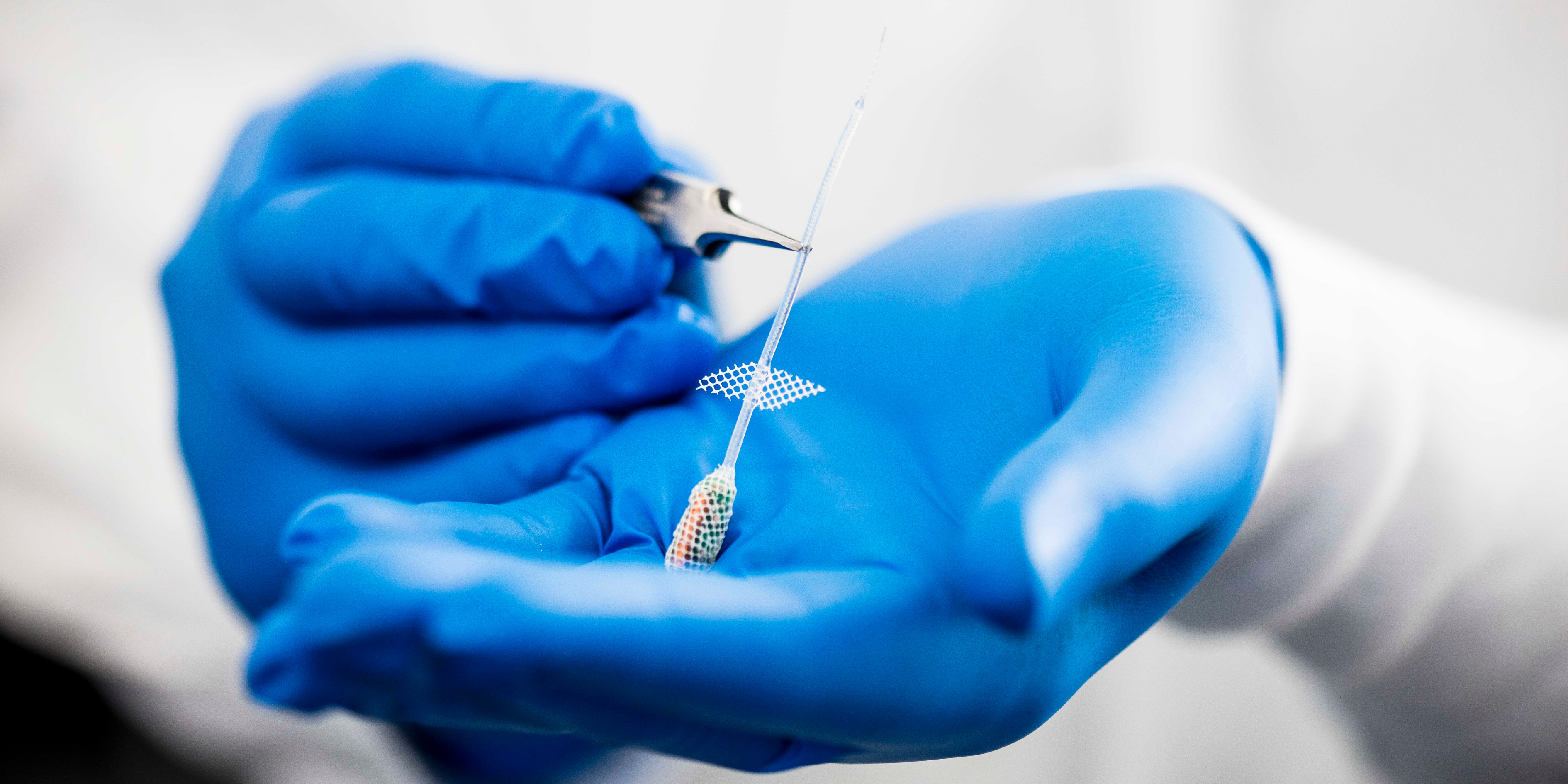
The patented innovation builds on the Institute’s pioneering work in therapeutic technology, enabling further control of the drug release properties of a novel supraparticle drug delivery system.
By using a biologically compatible formulation to encapsulate the supraparticles, the burst release of drug from the particles can be reduced to carefully control the dose of drug that is applied.
This development addresses one of the key challenges in translating hearing therapeutics into the clinic. While growth factors are known to repair damaged connections in the inner ear, safely and effectively delivering them to the target site has remained a major barrier.
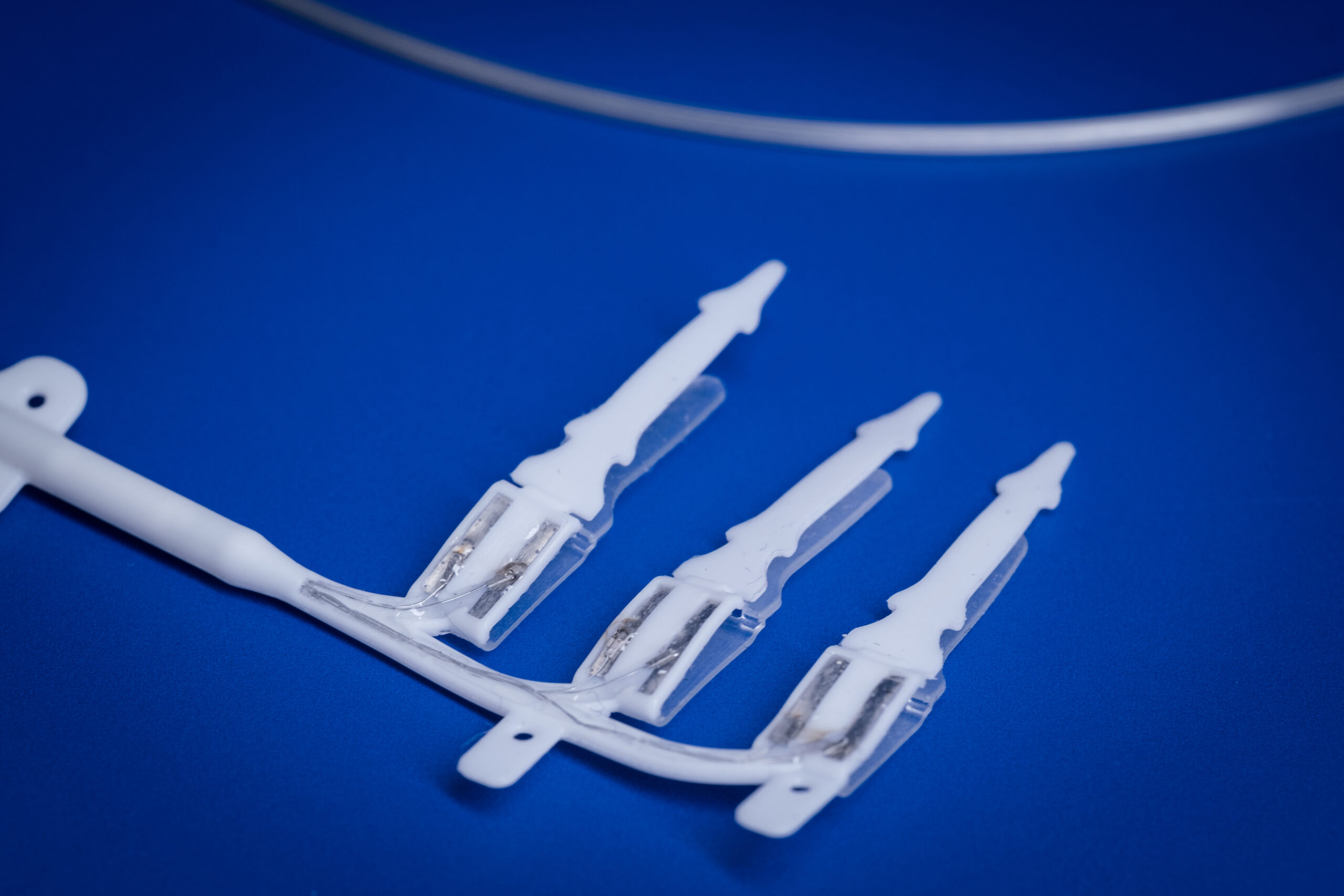
The new approach is a key enabling step providing a pathway for long term drug delivery directly into the inner ear to treat hearing impairment. Once delivered, the therapy aims to restore lost connections between nerve fibres and sensory hair cells, which are critical for hearing.
This patented technology builds on the Bionics Institute’s broader hearing therapeutics program, which is developing a world-first drug treatment for hearing loss using nanoengineered supraparticles delivering a potent growth factor to treat hearing loss.
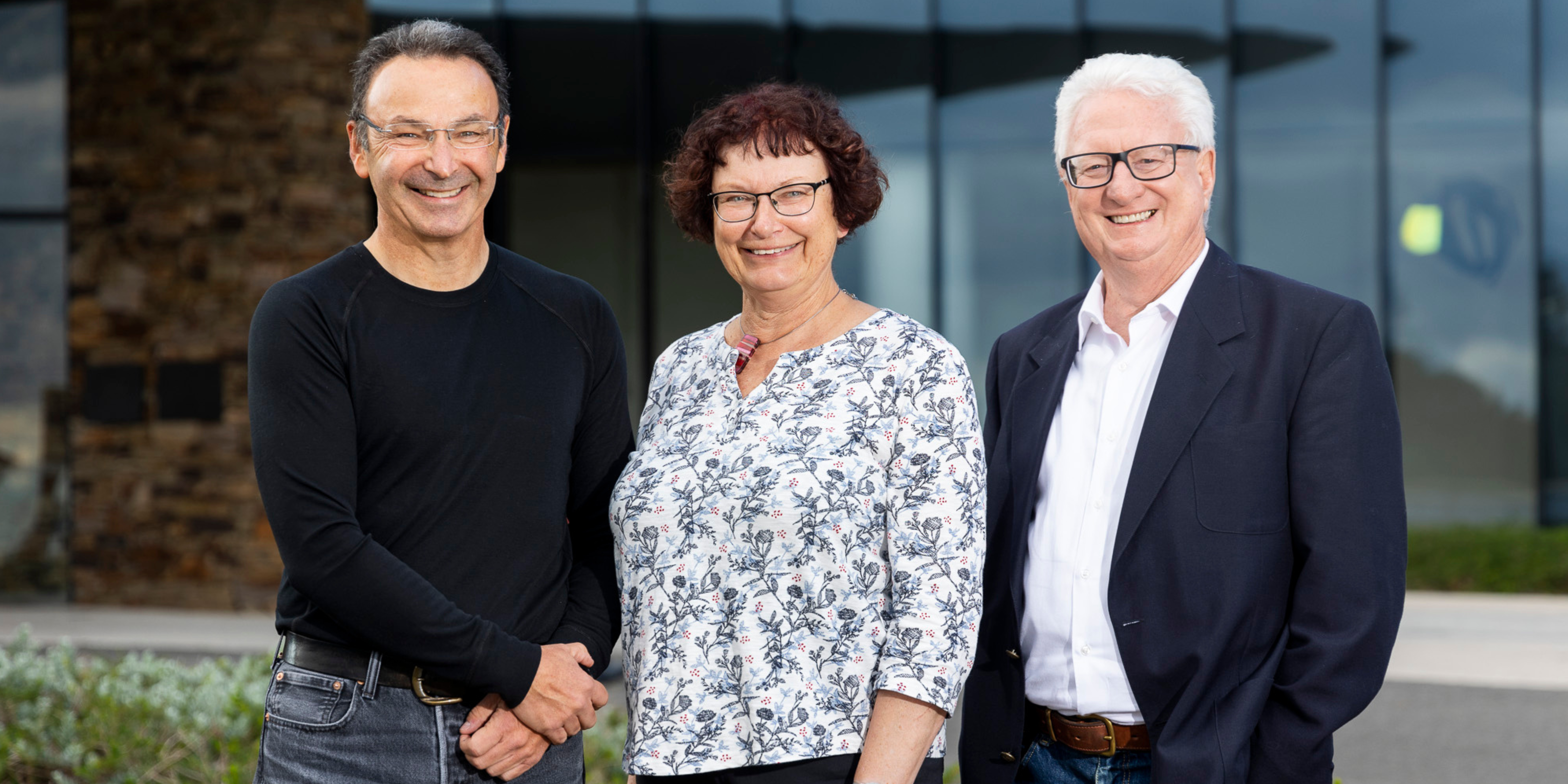
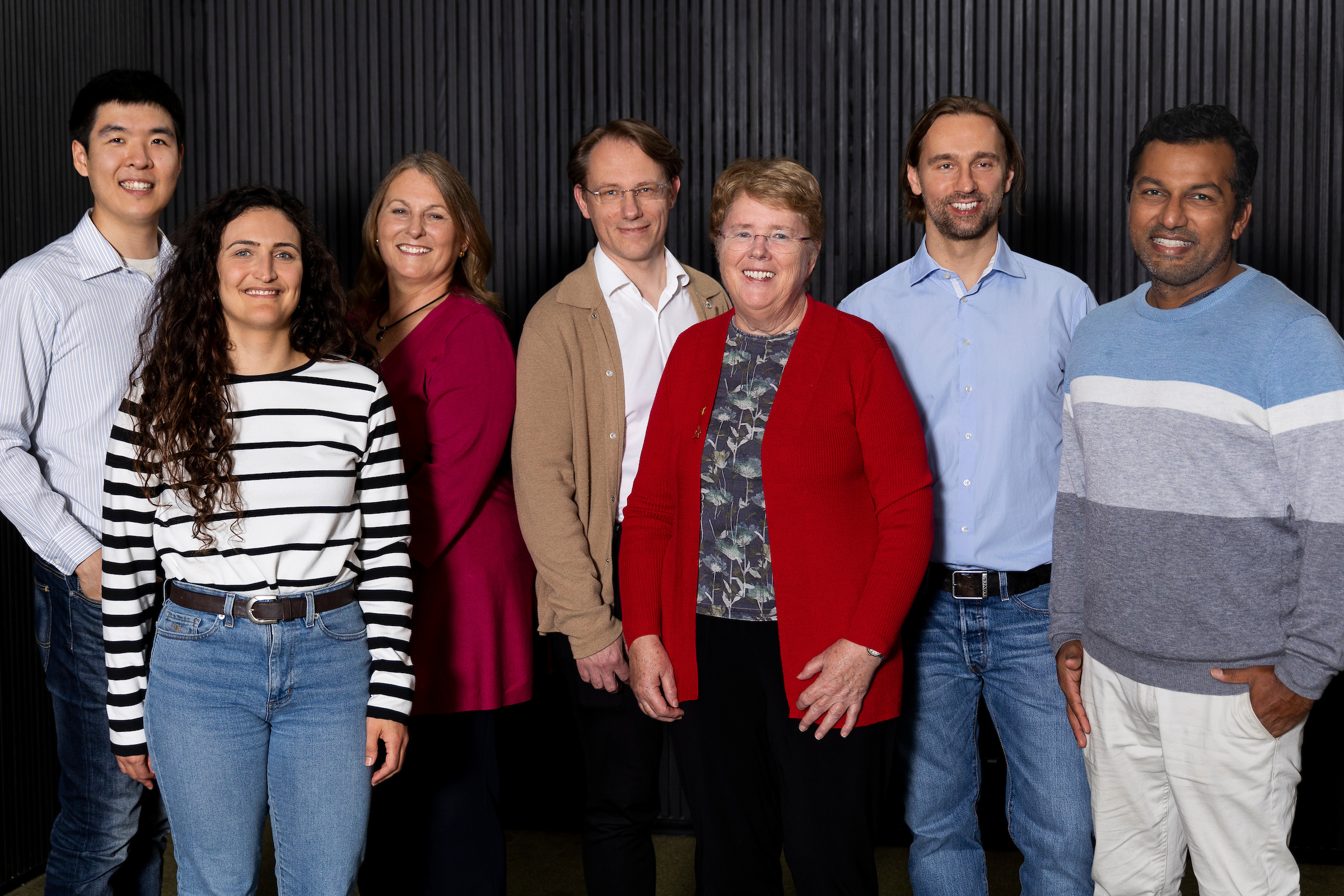
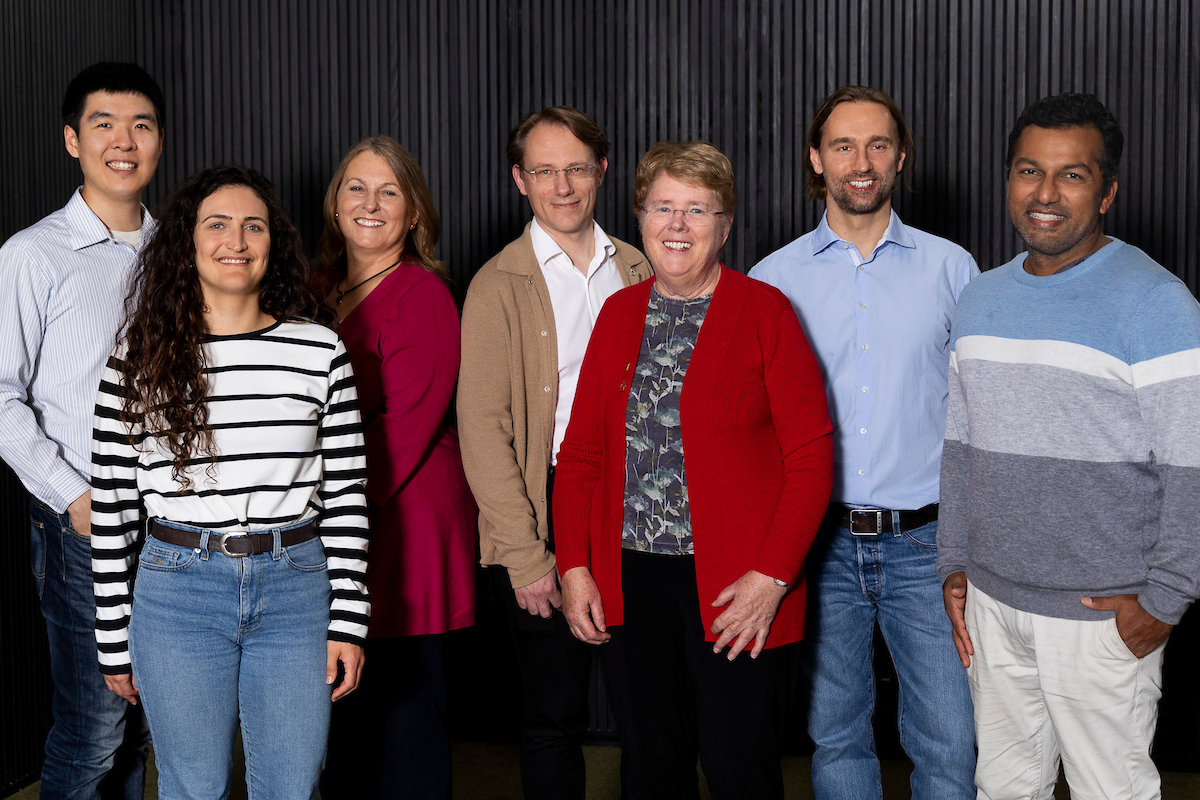
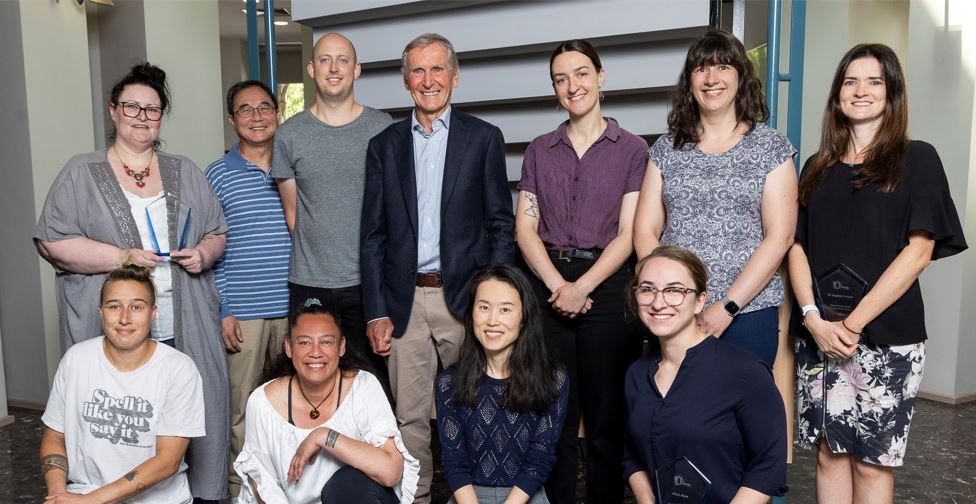
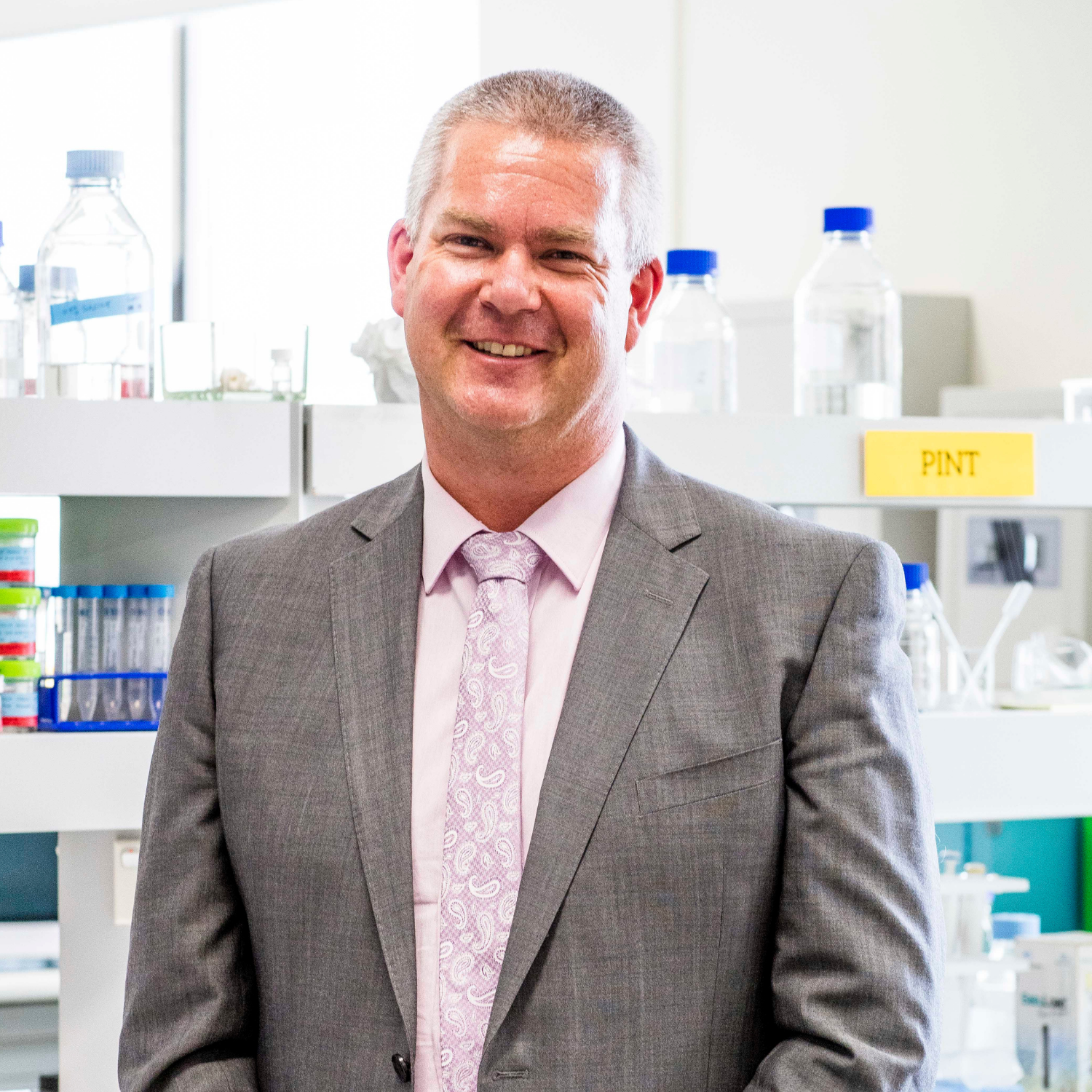
The research is led by Associate Professor Andrew Wise and involves a multidisciplinary team including Professor James Fallon, Professor Rachael Richardson, Dr Yingjie Hu, Dr Alex Thompson, Dr Yutian Ma and Ella Trang, alongside collaborators from the University of Melbourne, Professor Frank Caruso.
Hearing loss affects nearly half a billion people worldwide and currently has no drug-based treatments, with existing options such as hearing aids and cochlear implants unable to address the underlying biological damage.
This patent represents a critical enabling step toward clinical translation and supports the progression of the technology toward a first in human clinical trial, bringing the goal of restoring hearing closer to reality.