
Vagus Nerve Stimulation Centre of Excellence
Learn more about the VNS Centre of Excellence by watching this video
The vagus is a major nerve that runs from the brain to the gut and is often referred to as the body’s superhighway, as it branches to almost every organ, including the brain, heart, lungs, liver and gut.
It controls and responds to many processes in the body, including the body’s natural anti-inflammatory response. The body needs inflammation to initiate healing and repair but, in many diseases, excessive inflammation can lead to debilitating or damaging symptoms.
Bionics Institute researchers have developed a device that stimulates the vagus nerve with electricity under the diaphragm to initiate the immune response and dampen excessive inflammation caused by disease without side effects on the heart and lungs.
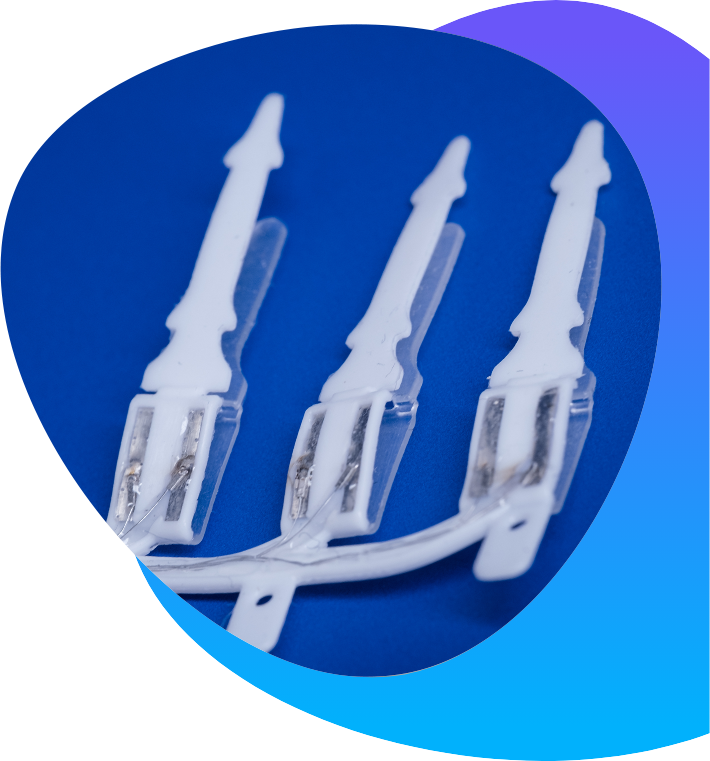
The VNS device is made up of an electrode array implanted on the vagus nerve via keyhole surgery that stimulates and records nerve activity.
Stimulation of the vagus nerve kickstarts the body’s immune response to dampen inflammation, prevent damage and reduce pain and swelling.
The device is powered by a battery implanted at hip level and turned on for three hours a day to stimulate the nerve. Stimulation levels are monitored and changed via a clinician app.
The Bionics Institute VNS device was implanted in the first participant in 2023 as part of a clinical trial to develop a new treatment for Crohn’s disease. Early results are promising: the participant is doing well and there are no safety concerns.
A second participant in the Crohn’s trial was implanted in 2025, and a clinical trial of the device in rheumatoid arthritis has commenced.
Early research into viability of the device to reduce seizures in drug-resistant epilepsy and relieve the symptoms of Parkinson’s disease is now underway.
VNS Centre of Excellence researchers aim to investigate the viability of aVNS to treat a range of conditions, including colon and pancreatic cancer, endometriosis, lupus, multiple sclerosis, anxiety, depression, schizophrenia, asthma and obesity.
The impact of this research will drive the future of low-cost, non-drug medical care; transform lives by providing relief from pain, suffering and disability; and boost the Australian economy through the creation of spin-off companies and reduction in healthcare costs.
To find out more about our aVNS research into autoimmune and chronic conditions, go to: https://www.bionicsinstitute.org/our-research/autoimmune-and-chronic-disease/.
To find out more about our aVNS research into neurological conditions, got to: https://www.bionicsinstitute.org/our-research/brain-research/
Want to support the future of research like this?
Early-stage research for life-changing devices like this is made possible by donations from our supporters.
Your support today could turn the seed of an idea into a new treatment in the future.