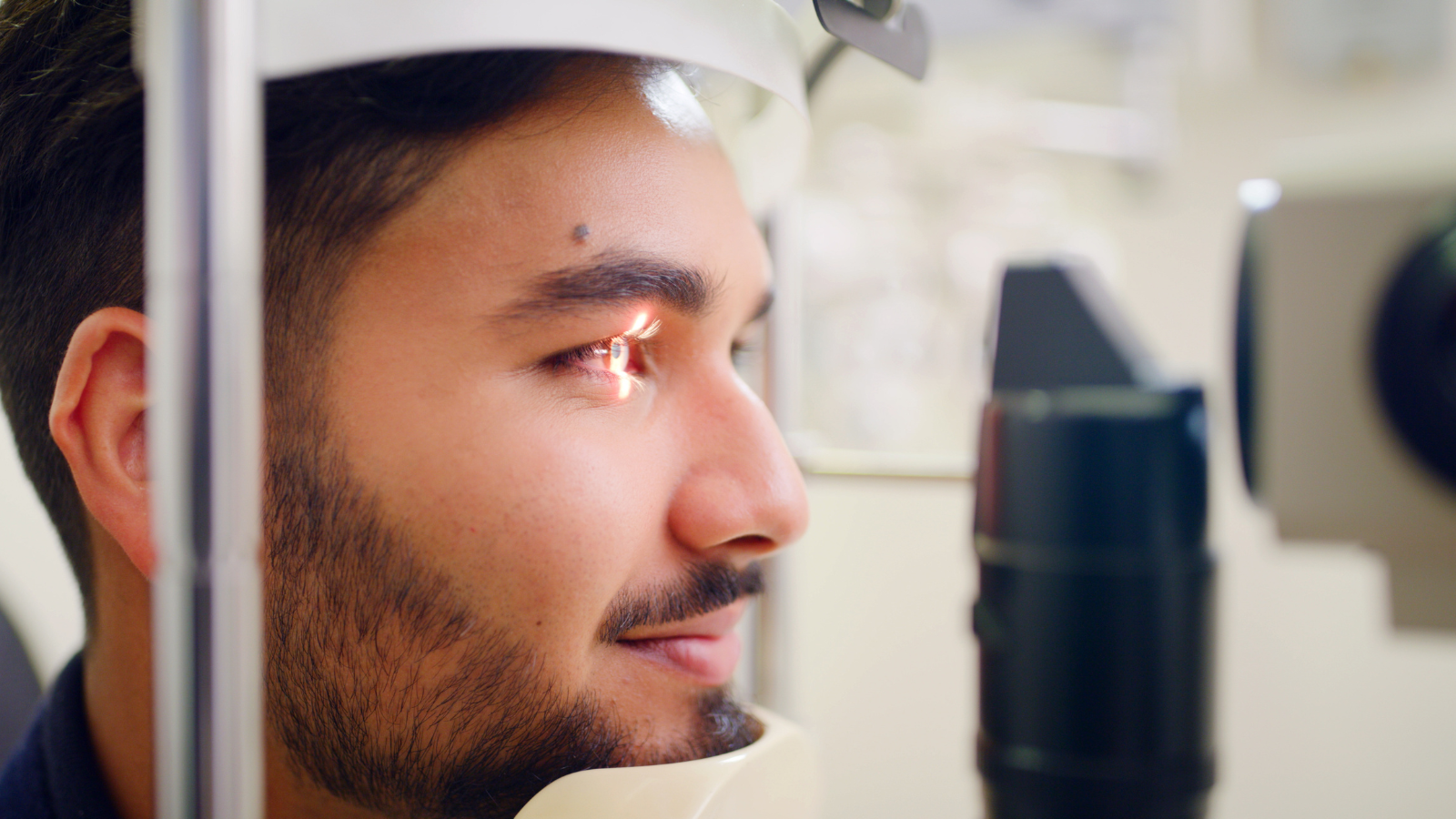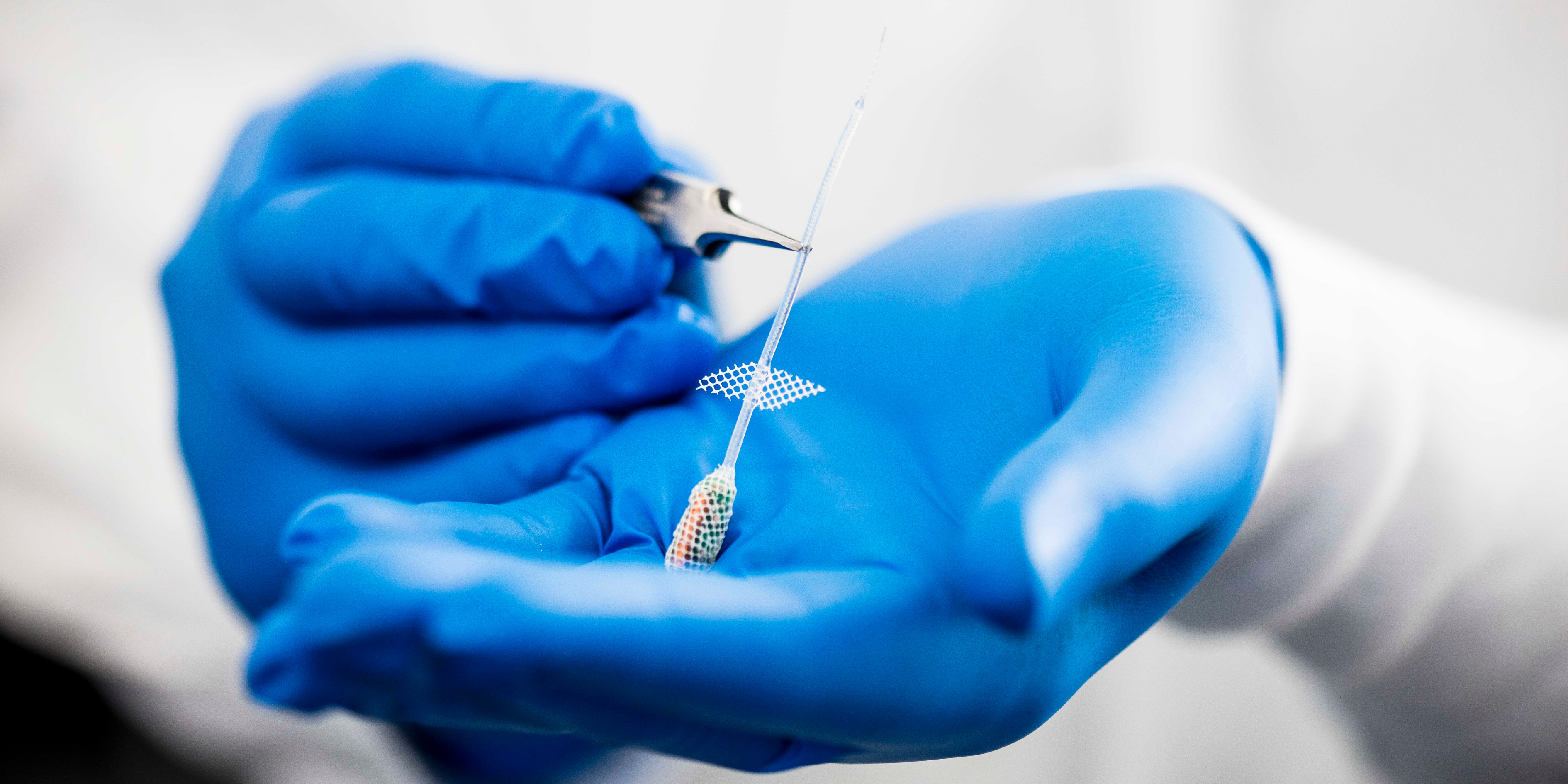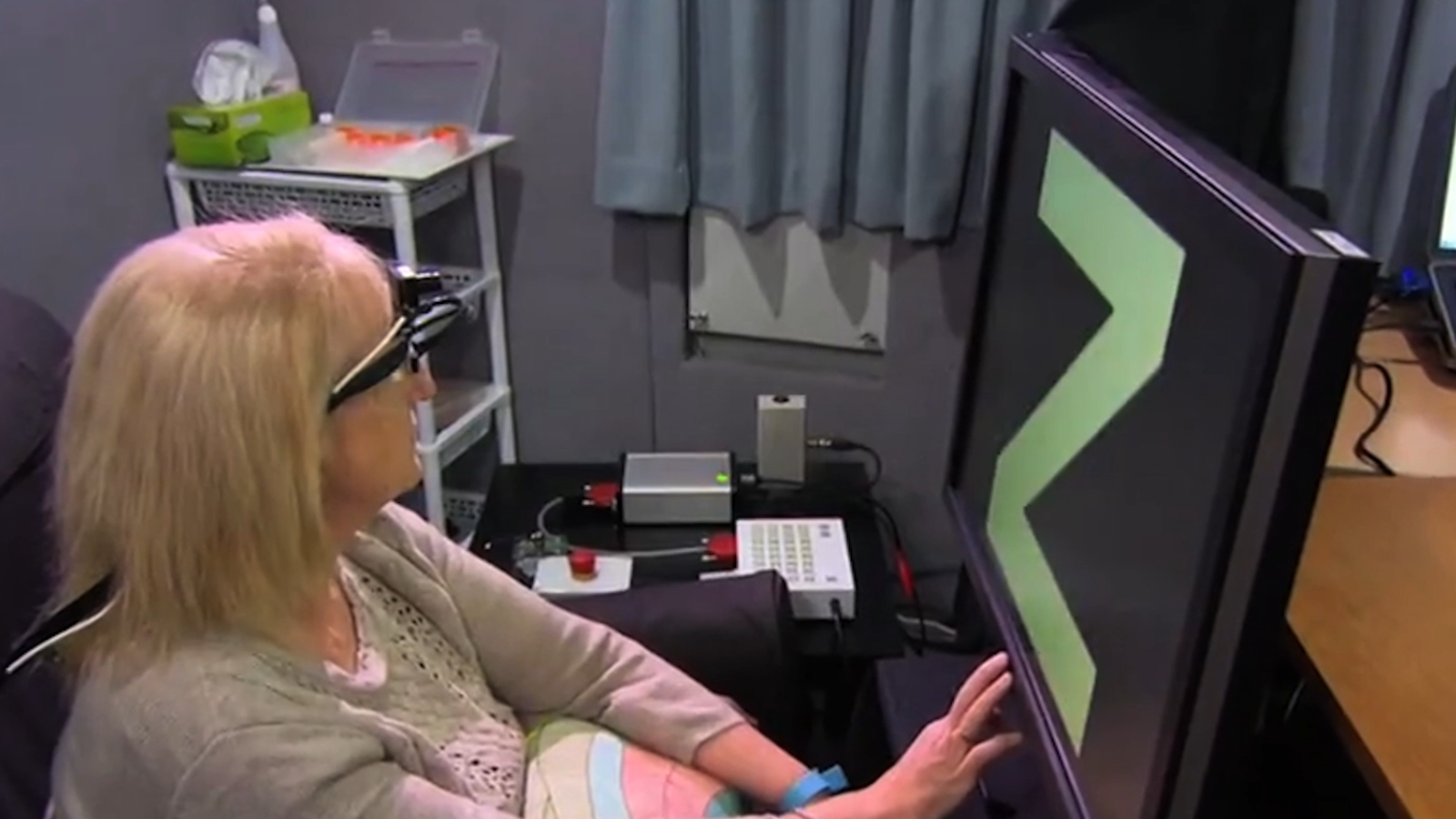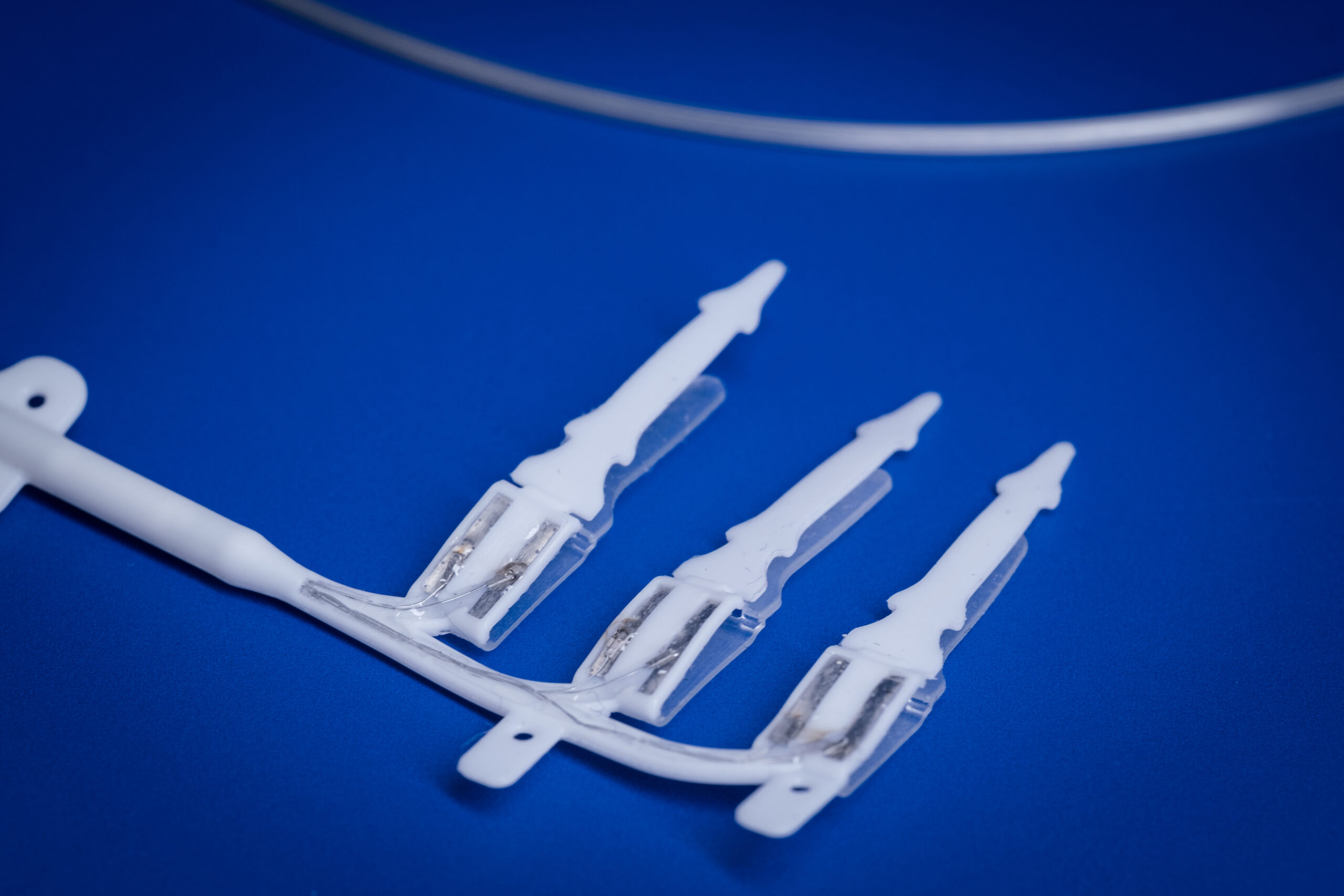
Bionic eye research at the University of Melbourne, carried out in collaboration with Bionics Institute researchers and featured in a recent paper published in the journal Brain Stimulation, demonstrated how hybrid nerve stimulation enhances electrical stimulation, not just for the bionic eye, but also for other implants.
Electrical stimulation has been used for decades in medical devices such as the cochlear implant, but the electrical current spreads out from the stimulating site and reduces the precision of the device.
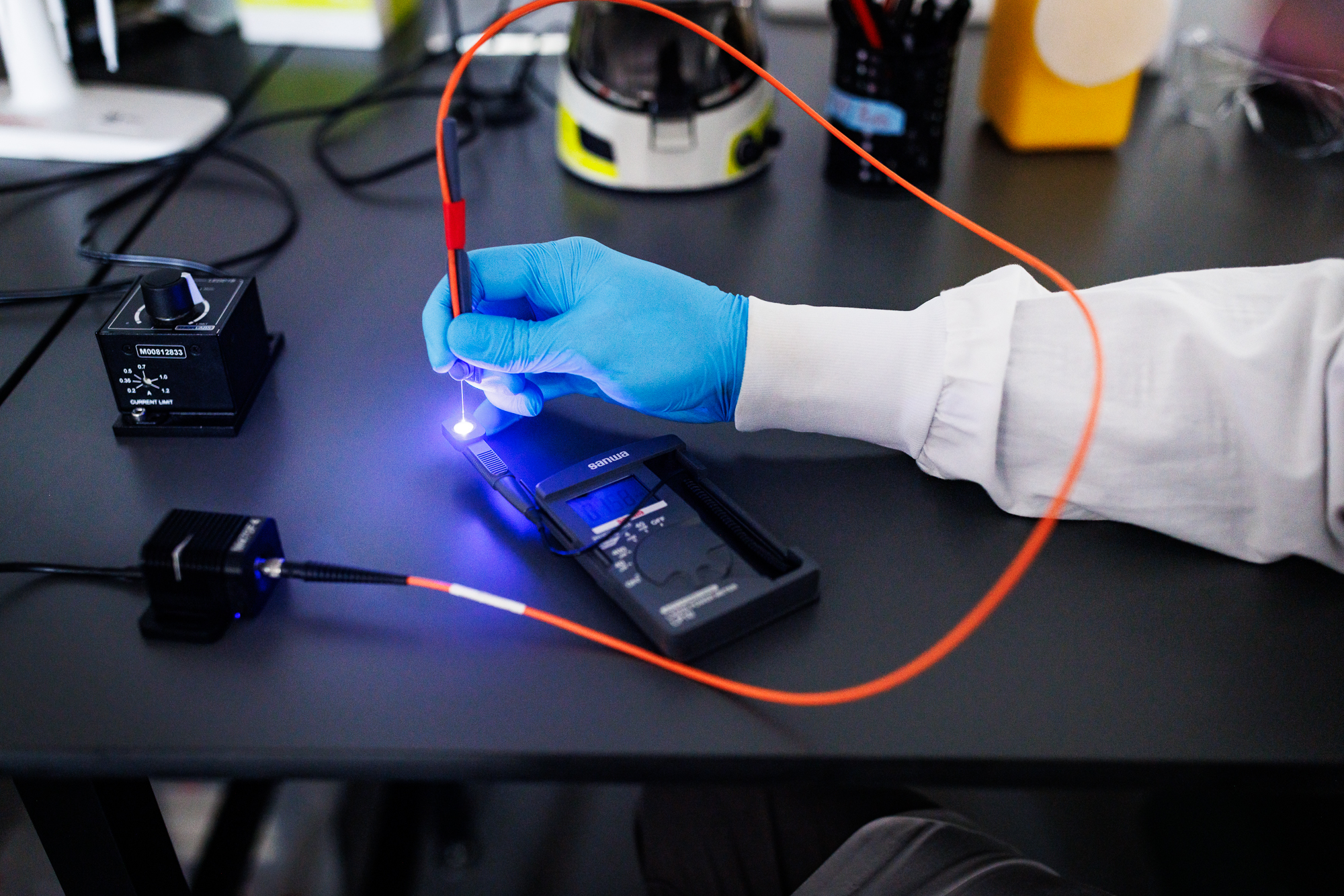
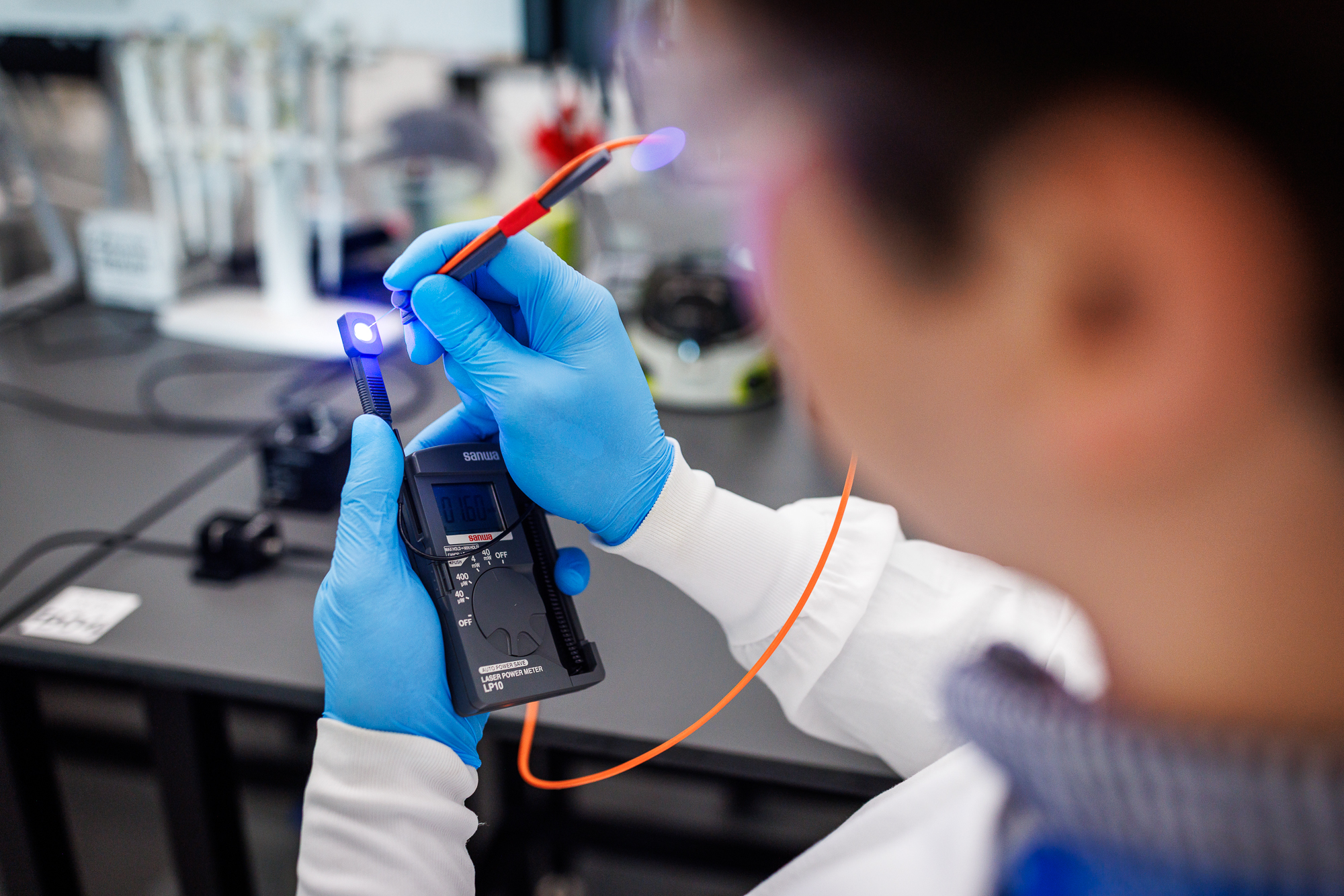
Stimulating nerves with light gives more precision, but nerves don’t naturally respond to light, so a technique called optogenetics must be used. Optogenetics is a technology to genetically modify nerves to allow them to be activated with light.
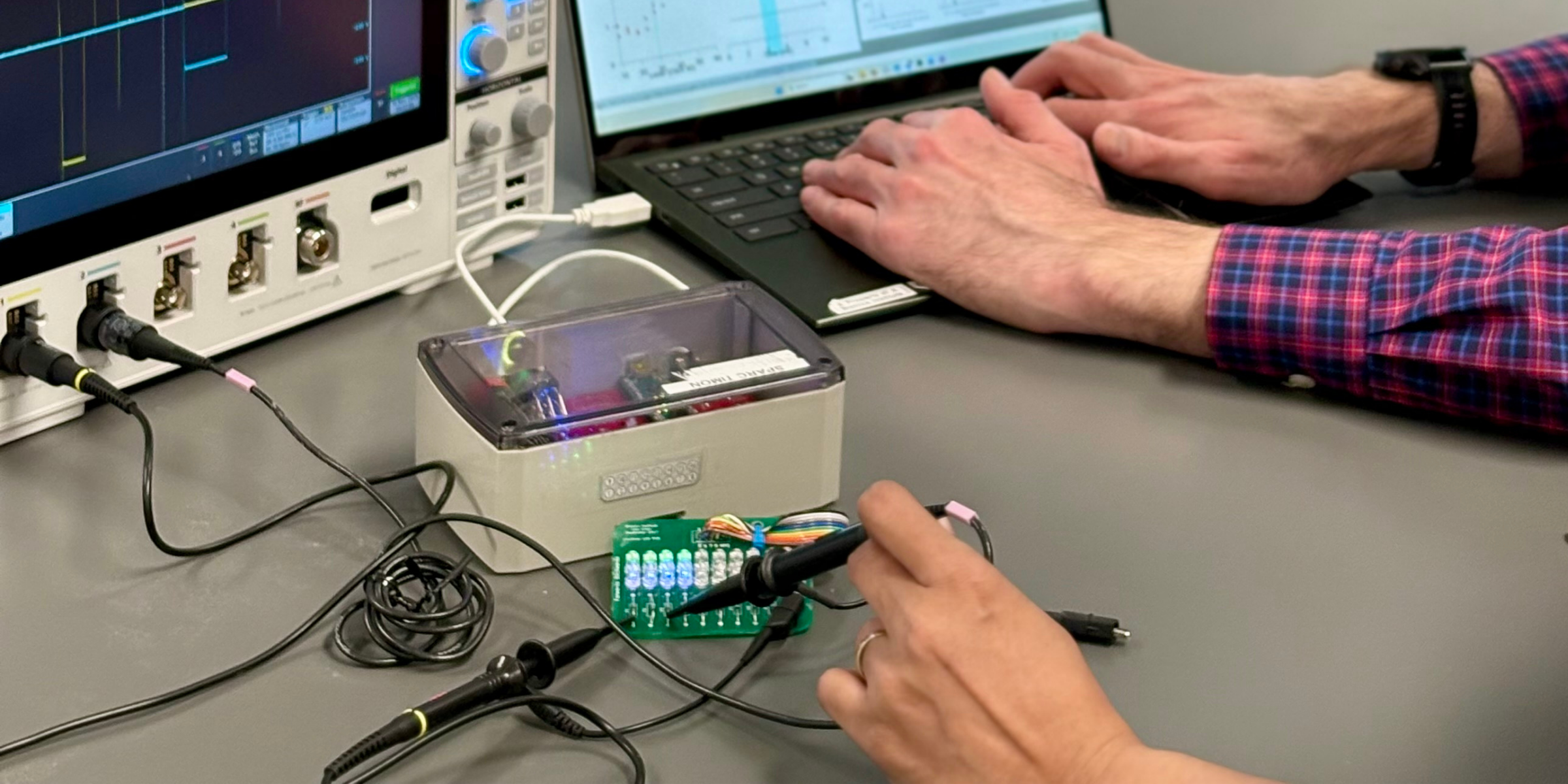
In this study, combined electrical and light stimulation (termed hybrid stimulation) was used for optimal precision, timing, and reliability of nerve activation in the eye. The highlights of the research detailed in this paper are:
- Hybrid stimulation needs less light intensity and electrical current compared to either method alone, enhancing safety.
- Hybrid stimulation improves the response reliability to high-frequency stimulation compared to methods that use light alone.
- Hybrid stimulation maintains precision, surpassing conventional electrical-only methods.
- Hybrid stimulation is effective with electrodes as far as 3 mm away from the retina, providing an avenue for less-invasive vision restoration.
Bionics Institute’s Professor Rachael Richardson, a world leader in optogenetics and co-senior author on this publication, says: ” Bionic eyes currently in clinical trials are predominantly electrical-only devices. Hybrid stimulation could be a missing piece which greatly improves the level of vision restored.
“There are also many other devices that could benefit from this technique, such as nerve stimulation to curb chronic pain, cardiac devices and bionic limbs.”
Dr Wei Tong, a researcher at the University of Melbourne and the corresponding/co-senior author on the publication, says: “The goal is not just to activate nerves, but to do so reliably, precisely, and with minimal invasiveness. Hybrid stimulation brings us closer to restoring meaningful function for patients.”
Read the publication here: https://www.brainstimjrnl.com/article/S1935-861X(25)00414-0/fulltext
Read more about Professor Richardson’s chronic pain research here: https://www.bionicsinstitute.org/our-research/autoimmune-and-chronic-disease/a-drug-free-approach-to-relieve-chronic-pain/