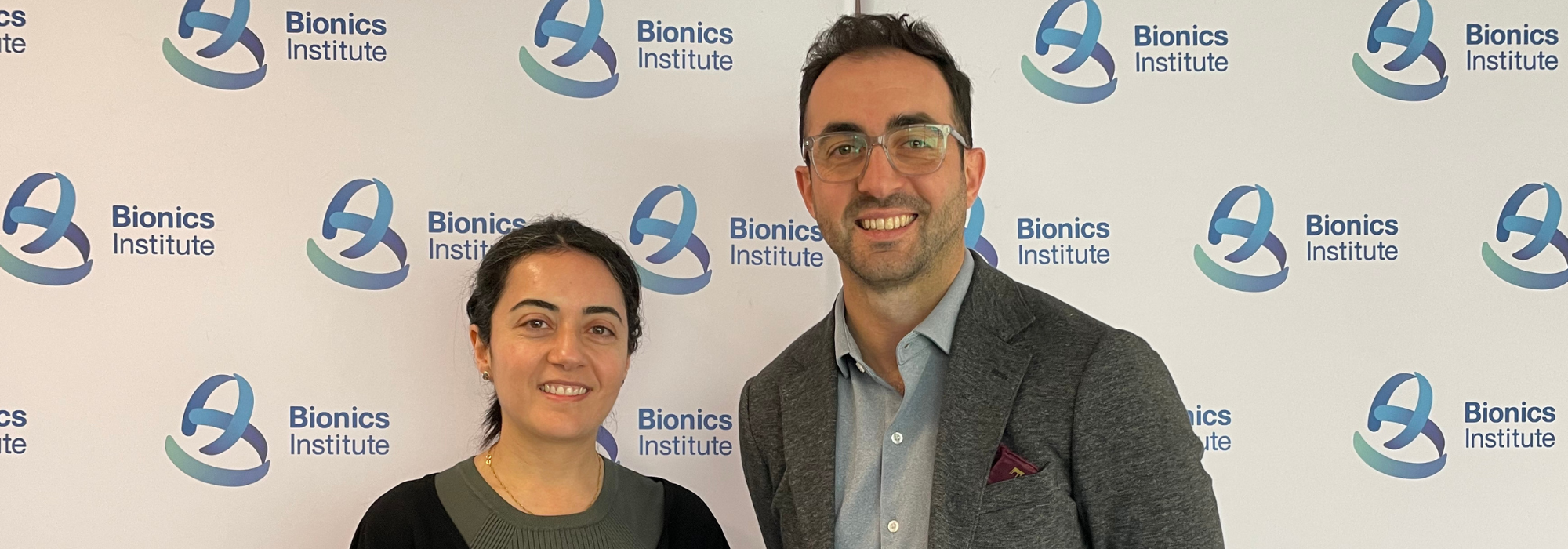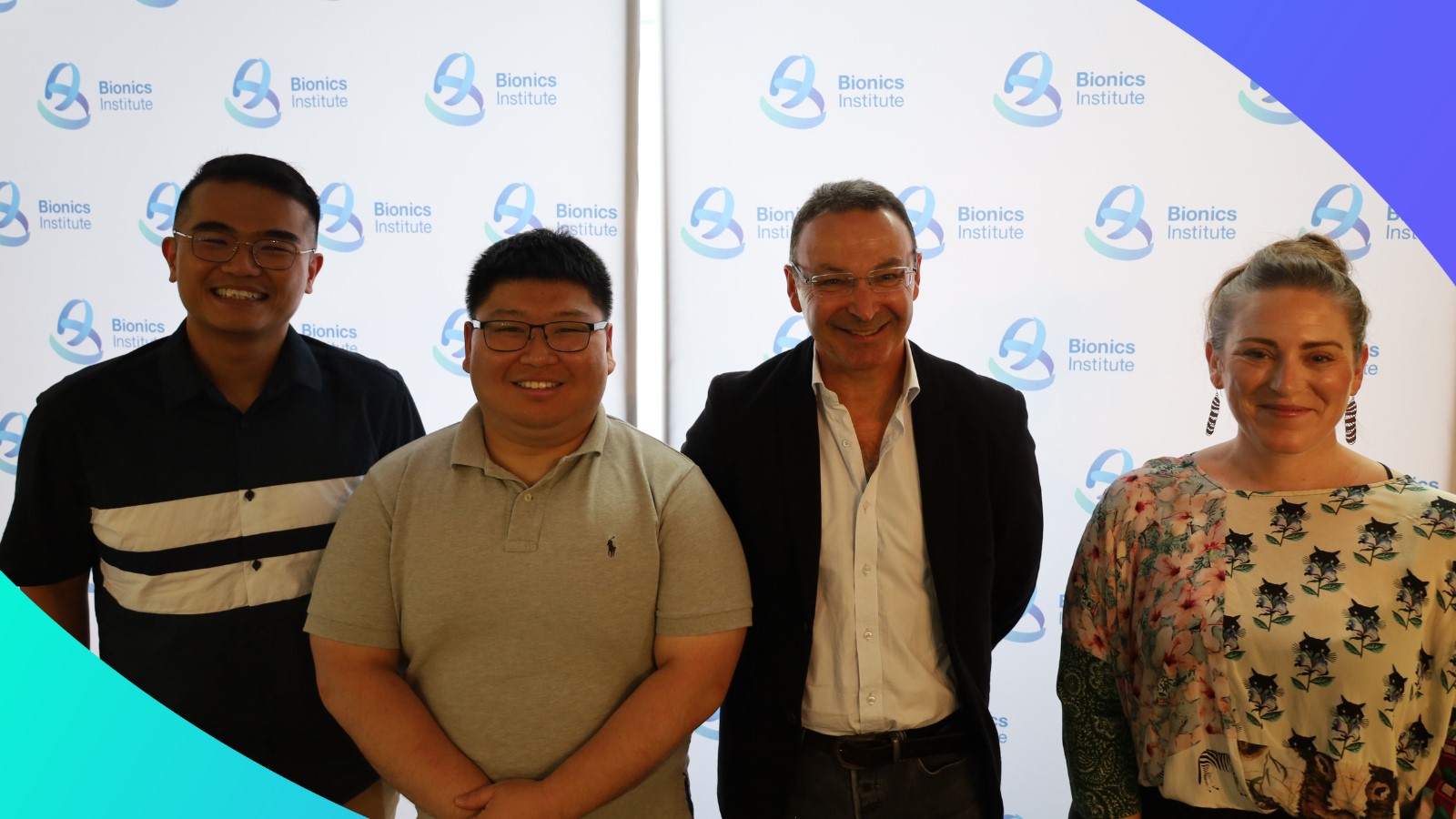
At the Bionics Institute, we’re proud to be partnering with Crohn’s & Colitis Australia and Arthritis Australia to ensure the technology we develop is useful and addresses unmet needs by hearing about the lived experiences of people with the conditions.
These partnerships mark a major step forward, creating formal consumer collaborations where people living with Inflammatory Bowel Disease or rheumatoid arthritis provide direct input into what we build, how trials are designed, and what outcomes matter most.
With consumer involvement, we hope to:
- Design devices that are useful and address unmet needs
- Define trials that are as inclusive and accessible as possible
- Provide educational platforms with information about our technology
The science behind the collaboration
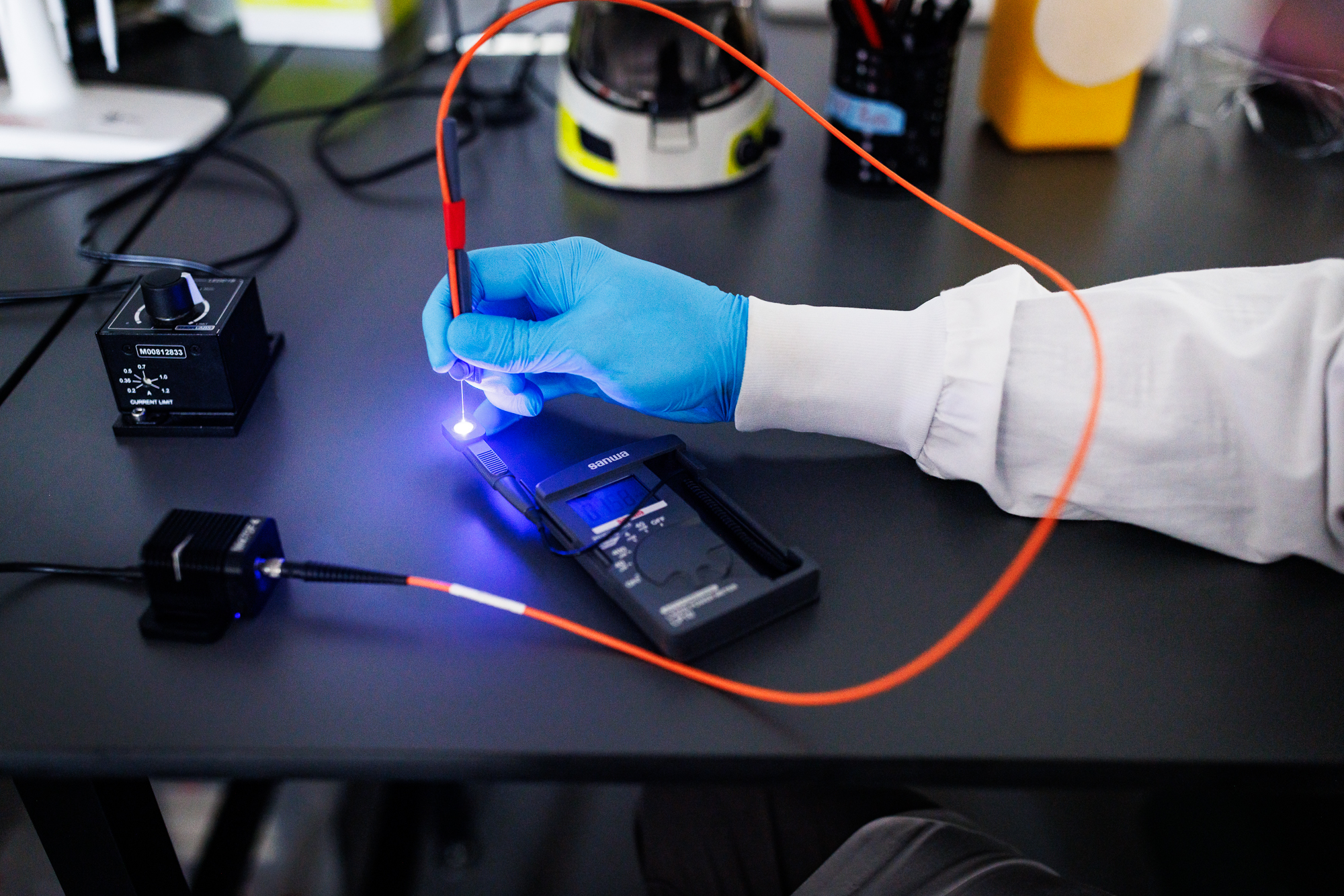
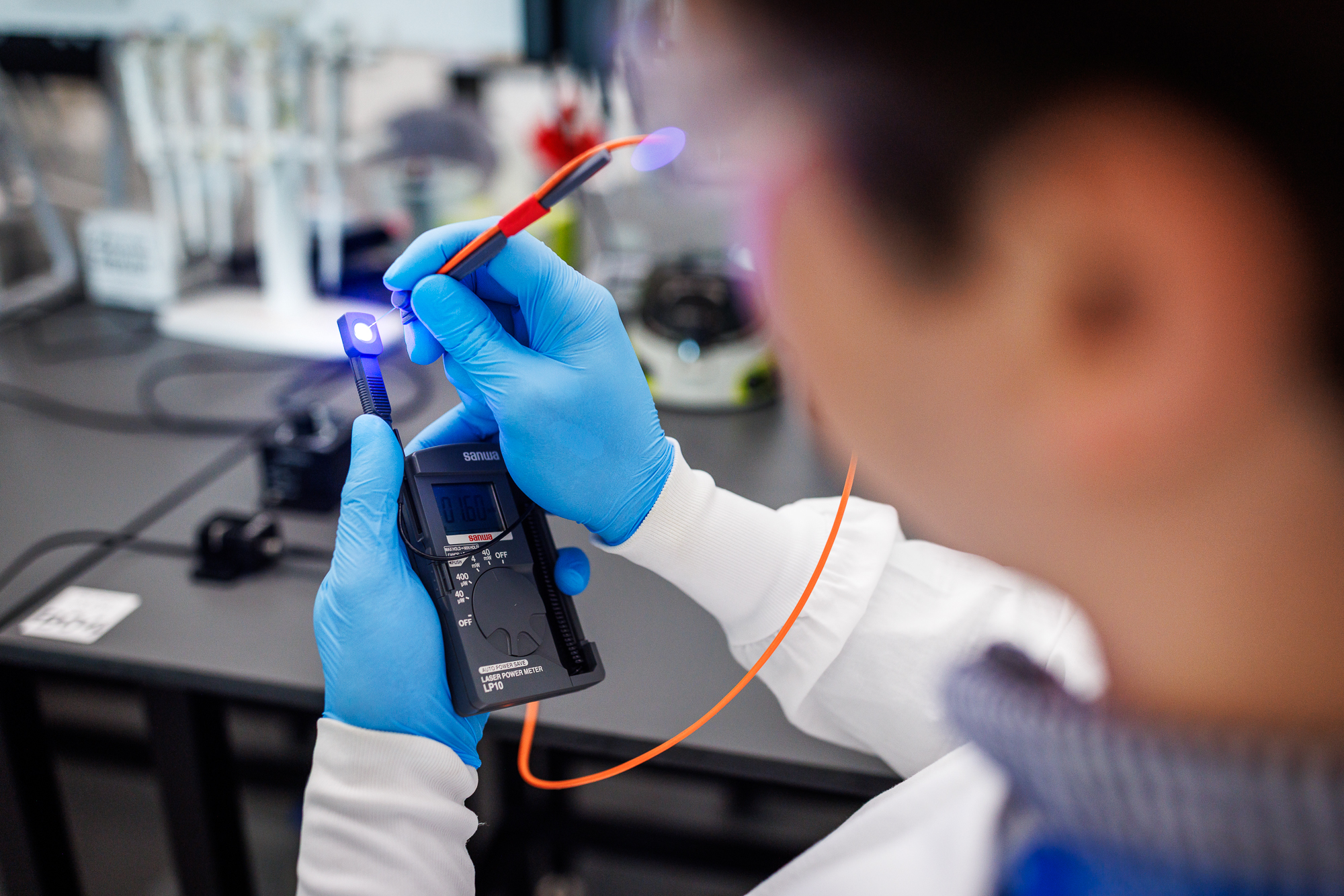
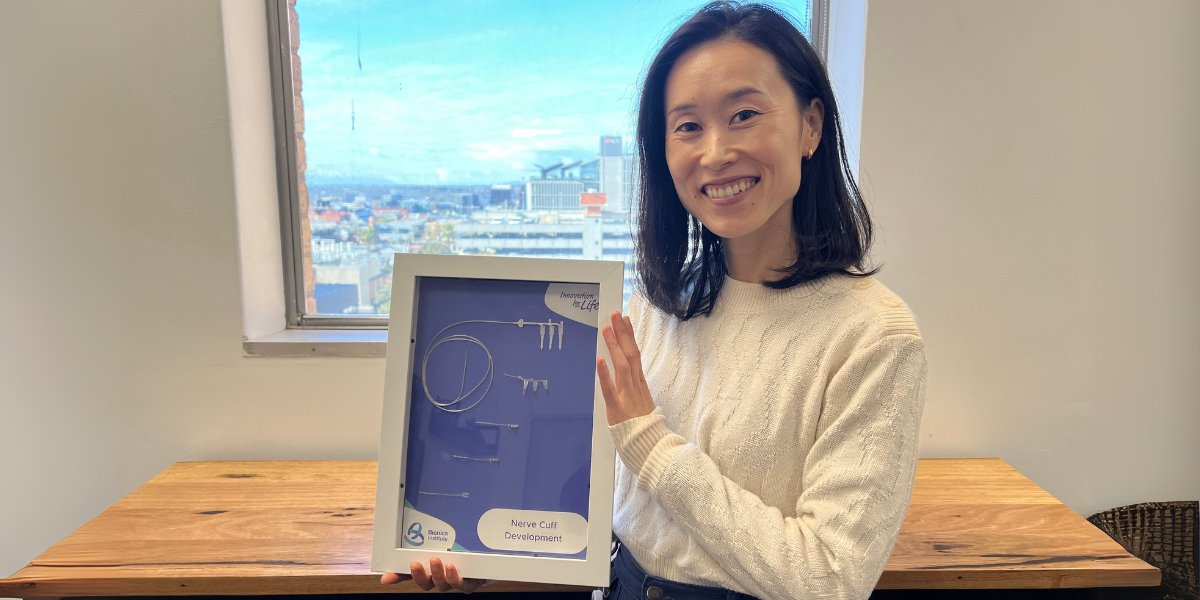
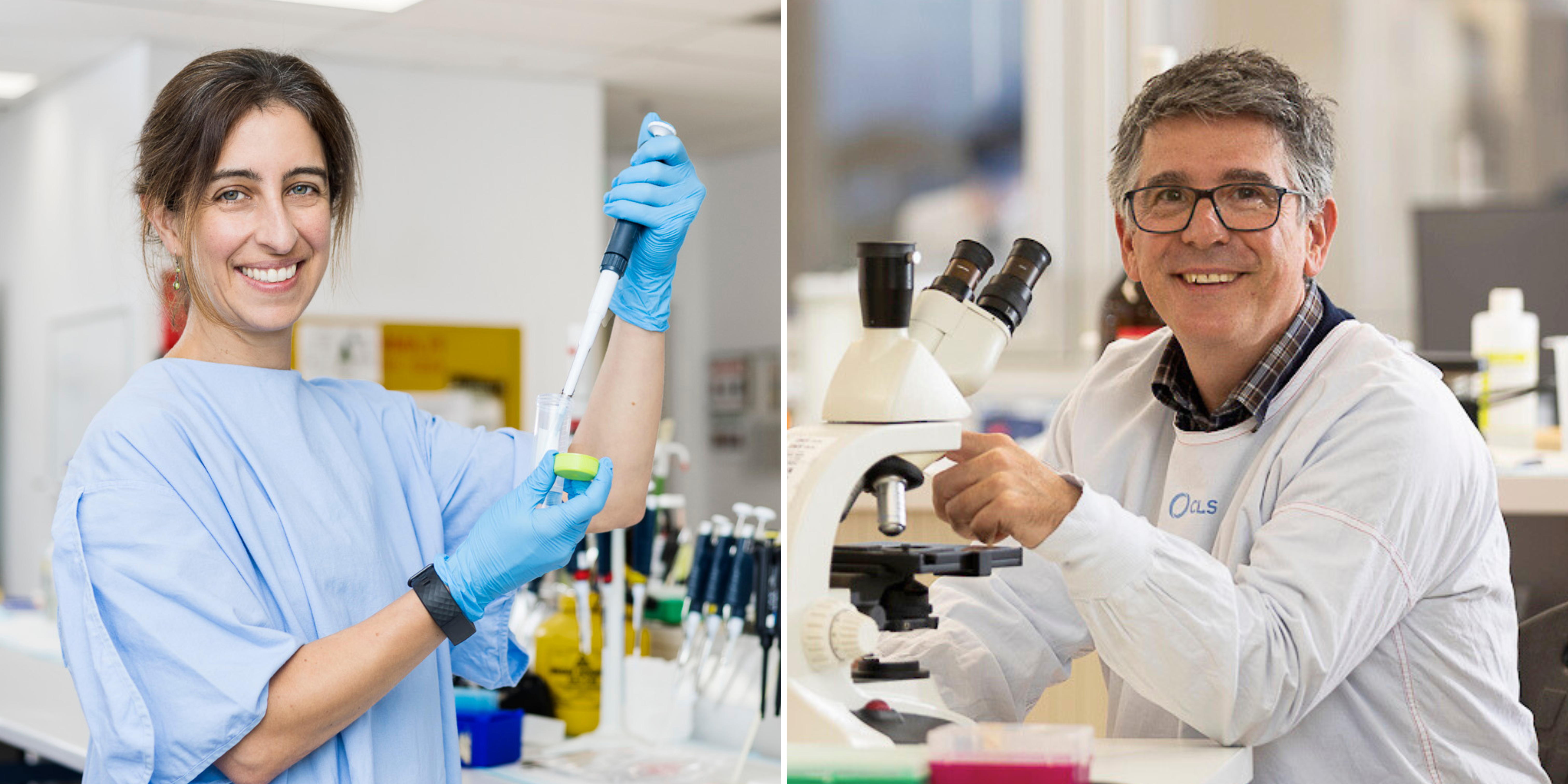
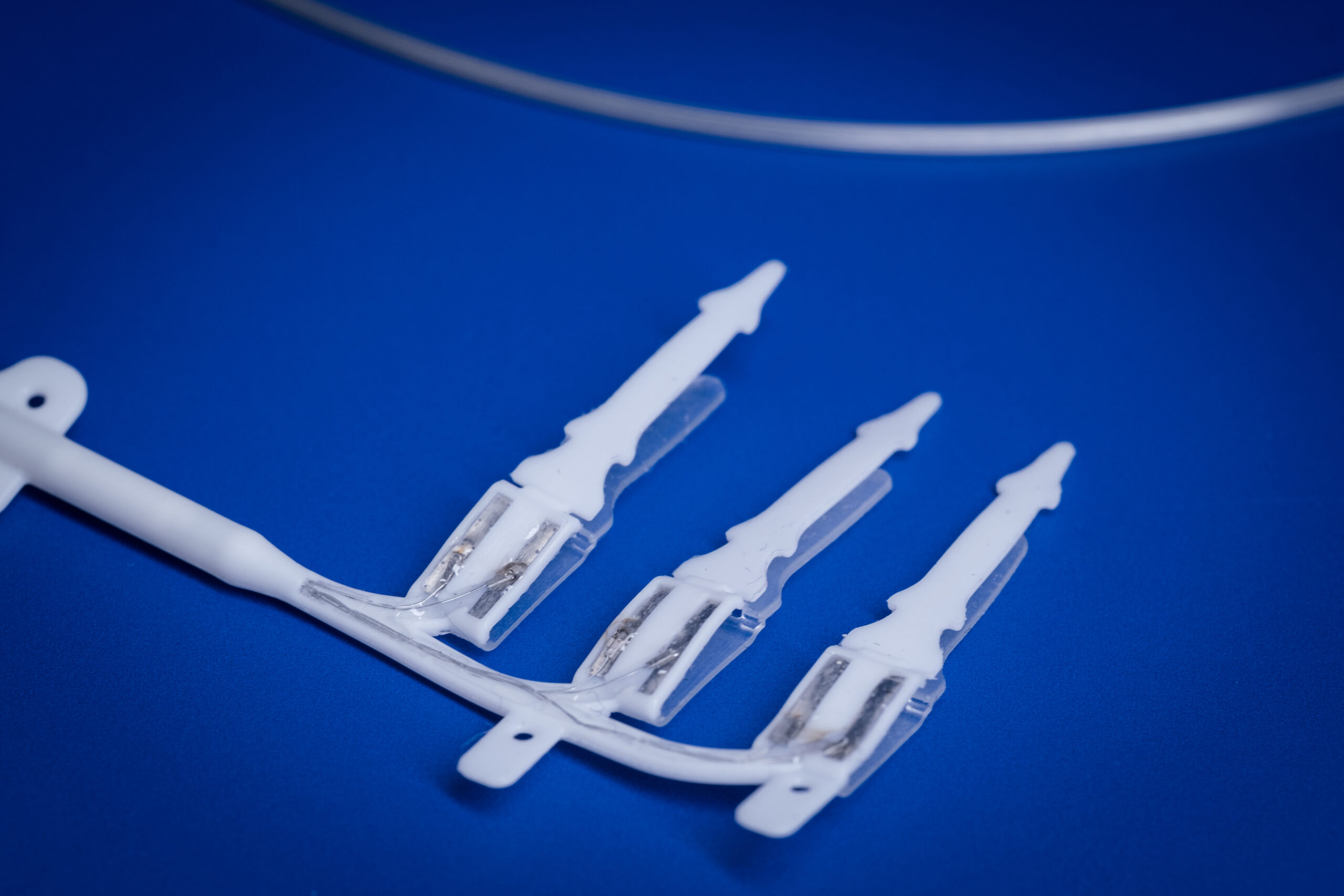
We’re developing abdominal vagus nerve stimulation devices aimed at reducing inflammation in Crohn’s disease and rheumatoid arthritis. These small implants stimulate the vagus nerve to activate the body’s own anti-inflammatory response.
For Crohn’s disease, one of our devices is already being used by a clinical trial participant following bowel resection surgery.
For rheumatoid arthritis, we’re designing a similar device to help reduce chronic joint inflammation and have just commenced an initial clinical trial.
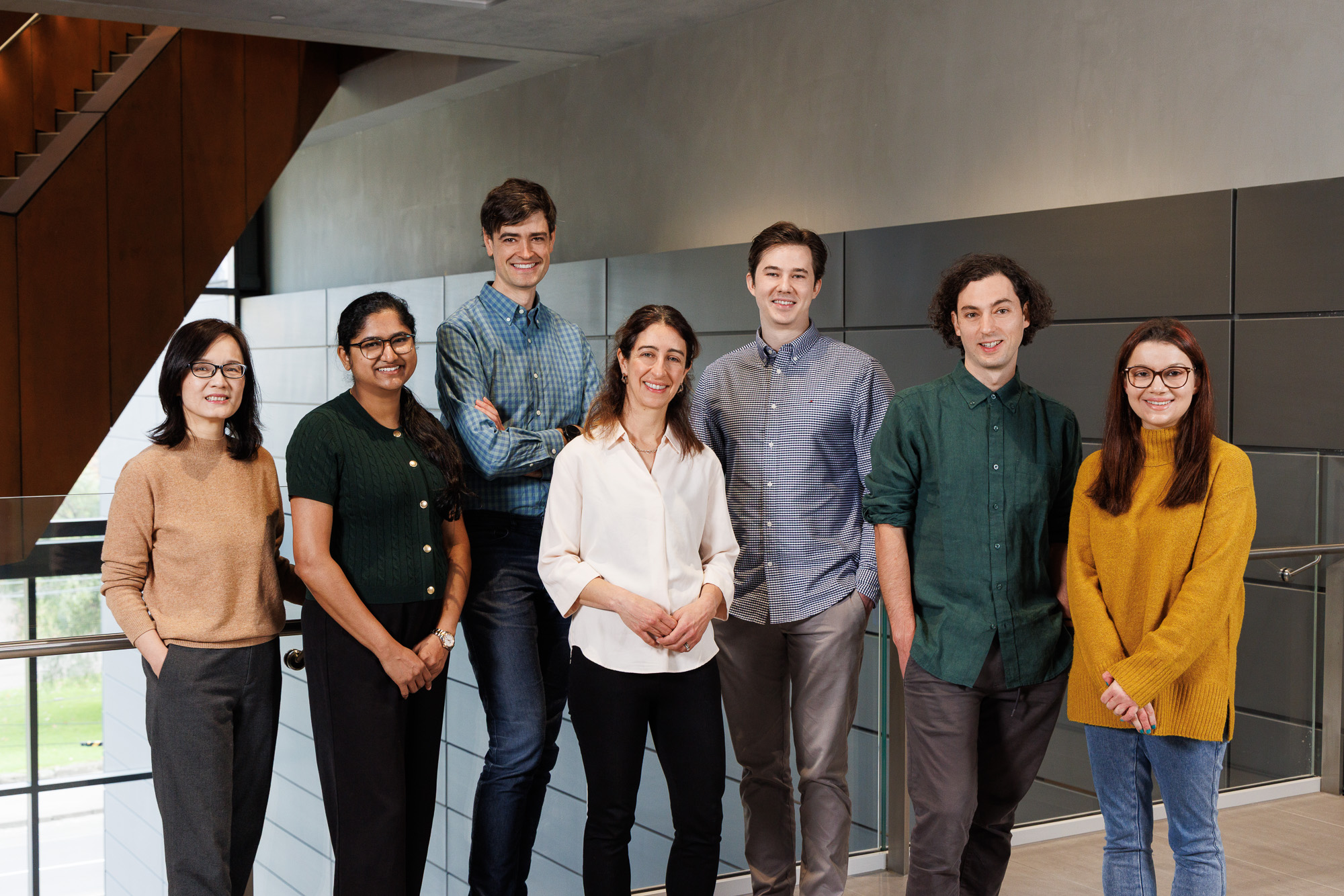
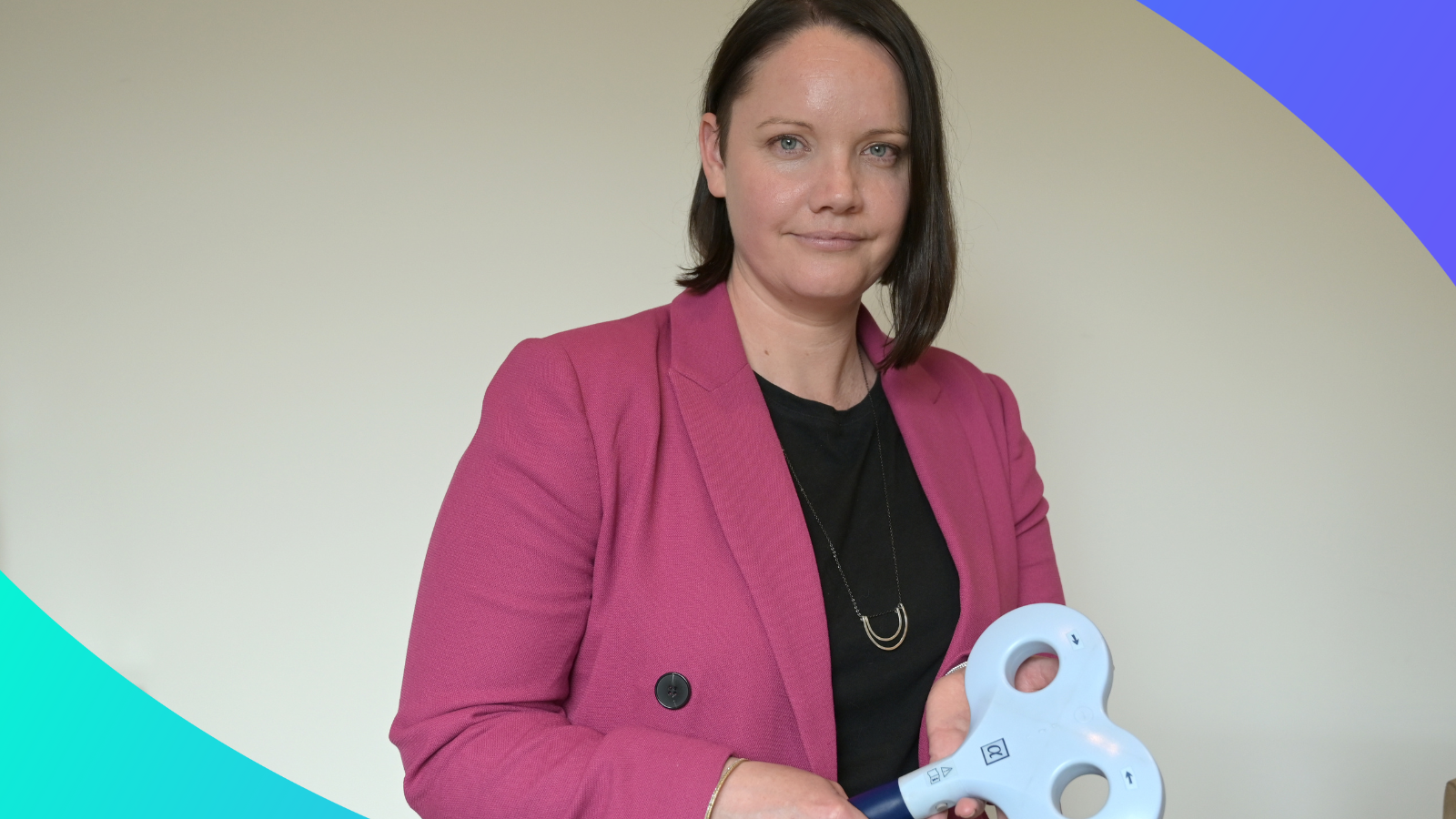
These innovations are led by Professor James Fallon and Associate Professor Sophie Payne, in collaboration with researchers from Austin Health, the Florey Institute and St Vincent’s Hospital Melbourne.
A pivotal shift toward individual-focused innovation
Setting up formal partnerships with Crohn’s & Colitis Australia and Arthritis Australia is a milestone in embedding lived experience into our research programs. It ensures that our technologies are useful and effective for as many people as possible.
By listening first and designing with those with lived experience, we’re moving closer to smarter, more effective treatments.