Louise’s Life with Chronic Pain
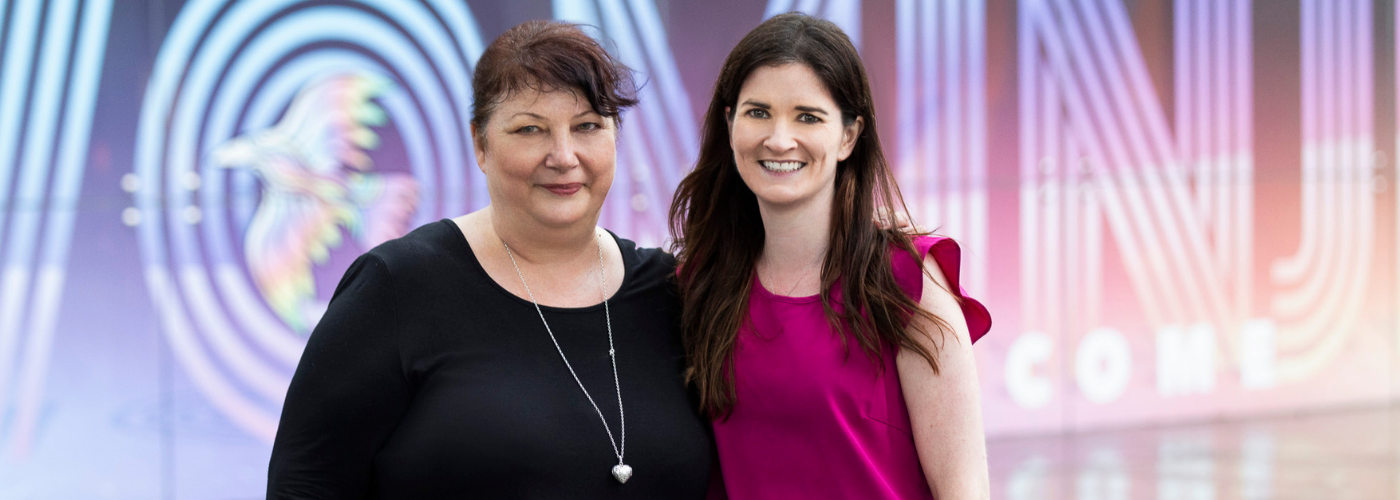
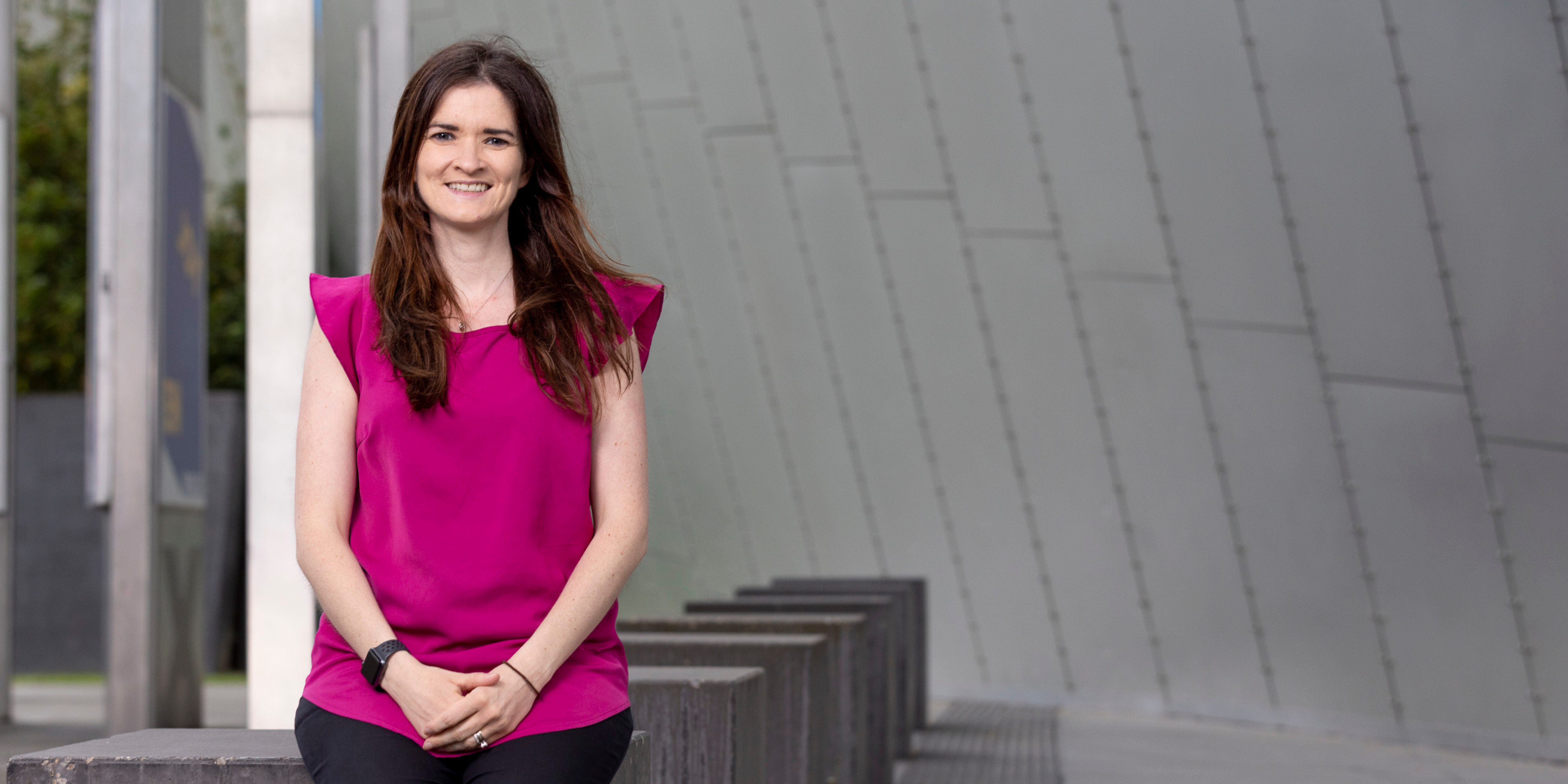
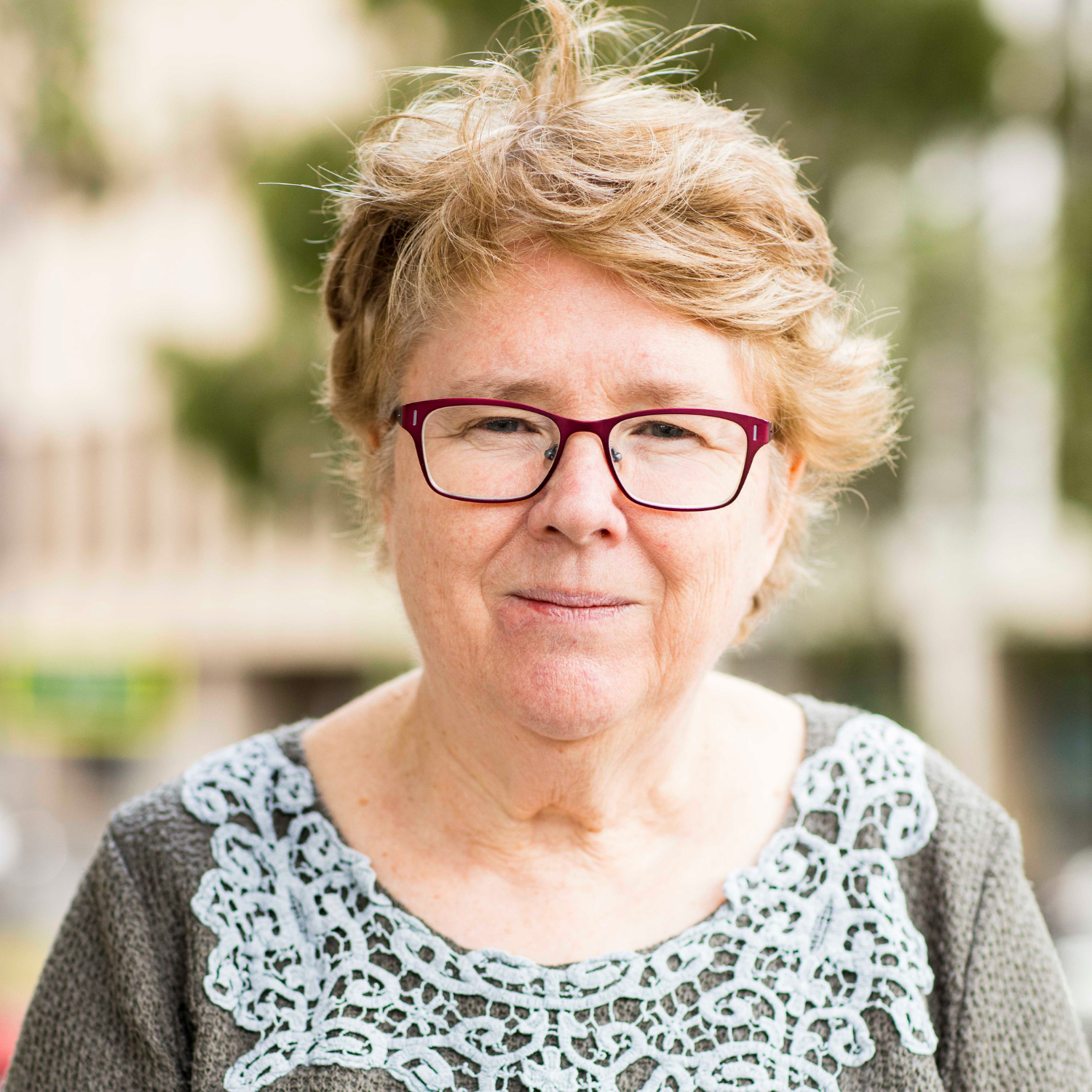
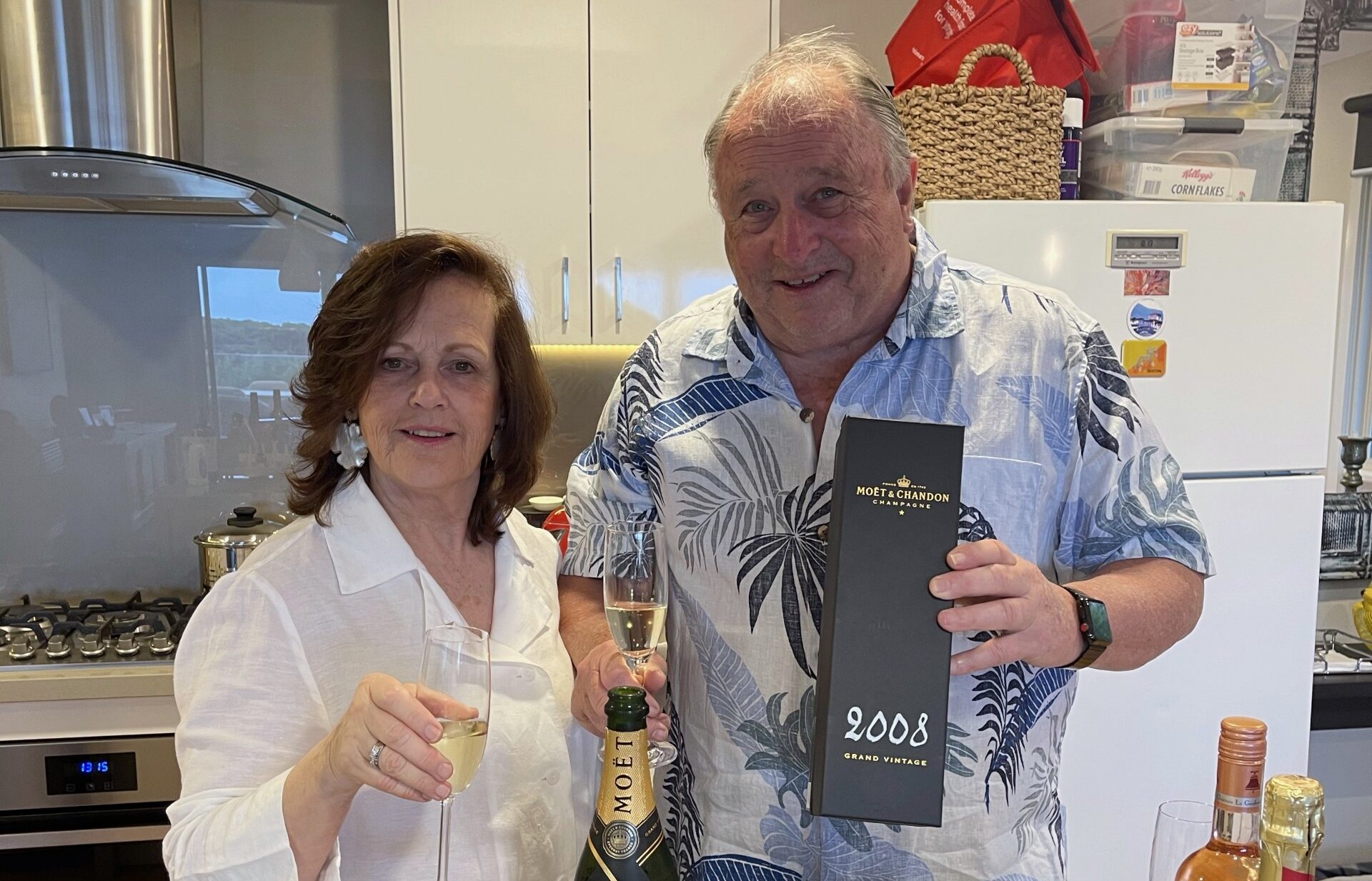
At 74, Louise struggles with chronic pain that doesn’t allow her to live life on her own terms.
Louise lives with persistent, unpredictable pain that became a part of her life at just 25 years old.
A life changed by pain
The pain started suddenly, during a walk in San Francisco.
“I remember walking along the street, and I suddenly thought, ‘My God, I can’t even carry my handbag.’”
That moment was the beginning of a lifelong journey with chronic pain for Louise and one that has taken a toll on every part of her life. In the early days, her condition was debilitating:
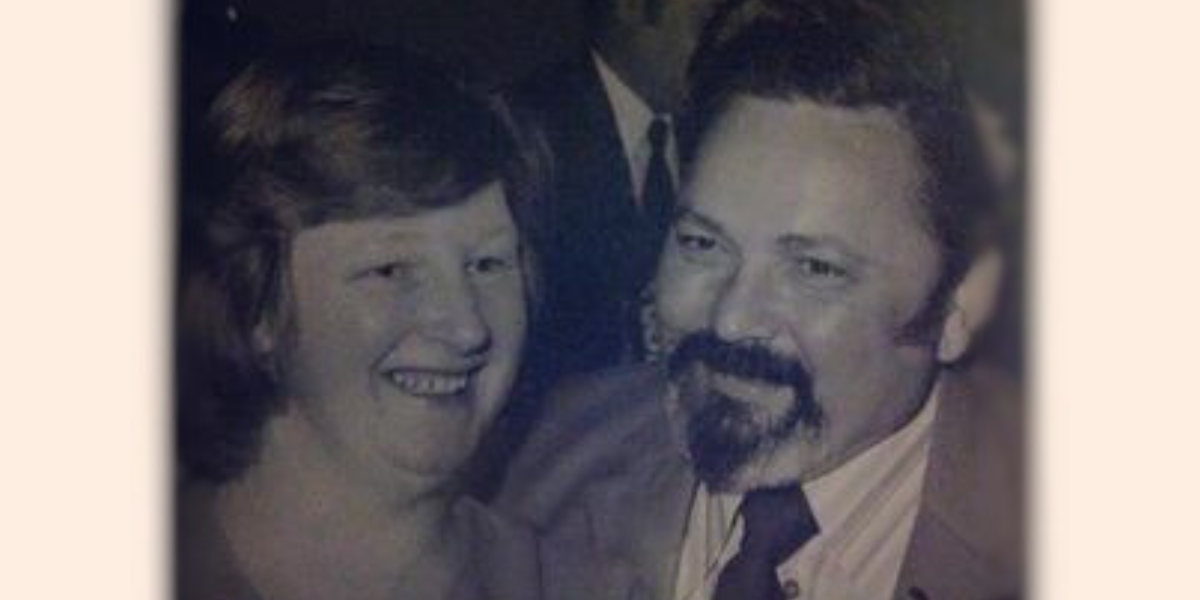
“I was virtually bedridden for about three months. I always say if my dog and Robert (Louise’s husband) didn’t help me, I don’t know what I would’ve done.”
Over the decades, Louise has pursued nearly every treatment available: medications, nerve denervation procedures, hydrotherapy, physiotherapy, and psychological support. Some approaches have helped temporarily, and others didn’t help at all.
Sometimes it just doesn’t work. That very chronic, driving pain is when you just can’t cope. Louise
The invisibility and impact of chronic pain
While the pain itself is severe, it’s the unpredictability that she finds hardest to bear.
Louise’s condition affects her sense of reliability. She helps care for her three grandchildren and wants to support her two daughters. But on the bad days, it’s difficult to even to show up.
The pain has also deeply impacted Louise’s mental health. Especially after the birth of her second child, the combination of physical and emotional strain led her to seek mental health care.
The uncertainty of it is probably the most devastating, you just never know how the day might go. Louise
Hope through research
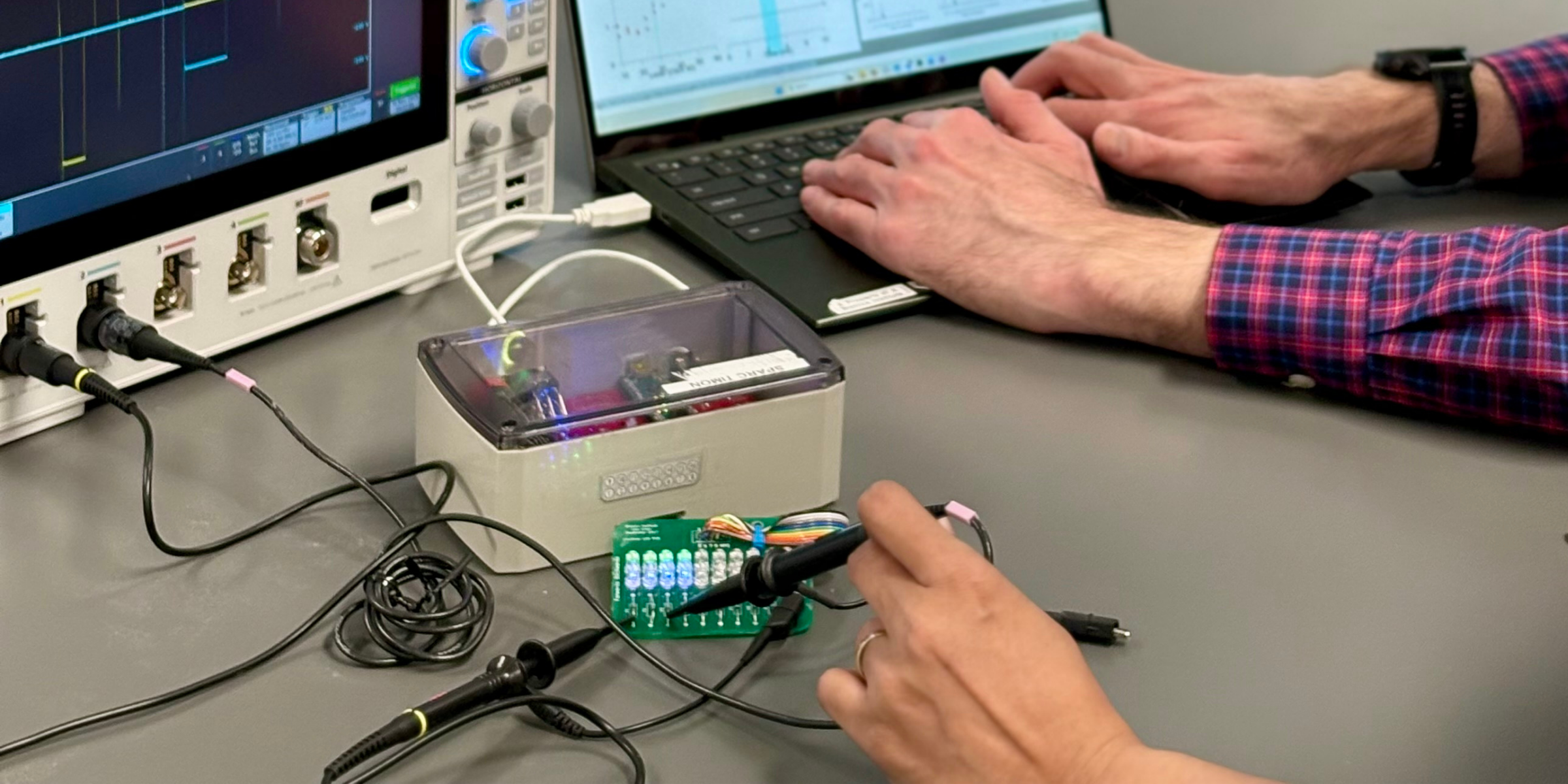
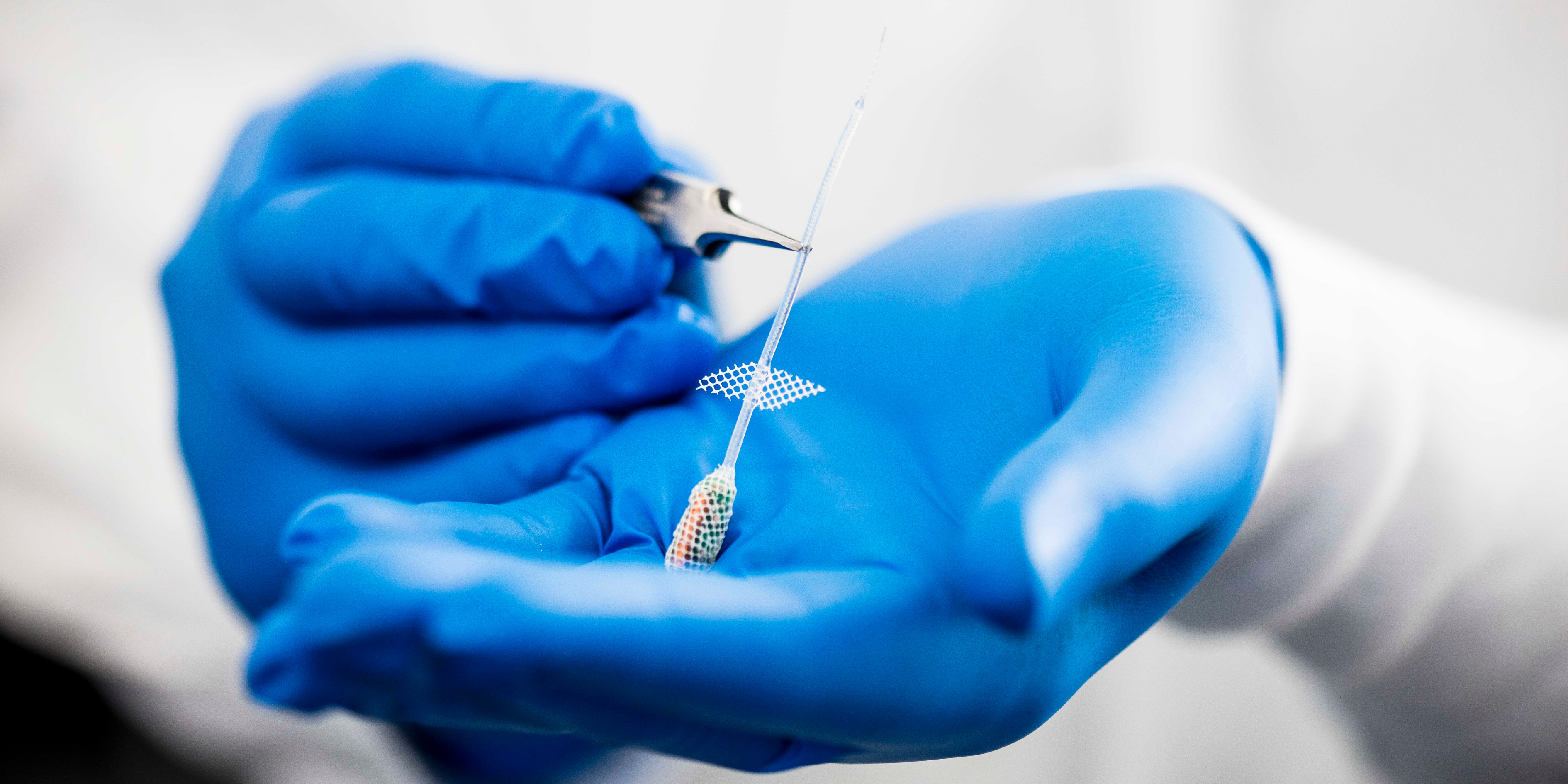
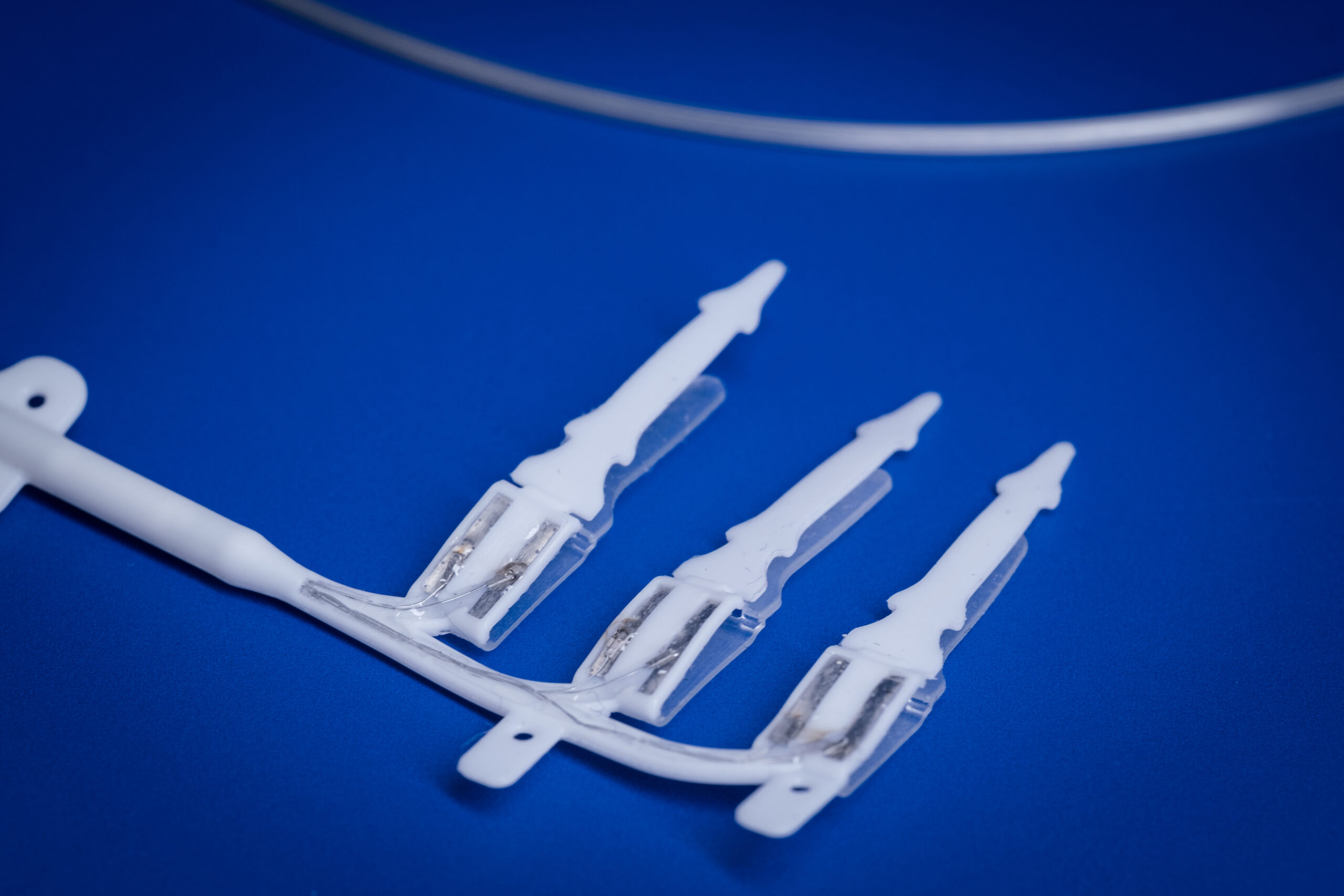
Louise hopes that optogenetics research conducted at the Bionics Institute is a way out for people like her who suffer with chronic pain — a solution that could help regulate or even block the nerve signals responsible for the pain.
She sees it as a turning point for the millions of others quietly living with the same condition.
“If you say that one in four people suffer from chronic pain—that’s a pretty horrible statistic. It affects everything: their lives, their families, our workforce.”
Louise continues to still work. Still show up for family. Still believes that a better future is possible—for herself and for others living with chronic pain.
Read more about our research into chronic pain here.