We’re excited to share a major new publication from the Bionics Institute, now published in the prestigious journal Proceedings of the National Academy of Sciences (PNAS).
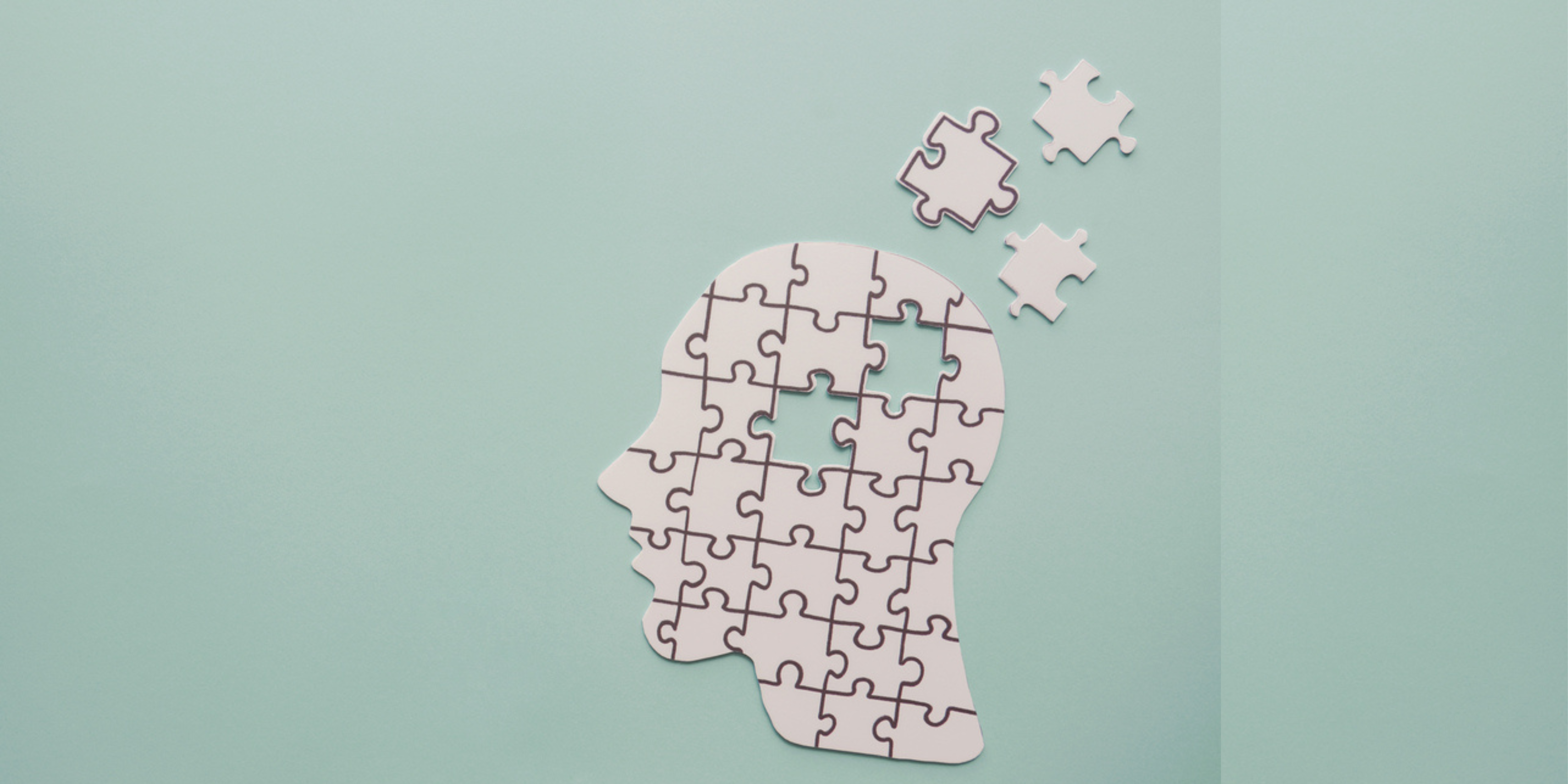
This study offers fresh insight into how the brain adapts after cochlear implantation and why some people benefit more than others.
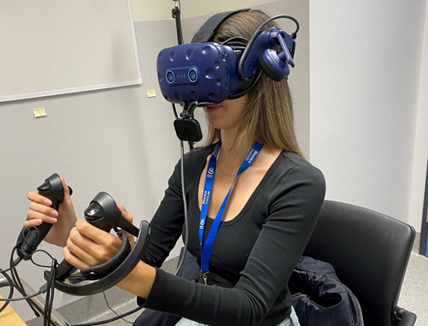
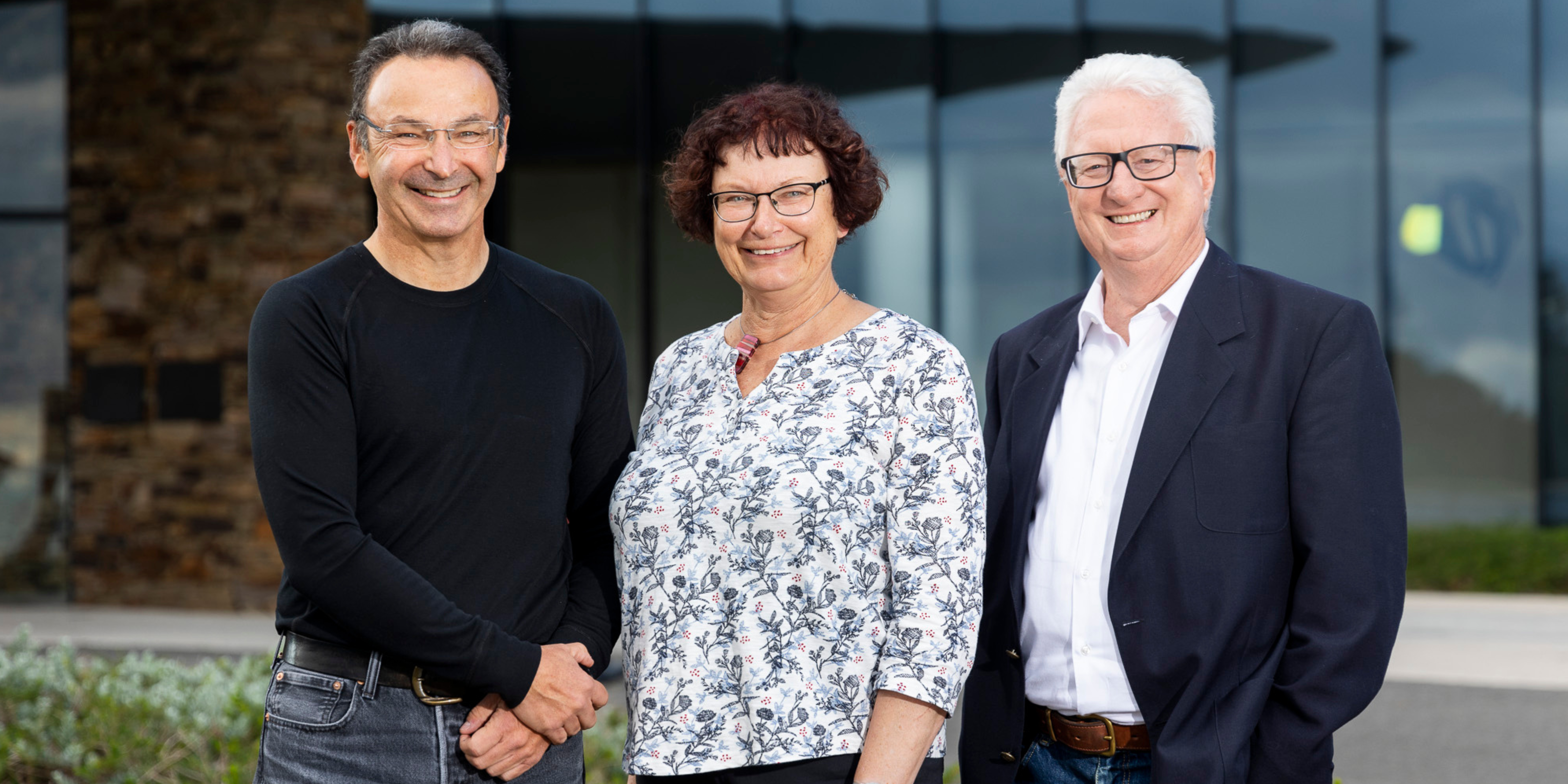
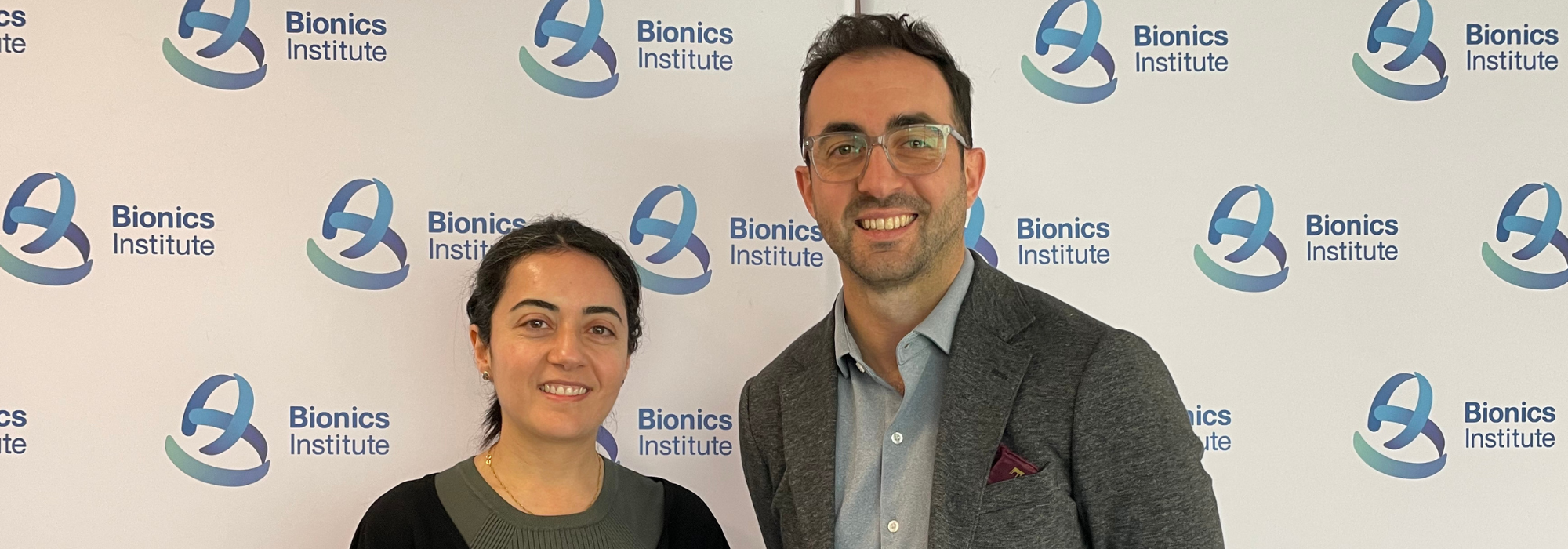
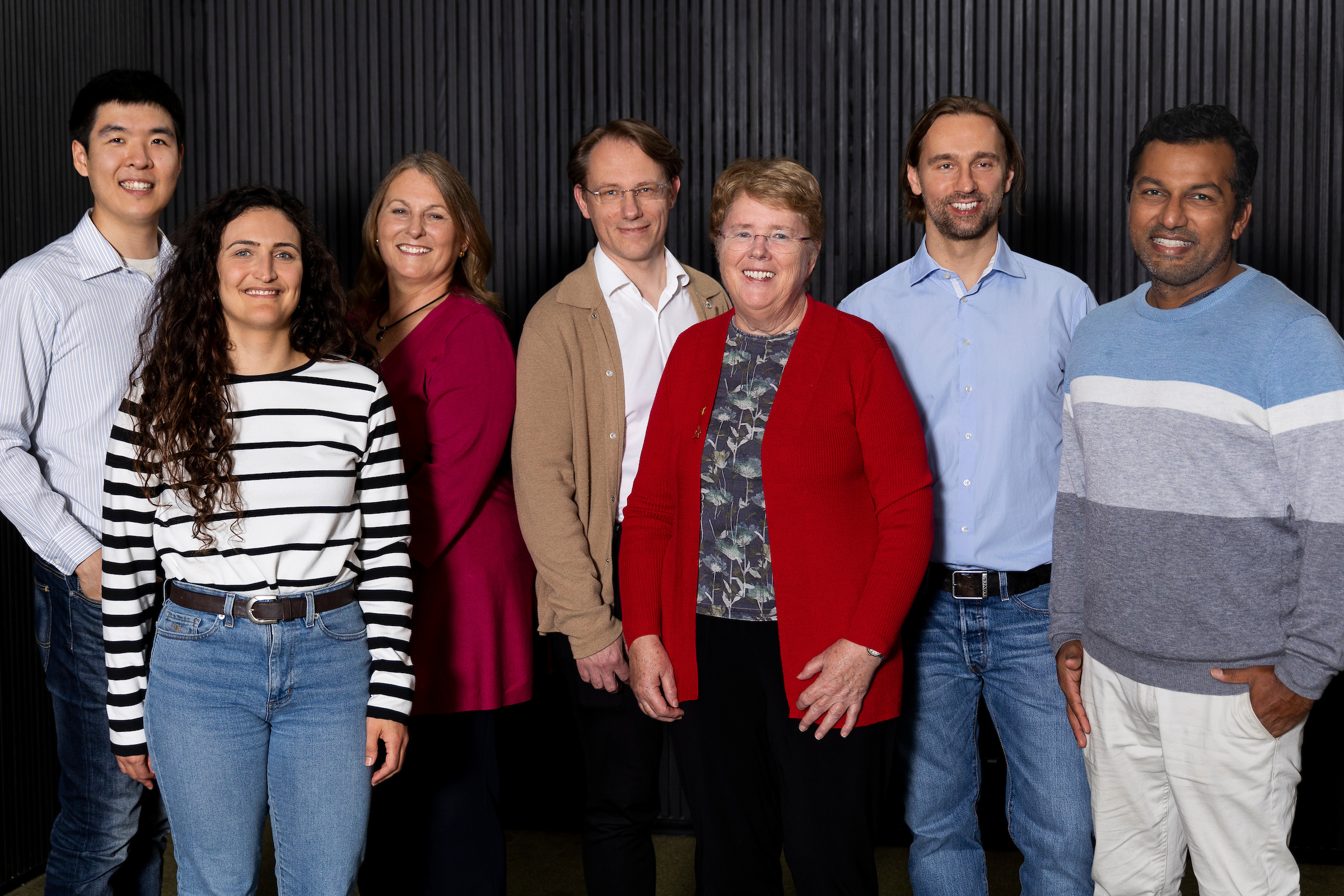
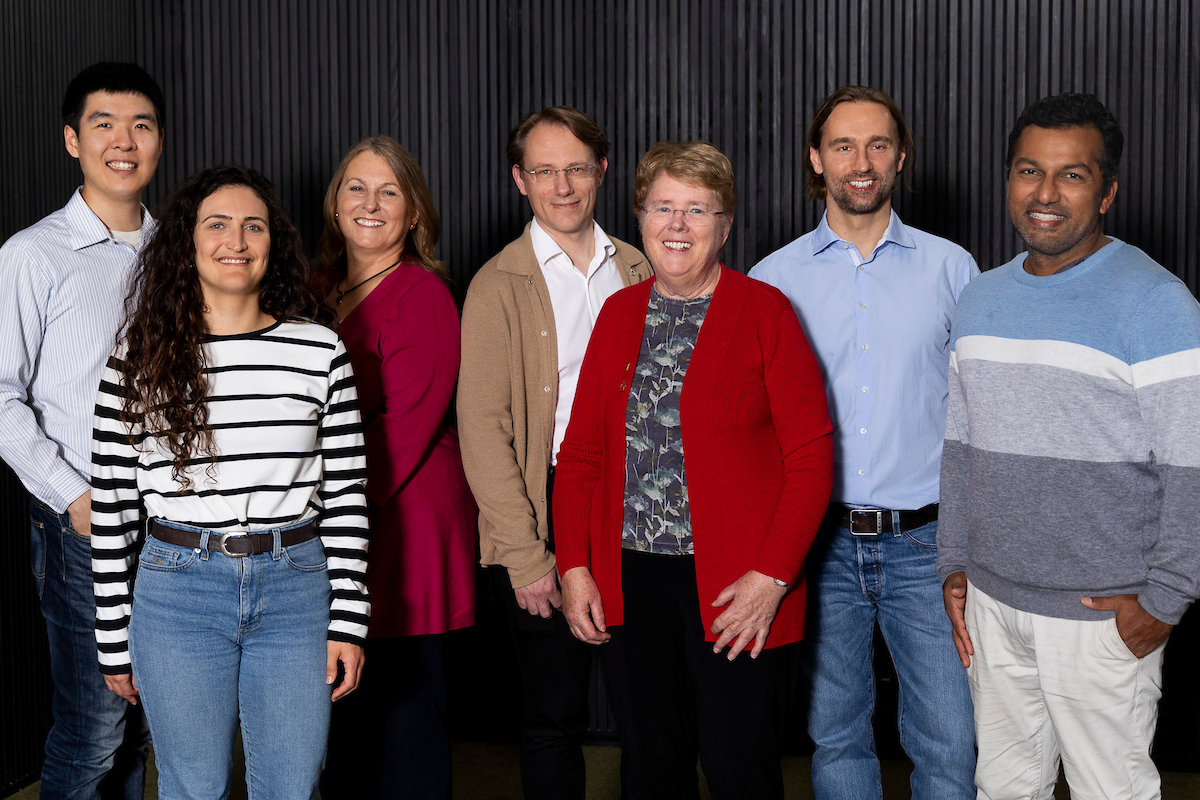
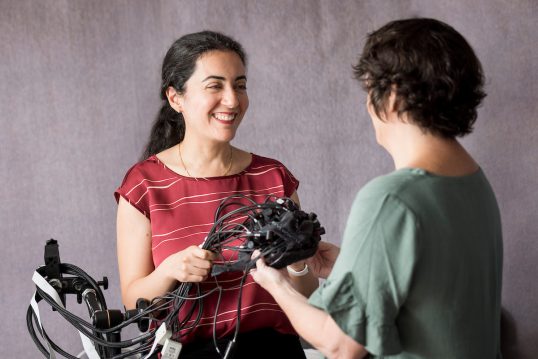
The research team, led by Jamal Esmaelpoor with Tommy Peng, Beth Jelfs, Darren Mao, Maureen Shader, and Colette McKay, studied brain activity in 29 people who received cochlear implants. Using a non-invasive brain imaging technique called functional near-infrared spectroscopy (fNIRS), the team measured how participants’ brain networks changed one month and one year after implantation.
What they found was exciting. The brain doesn’t adapt in a simple, fixed way during visual lipreading and speech listening. Instead, brain networks change dynamically over time, showing shifts in neural plasticity and communication between the left and right sides of the brain. Even more importantly, the researchers discovered that the stability of a person’s brain network shortly after implantation could predict how well they would understand speech in the future.
This finding is especially meaningful because nearly 30% of cochlear implant users currently experience limited benefit. Being able to predict outcomes early could help clinicians tailor rehabilitation programs to each individual, improving long-term results.
The study also highlights why it’s so important to look beyond static snapshots of the brain. By capturing how brain connectivity changes over time, this work provides a richer, more realistic picture of how the brain learns to process sound again after implantation.
Overall, this publication marks an exciting step forward in understanding brain adaptation and opens new possibilities for personalized care in cochlear implant rehabilitation.
Learn more about the study: https://www.growkudos.com/publications/10.1073%25252Fpnas.2505086122/reader
Read the full paper in PNAS: https://www.pnas.org/doi/10.1073/pnas.2505086122