
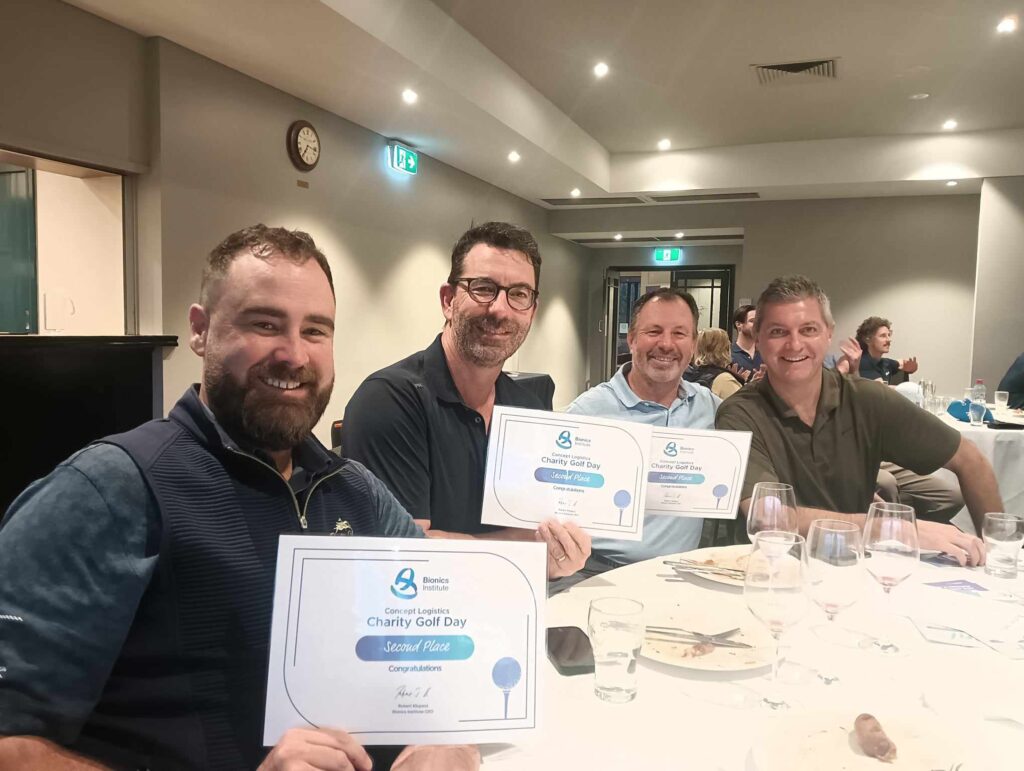
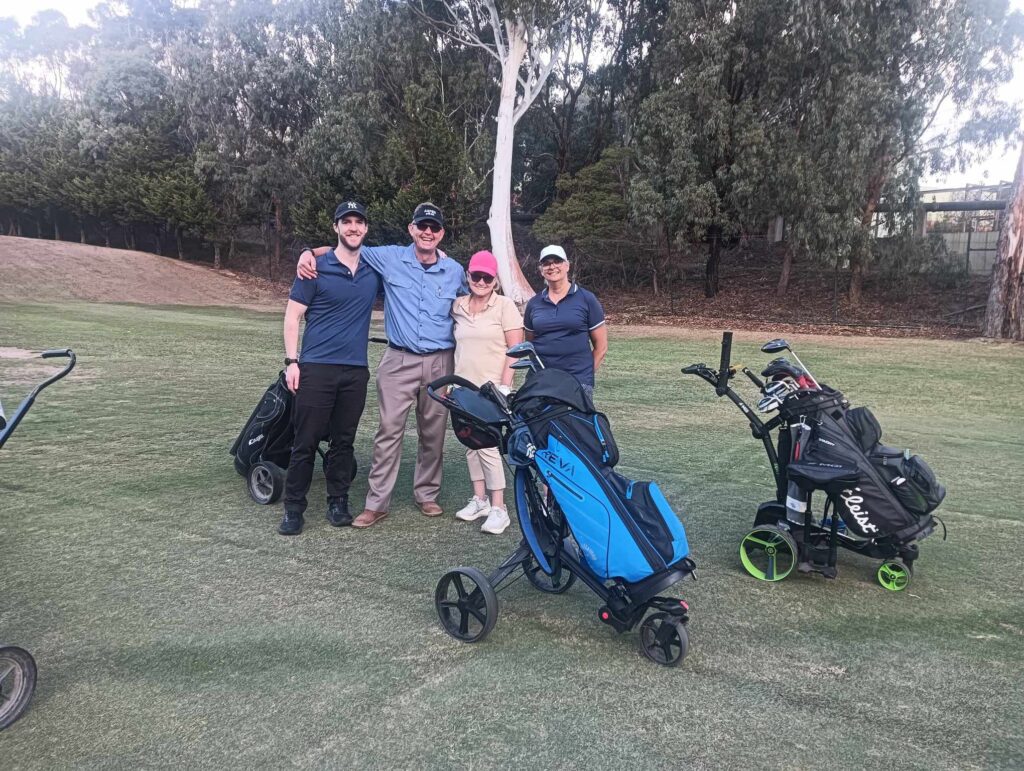
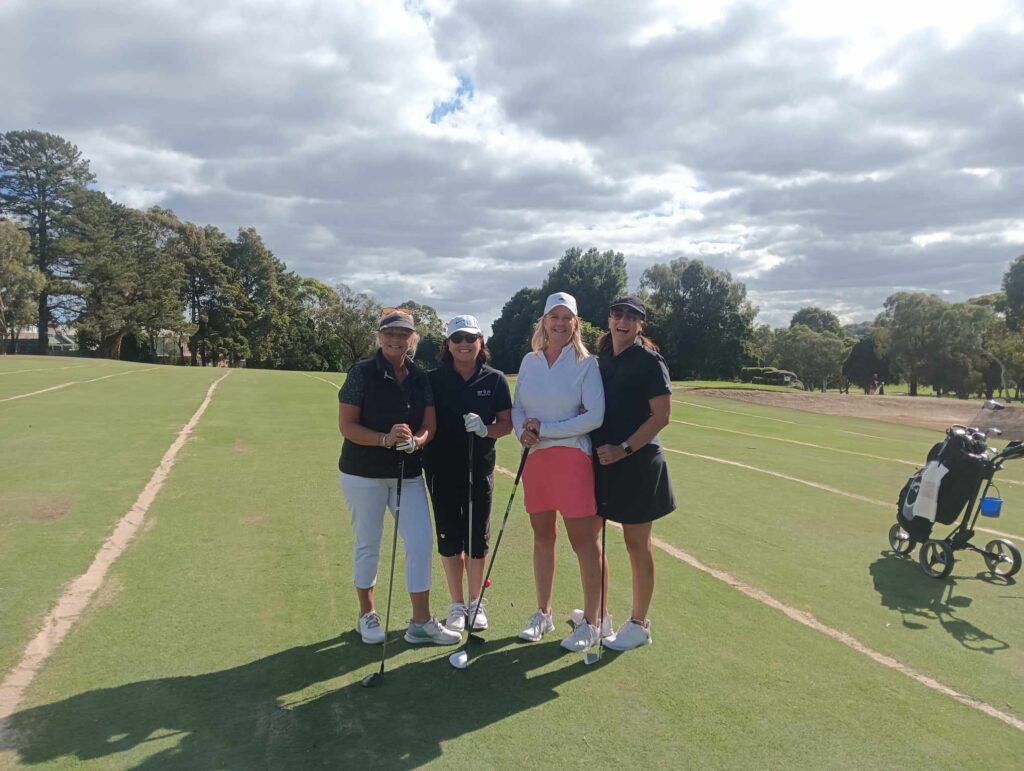
The first Concept Logistics Charity Golf Day held in support of the Bionics Institute on 31 March 2025 was a great success.
Golfers from across Melbourne enjoyed a nine-hole Ambrose game followed by networking and BBQ buffet at the stunning Box Hil Golf Course.
We would like to thank our major sponsors Concept Logistics, Canaccord Genuity, Brolec and Schetzer Papaleo for their generous support.
Winners for gold, silver and bronze received vouchers from The House of Golf and the Closest to the Pin winners received a trophy from Edgewise Insurance.
There was some fierce bidding at the auction for prizes donated by Kieser, The Brand Workshop and The House of Golf, which raised vital funds to support medical device research at the Bionics Institute. And balls were kindly provided by the Australian Women’s Golf Network (AWGN).
After golf, guests received some pearls of wisdom on leadership from former Collingwood Premiership Captain Nick Maxwell, who stressed the importance of leading in corporate social responsibility because it is good for business.
Many of our corporate supporters joined us on the day and we’re delighted to showcase their support here, where you can find more information about how a partnership with the Bionics Institute could change lives and benefit your company.









You might be interested in…


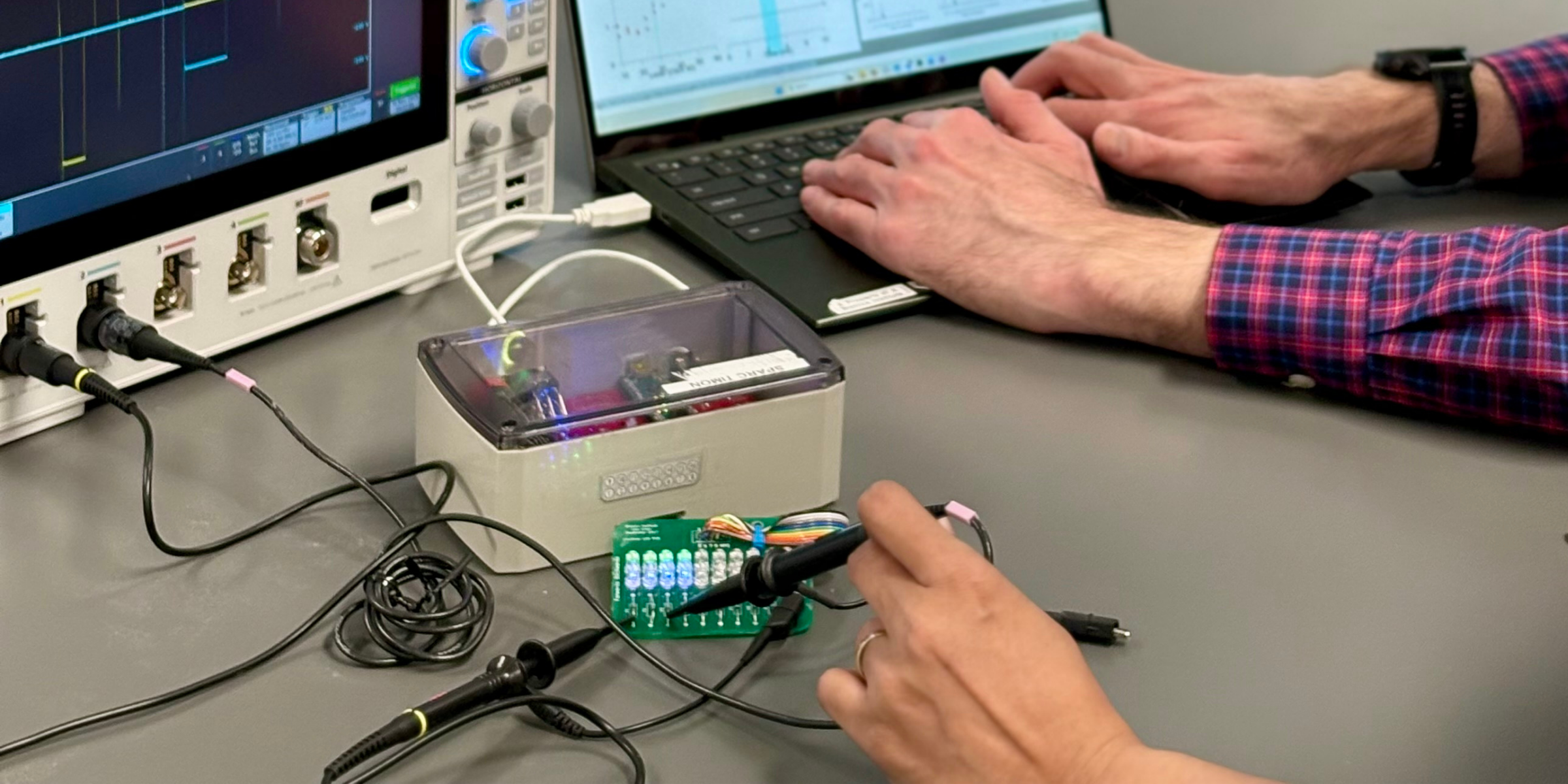



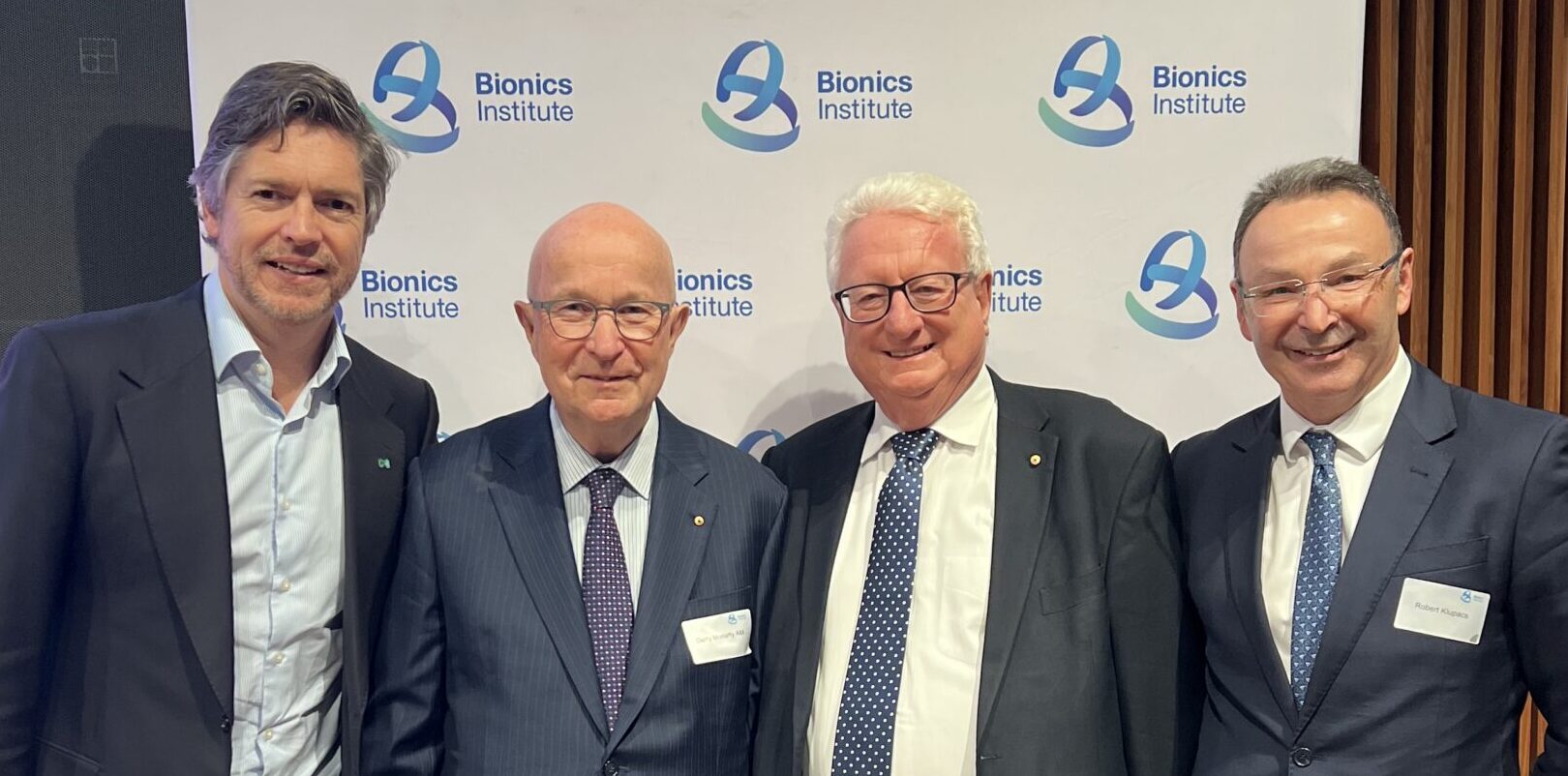

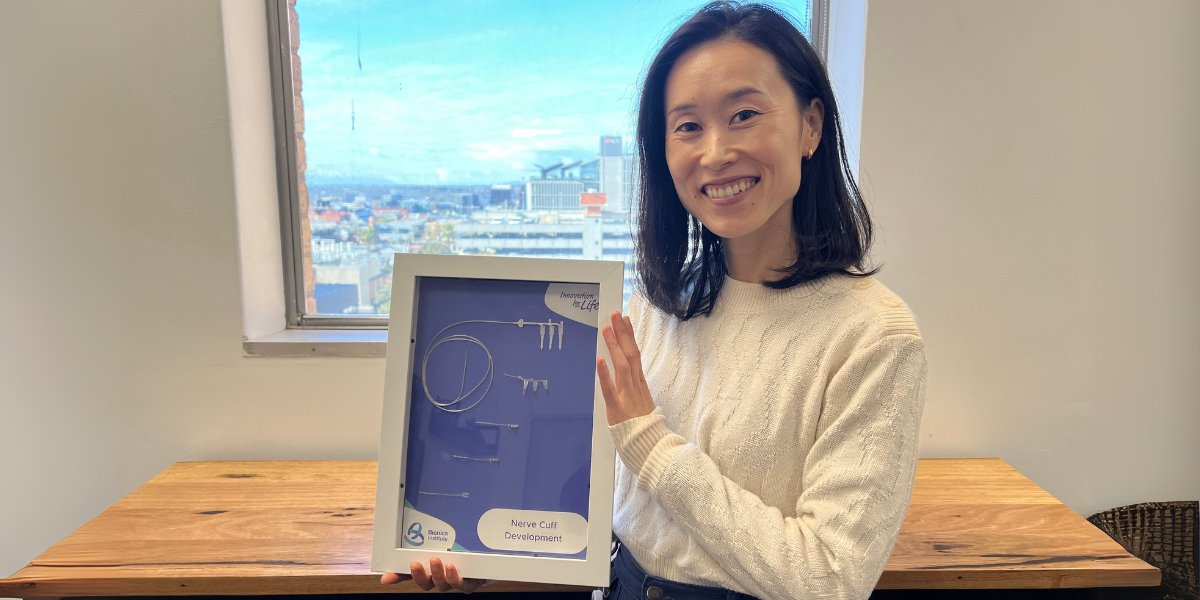


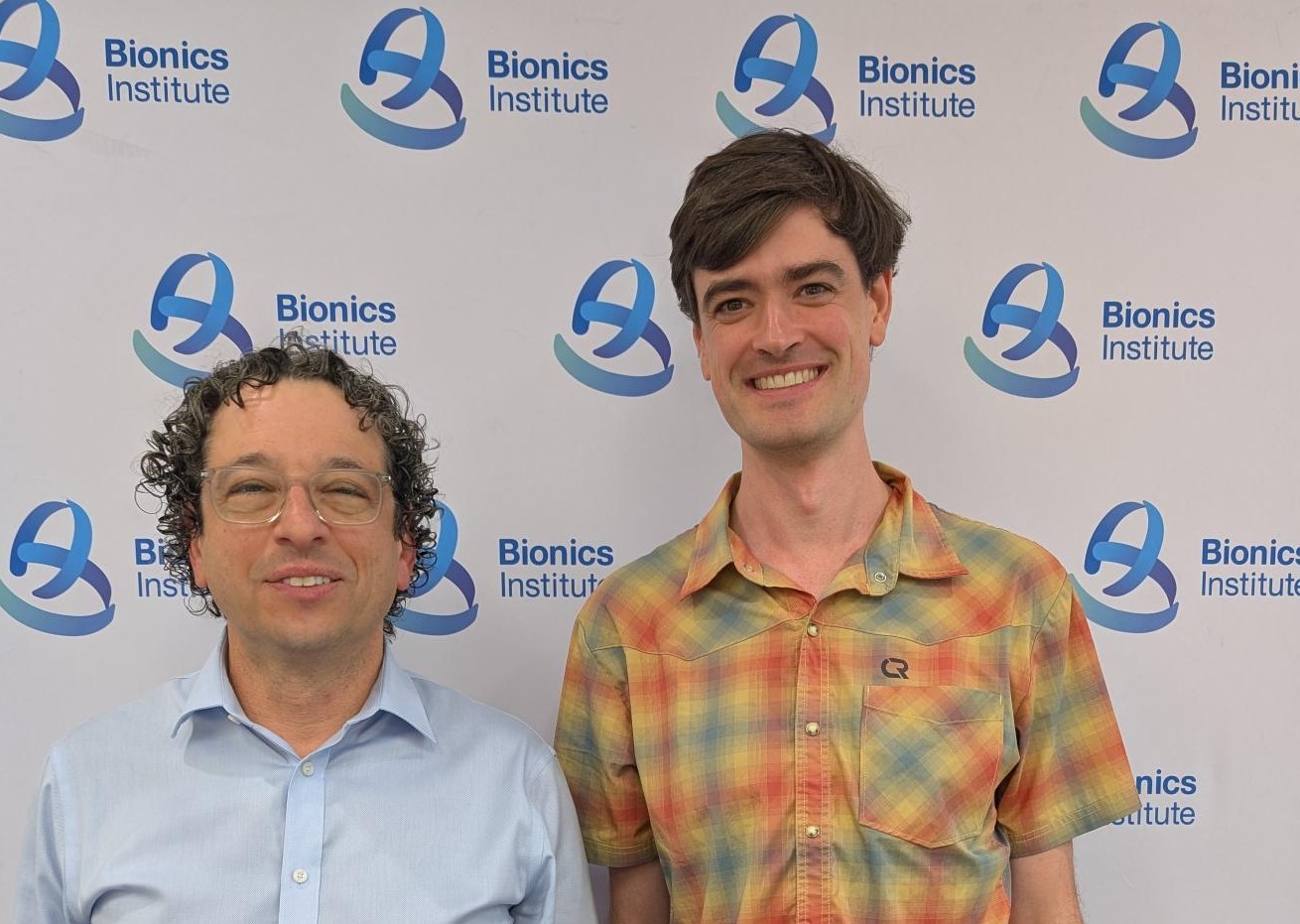






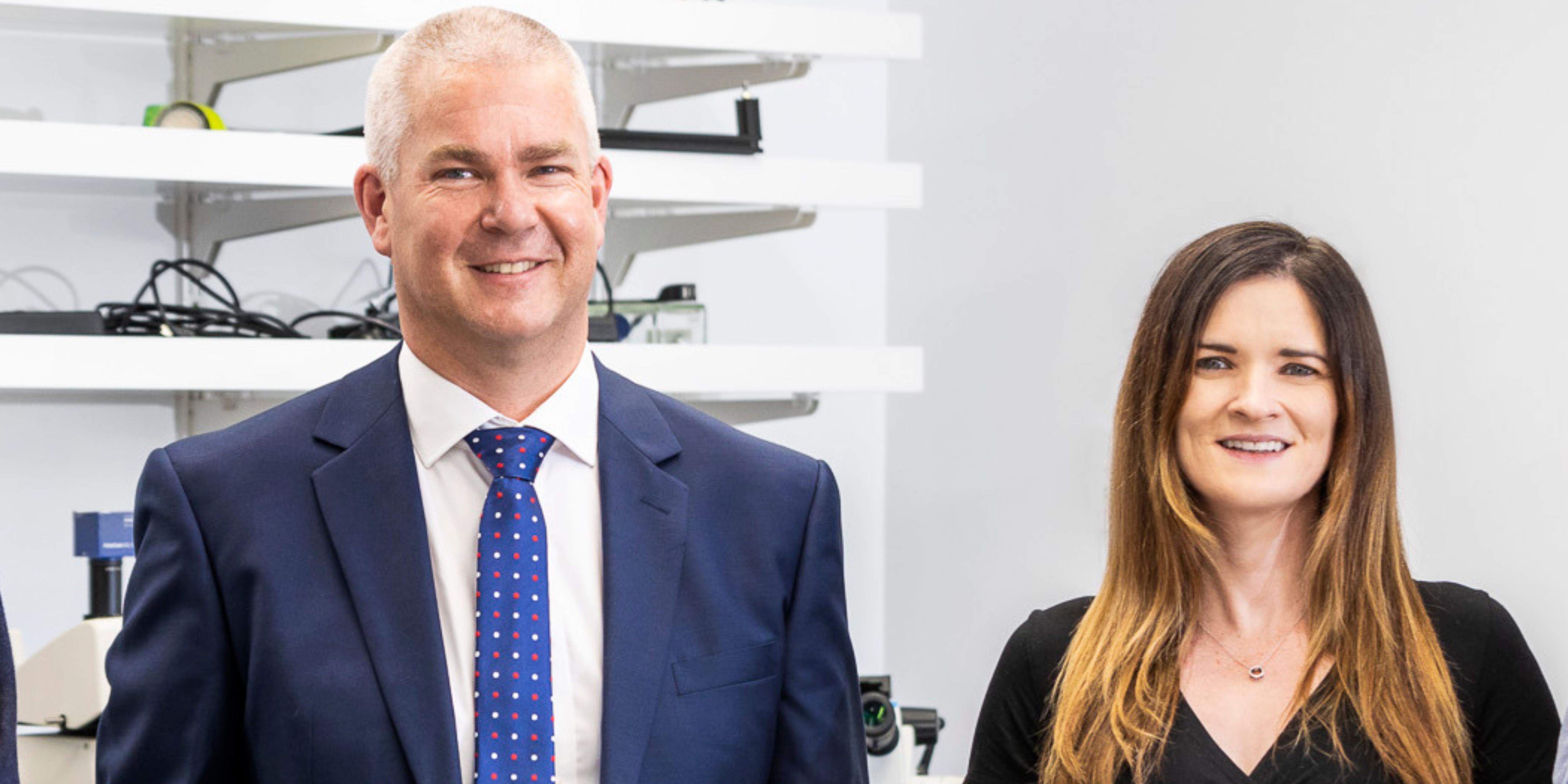


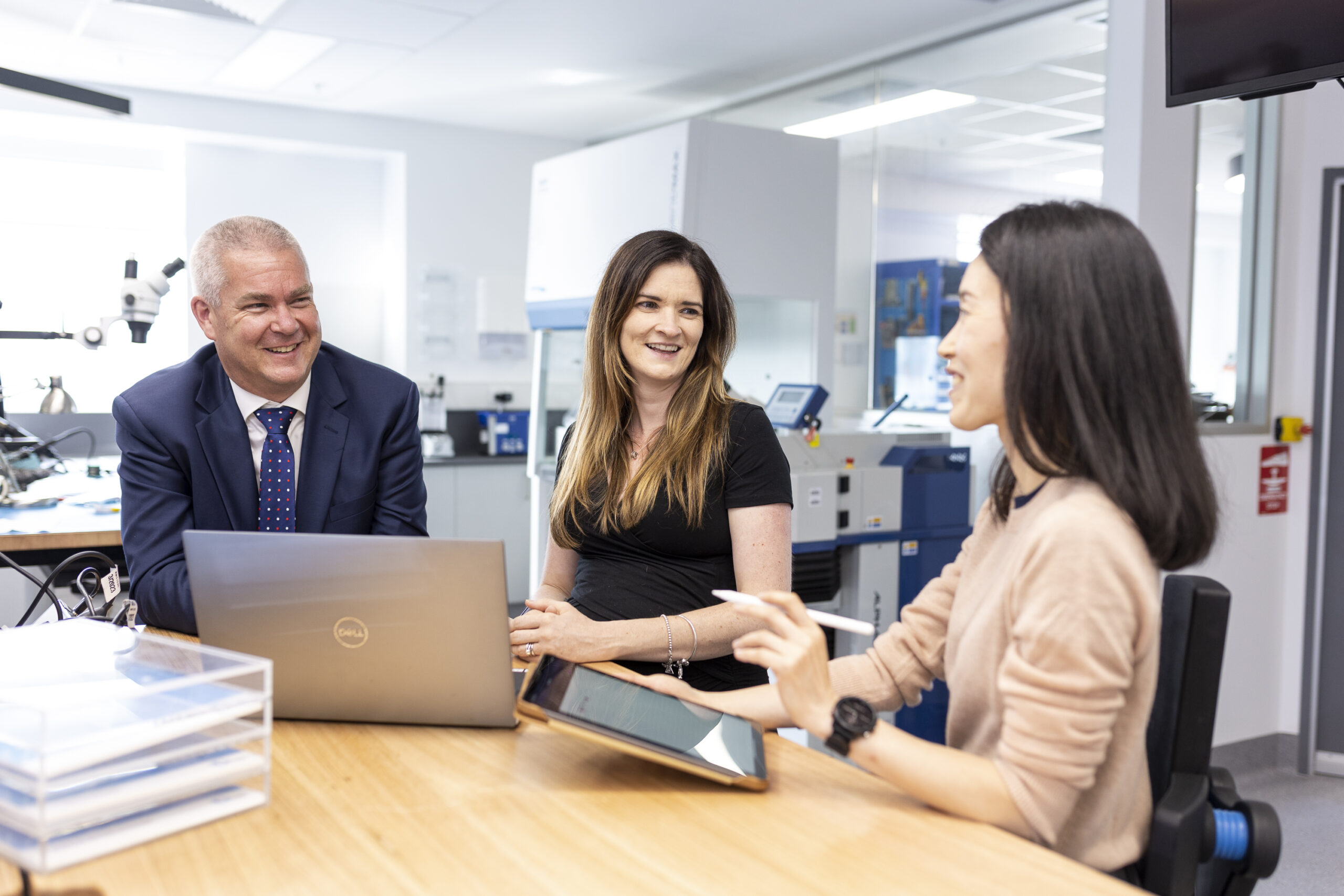
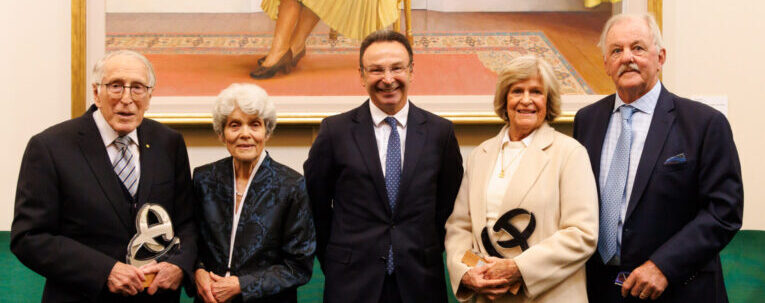


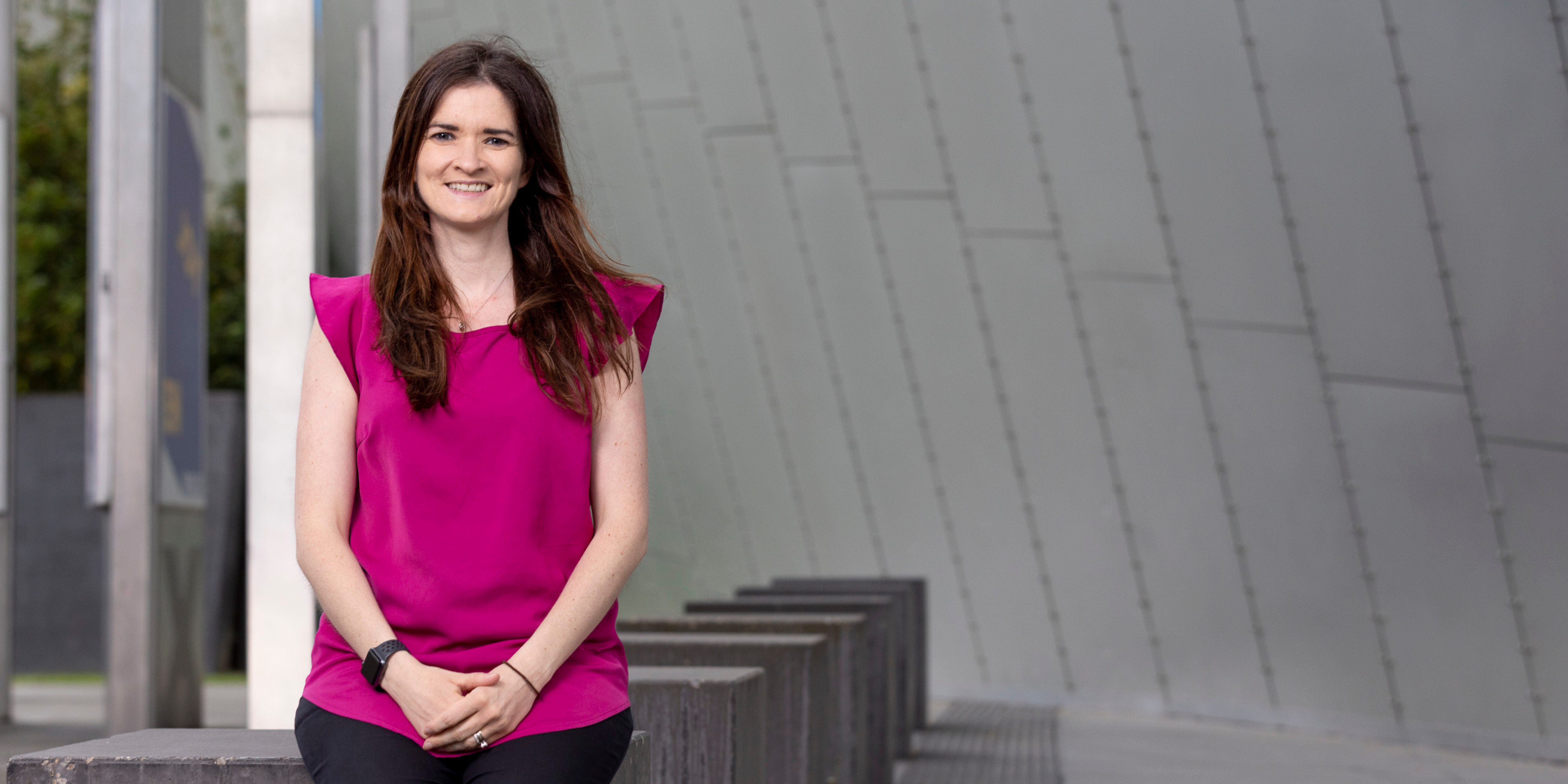




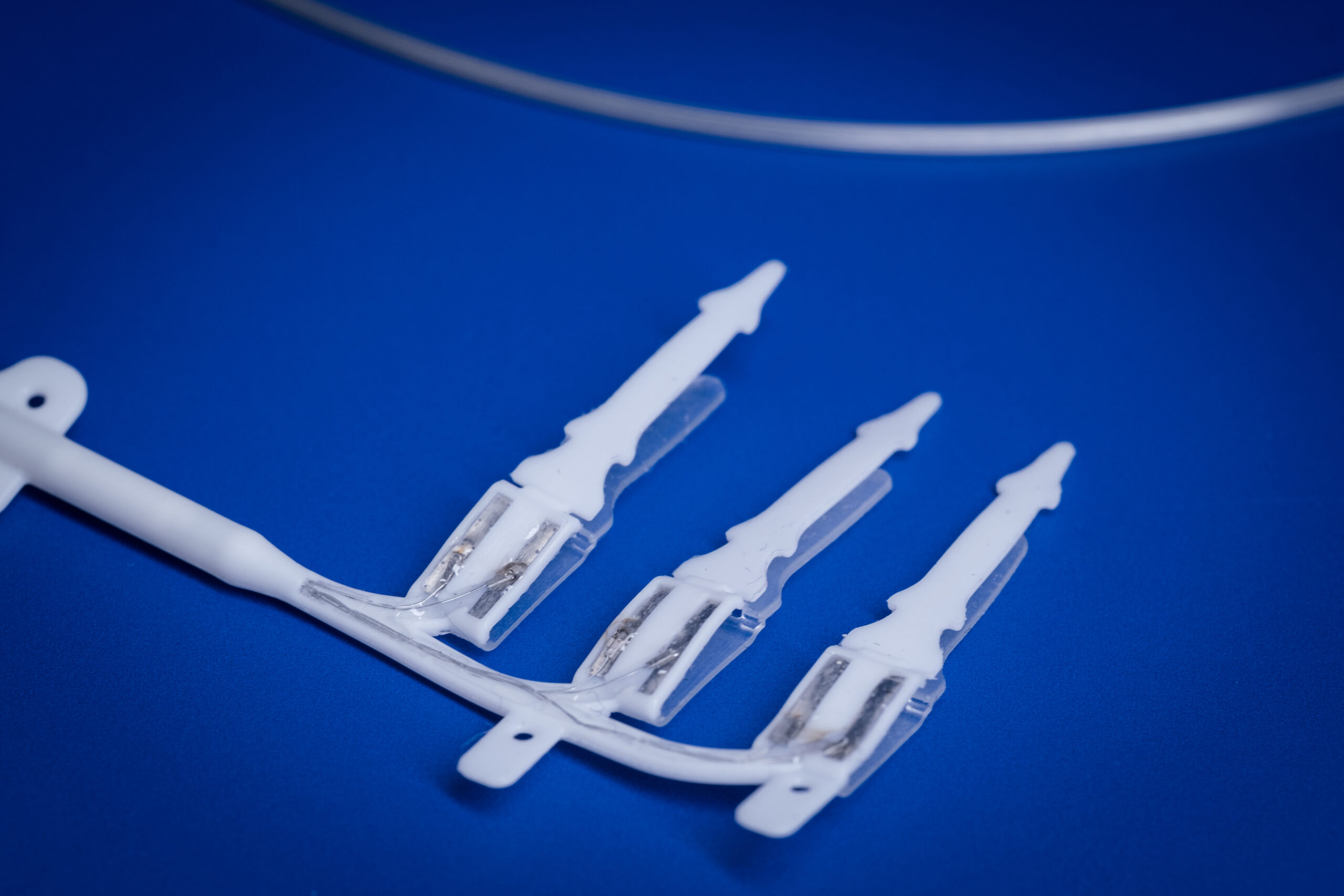



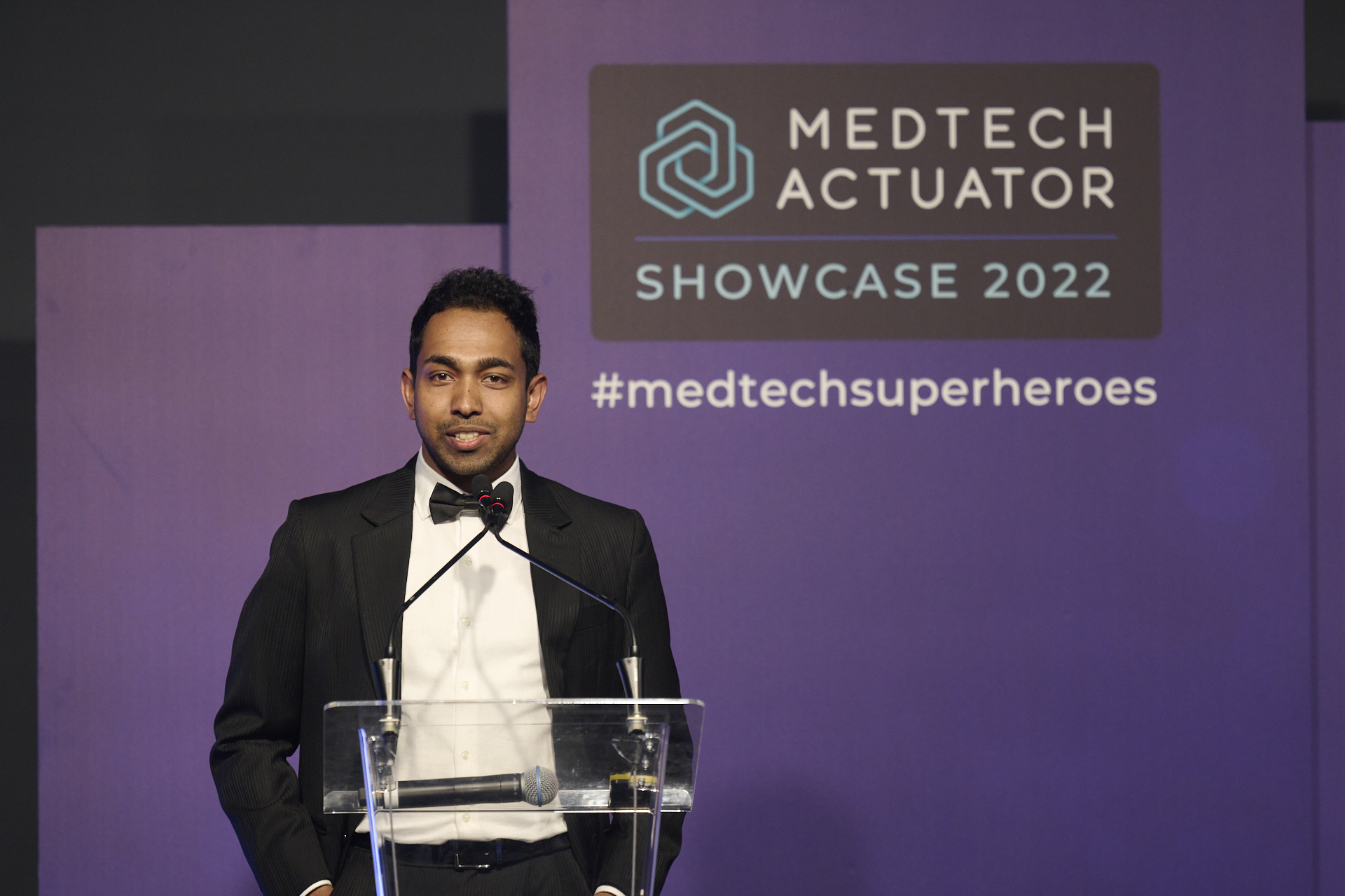


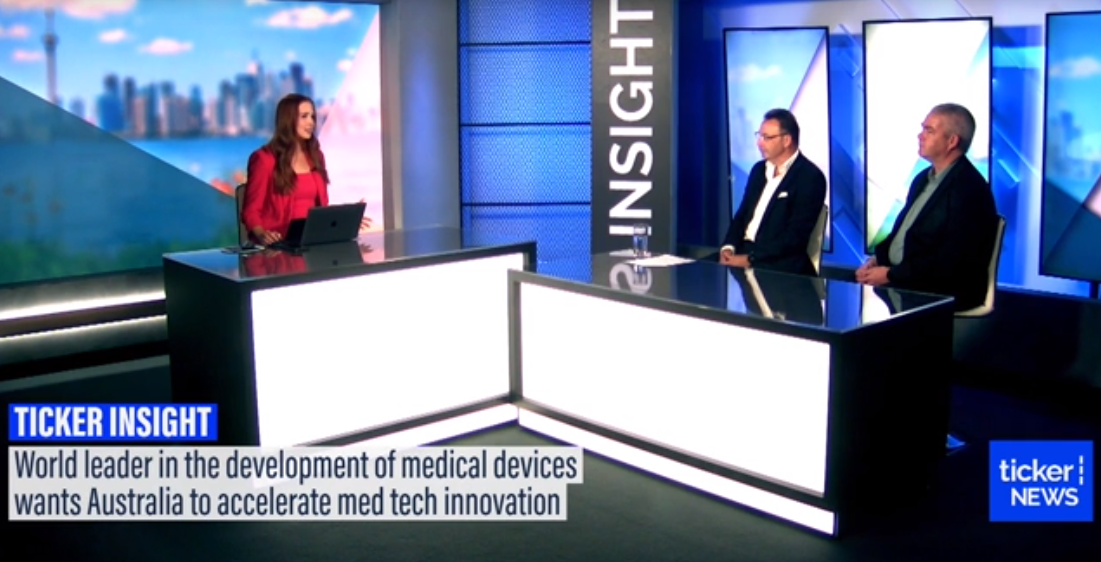

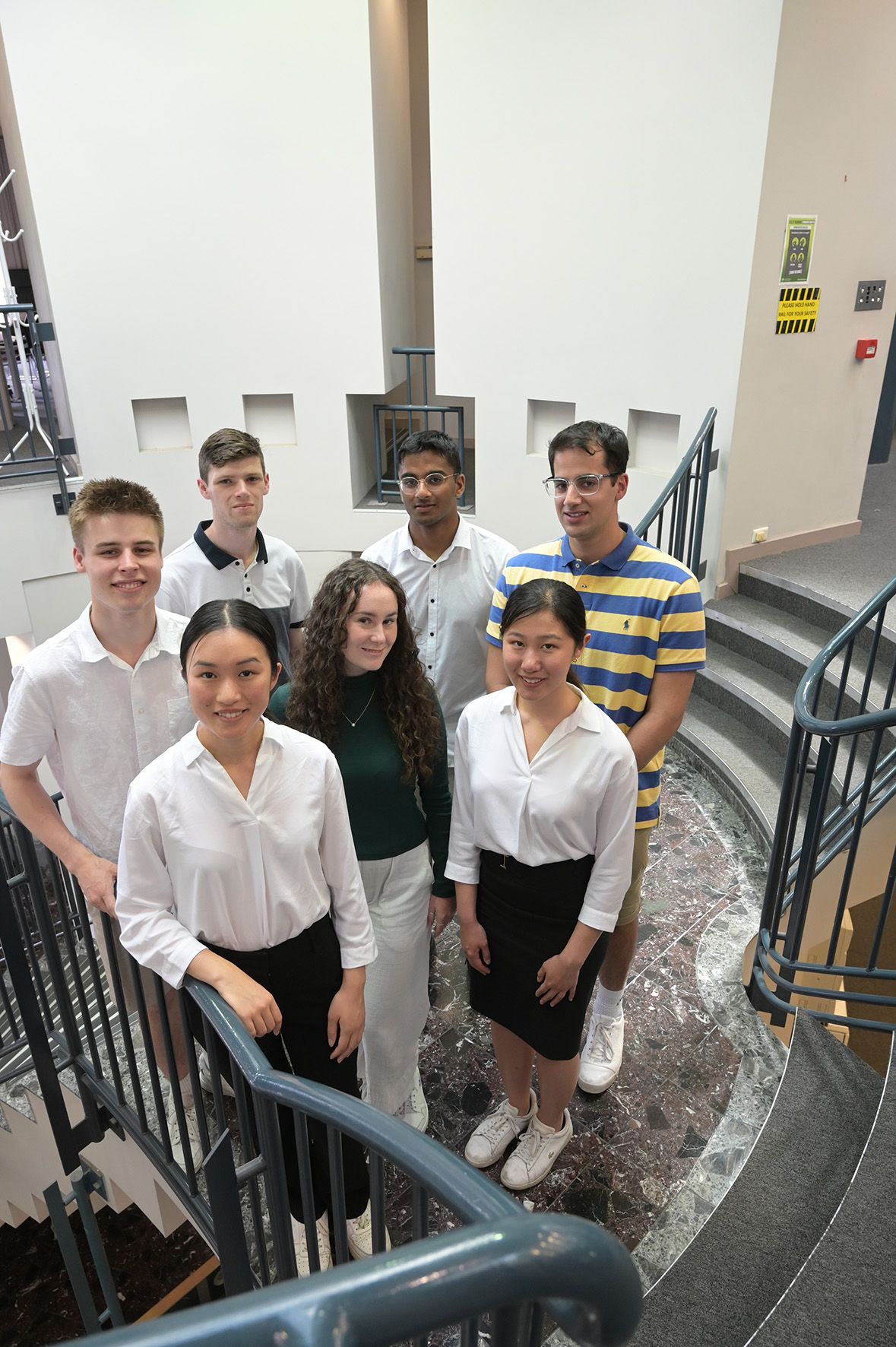

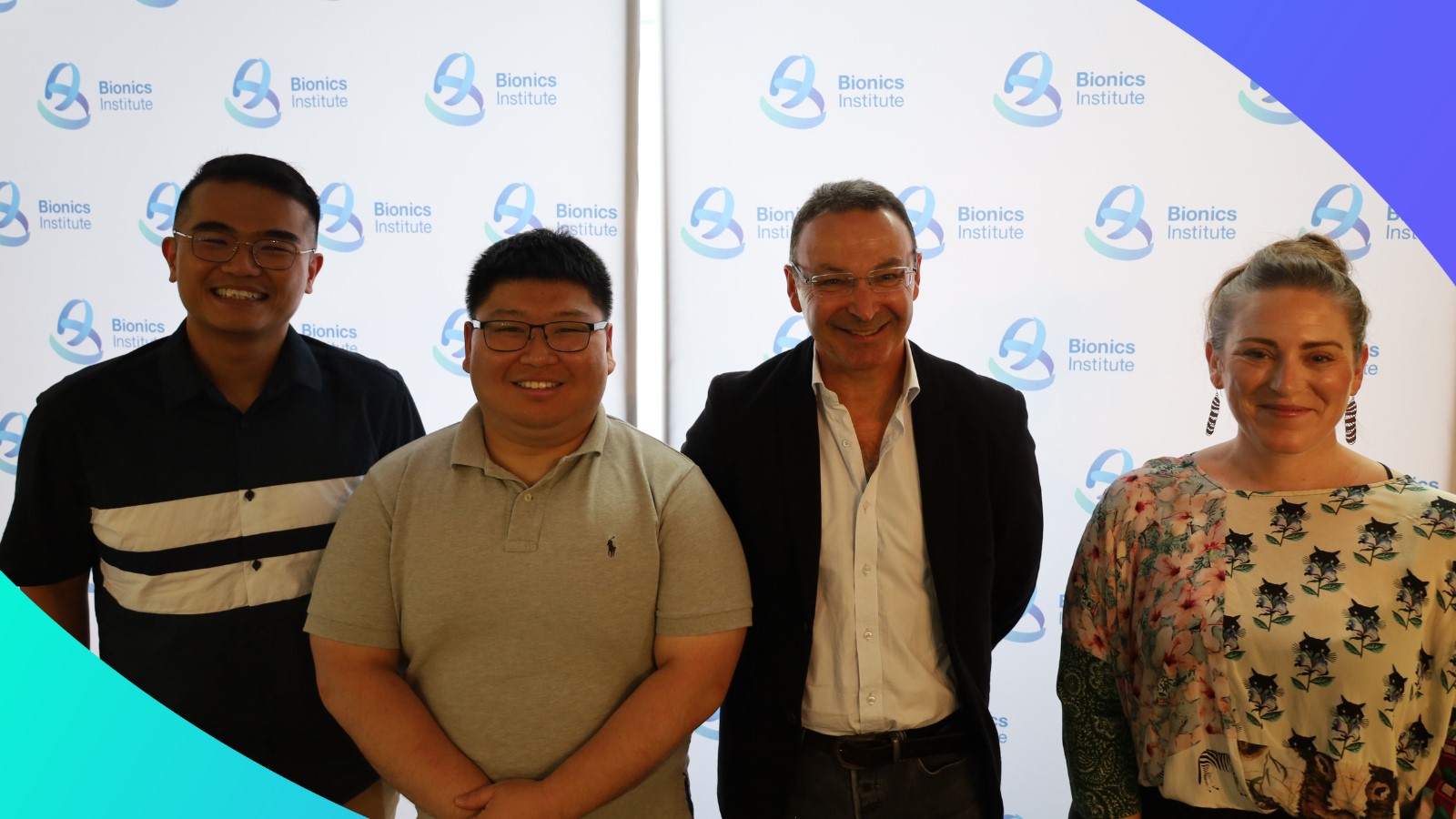
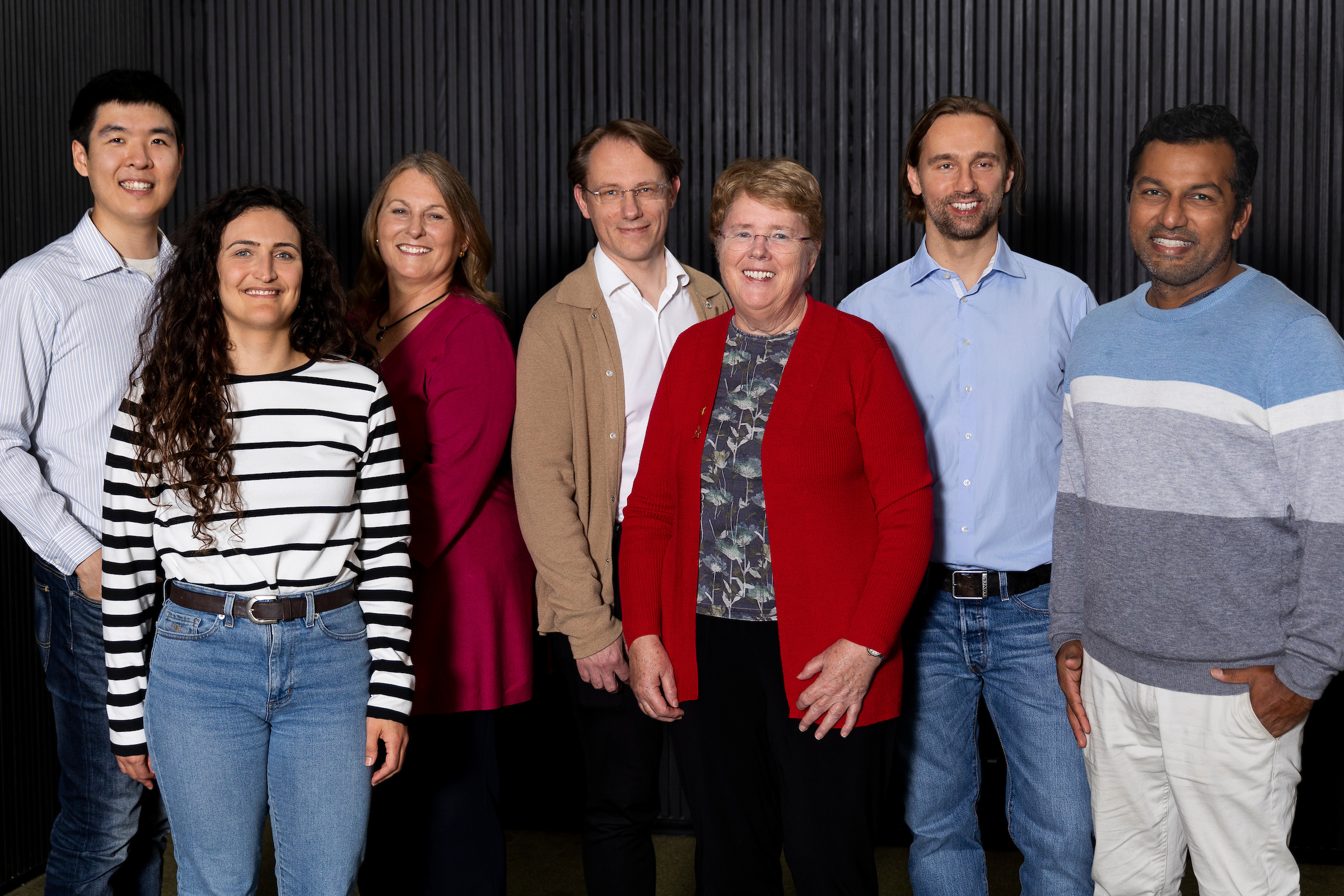


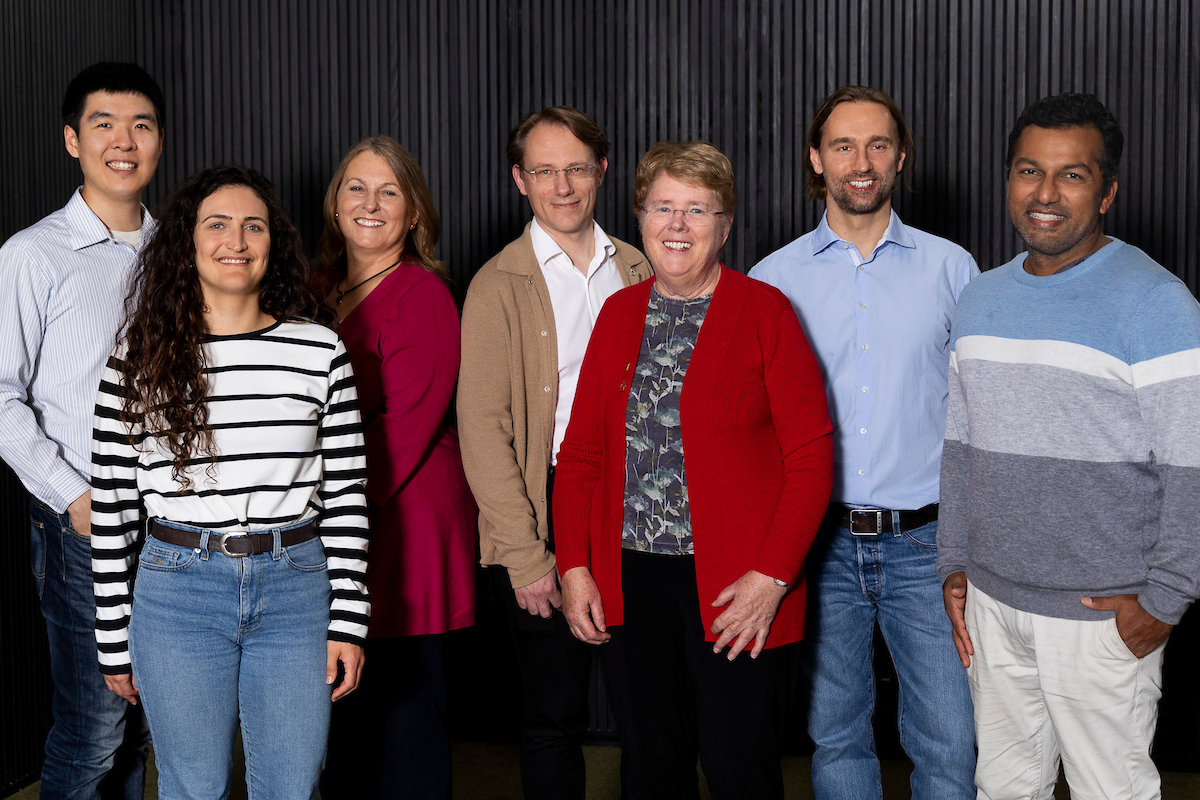
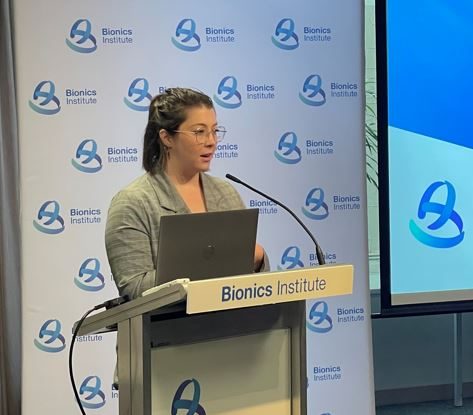


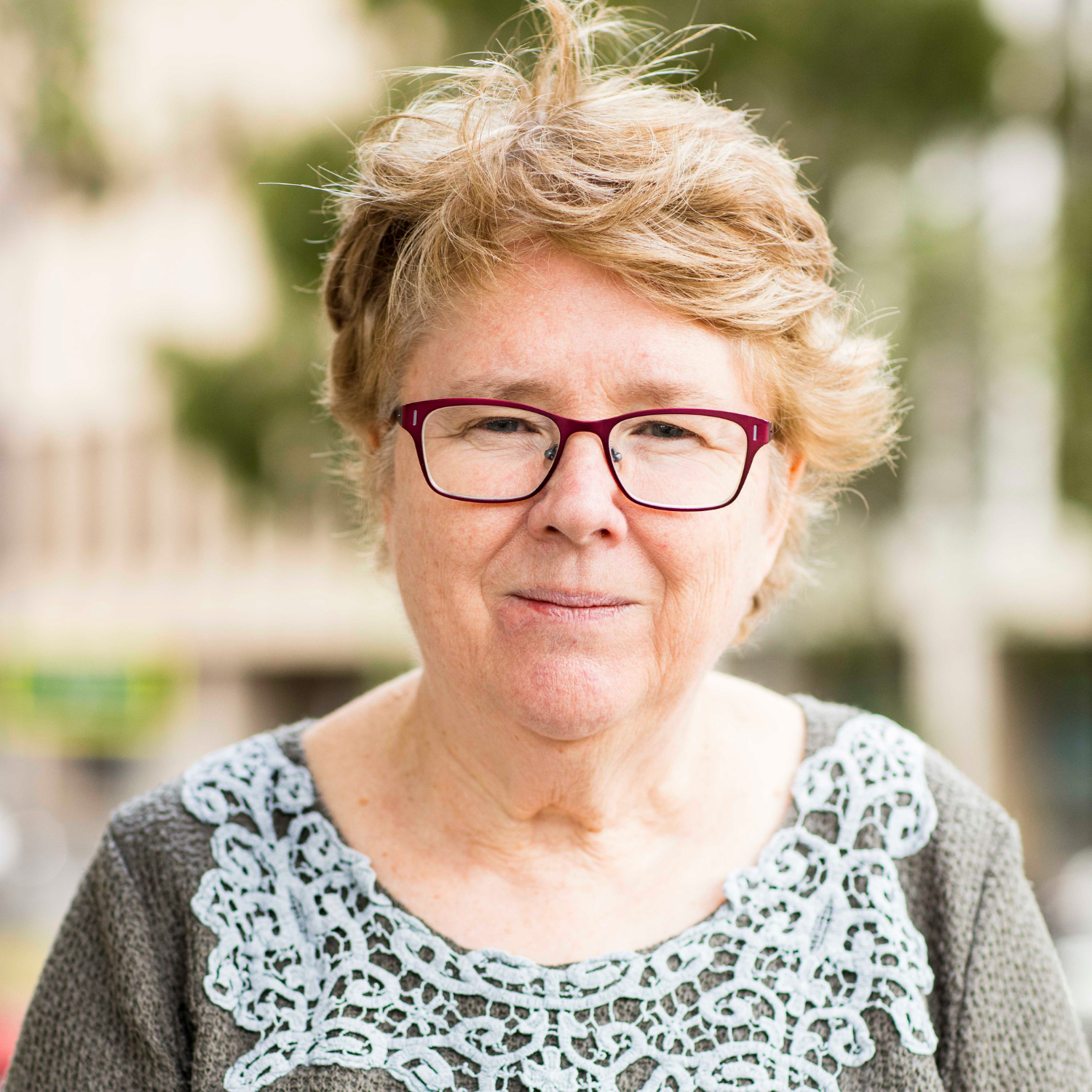
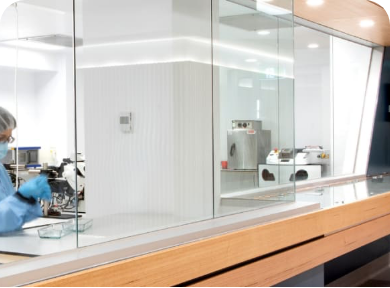

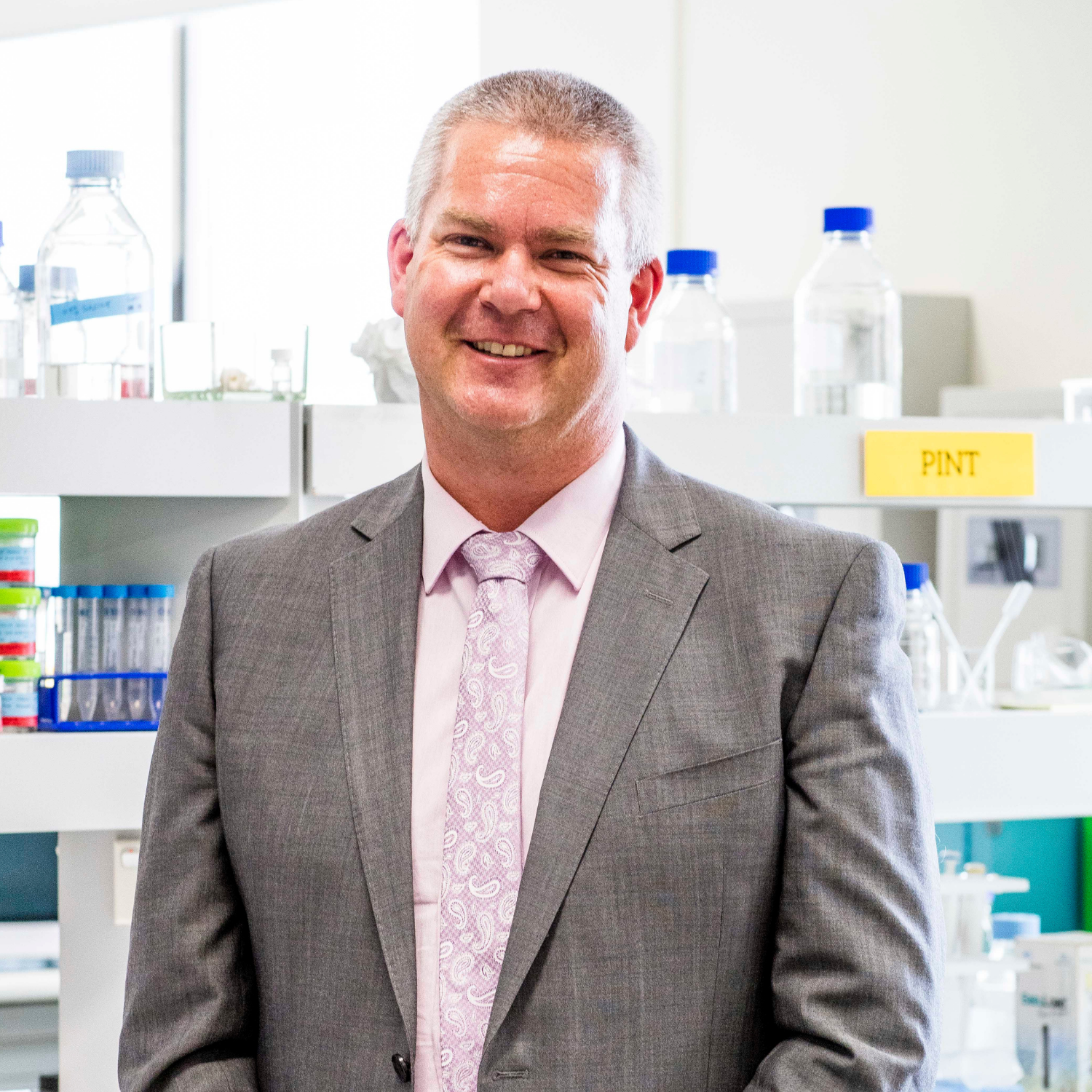



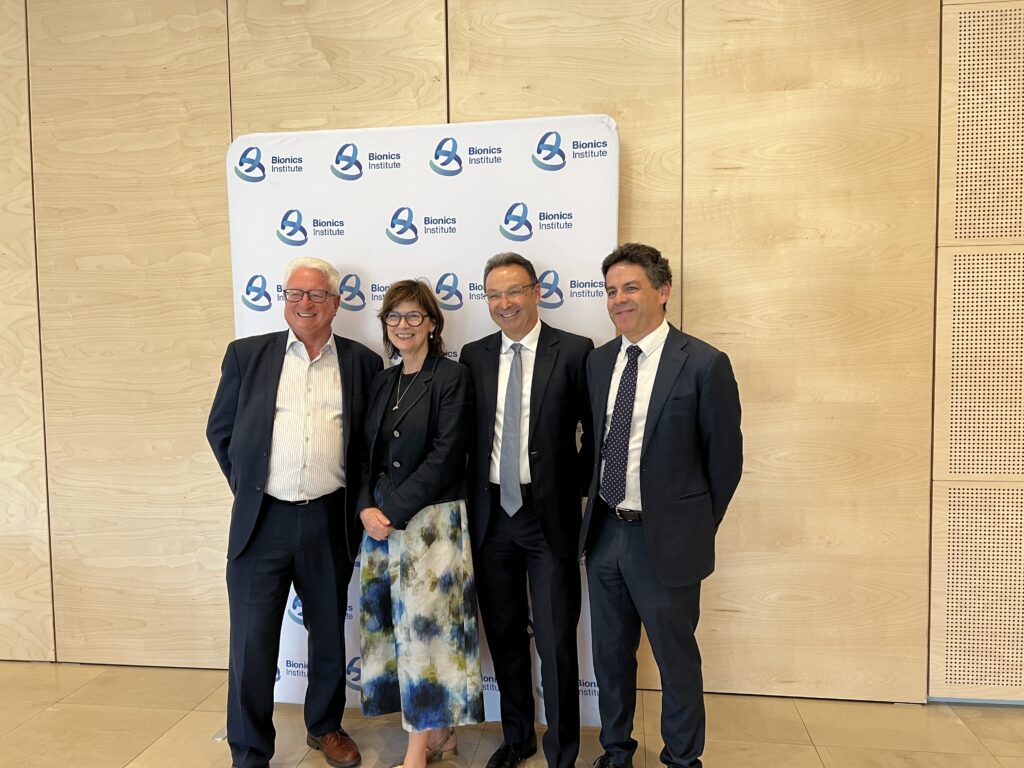
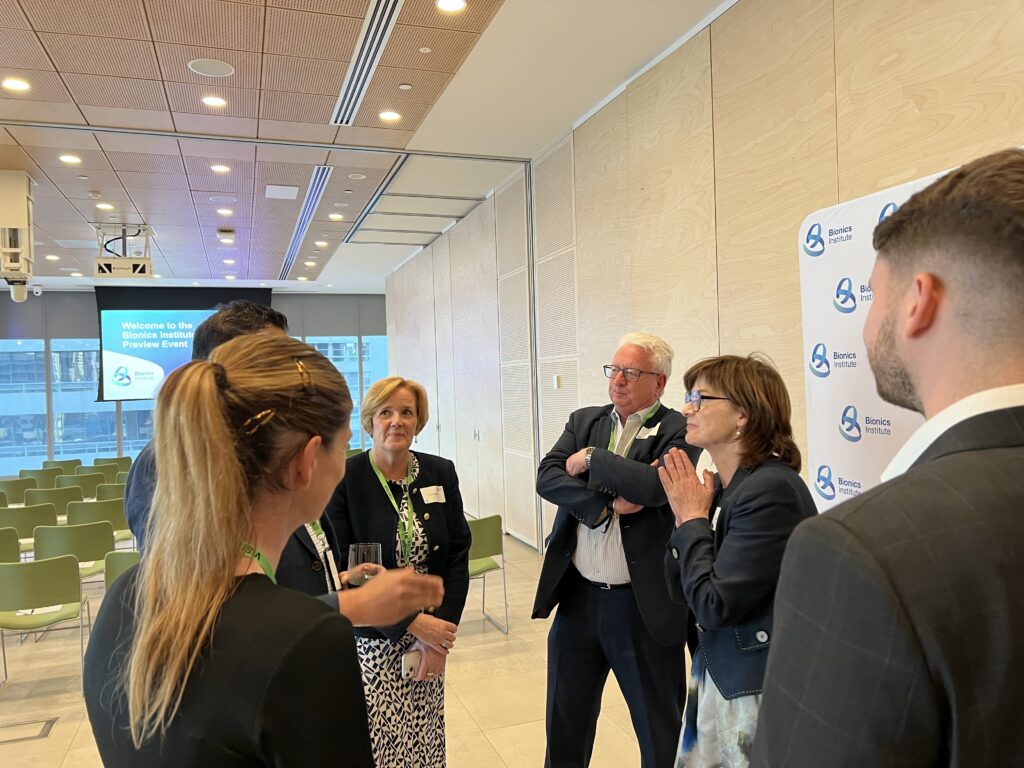
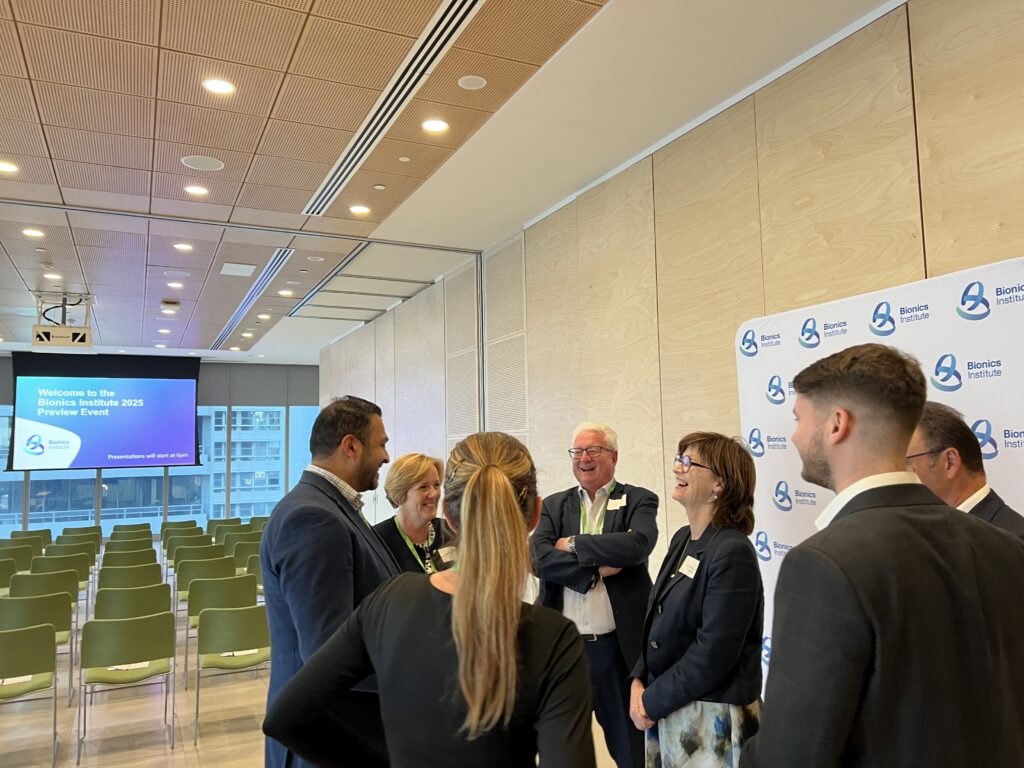
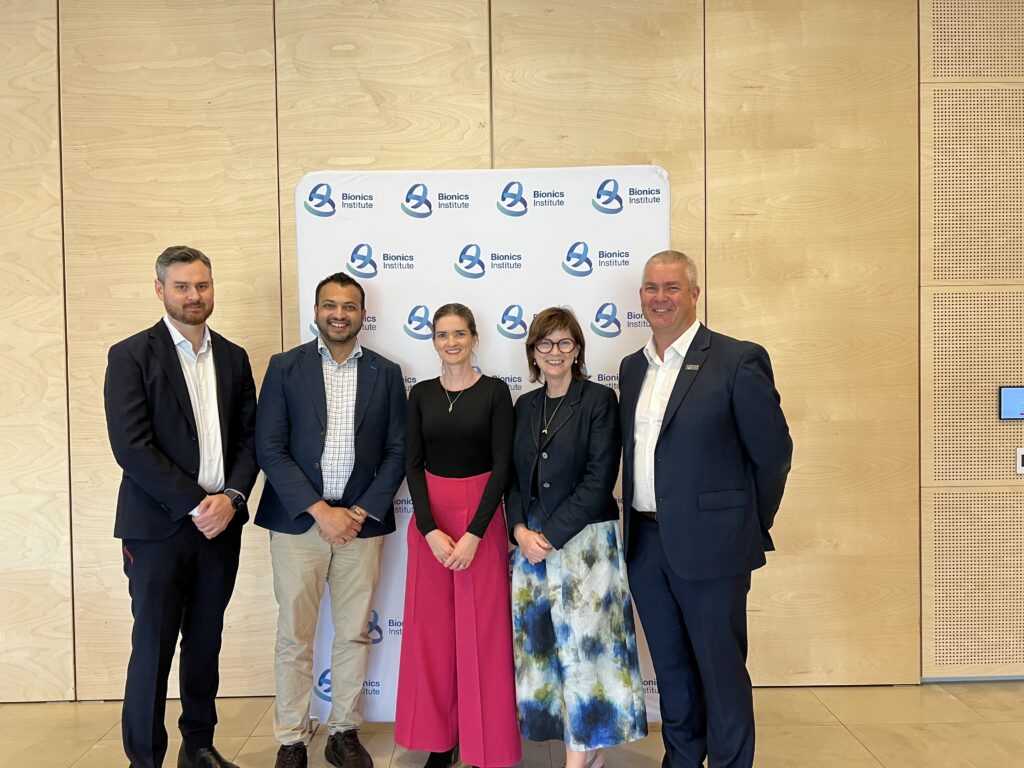
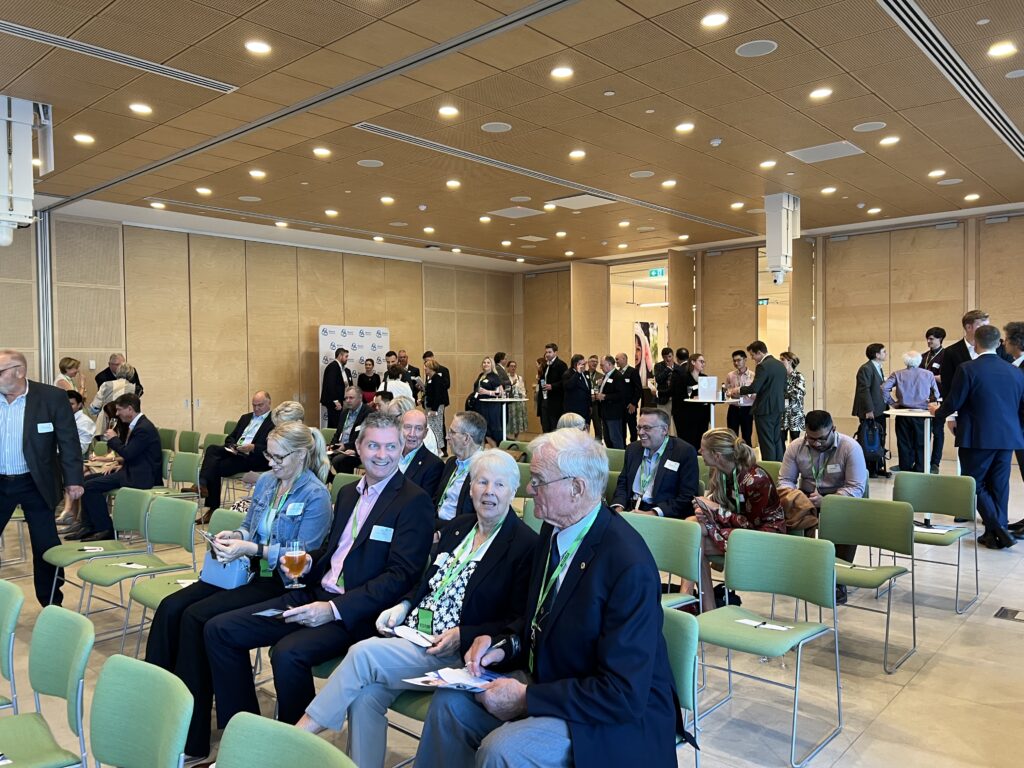
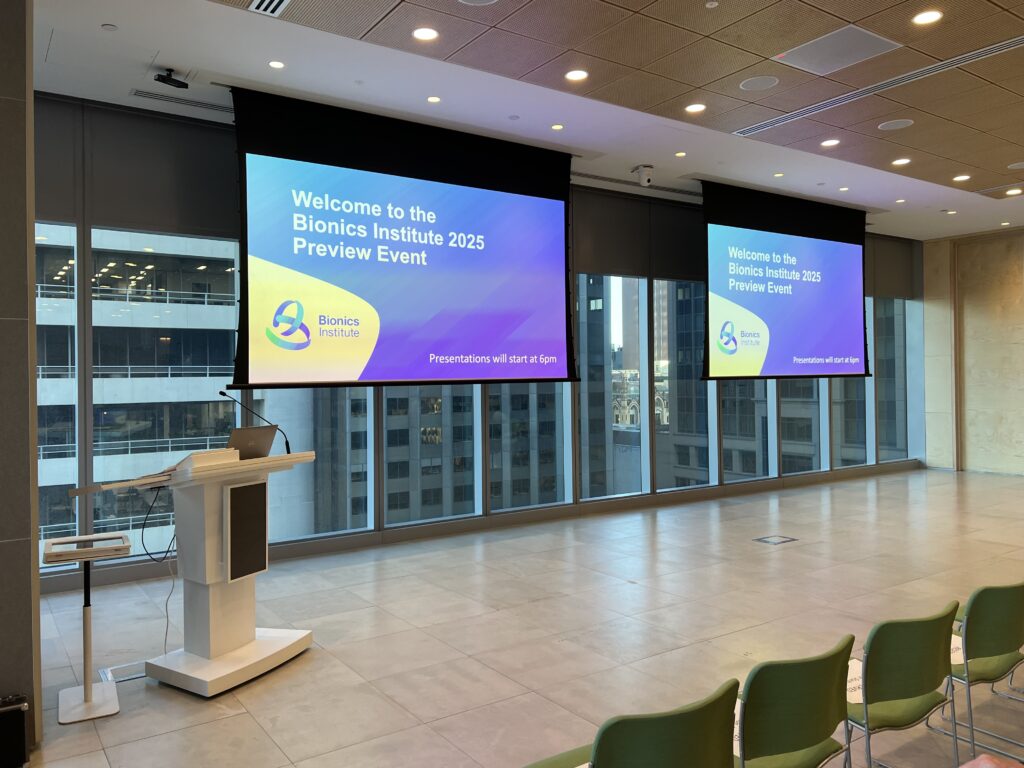
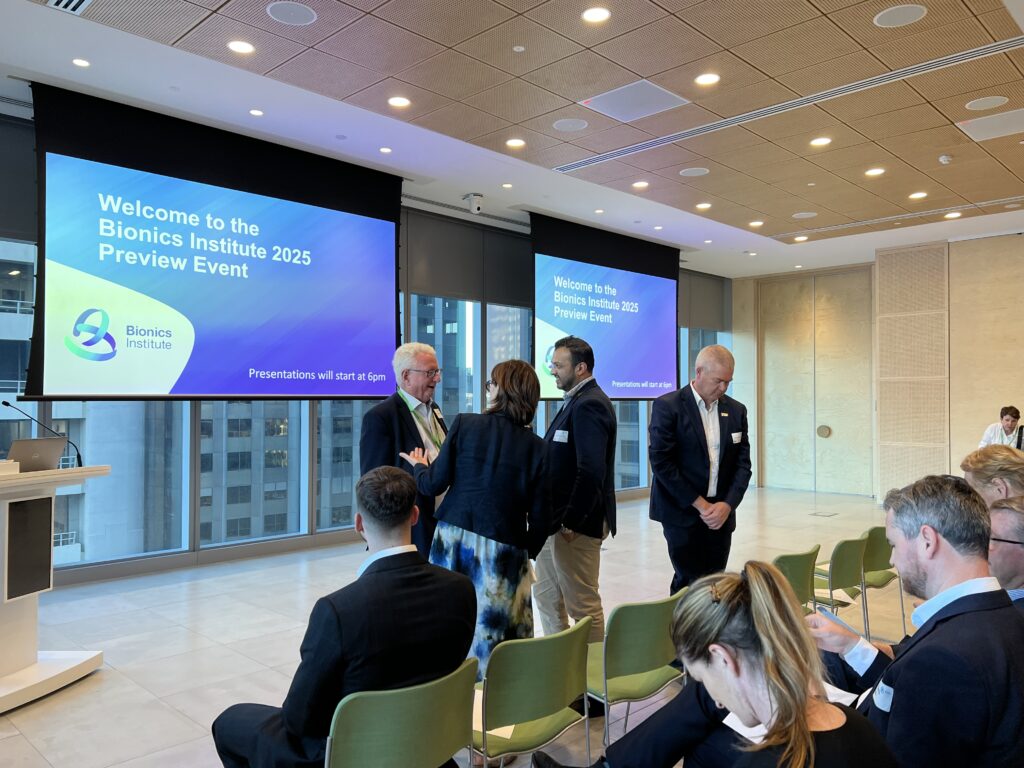
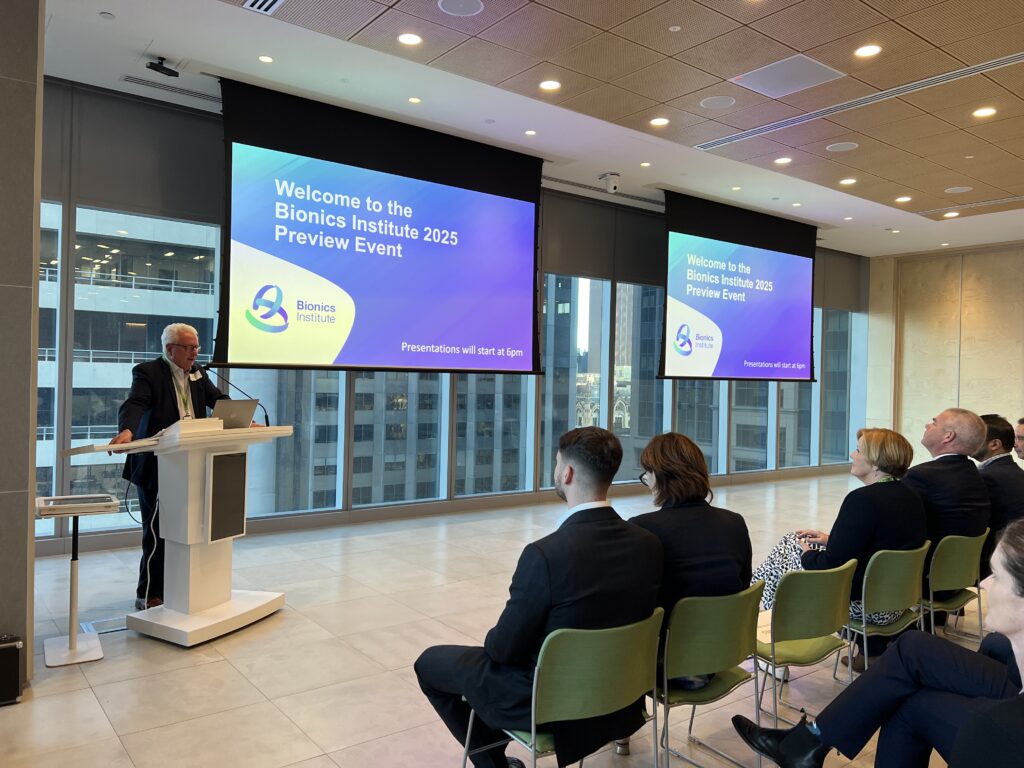
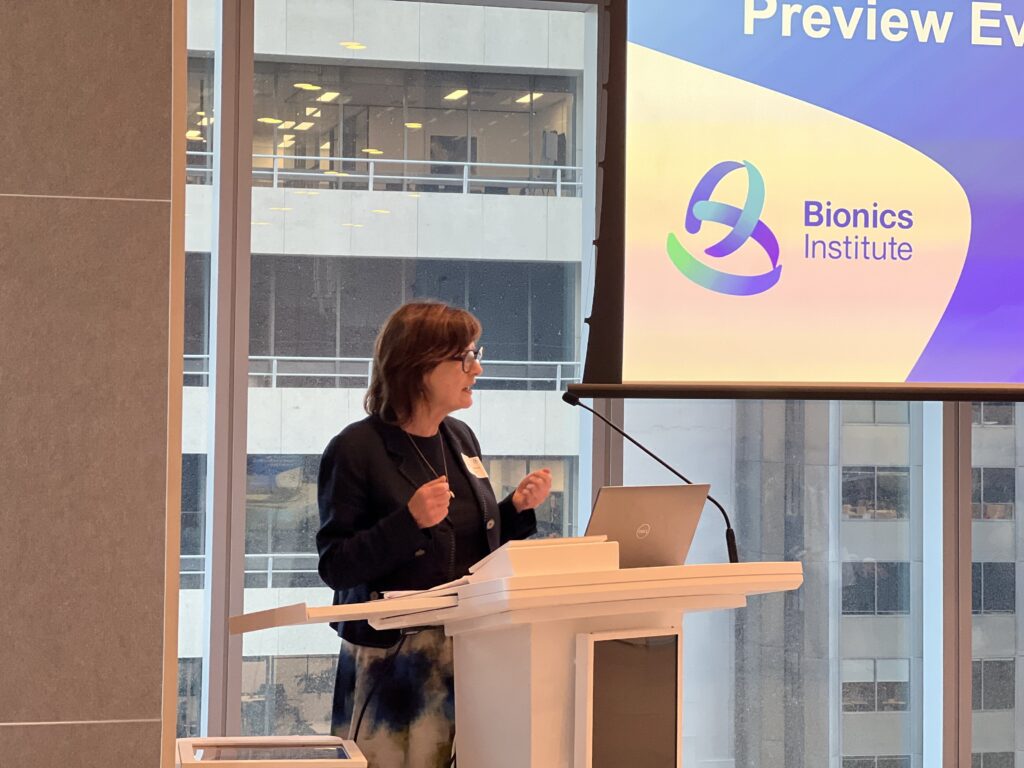
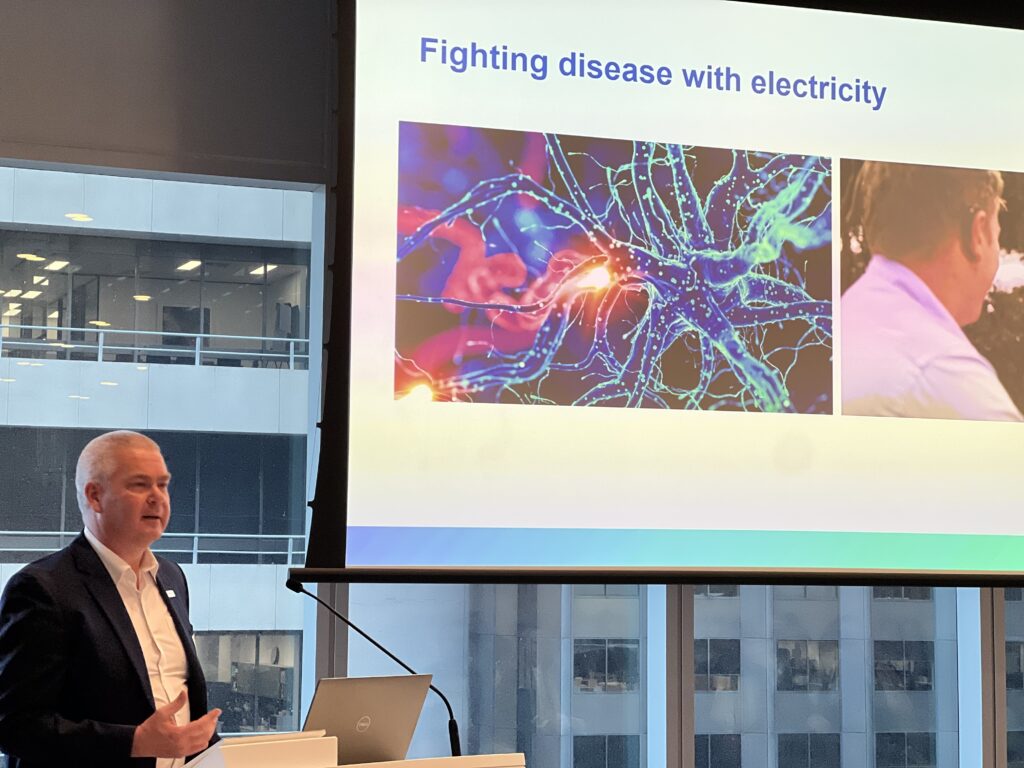
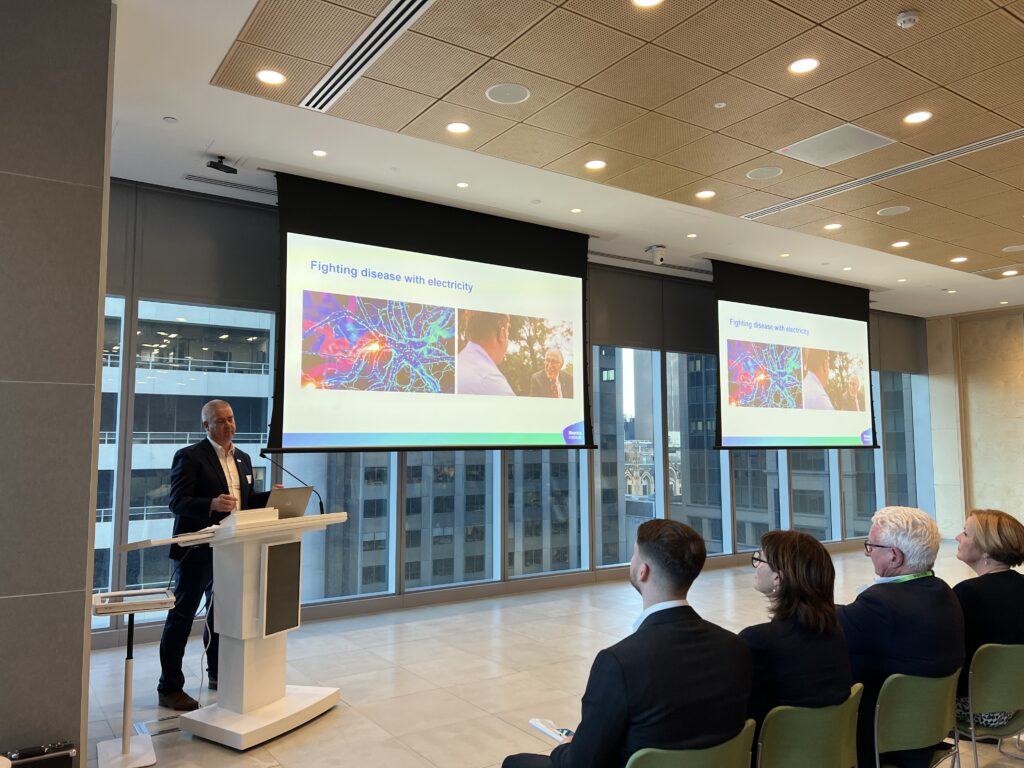
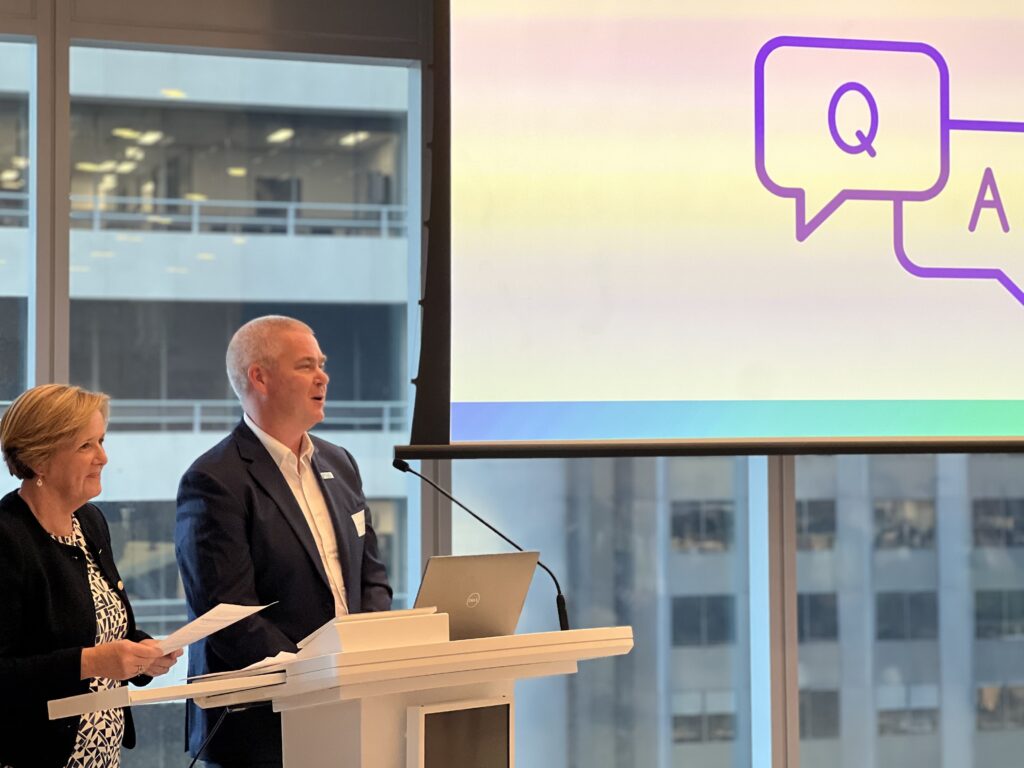
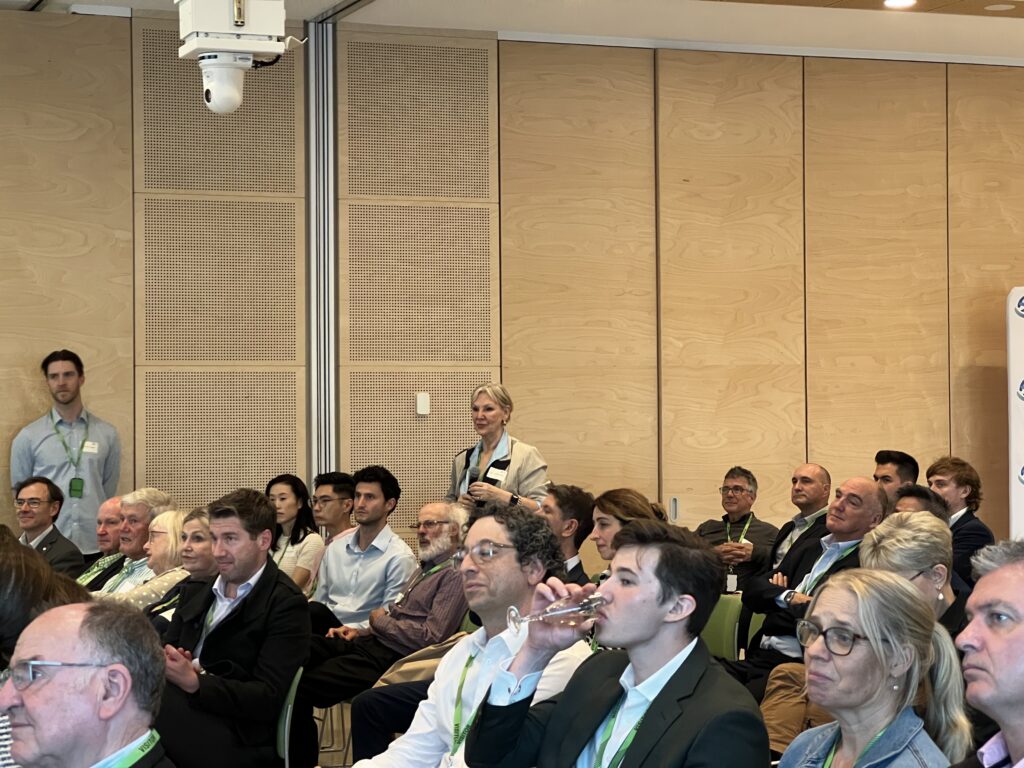
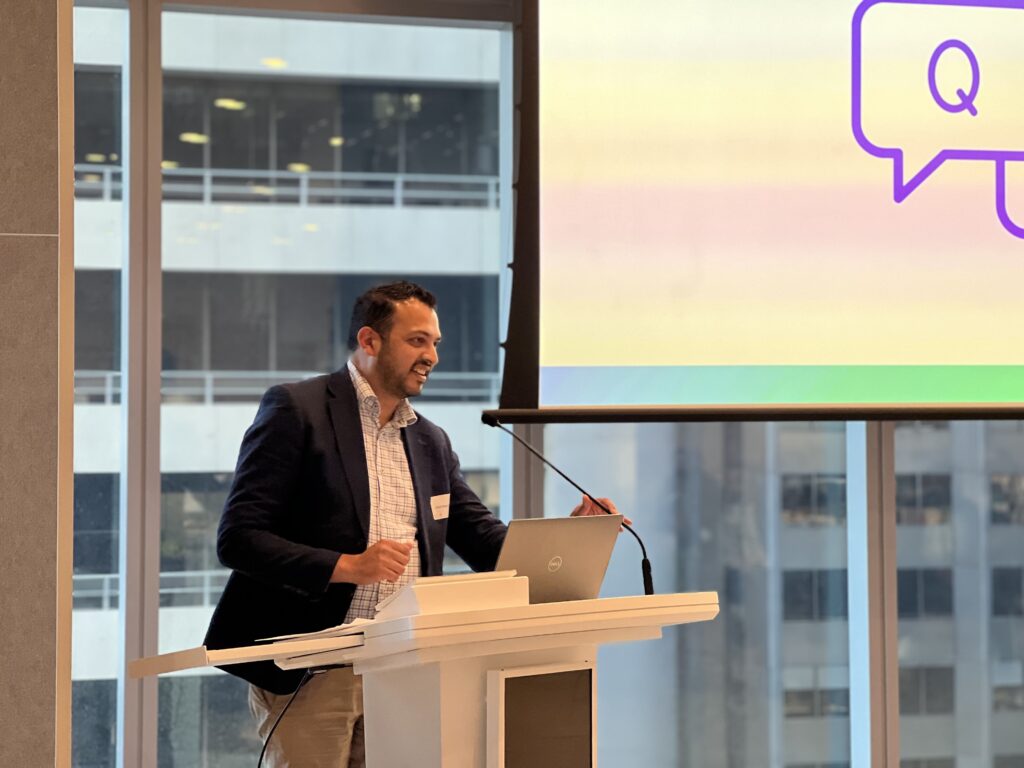
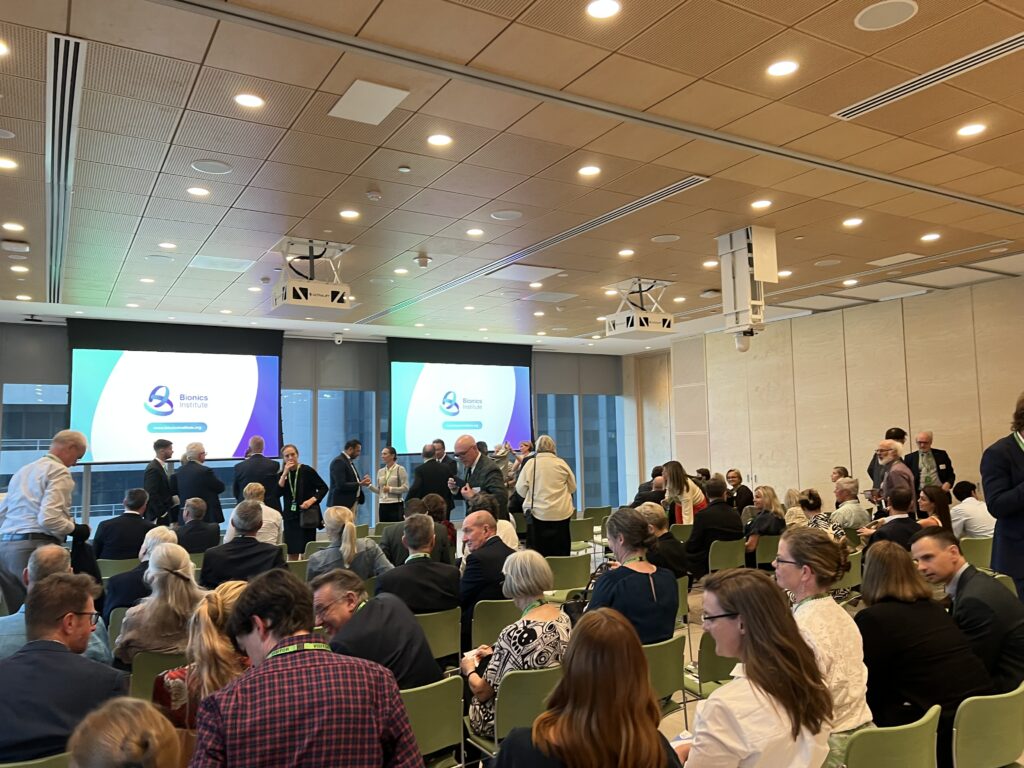
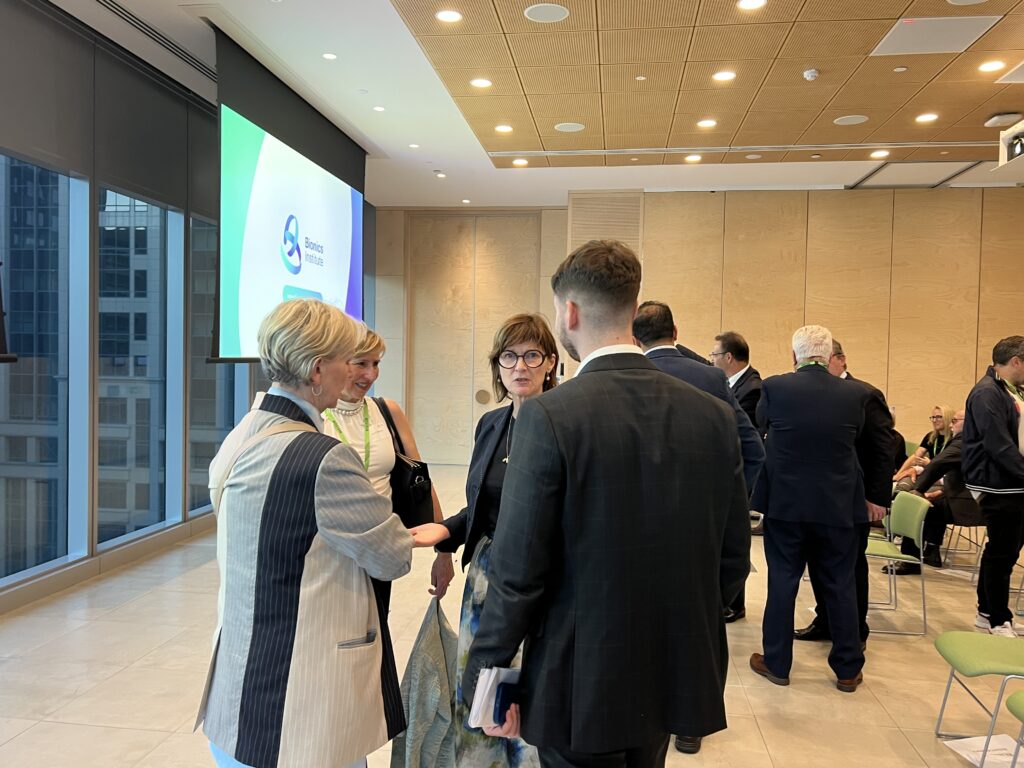
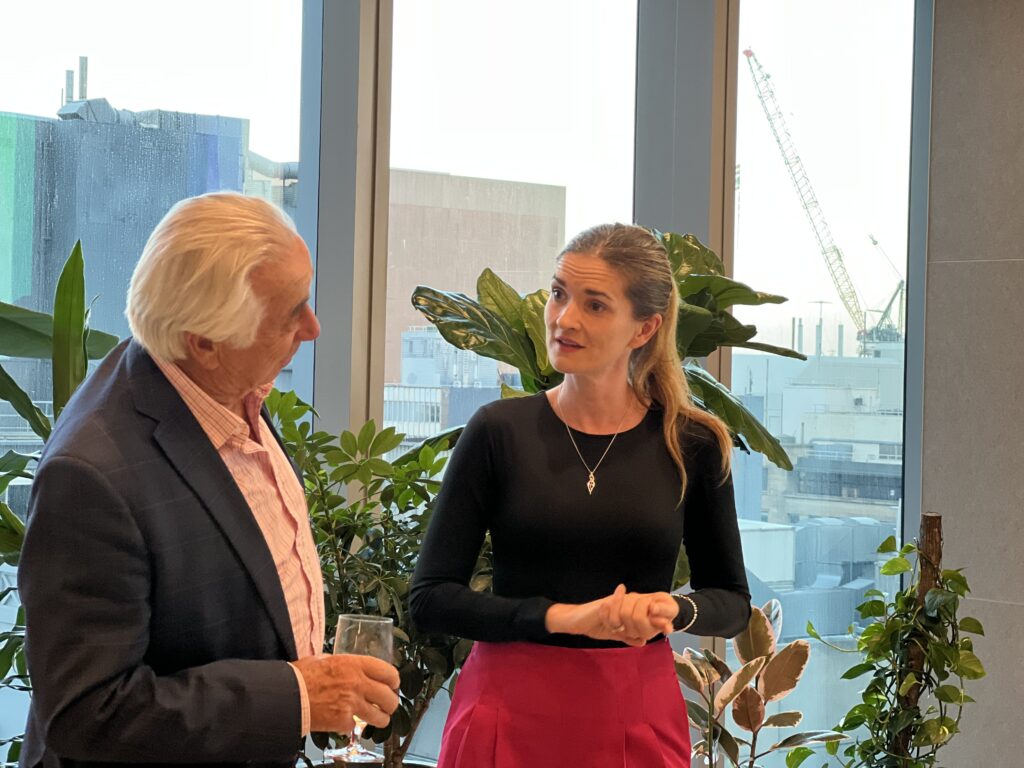
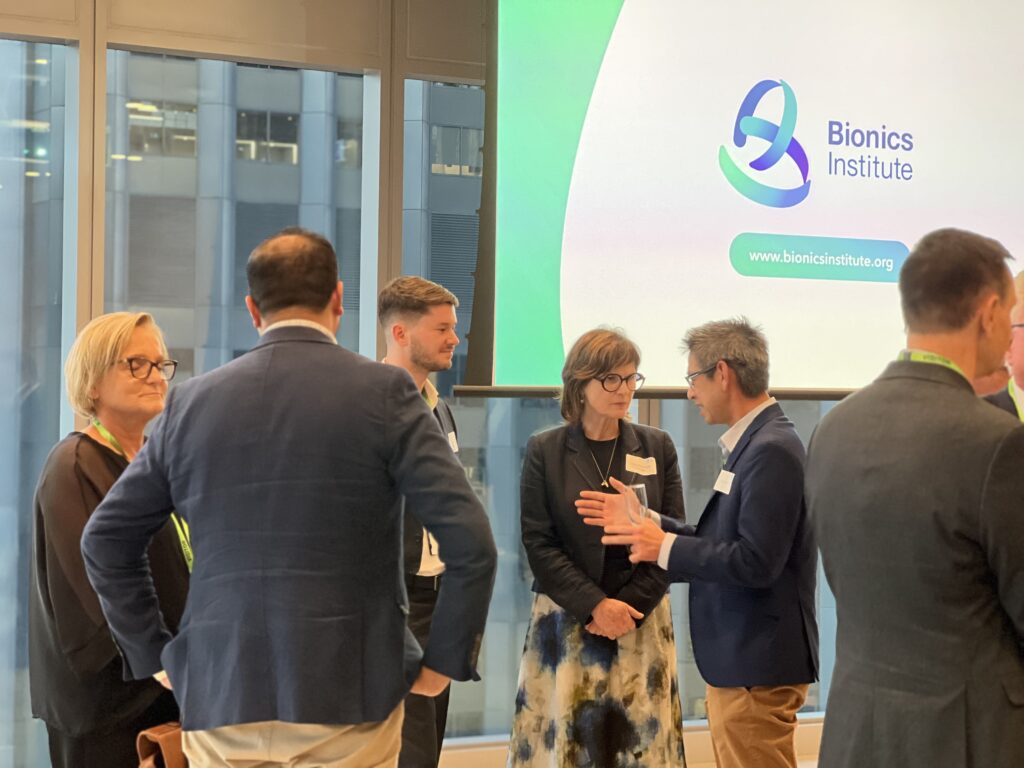
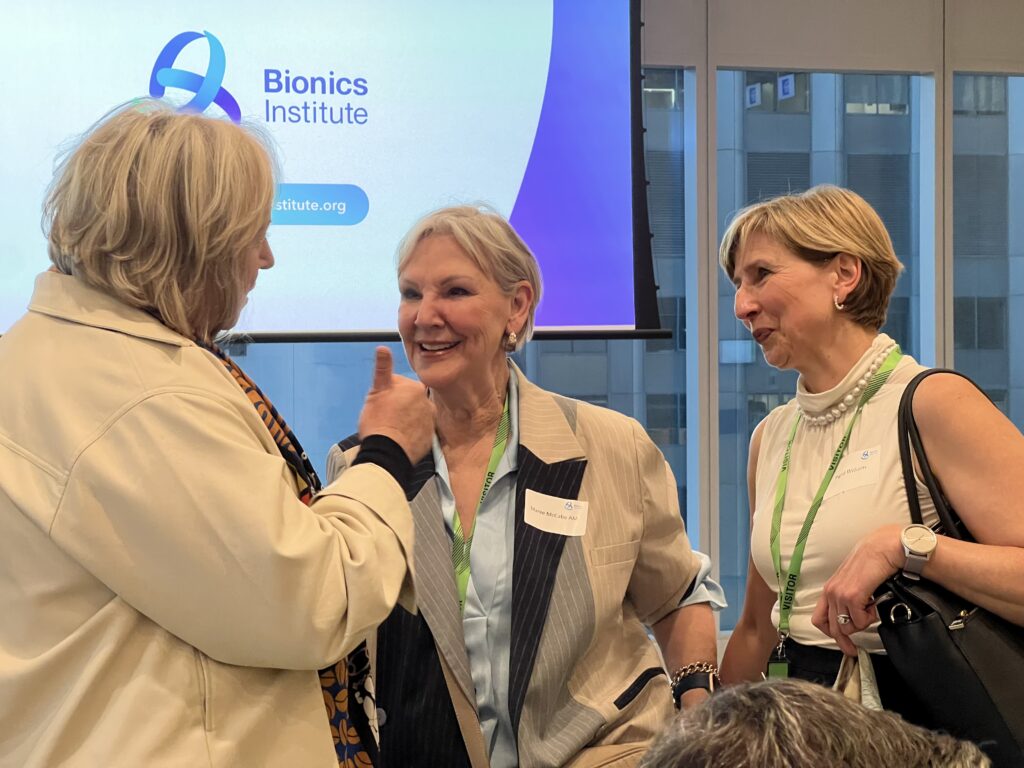
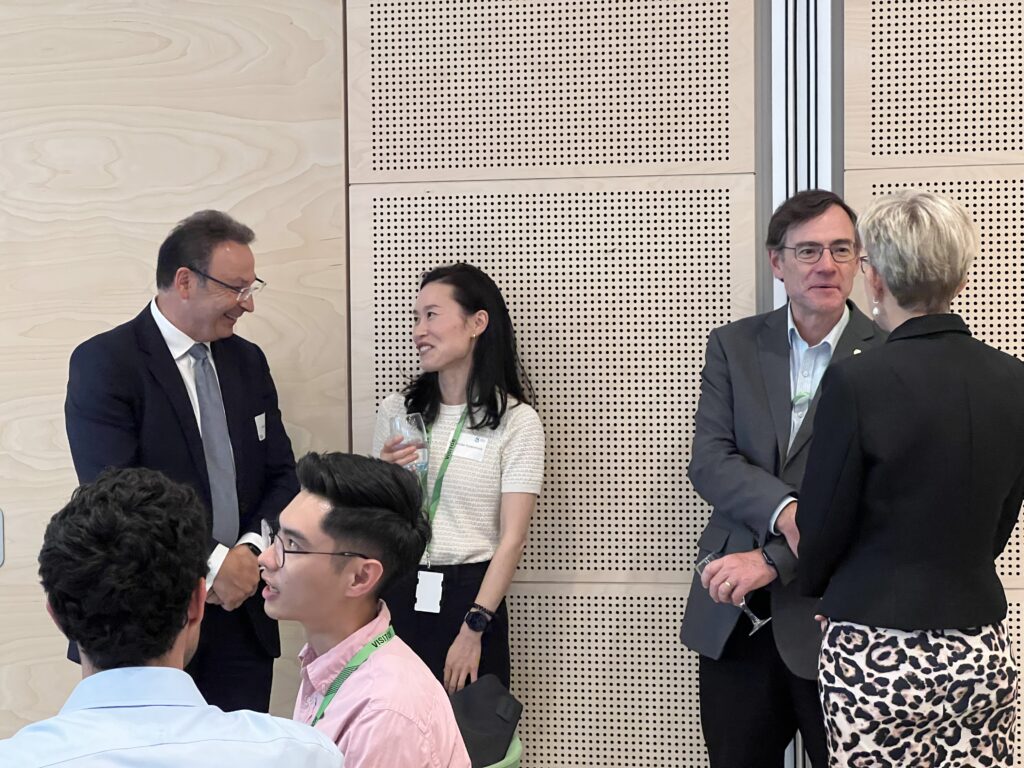
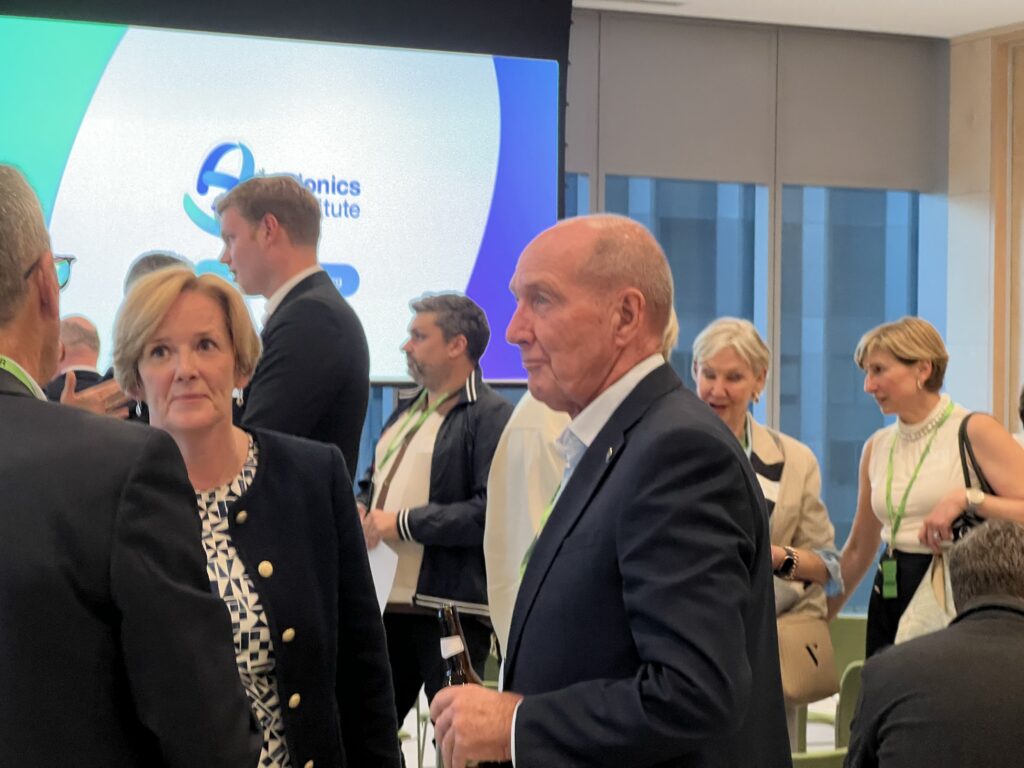
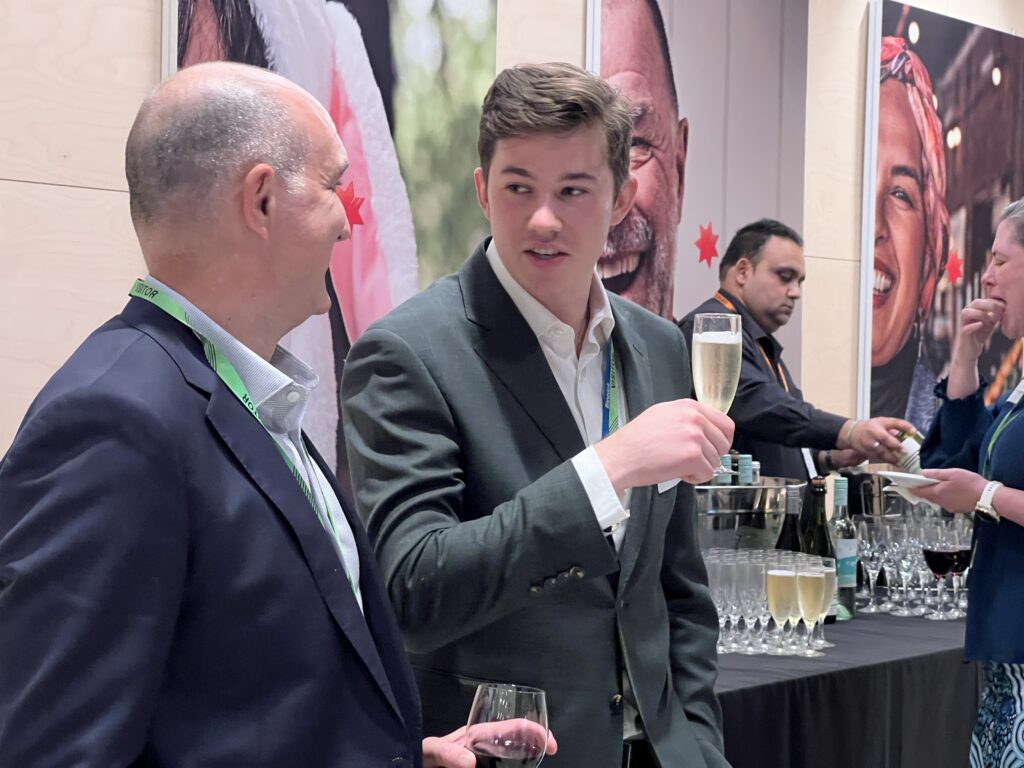
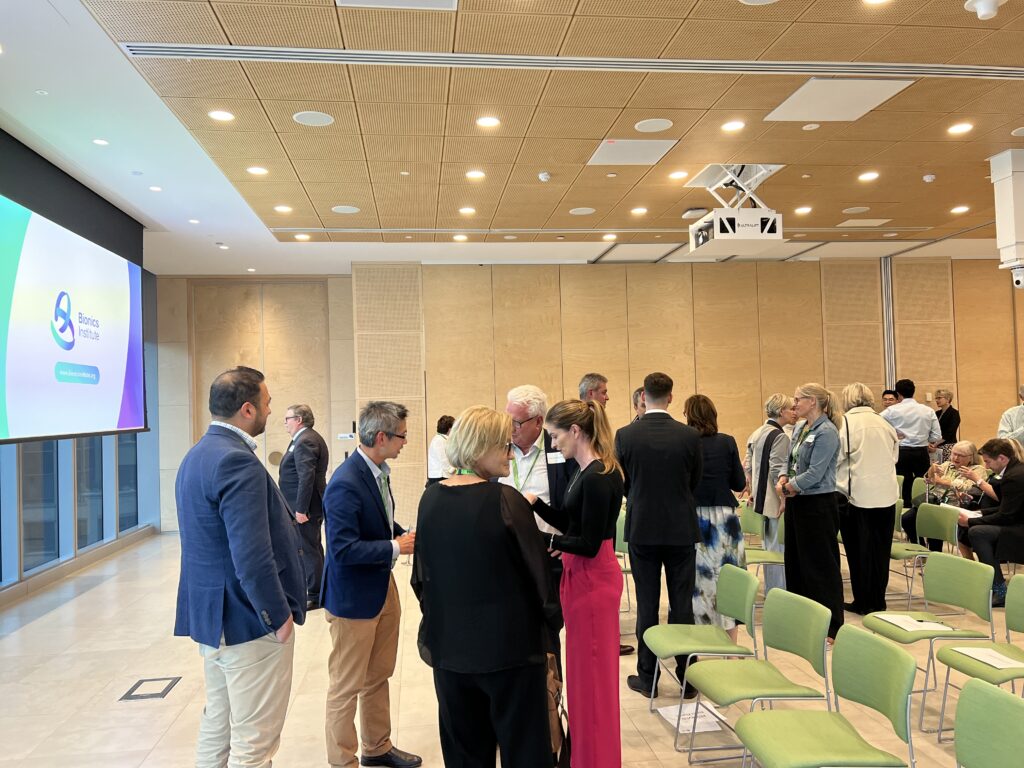
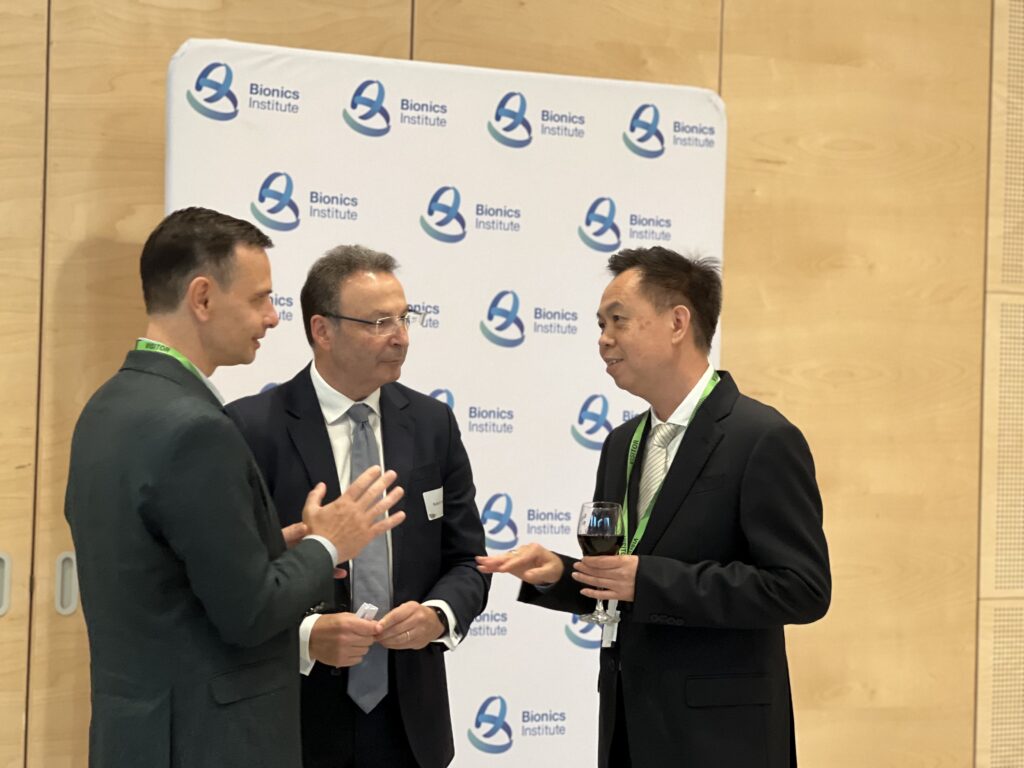
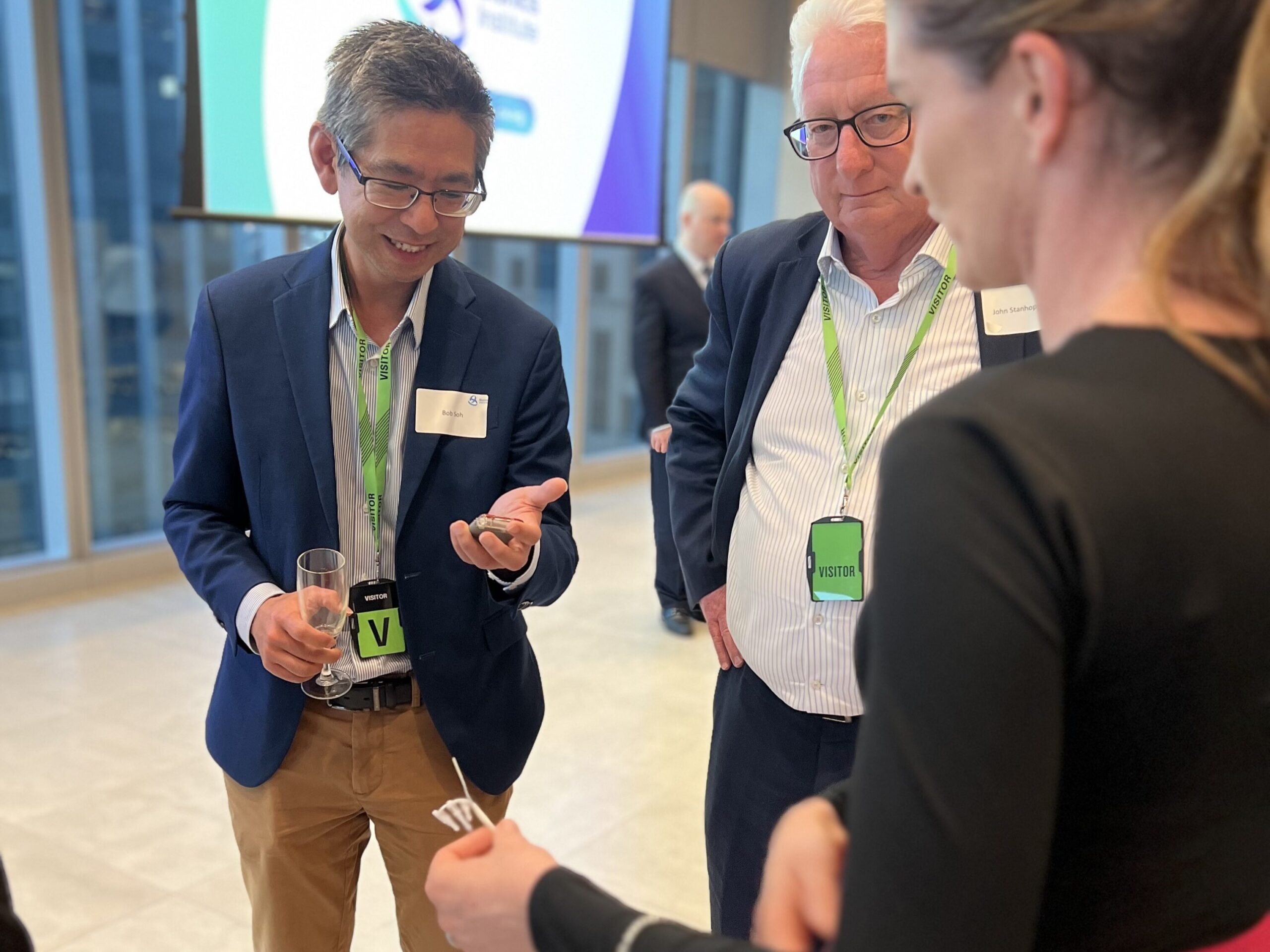
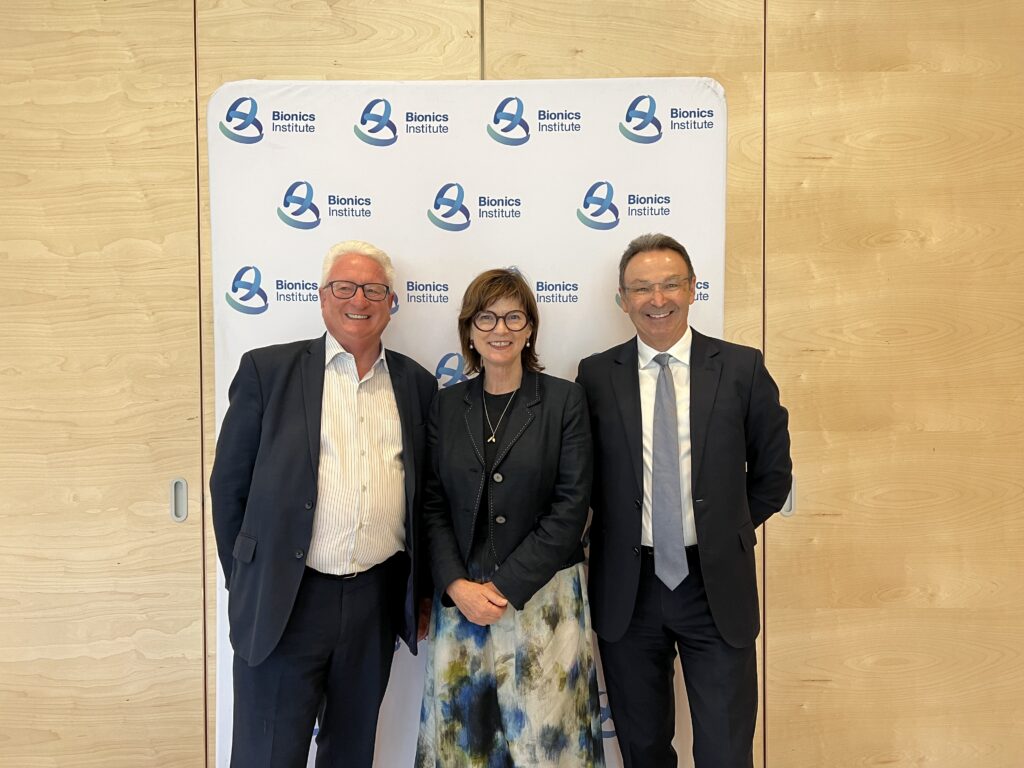
On 25 March 2025, we held the second Bionics Institute Preview Event showcasing our vagus nerve stimulation research, kindly hosted by NAB and officially opened by the Victorian Minister for Health, The Hon. Mary-Anne Thomas.
Bionics Institute Chief Technology Officer, Prof James Fallon, described our researchers’ journey from the call by the US Defense Advanced Research Projects Agency in 2014 for new ways to treat Crohn’s disease, and how their funding combined with Australian funding led to the development of our groundbreaking vagus nerve stimulation device.
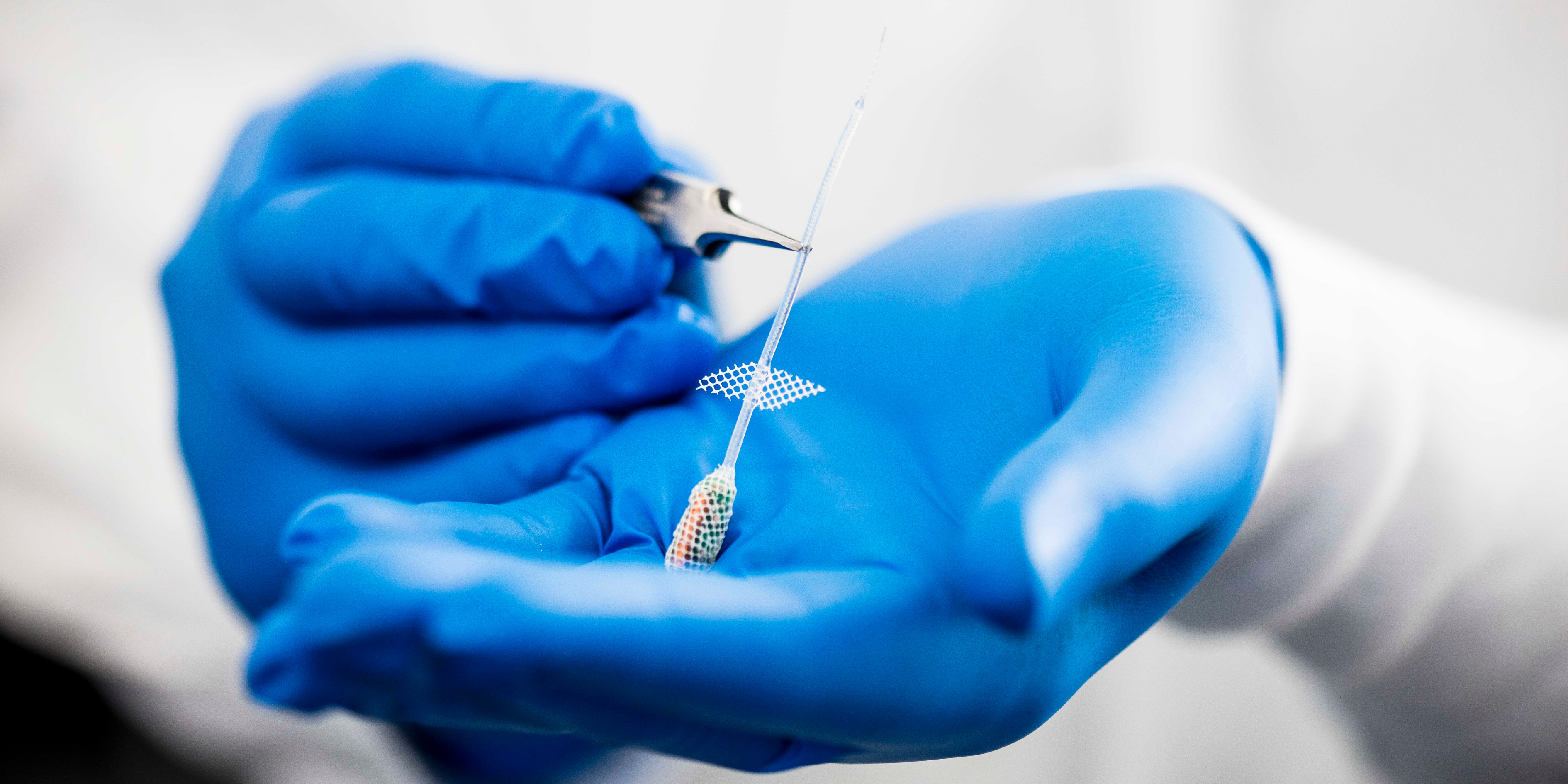
Prof Fallon updated the audience of Bionics Institute supporters, collaborators and Board members on the progress of research into use of the vagus nerve stimulation device as a treatment for Crohn’s disease, rheumatoid arthritis and epilepsy, and announced the establishment of a Vagus Nerve Stimulation Centre of Excellence at the Bionics Institute.
Watch the video below to find out more about this exciting initiative, which will enable our researchers to investigate the viability of vagus nerve stimulation as a treatment for a wide range of conditions including other gastrointestinal disorders, neurological disorders, mental health conditions, and even cancer.
Vagus Nerve Stimulation Centre of Excellence at the Bionics Institute
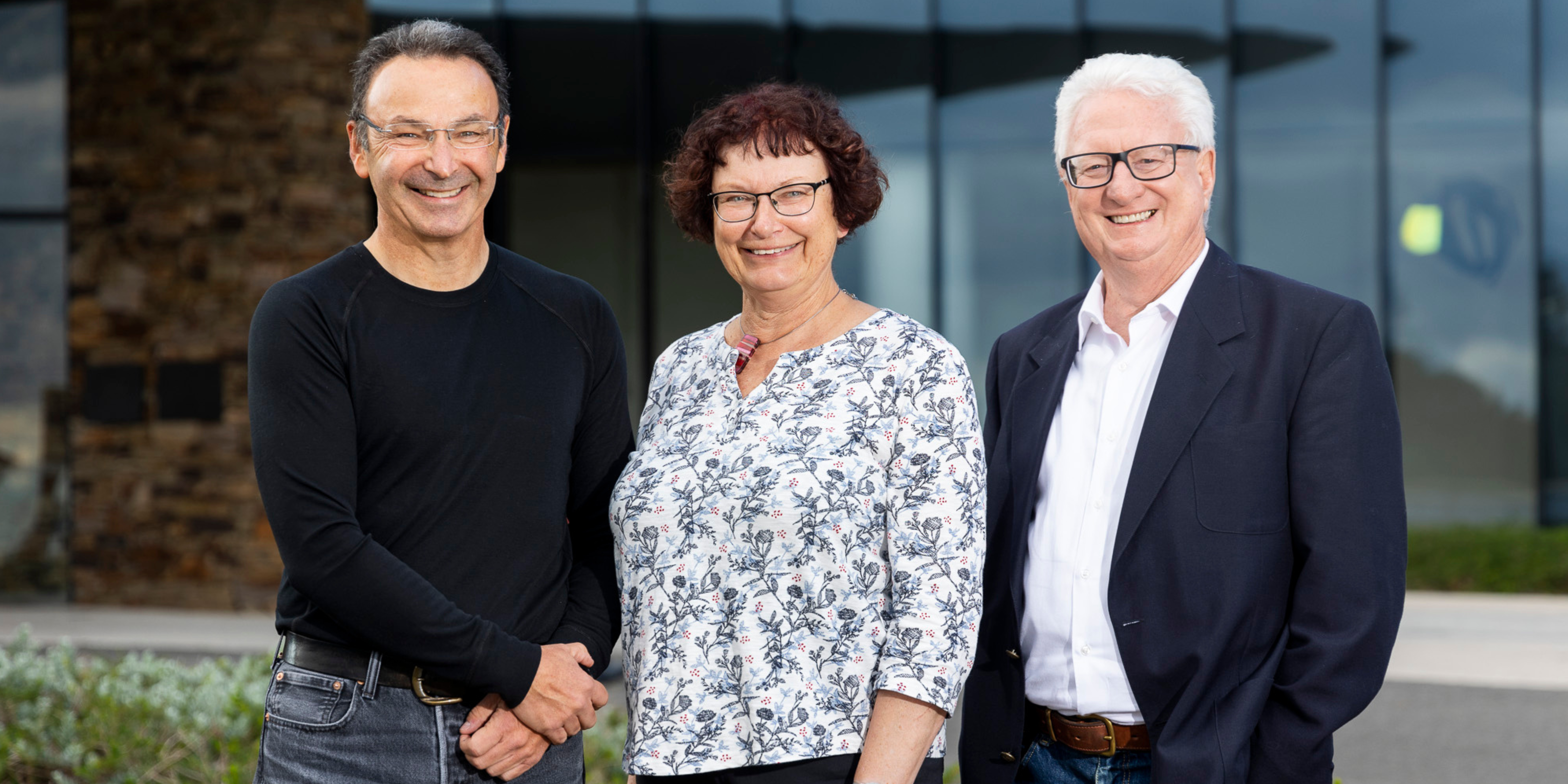
Gastroenterologist and Director of the Austin Hospital IBD Service Prof Peter De Cruz is leading the clinical trial into vagus nerve stimulation as a treatment of Crohn’s disease. He gave a fascinating presentation about why a new treatment for Crohn’s disease is so important, and gave an update on how the clinical trial is progressing following implantation of the device in the first patient in 2023.
Bionics Institute CEO Robert Klupacs summed up the impact of researchers, clinicians and Bionics Institute supporters combining to change the future of medicine.
At the Bionics Institute, we have some of the very best researchers in the world, the cutting-edge technology, and the determination to change lives. We believe the future of medicine isn’t just about drugs. It’s about harnessing the power of the human body using nerve stimulation techniques. Robert Klupacs

You might be interested in…
On March 4, you will have the opportunity to play an even bigger role in the fight against Alzheimer’s disease, with donations you make MATCHED by a caring group of Bionics Institute supporters.
By giving generously on Alzheimer’s Research Giving Day, you will be doubling your impact towards life-changing research that gives hope to so many people who are living with the devastating effects of the disease around the world.
Our new Ambassador: Vance Joy!
While you may know him from his hit song Riptide — which has been streamed more than 2 billion times on Spotify — you may not know that Vance is passionate about finding a way to combat memory loss and the worst effects of Alzheimer’s disease. With your help, he is hoping we raise enough money this Giving Day to progress our pioneering research into the disease.
I’m proud to support the Bionics Institute in their research into brain stimulation treatments for Alzheimer’s disease, aiming to combat memory loss. If you’re able to support, please donate to their Giving Day on March 4. Vance Joy
Your support can make a huge difference to people like Daryl
Daryl was diagnosed with early-onset Alzheimer’s in 2021 at just 58 years old.
Following his diagnosis and progression of the disease, Daryl has had to give up his life-long career teaching primary school children, and like many people with Alzheimer’s, he and his family have had to rapidly adjust to a new way of life to ensure he has the support he needs.
For his wife Cathy, and their family, the impact has been profound. Cathy, who manages the local bookstore, has shouldered the primary caregiving role, while their daughter and her husband have moved back home to help.
“You have to have a lot of patience dealing with Alzheimer’s and it can be like putting your regular life on hold to make everything work around the disease,” Cathy says.
“We have a pretty good system of visuals in the house, and every day we try and make a bit of a plan of what’s going to happen. We just have to make sure that we’re super organised.”
Cathy and Daryl are both grateful to have taken part in the Bionics Institute’s Transcranial Magnetic Stimulation (TMS) trial, which has brought a glimmer of hope.
The whole experience was really positive for us. We felt valued and always comfortable and supported and well looked after. I’m really hoping it progresses and as many people as possible can get it. Cathy, Daryl’s wife and carer
You might be interested in…
For eight years, our Girls in STEM Mentoring Program has inspired high school students to consider STEM careers by connecting them with leading female professionals.
We are thrilled to announce that in 2025, the program will be administered by veski as:
The veski Bionics Institute Girls in STEM Mentoring Program
veski shares our vision for giving more young people the experiences needed early on in their academic life to support them to be future STEM leaders.
As an organisation which brings together bright minds and resources to support scientific and innovation excellence, Veski is a life-long partner for those pursuing a career in STEM and offers fellowships and runs initiatives to build a strong STEM community.
We know the program is in safe hands for 2025 and beyond.
Learn more about the veski Bionics Institute Girls in STEM Mentoring Program:
You might be interested in…
Dr Oscar Murphy is a Clinical Neuropsychologist and Senior Clinical Research Fellow who studies how brain function relates to mental health issues and neurological disorders such as Alzheimer’s.
His research at the Bionics Institute focuses on creating and testing new brain stimulation treatments for neurological and psychiatric conditions. We sat down with him to hear about the exciting possibilities of the team’s research.
Can you tell us about the Bionics Institute’s innovative treatment of Alzheimer’s disease?
We are trialing the use of Transcranial Magnetic Stimulation (TMS), which is a form of brain stimulation that uses magnetic pulses to alter brain activity. Brief magnetic pulses are passed from a handheld coil through the scalp to induce a weak electrical current within selected regions of the brain. By delivering repeated magnetic pulses, we aim to improve brain connections and thereby improve the symptoms of Alzheimer’s.
What are the benefits?
TMS has been investigated for more than 30 years and is safe and very well tolerated. It is non-invasive, painfree, does not require surgery and has few side effects. Importantly, it is already a proven and clinically available treatment for depression and is listed on the Medicare Benefits Schedule in Australia for the treatment of depression.
What difference could it make?
The devastating symptoms of Alzheimer’s create significant impacts, not just for those with the disease, but also for their families and the surrounding community.
Currently, there are no truly effective treatments to pause or reverse the symptoms of Alzheimer’s disease.
Our treatment could enable people with Alzheimer’s to enjoy more time with family, live independently for longer, participate socially, and remain engaged in the workforce to a greater extent.
It also enables families and carers to have relief from the emotional distress of caring for someone with the disease, remain working, spend more quality time with their loved ones, and know loved ones with Alzheimer’s are safer.
We are so grateful to all our caring and generous supporters who help us develop a new treatment, which could give people with Alzheimer’s the chance to have more cherished time and memories with their loved ones. Dr Oscar Murphy
You might be interested in…
At the Bionics Institute, we are committed to pushing the boundaries of medical research to address the most pressing and overlooked health challenges.
One such challenge are the cerebellar ataxias, a devastating group of over 100 genetic disorders, which disproportionately affect Indigenous Australians living in remote communities. Under the leadership of Associate Professor David Szmulewicz, our researchers are determined to bring hope and innovative solutions to those who need them most.
A yet-to-be-quantified public health emergency
Cerebellar ataxias are progressive conditions that impair coordination, balance, vision, speech, and swallow.
For those afflicted, the impact is profound: many become wheelchair-bound, lose the ability to communicate effectively, and require assistance to eat and drink.
Tragically, most patients with cerebellar ataxias die prematurely from a range of complications including choking and severe pneumonia related to swallowing difficulties, as well as the complications of falls.
The prevalence of cerebellar ataxias among remote Indigenous populations is staggering.
In East Arnhem Land communities, it is estimated that the most common form of this condition can occur up to times 180 more frequently than worldwide.
This disparity is compounded by limited access to specialist medical care and diagnostic services.
Many affected individuals remain undiagnosed and untreated, further exacerbating health inequities and leading to lifelong disabilities that could have been mitigate with early intervention.
Pioneering solutions with cutting-edge technology
Associate Professor Szmulewicz and his team are developing a groundbreaking diagnostic platform that utilises wearable sensors and artificial intelligence to diagnose and accurately measure the progression of ataxia.
This innovative approach allows clinicians to assess the condition in real-world scenarios, such as during walking, sitting, eating and drinking.
What difference could it make?
The devastating symptoms of Alzheimer’s create significant impacts, not just for those with the disease, but also for their families and the surrounding community.
Currently, there are no truly effective treatments to pause or reverse the symptoms of Alzheimer’s disease.
Our treatment could enable people with Alzheimer’s to enjoy more time with family, live independently for longer, participate socially, and remain engaged in the workforce
to a greater extent.
It also enables families and carers to have relief from the emotional distress of caring for someone with the disease, remain working, spend more quality time with their loved ones, and know loved ones with Alzheimer’s are safer.
We have developed a medical device platform that can objectively measure the hallmarks of ataxia such as imbalance and incoordination and can be used by GPs, physiotherapists and nurses in remote communities. Associate Professor David Szmulewicz
What our researchers aim to achieve
Accurate measurement is a crucial step in understanding these debilitating disorders and monitoring their progression.
It also paves the way for developing new, effective treatments and ensuring that patients receive the best care available.
Prototype devices have returned favourable results in early trials and our ultimate goal is to eliminate barriers to health care access, empowering individuals with ataxia to lead fuller, more independent lives.
You might be interested in…
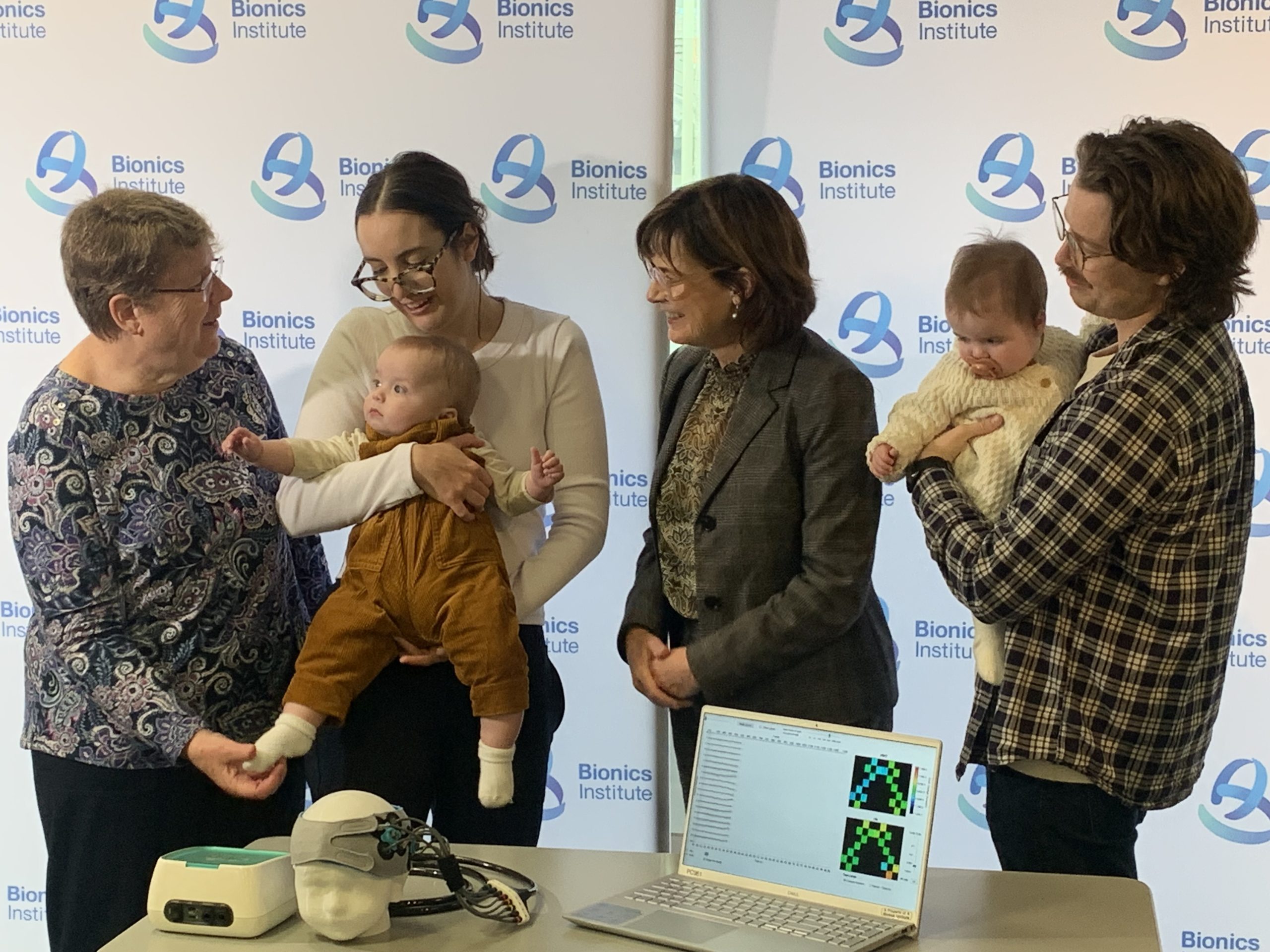
The Bionics Institute is thrilled to announce that The Cass Foundation has awarded $60,000 in funding to support Dr. Demi Gao’s research into improving cochlear implant programming for infants.
Dr Gao’s research seeks to enhance cochlear implant management for infants to ensure their implants are set up correctly at the earliest stages of life.
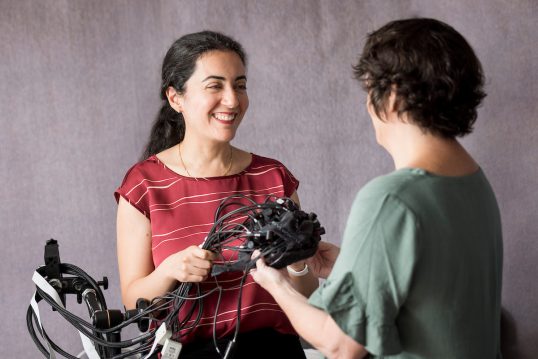
Her research uses an innovative hearing test developed by Bionics Institute researchers that uses a non-invasive imaging technology to measure the brain responses to sound while infants are asleep.
Funding from The Cass Foundation will help establish a method to determine hearing thresholds and comfort levels in normal hearing infants to enable development of a technique that predicts the minimum and maximum electric stimulation levels to determine the best settings and establish a new standard for compassionate and precise paediatric care for babies with cochlear implants.
Thank you to The Cass Foundation for their support towards developing a clinically viable tool that aims to improve cochlear implant management, leading to better speech and language outcomes and a significantly improved quality of life for babies with cochlear implants. Dr Demi Gao, project lead
You might be interested in…
We are proud to announce three prestigious awards from the Passe & Williams Foundation for our talented hearing researchers.
Mardi Gammon
I would like to express my deepest gratitude to the Passe & Williams Foundation for this generous scholarship. This scholarship will support my early research career and will help with our efforts to develop a drug therapy for hearing loss. Mardi Gammon
Dr Yingji Hu
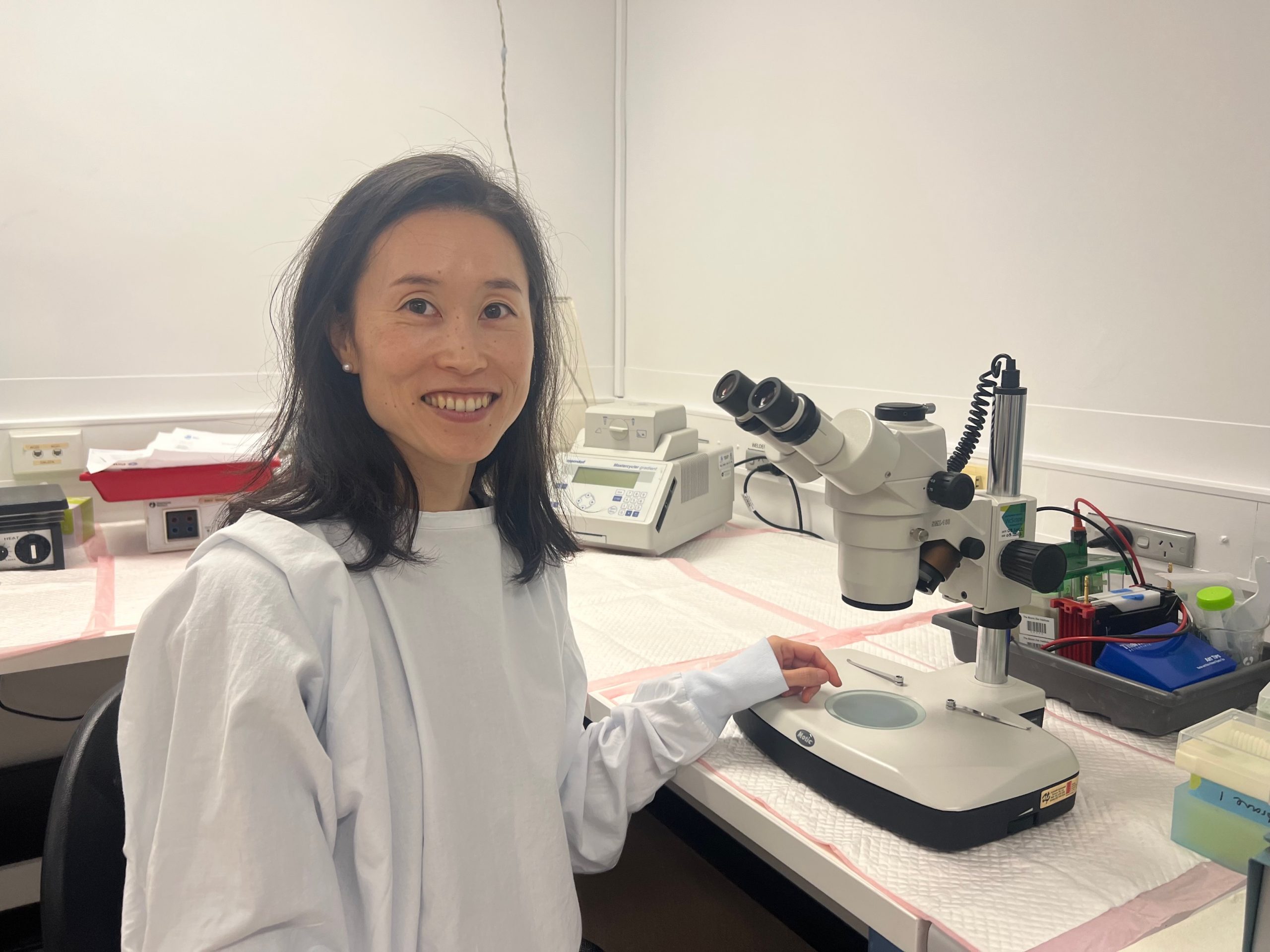
Dr Yingjie Hu is an early-career researcher in the Hearing Therapeutics team at the Bionics Institute. Her research focuses on the research and development of novel drug delivery technologies for hearing loss.
I am incredibly honored and grateful to receive this fellowship from the Passe and Williams Foundation. The invaluable support will allow me to pursue the exciting project on developing a versatile platform for inner ear drug delivery. I believe our novel drug delivery strategy will bring meaningful contributions to the field of hearing research. Dr Yijing Hu
Professor Colette McKay
Professor Colette McKay is an international leader in the field of psychophysics with electrical stimulation, and her multidisciplinary research combines psychophysics, electrophysiology, imaging, speech perception, speech processing and mathematical modelling with the aim of improving clinical outcomes of auditory implants.
I am so grateful to receive this grant from Passe Willaims Foundation to meet the challenge of translating a novel technique such as fNIRS into clinical practice . I hope that the outcome of this translation will benefit all future infants born with a hearing loss. Prof Colette McKay
You might be interested in…
Support Us
Join Australian singer/songwriter Vance Joy and support our Giving Day on 4 March.
“I’m proud to support the Bionics Institute in their research into brain stimulation treatments for Alzheimer’s disease, aiming to combat memory loss,” Vance says. “If you’re able to support, please donate to their Giving Day on March 4.”
While you may know him from his hit song Riptide — which has been streamed more than 2 billion times on Spotify — you may not know that Vance is passionate about finding a way to combat memory loss and the worst effects of Alzheimer’s disease. With your help, he is hoping we raise enough money this Giving Day to progress our pioneering research into the disease.
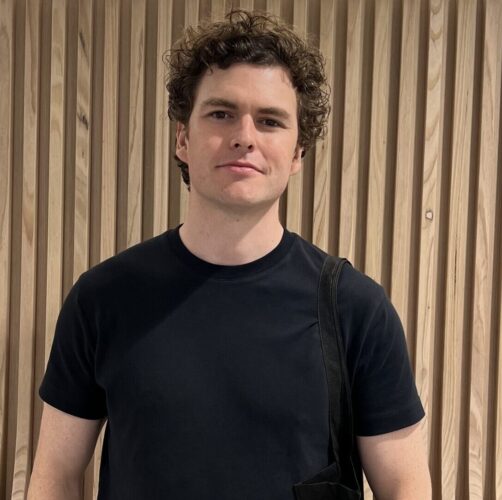
You’re helping people like Daryl and his family
Why support our Alzheimer’s research?
Alzheimer’s disease is a debilitating neurodegenerative condition which causes deterioration of brain cells and a progressive decline in cognition and functioning, most notably in memory.
There is currently no cure for Alzheimer’s disease and no known way to stop or reverse the progression of the disease.
Professor Kate Hoy of the Bionics Institute has developed a treatment program using Transcranial Magnetic Stimulation (TMS) which aims to improve brain function in people with Alzheimer’s disease.
By stimulating key regions of the brain affected by Alzheimer’s disease TMS offers the potential to restore healthy neural network function for individuals with Alzheimer’s disease.
You likely know or heard of someone dealing with the difficult symptoms of Alzheimer’s disease, wouldn’t you want to give them the gift of connection?
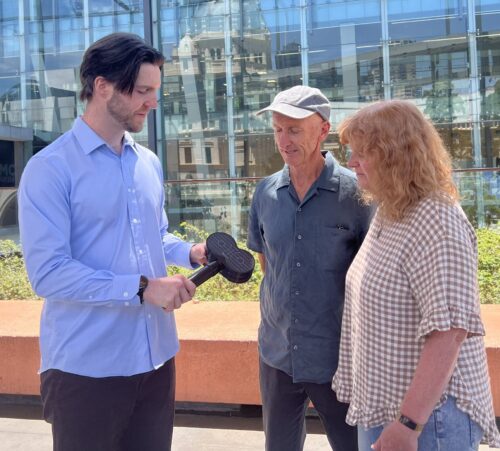
Vance Joy with the Bionics Institute’s Alzheimer’s researchers
“Ultimately, we hope that maintaining memory for longer will mean someone can live independently for longer, delaying having to move in with a family member or into aged care.”
– Prof Kate Hoy, Head of the Cognitive Therapeutics Research Program

Help fund pioneering research
Early-stage research for life-changing devices & treatments like this is made possible by donations from our supporters.
Your support today could turn the seed of an idea into a new treatment in the future.

“I love that the Bionics Institute is a different to most other research institutes in Australia in that it deals in development of medical devices to solve challenging medical conditions and alleviate patient suffering.”
– A/Prof Stella Clark AM GAICD, Board Director 2012-2024
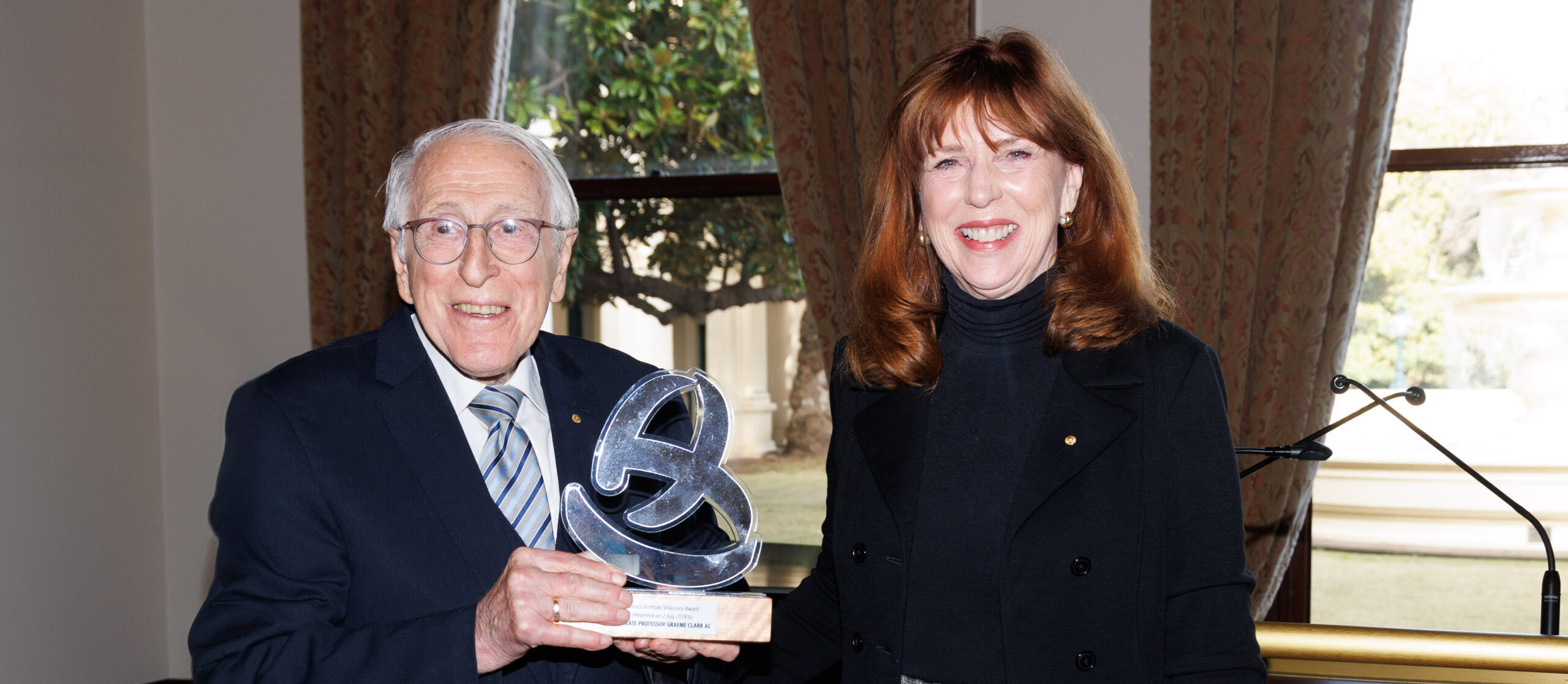
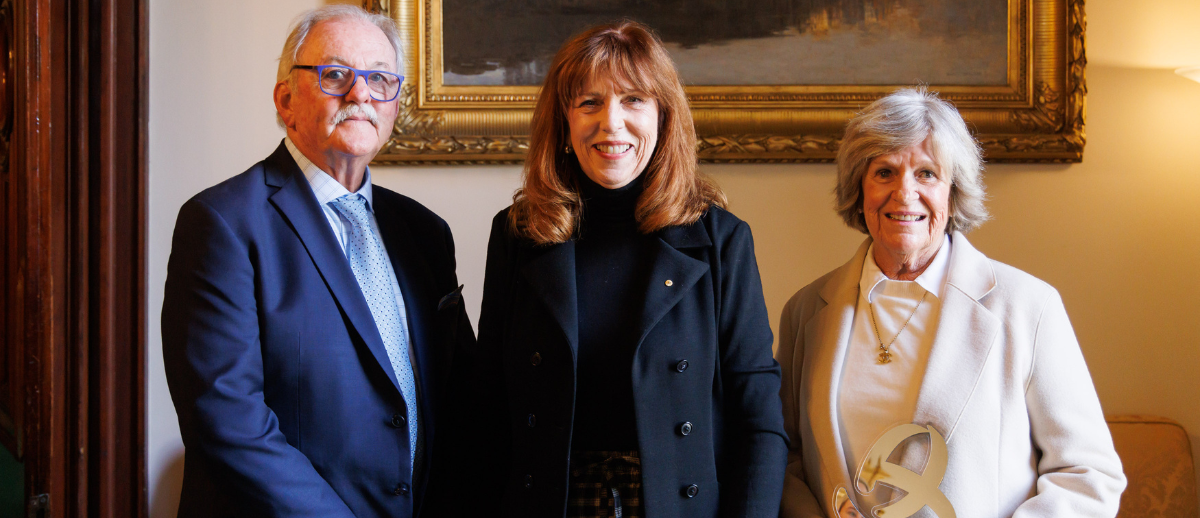
Following 12 years as a Director of the Bionics Institute, A/Prof Stella Clark AM GAICD has stepped down from the role and her position as Chair of the People and Culture Committee.
We thank Stella for championing our innovative research and for her influence across a number of key strategic initiatives.
With a distinguished career in diabetes research, research management and executive leadership, Stella was invited to join the Board in 2012 by then Director Professor Rob Shepherd AM and Chair Gerry Moriarty.
Stella held a Board position alongside Prof Shepherd and Mr Moriarty for 5 years until 2017, and then current CEO Mr Robert Klupacs and Chair Mr John Stanhope for the following 7 years.
She is grateful for the support and encouragement received from both pairs of CEOs and Chairs during her tenure and has enjoyed seeing the evolution of governance that has resulted.
“Prof Rob Shepherd was an outstanding researcher who spent his whole career (more or less) at the Institute. He was involved with the research that led to development of the cochlear implant and oversaw the transformation of the Bionic Ear Institute to the Bionics Institute – with its expanded research profile,” Stella said.
“Robert Klupacs’ appointment brought a different focus to the Bionics Institute. With his broad experiences in industry and tech transfer he has moved the Institute more in the direction of commercialisation. He and the Board hope the formation of start-up companies, when they come to fruition, will provide a government-independent income source to support the further research that is needed.”
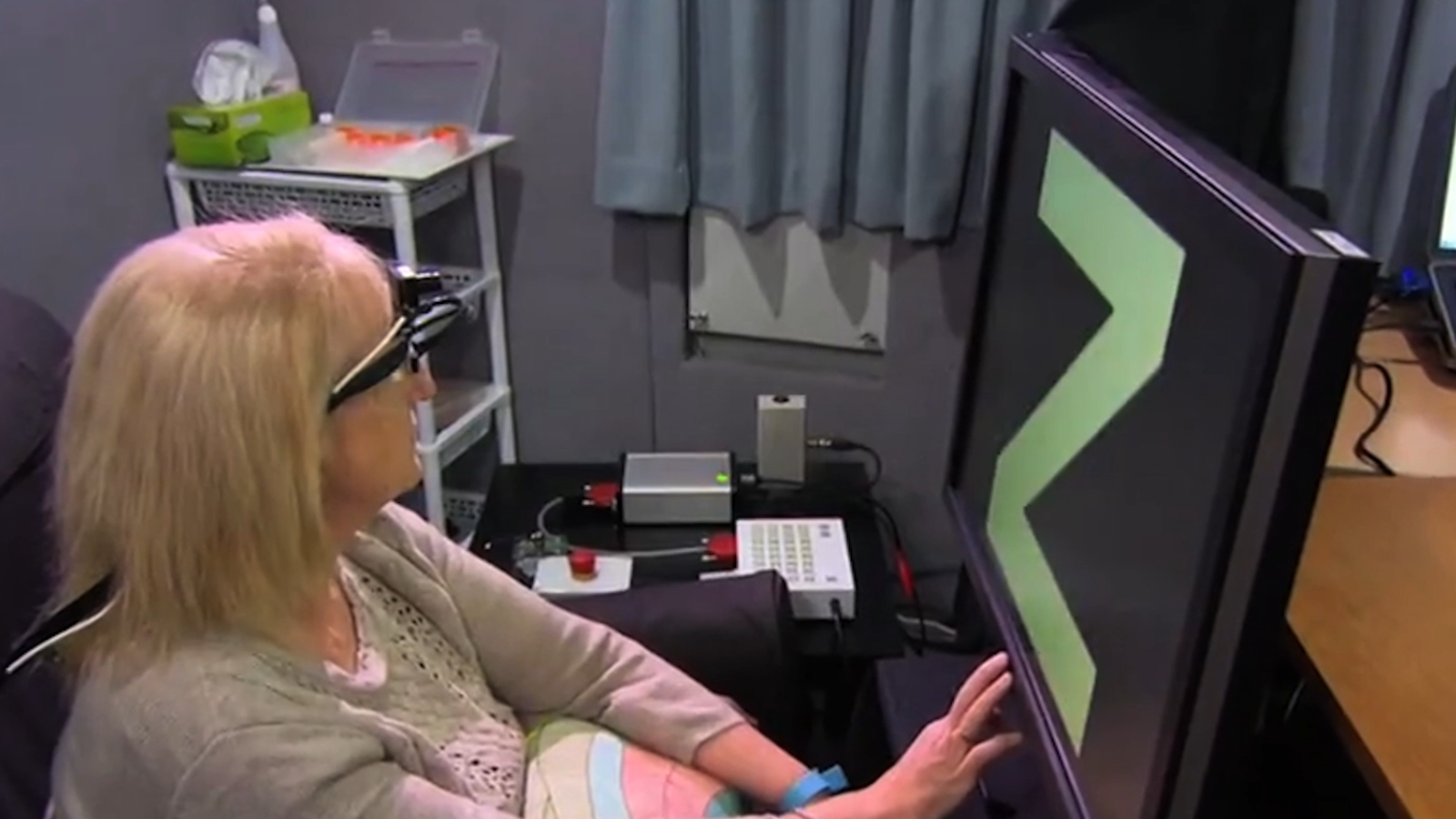
Whilst there have been many research developments at the Institute during her time on the Board, Stella noted the work on the Bionic Eye and recent advances in our vagus nerve and brain stimulation research as just some of the highlights.
“Being able to interact with one of the Bionic Eye clinical trial patients, and hear how it enabled her to have some sense of ‘vision’ was extraordinary,” she reflected.
“The tremendous work being done currently on vagal nerve stimulation and how this might be applied to a variety of debilitating conditions; the groundbreaking project investigating transcranial magnetic stimulation as a treatment for memory loss in Alzheimer’s; and epilepsy monitoring research that has led to the formation of the spinout company Epiminder are just a small selection of the exciting ways Bionics Institute is working to improve lives.”
As Chair of the Bionics Institute’s People and Culture Committee, Stella focused on increasing diversity of members and ensuring perspectives of staff from all areas of the Institute’s operations were included.
Reflecting this was the Institute’s all staff workshops in 2022 titled, Better Together. This initiative explored all facets of culture within the Institute and how it could be improved, plus included staff in the roll out of post-event actions.
The subsequent staff survey showed a significant improvement in staff satisfaction.
“The Board are very proud to say the Institute maintains this high level of satisfaction with an 82% participation rate and an engagement score of 78% in the 2023 survey. An outstanding achievement of which I’m proud to have played a part,” she said.
Stella is excited about the future of the Institute and the opportunities that lay ahead.
As one of 8 partners in the Aikenhead Centre for Medical Discoveries (ACMD), the Bionics Institute will move into the highly anticipated ACMD building on the St Vincent’s Hospital campus (expected to be late 2025).
“The co-location of the great minds at the Bionics Institute with other Victorian researchers and engineers at ACMD will foster collaboration and increase the potential for new and exciting ideas,” Stella said.