Understanding Parkinson’s disease
Parkinson’s disease (PD) is a chronic, progressive movement disorder that occurs when nerve cells essential for normal movement and coordination stop working properly. These nerve cells communicate through a chemical messenger called dopamine, and when dopamine levels decline, the characteristic symptoms of Parkinson’s appear. PD affects over six million people worldwide.
Walking difficulties in PD
Walking disturbances in PD are very common and can result in increased falls and injury. Walking impairments include reduced walking speed and step length, impaired rhythm of walking, inability to initiate walking and ‘freezing of gait’- the inability to move feet forward despite the intention to walk. Walking impairments worsen as the disease progresses and markedly affect an individual’s independence and quality of life.
The need for new treatments
Despite the prominence of walking impairments in PD, few therapeutic options are available. Medication can help but often does not return walking to where it should be. Similarly, deep brain stimulation (DBS), a form of surgery, can improve some gait disturbances but can also cause worsening of others.
Walking difficulties and the risk of falls remain major obstacles to independence, highlighting the urgent need for new interventions that improve walking and quality of life.
Innovative research at the Bionics Institute
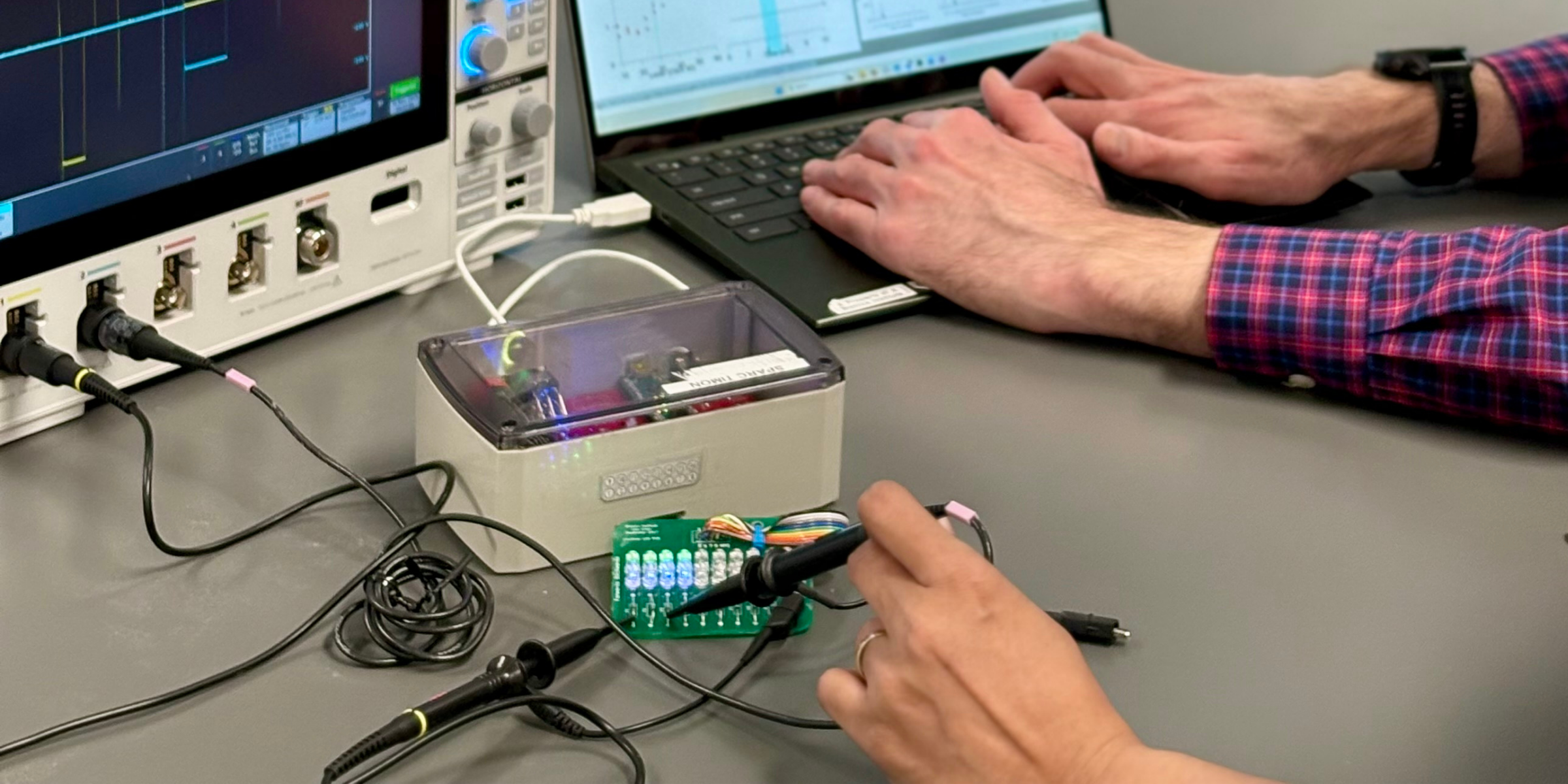
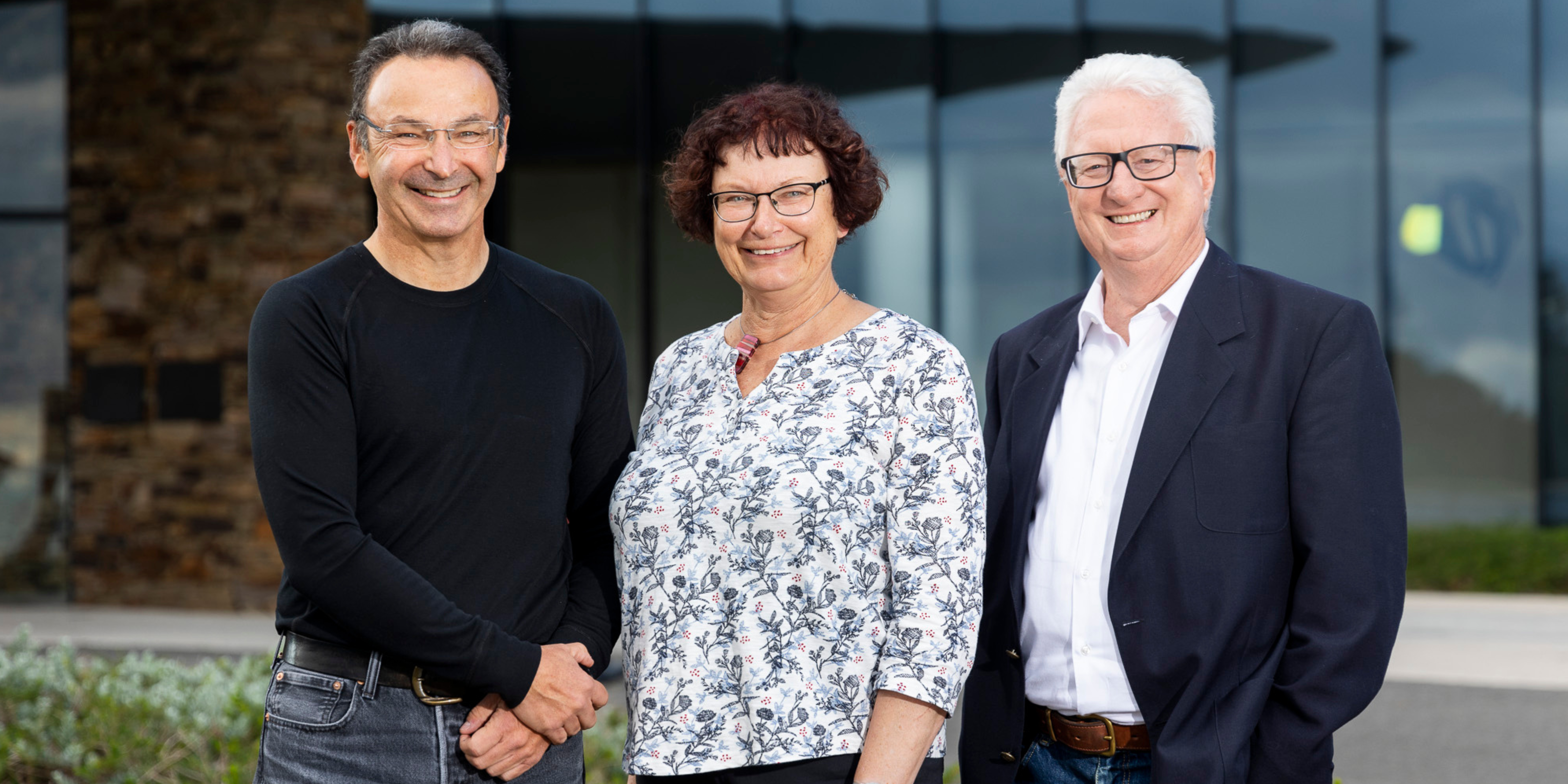
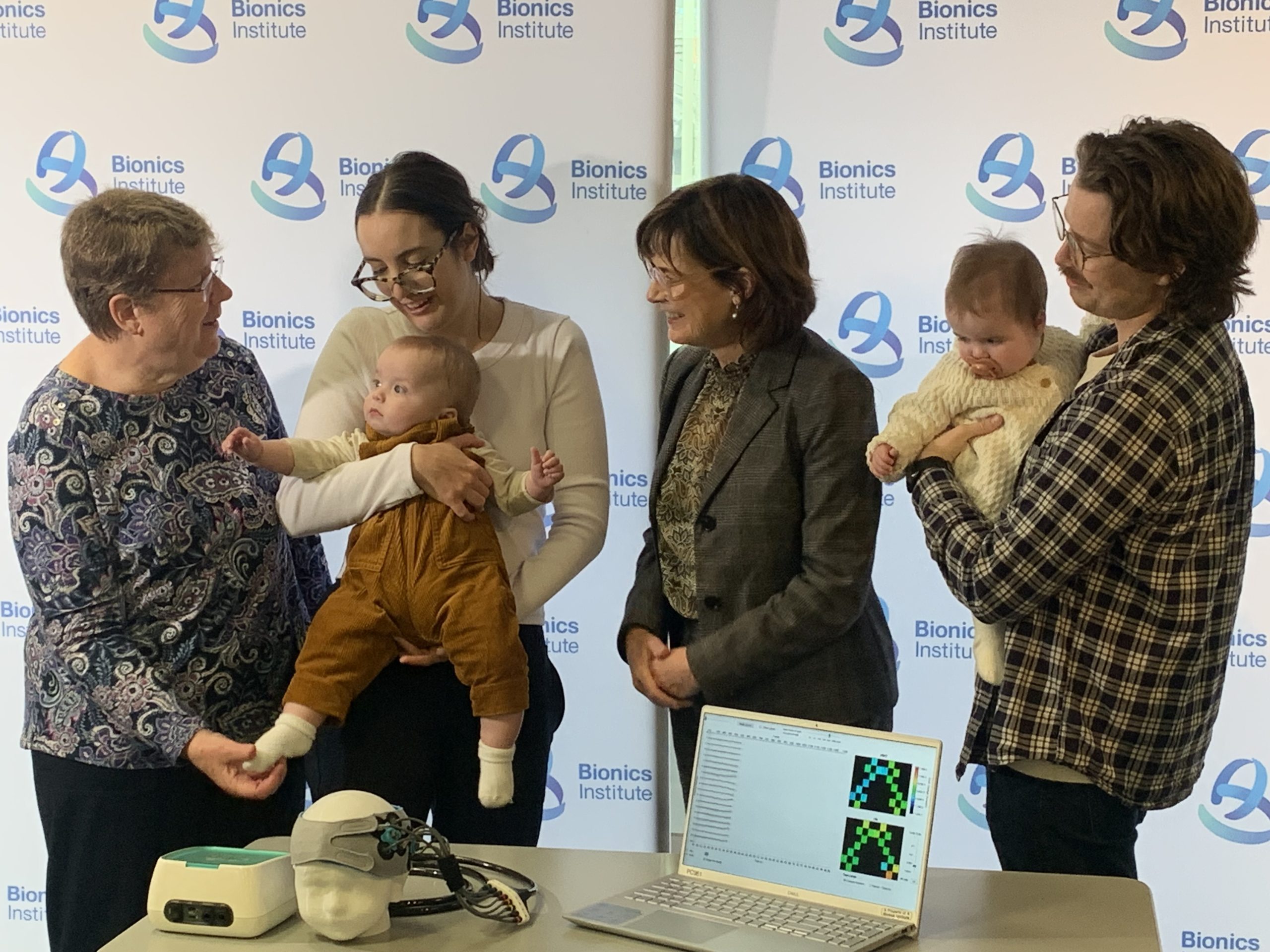
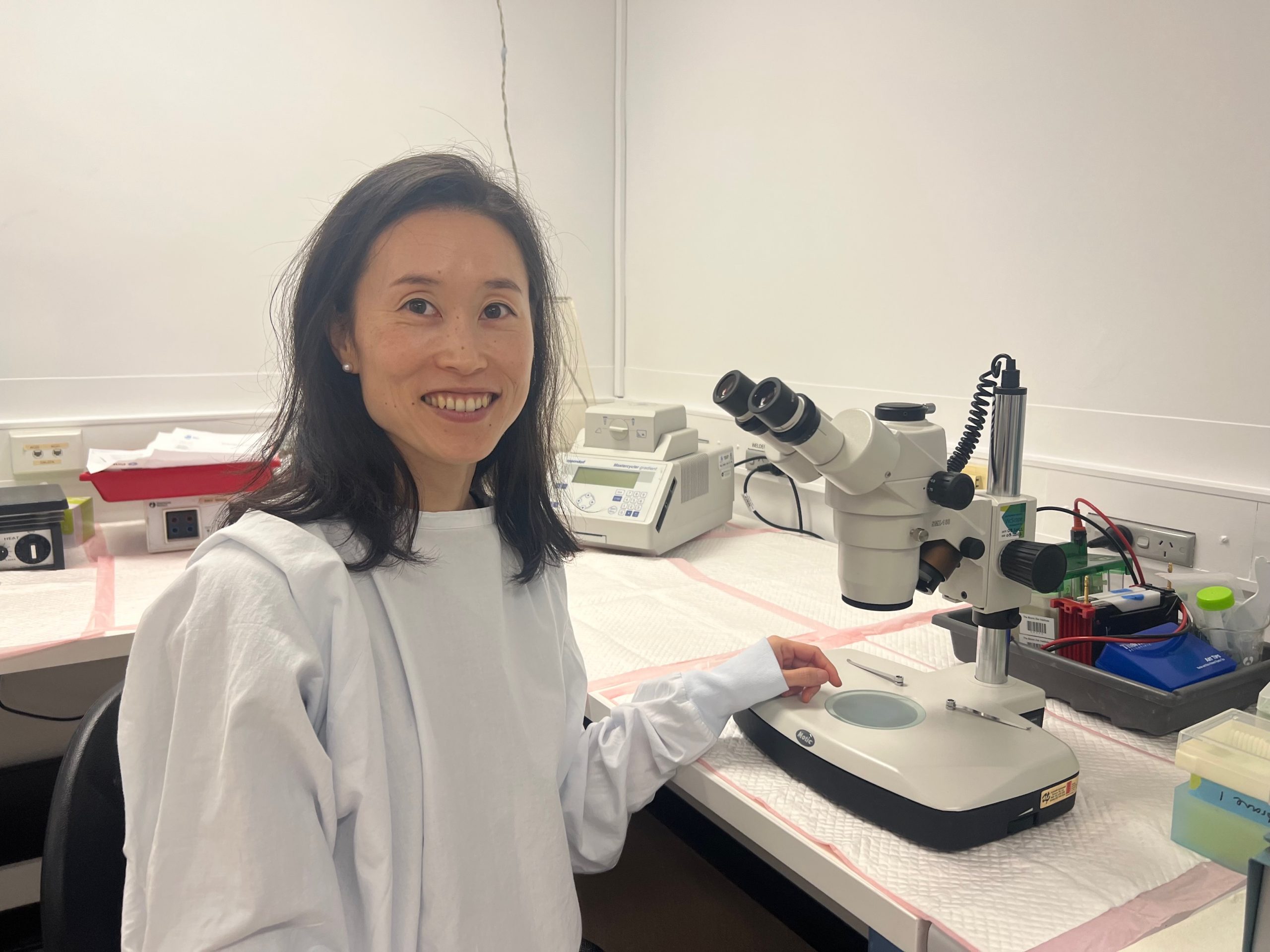
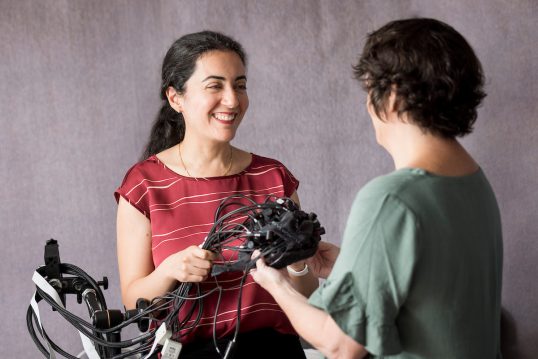
At the Bionics Institute, A/Prof Mehrnaz Shoushtarian and her collaborators (Prof Robert Iansek and Dr Anna Murphy) at Kingston Centre, Monash Health are exploring peripheral sensory stimulation as a novel approach to Parkinson’s gait. This method involves delivering stimulation in the form of mild electrical pulses or vibration to the feet, aiming to disrupt abnormal brain activity associated with PD and help better regulate walking.
A/Prof Shoushtarian and her team have begun a clinical trial to assess the effect of stimulation on walking impairments in PD. By combining clinical expertise with cutting-edge technology, the Institute seeks to develop practical, evidence-based solutions that enhance mobility, independence, and overall quality of life for people living with this condition.
Our aim is to develop a stimulation device that is easy to use for patients and can transform the management of walking disorders in PD. Associate Professor Mehrnaz Shoushtarian