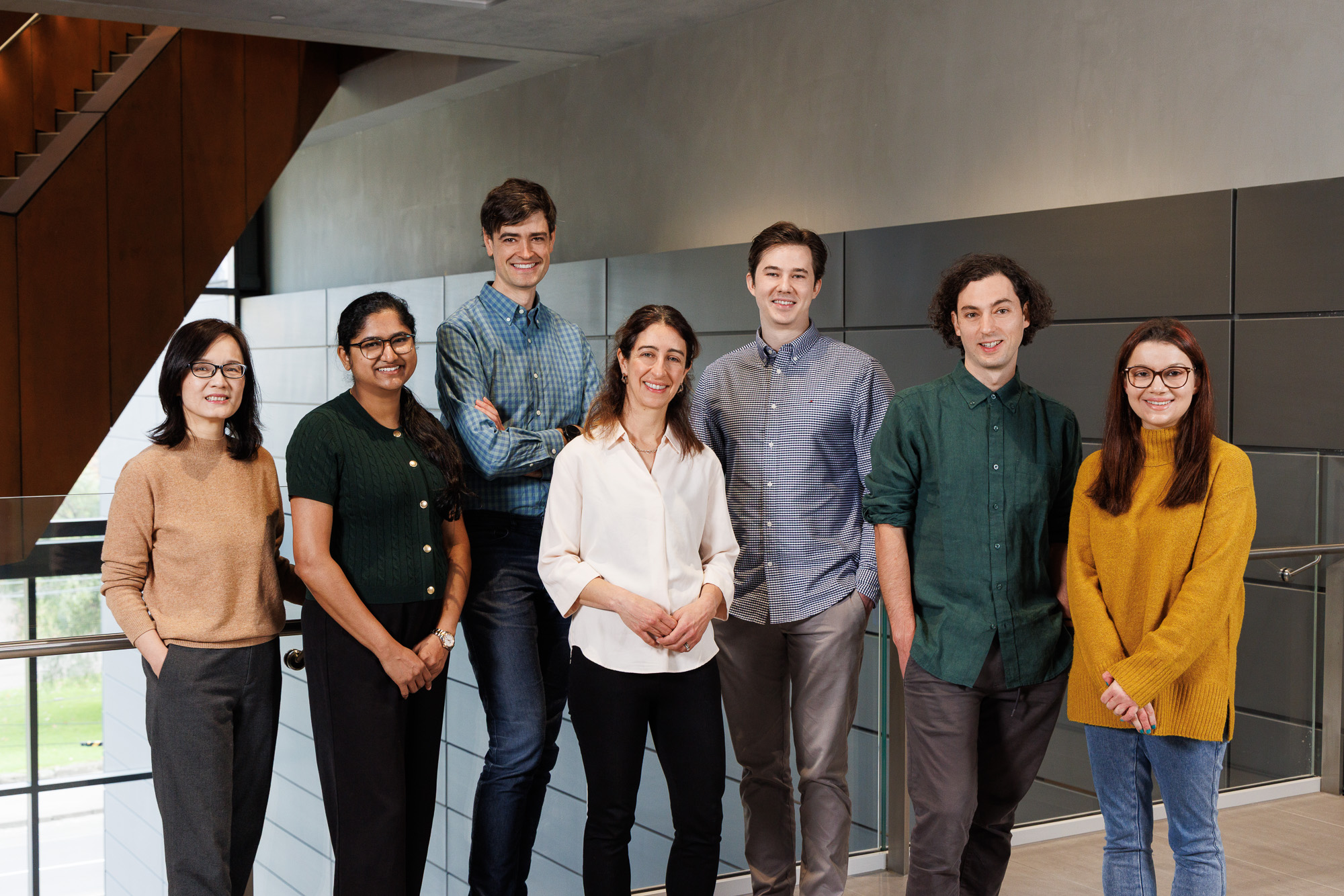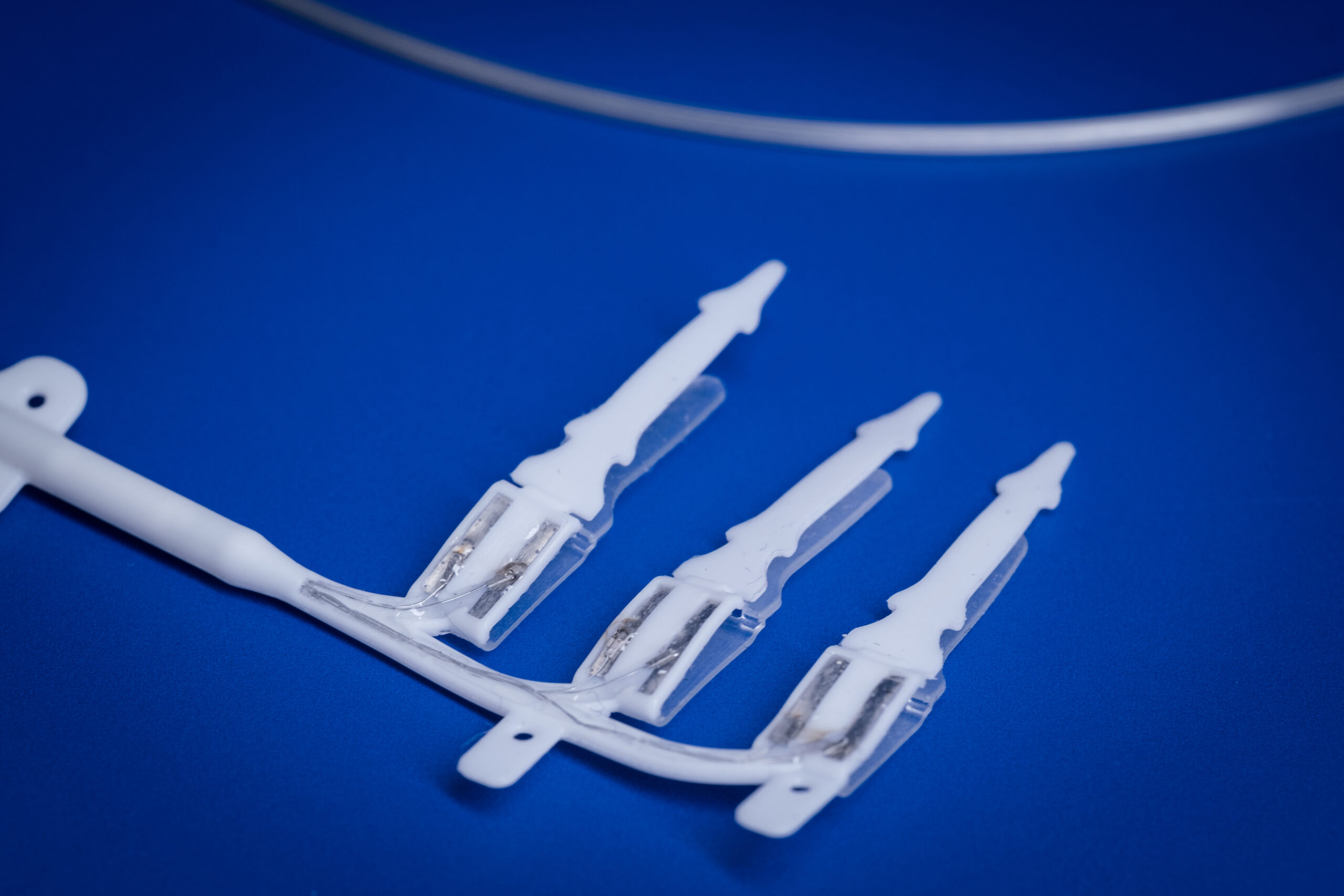
Researchers at the Bionics Institute are advancing a new frontier in hearing healthcare, with significant progress in the development of digital twin technology for cochlear implant users.
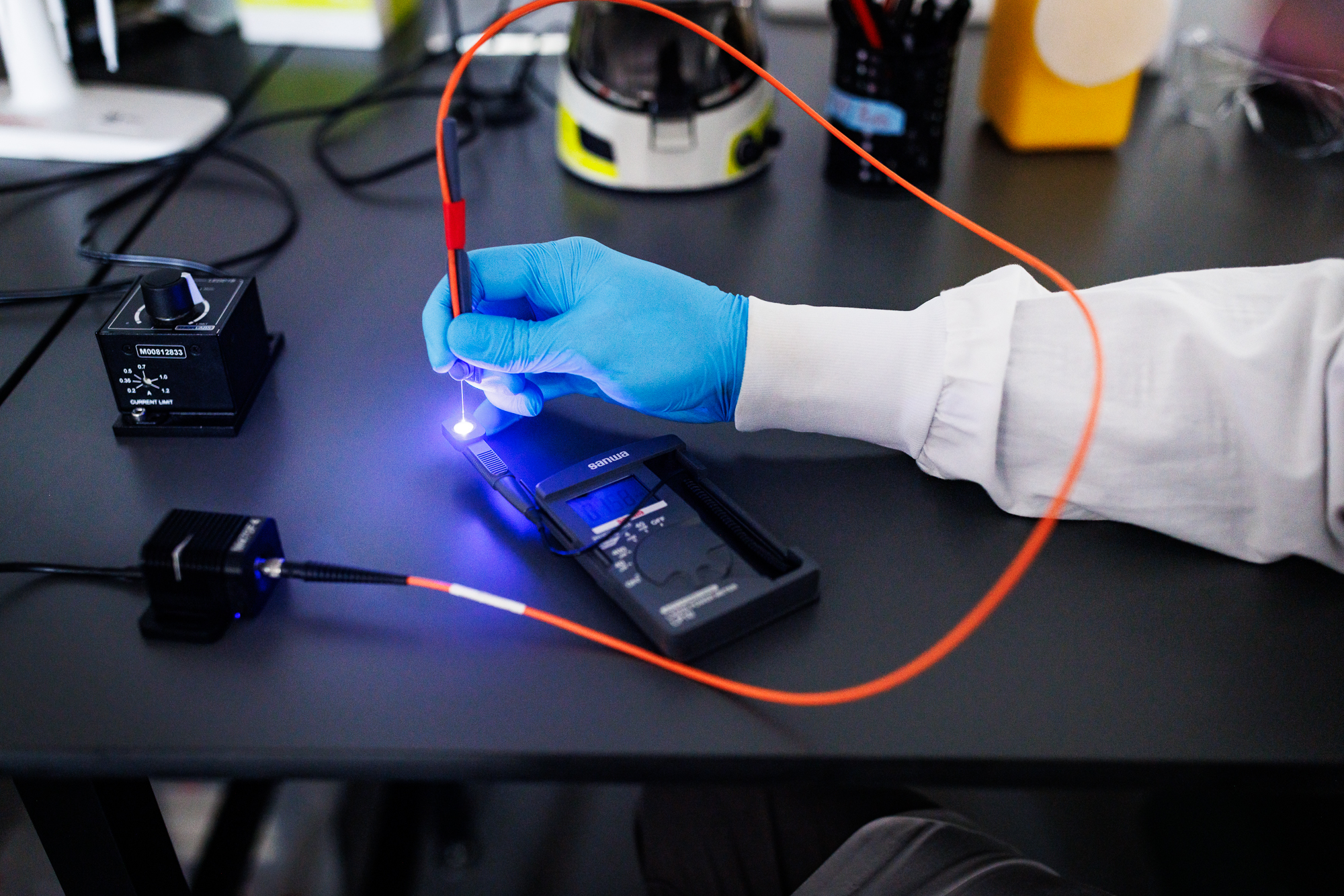
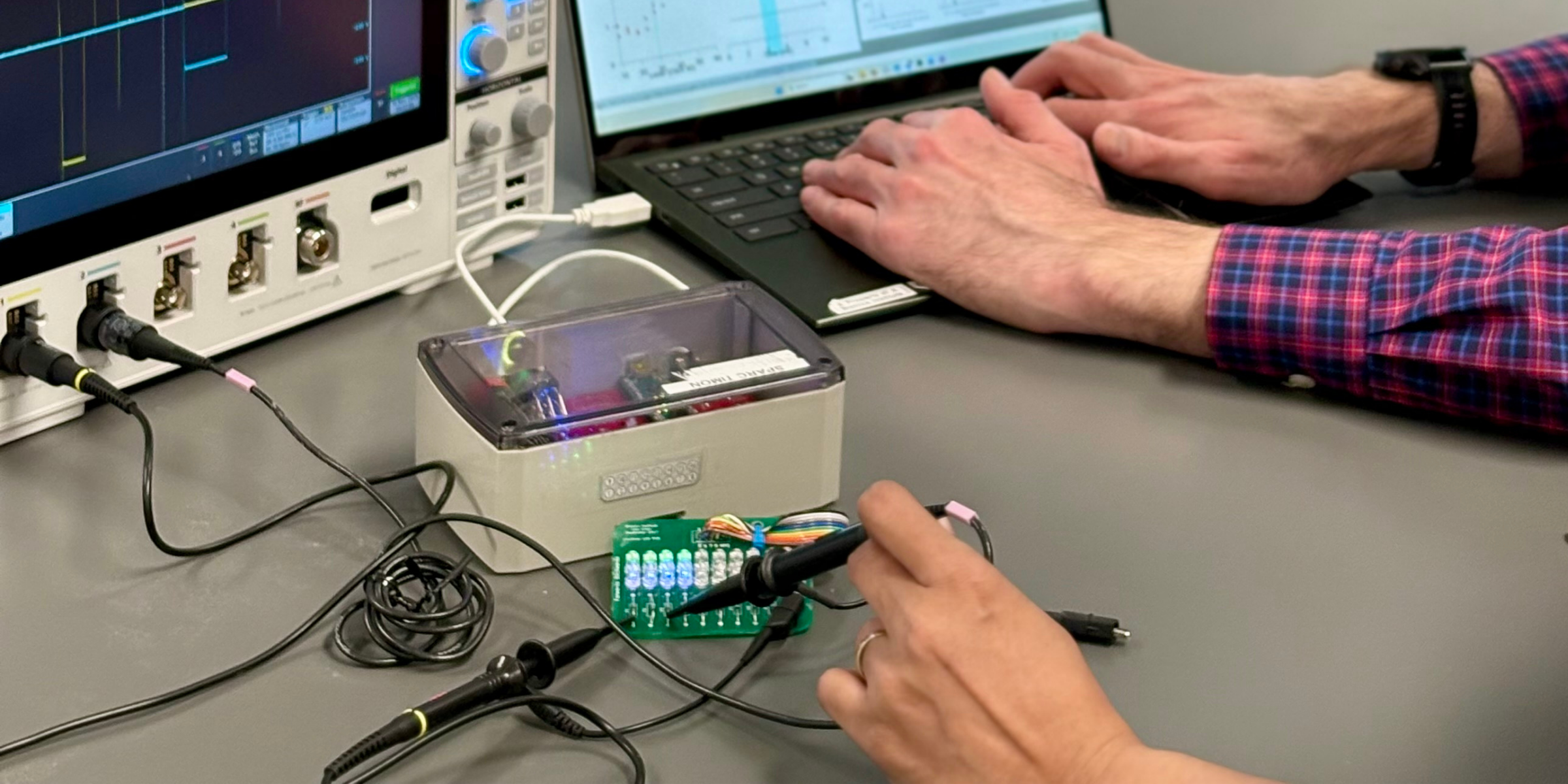
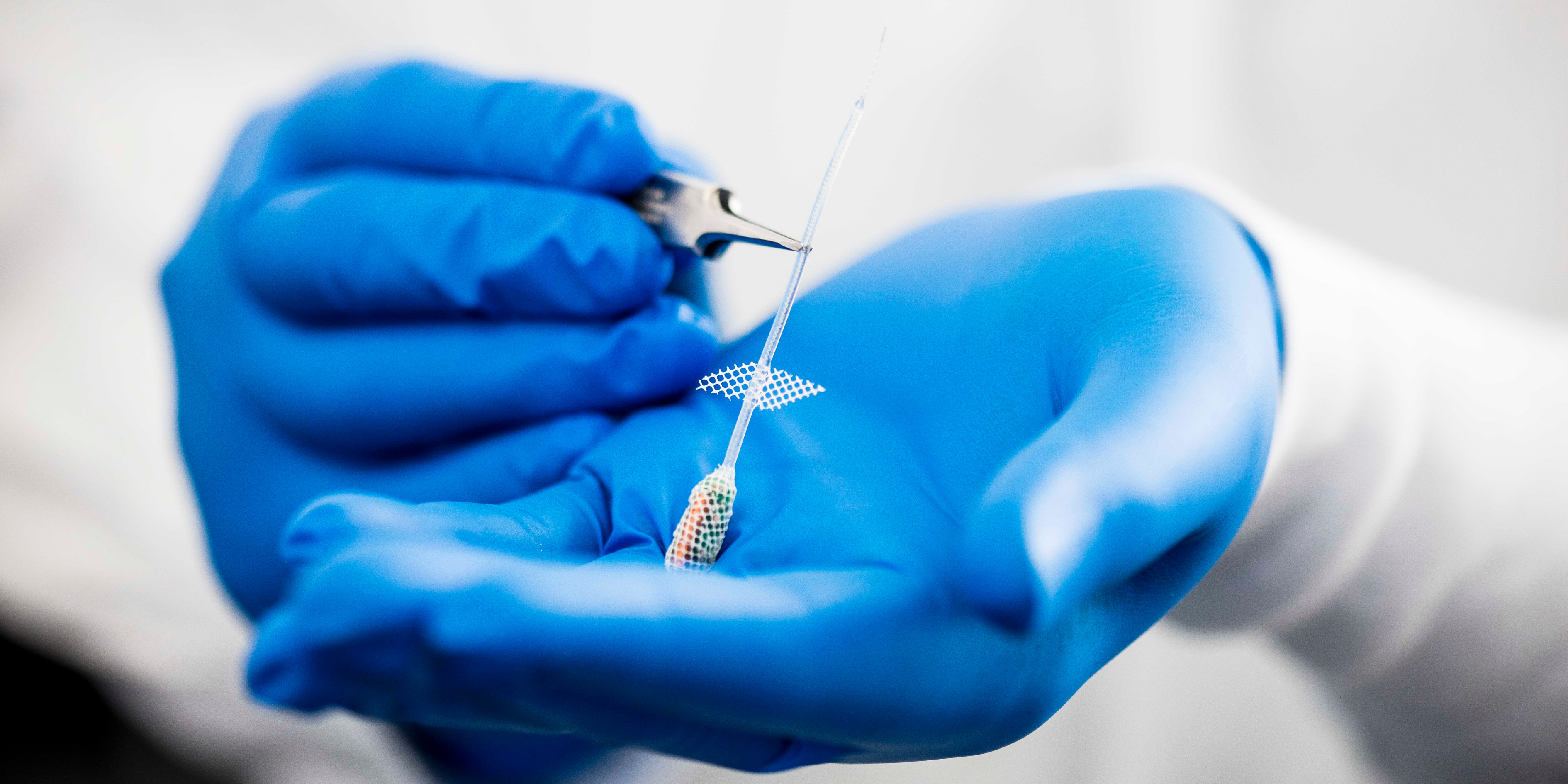
The team has successfully developed and validated a sophisticated virtual model of the electrode–neuron interface—an essential component in understanding how cochlear implants stimulate the auditory nerve.
This provides a reliable foundation for simulating how individual patients respond to implant settings, moving beyond traditional, moving beyond traditional, one-size-fits-all approaches to programming.
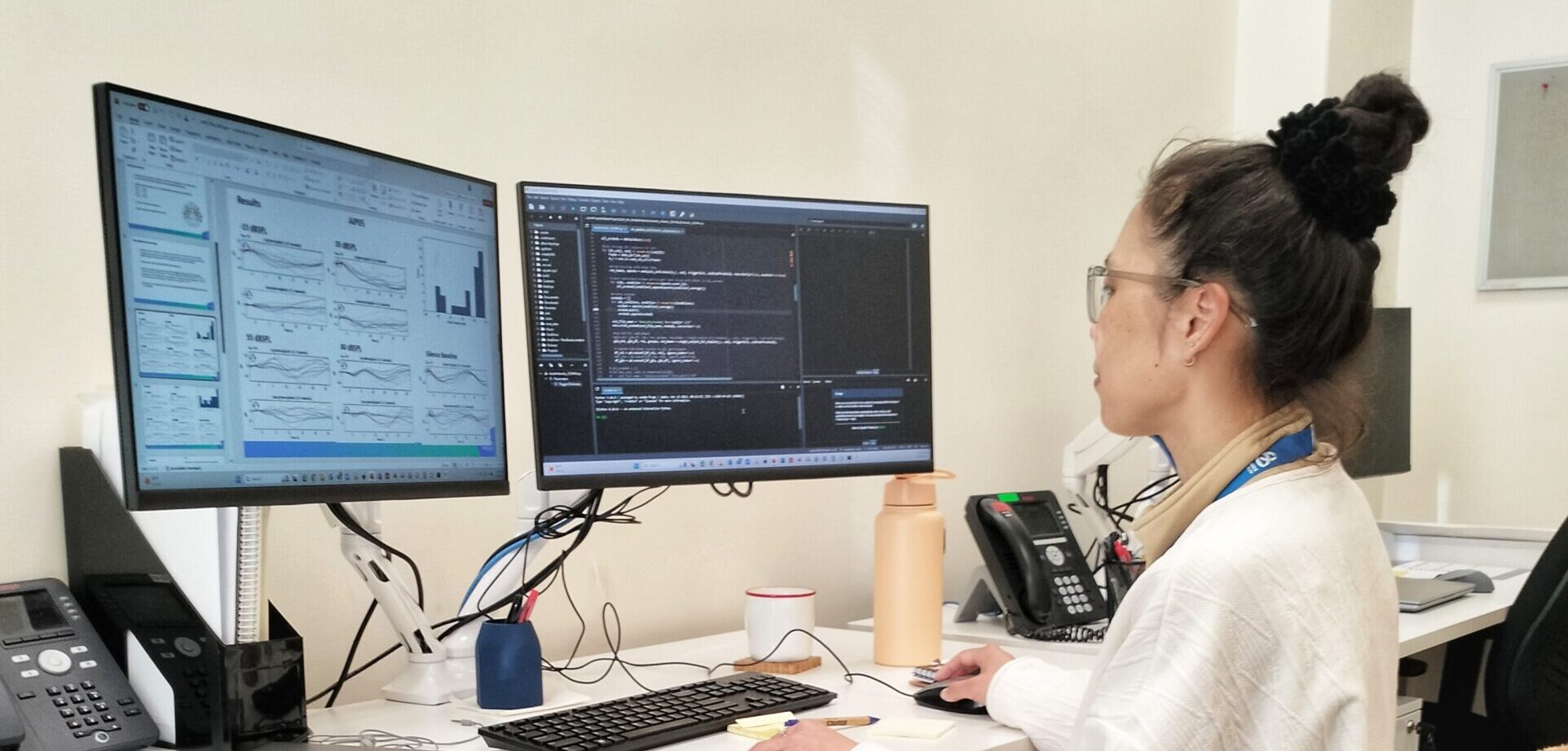
Building on this work, researchers are now integrating machine learning techniques to predict personalised programming parameters.
These AI-driven models are designed to account for the unique anatomy and neural responses of each user, enabling more precise, adaptive, and data-driven management of cochlear implants.
The ultimate goal is to create fully realised “twins” of cochlear implant patients: virtual replicas that can be used to test and optimise device settings before applying them in clinical practice.
This approach has the potential to significantly improve outcomes, particularly for patients who may struggle to provide consistent feedback during standard programming sessions, such as young children.
Clinical validation of these digital twin models is expected to begin in the coming year, representing a critical step toward their integration into real-world healthcare settings.
If successful, the technology could streamline clinical workflows, reduce the need for repeated adjustments, and deliver more consistent and effective hearing outcomes.
As artificial intelligence continues to reshape medicine, this work highlights how digital twin technology can move personalised care from concept to practice, offering a smarter, more tailored approach to cochlear implant management.
To find out more about this research click here.