
Parkinson’s gait: a daily struggle with movement
When you’re a young mum like Abigail, you expect to be the one leading the way—walking your children to school, keeping up with their busy lives, and sharing everyday moments together.
Not falling behind.
Not struggling just to move.
But for Abigail, life changed when she was diagnosed with Parkinson’s disease at just 40.
One of the biggest impacts has been on her ability to walk.
Each day begins with pain. She waits at least 45 minutes for her medication to take effect, time she doesn’t have as a single mum of two girls, aged 8 and 12. School runs still need to happen. Life keeps moving.
“Now in the mornings, it’s my whole foot, and it’s quite painful… I hobble around. I’ve got two kids, and I’ve got to do the things I do.”
Walking is uneven and unpredictable.
“It’s very uneven the way I walk, because it turns my left side into unnatural movements… Walking on a slope at night, I feel like I might trip… if I take my kids somewhere public, and it’s crowded and I’m carrying things, I feel very unsteady.”
Even simple moments like drop-offs, pick-ups and outings have become difficult.
It’s quite painful… I hobble around… I fall behind my kids when I’m walking to drop them off at school… Dianne
Parkinson’s doesn’t just affect Abigail’s movement. It also impacts her energy, memory and ability to keep up with the demands of family life.
“I forget a lot of things… I just say to them… I know I get you places late, but I’m doing my best.”
She worries about what the future holds.
“My youngest is eight. When she’s 18, that’s 10 years. I just need to have as much energy for them as I can.”
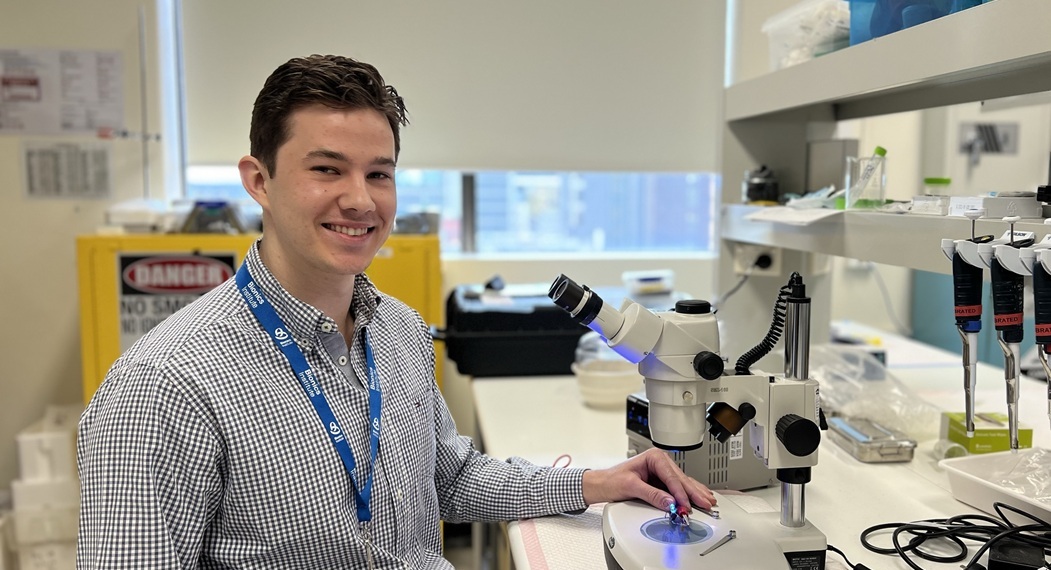
Researchers at the Bionics Institute are working to better understand and address these challenges.
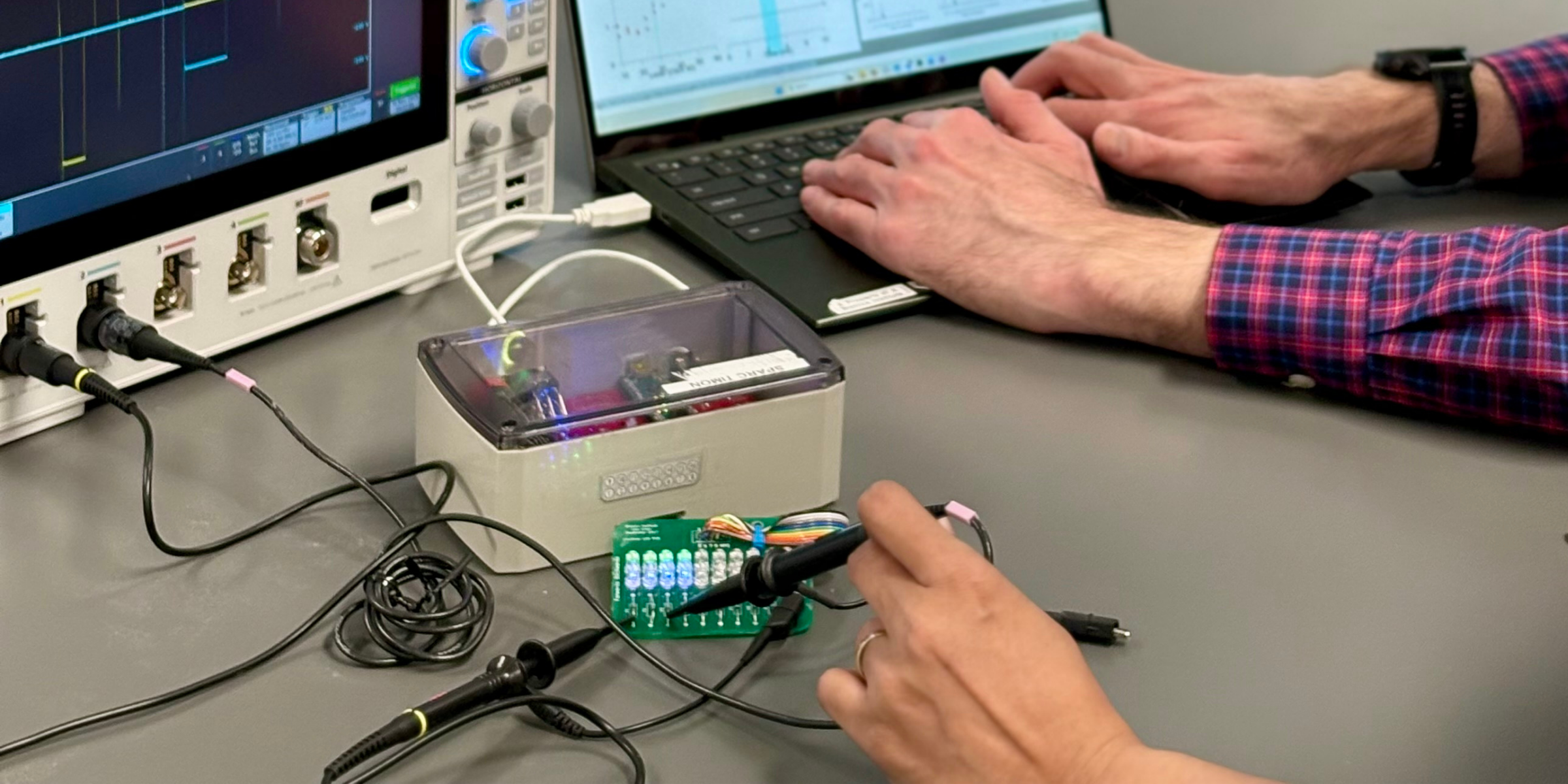
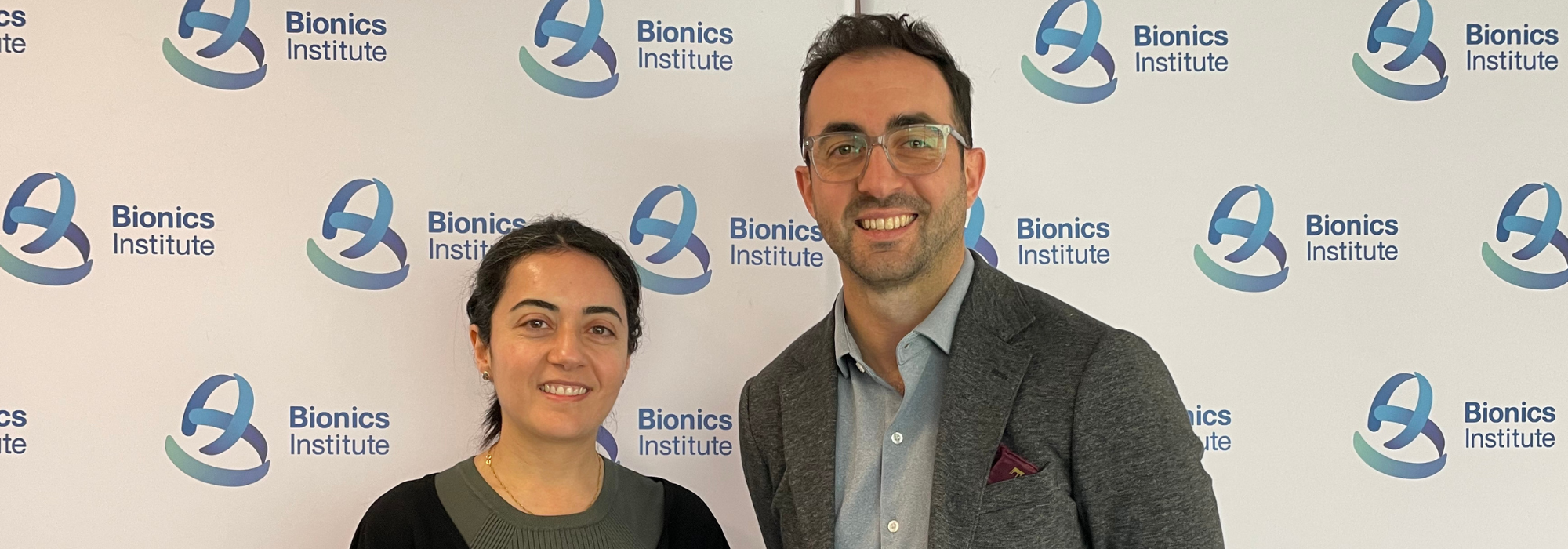
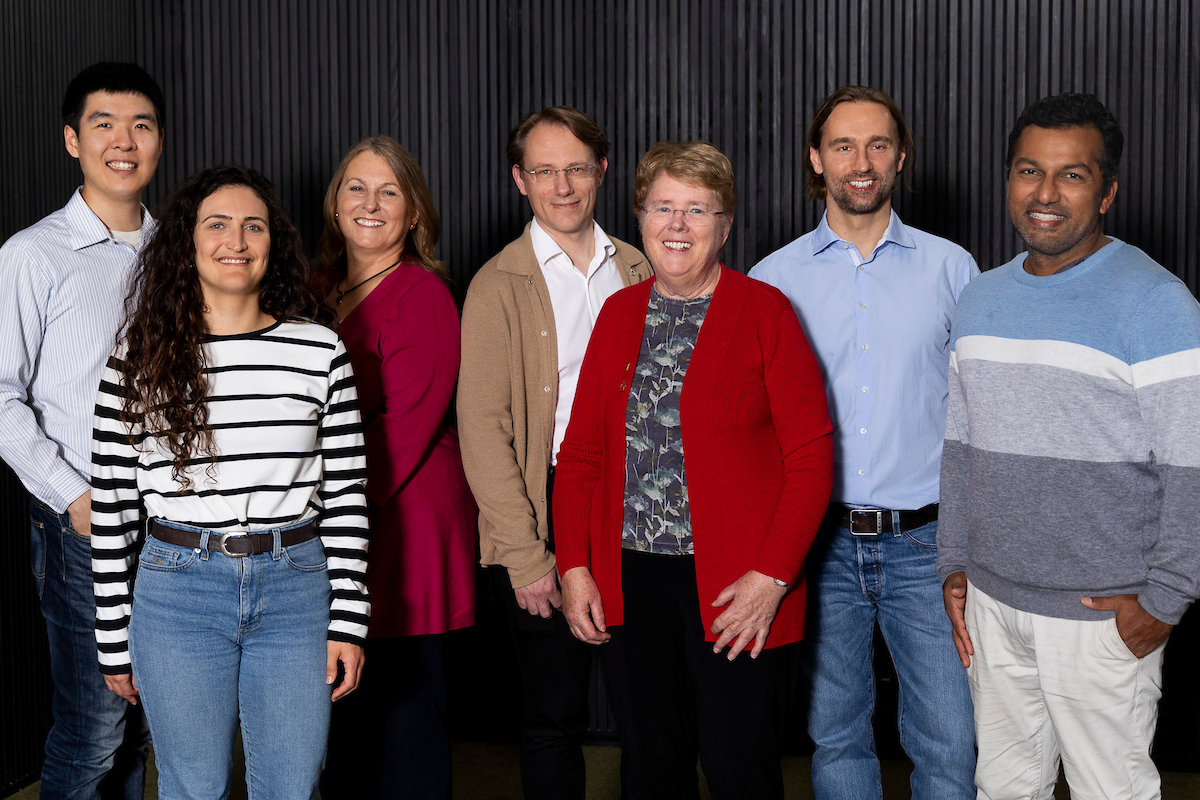
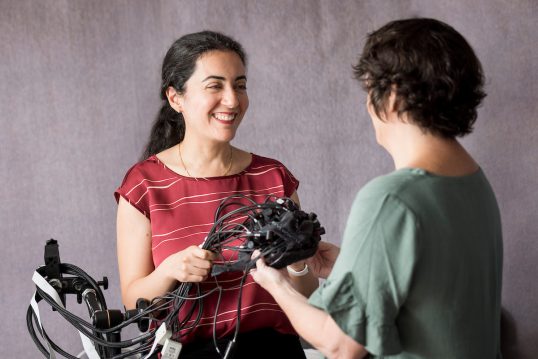
Associate Professor Mehrnaz Shoushtarian and her team are developing a non-invasive approach to improve walking for people with Parkinson’s.
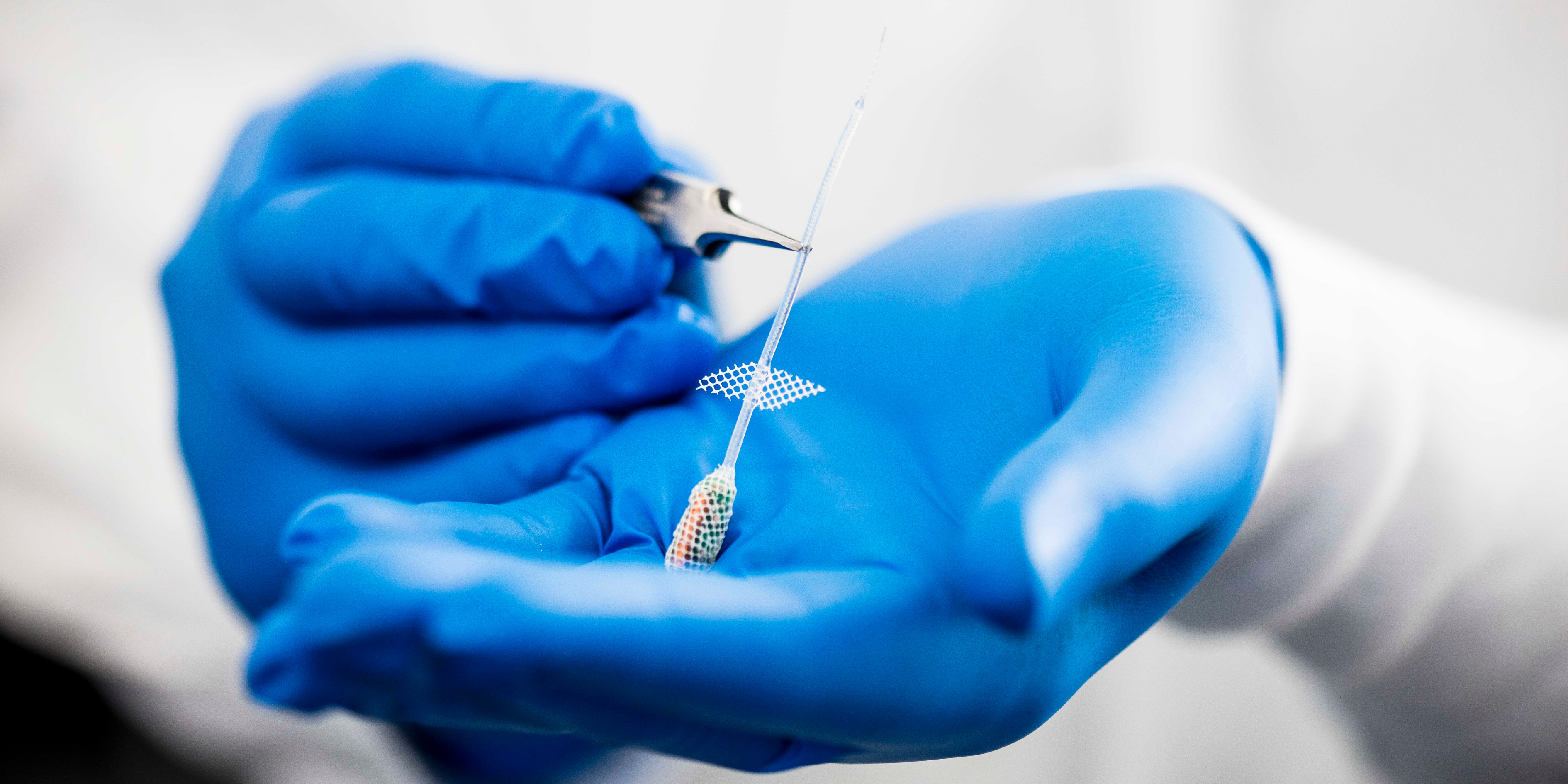
Their research focuses on stimulating the feet using vibration or mild electrical pulses to disrupt the abnormal brain activity that interferes with movement.
Some medications can help manage symptoms such as tremors, but walking difficulties—like “freezing of gait”—often persist.
“Some people feel their feet are glued to the ground even though they want to take a step… Often their stride length becomes shorter… they have this shuffling gait and these problems can lead to falls… it just interferes a lot with day-to-day activities.”
The team is currently conducting clinical trials to test whether this approach can improve mobility.
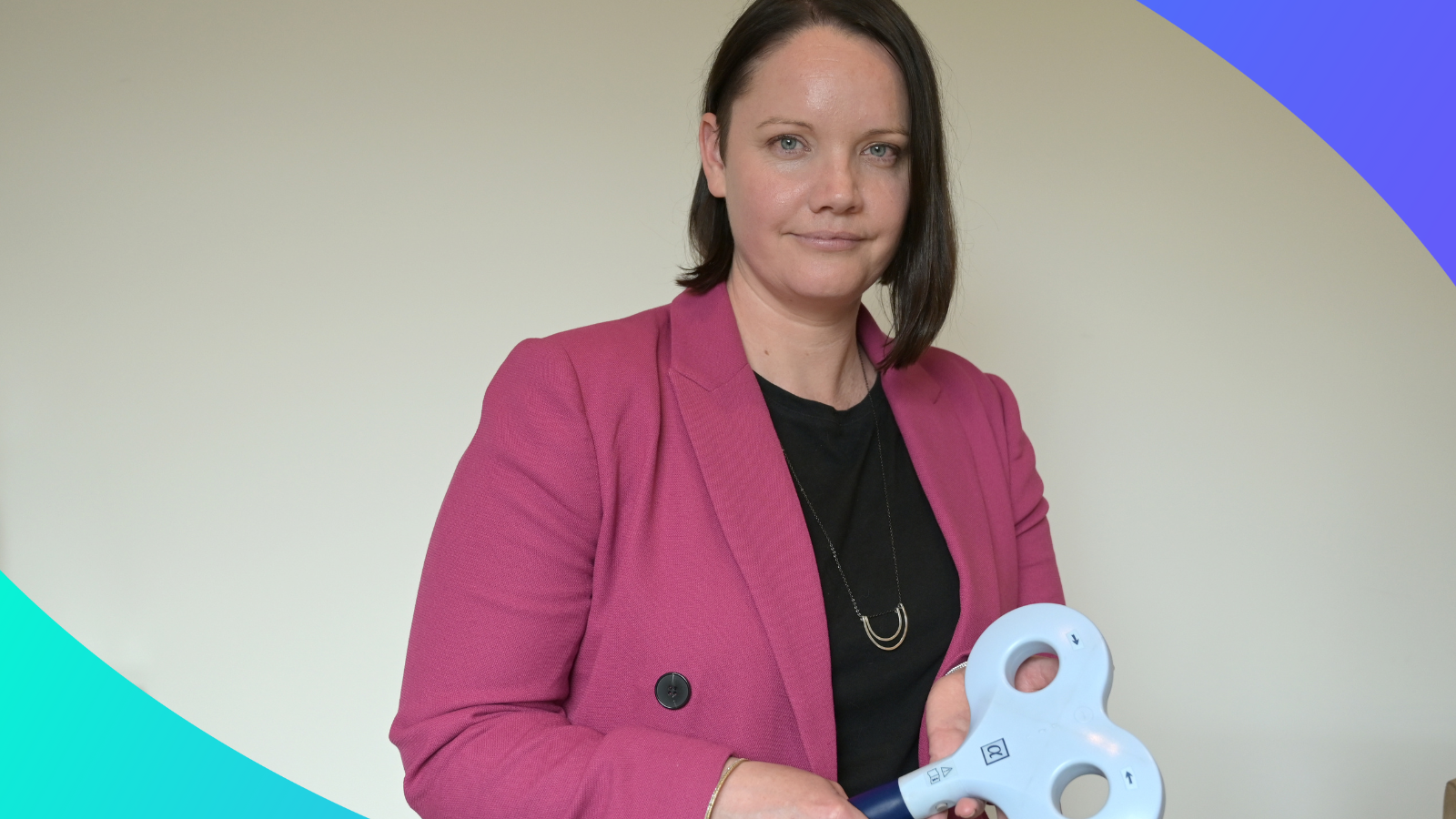
“Potentially, they could manage this symptom at home with a low-cost device.”
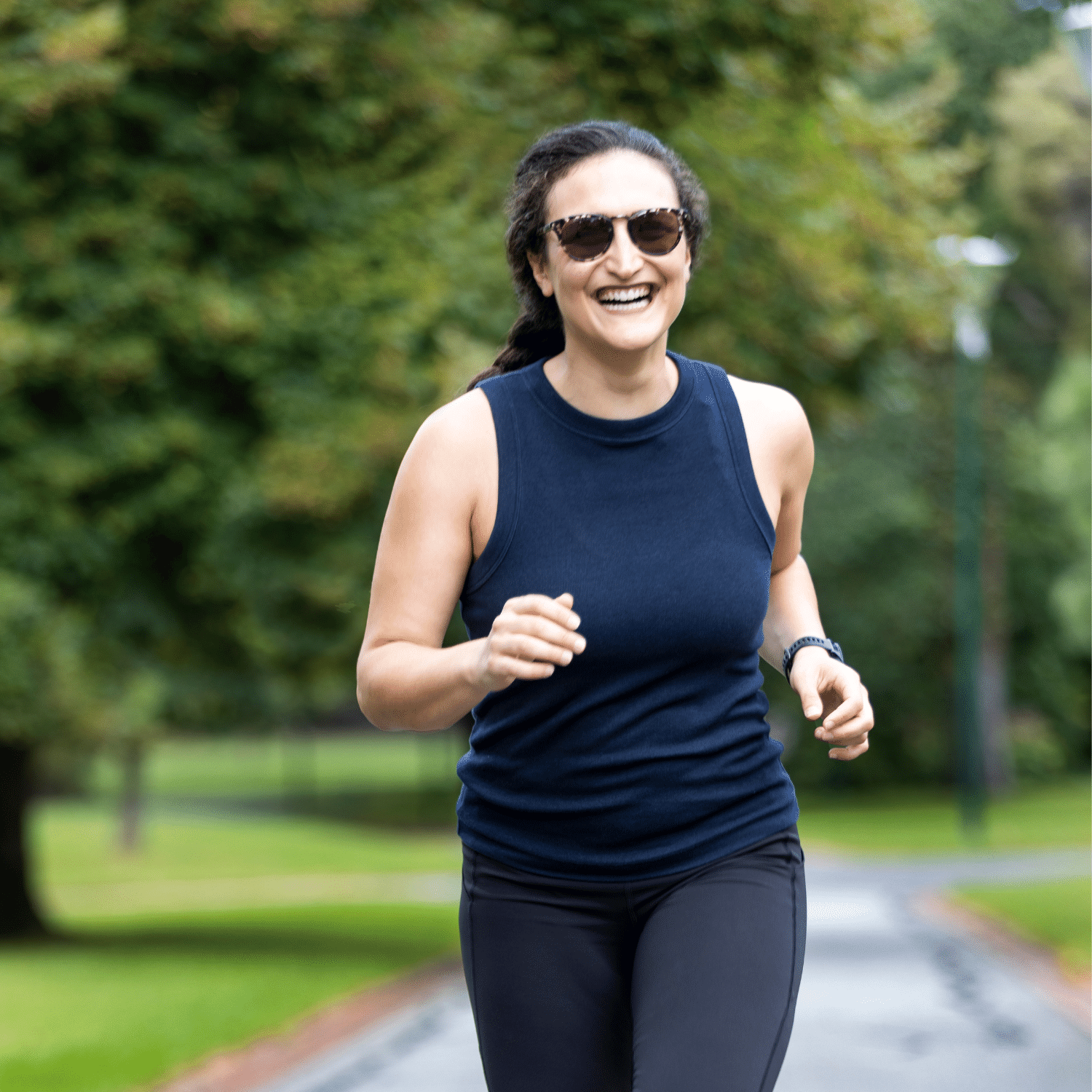
For Abigail, advances like these represent the possibility of moving more freely and keeping up with her children in everyday life.
Imagine if you could put on a sock and it buzzed your feet and then you could walk more smoothly during the day — that would be amazing! Abigail