
“All my friends in the program think I have the best project and I think they’re right!”
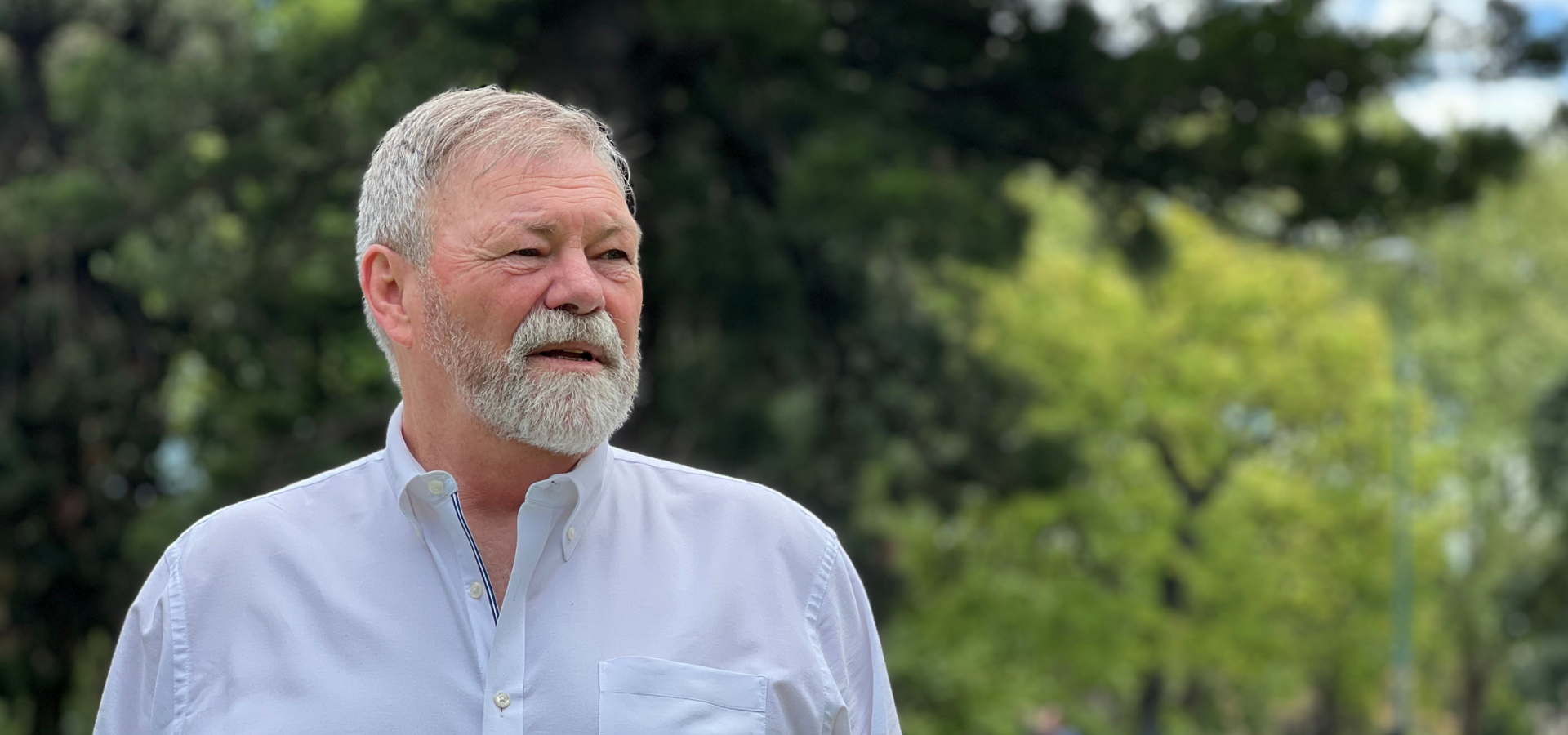
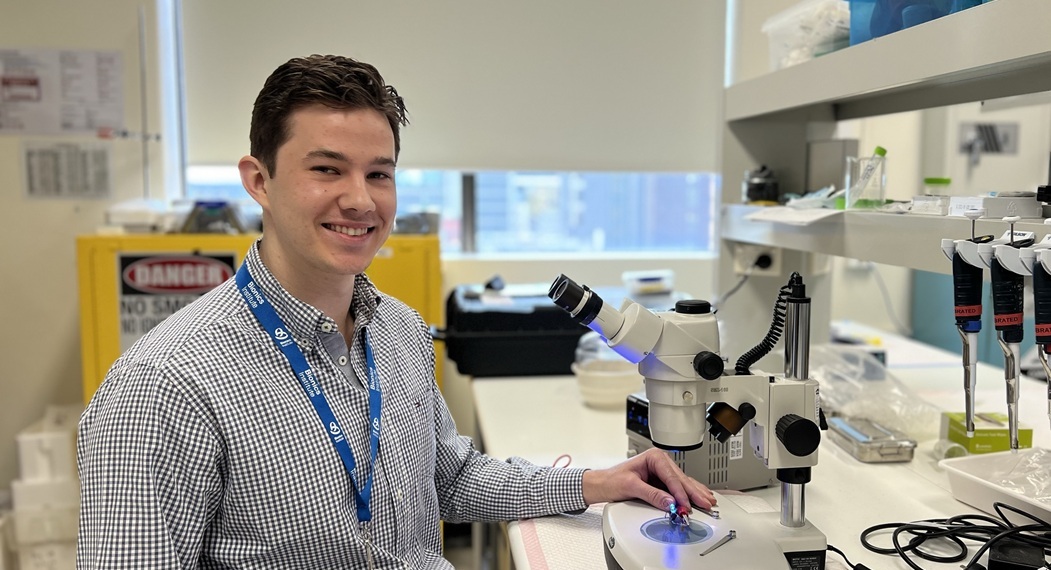
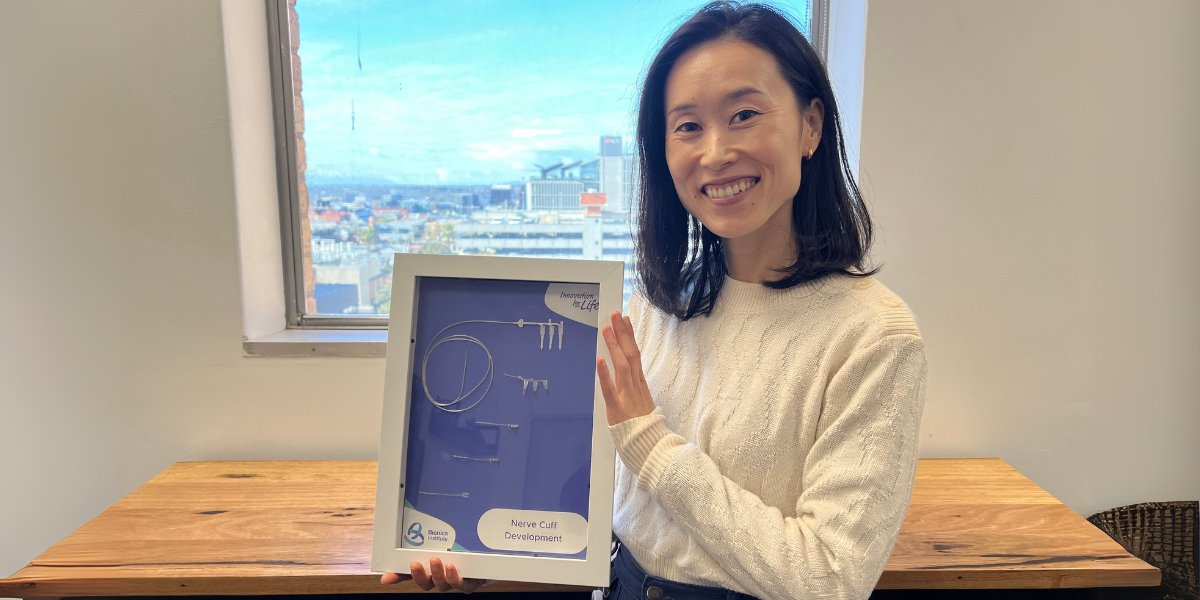
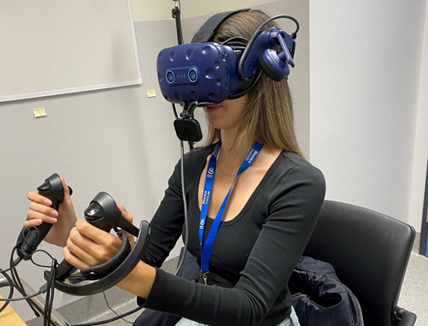
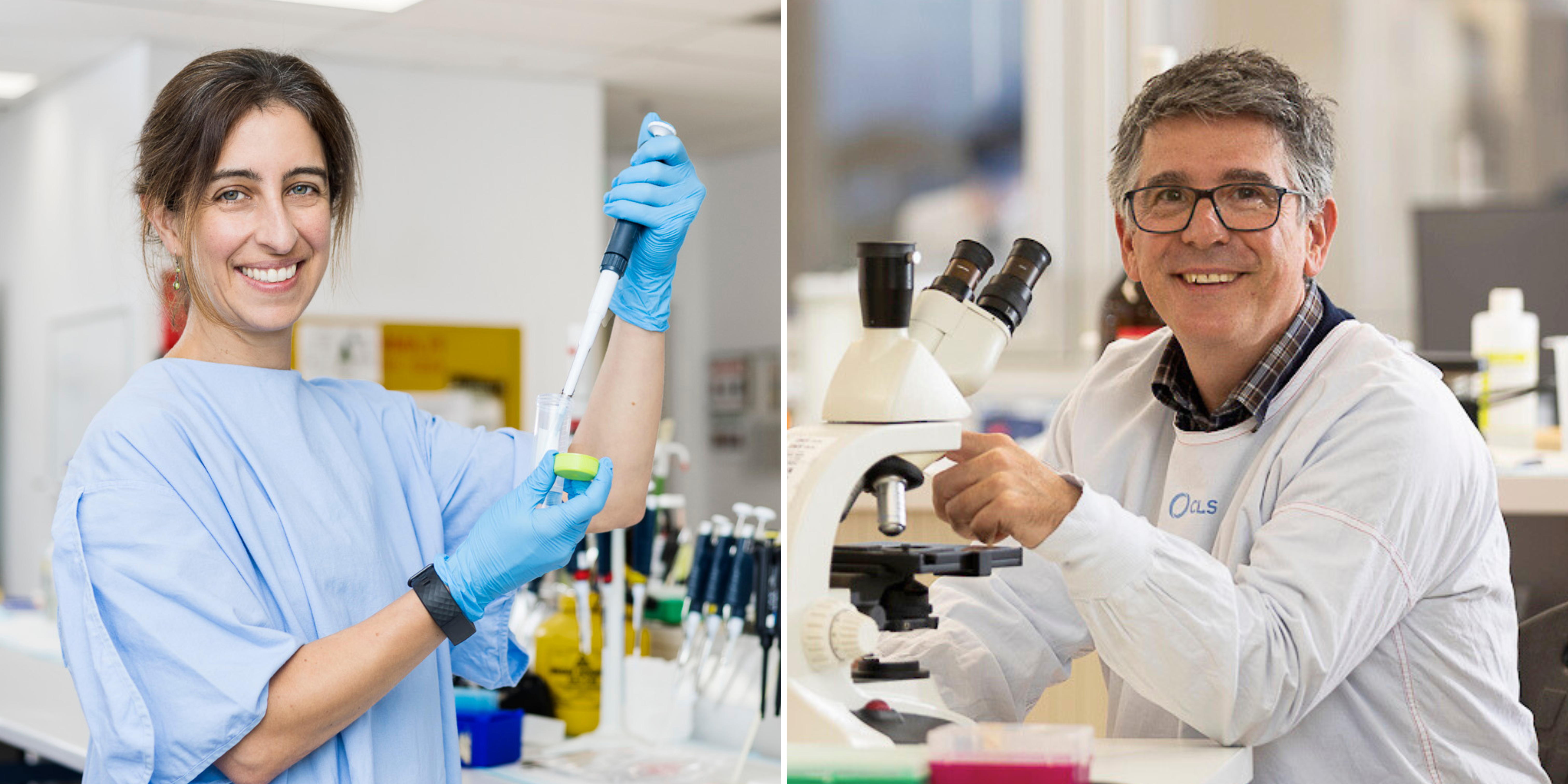
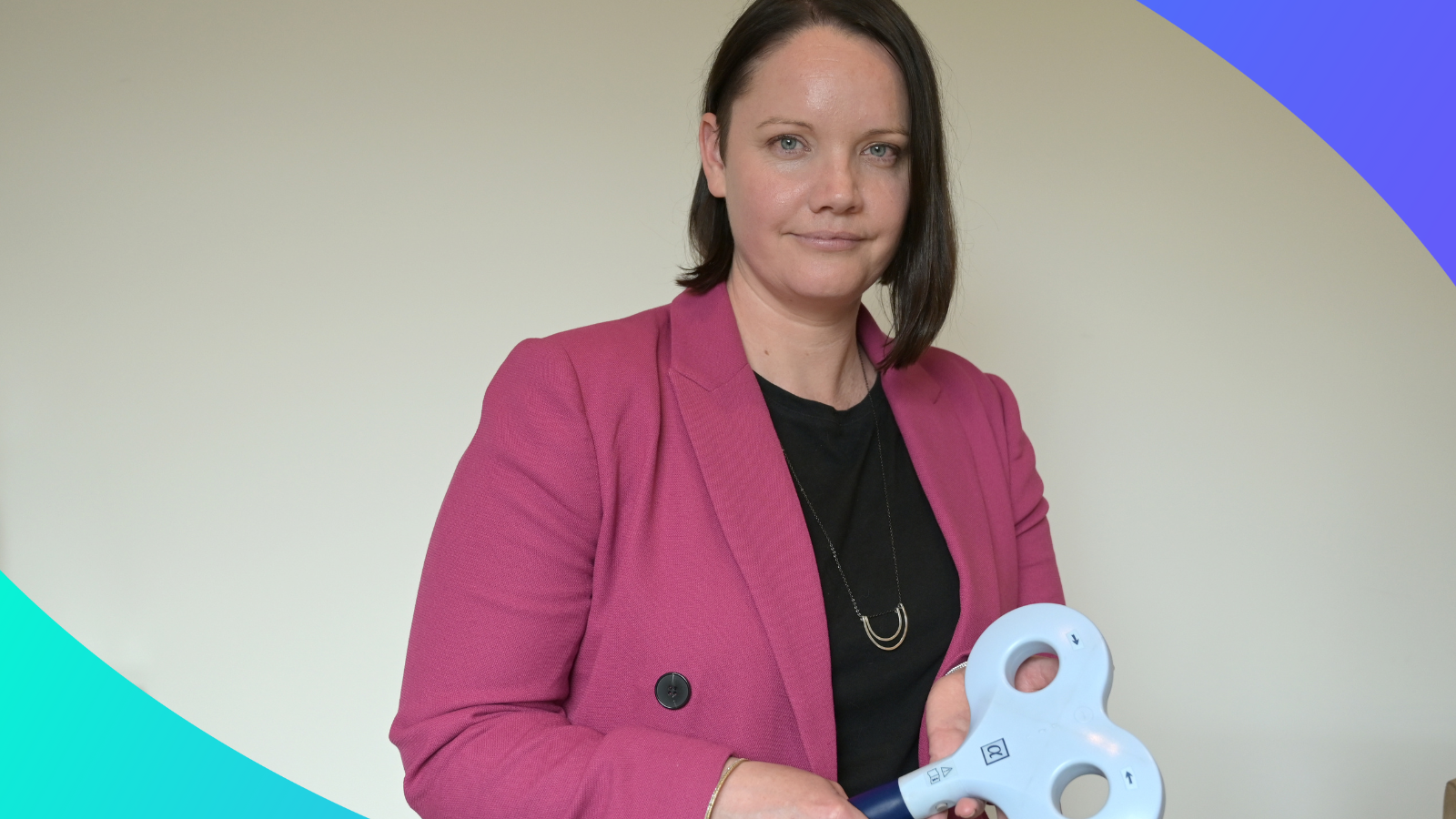
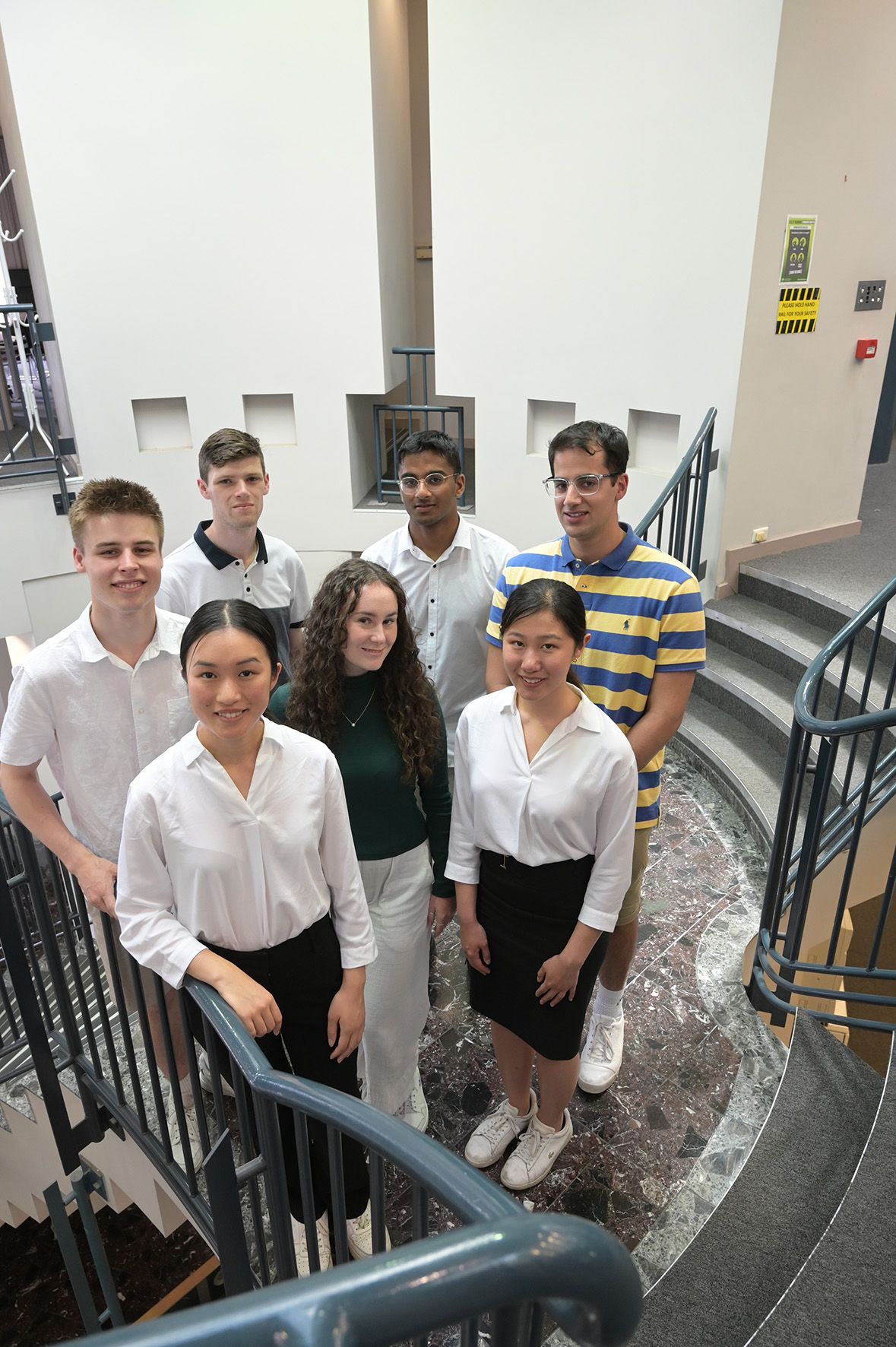
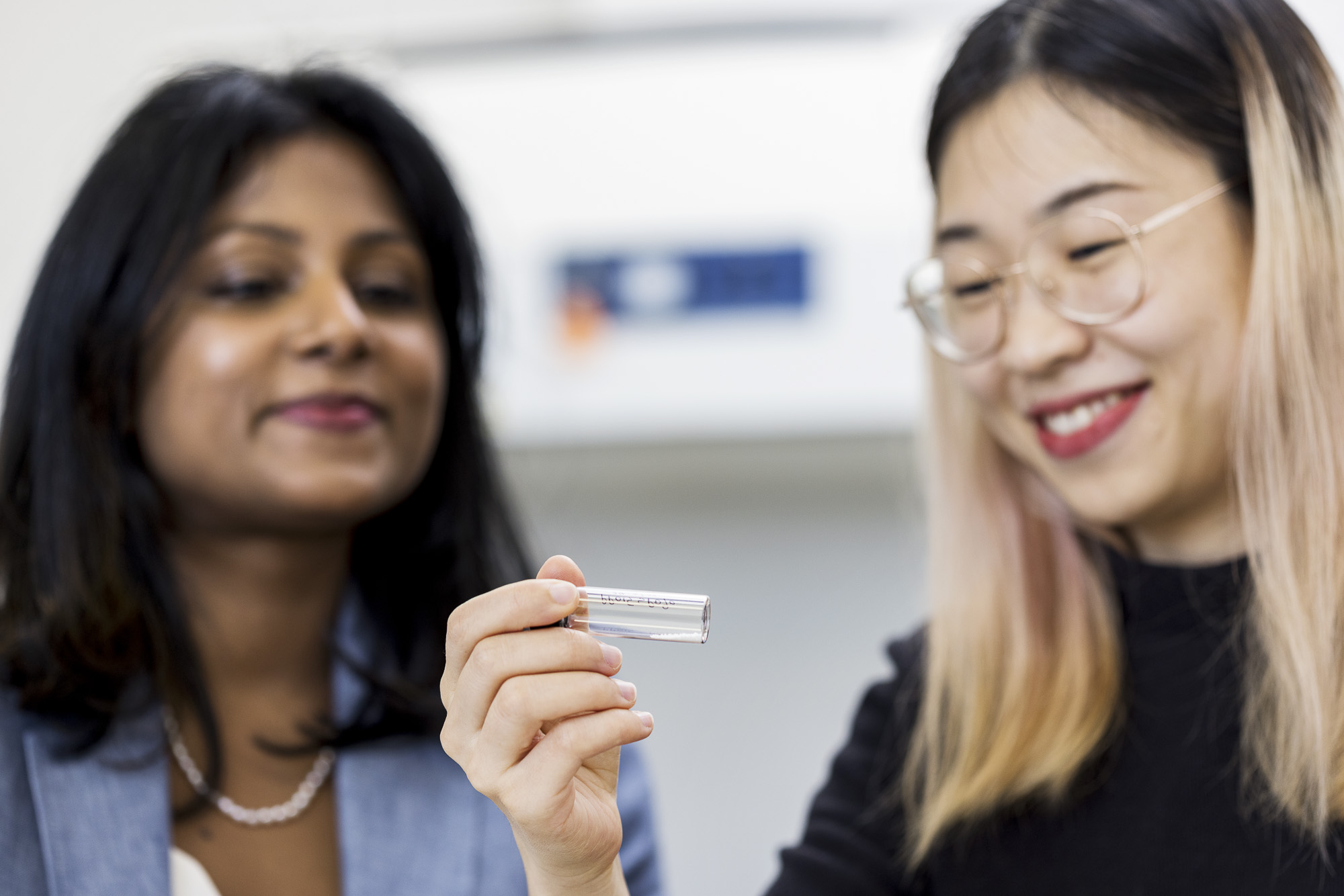
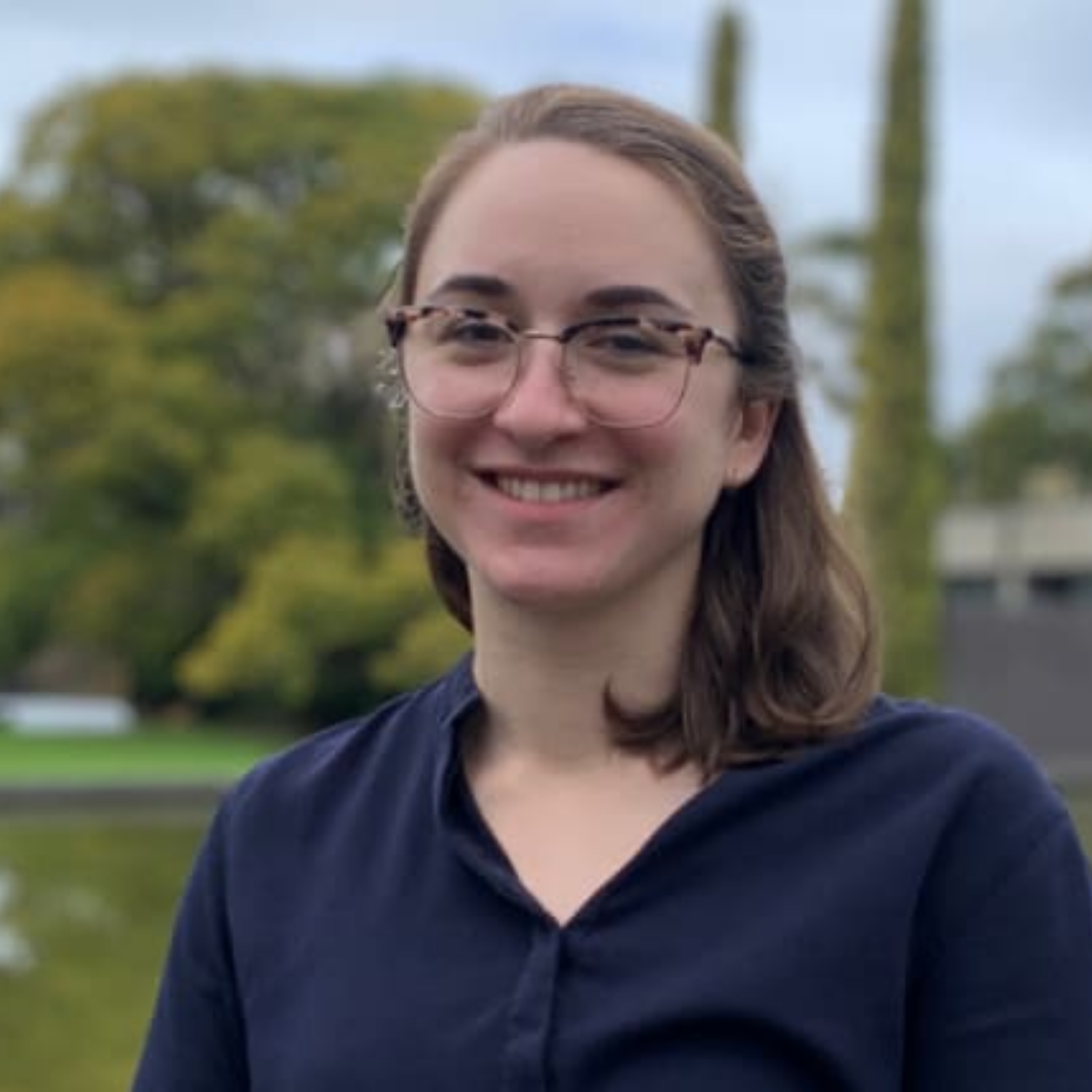
Jessica Gonzalez joined the Bionics Institute as part of the prestigious Amgen Scholars Program to gain experience in a laboratory setting whilst completing her Bachelor of Advanced Science at UNSW.
With links to Harvard and Cambridge, the Amgen Scholars Program selects high-achieving undergraduate students from across four continents to undertake an eight week placement at a leading institute or university.
After reading about the Bionics Institute’s research into electric medicine therapies, Jessica applied for a placement with the Preclinical Interface Neuromodulation Team (PINT) under the tutelage of Dr Sophie Payne and Professor James Fallon.
This saw her join the PINT project focused on developing technologies to restore bladder control in patients with urinary incontinence.
This exposure has been incredible. It has given me a taste of research and has made me confident going forward in my studies Ms Jessica Gonzalez
“It was also great to have a strong female role model (Dr Sophie Payne) in science,” Jess said.
Working on the PINT project has provided Jess with opportunities to network and collaborate with researchers across the Bionics Institute, and gain insight into how research is conducted within laboratory and clinical settings.
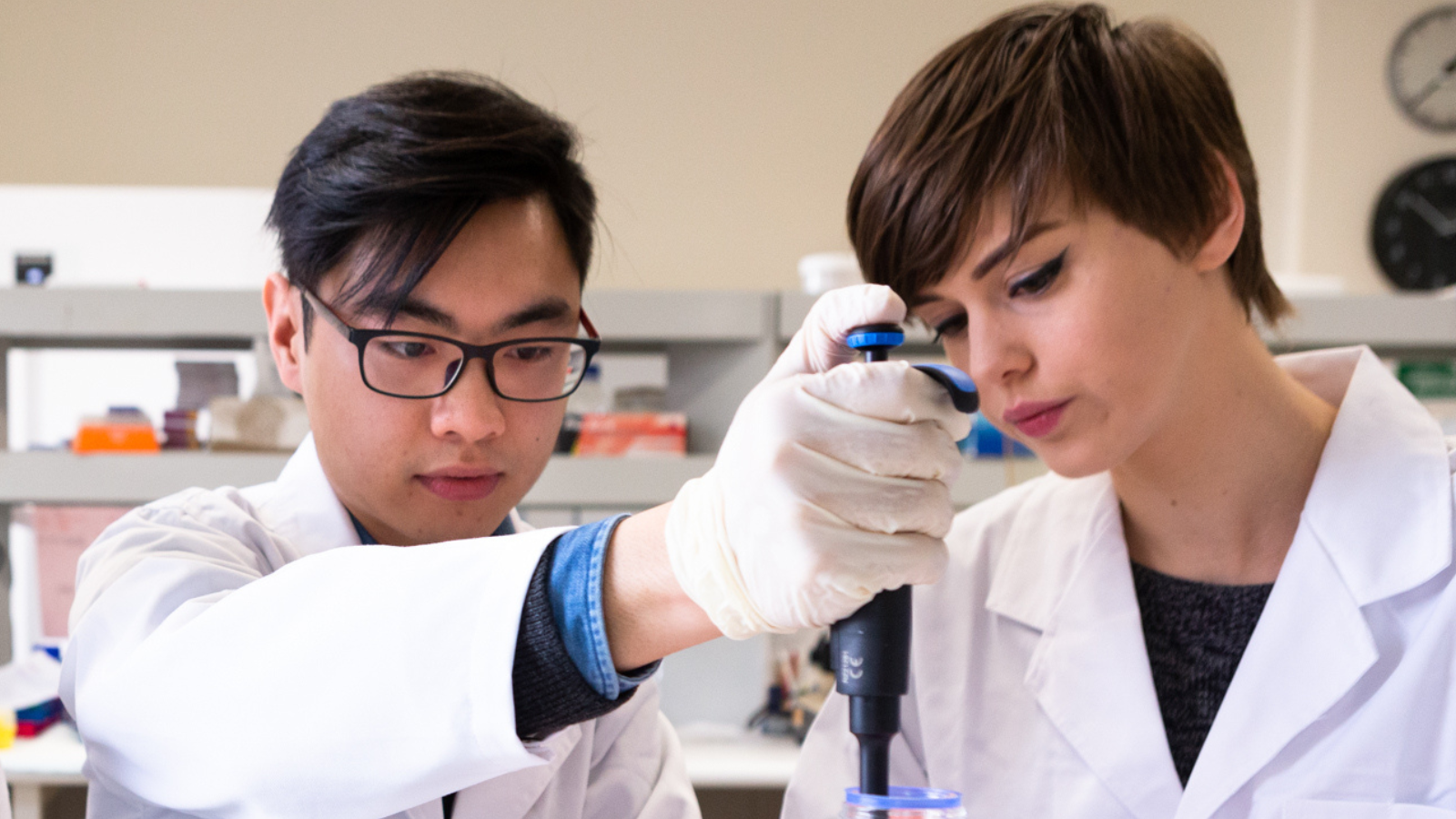
“I’ve gotten to observe surgeries and I’ve even been able to run experiments independently.”
“The Bionics Institute has also got me involved in the experimentation and analysis sides of investigations, and I’ve been in group meetings to hear about all the projects which has been good exposure.”
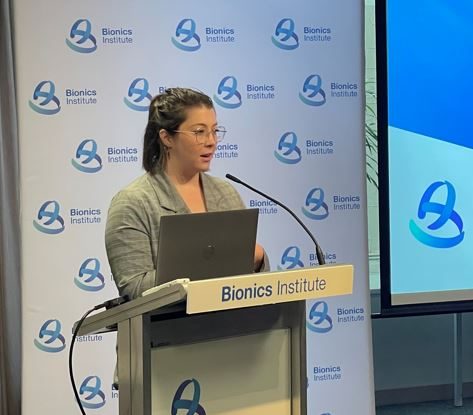
Jessica shared details of her placement and research project at the Amgen Scholars Symposium – the culminating event of the program.
Hosted by the University of Melbourne, the virtual Symposium enabled Amgen Scholars to showcase their work and hear from invited industry speakers, including Bionics Institute’s Dr Melissa Louey.
The placement at the Bionics Institute has affirmed Jessica’s academic aspirations.
She plans to continue her studies into an honours year and has ambitions of undertaking Medicine or completing a PhD in the future – specifically in physiology or electrophysiology.
“I would definitely recommend BI to students and I’m so glad I got this project as my first preference.”
You might be interested in…








































“All my friends in the program think I have the best project and I think they’re right!”
Jessica Gonzalez joined the Bionics Institute as part of the prestigious Amgen Scholars Program to gain experience in a laboratory setting whilst completing her Bachelor of Advanced Science at UNSW.
With links to Harvard and Cambridge, the Amgen Scholars Program selects high-achieving undergraduate students from across four continents to undertake an eight week placement at a leading institute or university.
After reading about the Bionics Institute’s research into electric medicine therapies, Jessica applied for a placement with the Preclinical Interface Neuromodulation Team (PINT) under the tutelage of Dr Sophie Payne and Professor James Fallon.
This saw her join the PINT project focused on developing technologies to restore bladder control in patients with urinary incontinence.
You might be interested in…
“All my friends in the program think I have the best project and I think they’re right!”
Jessica Gonzalez joined the Bionics Institute as part of the prestigious Amgen Scholars Program to gain experience in a laboratory setting whilst completing her Bachelor of Advanced Science at UNSW.
With links to Harvard and Cambridge, the Amgen Scholars Program selects high-achieving undergraduate students from across four continents to undertake an eight week placement at a leading institute or university.
After reading about the Bionics Institute’s research into electric medicine therapies, Jessica applied for a placement with the Preclinical Interface Neuromodulation Team (PINT) under the tutelage of Dr Sophie Payne and Professor James Fallon.
This saw her join the PINT project focused on developing technologies to restore bladder control in patients with urinary incontinence.
You might be interested in…
“All my friends in the program think I have the best project and I think they’re right!”
Jessica Gonzalez joined the Bionics Institute as part of the prestigious Amgen Scholars Program to gain experience in a laboratory setting whilst completing her Bachelor of Advanced Science at UNSW.
With links to Harvard and Cambridge, the Amgen Scholars Program selects high-achieving undergraduate students from across four continents to undertake an eight week placement at a leading institute or university.
After reading about the Bionics Institute’s research into electric medicine therapies, Jessica applied for a placement with the Preclinical Interface Neuromodulation Team (PINT) under the tutelage of Dr Sophie Payne and Professor James Fallon.
This saw her join the PINT project focused on developing technologies to restore bladder control in patients with urinary incontinence.
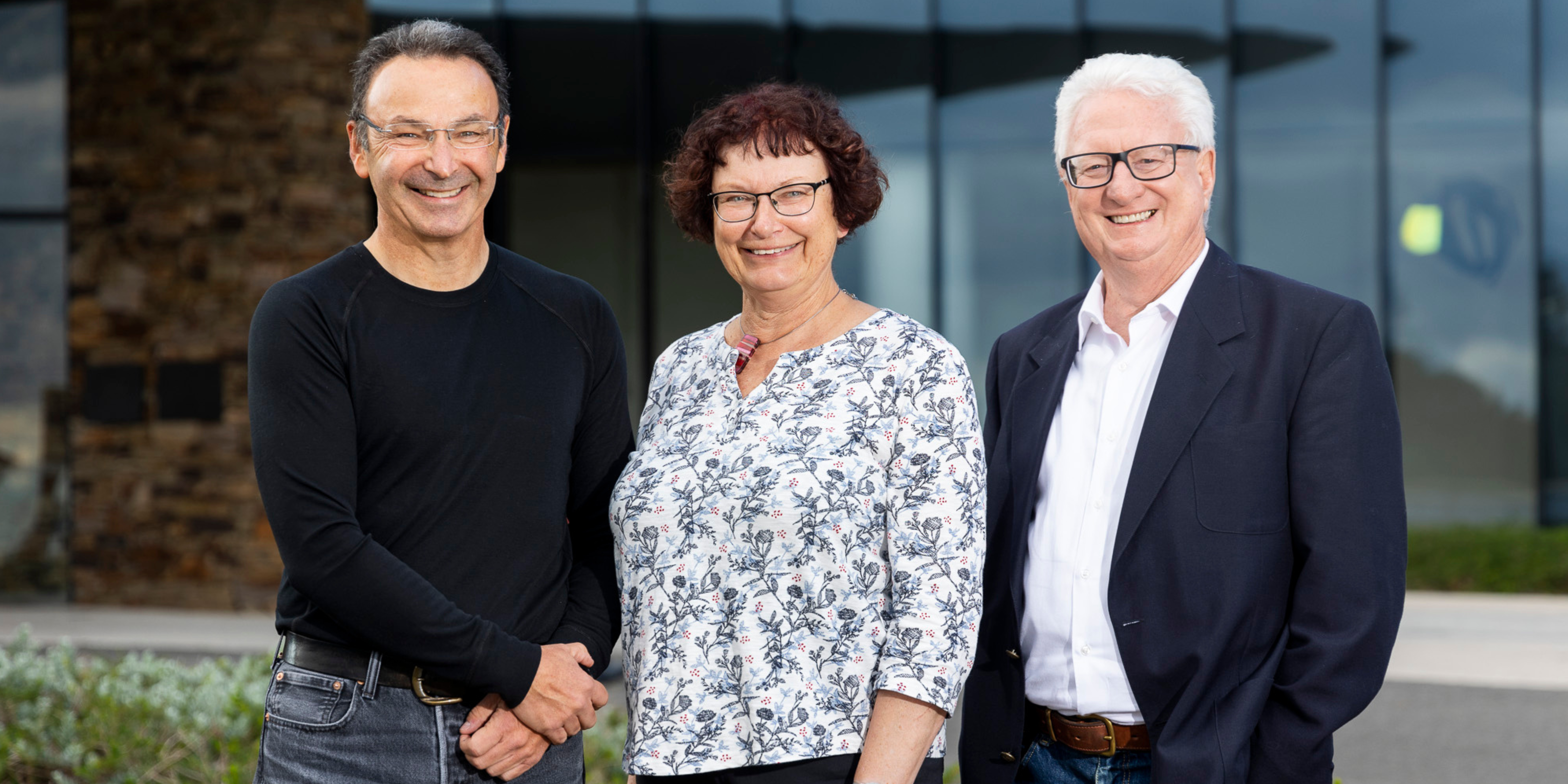
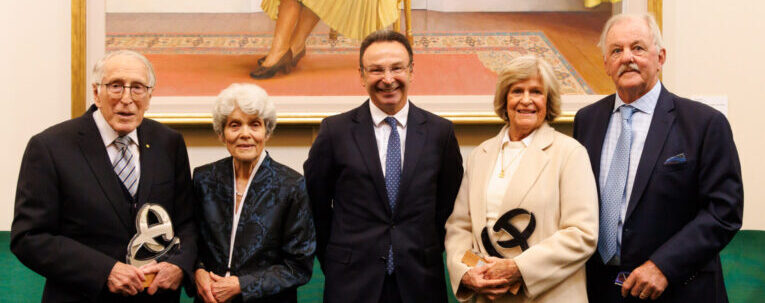
I am honoured indeed to be elected to such a prestigious academy, and it is a great satisfaction for me to be able to succeed in improving the lives of people with hearing impairment, even in the smallest way. Professor Colette McKay
Exceptional contribution to health and medical science
AAHMS Fellows are elected by their peers for their outstanding achievements and exceptional contributions to health and medical science in Australia. Drawn from universities, medical research institutes, health services, industry, charities and the public service, AAHMS now has 425 Fellows.
The Academy welcomed 19 women and 10 men to its Fellowship on the evening of 26 October 2021, recognising the brightest minds in health and medical sciences across a range of fields, including research, industry and more.
Academy President Professor Ingrid Scheffer said she was delighted to see the largest ever number of women elected at 66 per cent.
“Academy Fellows are elected by their peers for their outstanding and ongoing contributions to health and medical sciences,” Professor Scheffer said.
“The Academy is committed to supporting gender equity and championing diversity. It’s wonderful to see so many outstanding individuals join us as new Fellows.
“The pandemic has demonstrated the critical role that our expertise in health and medical sciences has played. I look forward to seeing how our new Fellows contribute to the Academy’s goal of addressing the most pressing health challenges facing society.”
Outstanding leadership
Bionics Institute CEO Robert Klupacs said he was delighted to see Professor McKay recognised for her outstanding leadership in the field of auditory research.
“Professor McKay was an integral part of the team that developed the cochlear implant with Professor Graeme Clark, which has given hearing to more than 600,000 people around the world.
“She continues to ensure optimum hearing for people with cochlear implants to this day while also developing a revolutionary new hearing test for babies.”
“I speak on behalf of all the researchers she has mentored and worked with over her career to say a hearty congratulations to Colette on this well-deserved recognition,” he concluded.
You might be interested in…
The opening of new manufacturing facility Neo-Bionica on 28 September 2021 sees the beginning of a new era in medical device development capability in Victoria.
The first facility in Australia with the bioengineering expertise and technology needed to create medical devices for clinical trials, Neo-Bionica was officially opened by The Hon. Jaala Pulford, Minister for Innovation, Medical Research and the Digital Economy.
The first facility in Australia with the bioengineering expertise and technology needed to create medical devices for clinical trials, Neo-Bionica was officially opened by The Hon. Jaala Pulford, Minister for Innovation, Medical Research and the Digital Economy.
A joint initiative of the Bionics Institute and the University of Melbourne, the state-of-the-art laboratory is located at St Vincent’s Hospital Melbourne.
The Victorian Government is contributing $4 million to this initiative to support the fit out of Neo-Bionica with essential equipment; provide funding for applied research jobs; and support a voucher program to help industry start-ups commercialise medical prototypes.
Neo-Bionica to fast-track medical devices to the market
Bionics Institute CEO Robert Klupacs says Neo-Bionica will significantly speed up the time it takes to develop and trial a medical device, which means patients will benefit from the technology earlier.
He cites the example of a medical device invented by Bionics Institute researchers and collaborators that stimulates the vagus nerve, connecting the brain to the gut with branches to several major organs.
He said: “Bionics Institute researchers have discovered that vagus nerve stimulation can be used to treat inflammatory bowel disease (IBD). However, to create a prototype device for use in future clinical trials, we had to contract a company in America, resulting in an 18-month delay.
“Neo-Bionica has the latest cleanroom technology needed to create implants for human trials, as well as the latest engineering equipment, 3D printers and, most importantly, the combined expertise of our highly-trained engineers, scientists and clinicians,” he concluded.
“Neo-Bionica has the latest cleanroom technology needed to create implants for human trials, as well as the latest engineering equipment, 3D printers and, most importantly, the combined expertise of our highly-trained engineers, scientists and clinicians,” he concluded.
A joint collaboration with the University of Melbourne
University of Melbourne Vice-Chancellor Professor Duncan Maskell said he is delighted to see the vision of Neo-Bionica turn into reality and looks forward to the initiative taking Victorian bioengineering expertise to the world.
“Neo-Bionica is in a unique position to manufacture medical device prototypes for organisations around the world. This will build Victoria’s reputation as a powerhouse of biomedical engineering, create new jobs and boost the economy,” he said.
Several devices currently under development at the Bionics Institute will be prototyped in Neo-Bionica, including a potential treatment for type 2 diabetes.
Neo-Bionica provides boost to diabetes research
Several devices currently under development at the Bionics Institute will be prototyped in Neo-Bionica, including a potential treatment for type 2 diabetes.
Bionics Institute researcher Dr Joel Villalobos, part of the bionic eye research team from 2008-2018, was shocked and saddened by the death of his cousin, who was in his early 30s, from a diabetic coma in 2015. He decided to use his skills and knowledge to prevent future deaths from uncontrolled blood sugar caused by type 2 diabetes.
He said: “I worked closely with fellow Bionics Institute researcher Dr Sophie Payne to modify the IBD vagus nerve stimulation device. Our early studies show promising signs that we can use the device to control blood sugar for people with type 2 diabetes and we have been collaborating with diabetes experts, including Professor Richard MacIsaac, to progress our research.
“The aim of this research is to provide patients with a remote control that switches on stimulation after eating to control blood sugar levels and improve overall health of patients with type 2 diabetes,” he concluded.
University of Melbourne Professor Richard MacIsaac, Director of Endocrinology at St Vincent’s Hospital says that some people with type 2 diabetes have trouble maintaining healthy blood sugar levels despite everyone’s best efforts.
He said: “I am excited to be collaborating with the Bionics Institute team to develop a nerve stimulation treatment that amplifies natural processes in the body as an additional treatment to help patients control their blood sugar levels. I look forward to seeing a clinical trial prototype manufactured in Neo-Bionica in the future.”
About the Victorian Higher Education State Investment Fund (VHESIF)
The Victorian Government’s $4 million contribution to Neo-Bionica is part of a $350 million investment in local universities through the Victorian Higher Education State Investment Fund. The fund supports universities with capital works, applied research and research infrastructure to support jobs and the state’s economic rebound from the coronavirus crisis. The fund also supports a new Technology Voucher Program to support medical device innovators to take concepts to the next stage of development with the support of Neo-Bionica.
About the organisations involved in Neo-Bionica
The Bionics Institute, The University of Melbourne and St Vincent’s Hospital Melbourne are partners in the ACMD – Australia’s first hospital-based biomedical engineering research centre located at St Vincent’s Hospital Melbourne. Other partners include Australian Catholic University, Centre for Eye Research Australia, RMIT, St Vincent’s Institute of Medical Research, Swinburne University and the University of Wollongong.
For more information about Neo-Bionica, go to: www.neo-bionica.com
Watch the Neo-Bionica Video
A ground-breaking diagnostic test under development at the Bionics Institute in Melbourne could pave the way to new treatments for Australians suffering the auditory torment of tinnitus.
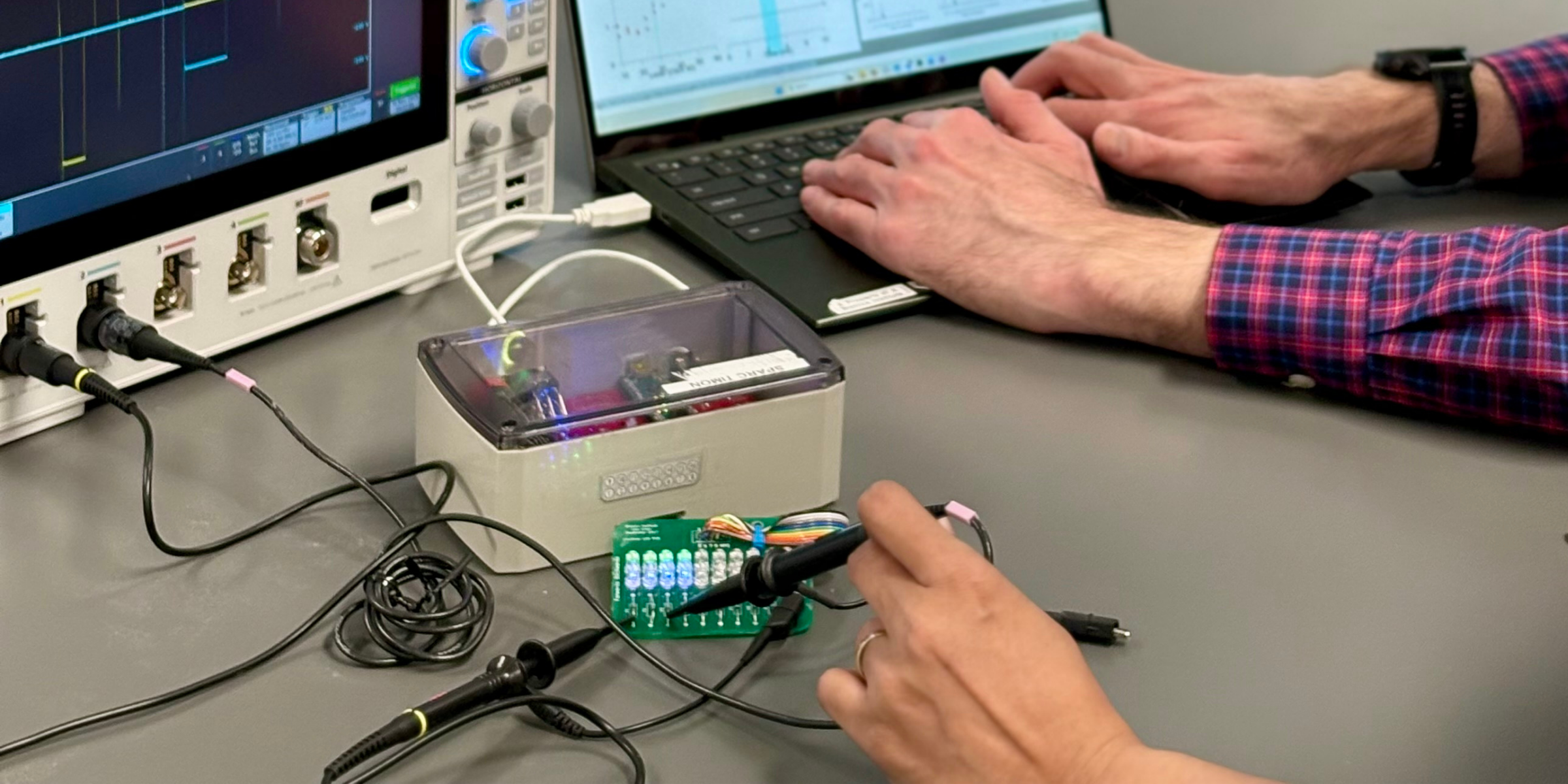
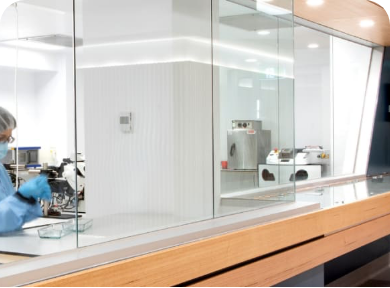
It takes unexpected skills to turn medical device research into reality. The highly specialised electro-fabrication team are based at our new prototype manufacturing facility, Neo-Bionica. It houses purpose-built cleanrooms for custom, high-quality medical device development.
What are electrodes for?
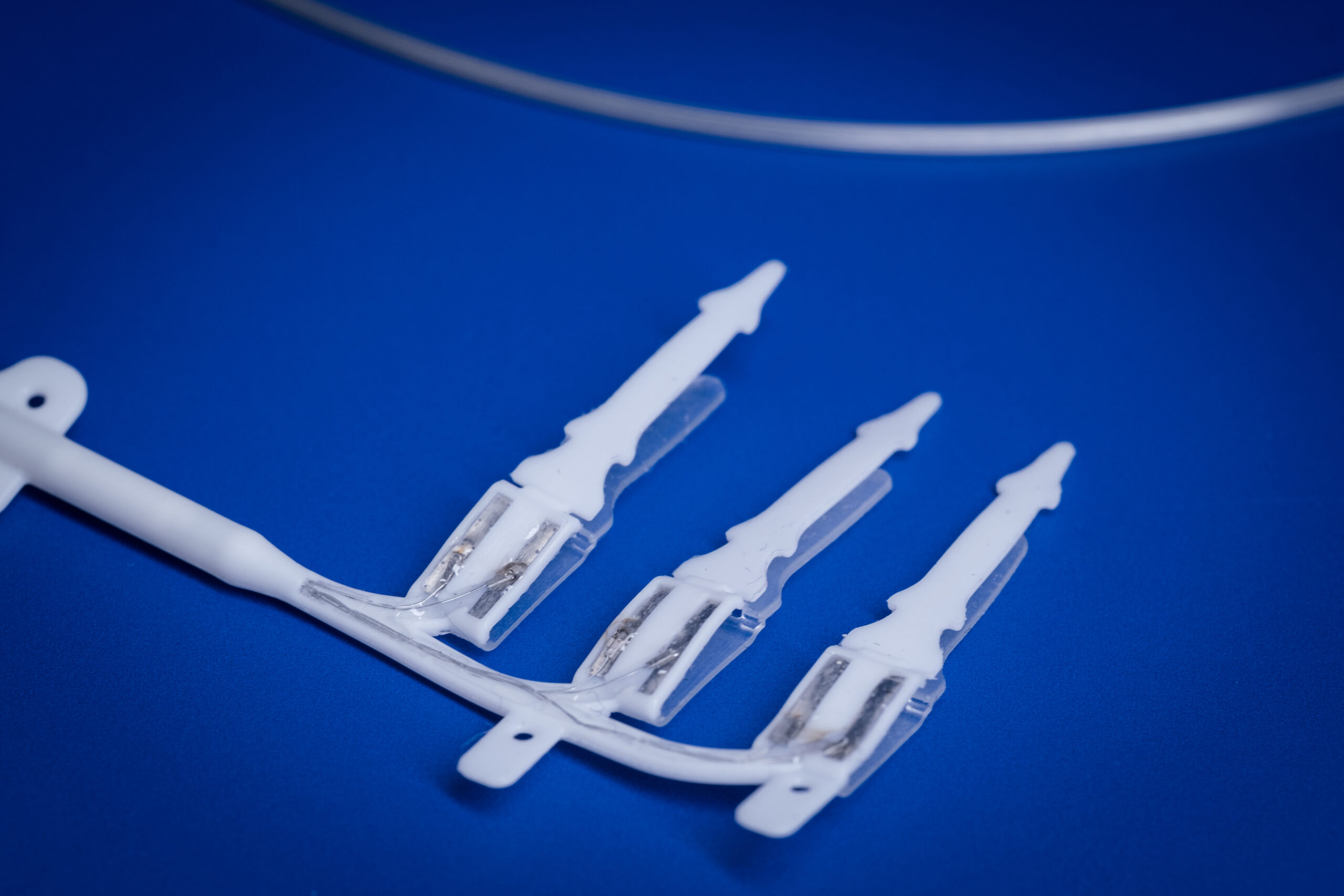
Engineer, Ross Thomas says that electrodes are a key element of medical devices developed at the Bionics Institute. He said: “In many medical devices, electrodes are essential for gathering data and providing treatments. Electrical impulses generated by implanted electrodes mimic impulses of the nervous system. This allows a device to bypass damage (as is the case in cochlear implants) or stimulate nerve activity (as is the case in our vagus nerve device).”
It’s a team effort
The electro-fabrication team make electrodes for a wide range of medical device research projects.
Working alongside Bionics Institute engineers and researchers they provide expert advice in the design and manufacture of devices to ensure that they will be safe to implant in a human body.
“We turn the design concepts into the initial prototype implants that meet the requirements of specific research problems, so that researchers can execute their projects,” Ross concluded.
How are they made?
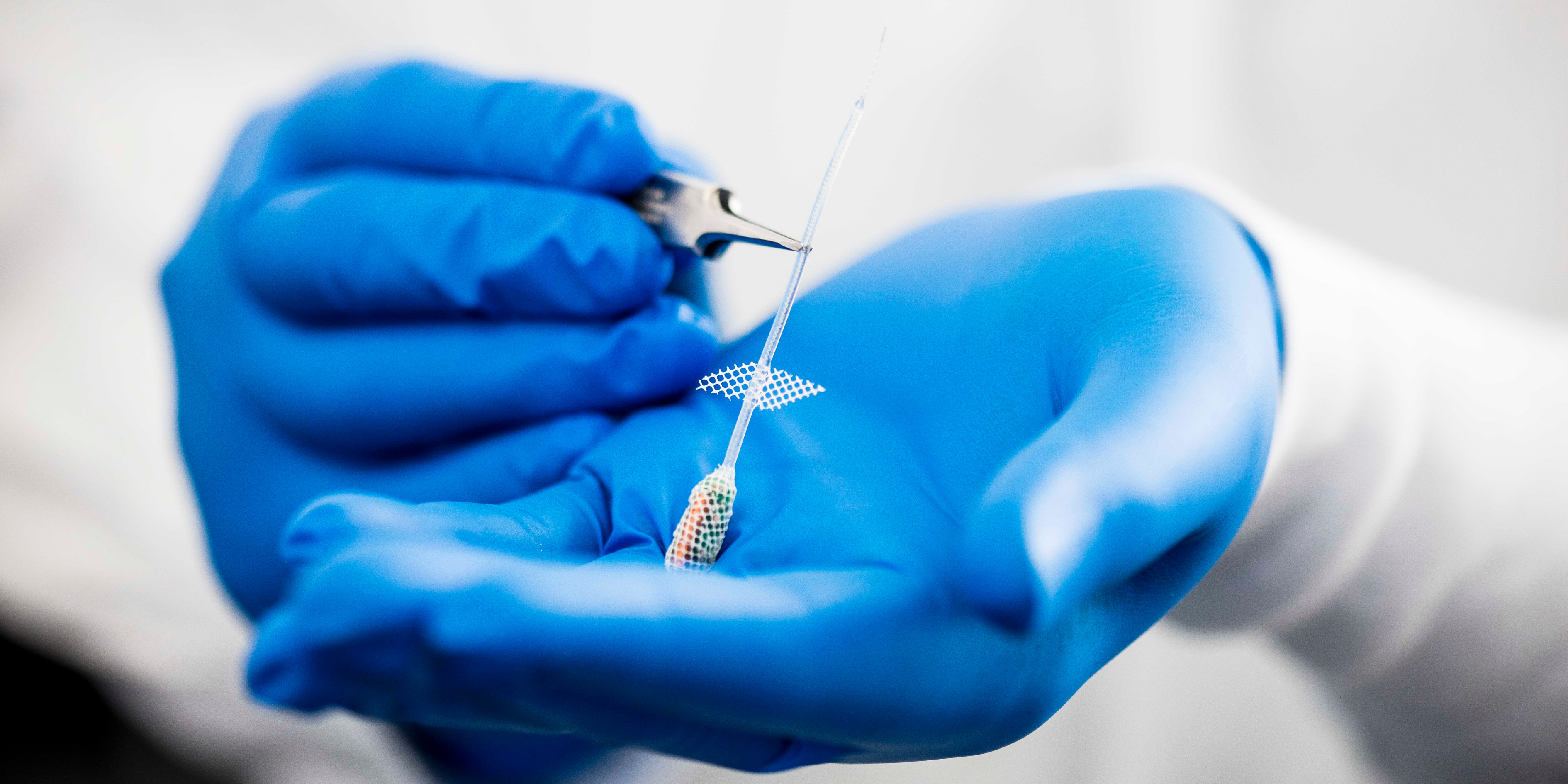
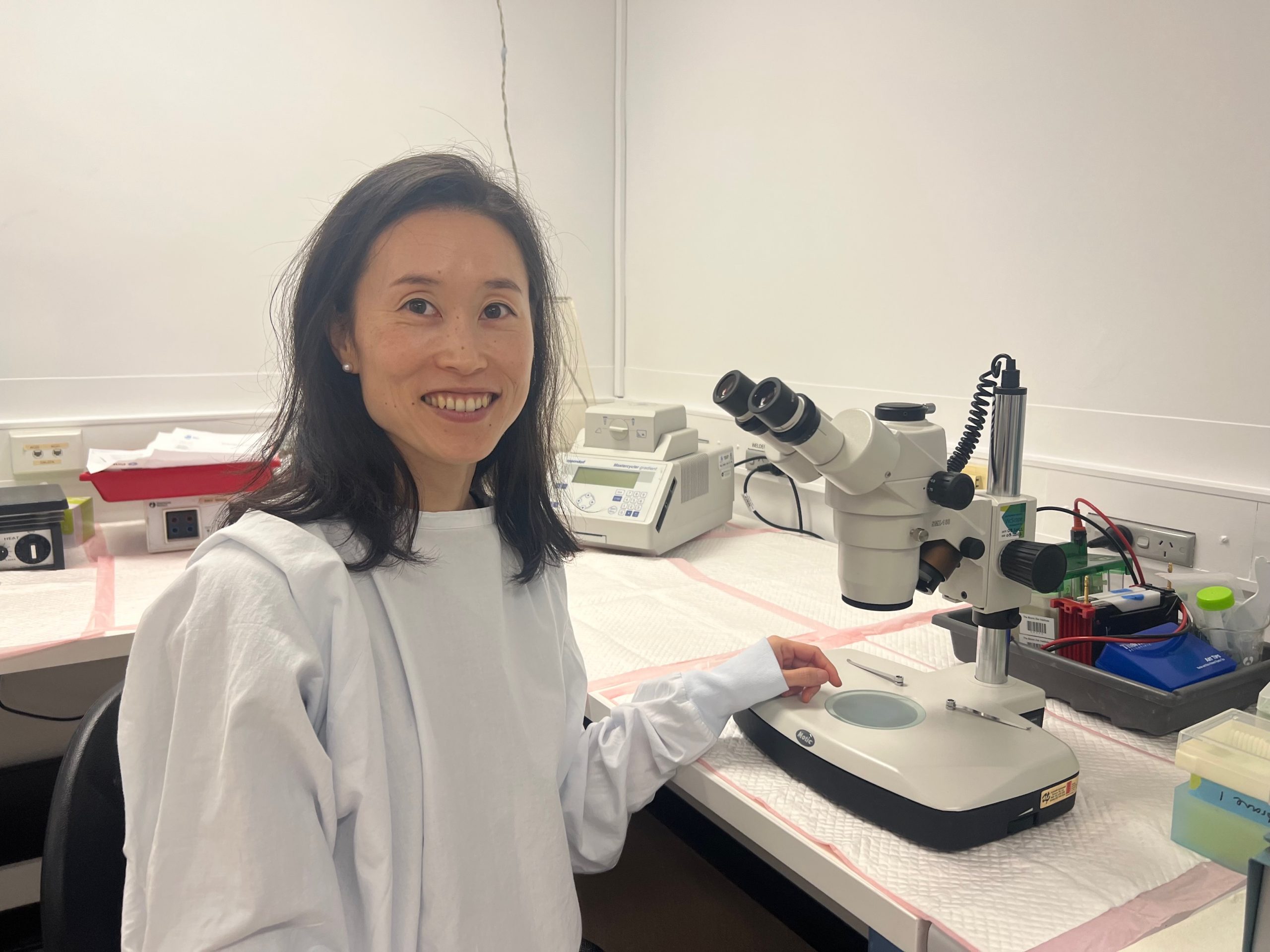
Making electrodes is an incredibly intricate and manual process completed using a high precision microscope. The electro-fabrication team are often handling wires that are just a quarter the diameter of a human hair!
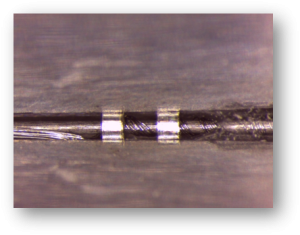
An electrode shown under a microscope. Each ring is 0.3mm wide
Electro-fabrication technician, Jenny Zhou says the team assemble the electrodes manually using platinum wires, rings and foils.
She said: “For this reason patience is critical for us to sit down and work for a few hours under microscope.”
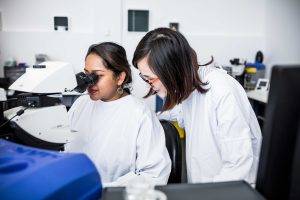
A varied team
Our electro-fabrication team have come from a diverse range of backgrounds. From microbiology and jewellery to a master cake baker! Ross says: “What they all have in common is an incredibly steady hand, lots of patience and a desire to contribute to new treatments that can help people.”
Every implant is different
ach research project is different and being able to make custom implants designed specifically for each purpose is essential to getting the best possible results. This means the electro-fabrication team are continually refining and perfecting all the elements of an electrode implant to improve its efficiency and the quality of data it collects. This includes size, shape, materials, and the number of electrodes included, which can range from 4 in the vagus nerve device to 44 in the bionic eye!
Neo-Bionica creates new opportunity
Neo-Bionica is an end-to-end medical device prototype development facility. The first and only facility in Australia with the bioengineering expertise and cleanroom technology required to create first-in-human prototypes for clinical trials, Neo-Bionica is a joint initiative of the Bionics Institute and The University of Melbourne. Located in St Vincent’s Hospital in Melbourne, Neo-Bionica provides access to the full range of medical device prototype manufacturing from initial concept through to clinical testing
You might be interested in…
“All my friends in the program think I have the best project and I think they’re right!”
Jessica Gonzalez joined the Bionics Institute as part of the prestigious Amgen Scholars Program to gain experience in a laboratory setting whilst completing her Bachelor of Advanced Science at UNSW.
With links to Harvard and Cambridge, the Amgen Scholars Program selects high-achieving undergraduate students from across four continents to undertake an eight week placement at a leading institute or university.
After reading about the Bionics Institute’s research into electric medicine therapies, Jessica applied for a placement with the Preclinical Interface Neuromodulation Team (PINT) under the tutelage of Dr Sophie Payne and Professor James Fallon.
This saw her join the PINT project focused on developing technologies to restore bladder control in patients with urinary incontinence.
Meet Our Research Director
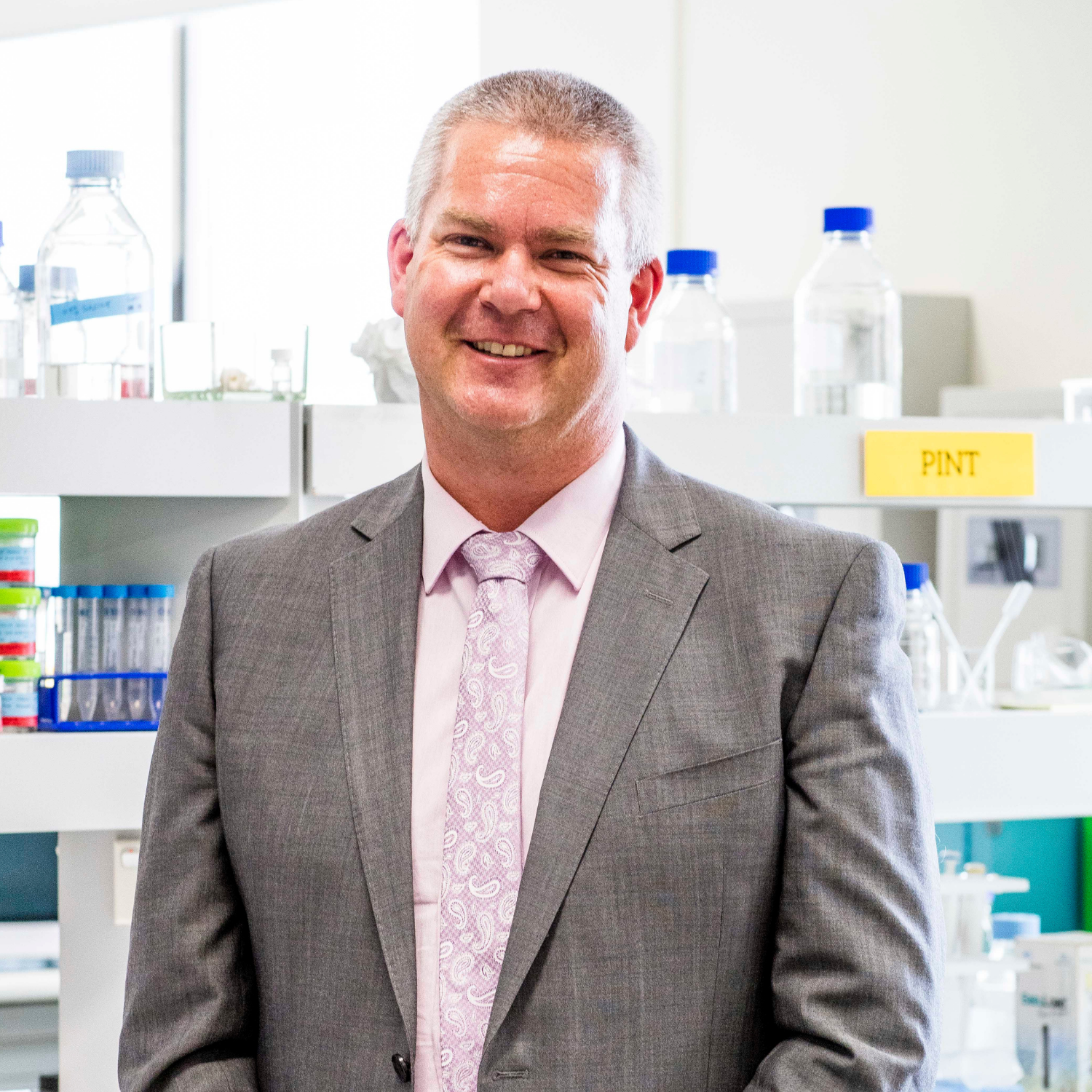
Associate Professor James Fallon first joined Bionics Institute to work as a Research Fellow in the Auditory Neuroscience research program and was the Lions International Hearing Research Fellow from 2008 to 2010.
In 2016 he became a Principal Research Fellow and was appointed Research Director of the Bionics Institute in 2017 and head of the Medical Bionics Department, University of Melbourne in 2019. He leads our electric medicine research. A/Prof Fallon says he didn’t set out to be in the field of medical research.
“The way I ended up here was following interesting things and working with interesting people, and that’s really been my motivator – to work with interesting people on challenging topics,” he said.
A key example of this, and a personal career highlight for James, is the ground-breaking pelvic nerve research and development of a new vagus nerve device, explained by Dr Payne in our next article.
He said: “For the first time we’re getting clever about listening to what’s happening in the nerves. Our aim is to harness the body’s own signaling system with our medical devices.
The vagus device began as the seed of an idea for the treatment of inflammatory bowel disease and has now, within only 4 years, got to clinical trial stage….To see an idea we’ve come up with and worked on potentially be used to help a patient is pretty exciting
Not only that, but the team have also been able to translate the device into a potential treatment option for other conditions as well, including diabetes and arthritis.
“For me that’s the key. To translate a good idea; to inspire other researchers to drive their own research; and more importantly to translate a good idea into a commercial product so that it makes it into the clinic and ultimately improves patients’ lives.“
“At the Bionics Institute that’s what we want to do and what we focus on.”
You might be interested in…
Neo-Bionica, a joint venture between Bionics Institute and The University of Melbourne is pleased to announce the appointment of two extremely well credentialled individuals to lead our journey. Dr Ludovic Labat has been appointed as CEO and Lusia Guthrie has been appointed Chair of the Board.
A world leading centre for medical development and manufacture, Neo-Bionica is the first and only facility in Australia with the bioengineering expertise and technology required to create first-in-human prototypes for clinical trials.
Dr Ludovic Labat has been appointed as CEO. After completing his PhD at Le Havre University in France, he has gained over 20 years of medical device and technology industry experience with increasing levels of responsibility.
This includes 13 years working at the Fortive group of companies (NYSE: FTV), most recently serving as APAC Integration Leader at Advanced Sterilization Products (ASP).
He initially joined Fortive as part of Invetech, a med tech innovation firm in Melbourne where he held a broad range of roles including VP Engineering and Manufacturing.
Ludovic spent several years in the USA for Fortive as Global VP of Sales for Invetech and as a General Manager at Tektronix. His skills, qualifications and experience will be an enormous asset to Neo-Bionica.
Dr Labat says: “I am very humbled and excited to join Neo-Bionica. Our team encompasses electro-mechanical and biomedical engineering expertise, highly skilled device fabrication technicians and broad experience in regulated devices development.
“Uniquely located in St Vincent’s Hospital, Melbourne Campus with connections to leading clinicians, our world class facilities and two ISO7 cleanrooms are equipped with the latest technology. This means we can enable our client’s success through providing excellence in medical device prototyping services from early ideation to clinical testing”.
Neo-Bionica is also proud to announce that it has appointed Mrs Lusia Guthrie as its initial Chair.
With over 35 years in the pharmaceutical and bioscience industries, Lusia is a highly experienced and respected executive and med tech entrepreneur.
Lusia started her career as a medical laboratory scientist before joining the manufacturing division of pharmaceutical company FH Faulding & Co.
She then went on to co-found medical technology innovation company LBT Innovations Limited (ASX: LBT) where she served as Chief Executive Officer and Managing Director until 2016 and Chair, Clever Culture Systems, Zurich (LBT’s European joint venture company) until 2018.
Lusia’s passion and proven track record in bringing innovative products to global markets, embracing the entire process from company formation, capital raising and concept development to product launch and sales is an enormous asset for Neo-Bionica.
Her current Board roles include Chair, BioMelbourne Network; Non-Executive Director, 4Dx Limited; and Chair, Australian Lung Health Initiative (ALHI). Lusia is also a Member of industry advisory committees at the Australian Institute for Machine Learning and the Australian Regenerative Medicine Institute.
Lusia says “I am extremely excited to be asked to oversee the development of Neo-Bionica.
“I am a major believer in the excellence of Australian innovation and the possibilities it provides for the development of Australia, both economically and for the training of our future generations.
“I very much look forward to working with Ludovic, his team and the scientists at Bionics Institute and University of Melbourne to create something very special.”
Bionics Institute CEO Robert Klupacs says that the combination of Dr Labat’s background in engineering research early in his career combined with broad experience in the industry and Mrs Guthrie’s experience in transforming innovation to products will take Neo-Bionica to the next level.
He said: “We are delighted to welcome Ludovic and Lusia to Neo-Bionica and look forward to transforming Australia’s medical device prototype manufacturing capabilities in the future.”
University of Melbourne Executive Director of Research, Innovation and Commercialisation Ken Jefferd said research translation is a critical priority for both the University and the Victorian Government, which generously funded fit out of the new facility through the Victorian Higher Education State Investment Fund.
“We would like to extend a warm welcome to Ludovic and Lusia.
Through their leadership Neo-Bionica will strengthen Victoria’s reputation as a global biomedical powerhouse and boost the economy”.
For more information about Neo-Bionica, go to: www.neo-bionica.com
About the Victorian Higher Education State Investment Fund (VHESIF)
The Victorian Government is supporting the establishment of Neo-Bionica with a $4 million contribution from the Victorian Higher Education State Investment Fund. The fund is a $350 million investment in the Victorian tertiary education sector and supports universities with capital works, applied research and research infrastructure to support jobs and the state’s economic recovery from the coronavirus crisis.
About the organisations involved in Neo-Bionica
The Bionics Institute, The University of Melbourne and St Vincent’s Hospital are partners in the ACMD – Australia’s first hospital-based biomedical engineering research centre located at St Vincent’s Hospital Melbourne. The Bionics Institute is a world leader in the research and development of innovative medical devices to treat and diagnose a wide range of conditions, including hearing impairment, epilepsy, Parkinson’s disease, Crohn’s disease and diabetes.
You might be interested in…
“All my friends in the program think I have the best project and I think they’re right!”
Jessica Gonzalez joined the Bionics Institute as part of the prestigious Amgen Scholars Program to gain experience in a laboratory setting whilst completing her Bachelor of Advanced Science at UNSW.
With links to Harvard and Cambridge, the Amgen Scholars Program selects high-achieving undergraduate students from across four continents to undertake an eight week placement at a leading institute or university.
After reading about the Bionics Institute’s research into electric medicine therapies, Jessica applied for a placement with the Preclinical Interface Neuromodulation Team (PINT) under the tutelage of Dr Sophie Payne and Professor James Fallon.
This saw her join the PINT project focused on developing technologies to restore bladder control in patients with urinary incontinence.
What is EarGenie™?
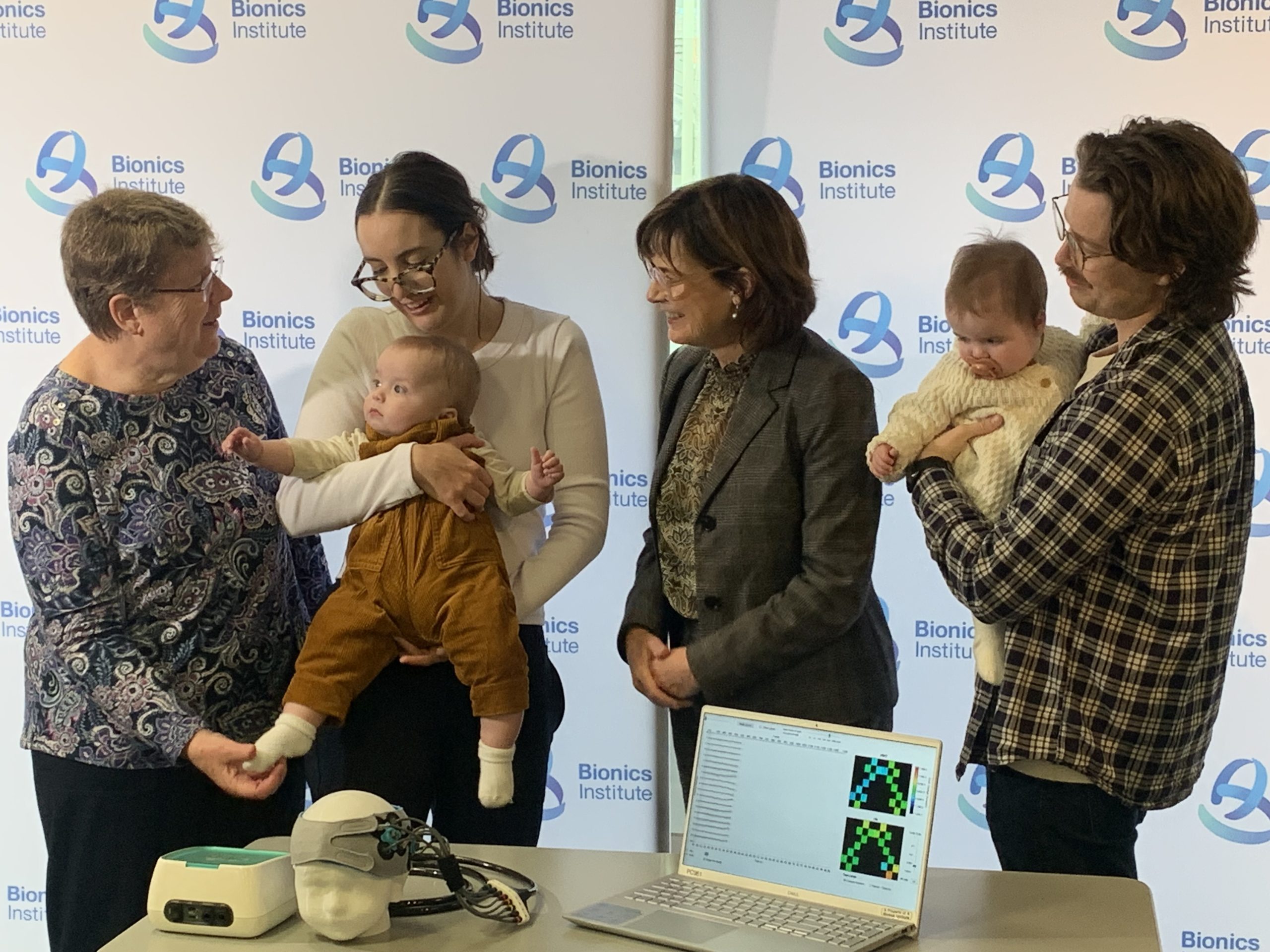
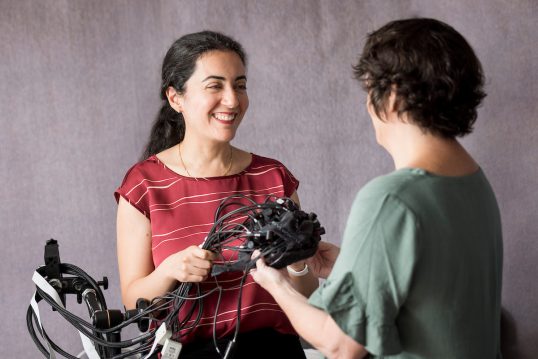
EarGenie is a hearing test that uses near-infrared light to measure the brain’s response to sounds. A comfy band wrapped around the baby’s head contains small light sources and light detectors.
When a sound is played, specialised software recognises the brain’s response through changes in the reflected light, indicating whether the baby heard the sound or not. It also shows whether the baby can tell the difference between two different sounds, known as discrimination between sounds.
Information about the discrimination of speech sounds is critical. It tells us whether the baby’s hearing aid will help them to learn to talk, or whether they will need to have a cochlear implant.
Why is EarGenie needed?
Babies born with hearing impairment can miss out on the vital sounds that they need to hear at a young age in order to learn to talk.
If the right treatment is not found in the first months of life, they never fully catch up with their peers, and have a permanent communication deficit delay throughout their whole life.
The earlier the hearing loss is identified, and the baby provided with either a hearing aid or a cochlear implant, the sooner the baby can start learning to speak, and the better their language development will be.
There is a hidden hearing loss in babies
For many babies, the current newborn hearing test can tell us how bad the hearing loss is but does not give key information about discrimination between sounds. These babies have to wait until they are around 9 months old for us to tell whether or not their hearing aid is helping them to develop language.
And 10% of hearing-impaired children, with a condition called auditory neuropathy, have to wait till they are 2 years old before we know if they need a cochlear implant. Their language development and communication skills are then permanently delayed.
What impact will EarGenie have?
EarGenie will ensure that babies born with hearing impairment:
– are diagnosed correctly, so that the right treatment can be given as early as possible
– can hear and distinguish between the sounds that teach them to speak.
-get the best chance to keep up and excel at school and succeed in life.
How does funding help EarGenie get into the clinics faster?
Until now the research team has been using a system designed to undertake research only. This system is too large and difficult to use in clinics.
Now that the concept has been proved using this multi-purpose device, our researchers have been able to custom design a prototype system specifically for hearing assessment in clinics
The new system is smaller, lighter, more automated and more portable.
In addition, we have assembled a highly trained team of engineers and clinicians to create a software system that is easy for clinicians to use.
Future support will allow the team to purchase more custom-designed devices for use in clinical trials across Victoria. We also need to support the recruitment and salary of team members for this important work.
Want to get involved?
To continue with our research and development, we need to test EarGenie on infants younger than 24 months old, both with and without hearing loss. If you are a parent or guardian and would like to be involved, or to find out more, please contact the team in East Melbourne on 03 9667 7569 or [email protected].
You might be interested in…
“All my friends in the program think I have the best project and I think they’re right!”
Jessica Gonzalez joined the Bionics Institute as part of the prestigious Amgen Scholars Program to gain experience in a laboratory setting whilst completing her Bachelor of Advanced Science at UNSW.
With links to Harvard and Cambridge, the Amgen Scholars Program selects high-achieving undergraduate students from across four continents to undertake an eight week placement at a leading institute or university.
After reading about the Bionics Institute’s research into electric medicine therapies, Jessica applied for a placement with the Preclinical Interface Neuromodulation Team (PINT) under the tutelage of Dr Sophie Payne and Professor James Fallon.
This saw her join the PINT project focused on developing technologies to restore bladder control in patients with urinary incontinence.
The cochlear challenge
Cochlear implants are amazing, but they’re not perfect. The sound heard through a cochlear implant is very different to natural hearing. That’s because there are 3,500 hair cells in the average human inner ear. Each cell can detect sound at a very specific frequency (pitch) and passes that information to a single auditory nerve cell.
Replacing 3,500 inner ear hair cells with 24 electrodes
In contrast, cochlear implant arrays have between 12 and 24 electrodes, which do the work of those 3,500 hair cells – a bit like trying to play Chopin’s piano concerto on a child’s electronic keyboard. Needless to say, it doesn’t sound the same to the brain!
Music can be distorted and background noise is an issue
Despite this, most people using a cochlear implant are able to understand speech and make sense of other sounds with relative ease. However, people can struggle to hear well if there’s a lot of background noise and music can sound distorted and often unpleasant.
Many of these issues stem from ‘current spread’. When electrodes generate an electrical pulse to stimulate the auditory nerve, this pulse doesn’t just stimulate the nerve cells it’s in direct contact with – it spreads to stimulate the cells nearby. This results in a messy, distorted signal being sent to the brain.
Is light the answer?
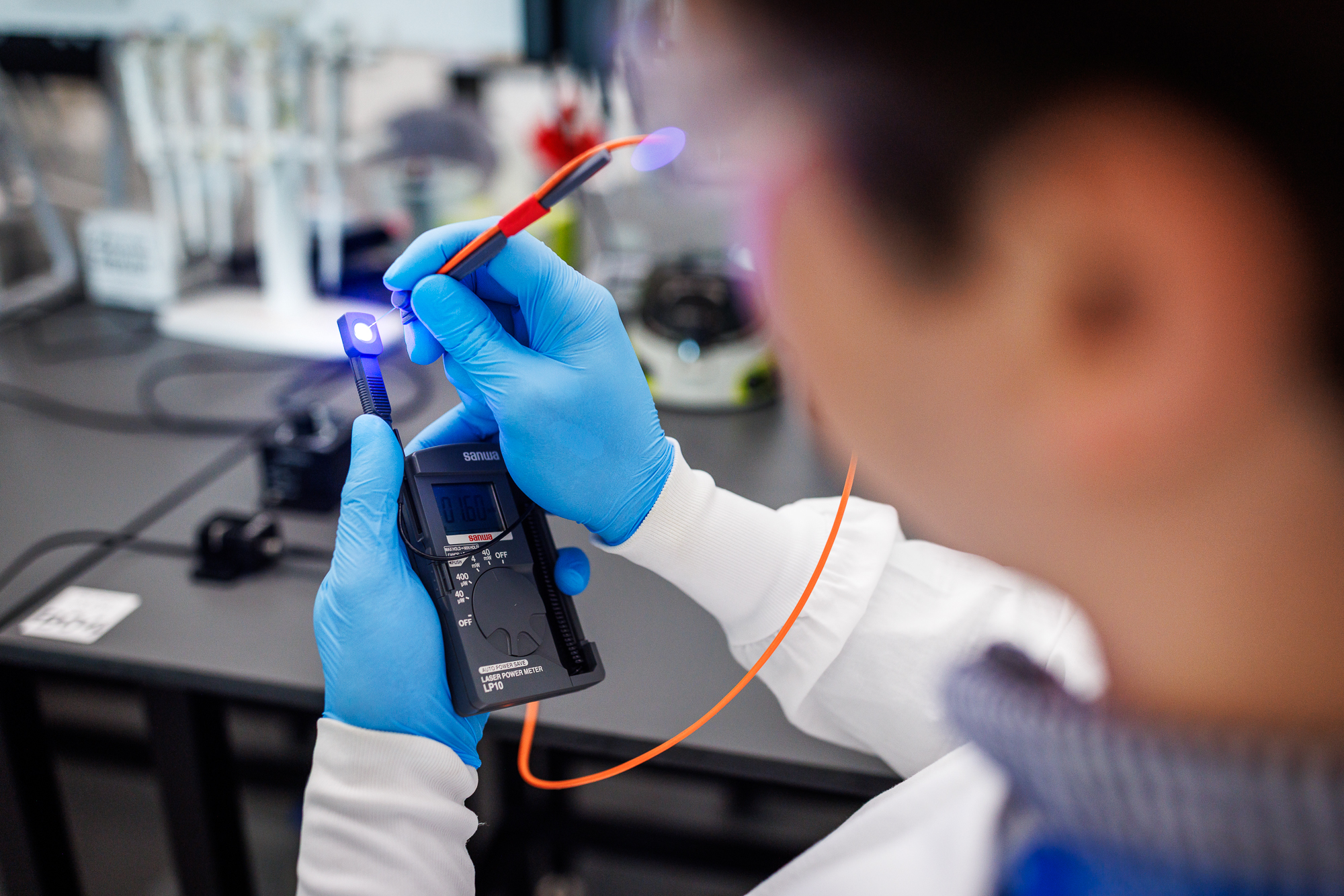
Light can be focused much more precisely than electrical pulses, and doesn’t spread as much, so using it to stimulate nerve cells could send more accurate signals about sound to the brain. Light LEDs are also much smaller than electrodes so more could be fitted into the cochlear implant.
A potential problem with this approach is that nerve cells in the inner ear don’t respond to light naturally. For this kind of implant array to work, nerve cells have to be programmed (by gene therapy) to produce a protein that can respond to light.
Modifying nerves to respond to light
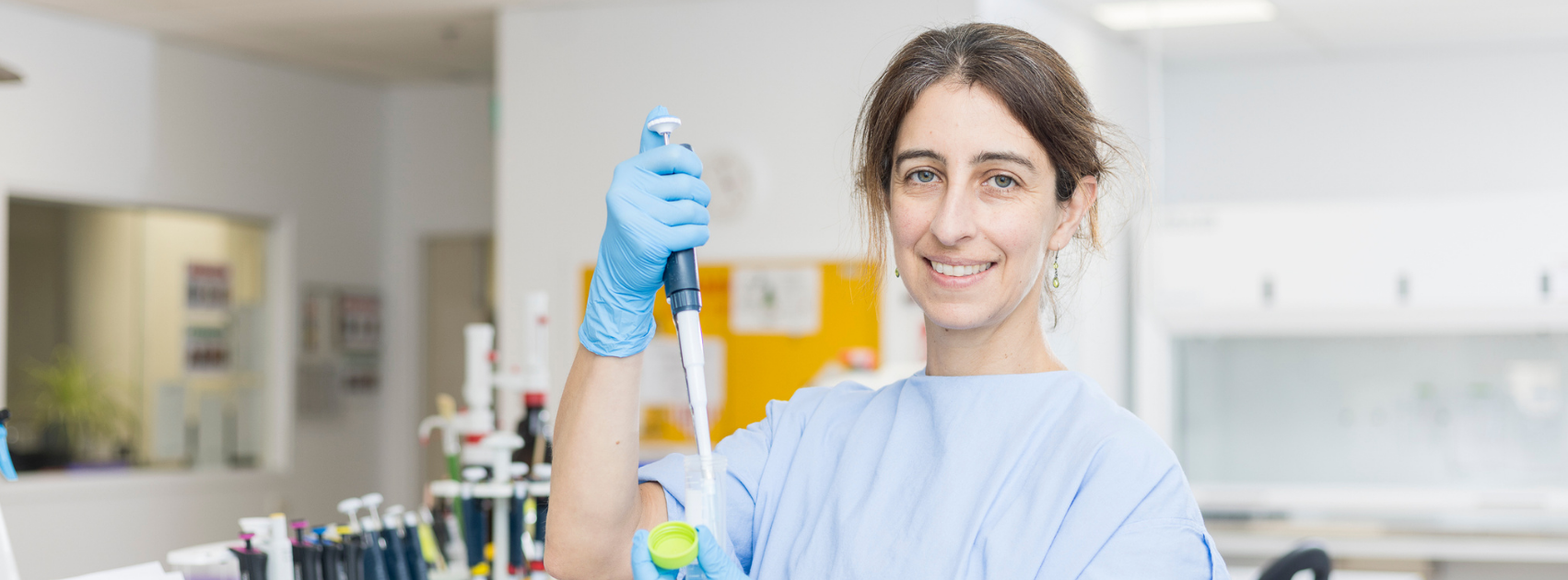
Rachael’s team is investigating whether gene therapy can be used to modify auditory nerve cells so they respond to light. They’re also investigating whether the best approach might be a combination of light and electrical stimulation – where light finely tunes the signal, while the electrical pulse makes the signals faster, so sounds aren’t delayed in reaching the brain.
Promising results with a combination of light and electricity
The team recently published a paper in Scientific Report showing that a combination of electrical and light stimulation (called ‘hybrid’ stimulation) following gene therapy could improve the signals sent to the brain by cochlear implants. This could result in better pitch perception through an implant, leading to better hearing in background noise and when listening to music.
For more information, you can download the full RNID article or read more about Bionics Institute research into hearing impairment.