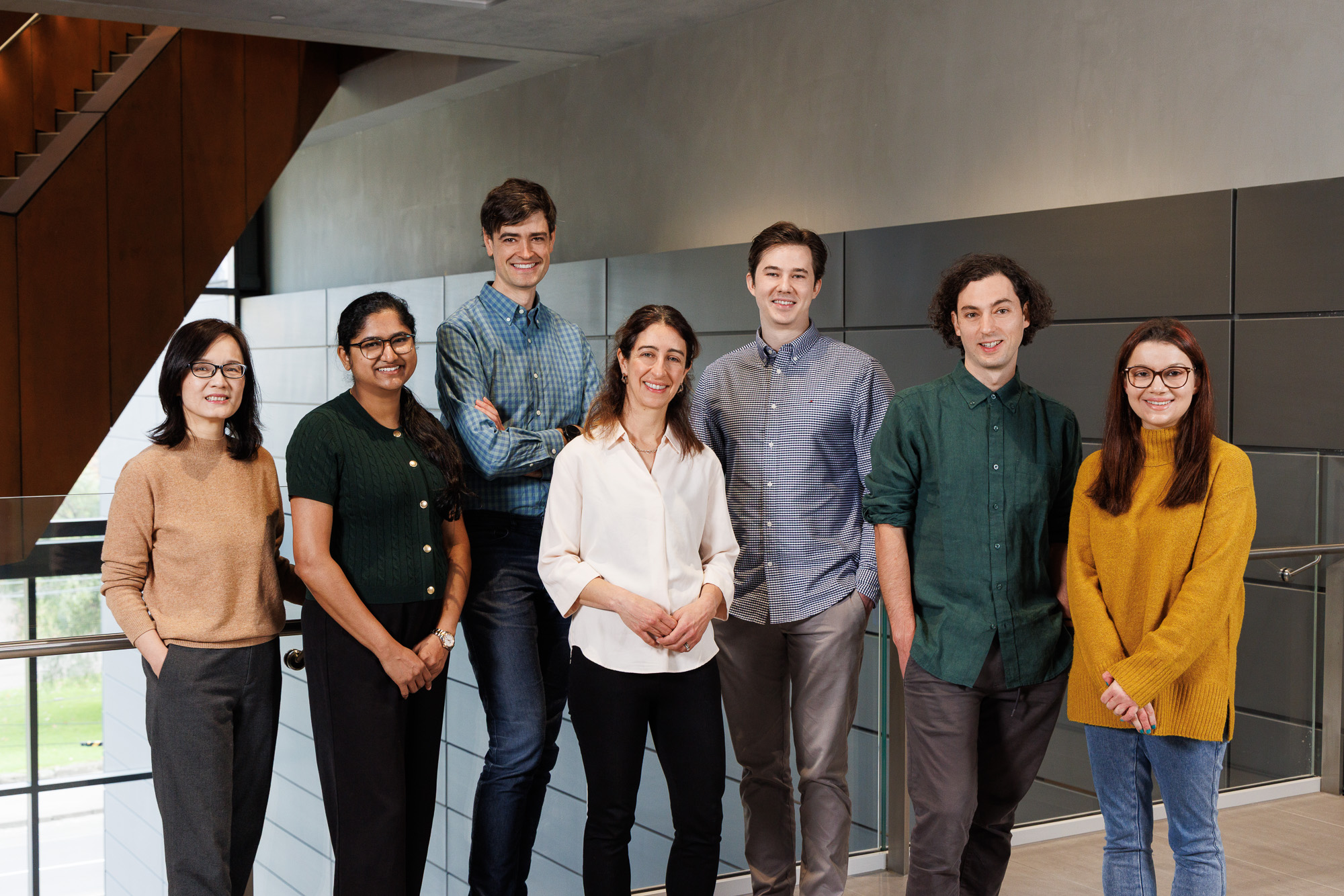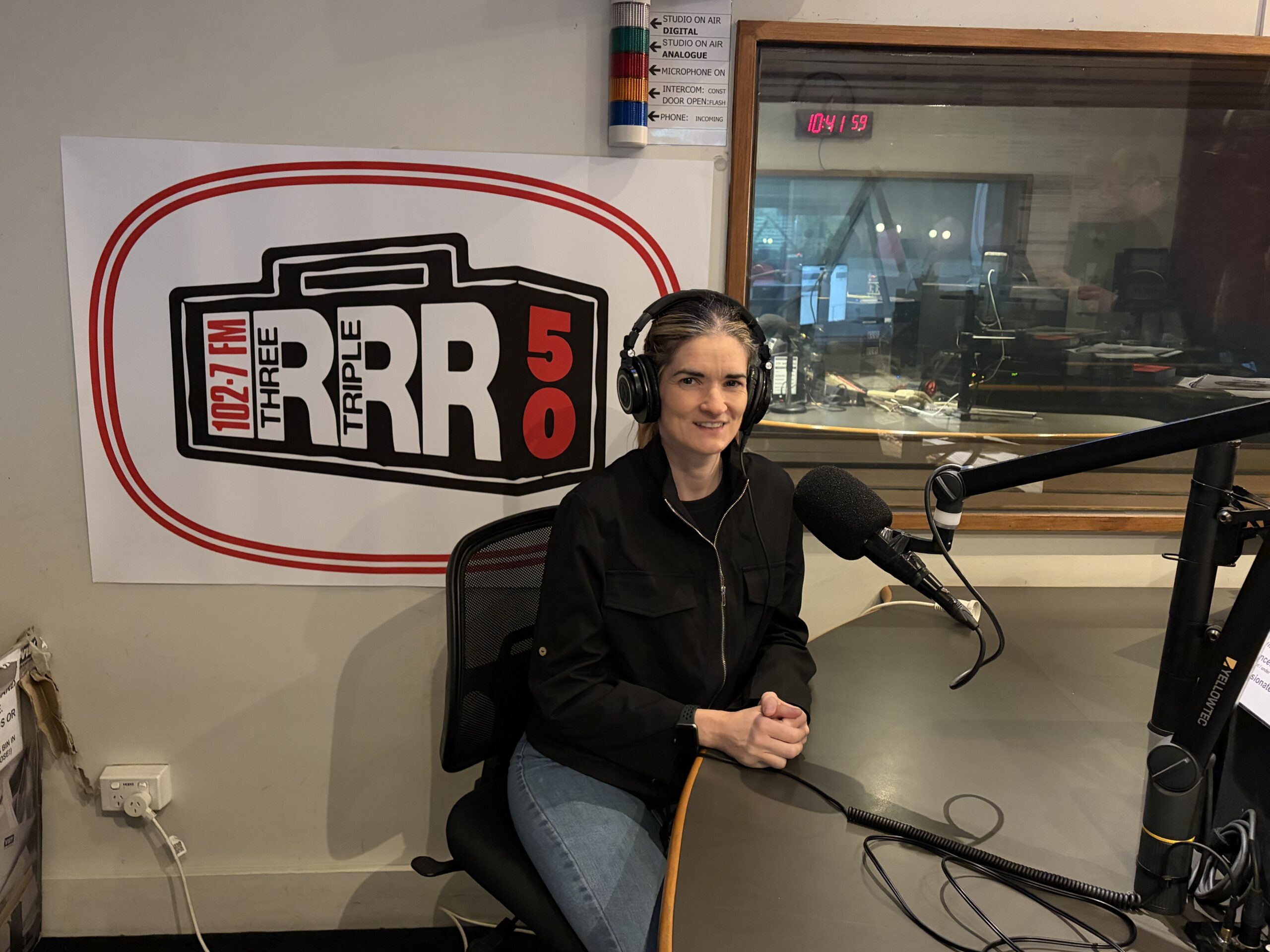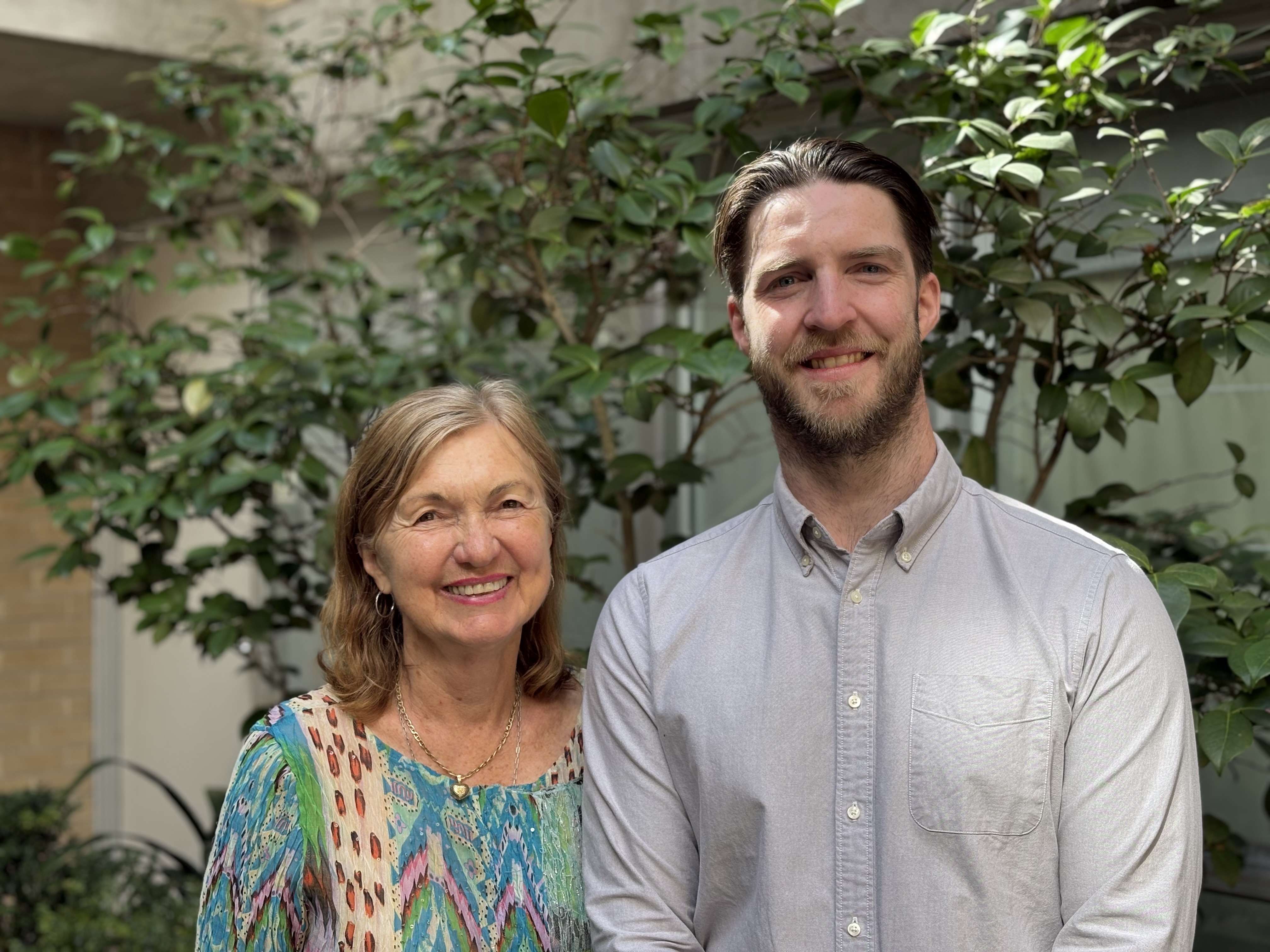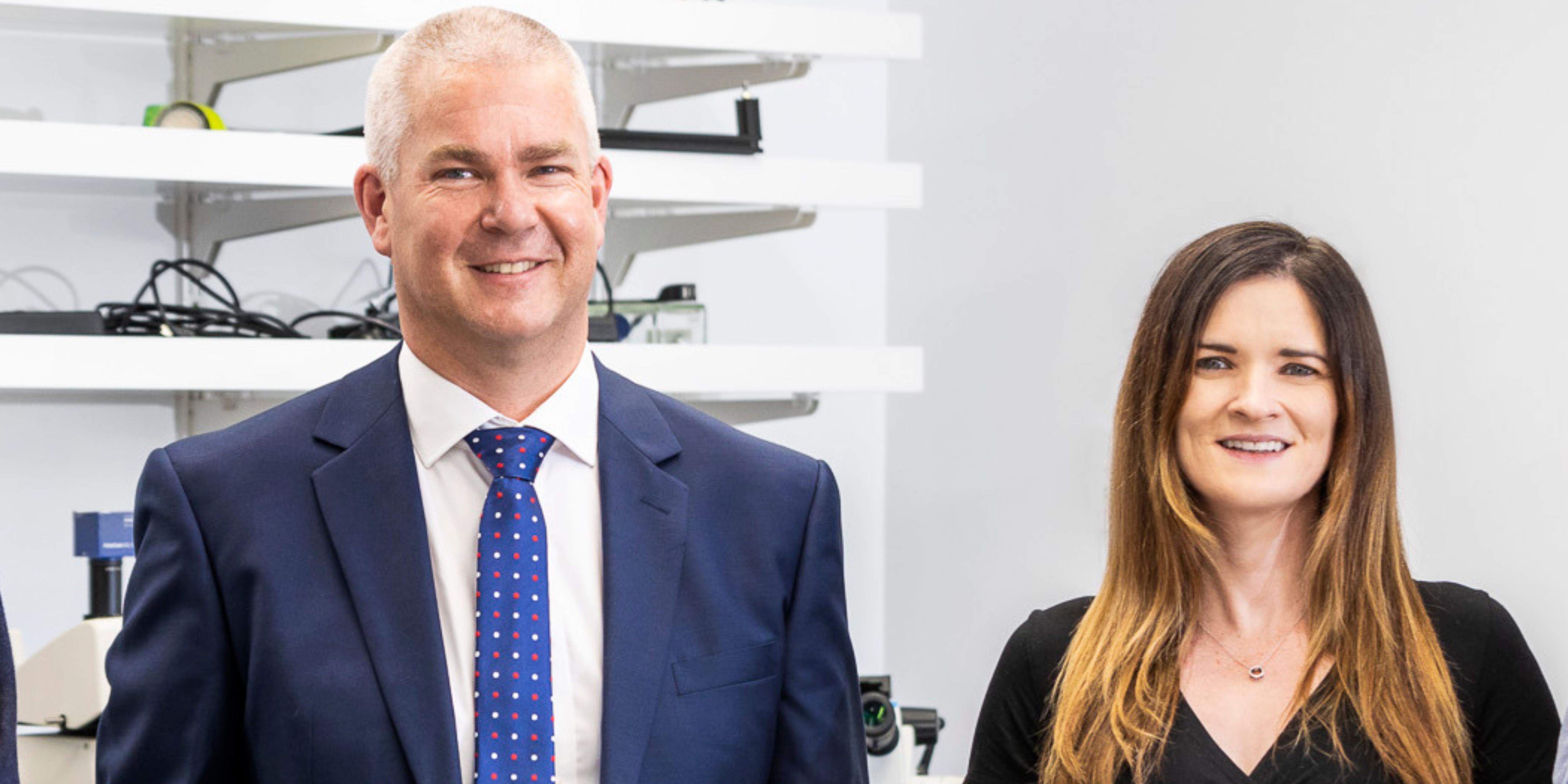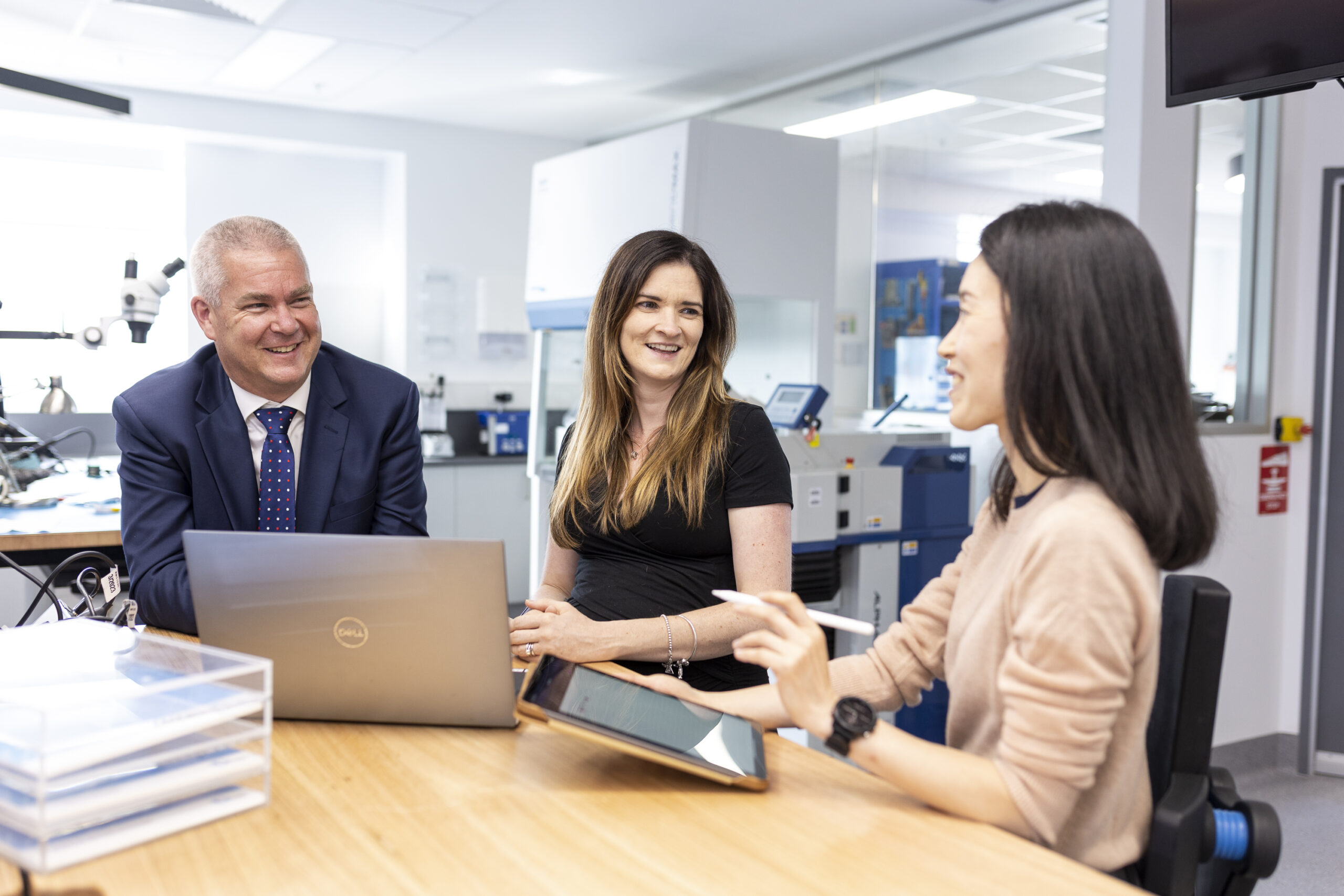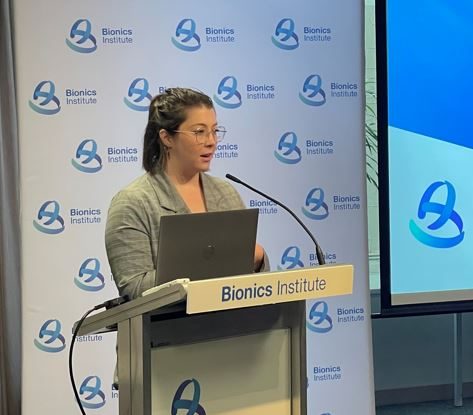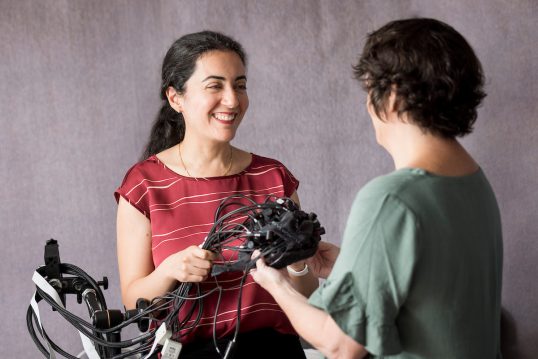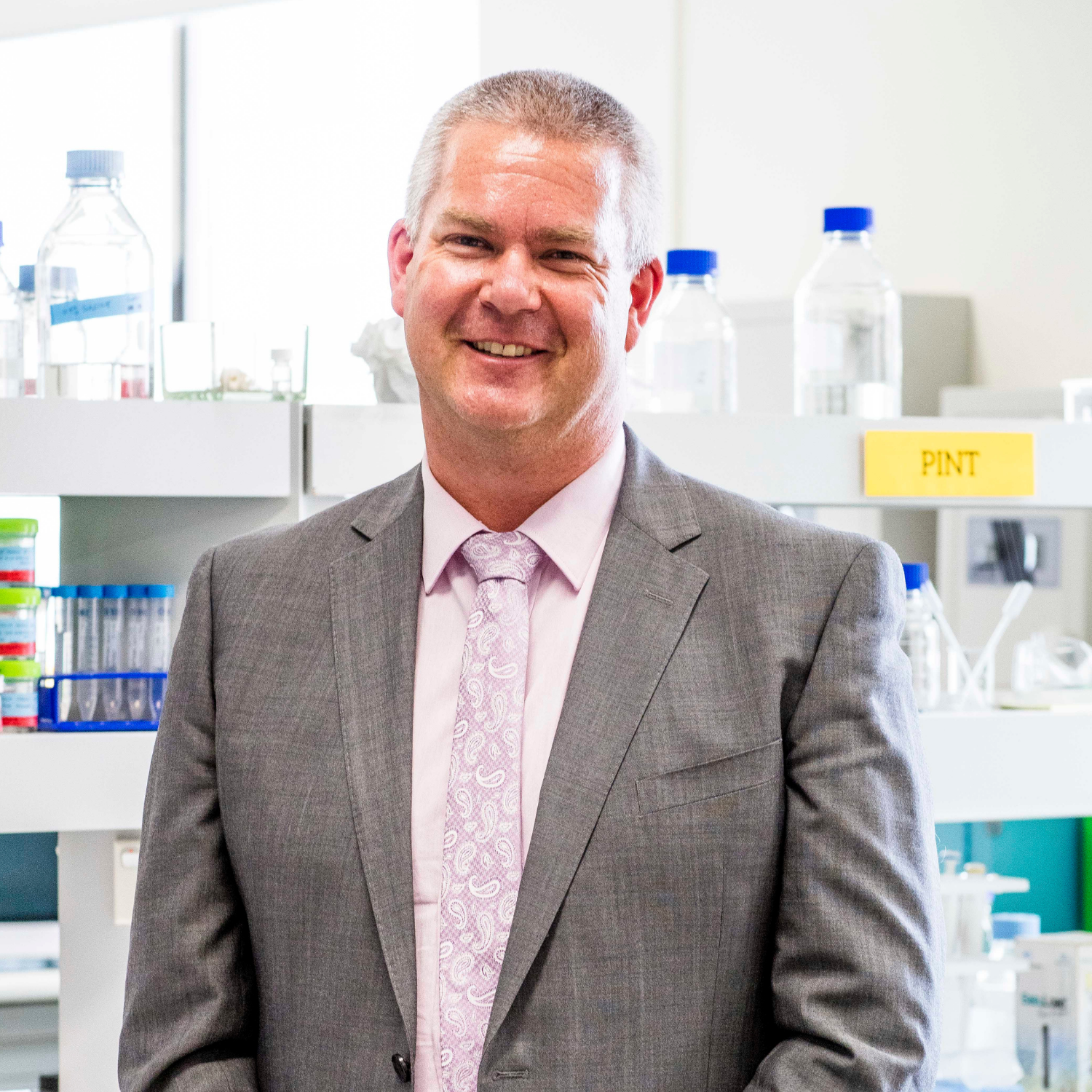
A/Prof Sophie Payne recently joined Dr Shane Huntington on Melbourne radio program Einstein A Go-Go to discuss emerging research into vagus nerve stimulation and how implantable bioelectronic technologies developed at the Bionics Institute could one day help people living with a vast array of conditions.
As Head of the Vagus Nerve Stimulation Centre of Excellence at the Institute, Sophie spoke about the role of the vagus nerve in regulating inflammation and explained how her research team has developed a new approach to stimulation targeting the abdominal vagus nerve.
Understanding the vagus nerve
During the interview, Sophie described the vagus nerve as one of the body’s major communication pathways, connecting the brain to organs including the heart, lungs and digestive system.
“The word vagus actually comes from Latin, which means ‘to wander’,” Sophie explained. “And it does just that through your body.”
“Its main role is to allow you to rest and digest. But we now know it also has a huge role in controlling your body’s natural anti-inflammatory pathways.”
Investigating inflammation and immune regulation
Researchers at the Bionics Institute are particularly interested in how vagus nerve signaling may help regulate inflammation in diseases such as Crohn’s disease and rheumatoid arthritis.
Sophie says the body rapidly detects inflammation and sends signals through the vagus nerve to the brain, triggering natural anti-inflammatory pathways.
“The vagus nerve acts like a brake on the body to moderate and regulate the immune system because it can just go absolutely nuts.”
Developing a new stimulation approach
One of the key topics discussed during the interview was the implantable vagus nerve stimulation device being developed at the Bionics Institute by Sophie’s research team.
Traditional vagus nerve stimulation therapies are commonly delivered at the neck. Sophie explained that the Institute’s approach instead targets the abdominal vagus nerve.
“When you stimulate the vagus nerve [at the abdomen], you don’t get issues with activating your vital organs like your heart and your lungs,” she said.
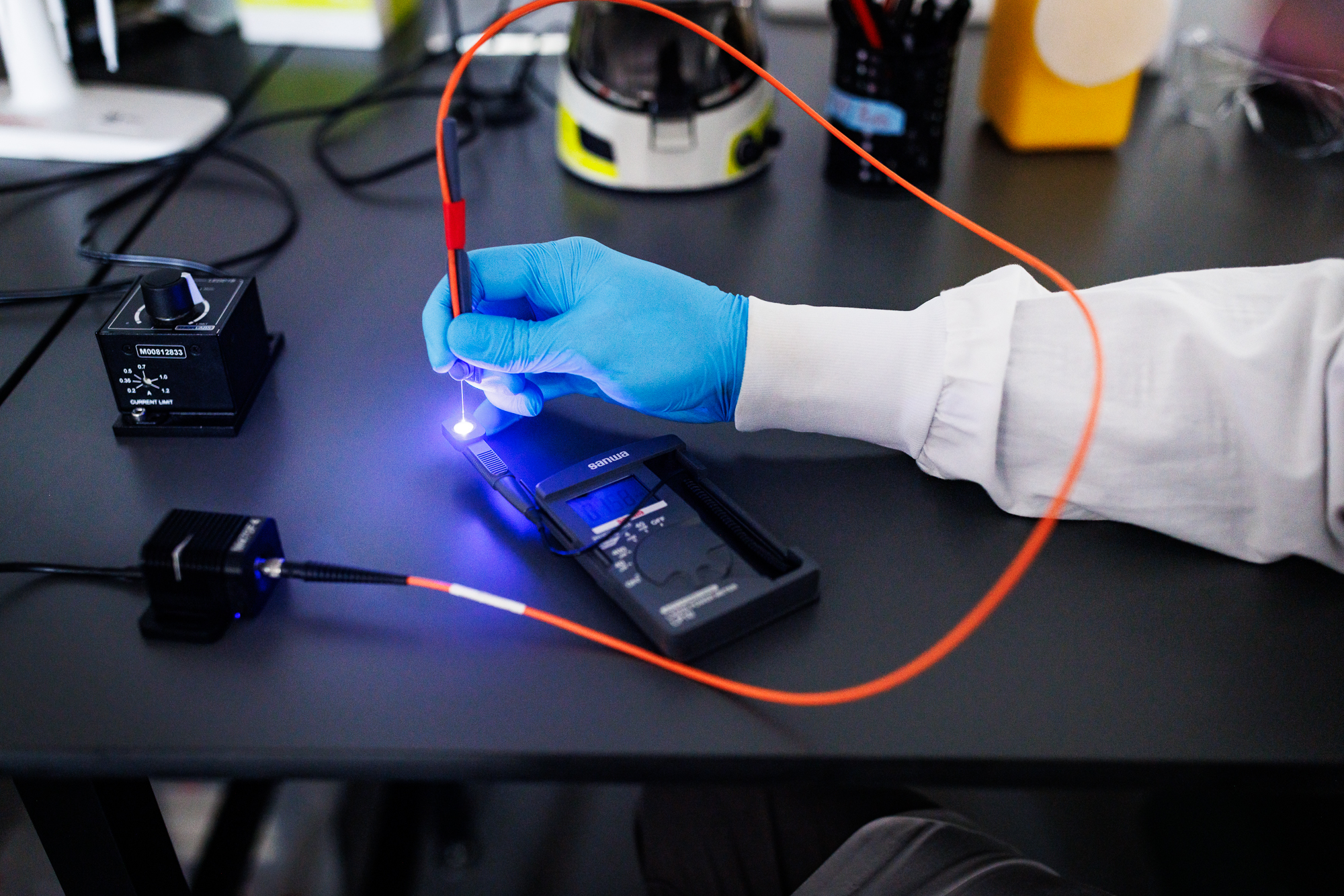
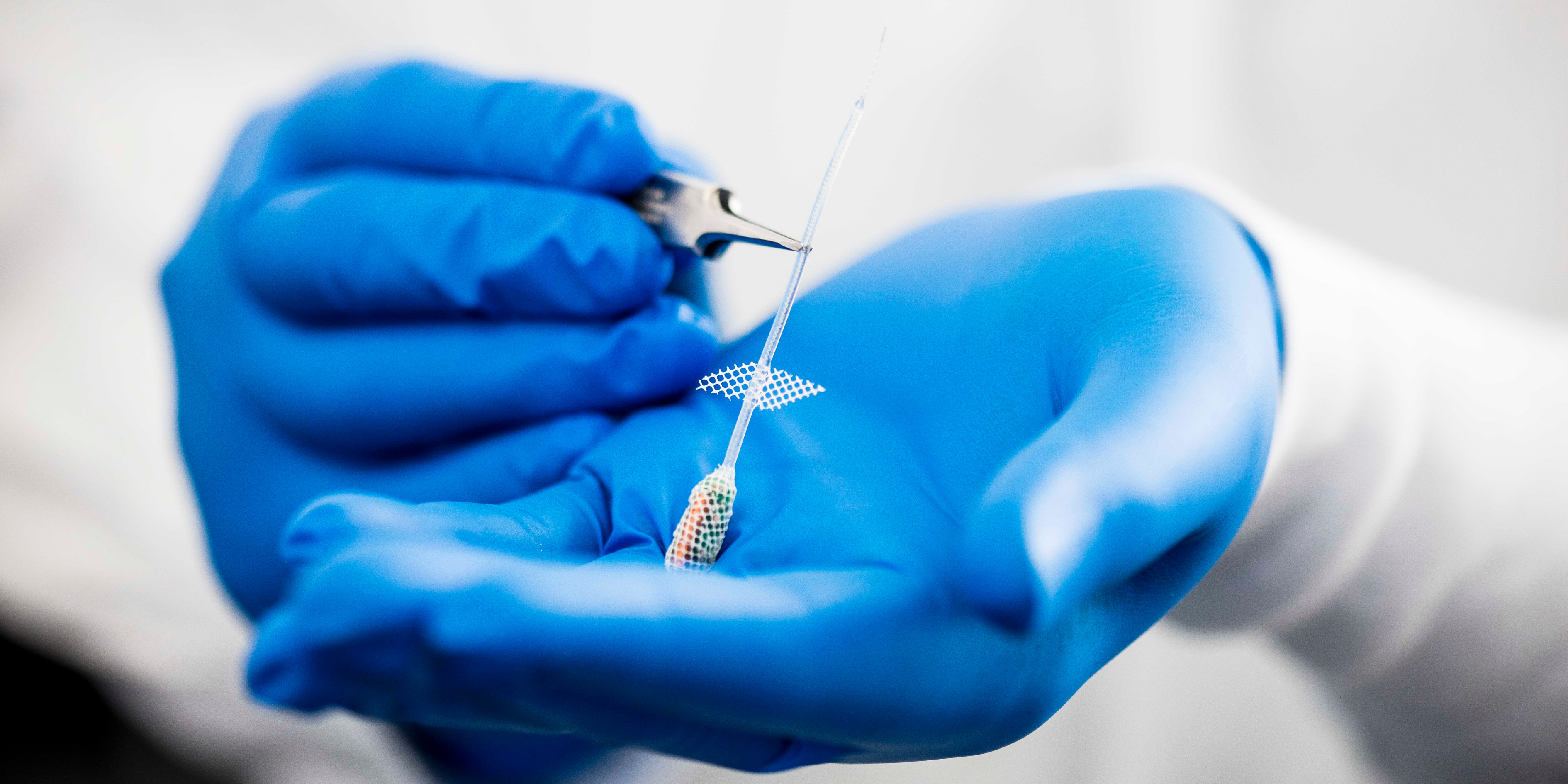
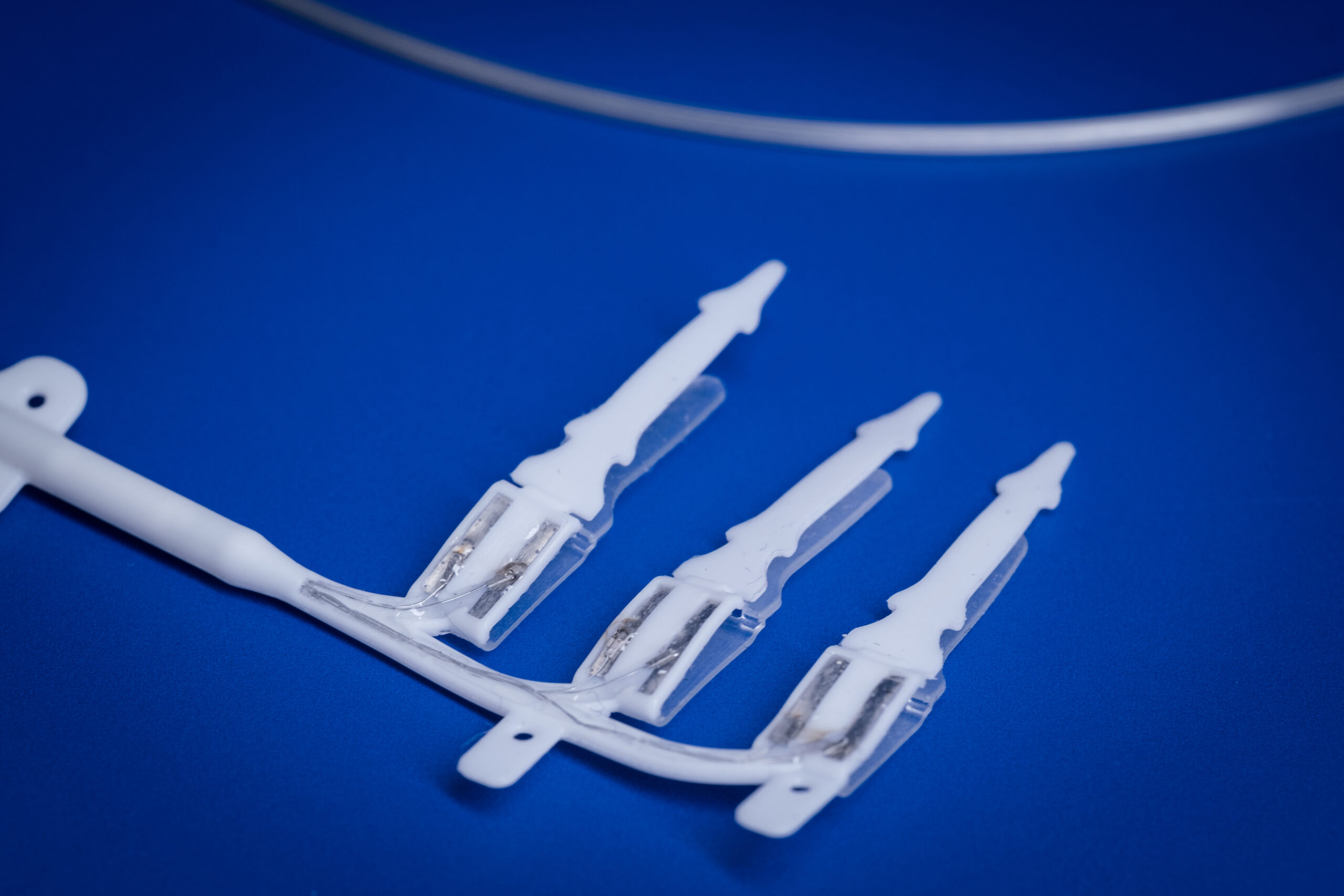
The implant is inserted using keyhole surgery and includes electrodes placed around the abdominal vagus nerve, along with a battery pack implanted near the hip.
“It’s a tiny little device, about the size of your little fingernail,” Sophie said.
Describing the implant, she explained that the electrodes “sort of clamp around the nerve like a bookmark in a book”.
The device delivers electrical stimulation designed to activate the body’s natural anti-inflammatory pathways without the side effects associated with stimulation at neck level.
Looking ahead
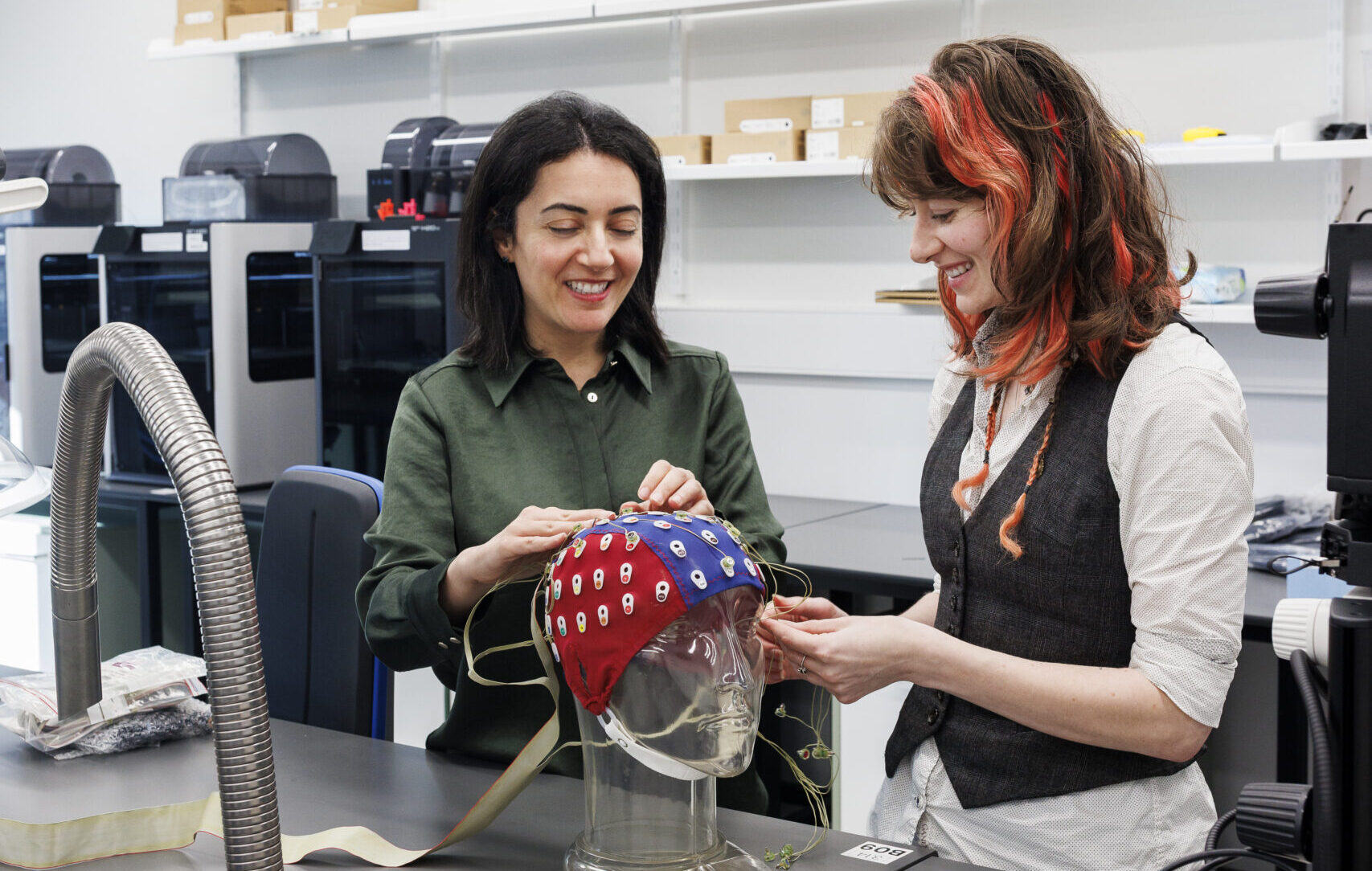
Beyond stimulation itself, Sophie said researchers are also exploring ways to record vagus nerve activity in real time.
“We’re also looking at, not just ways to activate the nerve, but also to listen to it,” she said.
“If the body is very inflamed and the vagus nerve is signalling in a certain way… we know we’ve got to stimulate.”
Clinical trials involving vagus nerve stimulation for Crohn’s disease and rheumatoid arthritis are ongoing, while other applications discussed during the interview — including chronic pain caused by endometriosis and migraines — remain in earlier stages of investigation.
We have a research pipeline geared towards trying to get this technology into clinic as quickly as possible if it’s going to be a viable, useful, meaningful therapy Associate Professor Sophie Payne
The Vagus Nerve Stimulation Centre of Excellence was established to explore the full potential of vagus nerve–based treatments. Often described as a window to the brain, the vagus nerve provides a pathway for advancing research into neurological conditions including epilepsy, Parkinson’s disease and stroke, while also supporting the development of new therapies for inflammation-based diseases such as endometriosis.
Listen to the full interview
Hear Associate Professor Sophie Payne in conversation on Einstein A Go-Go via Triple R 102.7FM.