
Bionics Institute research assistant awarded University of Melbourne scholarship
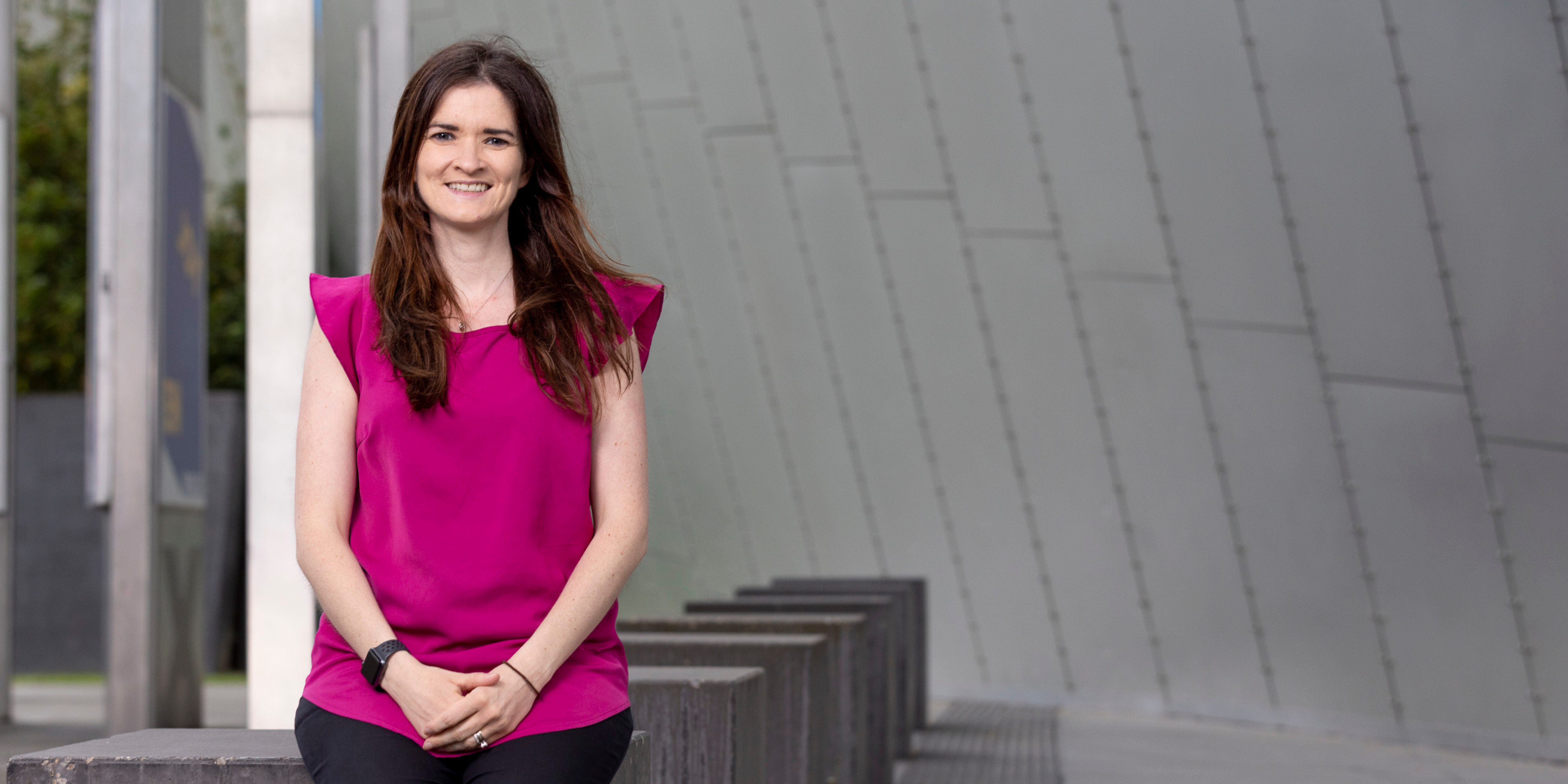
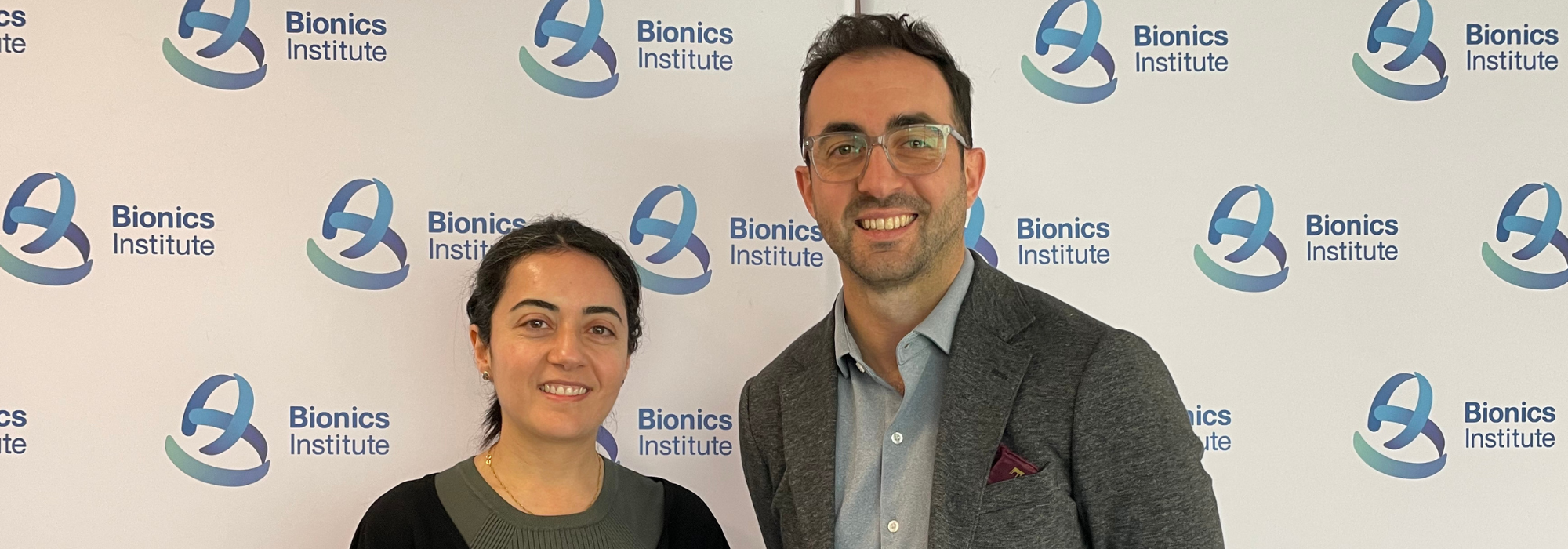
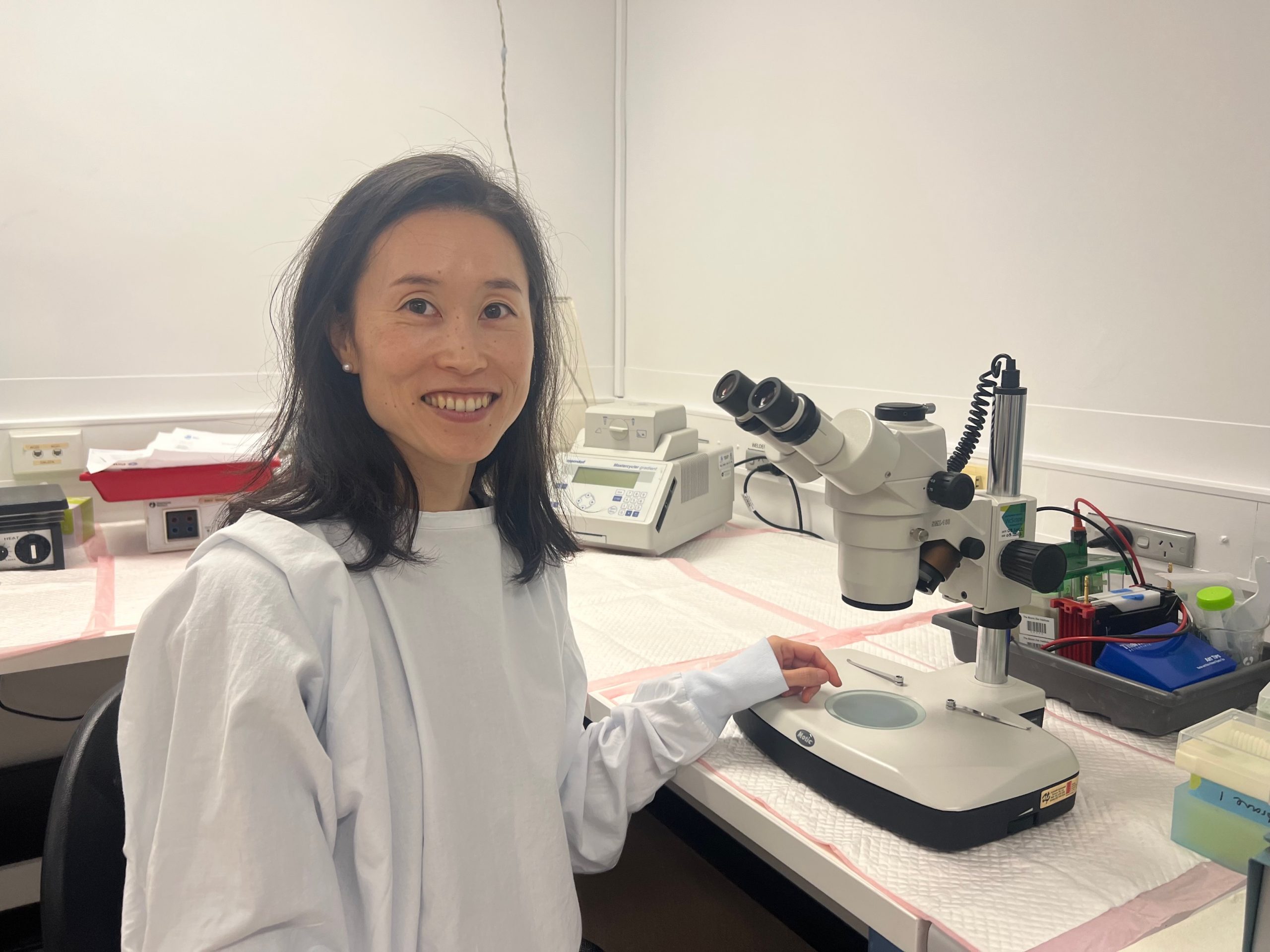
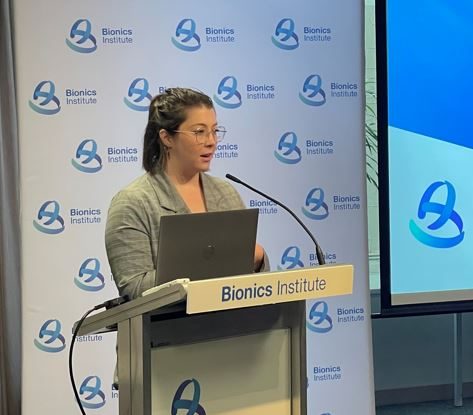
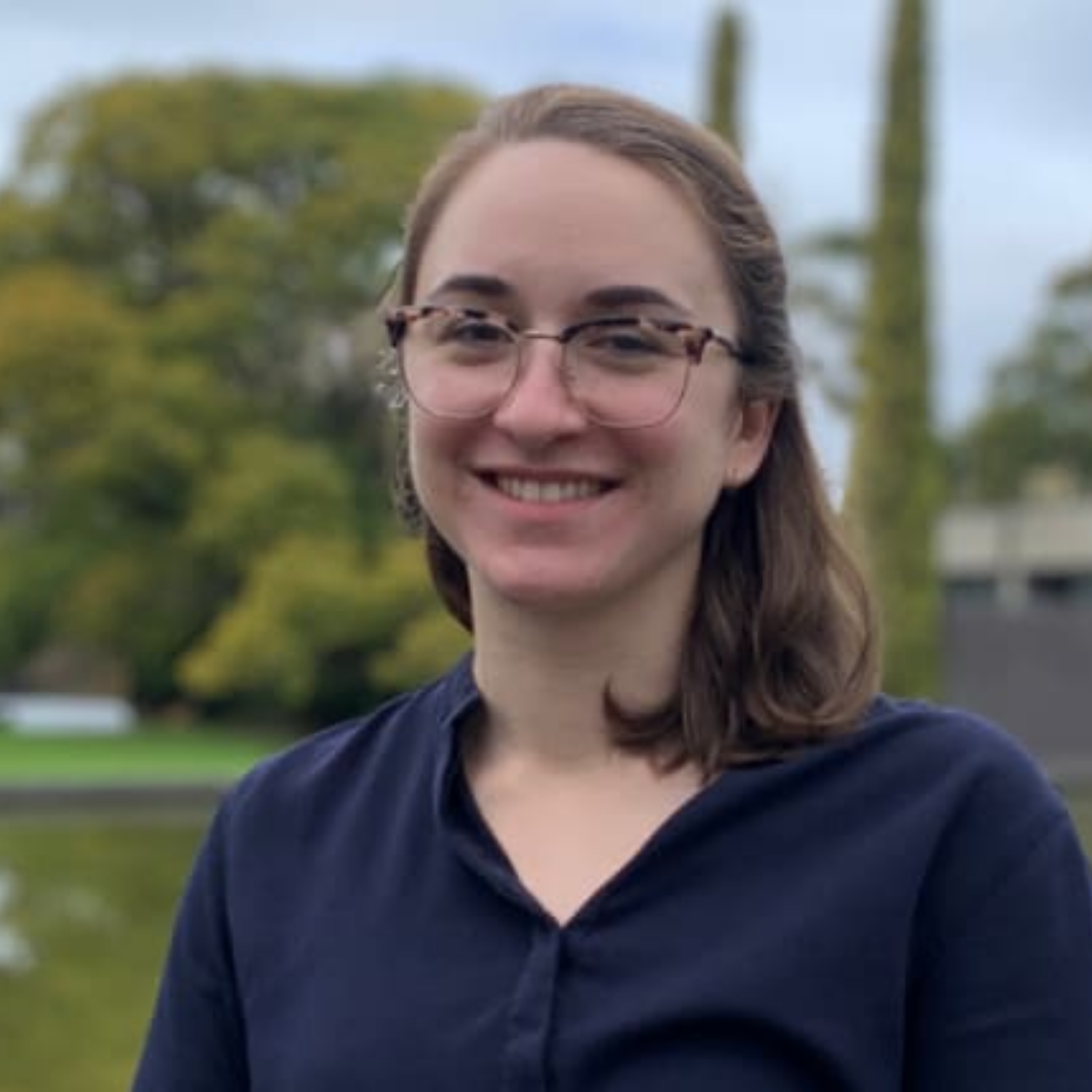
Bionics Institute research assistant Shreyasi Datta has been awarded the prestigious Len Stevens Scholarship by the University of Melbourne.
This scholarship supports gifted graduate Faculty of Engineering and Information Technology students to undertake a project outside of their course and extend their learning.
Ms Datta said she was thrilled to receive the scholarship.
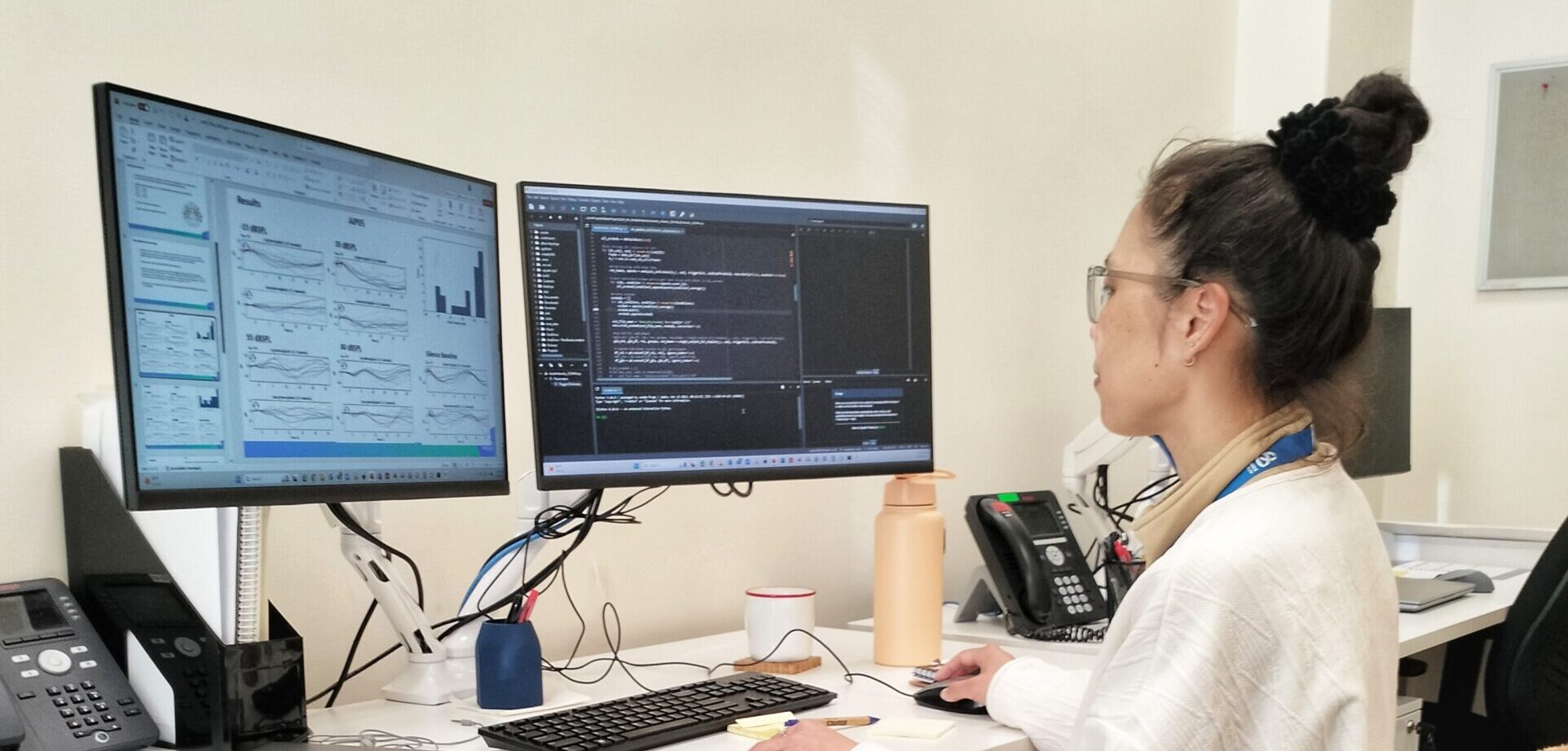
“My scholarship application outlined that we’d like to see if we can also quantify stress and depression from data collected from wearable devices along with brain imaging using AI, as stress and depression are often related to tinnitus.”
Valued at almost $9000, the scholarship will enable Ms Datta purchase a wearable device and expand the scope of the tinnitus project as well as write a research article for a leading journal and undertake a course on artificial intelligence in healthcare.
The scholarship means that I can buy a wearable wrist monitor for our research, and we can collect several physiological vitals and perform multi-modal analysis to refine our objective measures of stress in tinnitus.
Affecting about 1 in 5 Australians, tinnitus can severely affect a person’s quality of life. Ms Datta is hopeful that work being done by the Bionics Institute will lead to positive outcomes for those suffering from the condition.
“The tinnitus research being done by the Bionics Institute is really clinically significant because right now there isn’t an objective measurement of tinnitus or tinnitus-related stress – it’s more subjective and is based on what a patient tells us they’re experiencing.
“This is a great opportunity to contribute to that research. A lot of people will benefit from the work being done at the Institute and it has gained the interest of the medical community”, she added.
Ms Datta is currently completing her PhD at the University of Melbourne, investigating how wearable sensors can be used to measure and evaluate movement deterioration in stroke patients.
You might be interested in…



















































Bionics Institute research assistant awarded University of Melbourne scholarship
Bionics Institute research assistant Shreyasi Datta has been awarded the prestigious Len Stevens Scholarship by the University of Melbourne.
This scholarship supports gifted graduate Faculty of Engineering and Information Technology students to undertake a project outside of their course and extend their learning.
Ms Datta said she was thrilled to receive the scholarship.
“My scholarship application outlined that we’d like to see if we can also quantify stress and depression from data collected from wearable devices along with brain imaging using AI, as stress and depression are often related to tinnitus.”
Valued at almost $9000, the scholarship will enable Ms Datta purchase a wearable device and expand the scope of the tinnitus project as well as write a research article for a leading journal and undertake a course on artificial intelligence in healthcare.
My video explains how people using cochlear implants currently have trouble hearing music, because the device was originally designed for hearing speech. The aim of my PhD research is to find ways to use a combination of light and electricity to improve the quality of sound heard via cochlear implants
Ms Ajay has been a student at the University of Melbourne since 2020 and will be undertaking two more years of research at the Bionics Institute to complete her PhD.
University of Melbourne Vice-Chancellor Duncan Maskell said: “The ability of researchers to explain their research so that it can be easily understood is an underrated skill.
“I am delighted that Elise’s clear explanation on the future of bionic hearing has been recognised by Universities Australia and I congratulate Elise on her award.”
The cochlear implant has helped over 700,000 people with hearing impairment worldwide since it was first invented at the Bionics Institute by University of Melbourne Professor Graeme Clark.
We’re very proud of Elise who is a great example of the high calibre of PhD students and researchers at the Bionics Institute. Robert Klupacs, Bionics Institute CEO
He said that combining excellence in research with the ability to communicate with members of the public is a skill encouraged at the institute.
“We focus on creating and improving medical devices that will change the lives of people living with conditions such as hearing loss, epilepsy, Parkinson’s disease, Crohn’s disease, stroke and diabetes.
“This research depends on people with these conditions being involved in clinical trials. Understanding the work of our researchers is a vital first step to encourage people to participate,” he concluded.