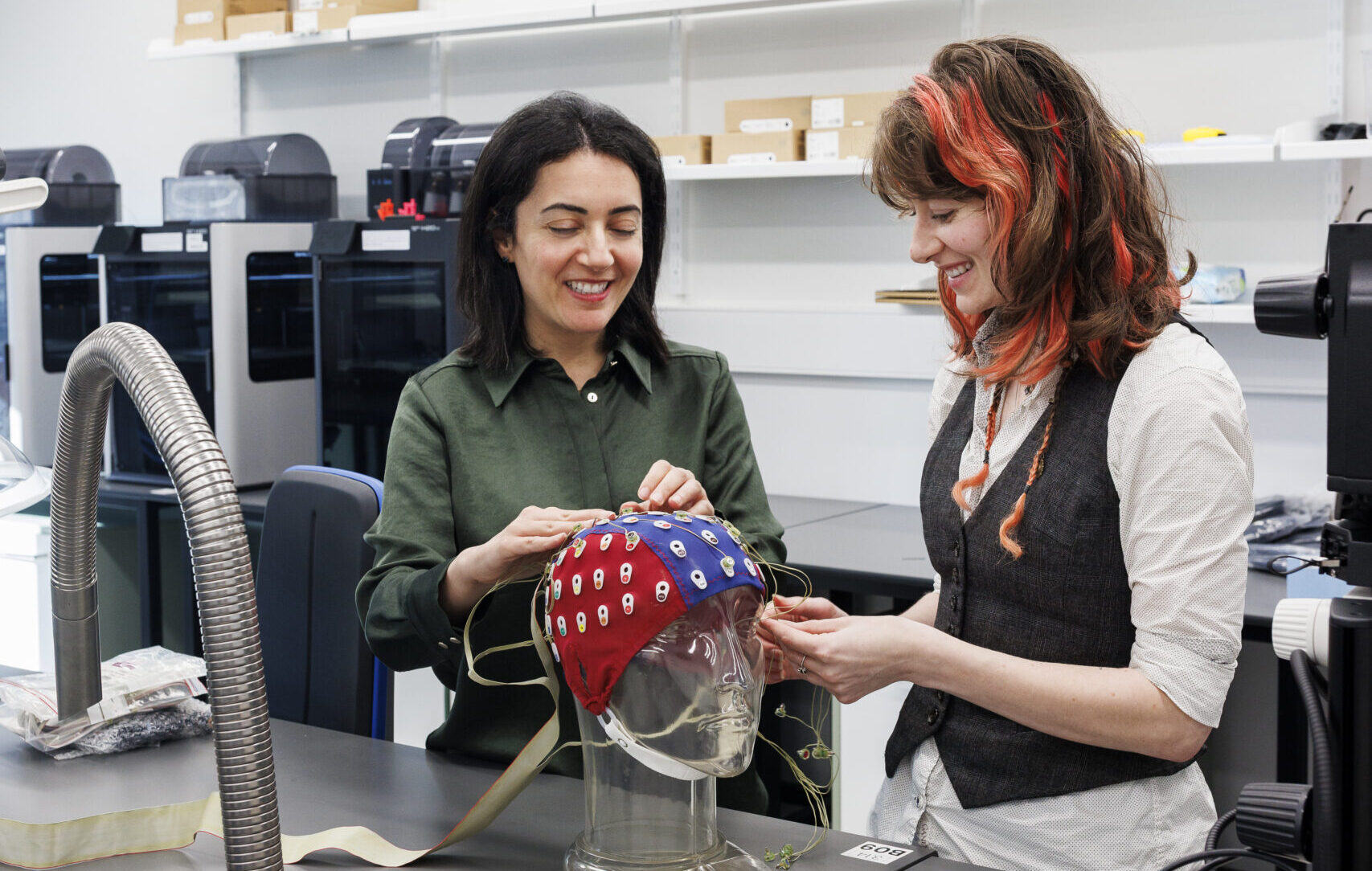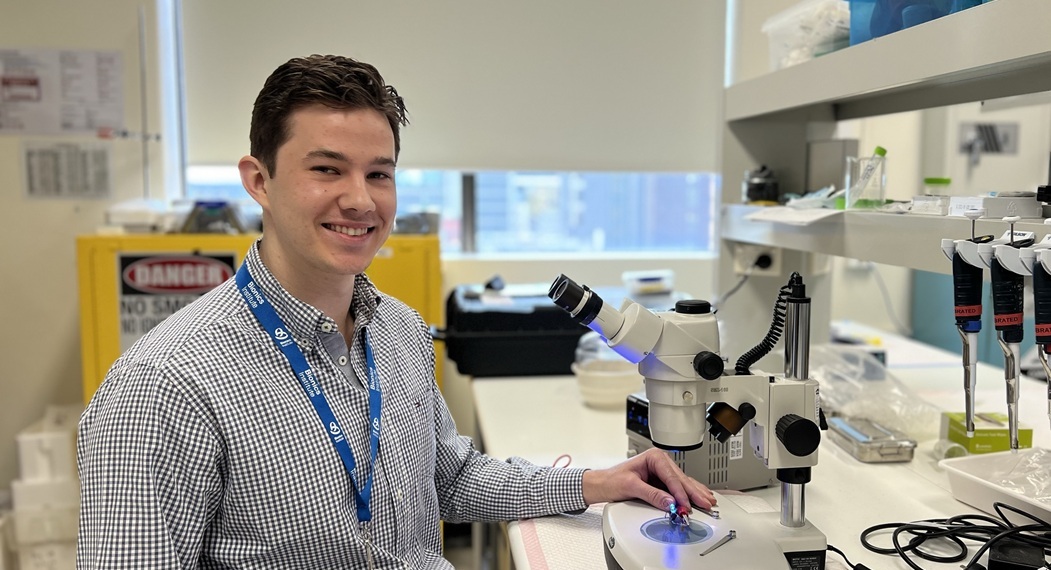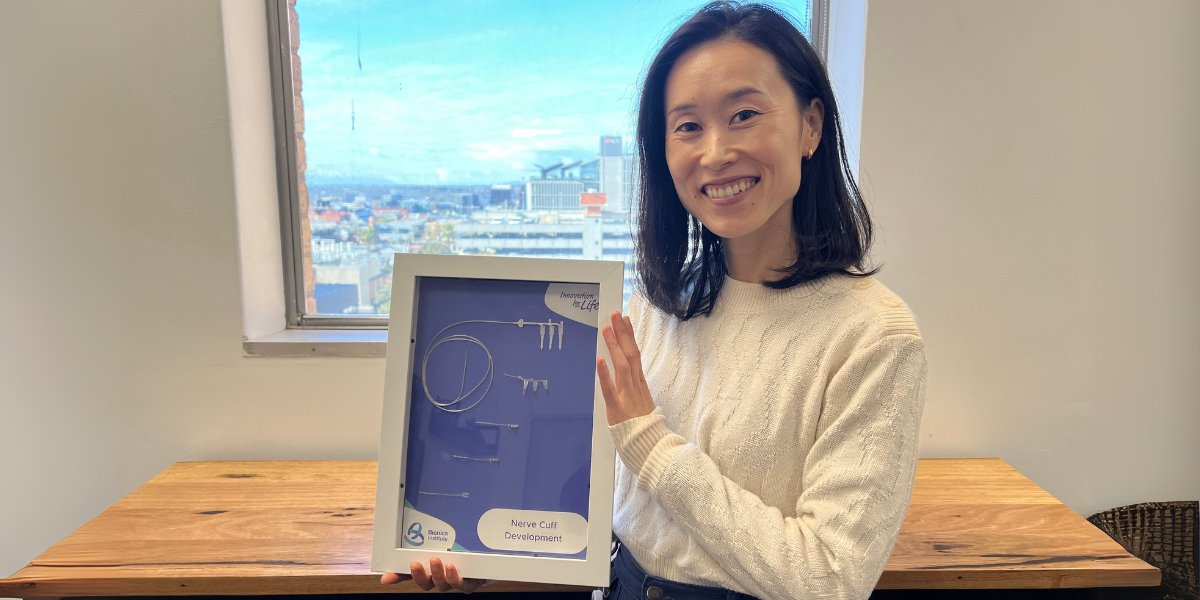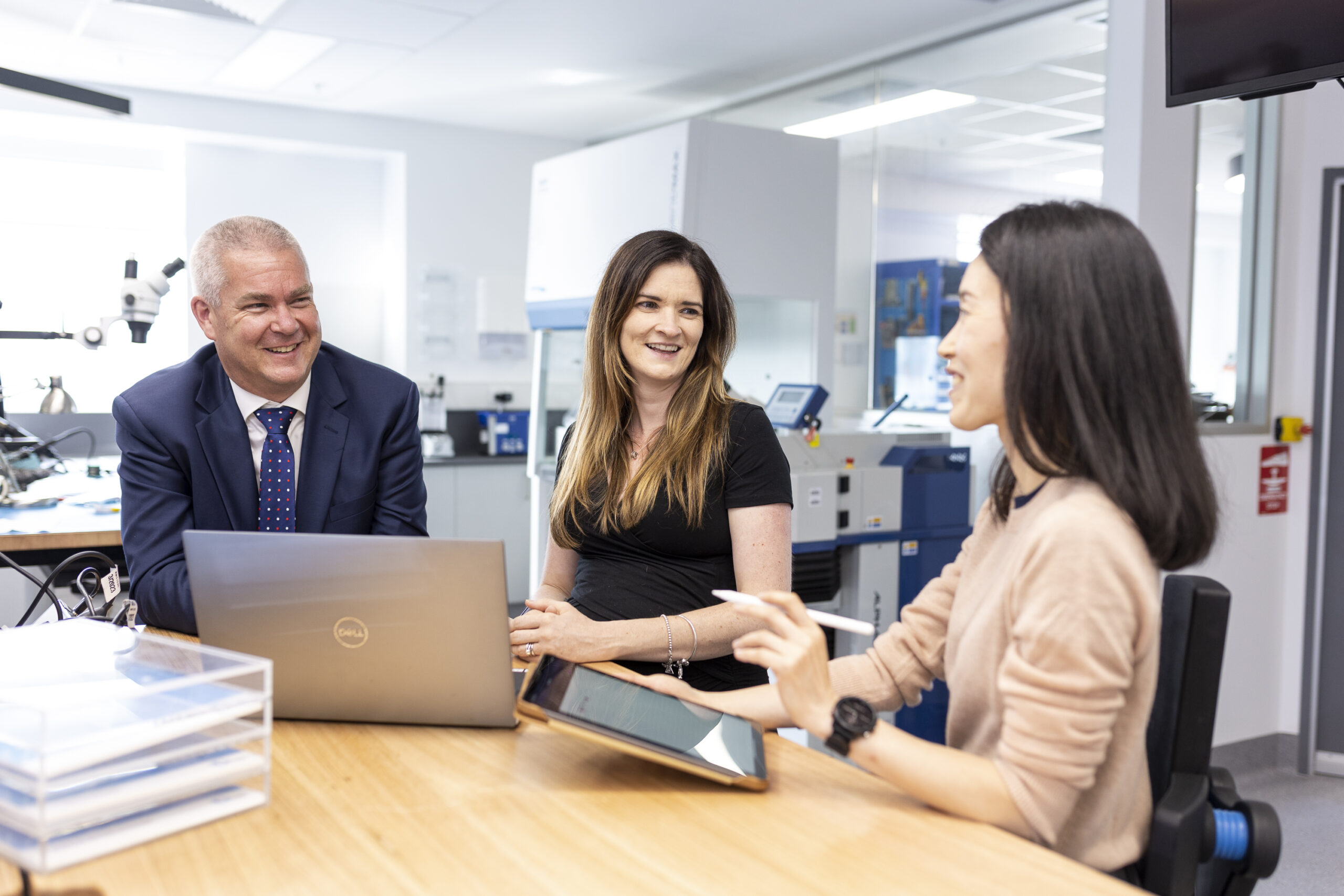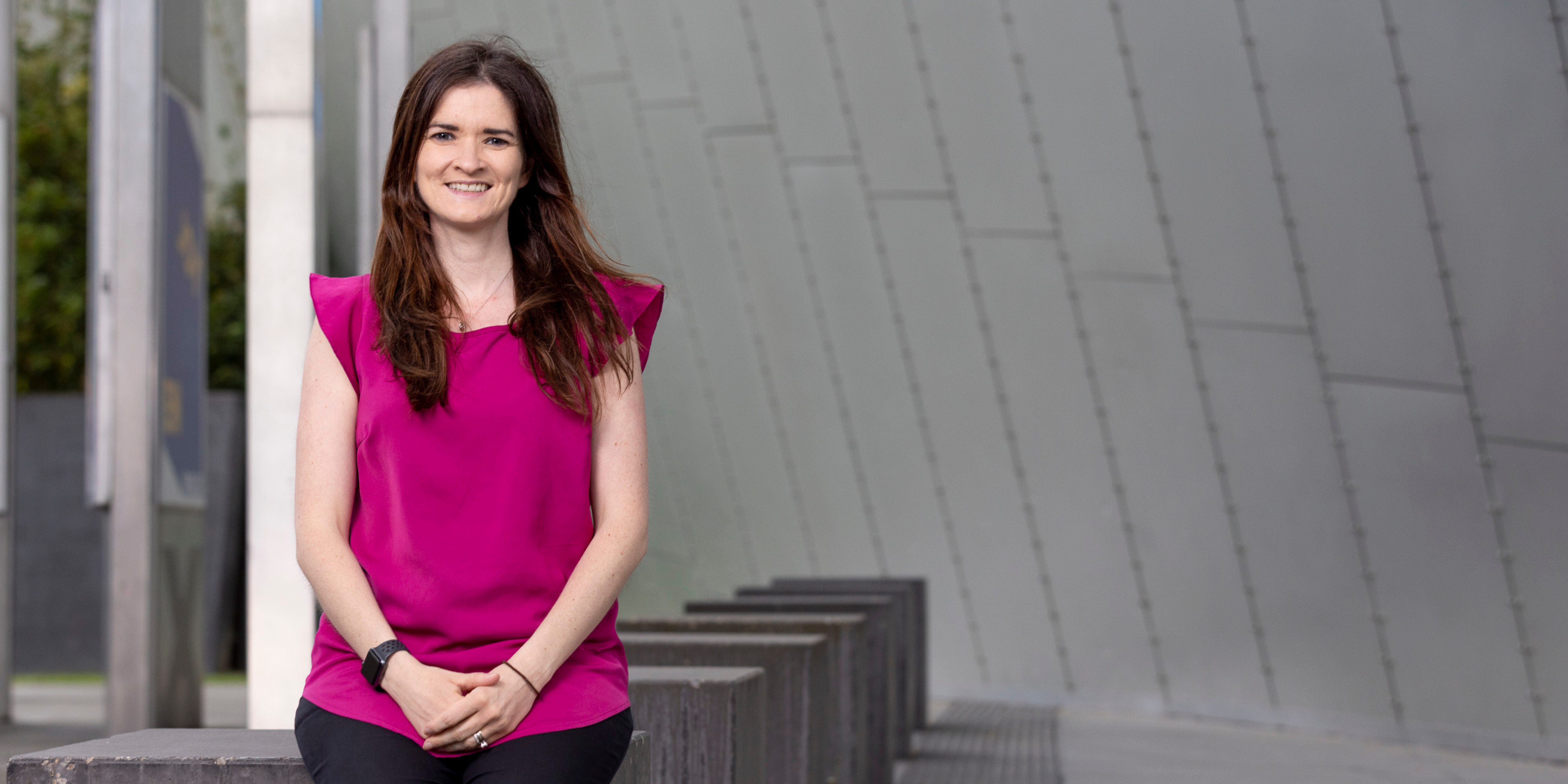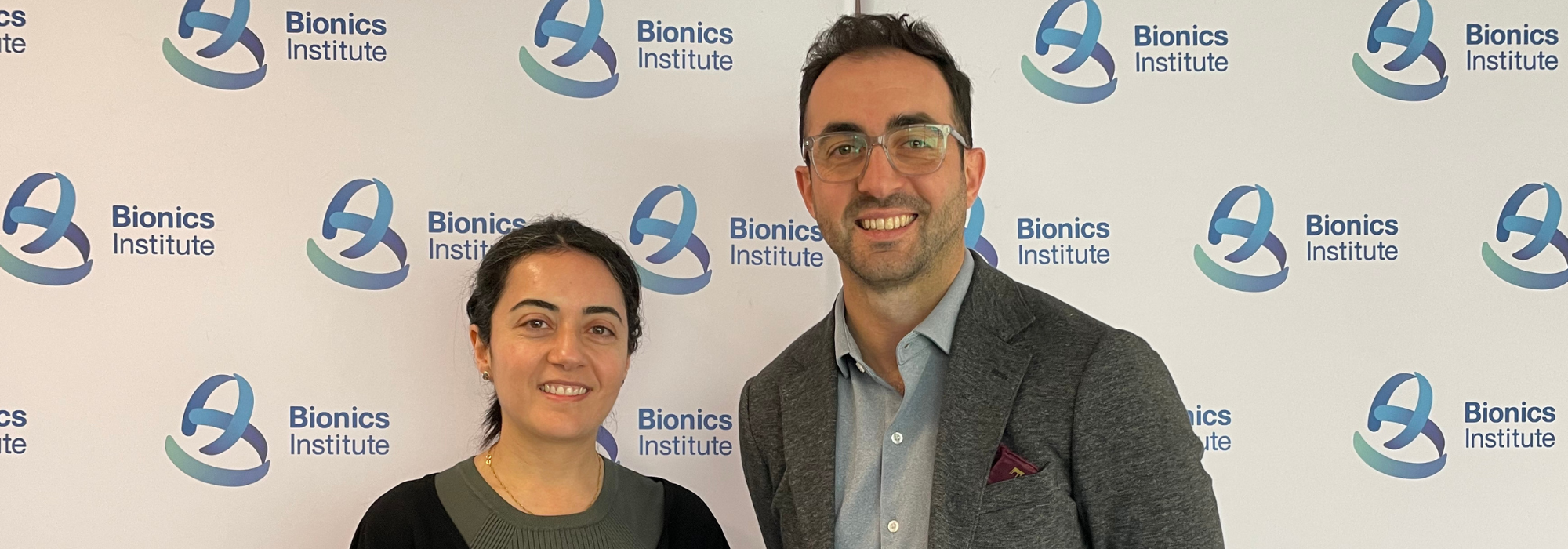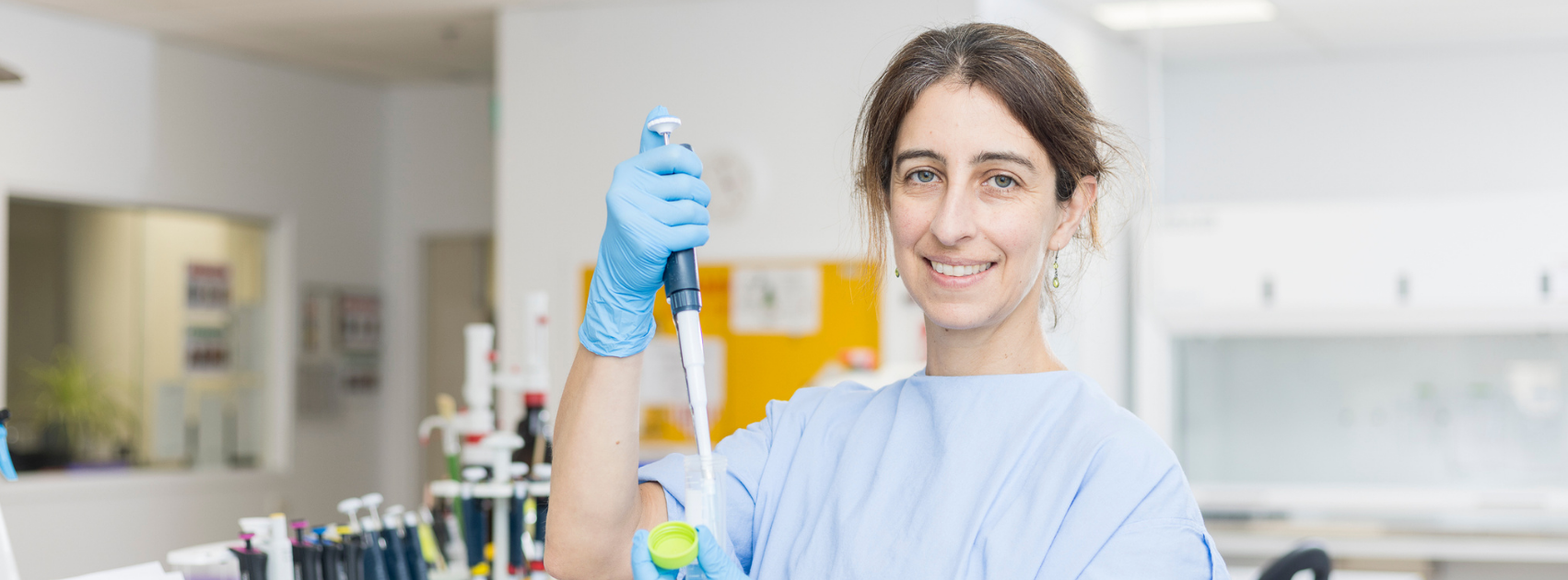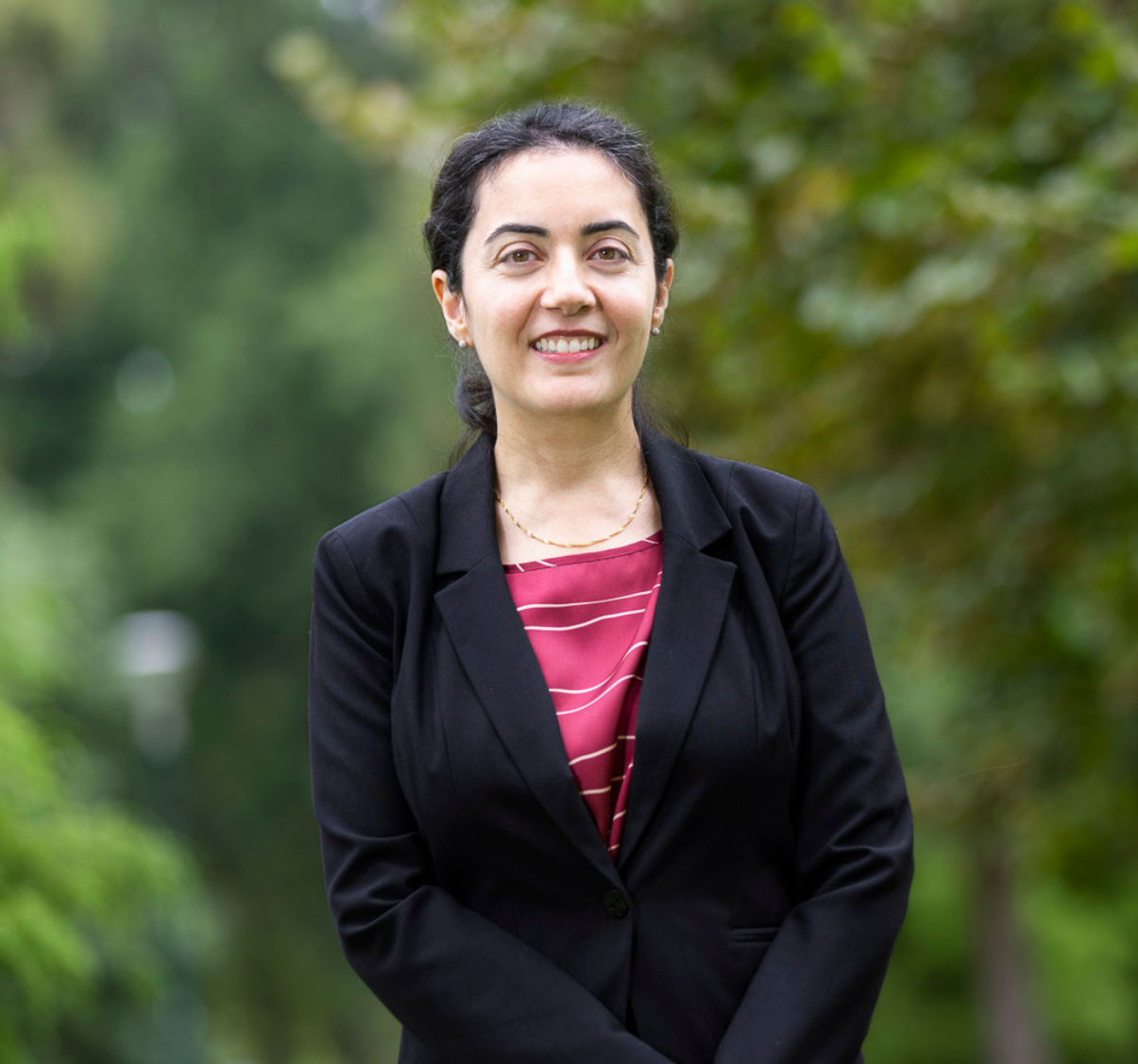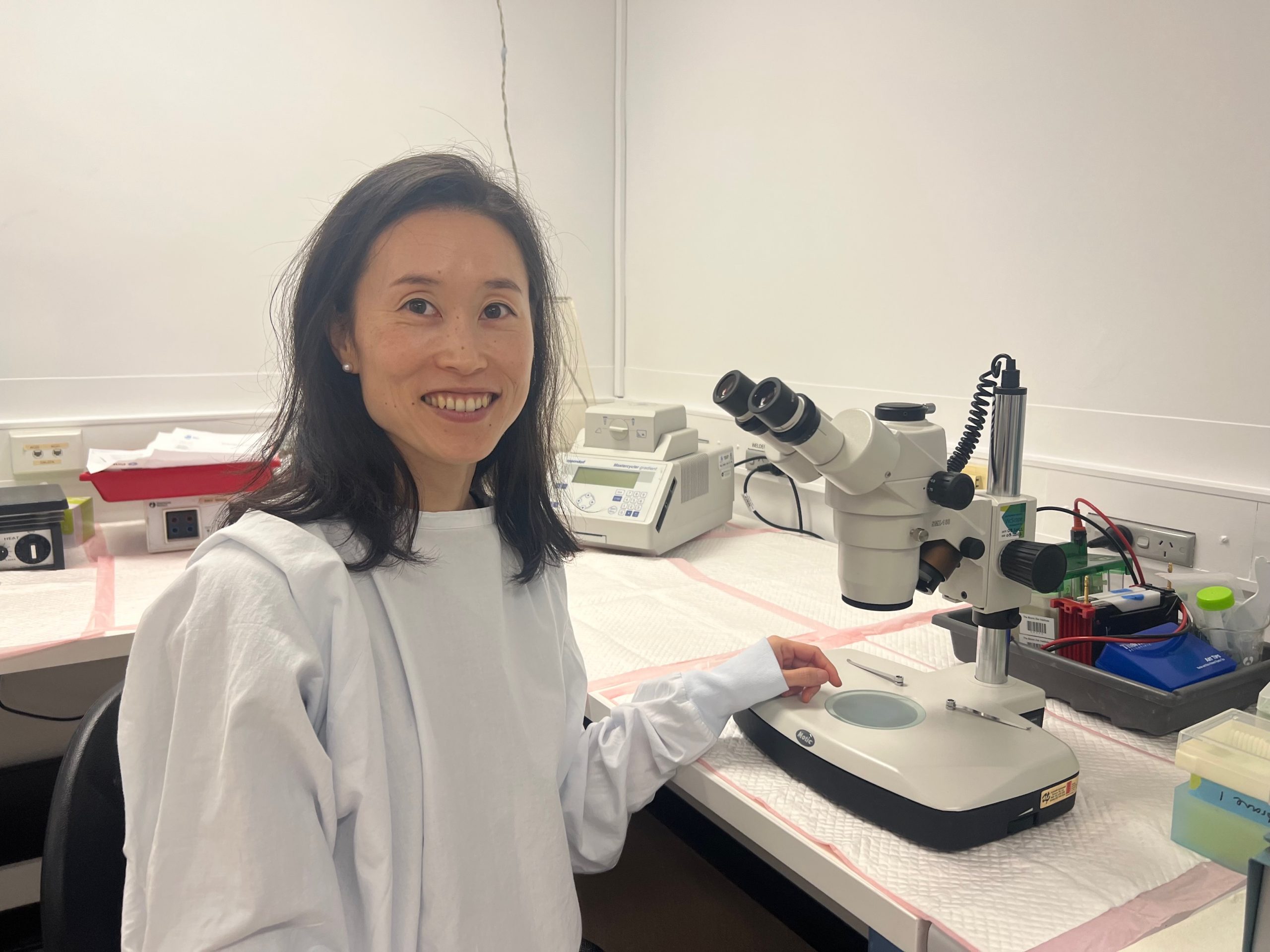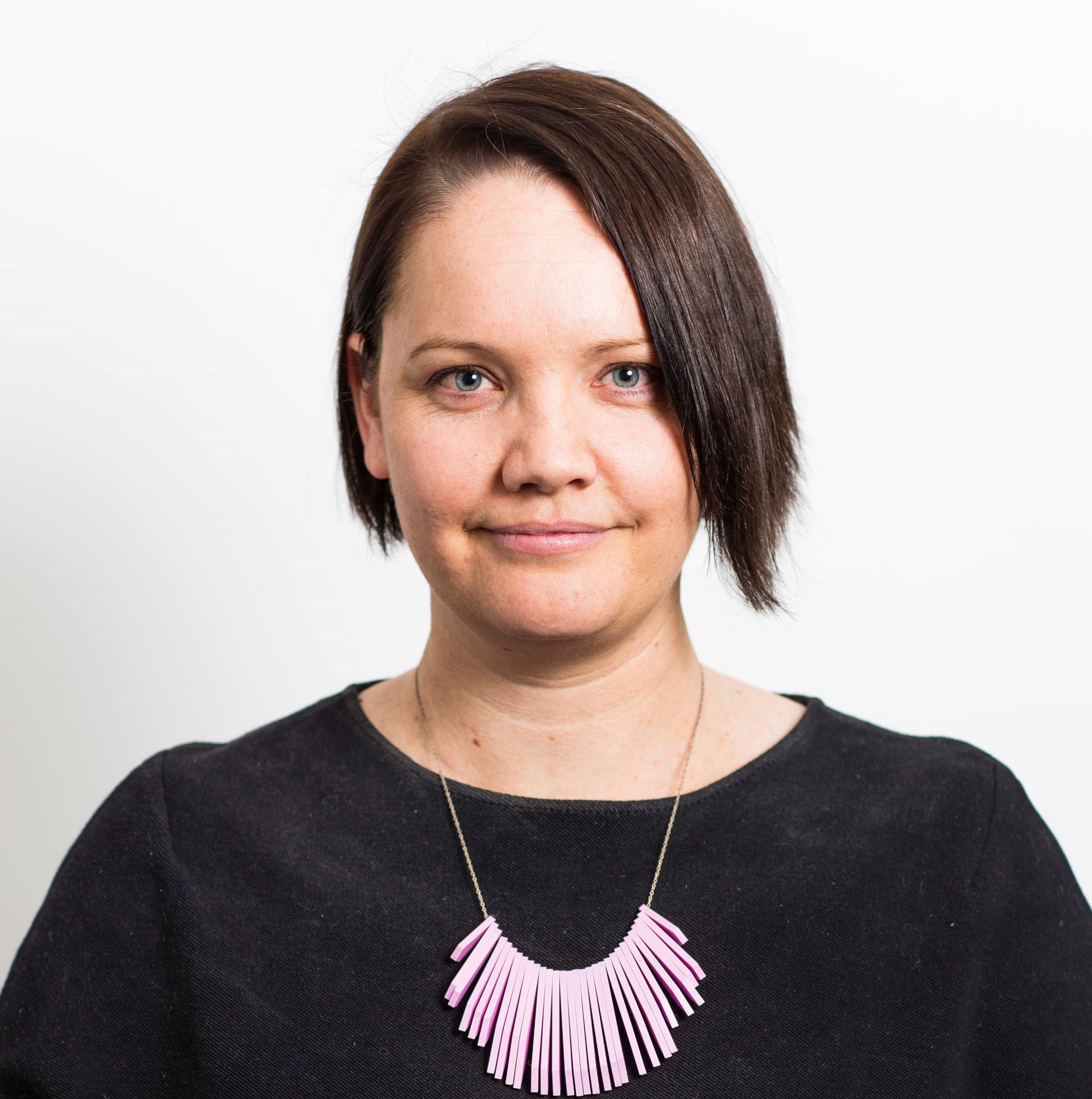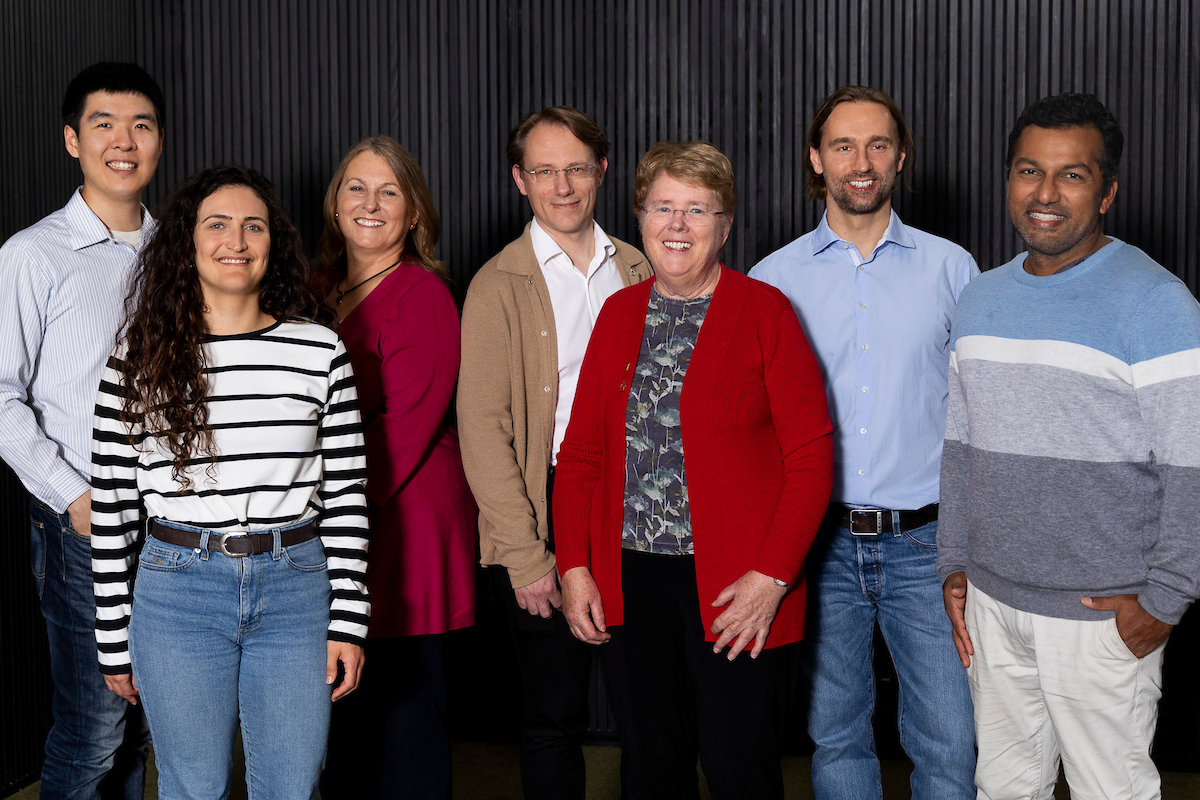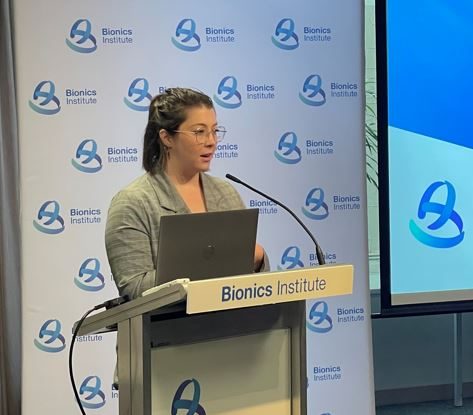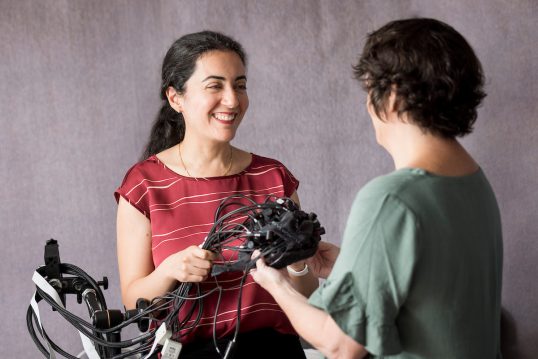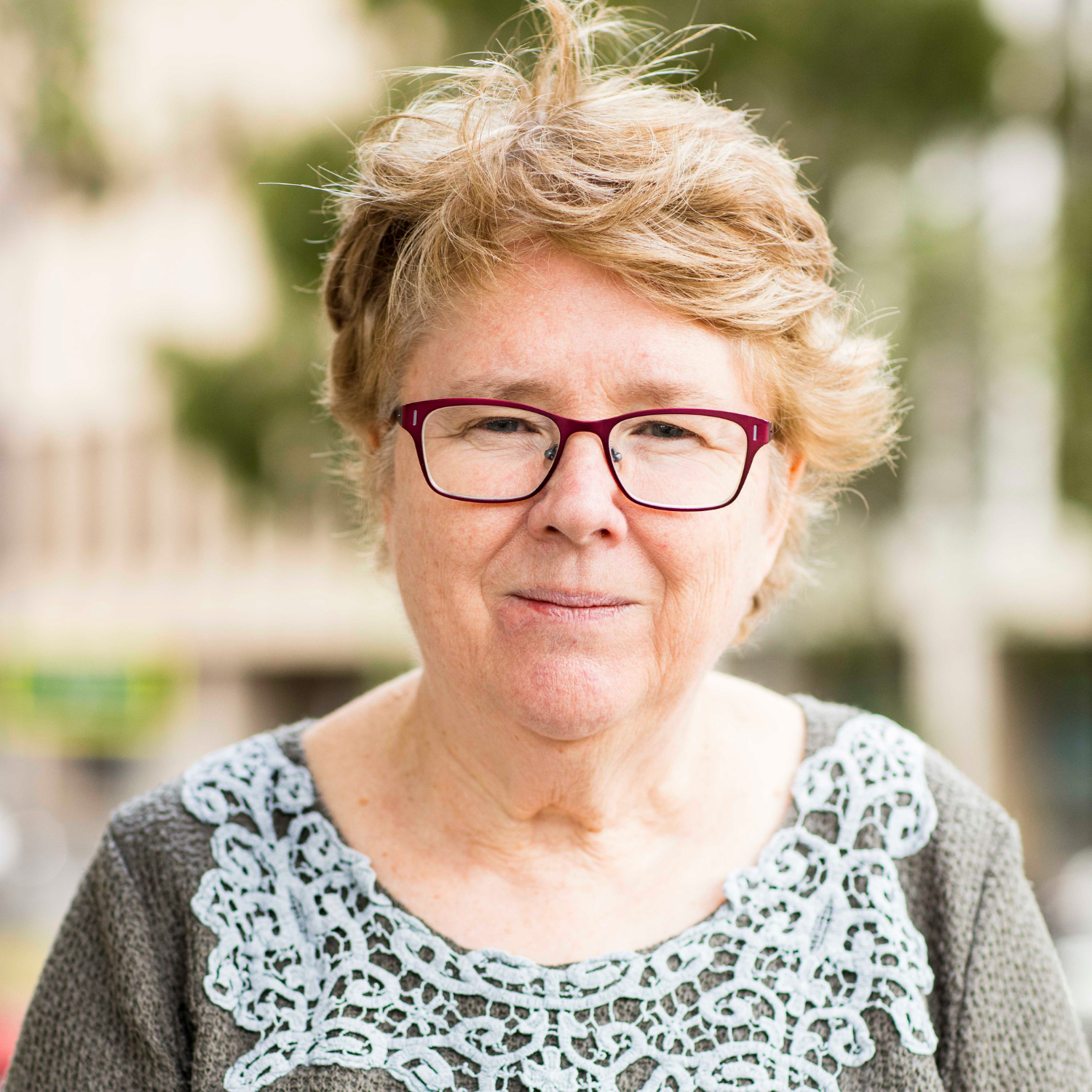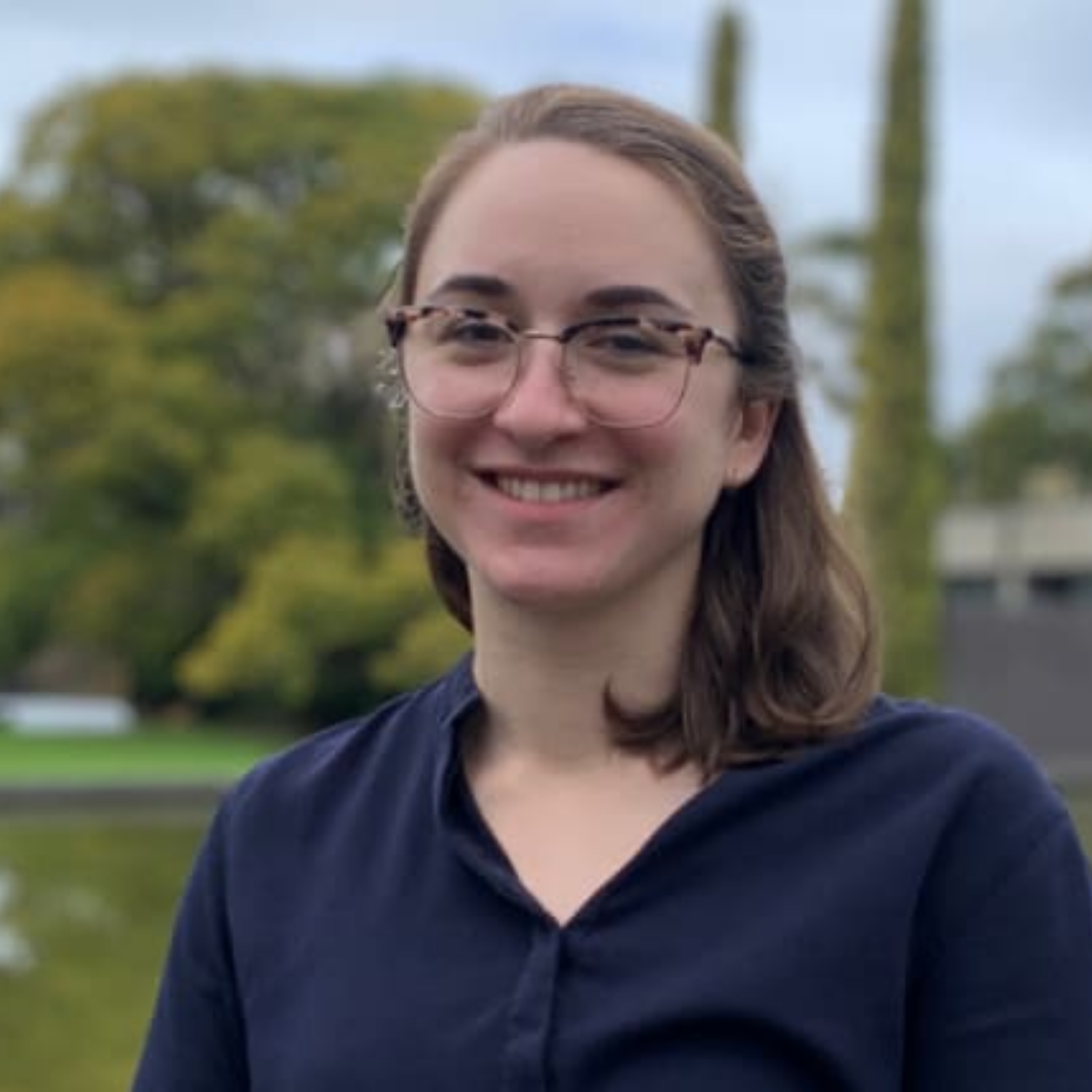
Dr Nara Liu is a computational modelling researcher at the Bionics Institute’s VNS Centre of Excellence. She grew up in China, completed her undergraduate studies in Japan in biochemistry, and moved to Australia to undertake her Master’s and PhD in Biomedical Engineering. She now works on computational modelling approaches within neurotechnology research at the Bionics Institute.
Nara shares her perspective below.
When I was studying biochemistry in Japan, I realised quite early that I was more interested in understanding how things fit together than memorising details. A lot of the learning felt like remembering information without really seeing the structure underneath it, and that didn’t quite click for me.
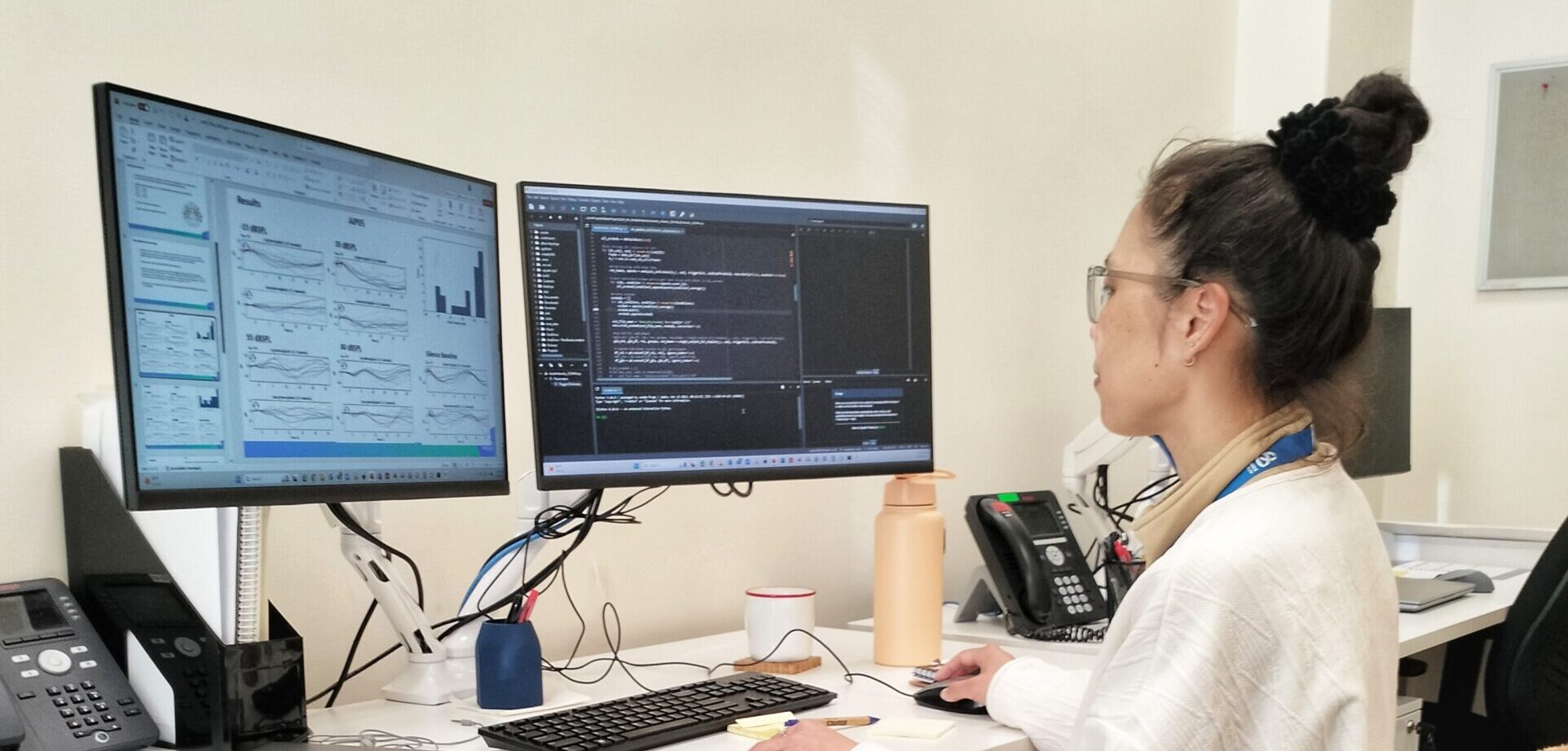
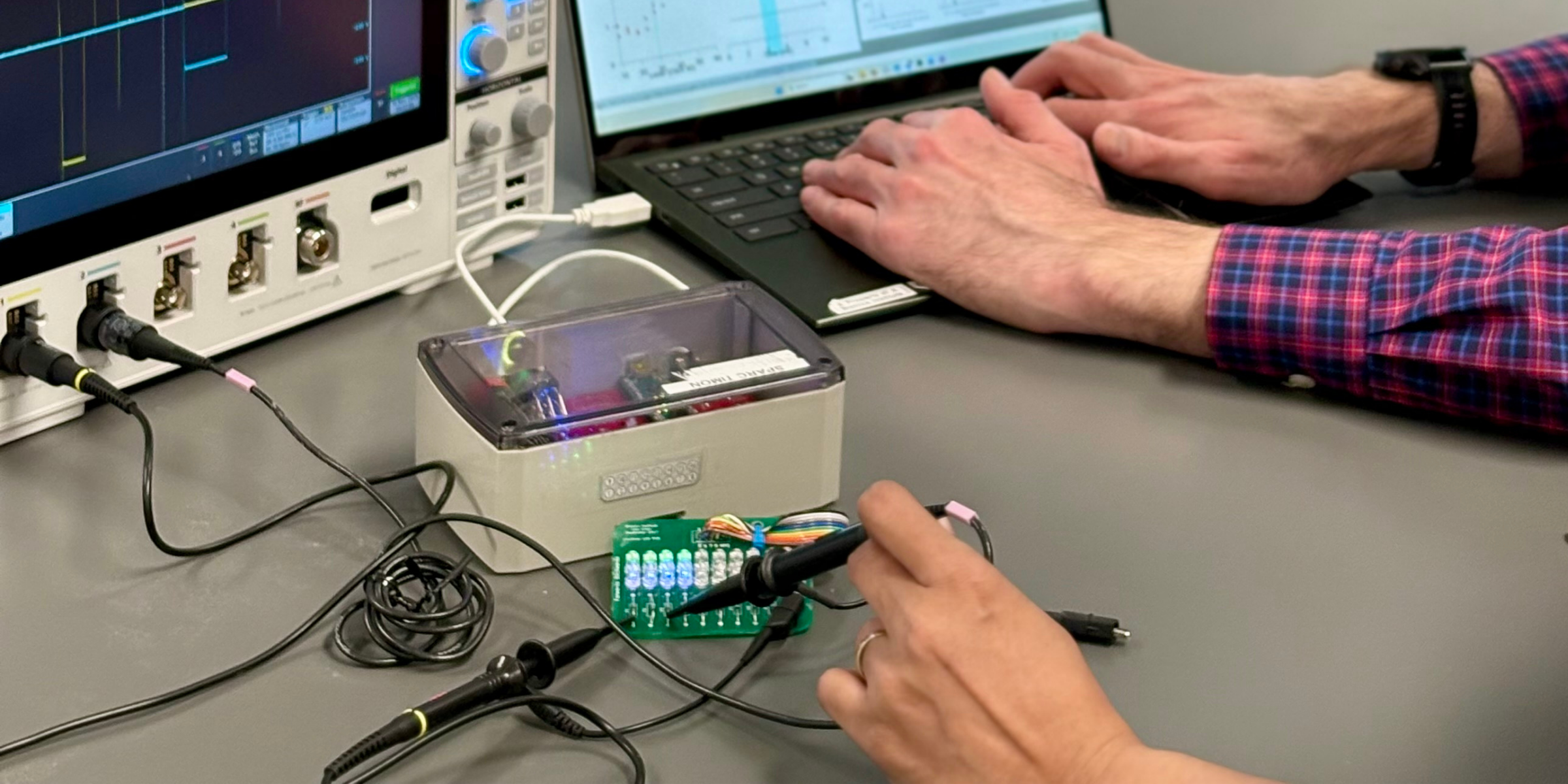
It wasn’t until I came to Australia to do a Master’s in Biomedical Engineering that things started to feel different. I was exposed to a lot of electrical engineering, which was much more practical and hands-on, and I also learned how to code. That was something I took to immediately. It felt like the first time I could actually test my thinking in real time. You can build something, run it, and see straight away whether it works. I liked that feedback loop. You don’t have to guess; the system tells you.
Coding also opened up a different way of thinking for me. It made it possible to approach complex problems in a more structured way, and to automate parts of analysis that would otherwise take a very long time. It made the process of finding answers feel much more direct.
During my Master’s, I took a course in neural signal processing, which looks at the electrical signals in the body and how to interpret them. That was the first time I really saw all of my interests come together: engineering, coding, and biological systems. I remember gradually realising I was spending most of my time thinking about how to analyse these kinds of signals more effectively than anything else. It wasn’t a single decision so much as something that slowly became obvious to me, and that’s what led me toward a PhD.
What draws me to computational modelling more broadly is the way it can support and strengthen experimental work. Experiments are often very time- and labour-intensive, so there’s always a degree of uncertainty in the back of your mind about whether you’re looking at the full picture. Modelling can help build confidence around what you’re seeing, and sometimes it can reveal patterns that aren’t immediately obvious from the data alone. I’m particularly interested in those kinds of problems, where the structure is there, but you have to work to uncover it.
At the Bionics Institute, what I really value is the focus on translation. It changes the way you approach research from the beginning. It’s not only about whether something works in theory, but whether it can realistically become something that helps someone in a clinical setting.
That shift matters to me. In some of my earlier academic work, it wasn’t always clear how long it would take for something to move beyond the research stage, or whether it would ever reach a practical application. Here, there’s a clearer sense of direction. The goal is always present in the background: how do we move this forward in a way that is useful, and as efficiently as possible, without losing scientific rigour.
I find that combination of curiosity and purpose very motivating. I like understanding how things work at a detailed level, but I also want that understanding to eventually translate into something that can make a difference for people living with neurological or biomedical conditions.
There’s still a lot I want to understand in this space, and it feels like we’re only just beginning to see what’s possible. I’m excited to begin this journey at the Bionics Institute, and continue translating research into positive outcomes for people living with these conditions.