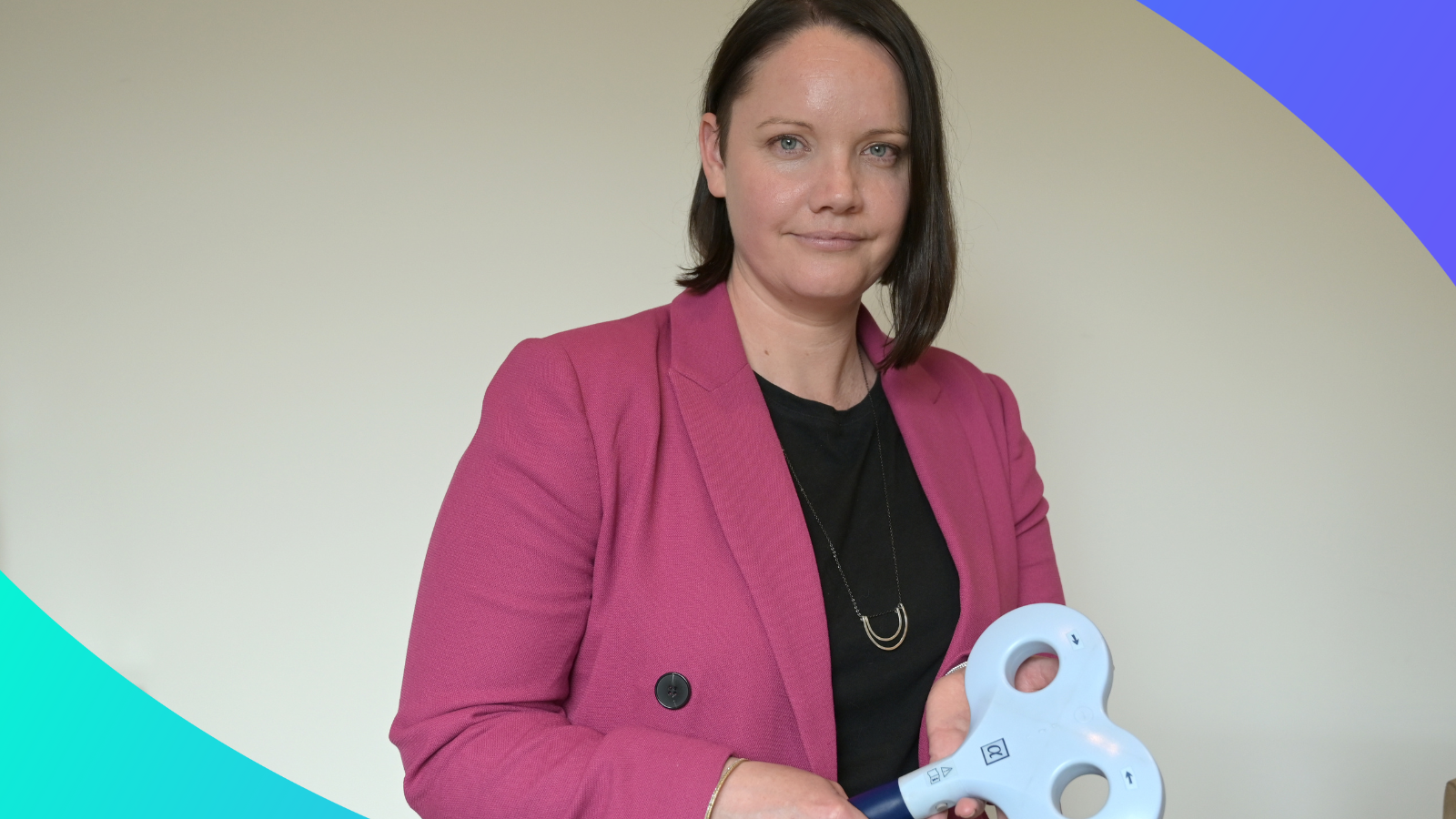
At the Bionics Institute, our focus is translating research from the lab into people’s lives to help those who need it the most. Our clinical trials are a major step in this process.
Current trials
Reboot: Abdominal vagus nerve stimulation as a novel treatment for rheumatoid arthritis
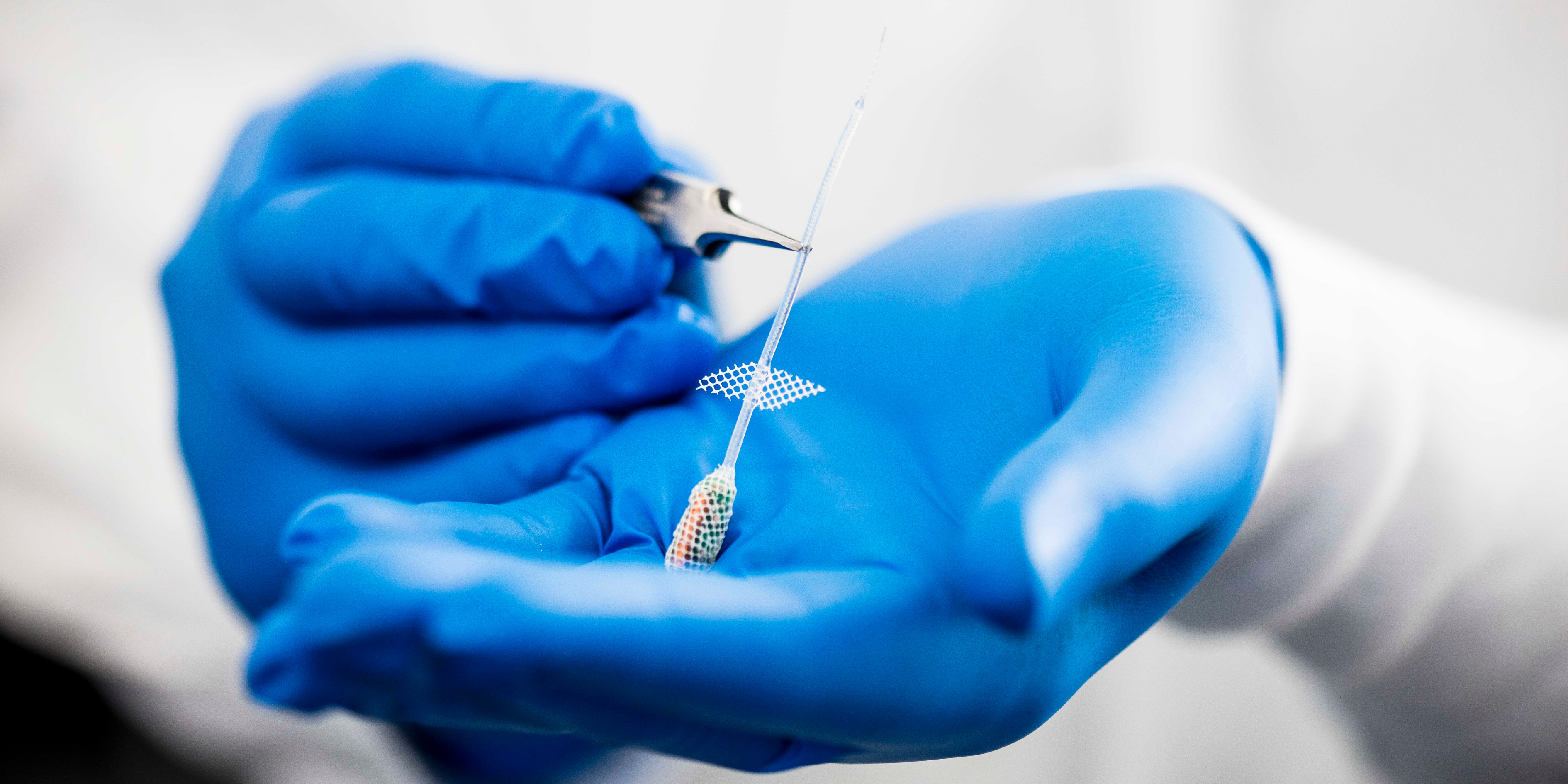
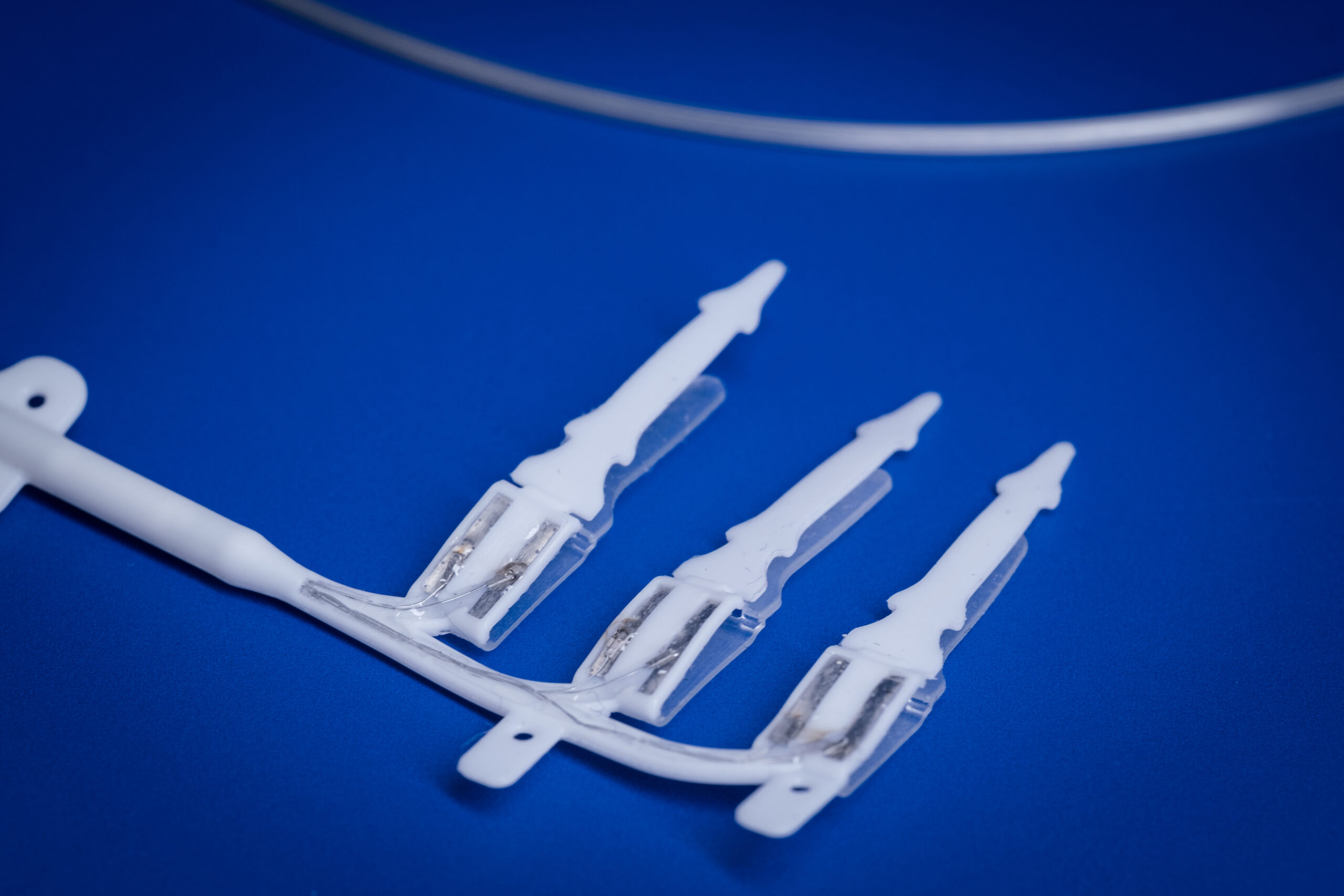
The abdominal vagus nerve stimulation (aVNS ) system is an active medical device placed into the body to allow electrical stimulation of the abdominal vagus nerve. Participants will undergo stimulation treatment with the device for 24 weeks after it is implanted by keyhole surgery.
The trial aims to assess the safety of the aVNS device for people experiencing moderate to severe rheumatoid arthritis that are not responding or are intolerant to drug therapies.
Electrx: Abdominal vagus nerve stimulation to prevent recurrence of IBD
Similar to the arthritis trial, the vagus nerve stimulation device will be attached to the abdominal branch of the vagus nerve with the aim of dampening inflammation following bowel resection surgery.
The clinical trial is conducted in collaboration with Austin Health and is currently recruiting through the Austin Hospital. It aims to demonstrate the safety of the device and help prevent the recurrence of Crohn’s disease at the surgical site.
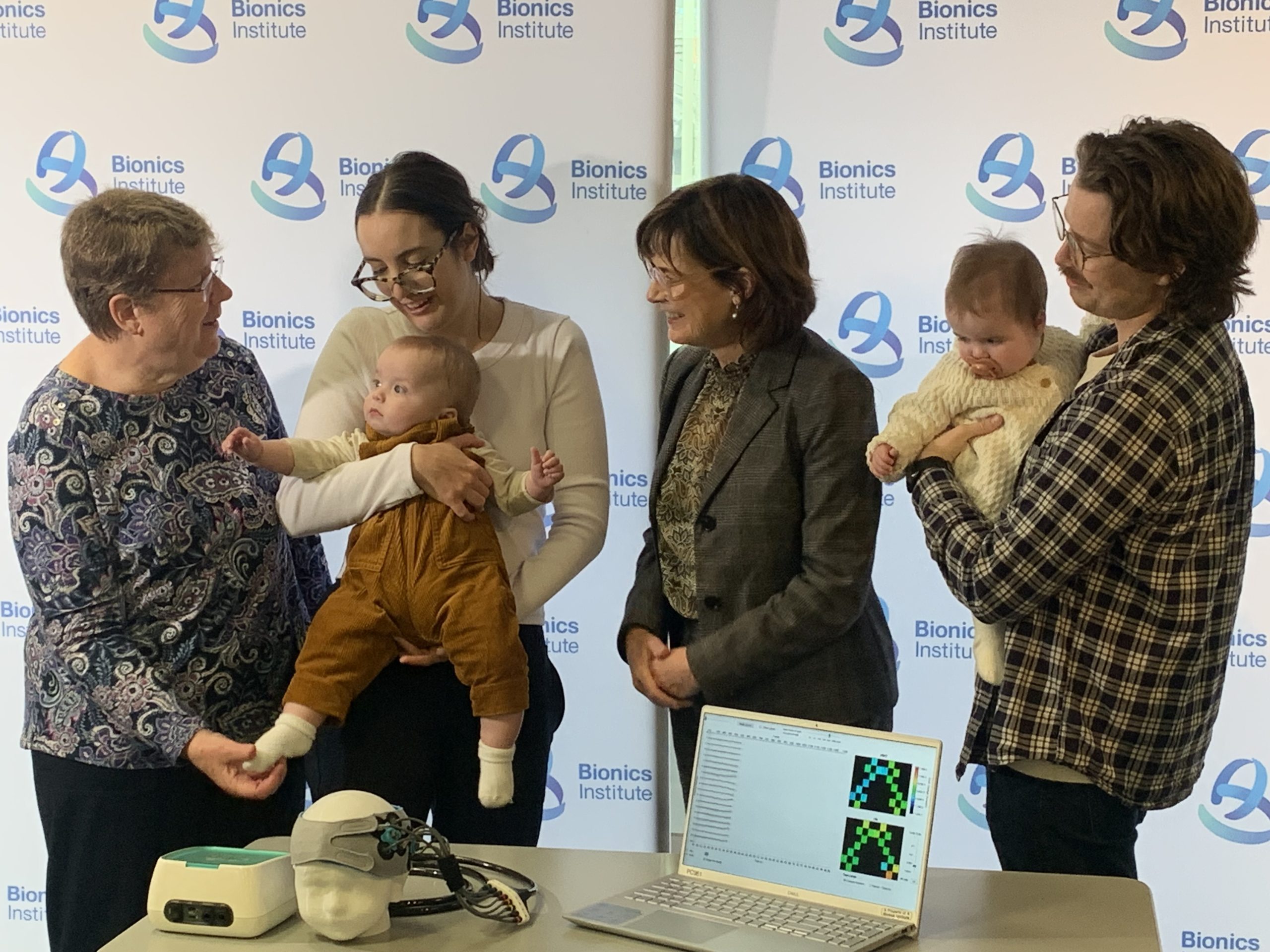
Validation of an fNIRS objective measure of tinnitus in patients using app-delivered tinnitus management
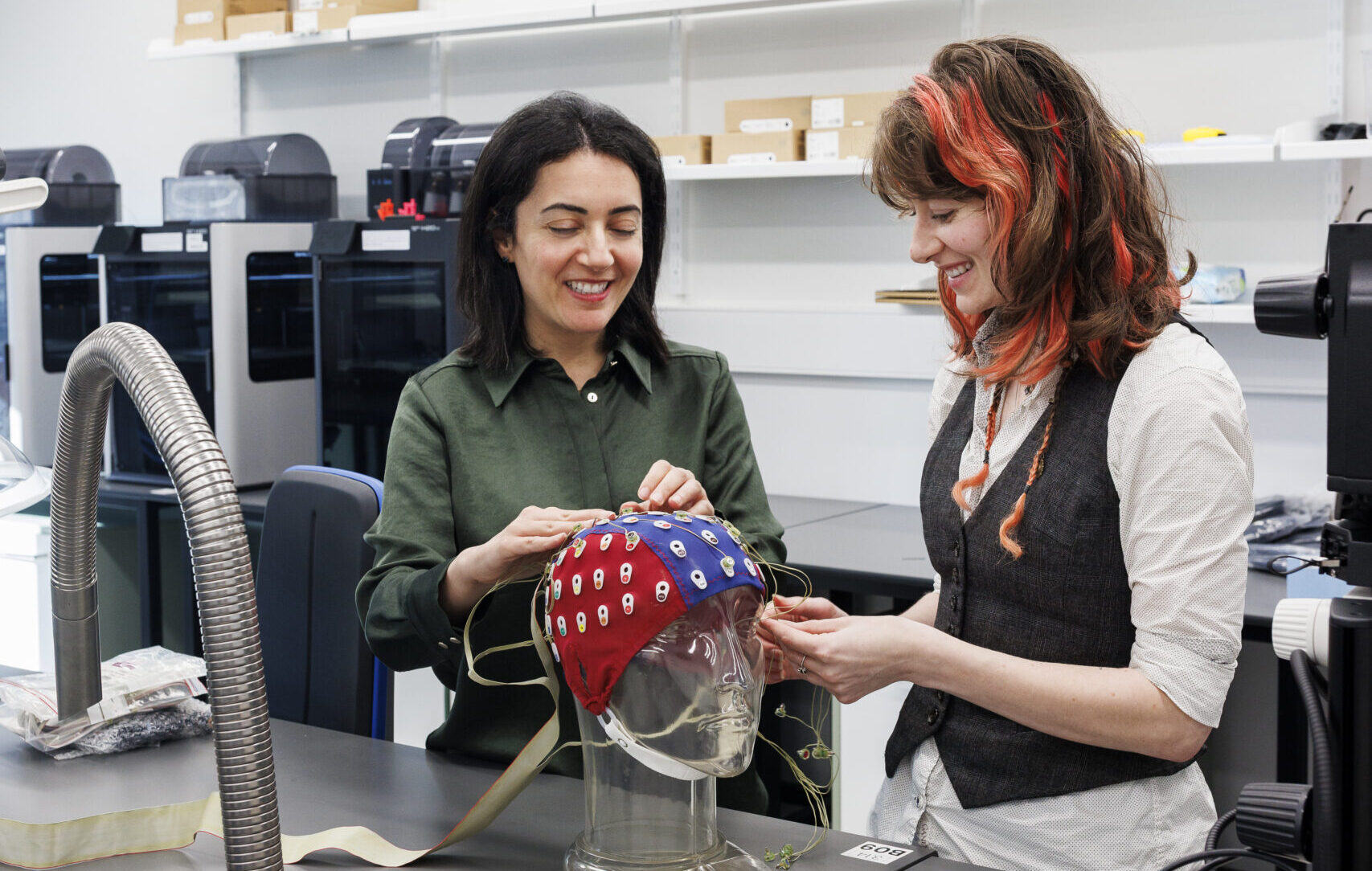
We have demonstrated the sensitivity of a non-invasive brain imaging technique called functional near-infrared spectroscopy (fNIRS) to detect tinnitus presence and severity.
We now aim to validate our objective measures in those using a smartphone app for tinnitus management called Oto, developed by the UK company Oto Health.
A two-centre study for the use of functional near-infrared spectroscopy as an objective measure of the efficacy of standard tinnitus management
We have demonstrated the sensitivity of functional near-infrared spectroscopy (fNIRS) to detect tinnitus-related changes in brain activity.
The trial aims to validate our objective measures of tinnitus presence and severity in people completing standard clinical treatment pathways.
A Randomised Controlled Trial of the Theta Burst Stimulation Melbourne Protocol for Alzheimer’s disease (The TRAM Protocol)
Professor Kate Hoy of the Bionics Institute has developed a treatment program using Transcranial Magnetic Stimulation (TMS) which aims to improve brain function in people living with Alzheimer’s disease.
The trial is investigating an extended course of personalised TMS in Alzheimer’s disease to determine both the clinical efficacy and duration of effects.
Multimodal Imaging in Cognitive Decline (The MInD Sub-study)
The study explores brain activity associated with ageing and cognitive decline to better understand changes in memory and thinking associated with Alzheimer’s disease.
The trial aims to identify early signs of cognitive decline and better understand the mechanisms of memory and thinking changes.
A system for measuring activities of daily living in people with Spinocerebellar Ataxia
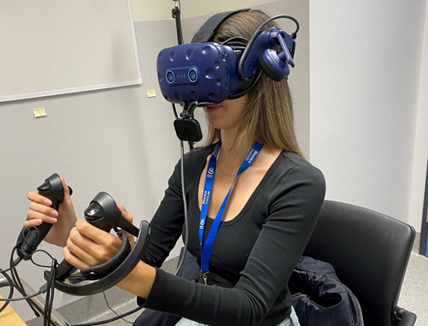
The team has established a clinical trial in remote communities in Australia to evaluate new technologies that use wearable sensors and artificial intelligence to produce more accurate measurements of ataxia.
The trial aims to provide people with limited access to specialist care with an accurate measure of disease progression and treatment effectiveness. Once the technology has been proven effective, it could potentially also be used to test investigational gene therapy treatments for ataxia.
Potential future clinical trials
Our researchers are also planning clinical trials into potential new treatments for tinnitus, Parkinson’s gait issues, ataxia and towards improvements in cochlear implant programming:
- Multimodal Coordinated Reset Stimulation as a treatment for Tinnitus
- Peripheral stimulation for Parkinson’s disease gait
- Augmented Reality for the analysis of eye movement abnormalities in Cerebellar Ataxia
- Digital Twins for Cochlear Implants: Personalised and precise implant programming
To participate -> https://www.bionicsinstitute.org/get-involved/participate-in-research-studies/
For more info -> https://www.bionicsinstitute.org/our-research/