New research has found that combining light and electrical stimulation could improve nerve stimulation, offering insights that may help inform future treatments for chronic pain.
New research has found that combining light and electrical stimulation could improve nerve stimulation, offering insights that may help inform future treatments for chronic pain.
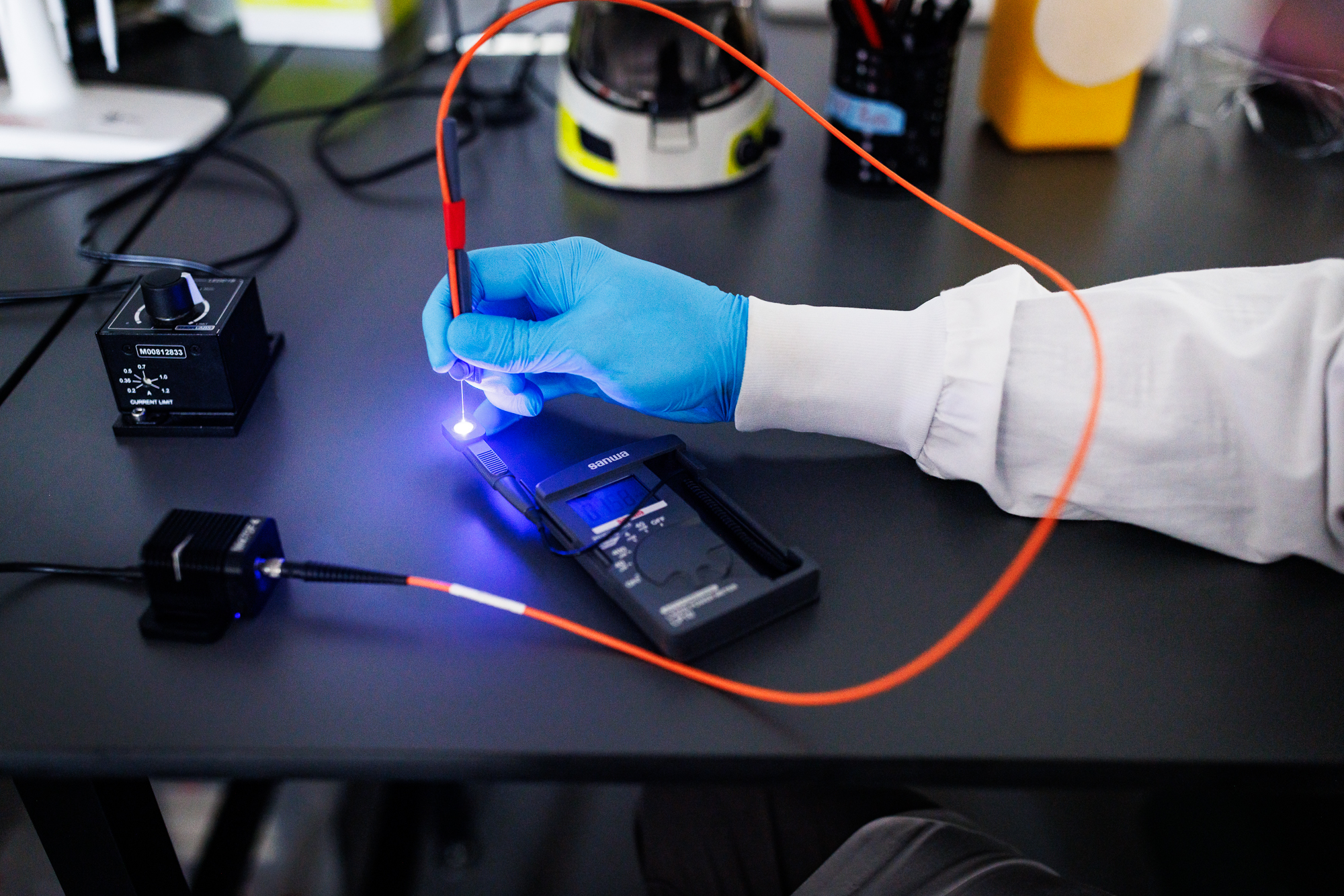
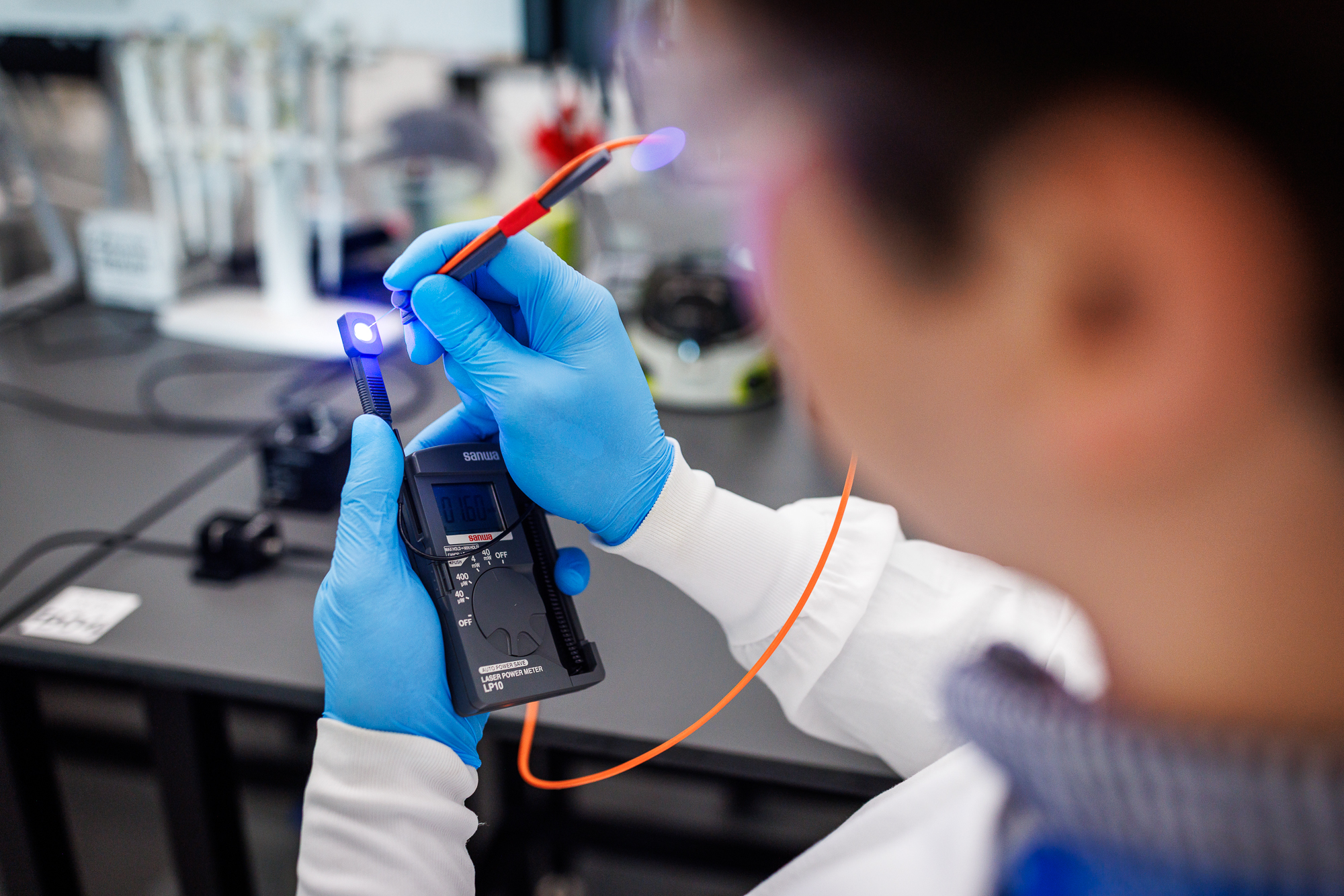
The approach builds on optogenetics, a field that uses genetic tools to make specific nerve fibres responsive to light. The field was recognised in the 2026 Nobel Prize in Physiology or Medicine, awarded to Karl Deisseroth, Peter Hegemann and Georg Nagel for their discoveries of light-gated ion channels in nerves.
The study found that optogenetic stimulation could precisely target sensory nerve fibres without causing unwanted muscle movement. Combining light and electrical stimulation produced a stronger response than either approach alone, improving the nerve response in more than 85 per cent of measurements.
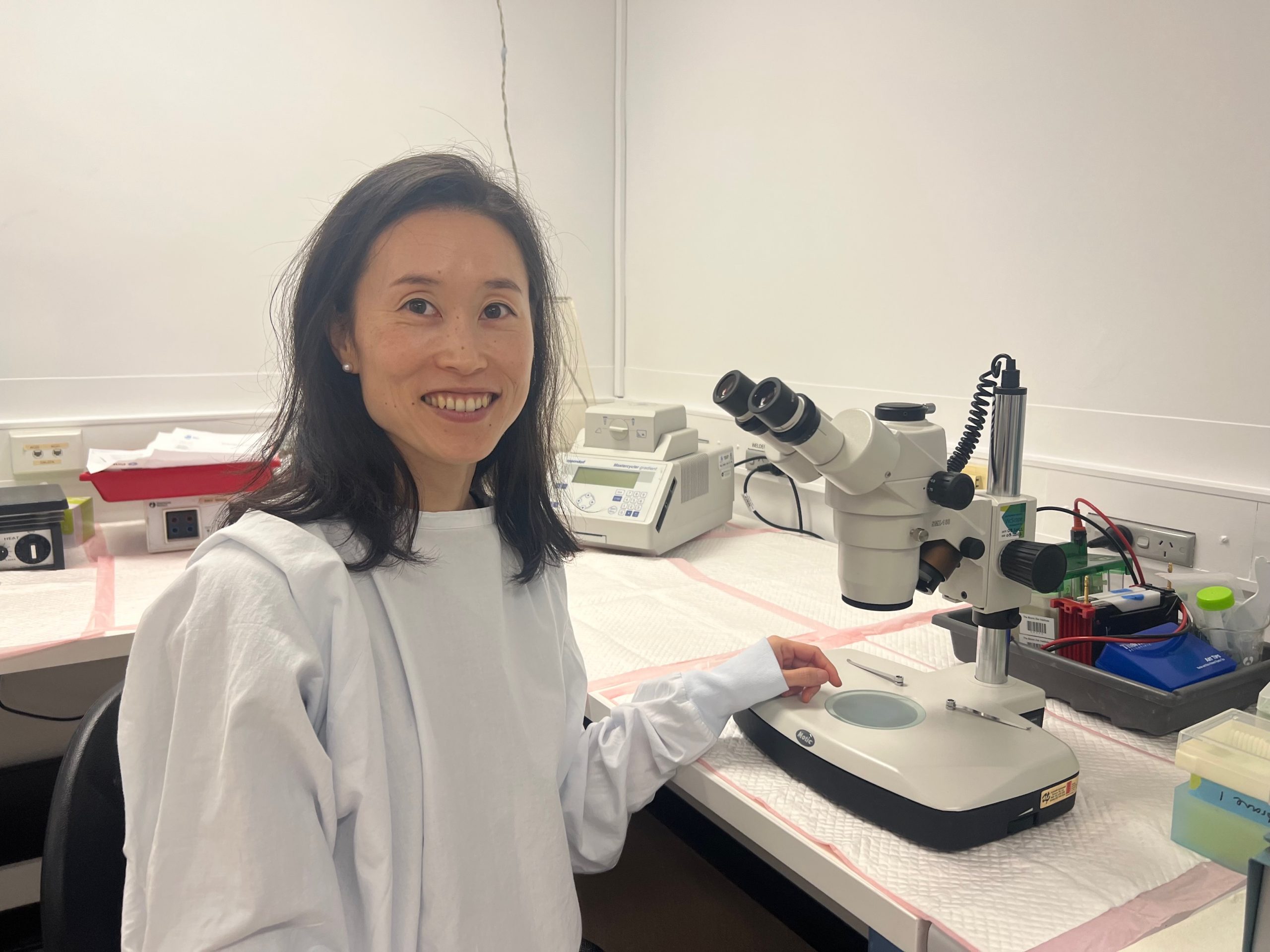
Published in BMC Neuroscience on 23 September 2026, the study was led by Dr Mary Ardren and Professor Rachael Richardson. The researchers investigated how nerve fibres respond to repetitive optogenetic stimulation, electrical stimulation and a combination of both.
One of the exciting things about optogenetics is its ability to selectively target particular nerve fibres. But for a therapy, we need that response to be sustained. Professor Rachael Richardson
“Our research shows that combining optogenetic stimulation with electrical stimulation can produce a stronger response than either approach alone. This gives us valuable insight into how we might harness the precision of optogenetics while addressing some of its limitations for sustained nerve stimulation. This could be a very important approach for dealing with chronic pain which, even today, remains very poorly treated.”
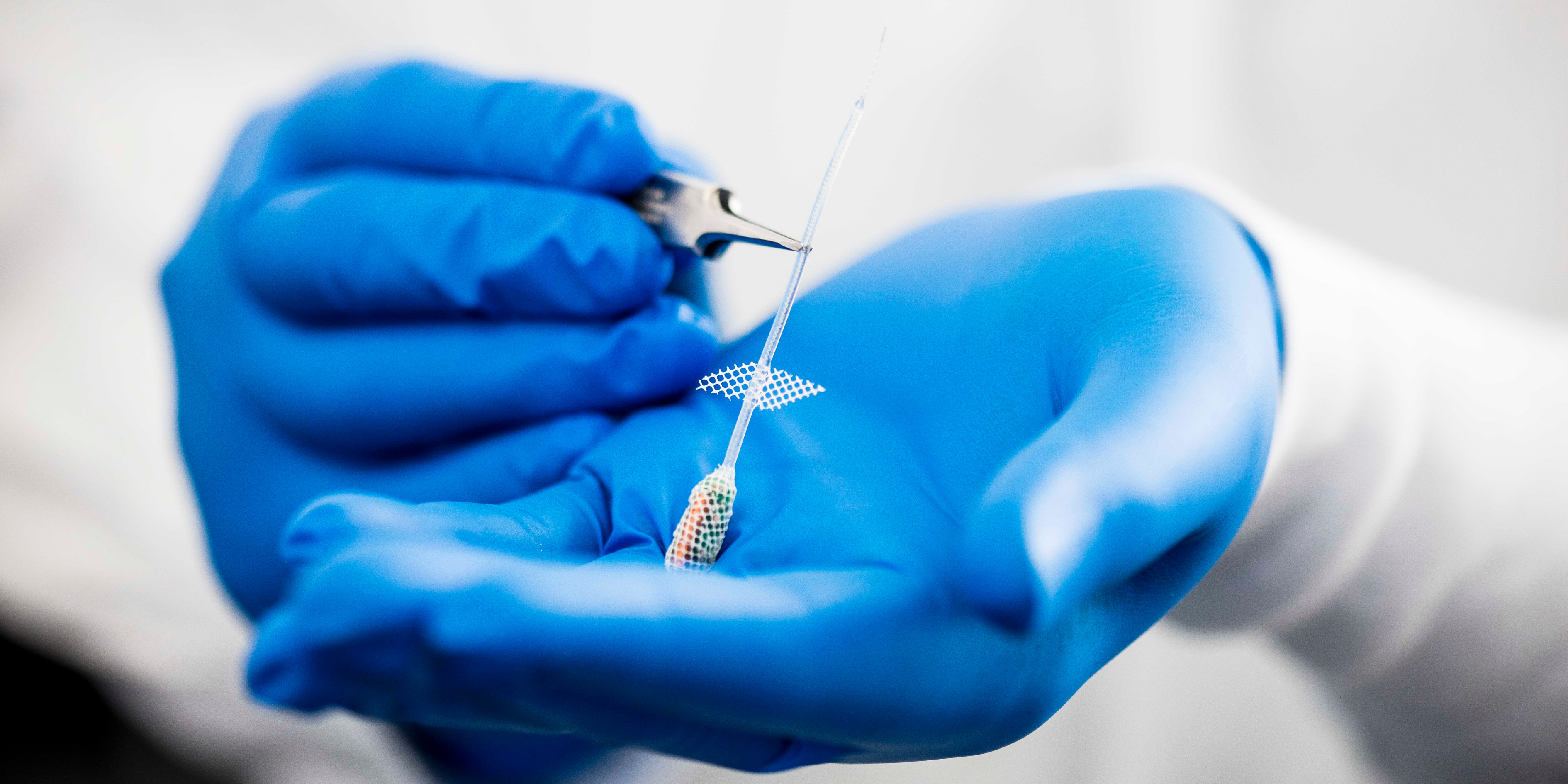
Peripheral nerve stimulation using implanted devices can provide relief from chronic pain for some patients. However, electrical stimulation does not selectively activate only the nerve fibres researchers want to target. Optogenetics offers a potential way to improve this selectivity by making specific nerve fibres responsive to light.
The findings suggest that combining the two approaches could improve peripheral nerve stimulation and contribute to the development of future non-drug treatments for chronic pain. Further research is needed to determine whether the approach can be translated into a safe and effective treatment for humans.
Read the study: BMC Neuroscience