The sound of connection
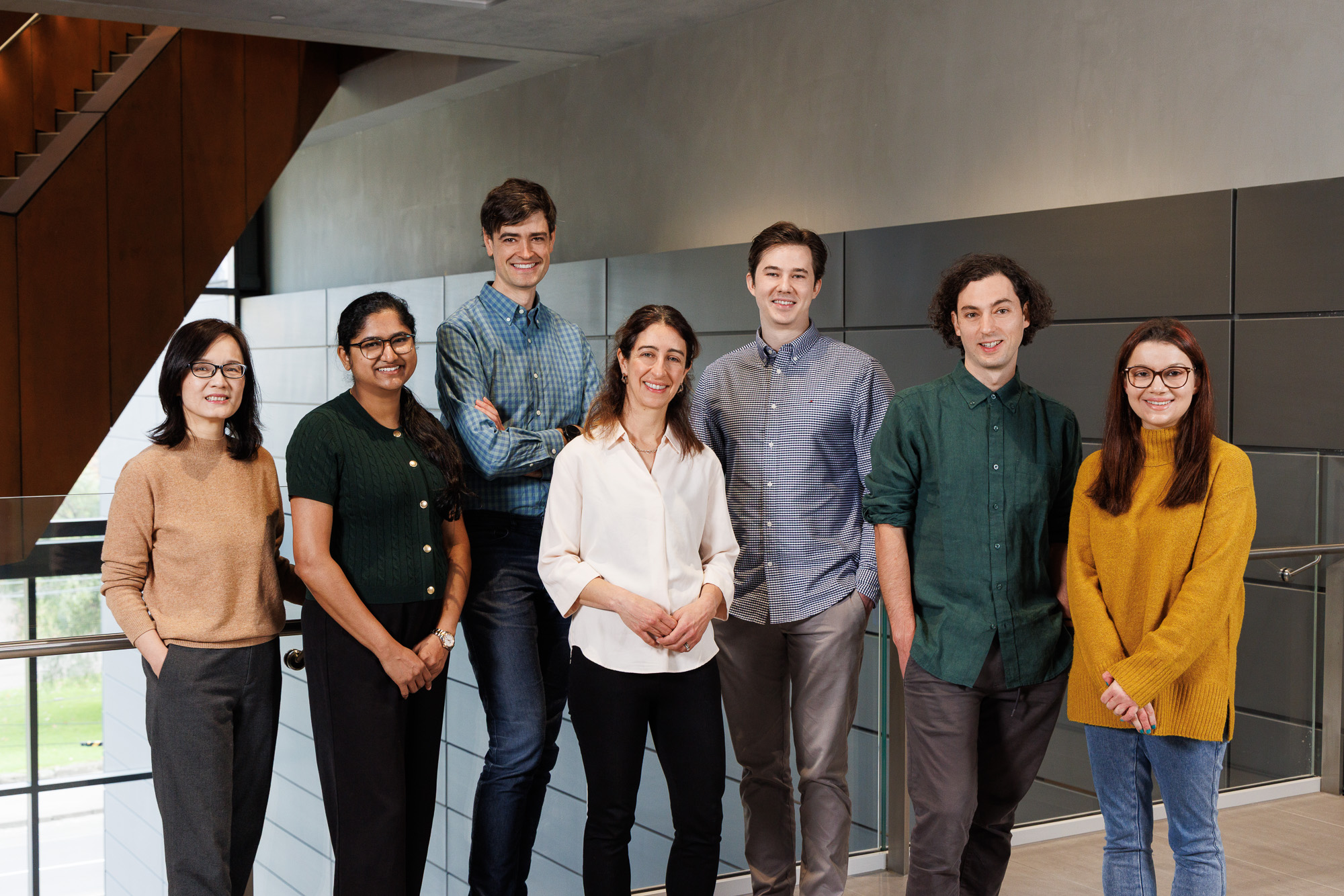
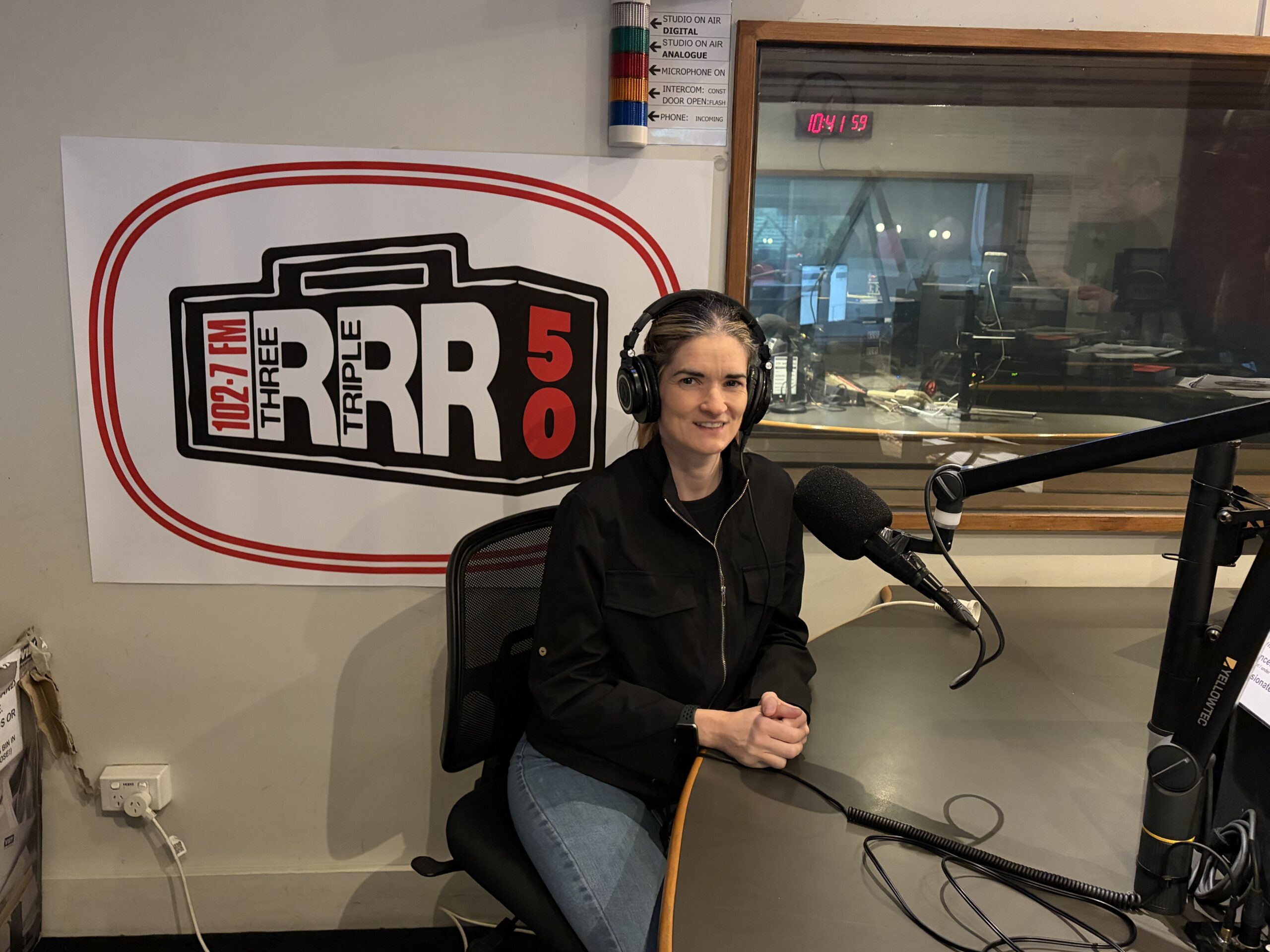
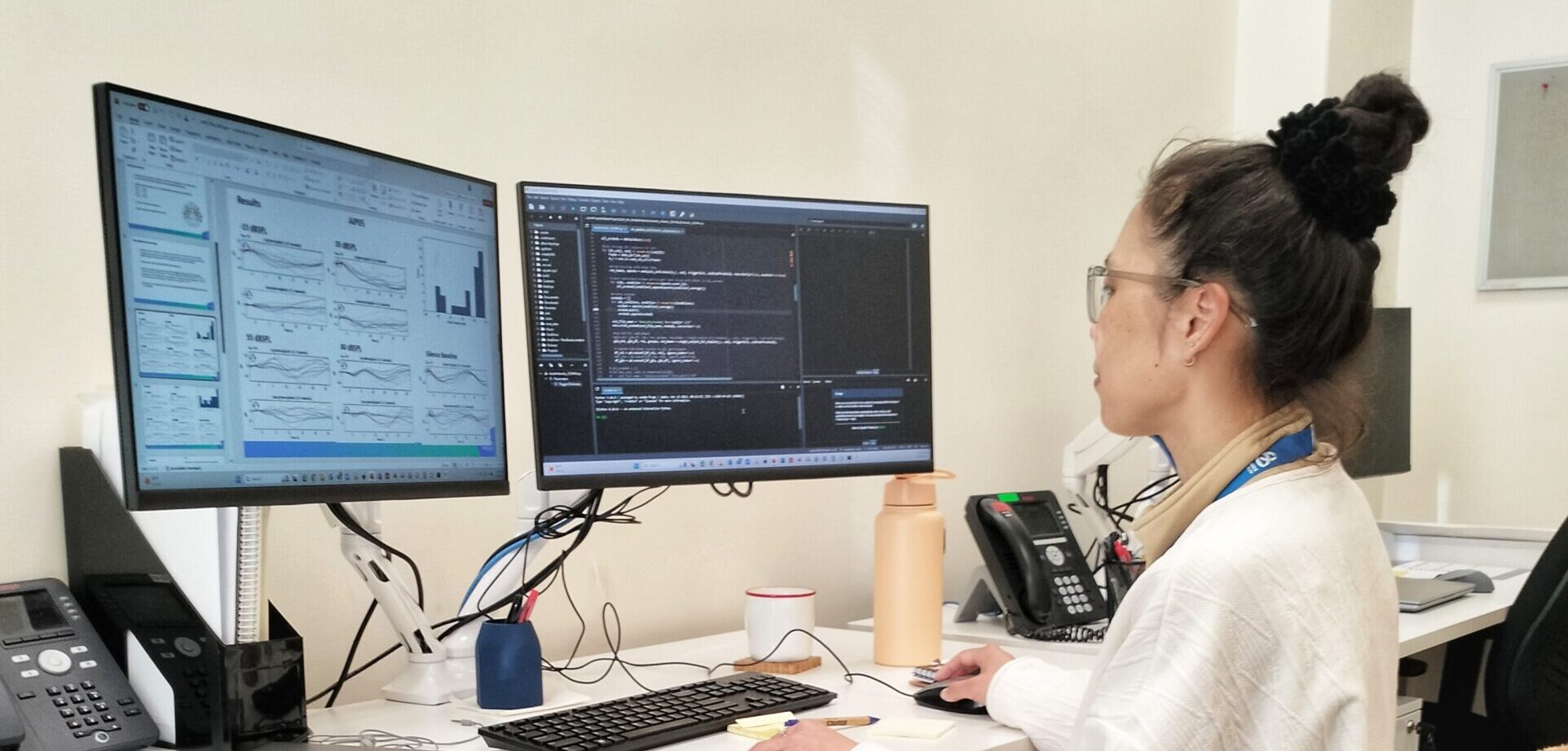
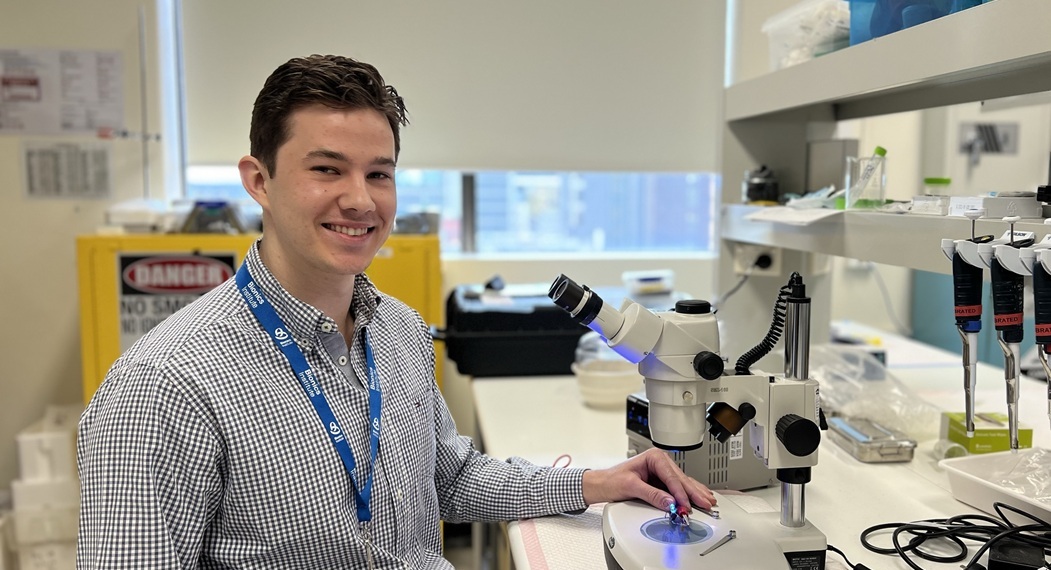
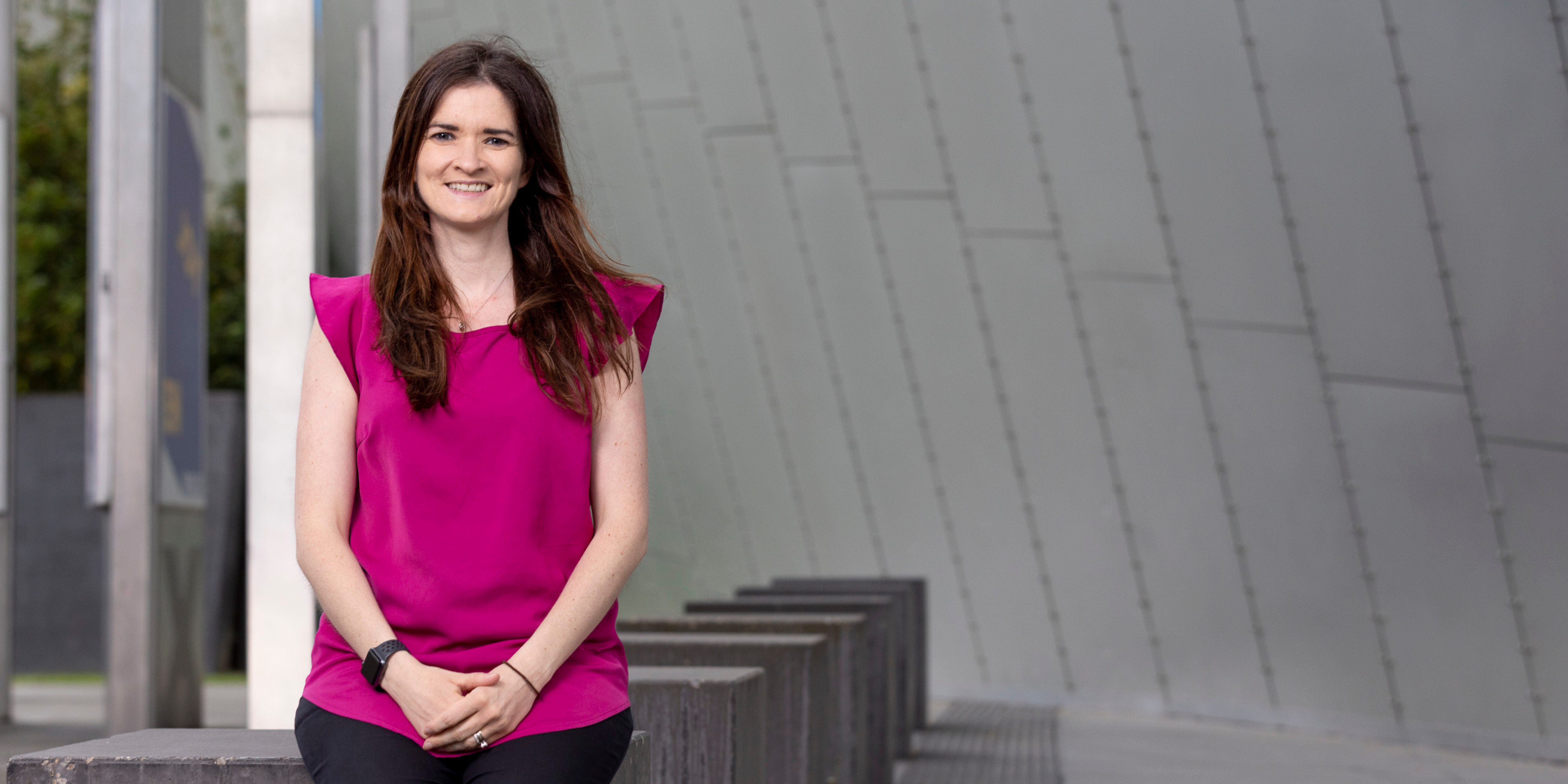
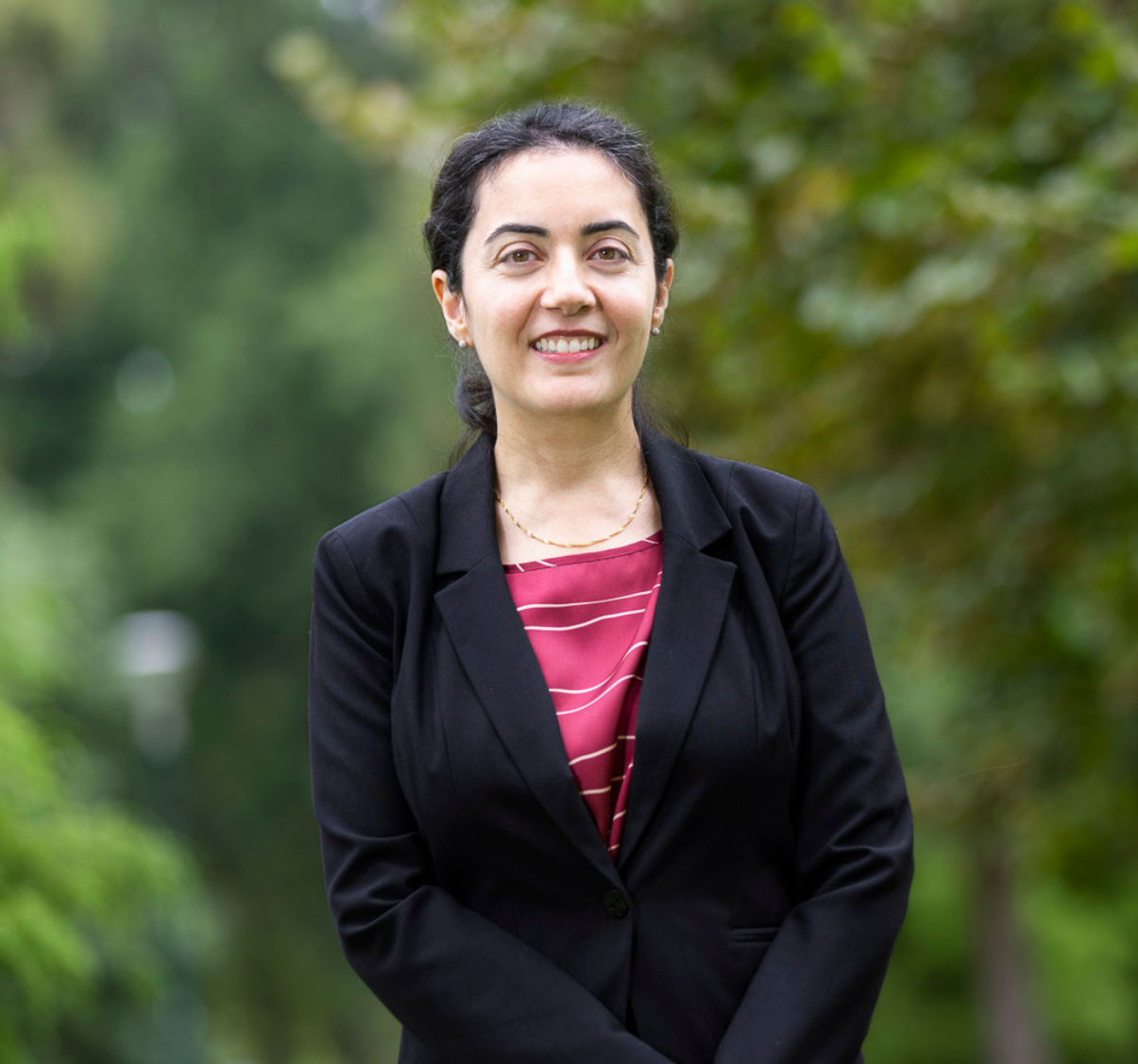
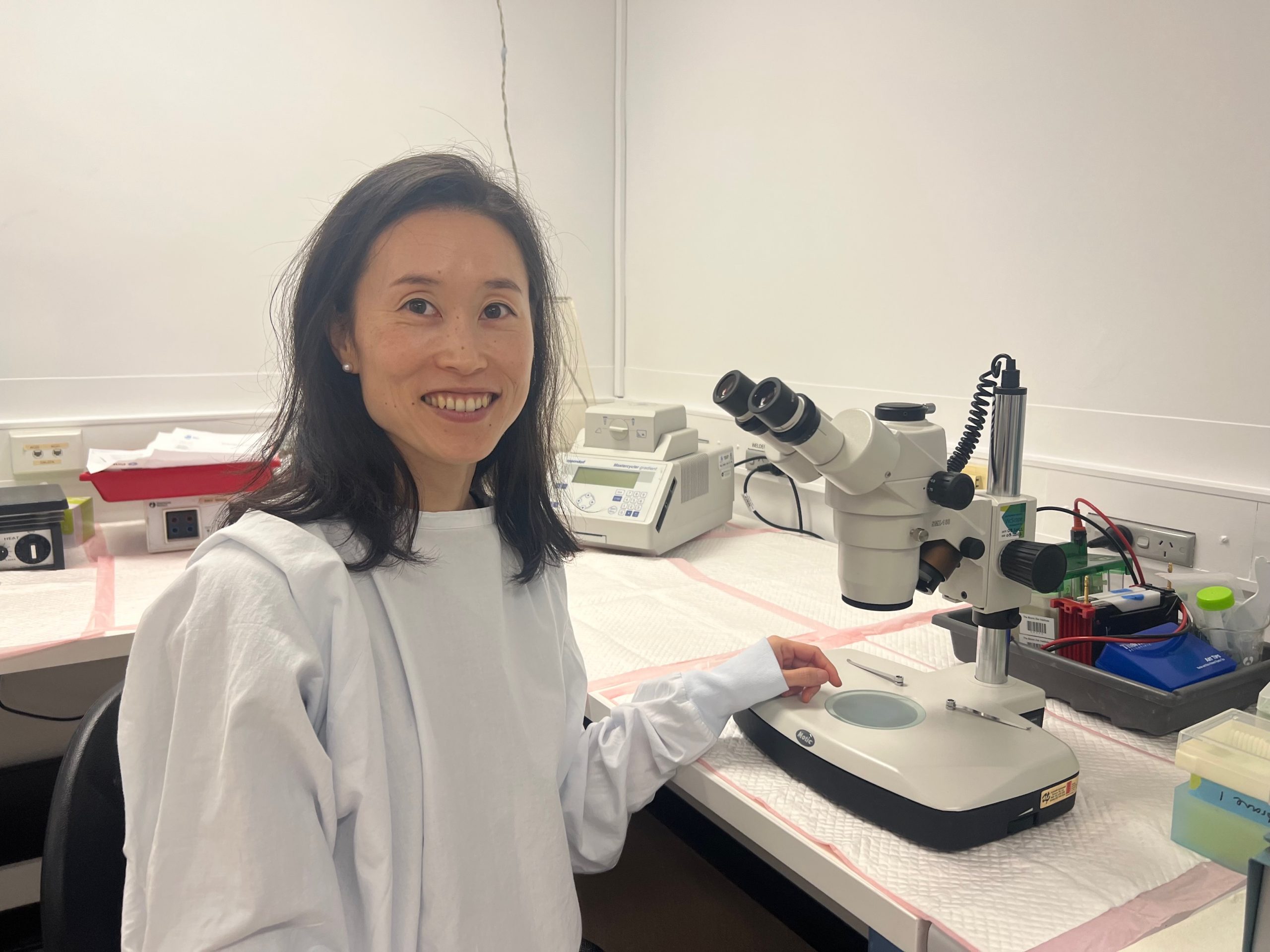
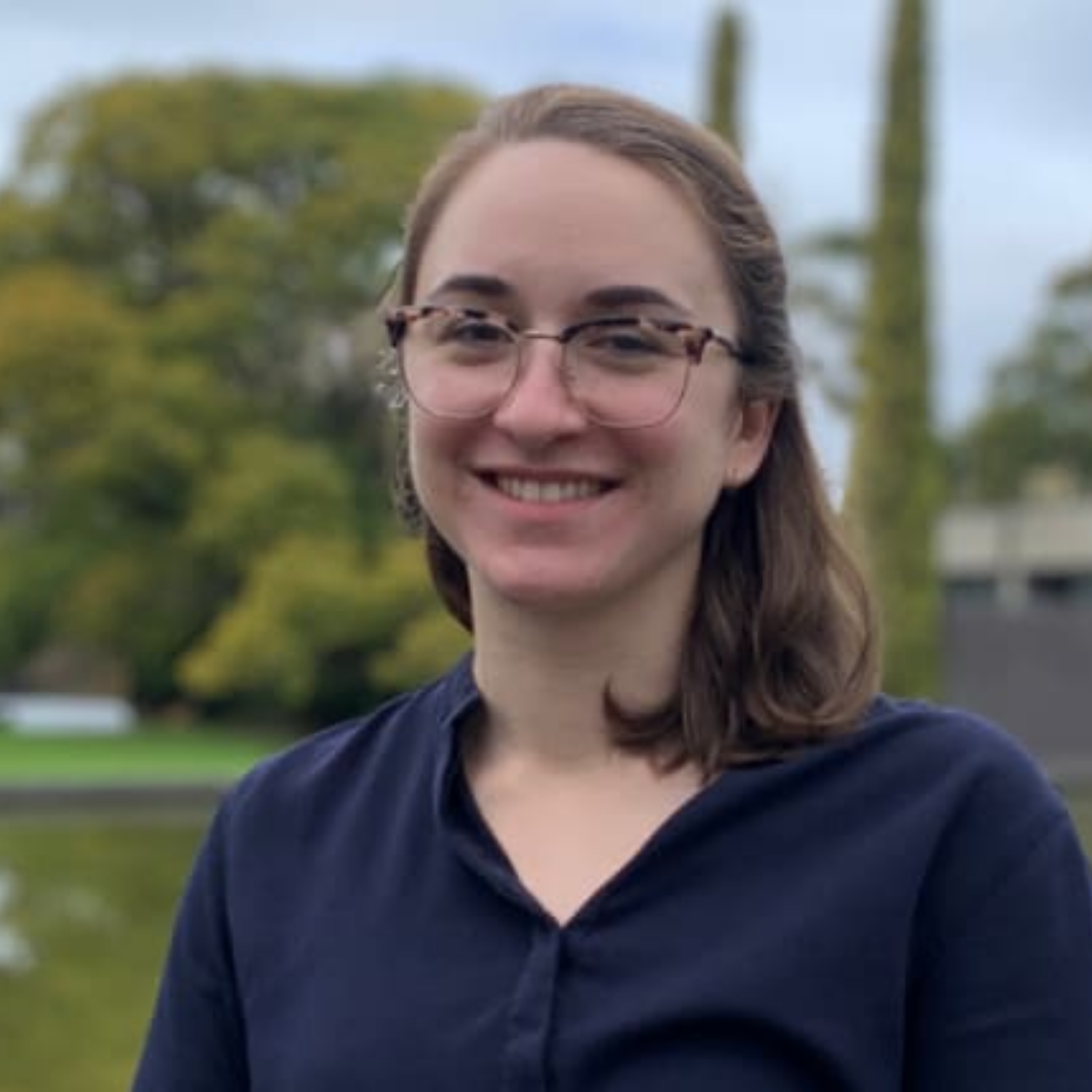
Bionics Institute researcher Dr Anu Sabu is exploring how the brain processes sound to improve hearing outcomes for people with cochlear implants. Here, Anu talks about what her research means and why improving hearing could make a real difference to people’s everyday lives.
When I think about what hearing means to me, the thing that comes to mind is that it’s so much more than just the perception of sound. Ultimately, it’s about connection.
It’s joining a conversation with friends, laughing together, cheering at a football game, or simply feeling part of what is happening around you. When hearing becomes difficult, these everyday moments can become harder to navigate, and over time, that can leave people feeling increasingly disconnected from those around them.
That is why I am so passionate about my research. I want to help people with hearing loss experience more of those moments of connection.
Making hearing technology work for real life
I study how the brain responds to complex sounds delivered through a Cochlear implant. Cochlear implants can be life-changing, but they don’t always make hearing easy. One of the biggest challenges is understanding speech when there is background noise.
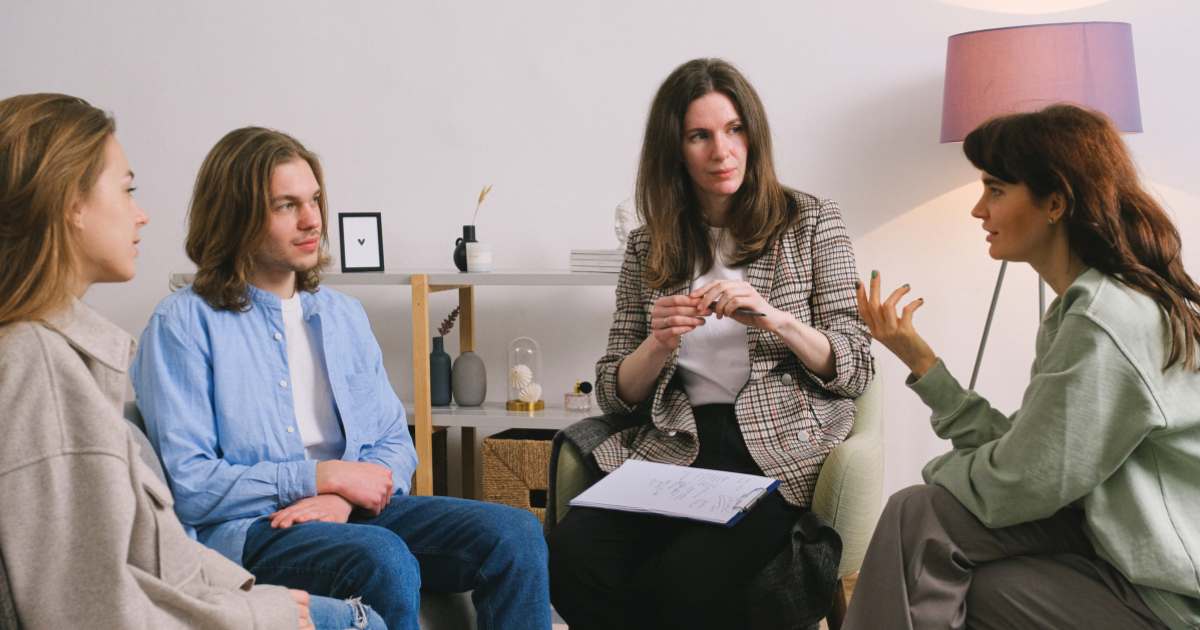
Think about sitting in a busy café with a friend, with voices all around you, music playing and dishes clattering. Most of us can focus on the person speaking and tune out much of that background noise. For someone with a Cochlear implant, that same situation can be incredibly difficult.
Around one-third of Cochlear implant users find it difficult to understand speech in noisy environments.
These aren’t unusual situations. They’re everyday moments where we connect with other people. If my research can make those experiences even a little easier, I believe it could make a very real difference to people’s lives.
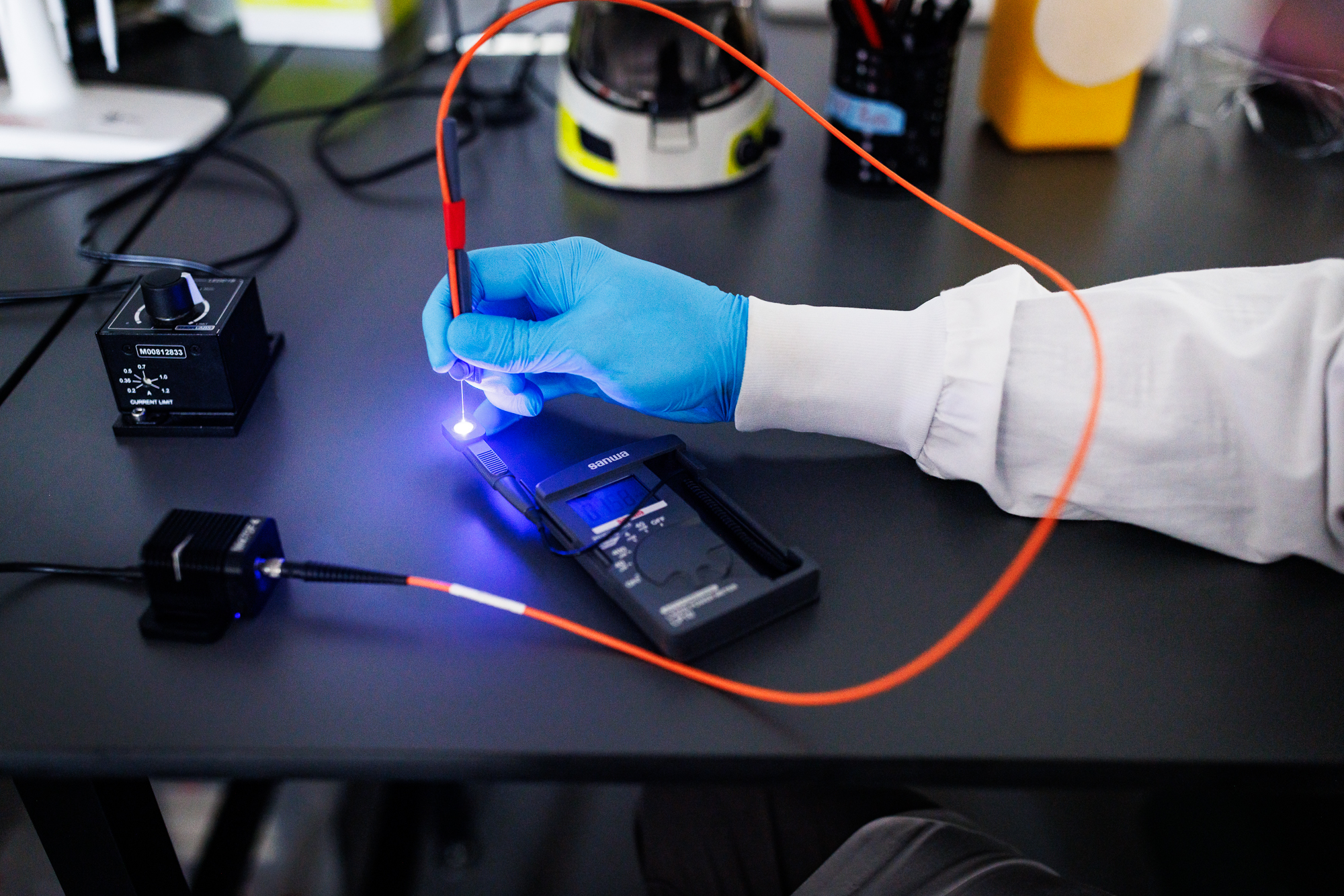
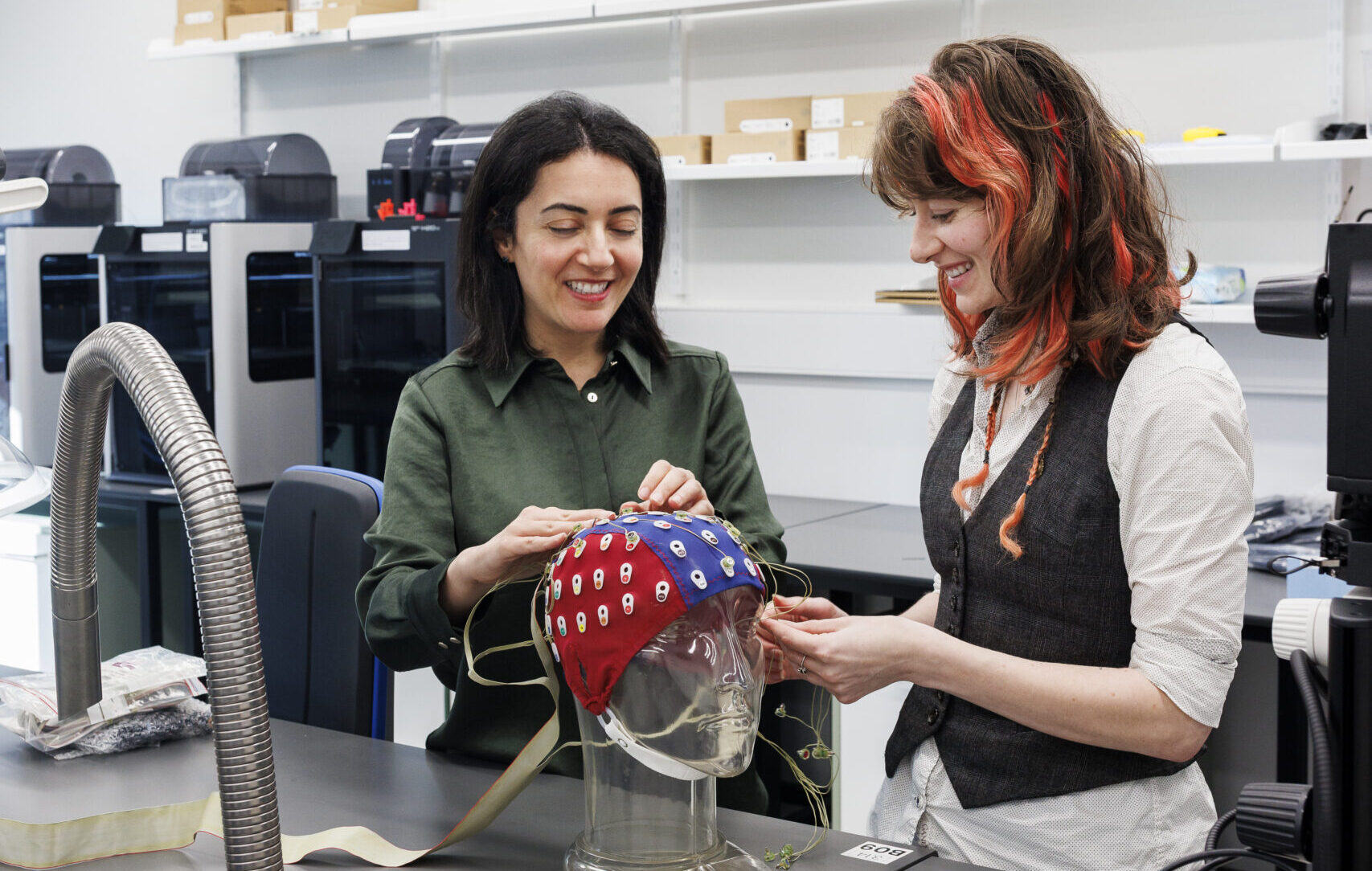
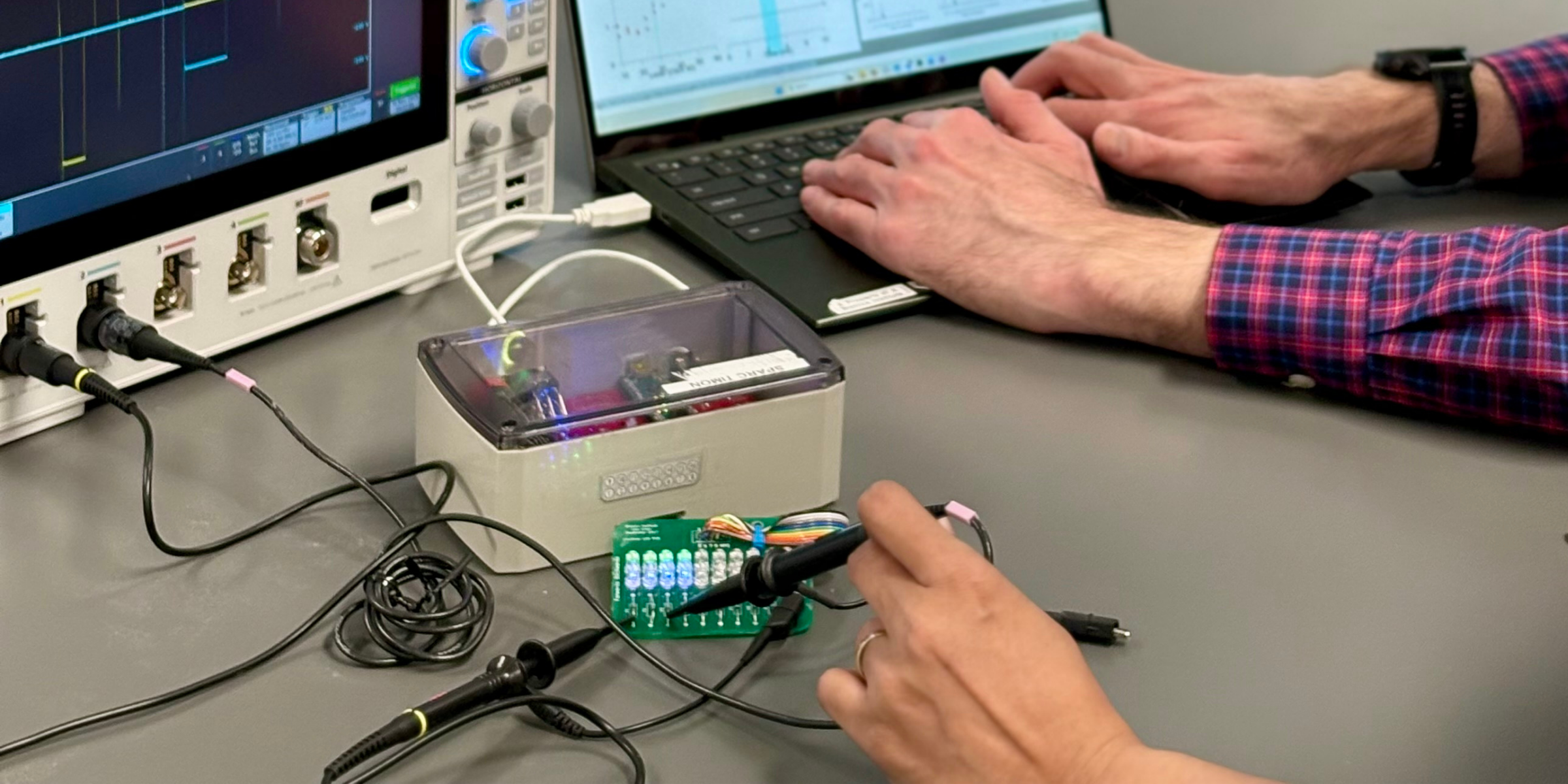
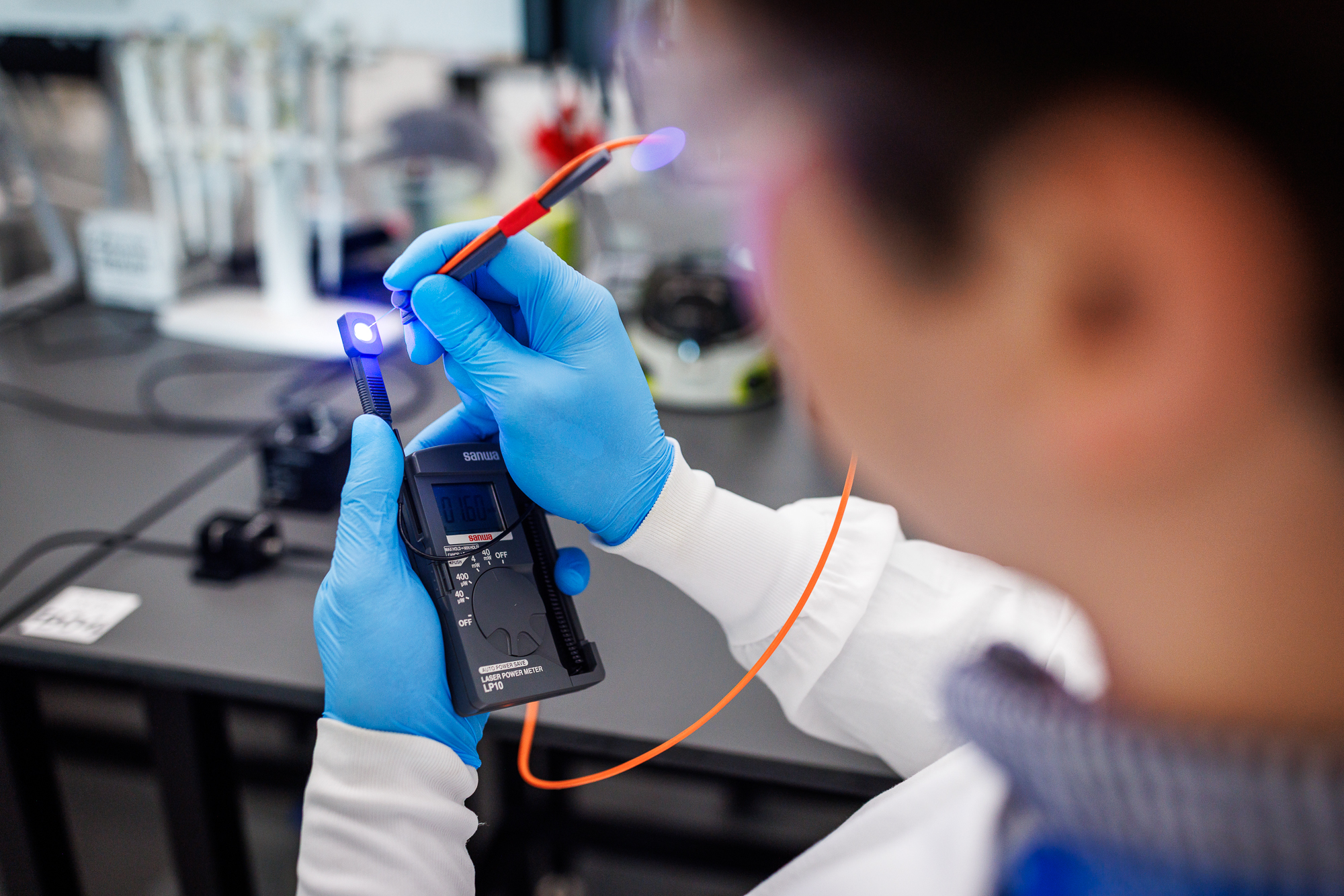
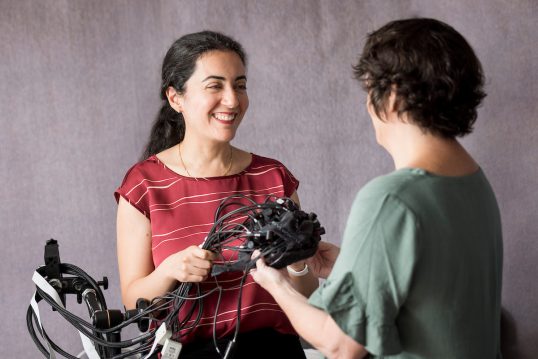
We are working to understand not just whether someone can hear, but how their brain processes what they hear. My research measures brain responses to sound so that we understand how people process auditory information.
This could help us develop more personalised cochlear implant programming and improve hearing outcomes. For people with partial hearing, combining a cochlear
implant with a hearing aid can provide complementary auditory information, supporting better hearing and greater access to everyday sounds.
Connection has always mattered to me
Alongside my research, I have always volunteered and looked for ways to help people connect with one another. I know how much the right connection at the right time can change someone’s path because I experienced it myself.
When I was younger, I had my sights set on becoming a surgeon. One of my aunts, who was involved in a charitable organisation providing healthcare in rural India, gave me the opportunity to see surgery for myself. That experience helped me understand what I really wanted and ultimately led me towards biomedical research.
I often think about how different my path might have been without that opportunity. Looking back now and seeing the impact it had on my career trajectory, I can’t help but wonder how often this happens in life. How many people miss out on opportunities because of gaps in what is available to them?
That is what motivates me when I think about the future of Cochlear implants.
A future where hearing brings people closer
I want to see a future where someone with hearing loss can walk into a busy room and feel confident that they can participate. Where they don’t have to work so hard to follow a conversation, or avoid social situations because listening has become exhausting.
The goal isn’t simply better technology. It is what that technology can give someone back.
For me, that is the real promise of improved hearing.