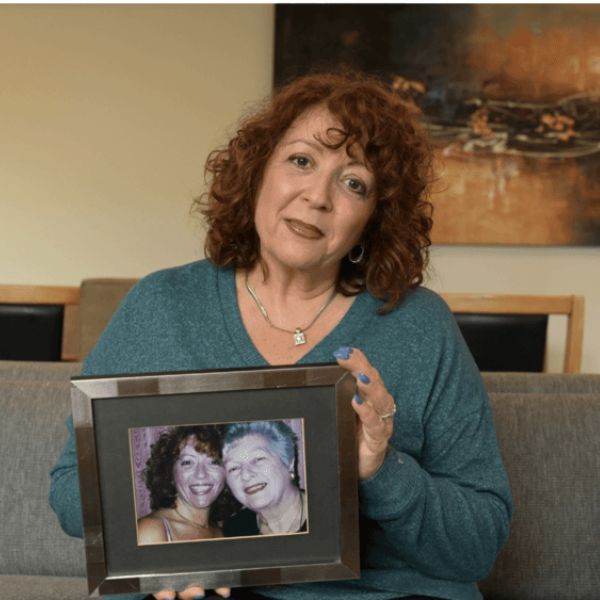
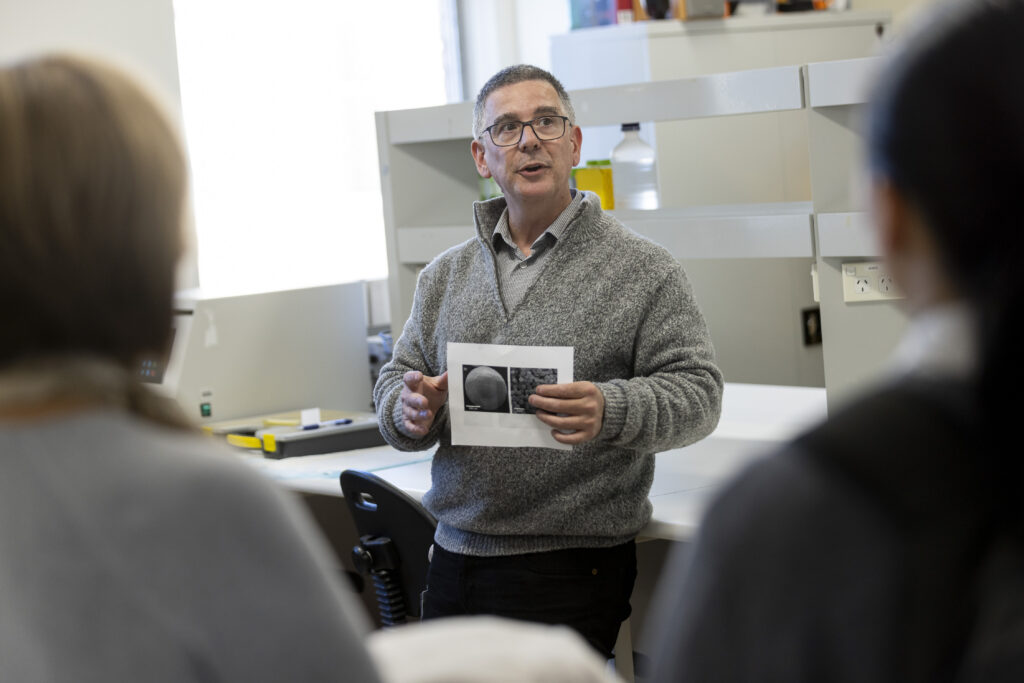
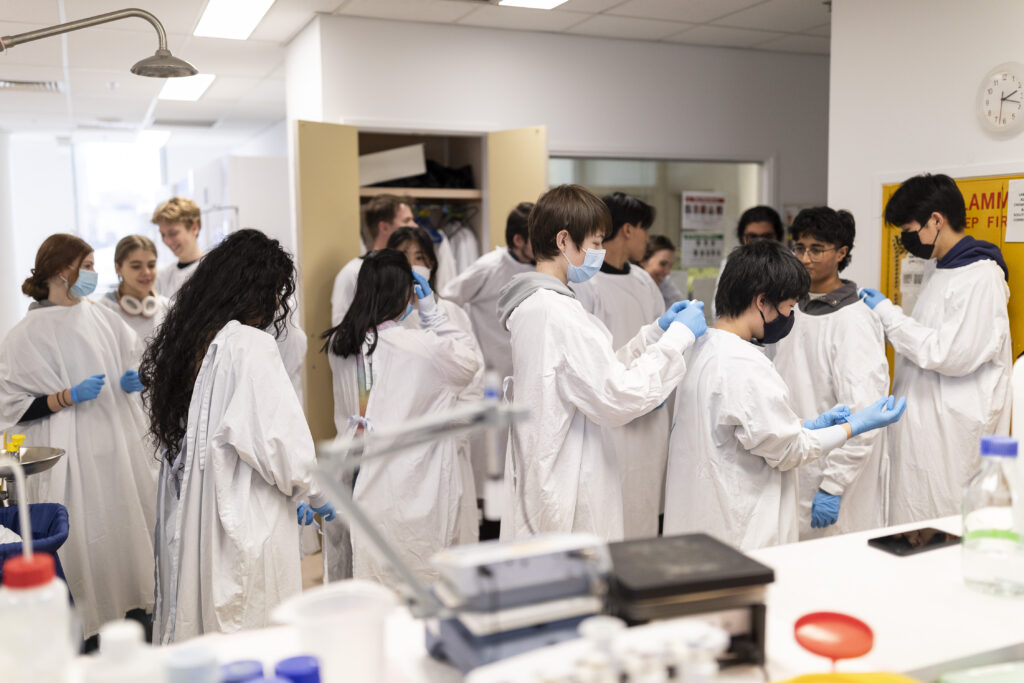
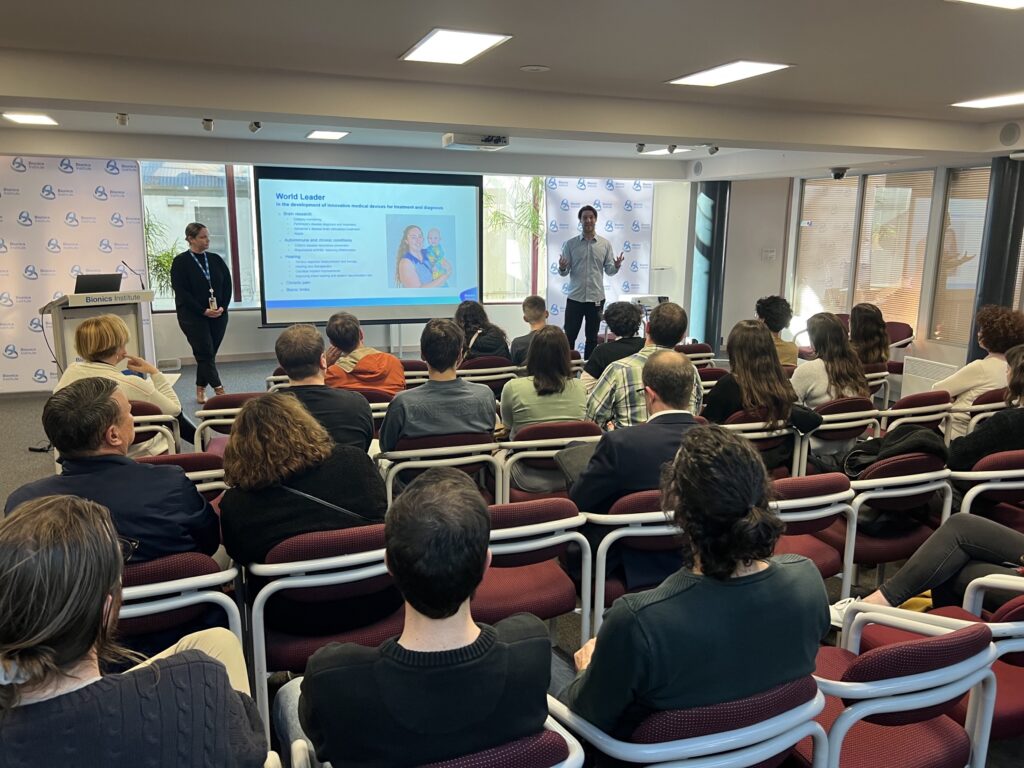
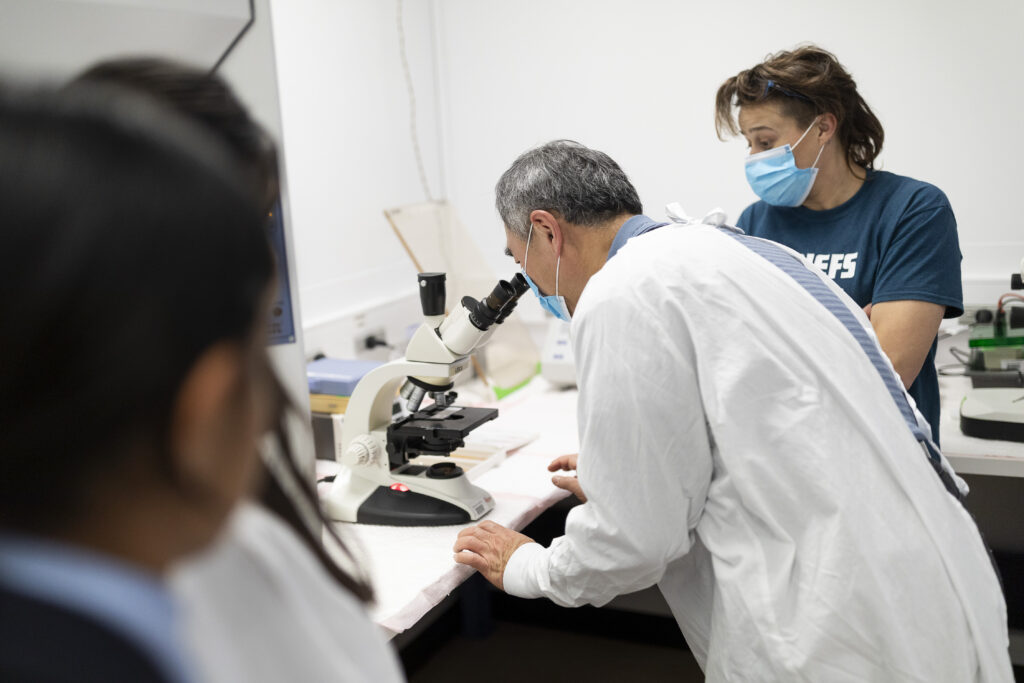
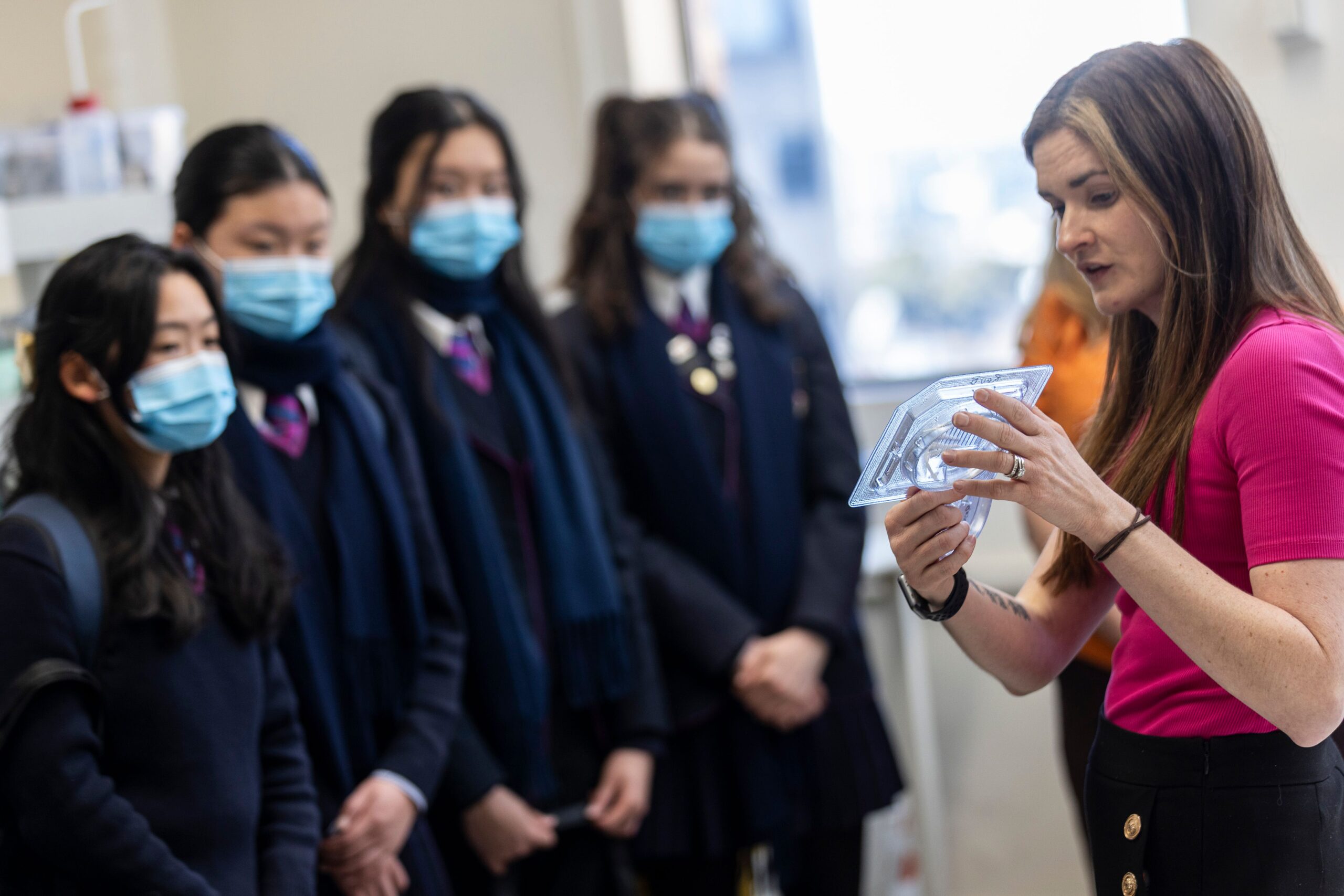
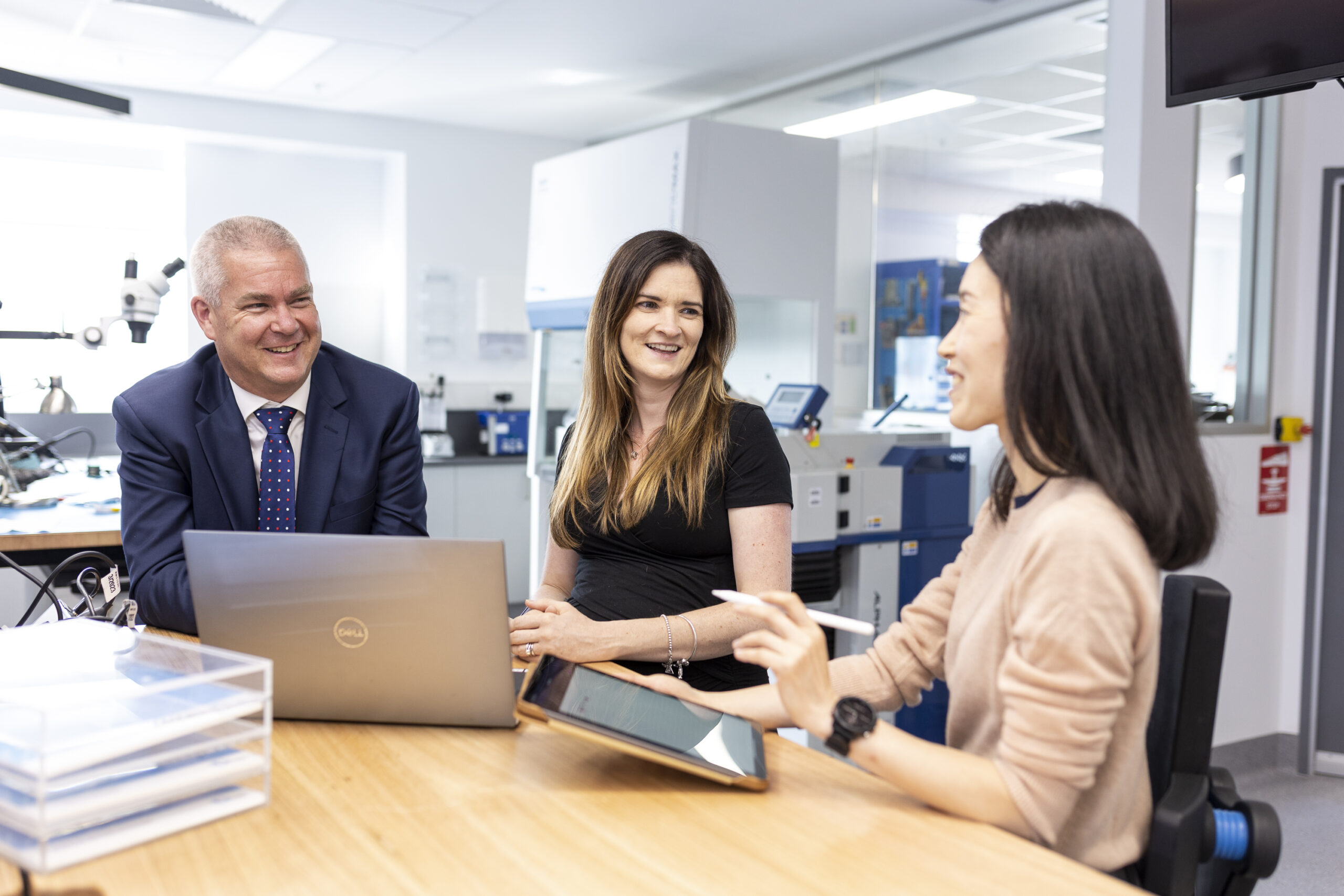
The Bionics Institute 2023 Open House event was a resounding success, with over 100 people visiting on Wednesday 16 August to take part in tours of our laboratory and hear from our researchers, engineers and scientists about their work.
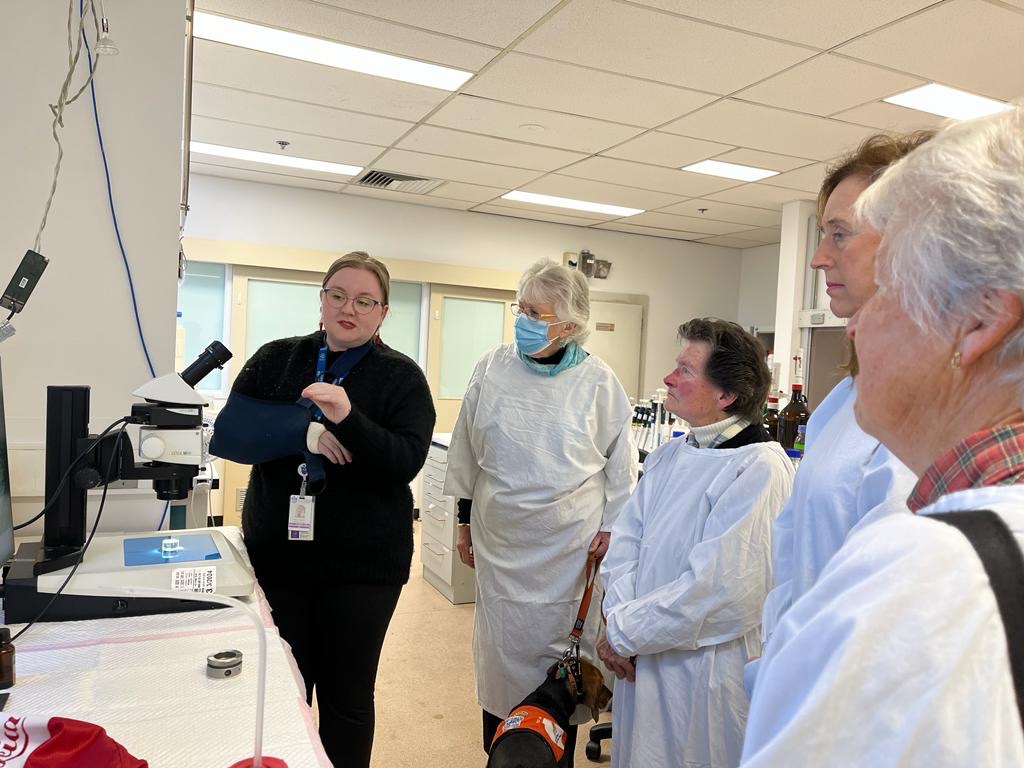
We ran six tours throughout the day, providing opportunity for students, supporters, industry connections and fellow med tech innovators to learn more about the impact of our research.
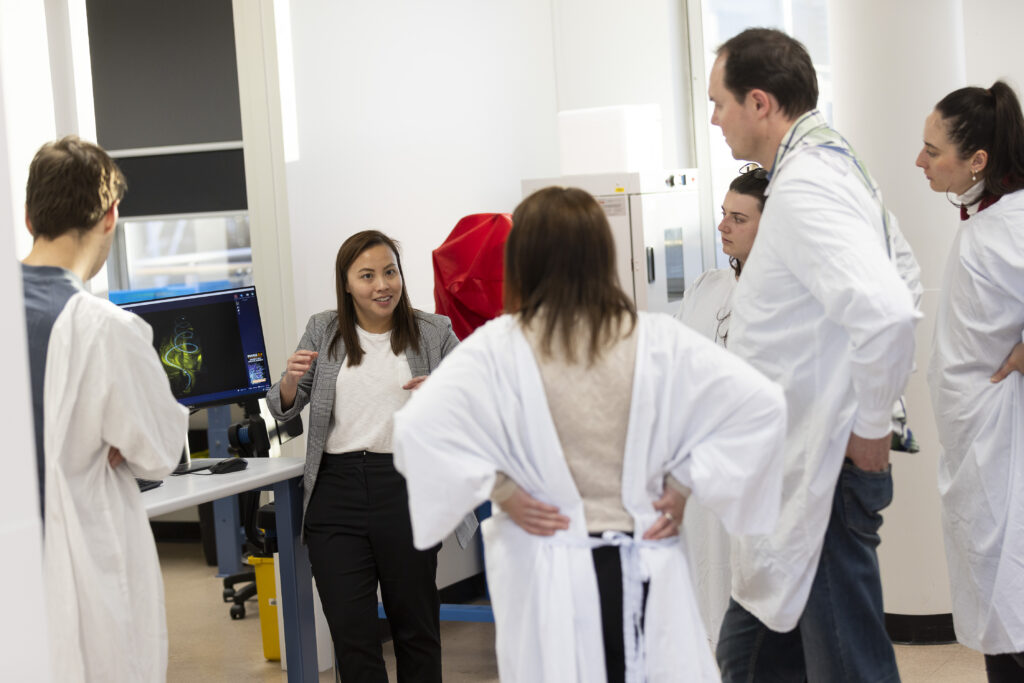
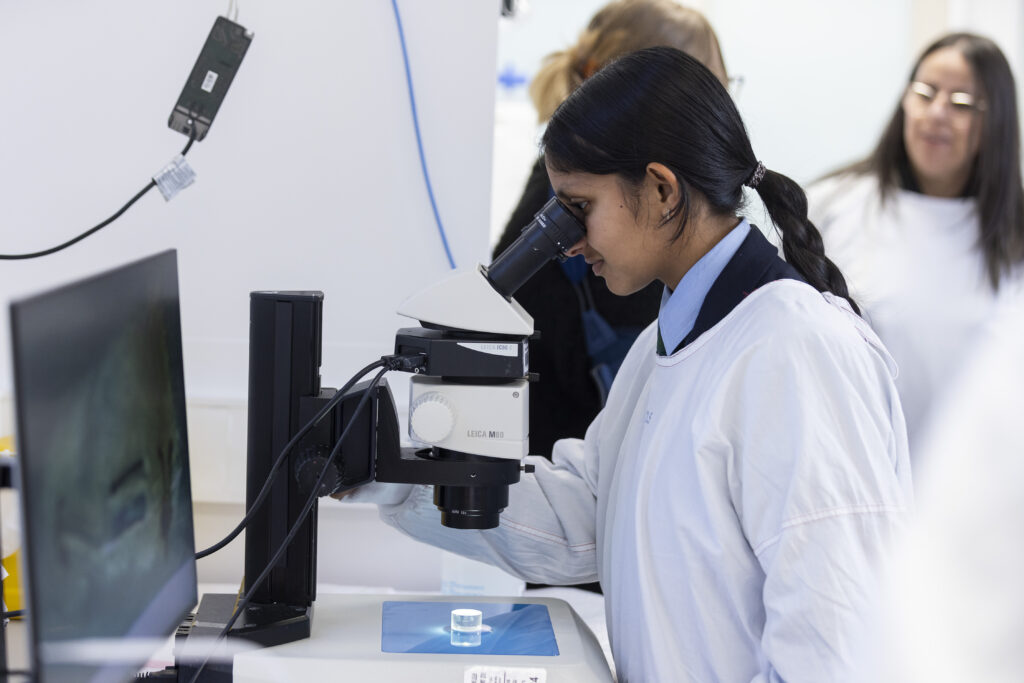
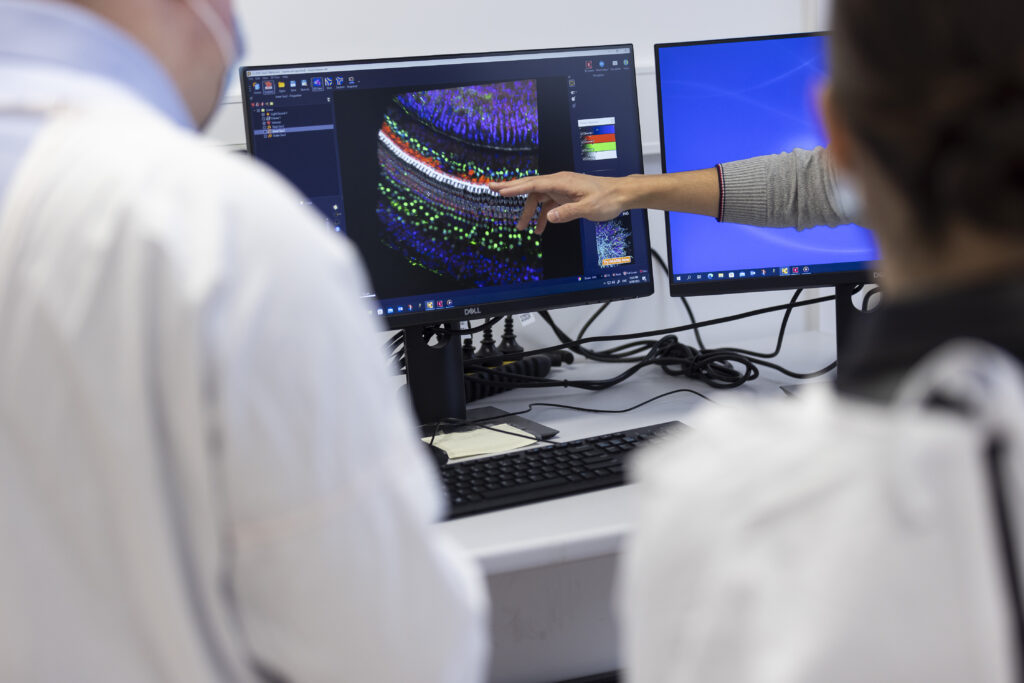
We were thrilled to be able to offer hands-on experiences under the guidance of our lab team, and showcase projects including our Alzheimer’s research, hearing therapeutics, vagus nerve research as well as provide insight into our engineering capabilities.
Held as part of National Science Week, we’re proud that this ‘Inspiring Australia’ initiative was supported by a National Science Week grant from the Australian Government.
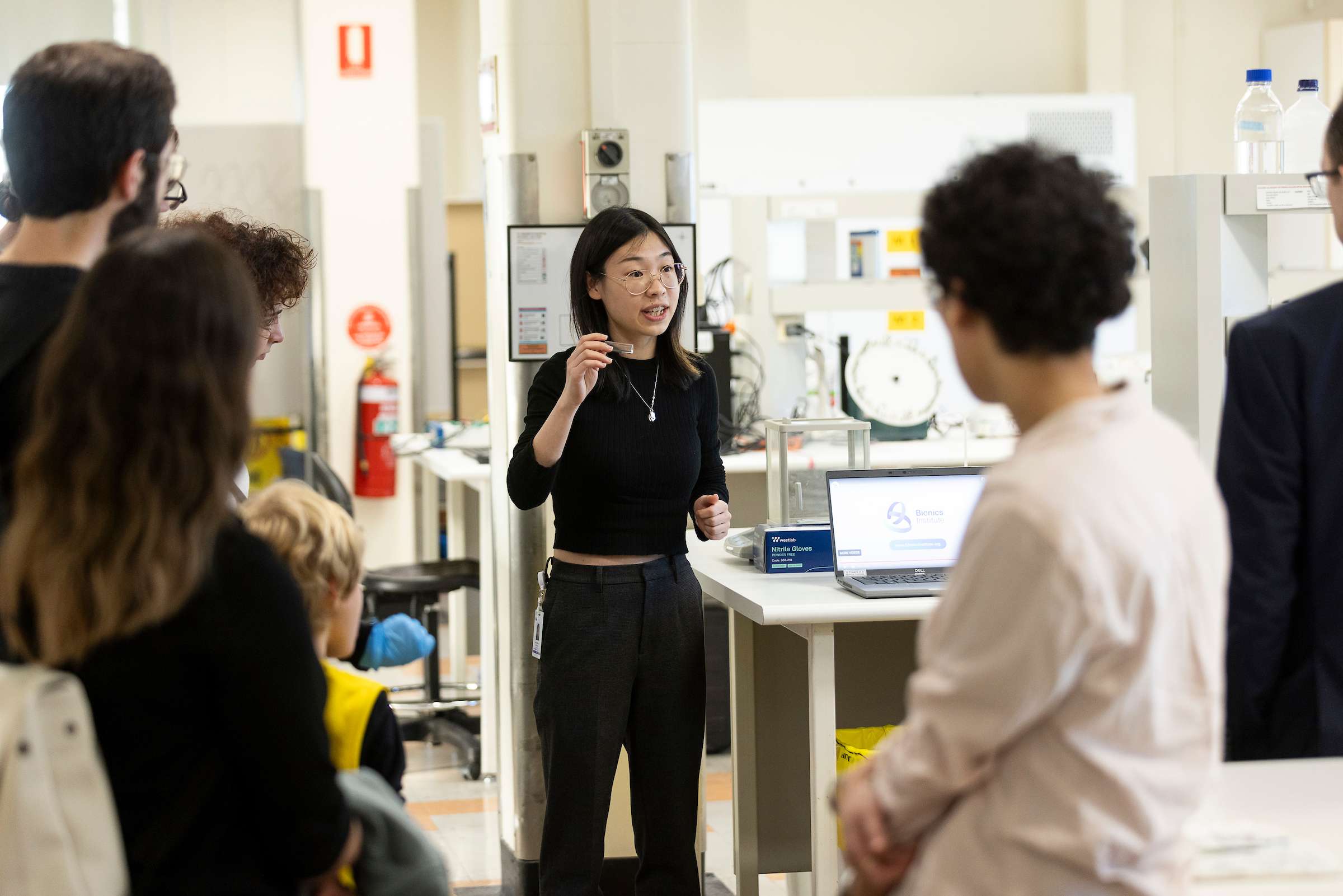
Tours covered research and initiatives such as:

Using magnetic stimulation to fight memory loss in Alzheimer’s disease

A test for tinnitus that lays the groundwork for new treatments

A new hearing test that will give babies the best chance of hearing clearly and learning to speak

Using nanotechnology to restore age-related hearing loss.
You might be interested in…






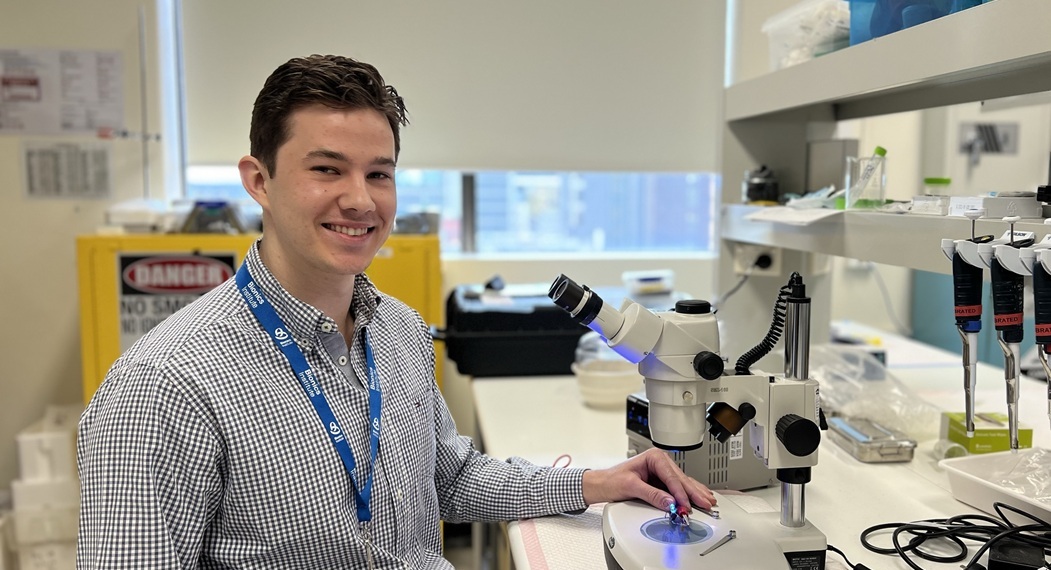



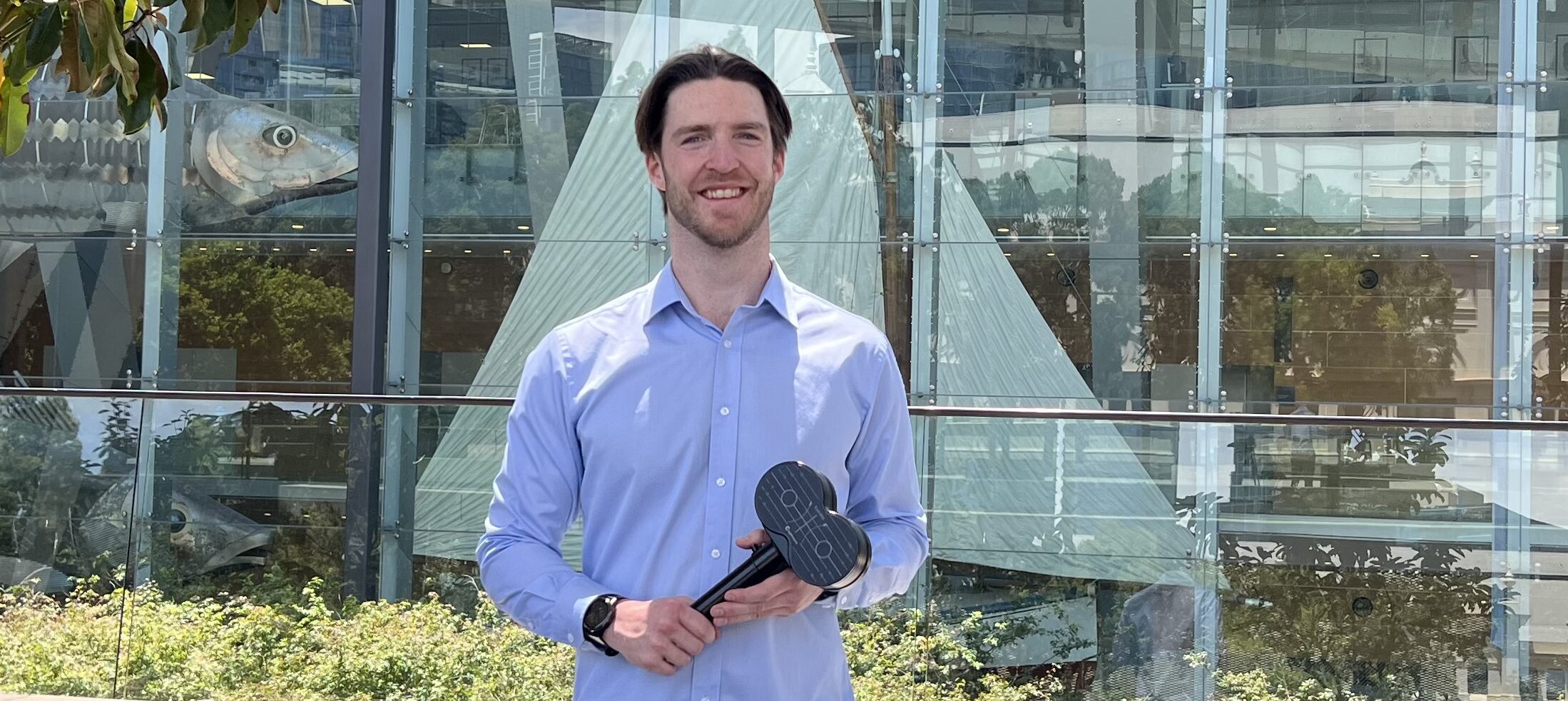










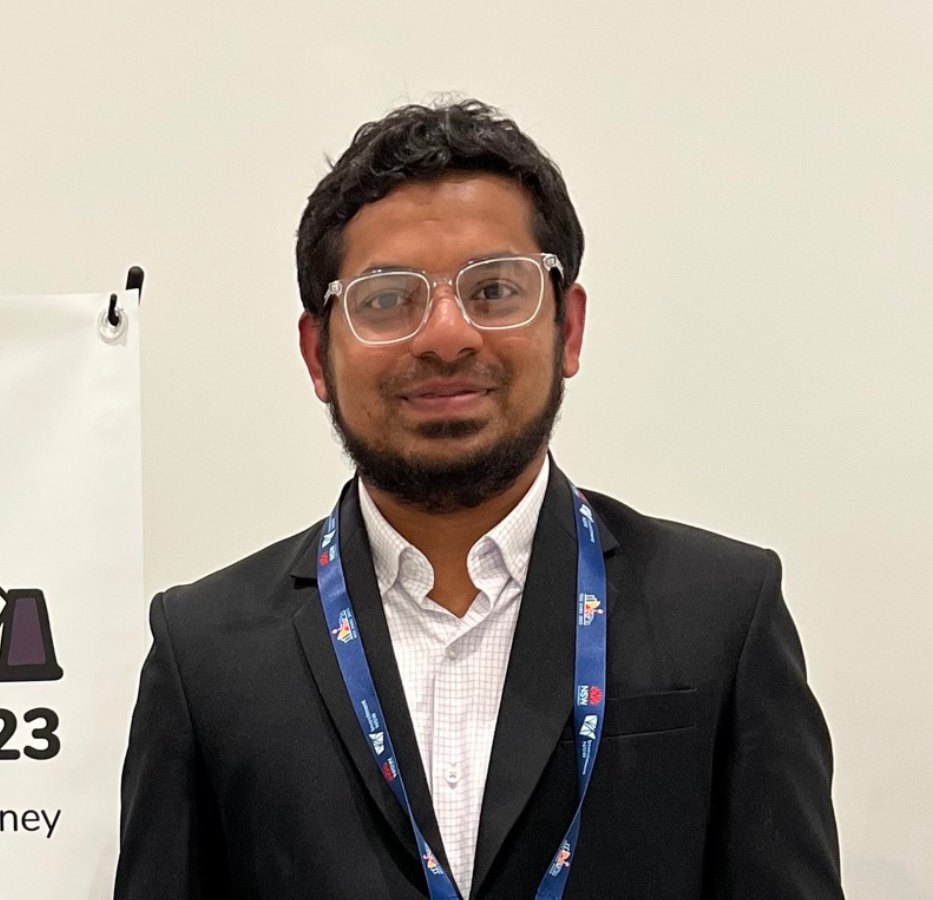


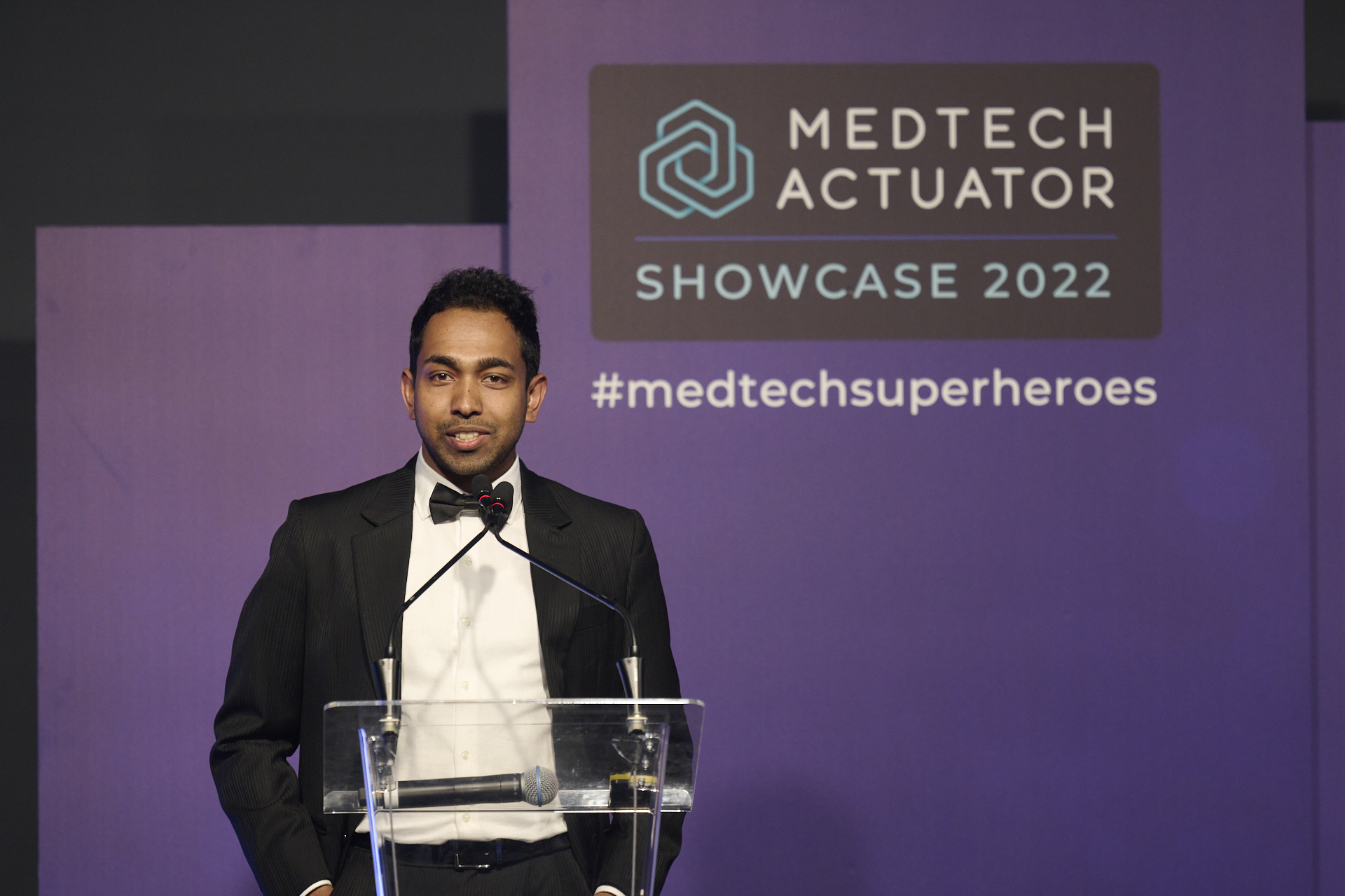

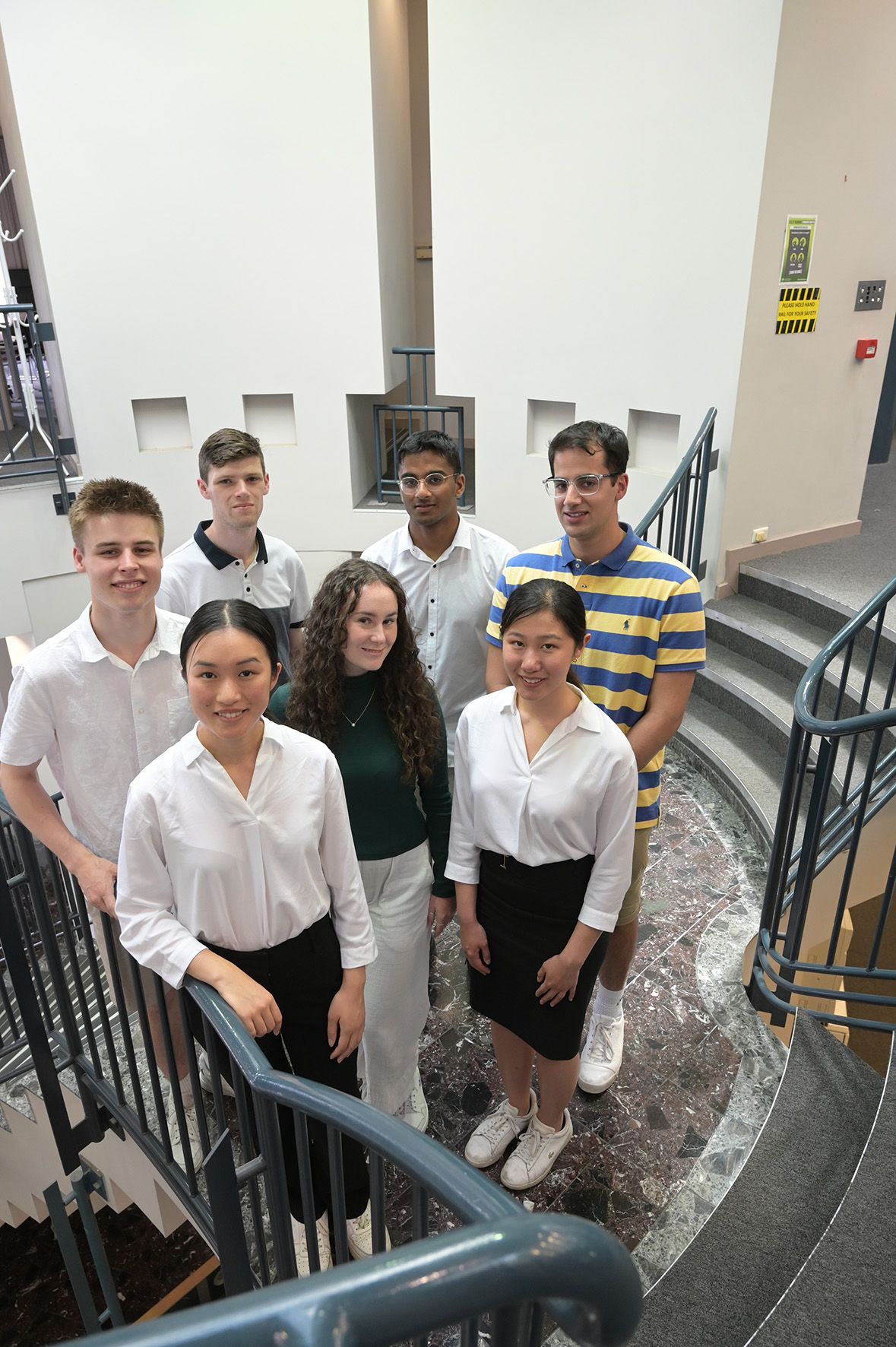


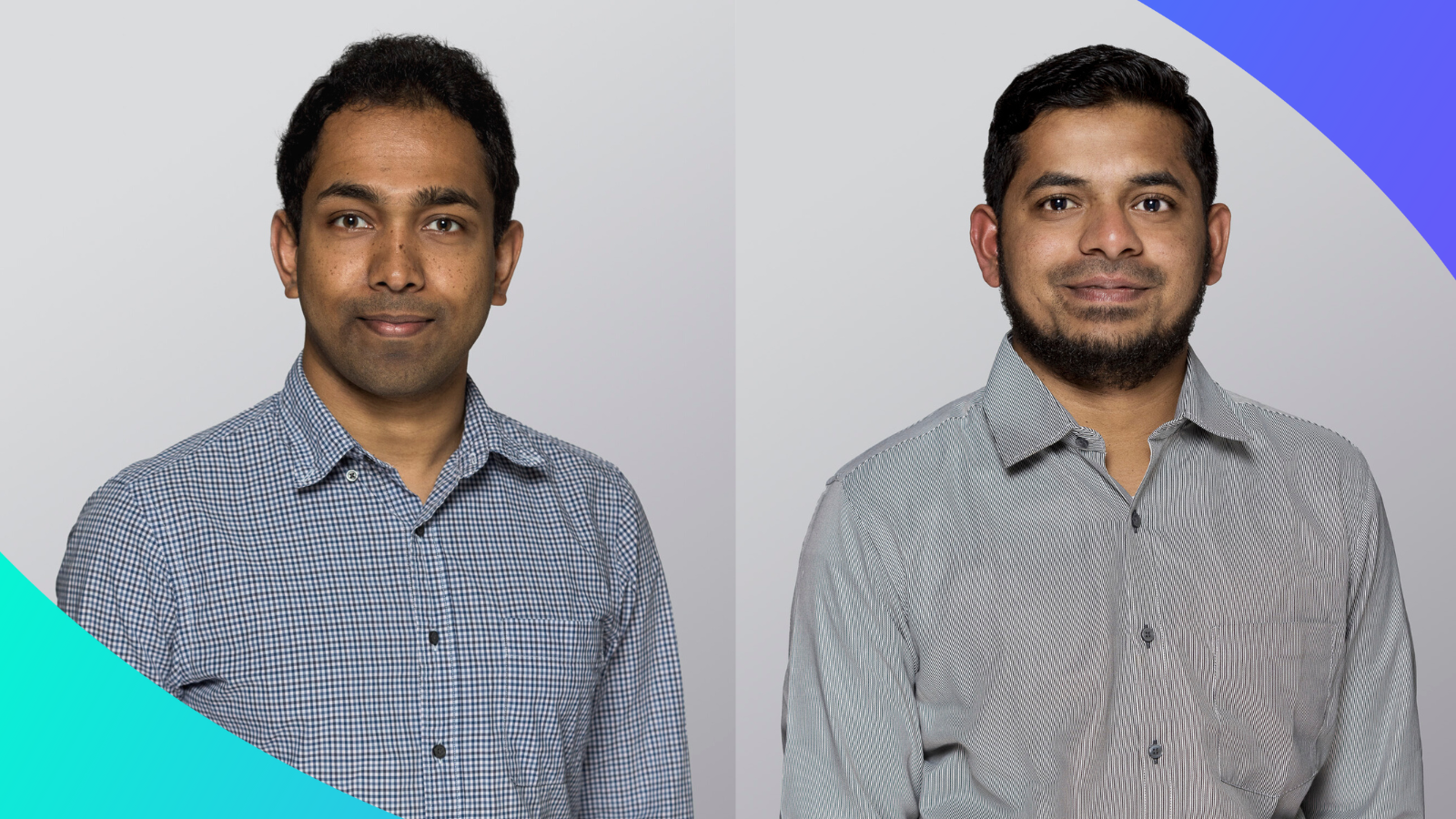




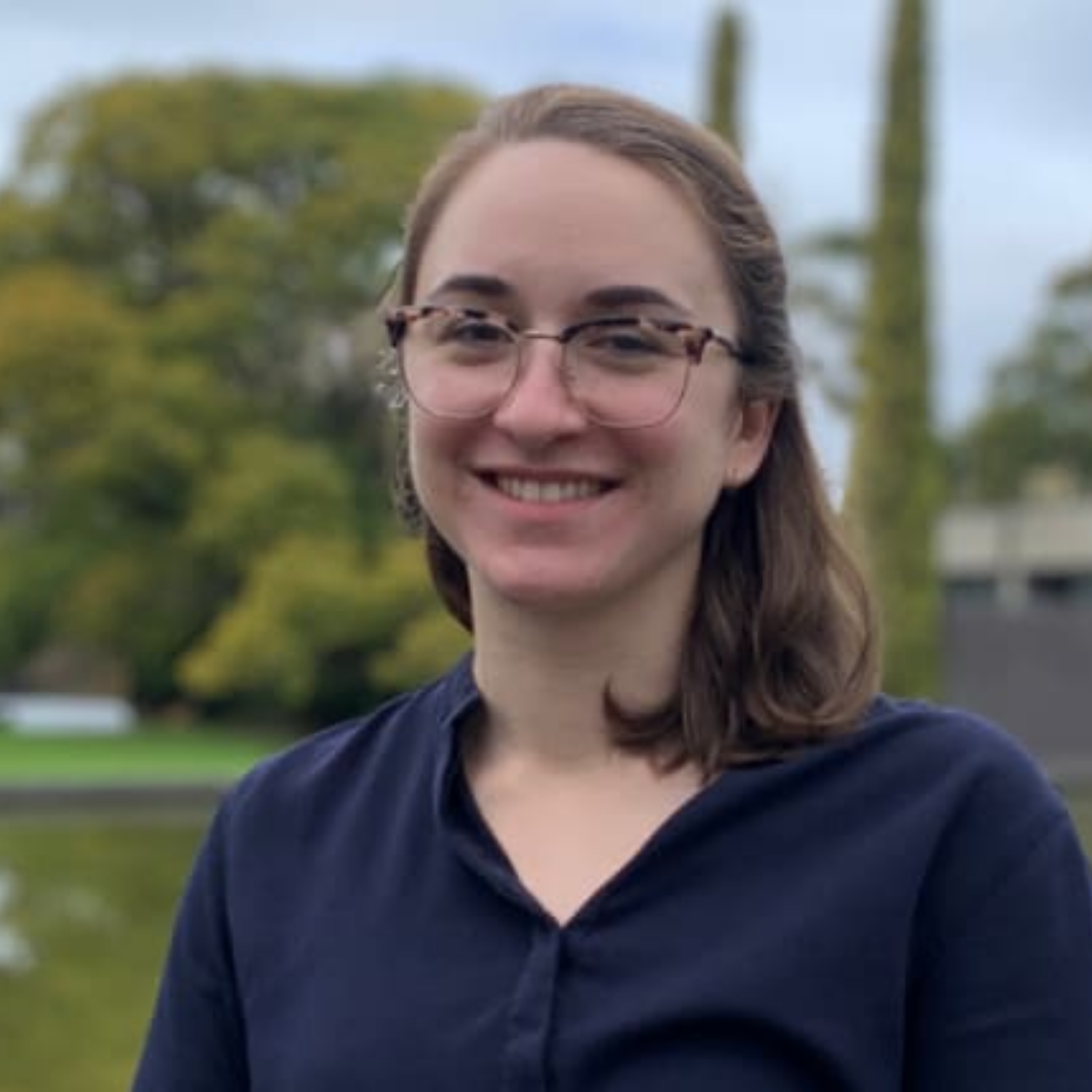


Bionics Institute PhD Student Ishara Paranawithana was selected as the geographical finalist for the Asia- Pacific region as part of the highly regarded IEEE Engineering in Medicine and Biology Conference (EMBC) 2023 Student Paper Competition.
Ishara was one of the 15 finalists in the Student Paper Competition, which was part of the recently concluded 45th Annual International Conference of the IEEE Engineering in Medicine and Biology Society in Sydney.
Ishara is part of the Bionics Institute’s hearing research team, supervised by Professor Colette McKay, and was humble in his response to being named as the finalist for the Asia-Pacific region.
“It was an absolute honor and privilege to be selected as the geographic finalist for the Asia-Pacific region in the student paper competition.
“I take this opportunity to thank everyone who has been part of this incredibly rewarding journey including my supervisors and colleagues at the Bionics Institute and Monash University.”
The Bionics Institue was well represented at the EMBC 2023 , with this international event providing an opportunity for our world leading researchers to meet with international colleagues, discuss up-to-the-minute research findings and foster potential trans-continental partnerships.
“After years of Covid disruptions, it was great to attend the flagship conference in the field of biomedical engineering and present my work as a PhD student at arguably the biggest stage for any biomedical researcher.
“The firsthand experience of hearing about the latest developments from the experts in the field and to be able to connect with fellow students and peers around the world were the highlights of the conference for me.”
The theme of this year’s conference was ‘Engineering Better and More Resilient Healthcare for All’, a reflection of how COVID-19 highlighted fragilities in global healthcare systems and responses.
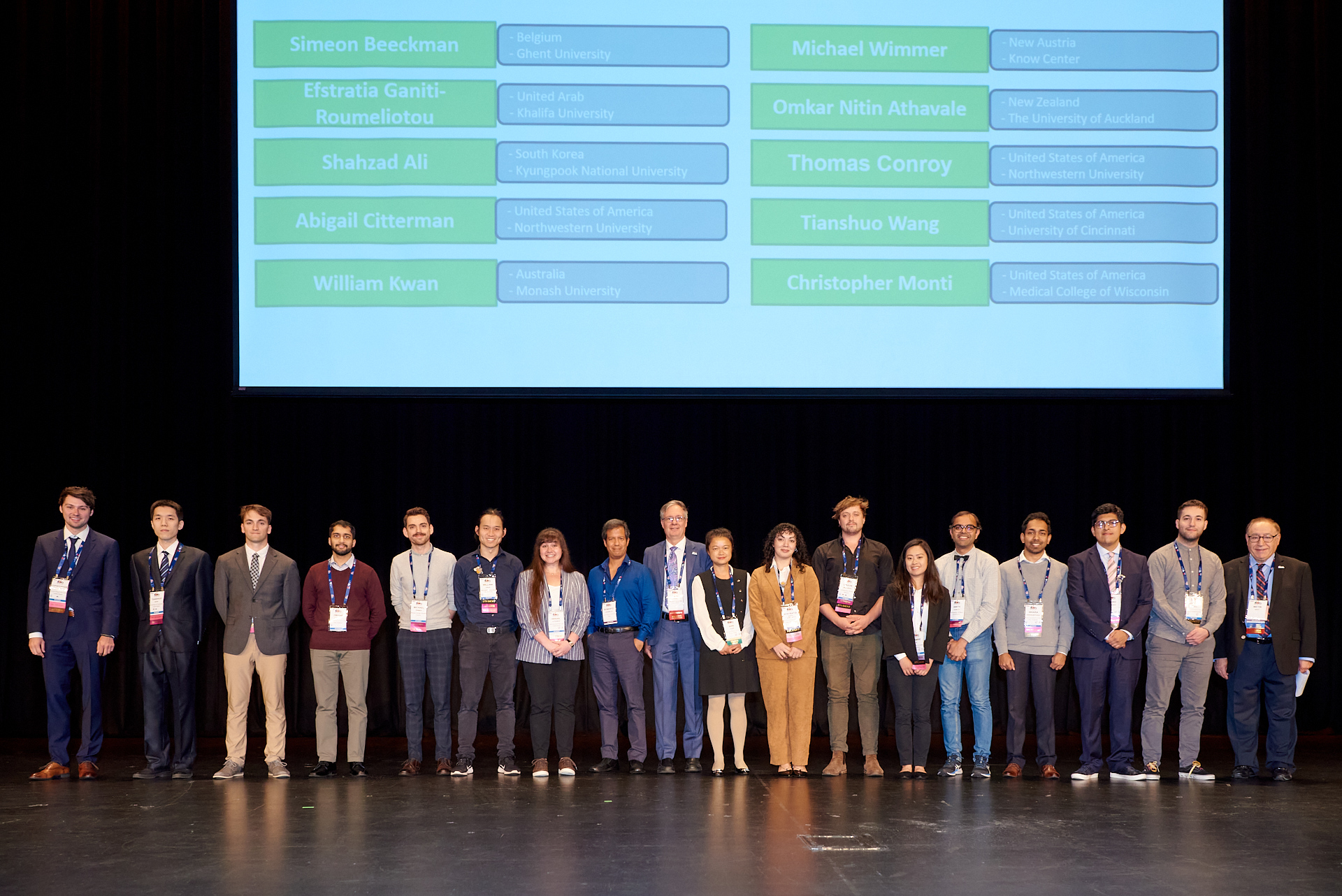
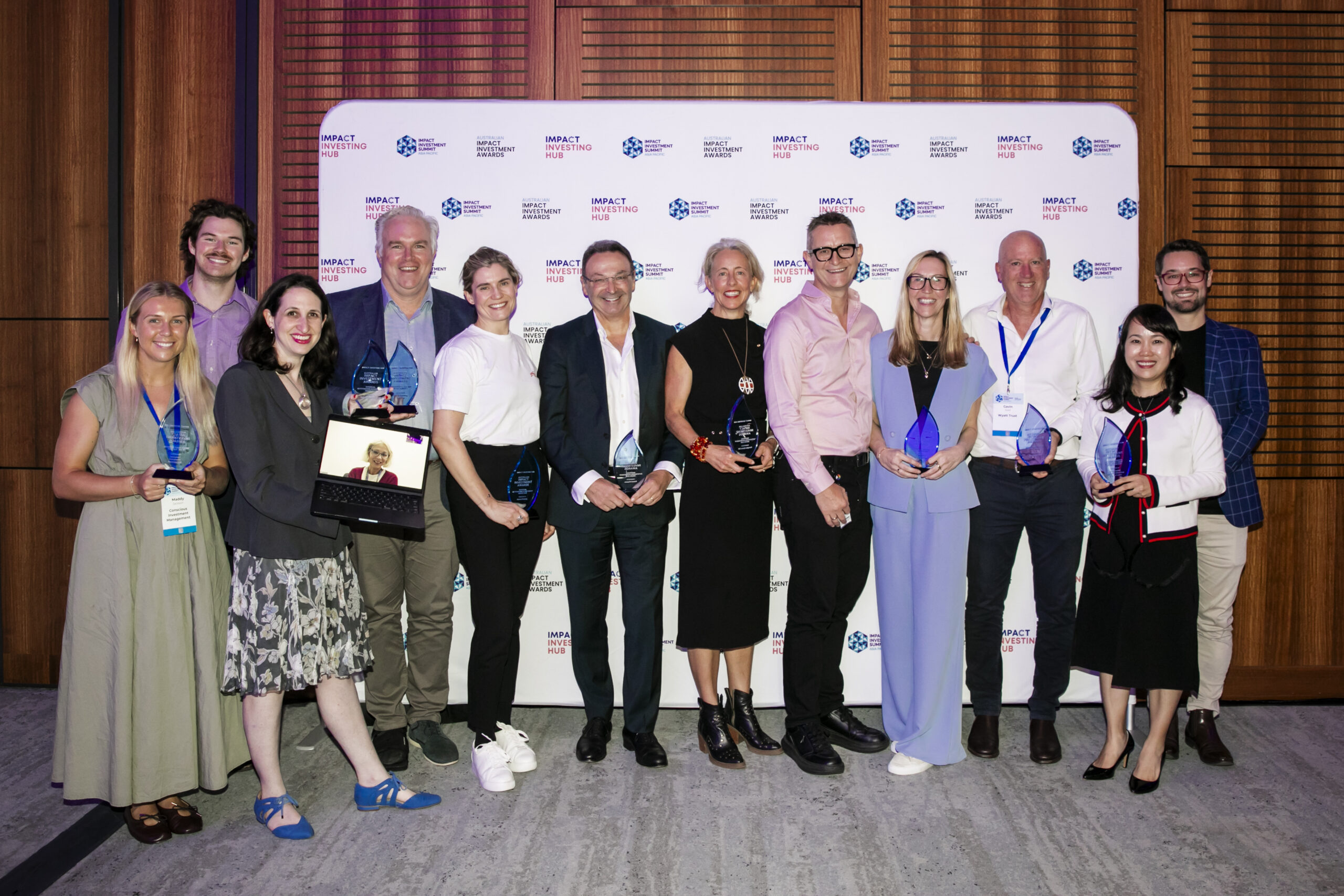
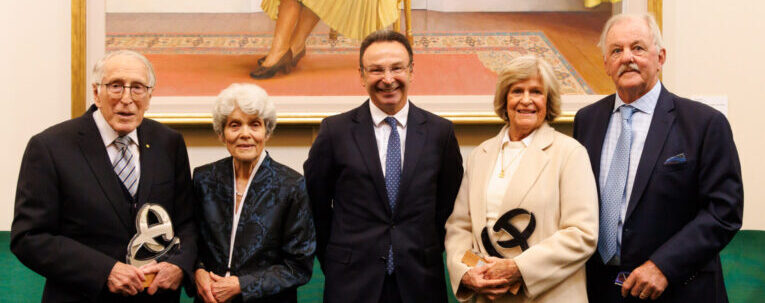
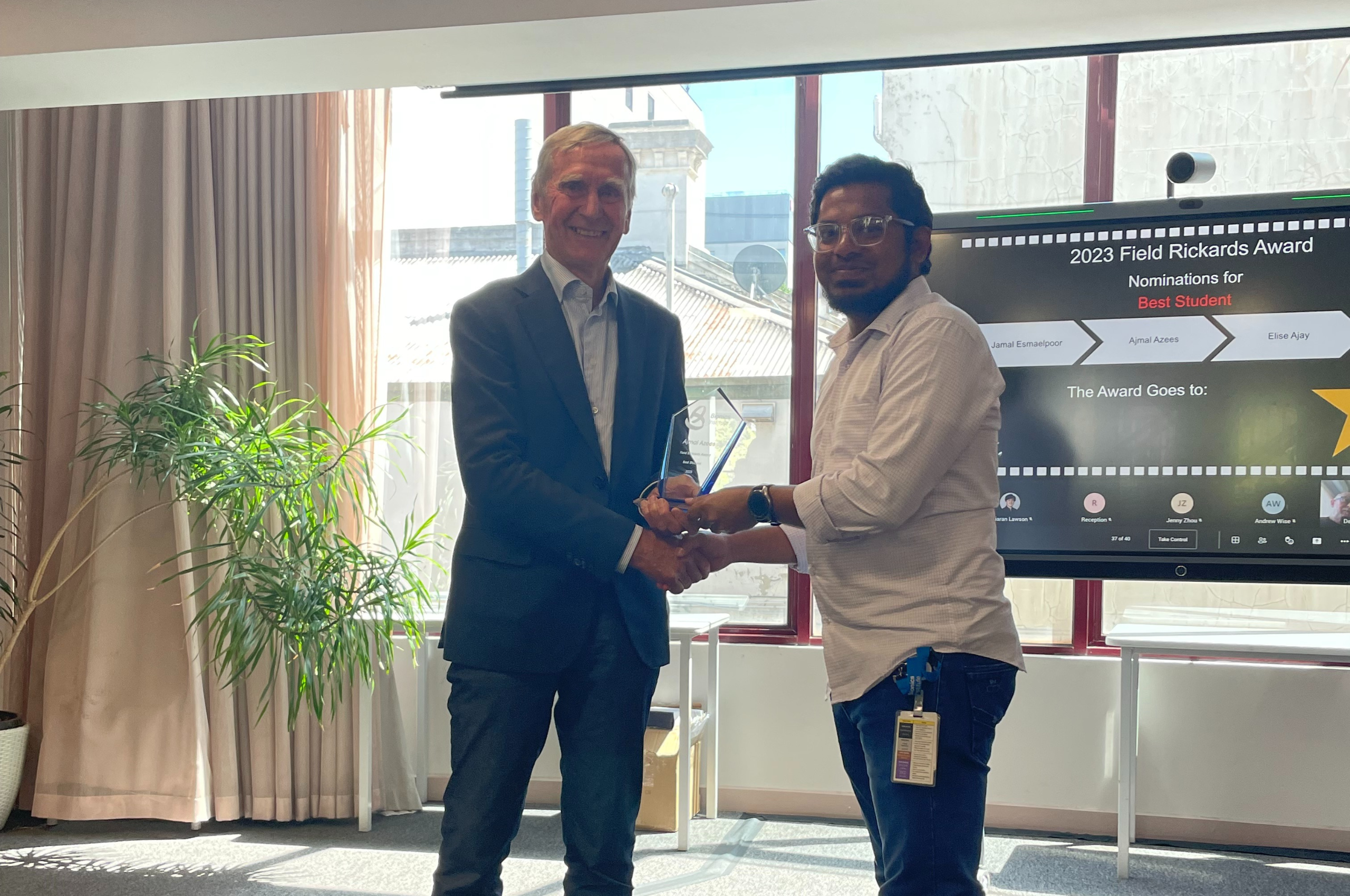
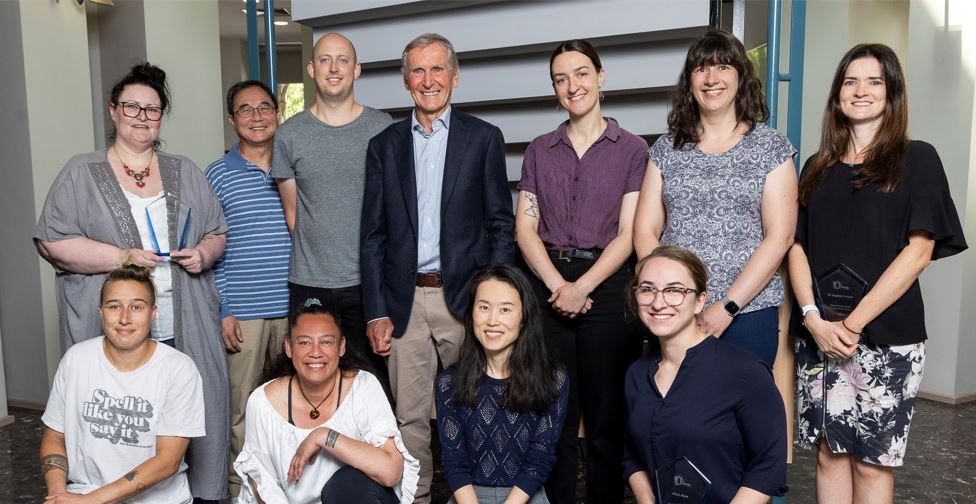
Bionics Institute PhD student Ishara Parnawithana (4th from right) receives his recognition at the 45th Annual International Conference of the IEEE Engineering in Medicine and Biology Society in Sydney, 2023.
You might be interested in…
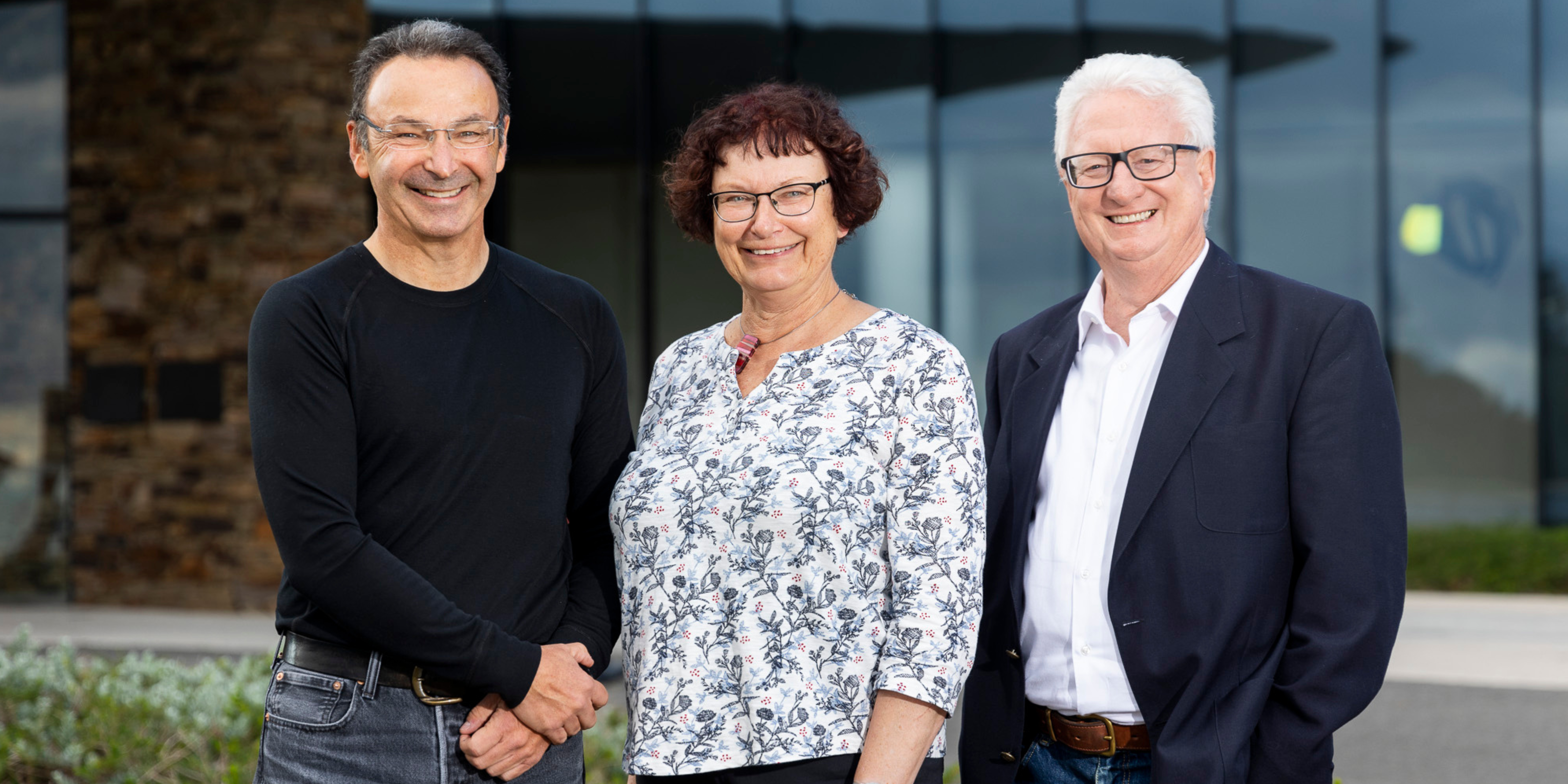
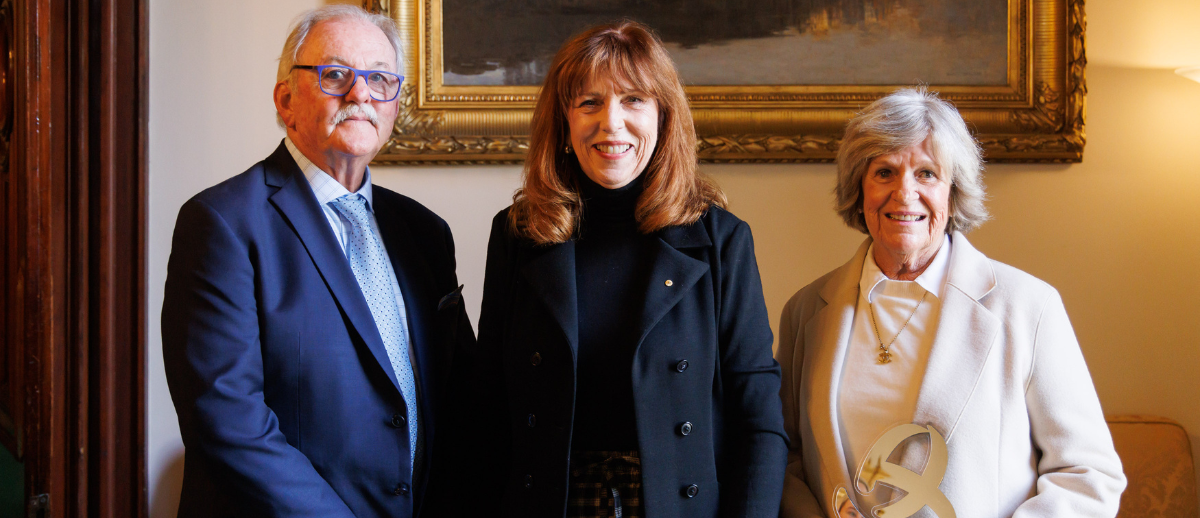
We are delighted to welcome four new members to the Bionics Institute Board of Directors.
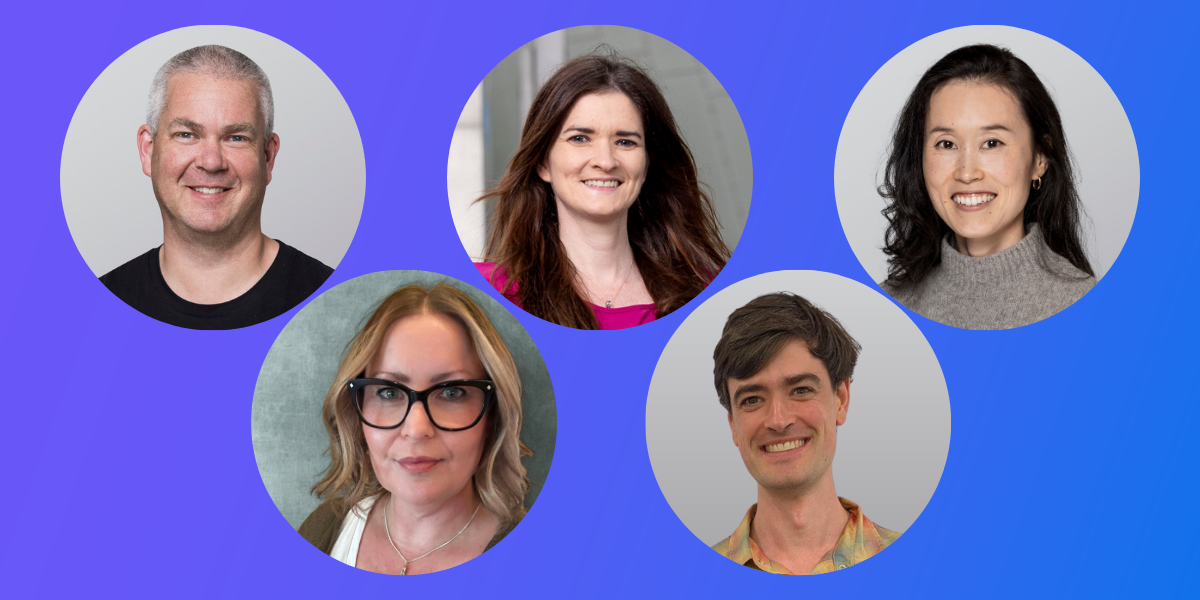
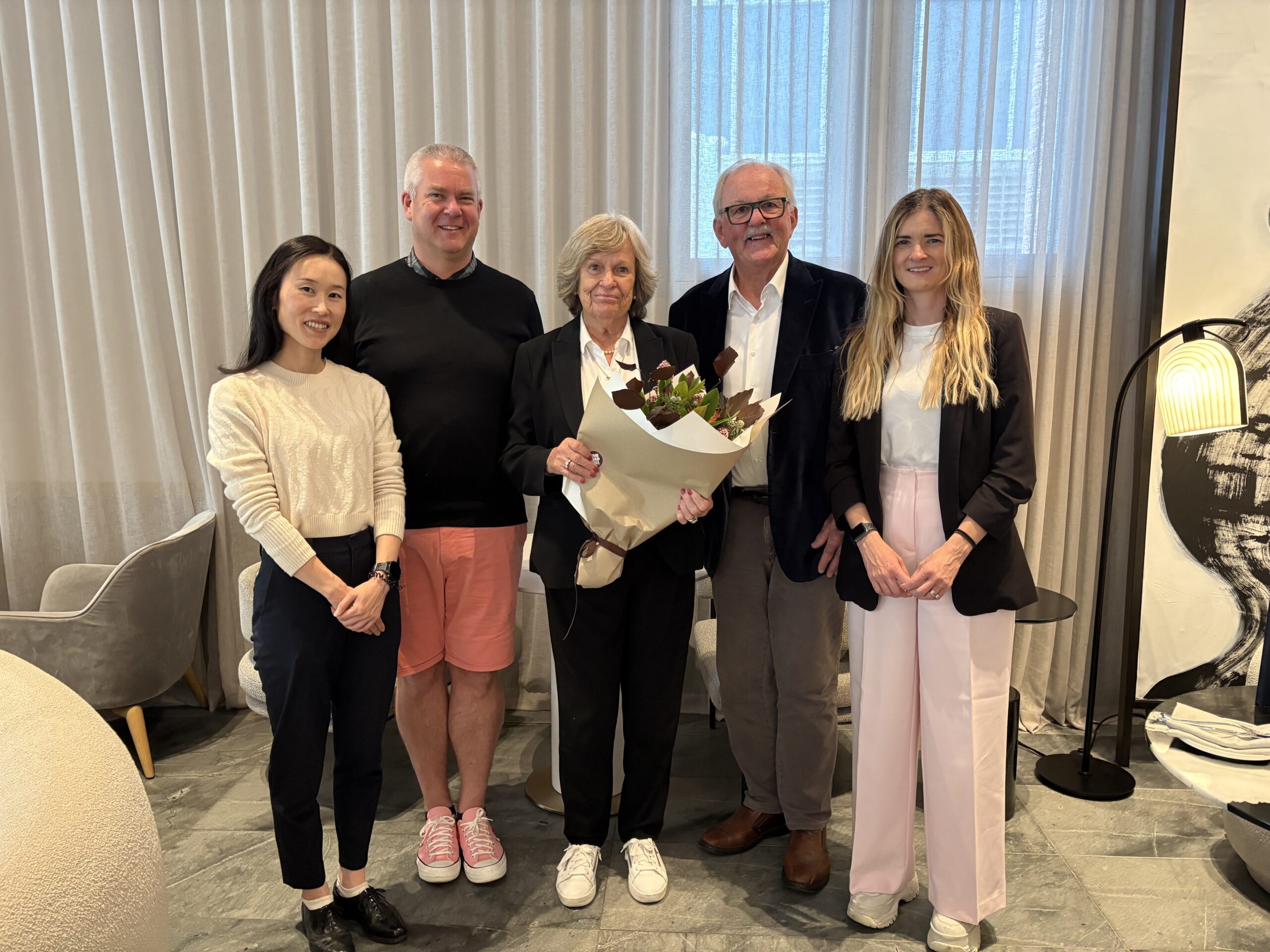
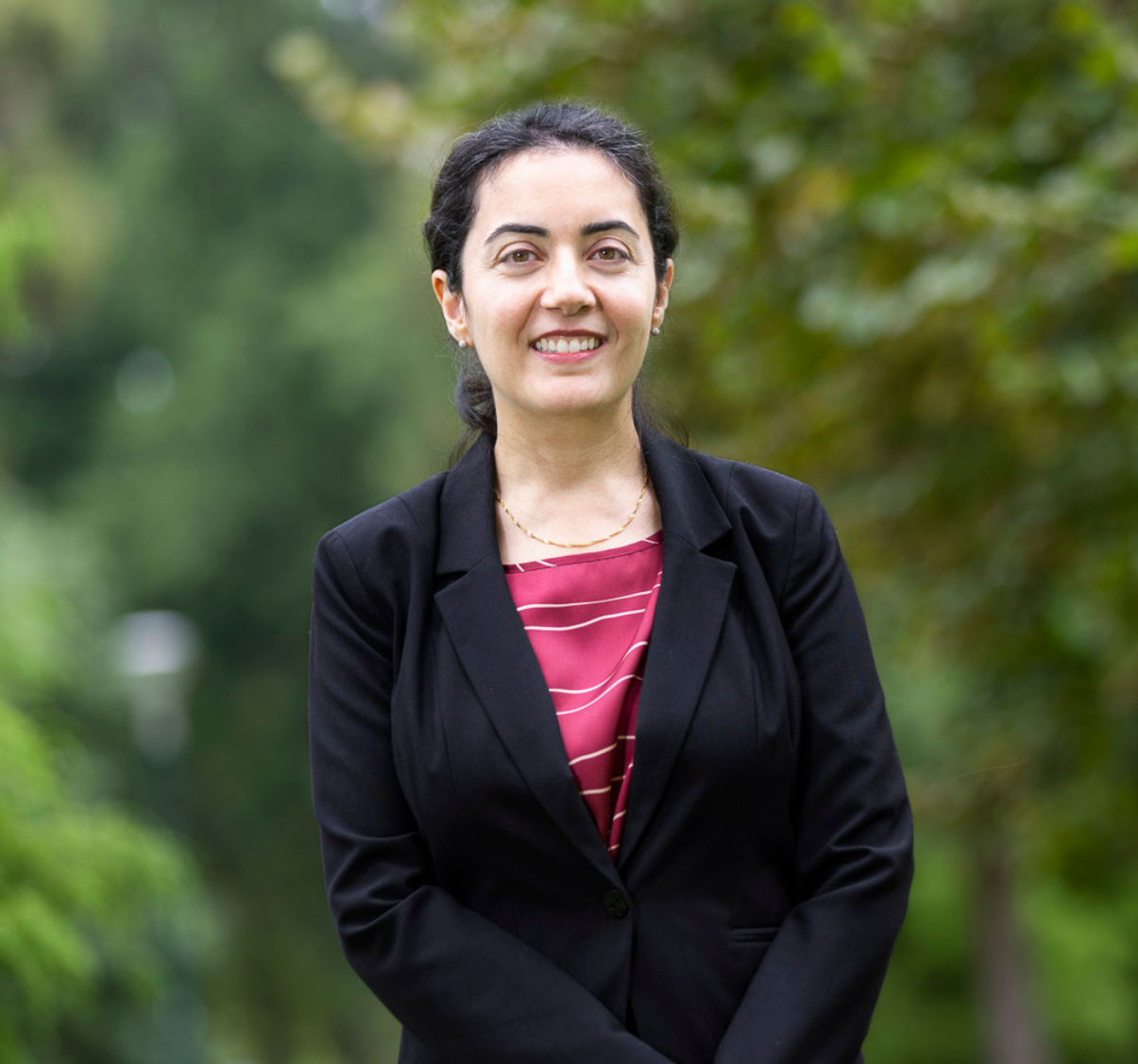
Jennifer Dicker, Michael Coleman, Maureen O’Keefe and Professor Sandra Kentish join our dedicated board at a time of rapid growth for the Bionics Institute.
Chair of the Board, Mr John Stanhope extended a warm welcome to the new board members, saying: “The Bionics Institute will benefit enormously from the wealth of expertise and business experience our new Board Directors bring. We look forward to working with them to continue building the Bionics Institute’s reputation as a world leader in medical device development.”
Professor Sandra Kentish
Professor Sandra Kentish is a a Redmond Barry Distinguished Professor at The University of Melbourne (UoM).
A distinguished academic and accomplished chemical engineer, Sandra is currently a Project Leader within the ARC Hub for Digital Bioprocess Development, the Dairy Innovation Research Hub, and within the Future Fuels CRC.
Sandra has previously held positions at the UoM including Head of the School of Chemical and Biomedical Engineering, Head of the Department of Chemical Engineering, and Discipline Leader in the CRC for Greenhouse Gas Technologies for Membrane Technology.
Driven by academic excellence and innovation, Sandra was named one of Australia’s Most Innovative Engineers by Engineers Australia in 2017 and as a Woman of Influence by the Australian Financial Review in 2018.
Michael Coleman
Michael Coleman FCA, FCPA, FAICD retired as a partner of KPMG in 2011, following a 40-year career, 30 of which were as partner. In his role as partner, Michael was the lead signing partner on major audit clients and a member of the National Executive.
Michael has demonstrated extensive governance and strategic leadership abilities throughout his career, having also previously held positions including Chair of the Board Audit Committee at Macquarie Bank, NSW Councillor and Chair of the Reporting Committee of the Australian Institute of Company Directors, and member of the Audit Committee of the Reserve Bank Australia.
Jennifer Dicker
Jennifer Dicker is currently Chair of the Steritech Pty Ltd Advisory Board, a position she has held since 2015.
With a background in finance and accounting, Jennifer has been instrumental in the growth of her family-owned business, Steritech; seeing it become one of the most prominent sterilisation and decontamination processing companies in the Asia Pacific region.
Jennifer is also a passionate organ transplant advocate, having been a recipient herself. She proudly served as a ‘Fit For Life!’ ambassador with the World Transplant Games Federation, an initiative supporting fellow transplant recipients to live a full and active life.
Maureen O’Keefe
Maureen O’Keefe is an accomplished executive and board director, with over thirty years of experience in designing and delivering strategic solutions to financial, risk and operational challenges.
She has previously held research and executive management roles at the University of Melbourne, Walter and Eliza Hall Institute of Medical Research, Australian College of Optometry, National Vision Research Institute, and Vision 2020 Australia.
Outside of her professional achievements, Maureen is known for her commitment to social causes. She has been a Board Director/member of various charitable initiatives aimed at education, healthcare, and environmental sustainability including Very Special Kids, BioMelbourne Network, and the Victorian Consultative Council for Clinical Trial Research.
You might be interested in…
Showcasing our research and providing hands-on activities in a world-class laboratory
The Bionics Institute Open House on 16 August 2023 provided opportunity for the community to learn more about how our researchers are solving medical challenges with technology.
Our research leaders guided guests through our world-class laboratory and shared details of the innovative devices and therapies they’re developing.
Visitors also had an opportunity to ask questions about their research projects and the impact of their work.
Tours lasted approximately 1.5 hours, starting at the Bionics Institute (384-388 Albert Street East Melbourne) and visiting our laboratory at St Vincent’s Hospital.
About the Open House tours
Tour location
Start: Bionics Institute, Mollison House – 384-388 Albert Street, East Melbourne VIC.
Finish: Daly Wing, St Vincent’s Hospital campus – 35 Victoria Parade, Fitzroy VIC.
Tour times and duration
11.30am, 12.30pm, 1.30pm, 3.30pm.
Each tour lasted approximately 1.5 hours
Tour content
Activities and information on each tour varied. See below for further information.
COVID requirements
As tours will be conducted within the St Vincent’s Hospital premises, visitors were required to follow any COVID protocols in place by the hospital.
National Science Week
The Bionics Institute Open House was held during National Science Week (12-20 August). We are proud to have been awarded a National Science Week grant from the Australian Government to support our event.
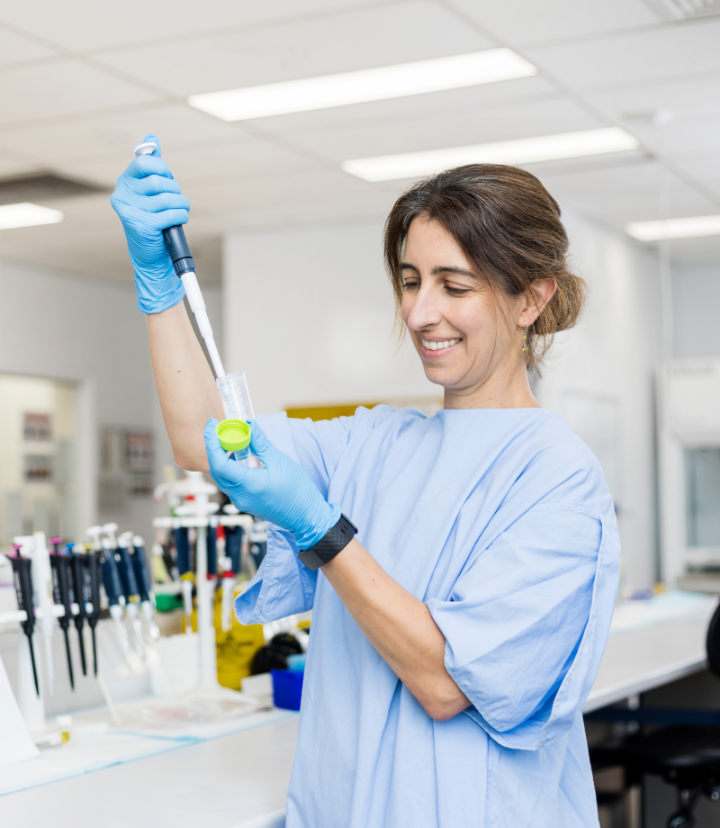
Tours covered research and initiatives such as:
Using magnetic stimulation to fight memory loss in Alzheimer’s disease
A test for tinnitus that lays the groundwork for new treatments
A new hearing test that will give babies the best chance of hearing clearly and learning to speak
Using nanotechnology to restore age-related hearing loss.

Our Girls in STEM Mentoring Program, encouraging grade 10/11 students to pursue STEM subjects at university.

Our track record of fast research translation from concept into clinical reality.
Who attended
All members of the public were welcome to register for our Open House event, including:
– Students interested in completing a PhD
– Supporters of medical research interested in learning from our engineers and scientists
– High school students wanting to hear about STEM career opportunities
– Healthcare and tertiary education leaders
– Med tech and biotech industry members.
Learn more about the Bionics Institute
You might be interested in…
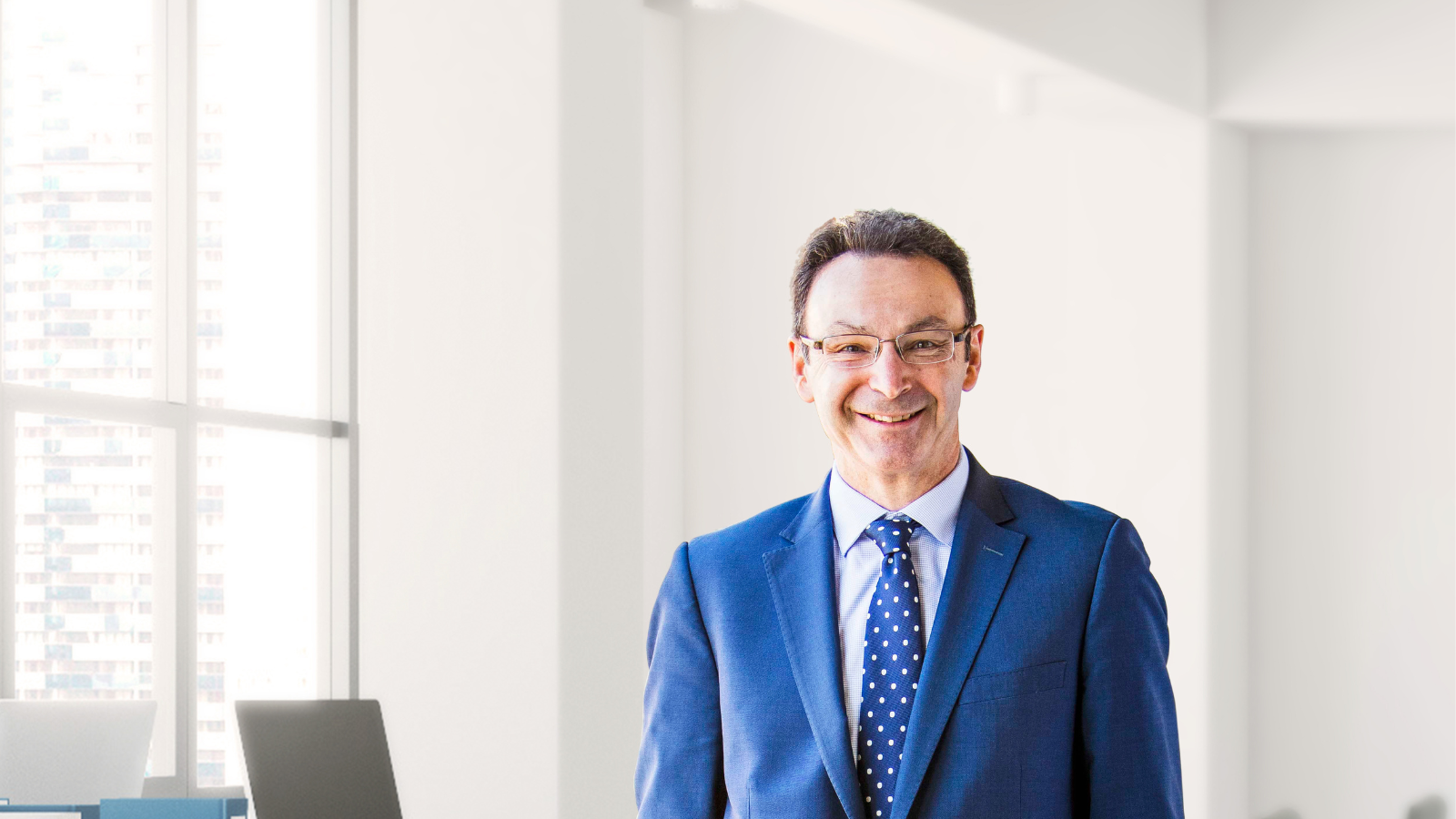
The Bionics Institute has long been known as an innovation leader, and our CEO Robert Klupacs recently talked about our translational research on the Commercial Disco podcast.
Hosted by InnovationAus’ Editorial Director James Riley, the Commercial Disco podcast interviews corporate, academic and political leaders about what’s driving the transformation of Australia’s economy, and what’s needed to bring great innovation to life.
In this episode, Robert talks about how the Bionics Institute’s close proximity to clinical collaborators in the St Vincent’s Hospital precinct, plus affiliations with the University of Melbourne and the Eye and Ear Hospital, fosters powerful and creative collaborations.
“Because there’s that constant bumping together of problem solvers – engineers – with clinicians that have just come out of surgery or the clinic saying: ‘hey, I’ve got this problem’, that’s the unusual feature that we have in our precinct.
“A lot of traditional medical research is done in a laboratory setting without too much clinician input and particularly the clinician being able to test what we make – that certainly doesn’t happen very often. But in our precinct, it does,” Robert explains.
Robert also delves into government funding of Australian innovation following establishment of the new National Reconstruction Fund and the Industry Growth Program as part of the recent federal budget announcements.
Welcoming that the government has recognised innovation as a growth driver of our country, he highlights that there are still some issues to be addressed in current funding models.
“We have a lot of support for the early discovery phase; we have burgeoning support now for ones that have come out the other side and the manufacturing of these things. But that middle ground, that very high-value adding ‘Valley of Death’ … there’s actually quite limited support from government for.”
Robert says that once concepts have moved from ideation stage into the development phase, there are significant financial barriers to having a product validated and to the cusp of clinical evaluation.
“That’s the challenge we identified in [the Bionics Institute] White Paper. My team calls it the ‘Valley of opportunity’, many other people call it the ‘Valley of Death’: how do you take a concept through that bridge to make it investor ready? It’s high risk but that’s where the value is actually generated.”
You might be interested in…
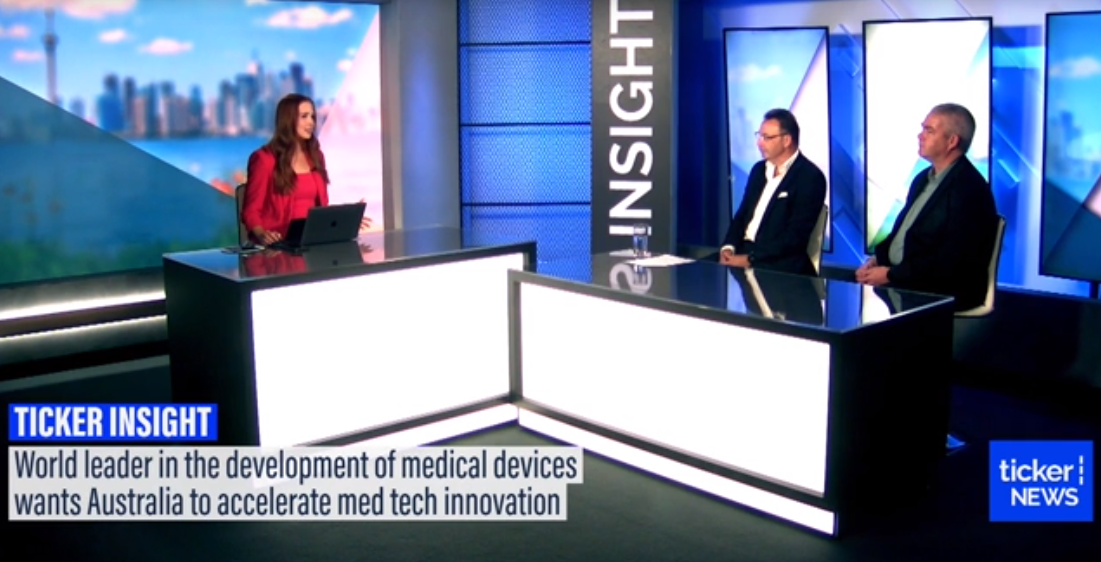
Bionics Institute CEO Robert Klupacs, and CTO Professor James Fallon appeared on Ticker News – a fast-growing business/tech news service streaming 24/7 and available on-demand through smart devices.
Robert and James shared how Australia needs to invest in infrastructure, support skills development and embrace an appetite for risk to become a global med tech leader.
Robert detailed the process of how an idea goes from concept to reality saying, “it’s a long process, you need to have very good research.
“Once you get to the research phase, then it needs to be moved up the chain. You need to think about how you manufacture it, how to develop it, how you test it, it takes a lot of money and it takes a lot of time.
“For one of our companies, it was nine years of research before we could get to the commercialisation stage”.
Professor James Fallon said a culture of ‘failing safely’ needs to be adopted within Australia to accelerate innovation and learning.
“The real key is that we’ve got to be brave enough to fail,” Fallon detailed. “As with any innovation, there’s a risk of failing. I think we tend to be too conservative.
“We want to get devices into trial quickly – see if they work, and if and if they do, fantastic and if they don’t, we turn around and we go again, bringing that experience back from industry in academia.”
Watch the video broadcast here
Learn more about the Bionics Institute 2023 Innovation Lecture.
You might be interested in…
Bionic Institute’s novel hearing diagnostic system, EarGenie®, moves closer to commercialisation with a new government grant of $500,000.
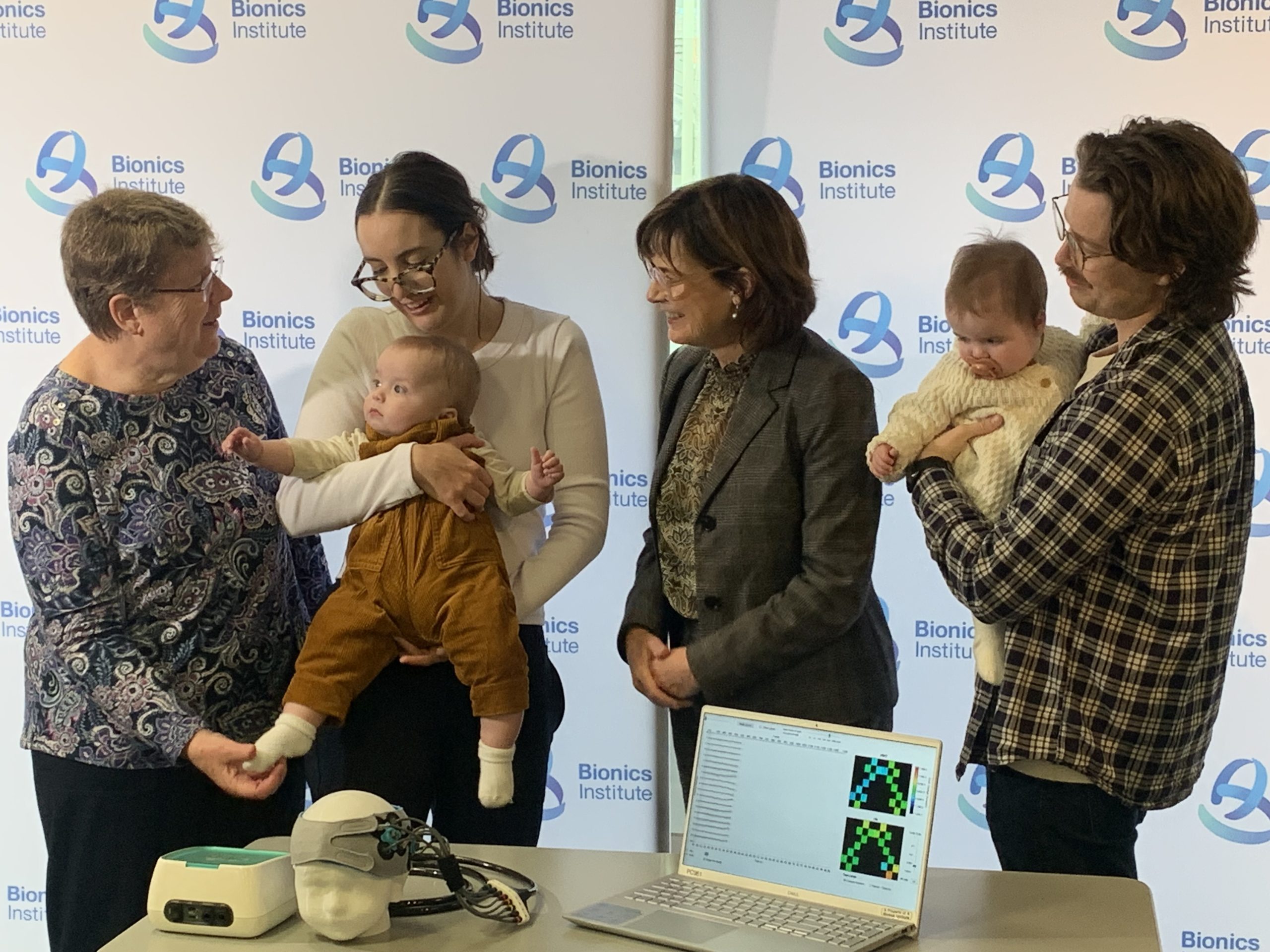
The Bionics Institute’s new hearing diagnostic system for babies, EarGenie, is one step closer to being available in clinics, with the announcement of a $500,000 grant from the Victorian Government’s Victorian Medical Research Acceleration Fund (VMRAF).
The Minister for Health, The Hon Mary-Ann Thomas announced the grant funding at the Bionics Institute, which will fund further clinical trials for this revolutionary technology.
Current newborn hearing tests do not provide information about discrimination between sounds meaning it is challenging for audiologists to determine whether a baby may require a hearing aid or be referred for a cochlear implant.
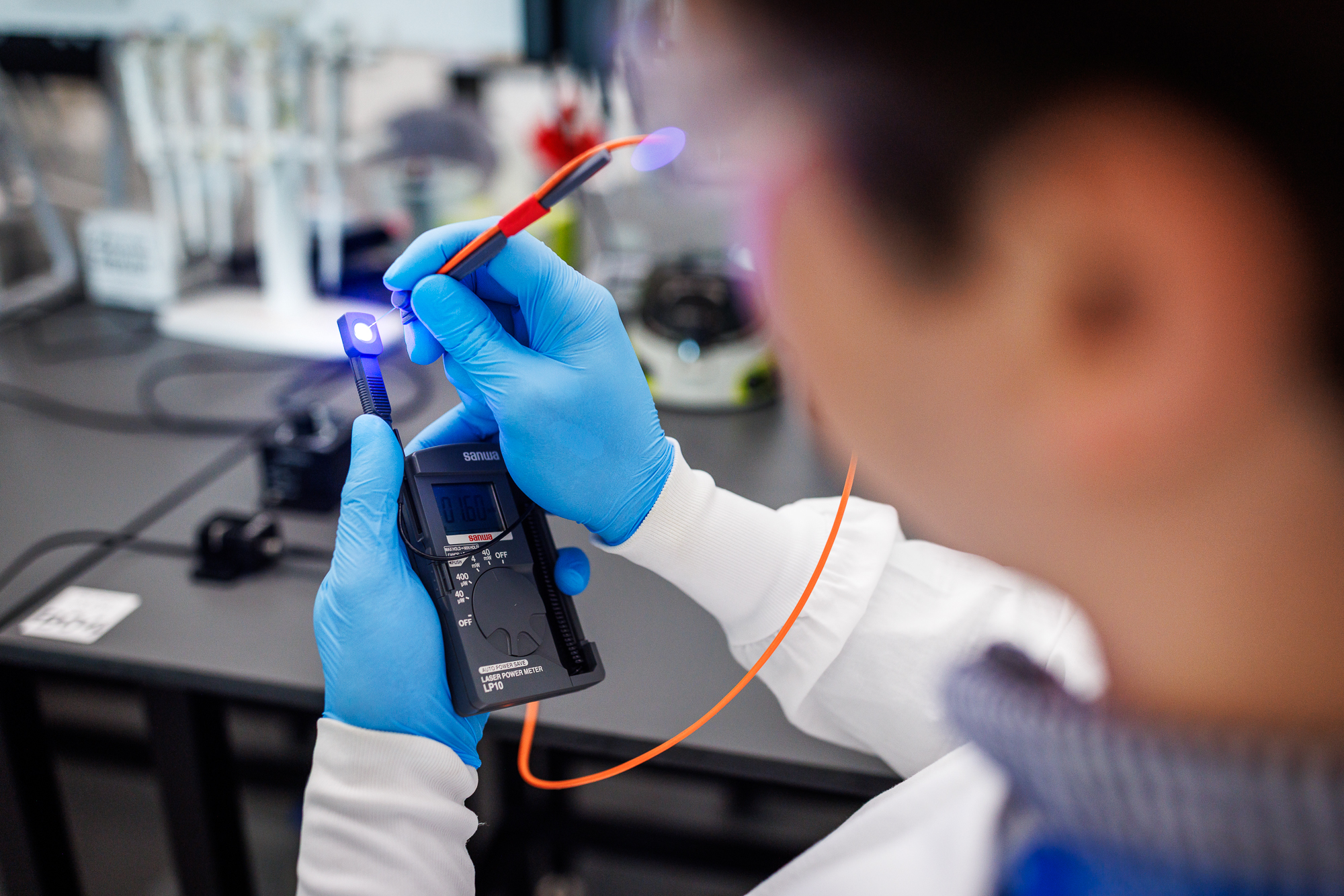
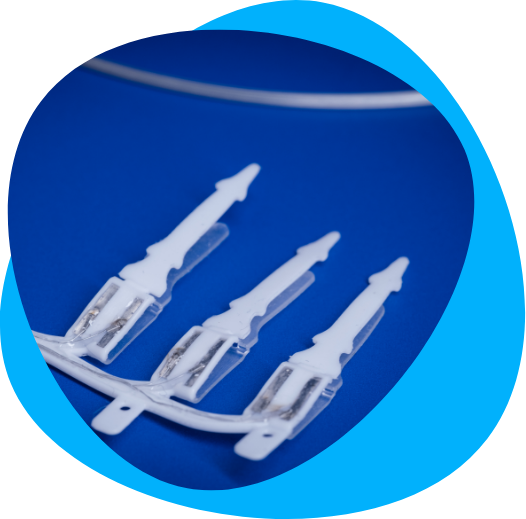
EarGenie uses near-infrared light to measure the brain’s response to sound in infants allowing audiologists, for the first time, to confidently select the best treatment.
Professor Colette McKay, who leads the Bionics Institute’s EarGenie research team, says that the current newborn hearing test can indicate the severity of hearing loss, but there are still significant delays in getting the right hearing treatment for infants which can affect their communication skills in the future.
“Currently, these babies have to wait until they are 9 months old before audiologists can determine if their treatment is helping them develop language.
“If the treatment isn’t right in the first months of life, they never catch up with their peers and suffer permanent communication deficit delay.”
Video source: Channel 9 News
Blake Fuller, the father of 7-month-old twins Henry and Ada, was keen for his children to take part in the trial, despite his children having normal hearing.
“I know that hearing my voice since birth has been so important for my children, not just for understanding the world, but to hear the vital sounds they need to learn to speak.
“It’s great to see technology like EarGenie being developed so that babies born with hearing impairment can get the treatment they need as early as possible and have a better quality of life.”
The Bionics Institute is seeking infants under the age of 24 months to participate in the clinical trial so the technology can be developed for use in clinics as quickly as possible.
For more information, go to: Participate in Infant Hearing Research – Bionics Institute
Want to get involved?
To continue with our research and development, we need to test EarGenie on infants younger than 24 months old, both with and without hearing impairment in our East Melbourne testing centre.
If your child is under 24 months of age, please consider participating in this vital study. We are looking for babies who are hard of hearing (any type) as well as those without hearing impairment.
You might be interested in…
Support Us
Your gift today will help provide opportunities for aspiring researchers to help pioneer medical breakthroughs for you and your loved ones
You’ll be supporting hardworking and dedicated researchers
Our researchers share your passions for finding cures and treatments for conditions including Alzheimer’s disease, rheumatoid arthritis, hearing loss and much more.
You’ll help superstars of the future like Ajmal
Seeing family and friends struggle with hearing loss in his home country of Sri Lanka inspired Ajmal Azees to use his Electronic Engineering degree to explore ways to adapt existing medical devices and help improve the lives of people living with hearing loss.
But even after graduating with a first-class degree, the financial burden of post-graduate education made it impossible for Ajmal to continue his research without support.
Thanks to a student PhD scholarship, Ajmal has been able to to dedicate his time and efforts to hearing research and is using his skills to use a combination of light and electrical stimulation to improve the cochlear implant.
The everyday impact? Cochlear implant users will be better able to distinguish specific sounds.
Your kindness and generosity are an investment in the hard working research stars of the future. You can help pioneer the life-changing medical breakthroughs that you and your loved ones urgently need.
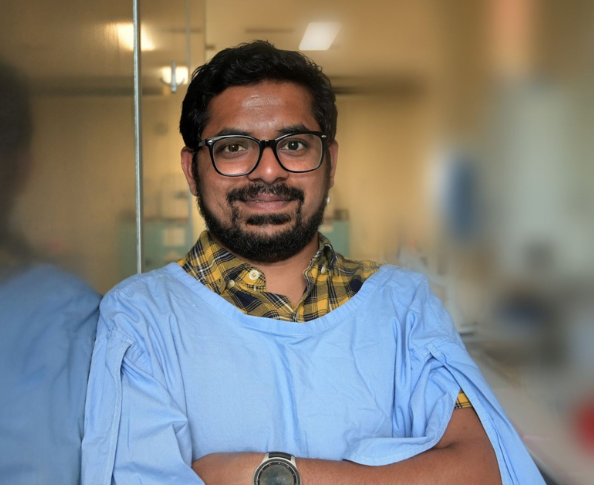
You’ll be supporting researchers like Ella
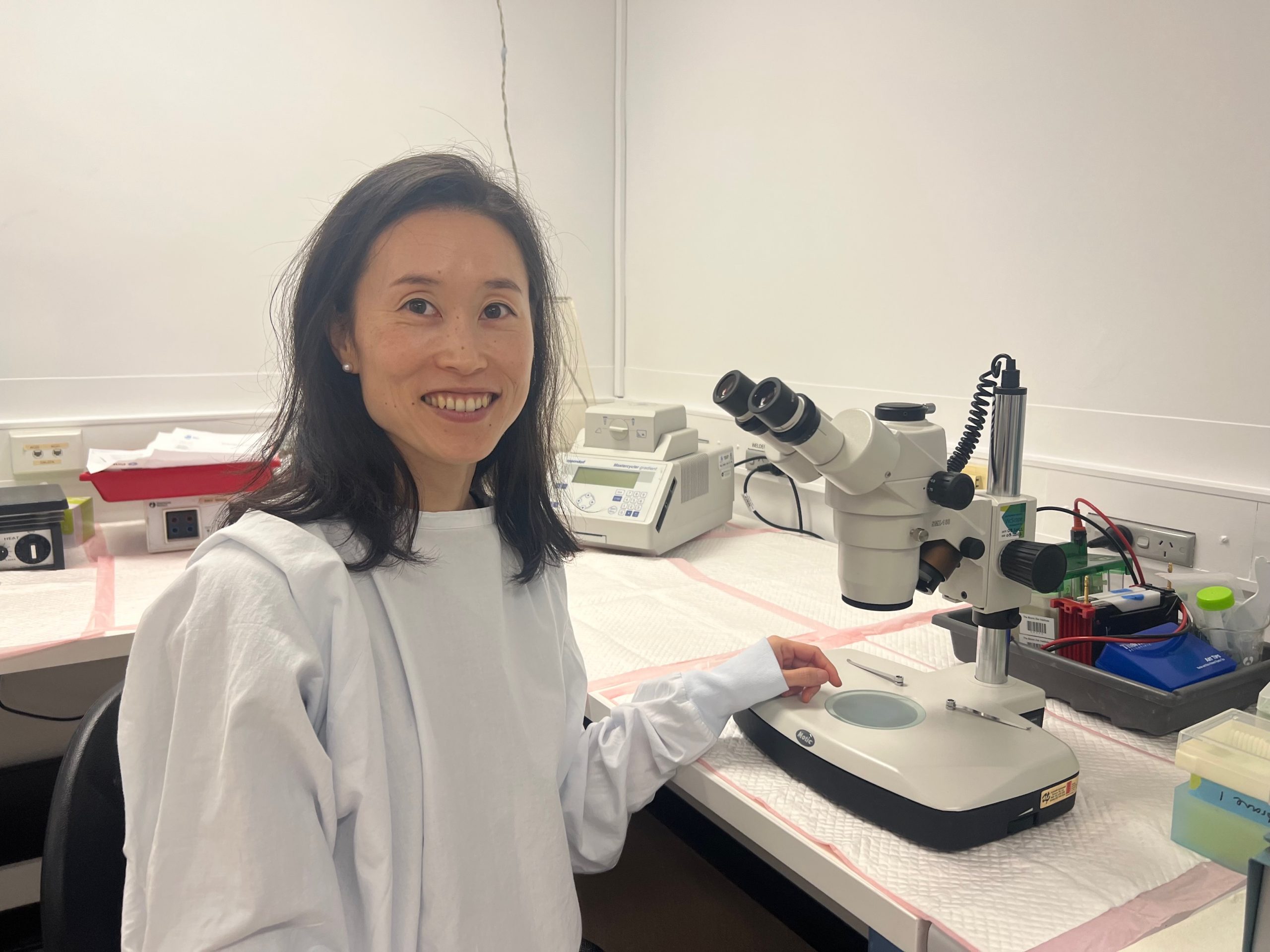
Ella Trang was recently awarded a PhD Scholarship to undertake research that will improve understanding of how implants interact with tissues in the body, such as the inner ear, to help researchers at the Bionics Institute speed up treatment developments.
A biomedical science graduate, Ella has worked at the Bionics Institute for several years and runs our Histology Laboratory. Asked why she hasn’t undertaken a PhD previously, she says it’s just not feasible to ask people to study and work really hard to make a difference without giving them financial support.
“I have worked with many PhD students over the years and donations of any level are really appreciated to relieve some of the financial burden. It’s one less thing students have to worry about while they focus on their research and finding innovative ways to diagnose and treat disease.”
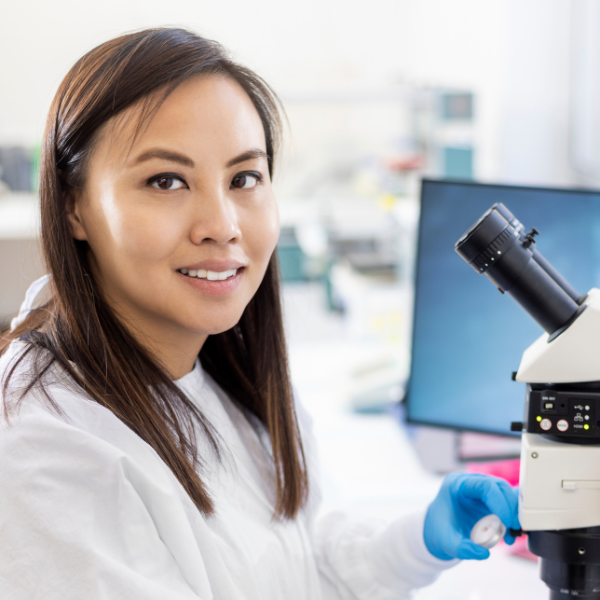
Help us to change the future of medicine
In our Student Support Webinar: Changing the Future of Medicine, you’ll hear from research leaders about their experiences as a PhD or Masters student to their current positions, and from students who have just started on their exciting post-graduate research journeys.
Speakers
Dr Sheridan Laing, Bionics Institute’s Research Program Manager will explain the vital role students play within the Bionics Institute’s research teams, and the contribution they make to solving the world’s most challenging medical conditions with innovative technology.
The webinar also includes a panel session featuring Dr Julia Wunderlich, Bionics Institute’s Senior Clinical Research Fellow and Ajmal Azees, a biomedical engineering PhD student within the Bionics Institute’s Optogenetics team.
Did you know that in a survey of medical researchers*:
83% had considered leaving active research for another career
53% are supported by grants, without which they would be unemployed
That’s why your generosity towards scholarships for researchers is so vital.
Without it, they can’t survive the double burden of cost of living and the dedication required to achieve life-changing medical breakthroughs.
* 2016 Australian Society for Medical Research Workforce Survey
Dr Dean Freestone – CEO, Seer Medical
Dean Freestone has come a long way from his days as a hardworking PhD researcher at the Bionics Institute 15 years ago.
Today, Dean is the CEO and Co-Founder of Seer Medical. Through the company, he has turned his research into usable technology which gives people with epilepsy control of their condition and health.
Dean candidly admits he would have ended up in another sector or industry without a scholarship.
“I’ve never heard of anyone being able to do PhD research without getting a scholarship. If you can afford to give, then you should know that your donation is being matched in blood, sweat and tears at the other end.”
– Dr Dean Freestone
Professor Nick Opie – Inventor of the life-changing StentrodeTM
Professor Nick Opie is a long-time friend of the Bionics Institute,
having collaborated on bionic eye research during
his own PhD studies.
Today, Professor Opie is the inventor of the life changing stentrode, that will allow even those with the most debilitating paralysis to control a computer with
their mind.
Professor Opie said that “your generosity could potentially open the pool up to people who might otherwise not have the financial security to do a PhD.
“It’d be a shame to miss out on training up the next generation, just because they couldn’t afford it… there are some incredibly smart people who can’t meet
the cost of living while doing a PhD.”
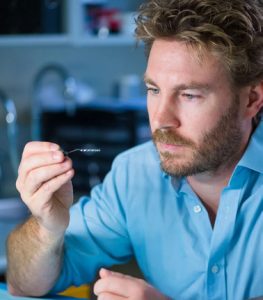
Your generosity could open the pool up to people who might otherwise not have the financial security of doing a PhD. It’d be a shame to miss out on training up the next generation, just because they couldn’t afford it…there are some incredibly smart people who can’t meet the cost of living while doing a PhD.” Professor Nick Opie, Inventor of the life-changing Stentrode & Bionics Institute Collaborator
Help fund pioneering research
Want to support the research stars of the future?
Early-stage research for life-changing devices & treatments like this is made possible by donations from our supporters.
Your support today could help pioneer the life-changing medical breakthroughs we urgently need!

Building Australia Through Innovation
Join us at the second Bionics Institute Innovation Lecture on Wednesday 17 May 2023 at 5.45pm
After the success of the inaugural event, the 2023 Innovation Lecture will be invitation-only.
The focus of this year’s event is to bring med tech leaders together to explore how Australia can accurately measure innovation, boost the med tech ecosystem and strengthen connections.
Networking drinks following the lecture will provide guests with the opportunity to forge partnerships and develop links with like-minded people.
Register your interest in receiving an invitation to attend this free event and hear from our industry panel and keynote speakers:
Dr Andreas Fouras, CEO of ASX listed med tech company 4DMedical
Kylie Walker, CEO of the Australian Academy of Technology and Engineering (ATSE)
Event details
Date: Wednesday 17 May 2023
Time: 5.15pm arrival for 5.45pm start
Networking drinks: 7.45 – 9.30pm
Venue: RACV City Club, 501 Bourke St, Melbourne
Cost: Attendance is free
RSVP: Register your interest in receiving an invitation
Who is attending?
Through the Innovation Lecture series, the Bionics Institute aims to develop a shared understanding of what it will take to build Australia through innovation between:
– Med tech thought leaders
– Start-up founders and entrepreneurs
– Government agencies and peak bodies
– Impact investors, fund managers and VCs
– Healthcare and tertiary education leaders
– Trusts, foundations and philanthropists
– Business media.
Sponsorship opportunities
Position your brand as an innovation leader and forge wide-reaching connections across the med tech ecosystem.
Talk to our team about the range of brand acknowledgement, promotional and hospitality benefits available to sponsors in 2023 by emailing: [email protected]
Your brand could be seen by up to 300 event guests; 1000 Med Tech Talks podcast listeners, and thousands of people viewing this page.
Keynote speaker: Dr Andreas Fouras, CEO of 4DMedical
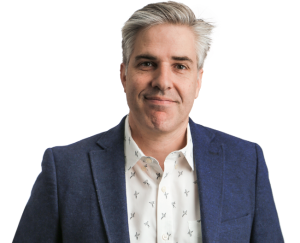
4DMedical was incorporated in 2012 to acquire the imaging platform XV Technology from Monash University, where it was originally conceived and developed by Andreas and his former research group.
4DMedical aims to change the outcome for patients with lung disease by revolutionising respiratory and ventilation analysis using this technology, which is the first FDA approved respiratory imaging system using algorithms to convert x-ray image sequences into four-dimensional data to enhance clinical management.
In May 2020, 4DMedical obtained FDA approval for its XV technology and in August 2020 completed an initial public offering (IPO) on the ASX, raising $56 million. The global market for respiratory diagnostics is currently estimated to exceed $US30 billion per annum.
After completing his PhD in engineering, Andreas rose to the position of Professor of Mechanical and Aerospace Engineering and Director of the Laboratory for Dynamic Imaging at Monash University. Andreas is now the founding CEO of 4DMedical, based in Melbourne and Los Angeles.
Keynote speaker: Kylie Walker, CEO of ATSE
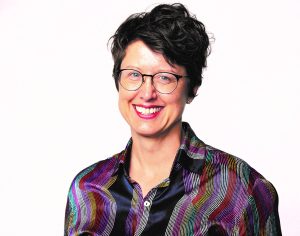
Kylie is the CEO of the Australian Academy of Technology and Engineering (ATSE), where she works with expert Fellows to lead crucial national conversations and strategy towards a thriving, healthy and connected Australia supported by technology.
Kylie specialises in connecting technologists, engineers and scientists with governments, business, media and society – skills built over many years in senior federal communication and advocacy roles in the science, technology and health sectors.
As the immediate past CEO of Science & Technology Australia, Kylie led campaigns to increase investment in Australian research and development, and created the acclaimed Superstars of STEM program, championing Australian women in science technology, engineering and mathematics.
Kylie is also a visiting Fellow at the Australian Centre for the Public Awareness of Science. She was Chair of the Australian National Commission for UNESCO and in 2019, she was named in the 100 Women of Influence list by the Australian Financial Review for her work on improving equity, diversity and inclusion in STEM.
Panellist: Dr Jill Freyne, Deputy Chief Scientist, CSIRO
A highly experienced leader in digital health service delivery, Jill is recognised in Australia and internationally for her work in transformative health technology solutions.
She is passionate about improving equity and accessibility in the healthcare industry and has extensive experience in leading teams to devise sustainable health innovations.
Jill joined CSIRO in 2013 and has held a number of leadership roles in digital health research, working extensively with government and industry partners. She received her PhD in Computer Science from University College Dublin in Ireland and has held positions at the Clarity Center for Sensor Web technologies and IBM Research, USA.
Panellist: Christine Williams, Former GM, Innovation Metrics Review
Christine Williams is an experienced leader, economist, data scientist, risk manager, and company director. She has worked in innovation, as a research and development manager, and in the startup sector. She is currently a director of St John Ambulance Australia Ltd, a member of the University of Canberra Council, Chairperson of the Energy Safe Victoria Technical Advisory Committee, an Australian Institute of Company Directors ACT Division Council member, and works at Deloitte.
Her previous roles included being General Manager of the Innovation Metrics Review in the second half of 2018 and throughout 2019, heading the team reporting to Dr Alan Finkel (then Australia’s Chief Scientist), and Mark Cully (then Chief Economics of the Australian Department of Industry, Science and Resources).
You might be interested in…
Support Us
Your support will help us develop much-needed treatments for Alzheimer’s, rheumatoid arthritis and hearing loss.
Donate nowTogether, we can get life-changing medical treatments into doctor’s clinics as fast as possible
Your gift will help fast-track the development of diagnostic tools and revolutionary treatments to:
– Help people with rheumatoid arthritis live a life free of pain and disability.
– Fight memory loss in people with Alzheimer’s disease so that they remember their loved ones for longer.
– Provide the joy of sound to those facing the challenge of hearing impairment.
If our research is successful, you’ll help millions of people around the world – from the tiniest babies to the oldest members of society.
About our research
The Bionics Institute leads the world in the development of technology to solve challenging medical conditions.
Our world-class scientists, engineers and clinicians work together to create new therapies and diagnostic tools in four main areas:
Help end the pain of rheumatoid arthritis
She says: “The medication makes the the pain bearable most of the time, but when I have a flare up it’s a struggle to do anything.
“Some days my joints are burning hot, stiff and swollen. I find it very hard to walk. I can’t put my car key into the ignition.”
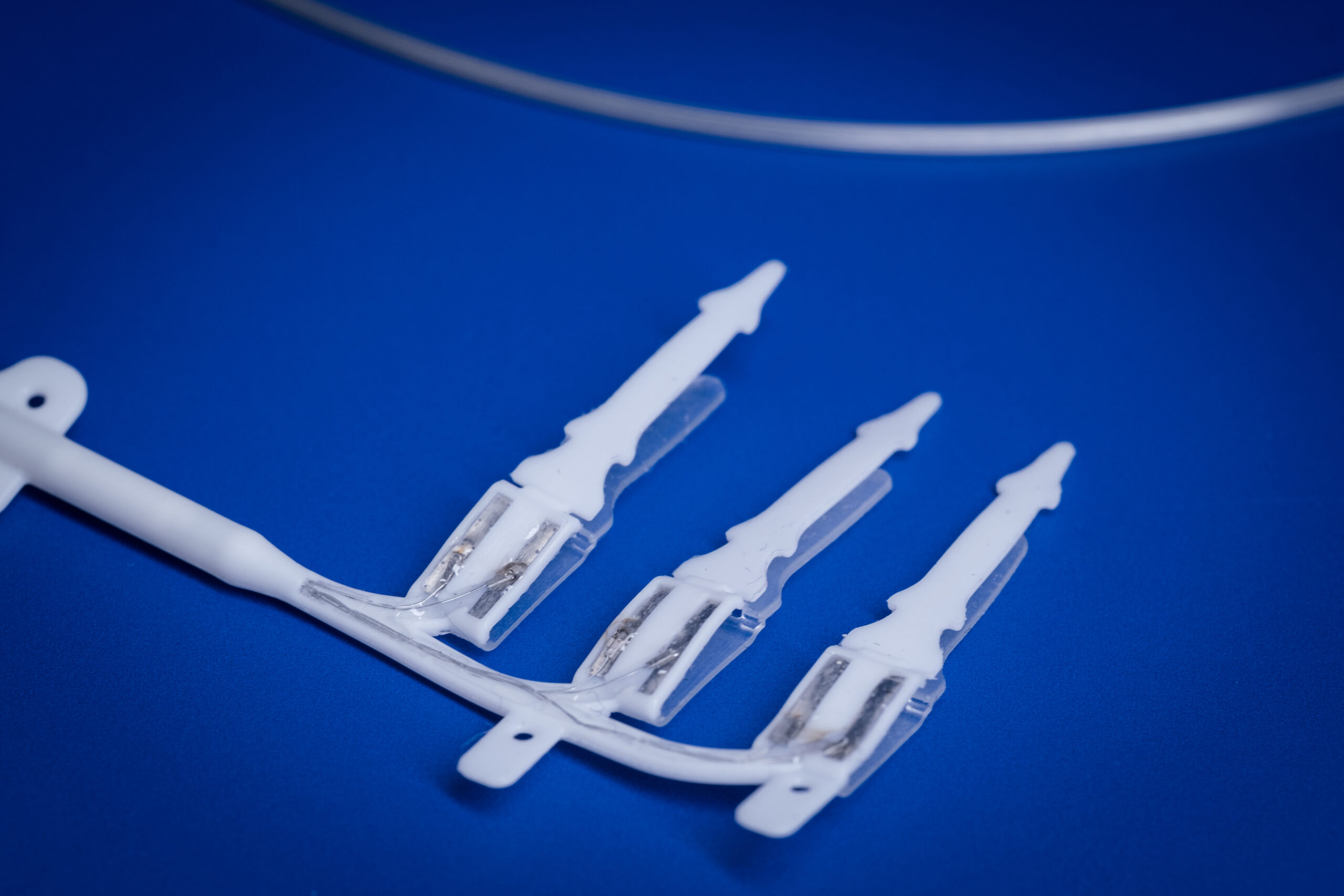
The treatment comprises a tiny device that stimulates the vagus nerve with electricity to reboot the body’s built-in healing system.
With your help, fast-tracking the development of this drug-free treatment will bring relief to sufferers of rheumatoid arthritis and their families.
Help pioneer an Alzheimer’s treatment
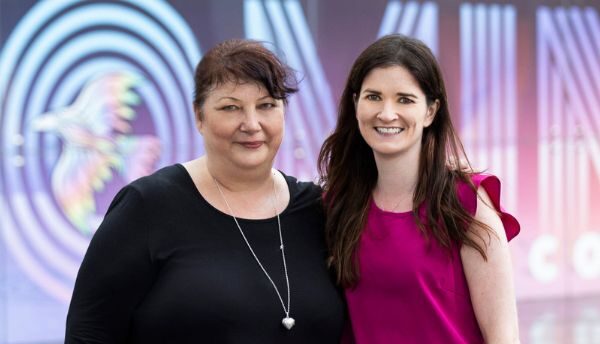
Cheryl knows the heartbreak of watching her mum deteriorate from Alzheimer’s disease. The debilitating memory loss. The frustration of the same questions repeated over and over. Forgetting to eat, leading to malnutrition.
Chances are, you know someone with Alzheimer’s. Or someone who is caring for a loved one with Alzheimer’s, like Cheryl.
That’s why we’re asking you to donate to help our researchers develop a new brain stimulation treatment for Alzheimer’s.
The non-invasive treatment, called Transcranial Magnetic Stimulation (TMS) applies magnetic pulses to change activity in the key regions of the brain affected by Alzheimer’s.