
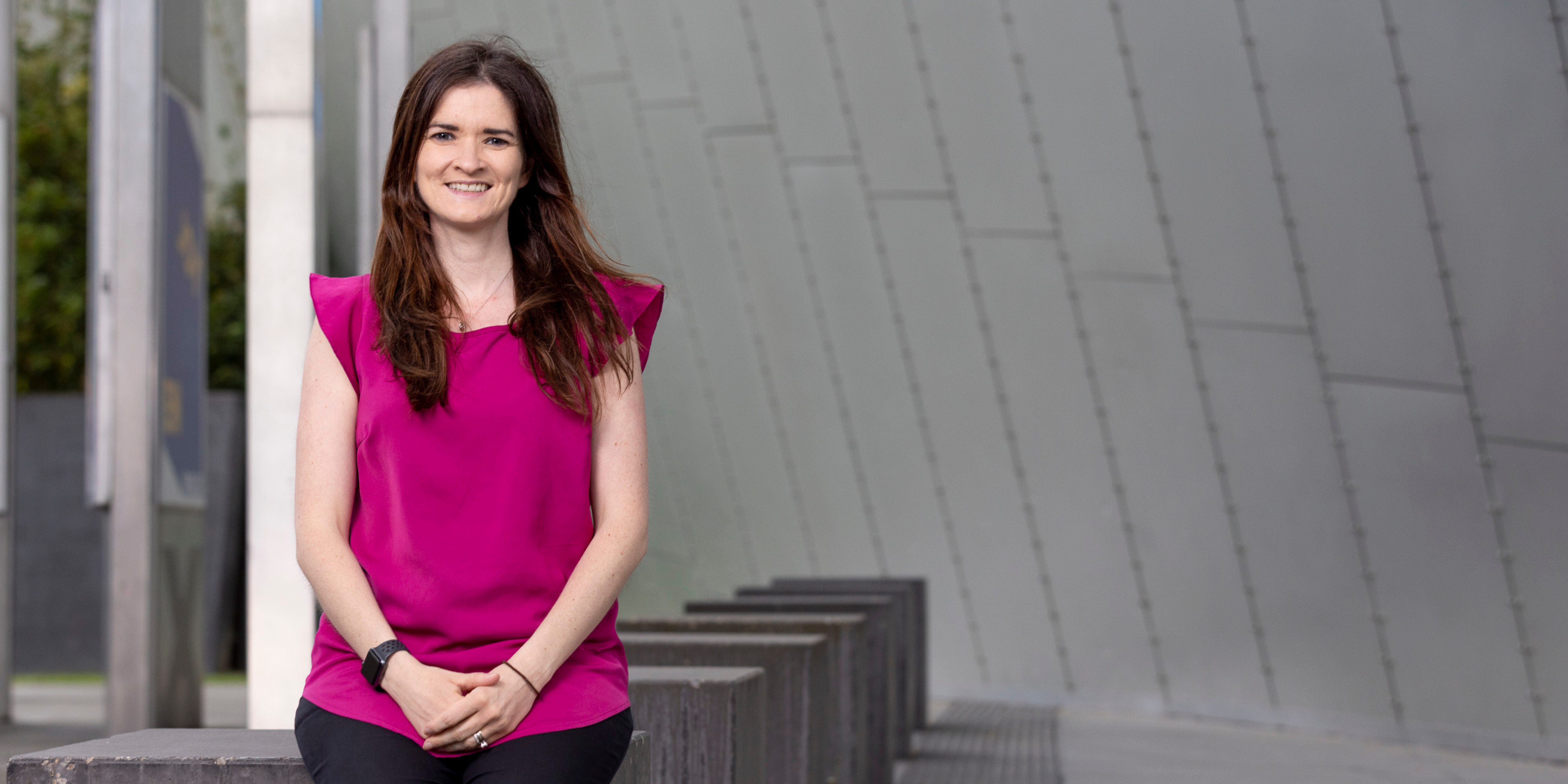
“I love that the Bionics Institute is a different to most other research institutes in Australia in that it deals in development of medical devices to solve challenging medical conditions and alleviate patient suffering.”
– A/Prof Stella Clark AM GAICD, Board Director 2012-2024
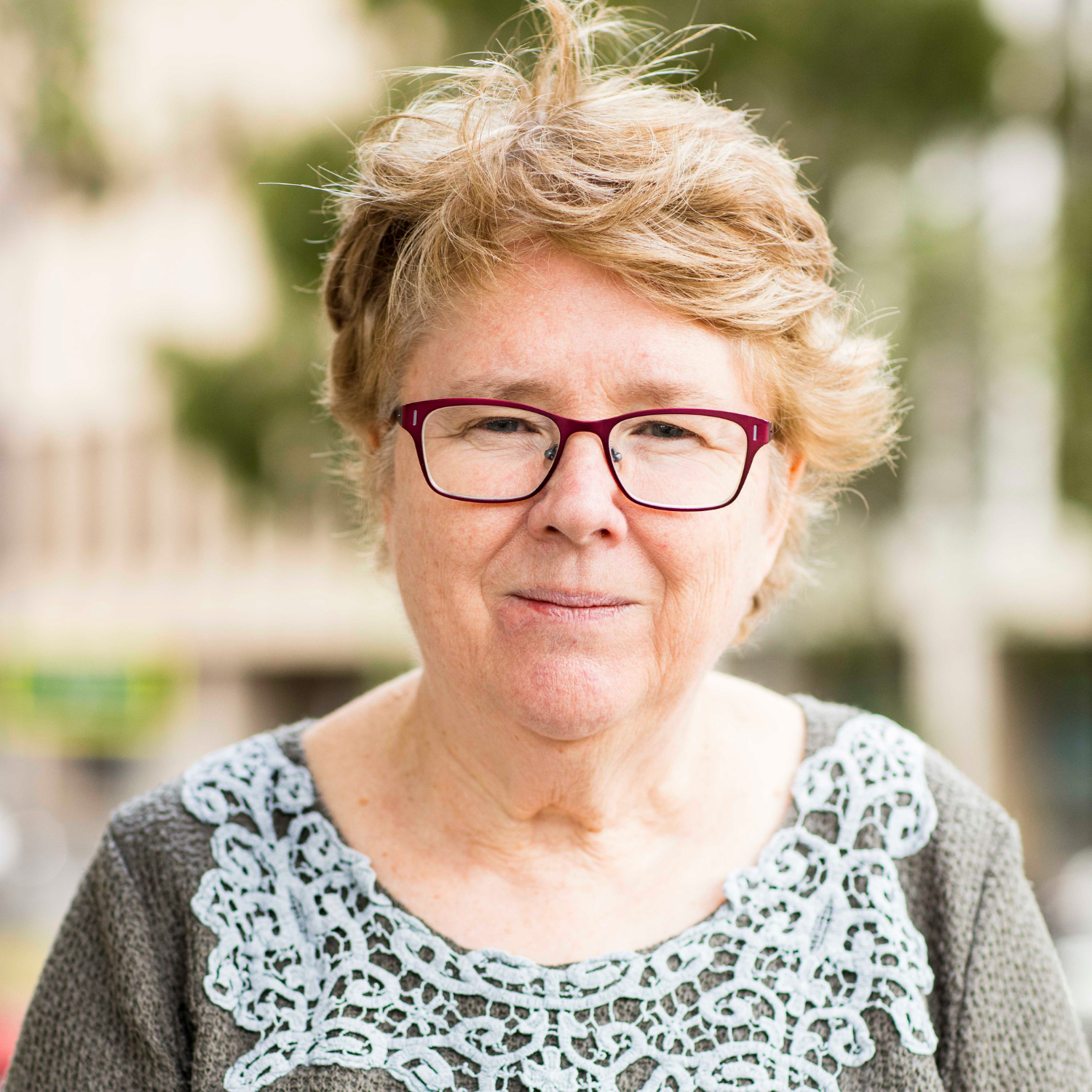
Following 12 years as a Director of the Bionics Institute, A/Prof Stella Clark AM GAICD has stepped down from the role and her position as Chair of the People and Culture Committee.
We thank Stella for championing our innovative research and for her influence across a number of key strategic initiatives.
With a distinguished career in diabetes research, research management and executive leadership, Stella was invited to join the Board in 2012 by then Director Professor Rob Shepherd AM and Chair Gerry Moriarty.
Stella held a Board position alongside Prof Shepherd and Mr Moriarty for 5 years until 2017, and then current CEO Mr Robert Klupacs and Chair Mr John Stanhope for the following 7 years.
She is grateful for the support and encouragement received from both pairs of CEOs and Chairs during her tenure and has enjoyed seeing the evolution of governance that has resulted.
“Prof Rob Shepherd was an outstanding researcher who spent his whole career (more or less) at the Institute. He was involved with the research that led to development of the cochlear implant and oversaw the transformation of the Bionic Ear Institute to the Bionics Institute – with its expanded research profile,” Stella said.
“Robert Klupacs’ appointment brought a different focus to the Bionics Institute. With his broad experiences in industry and tech transfer he has moved the Institute more in the direction of commercialisation. He and the Board hope the formation of start-up companies, when they come to fruition, will provide a government-independent income source to support the further research that is needed.”
Whilst there have been many research developments at the Institute during her time on the Board, Stella noted the work on the Bionic Eye and recent advances in our vagus nerve and brain stimulation research as just some of the highlights.
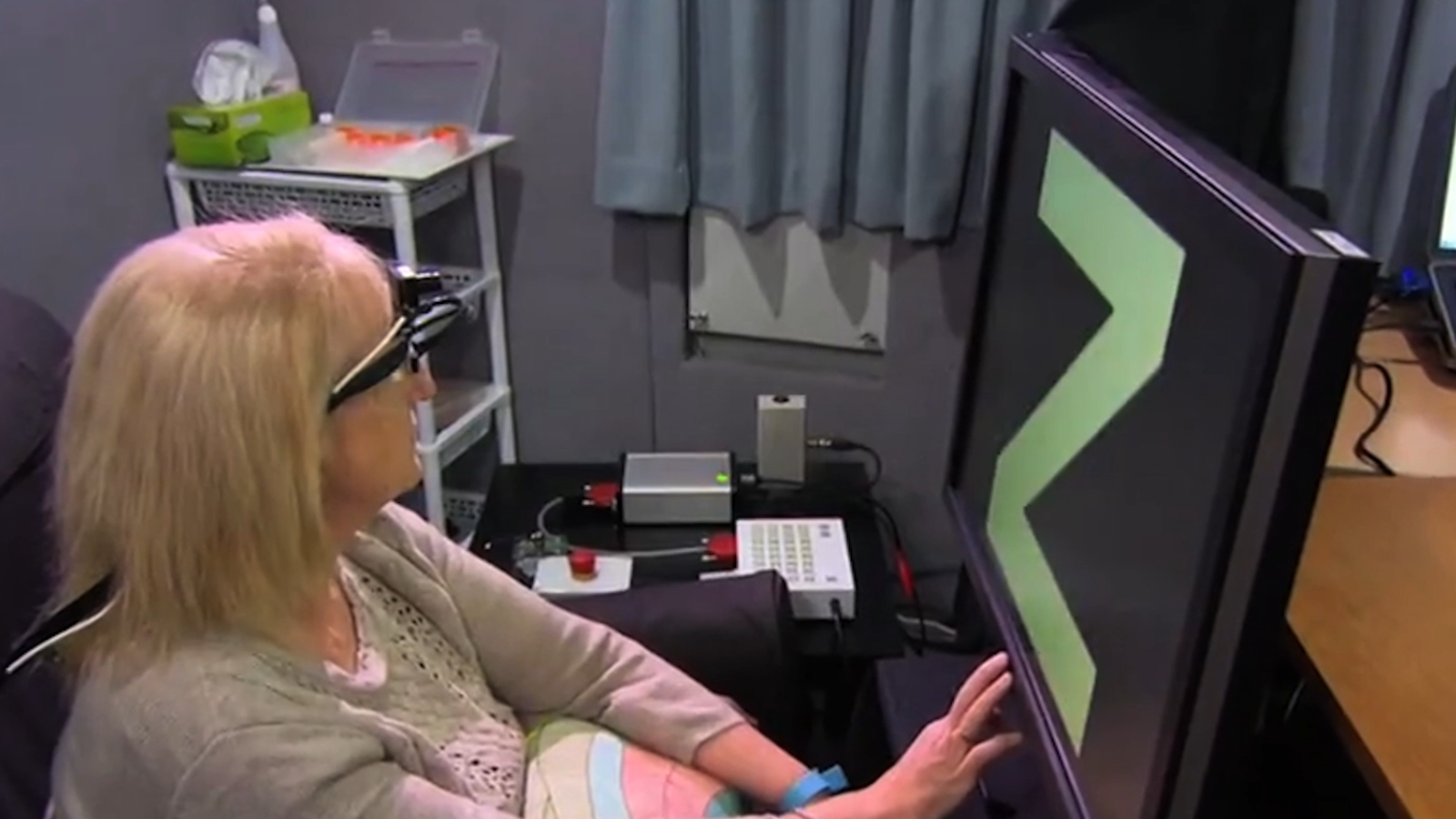
“Being able to interact with one of the Bionic Eye clinical trial patients, and hear how it enabled her to have some sense of ‘vision’ was extraordinary,” she reflected.
“The tremendous work being done currently on vagal nerve stimulation and how this might be applied to a variety of debilitating conditions; the groundbreaking project investigating transcranial magnetic stimulation as a treatment for memory loss in Alzheimer’s; and epilepsy monitoring research that has led to the formation of the spinout company Epiminder are just a small selection of the exciting ways Bionics Institute is working to improve lives.”
As Chair of the Bionics Institute’s People and Culture Committee, Stella focused on increasing diversity of members and ensuring perspectives of staff from all areas of the Institute’s operations were included.
Reflecting this was the Institute’s all staff workshops in 2022 titled, Better Together. This initiative explored all facets of culture within the Institute and how it could be improved, plus included staff in the roll out of post-event actions.
The subsequent staff survey showed a significant improvement in staff satisfaction.
“The Board are very proud to say the Institute maintains this high level of satisfaction with an 82% participation rate and an engagement score of 78% in the 2023 survey. An outstanding achievement of which I’m proud to have played a part,” she said.
Stella is excited about the future of the Institute and the opportunities that lay ahead.
As one of 8 partners in the Aikenhead Centre for Medical Discoveries (ACMD), the Bionics Institute will move into the highly anticipated ACMD building on the St Vincent’s Hospital campus (expected to be late 2025).
“The co-location of the great minds at the Bionics Institute with other Victorian researchers and engineers at ACMD will foster collaboration and increase the potential for new and exciting ideas,” Stella said.
You might be interested in…















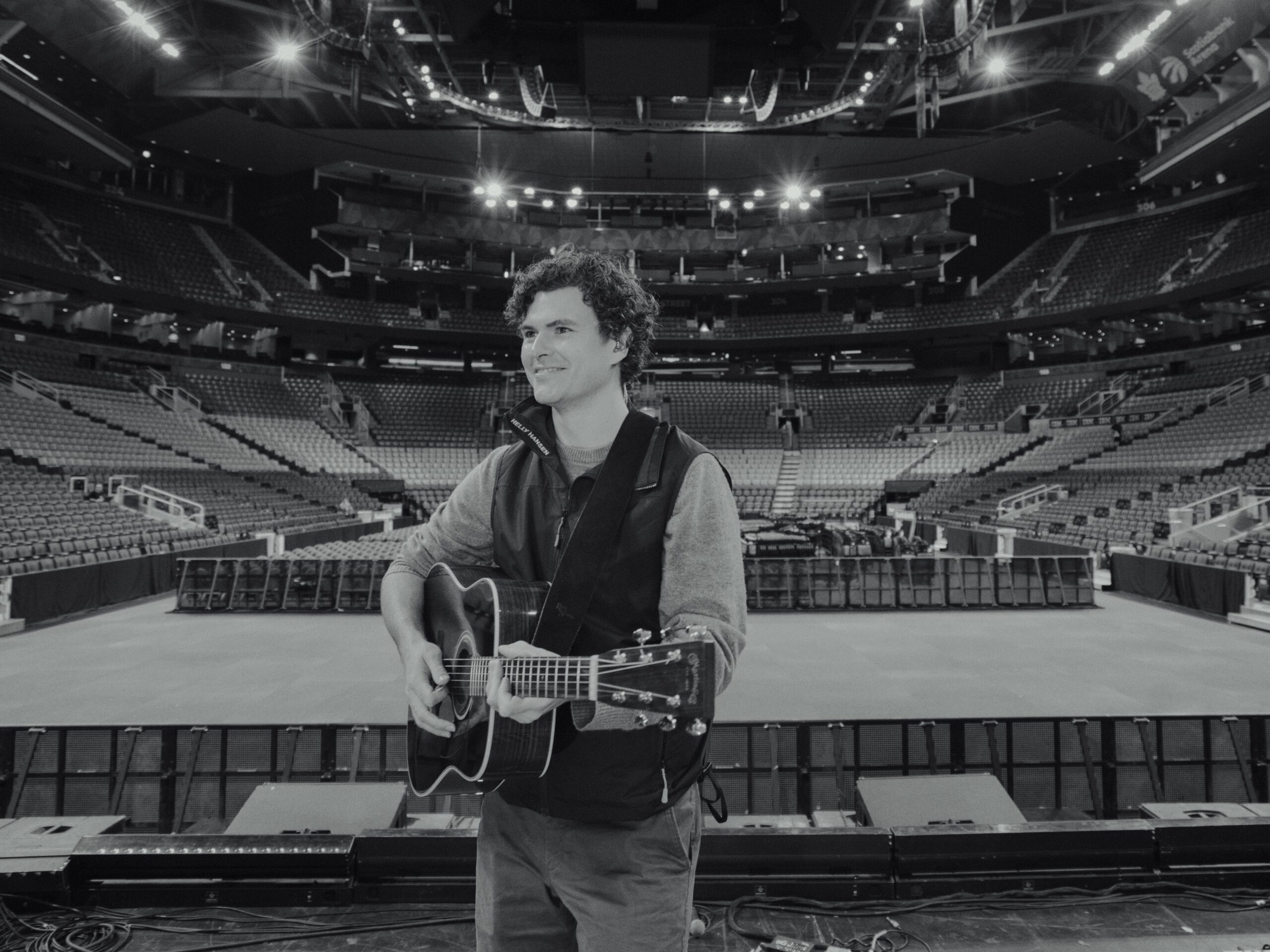















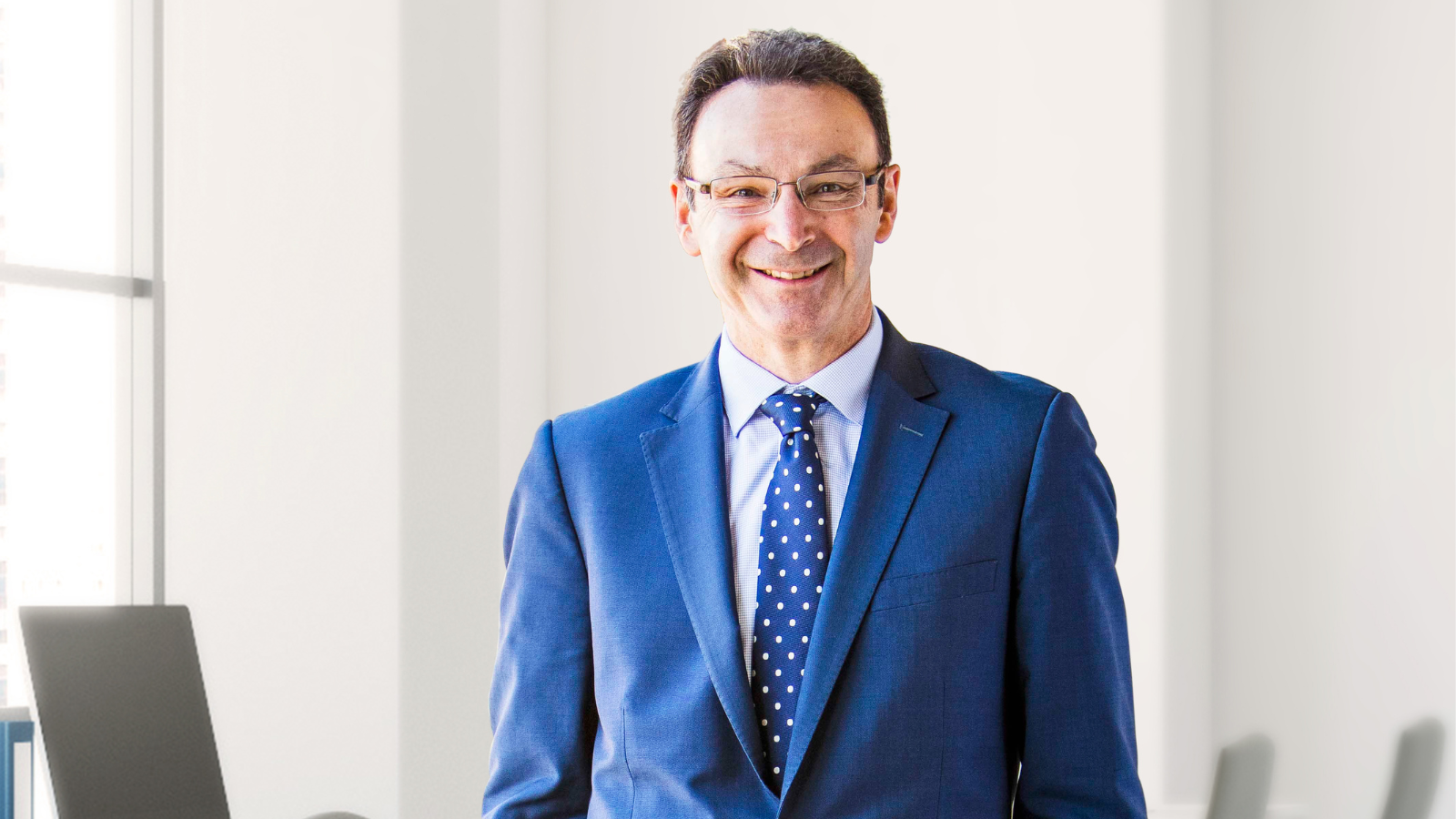



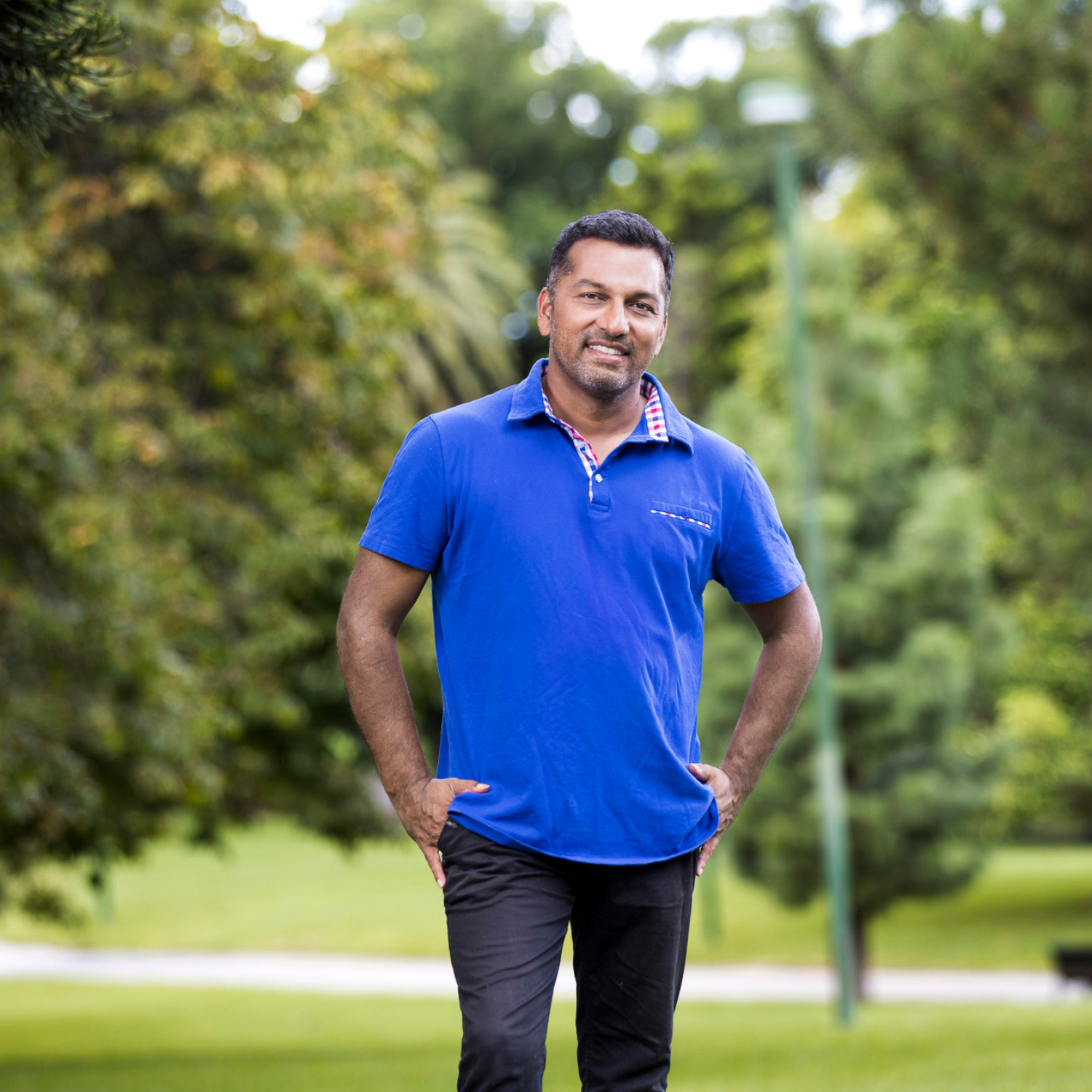





We’re delighted to announce our new Ambassador for Alzheimer’s research: Australian singer songwriter, Vance Joy.
He will be helping us raise awareness and funds for our clinical trial investigating a new brain stimulation treatment for Alzheimer’s.
With the support of you and Vance Joy, we aim to progress our pioneering Alzheimer’s treatment to help fight memory loss and delay onset of the most distressing symptoms of the disease.
Look out for more news in February!
In the meantime, you can find out more about our Alzheimer’s research and how you can participate in our clinical trial here.
You might be interested in…
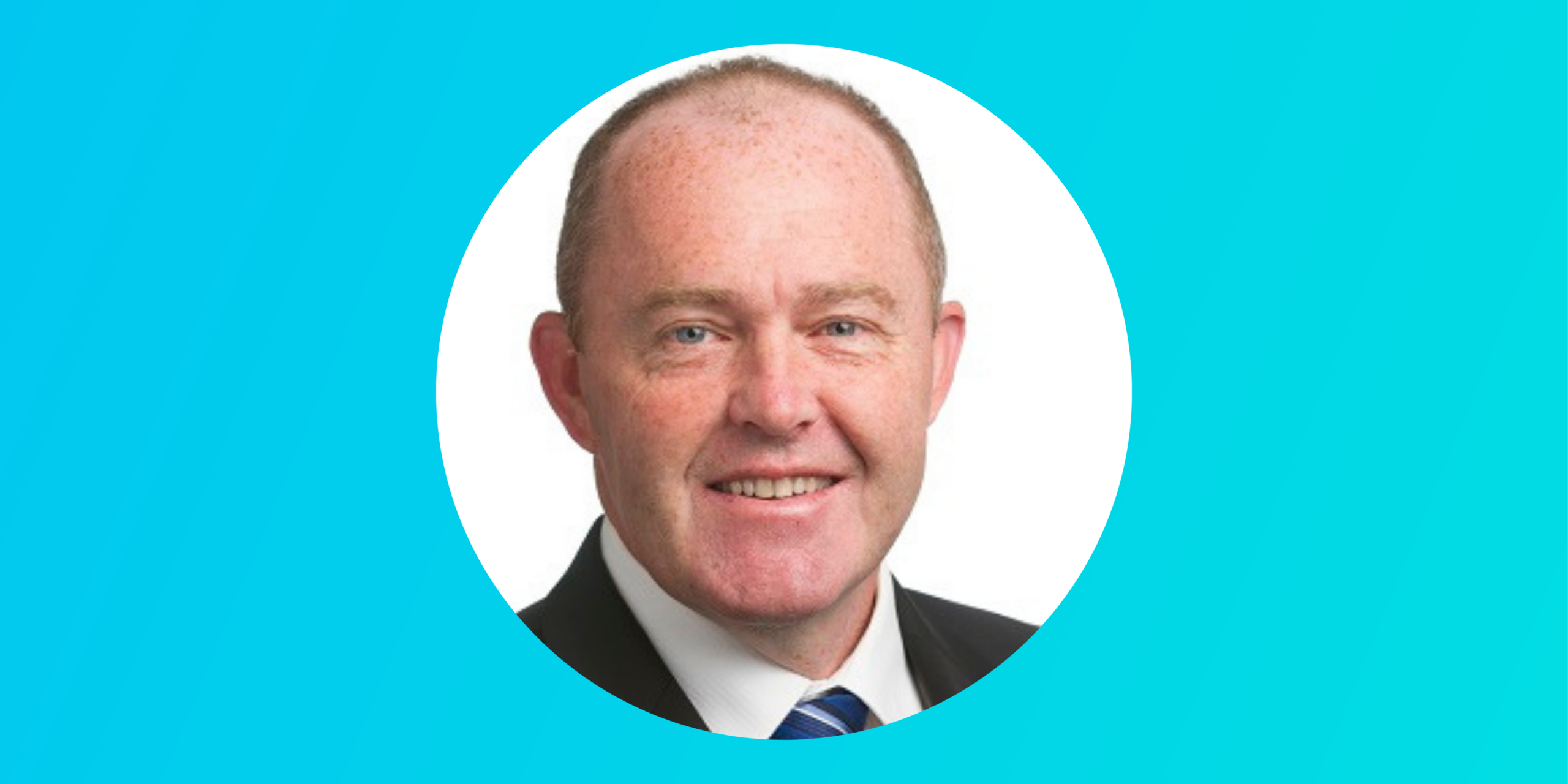
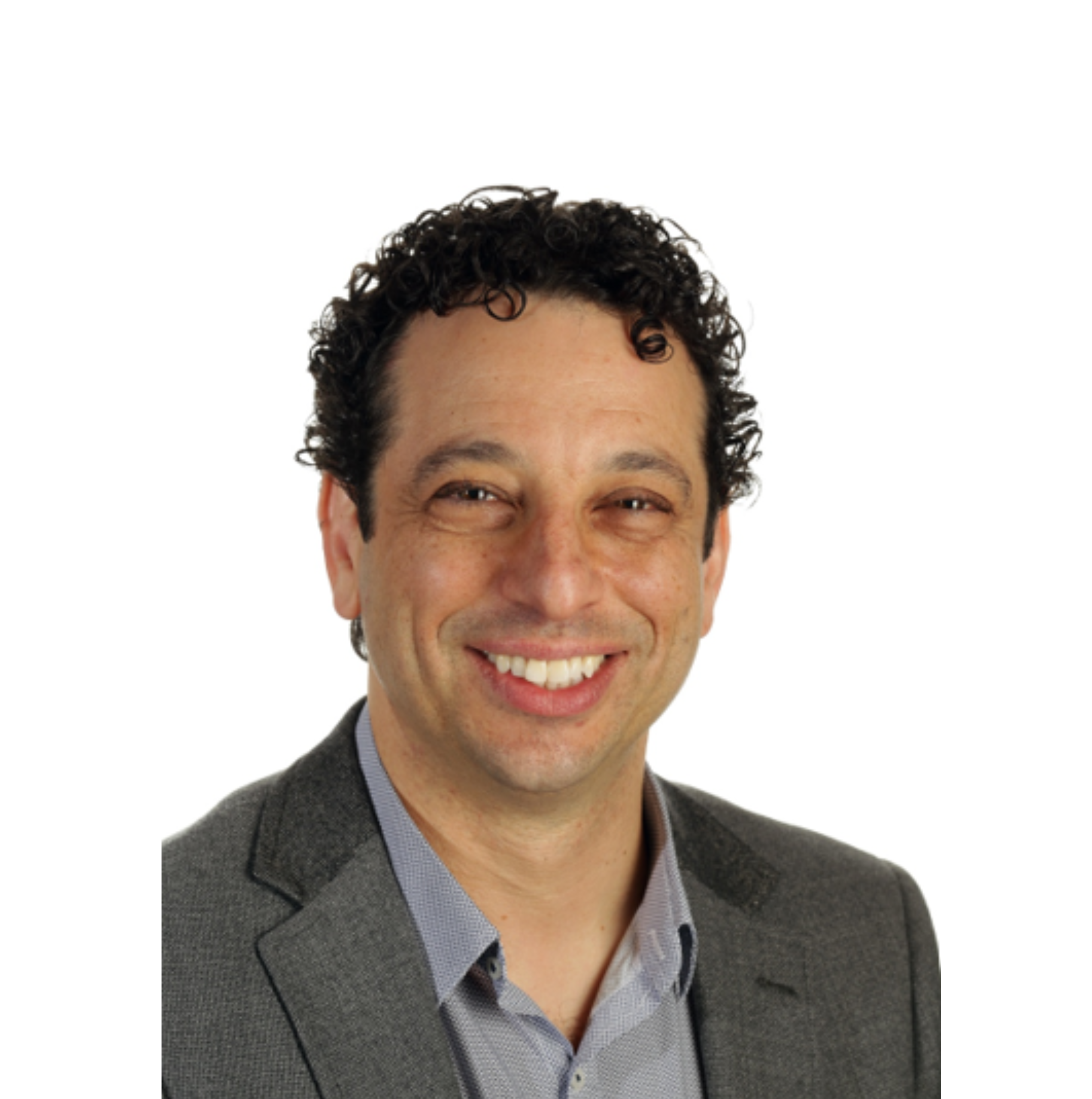
Congratulations to Bionics Institute researcher and neurologist Associate Professor David Szmulewicz, who was awarded a Veski FAIR Fellowship!
A/Prof Szmulewicz will use the funding to continue his highly impactful work with Aboriginal communities living in remote regions, where his research focuses on improving the lives of people living with spinocerebellar ataxias – a group of debilitating neurological conditions that affect coordination, balance, vision, speech and swallow.
The Fostering Achievement in Research (FAIR) Fellowship supports early and mid-career researchers who have narrowly missed out on national funding, with a focus on supporting a diverse and inclusive workforce.
Thank you to Veski and Victorian Minister for Medical Research Ben Carroll for supporting Bionics Institute research.
You might be interested in…
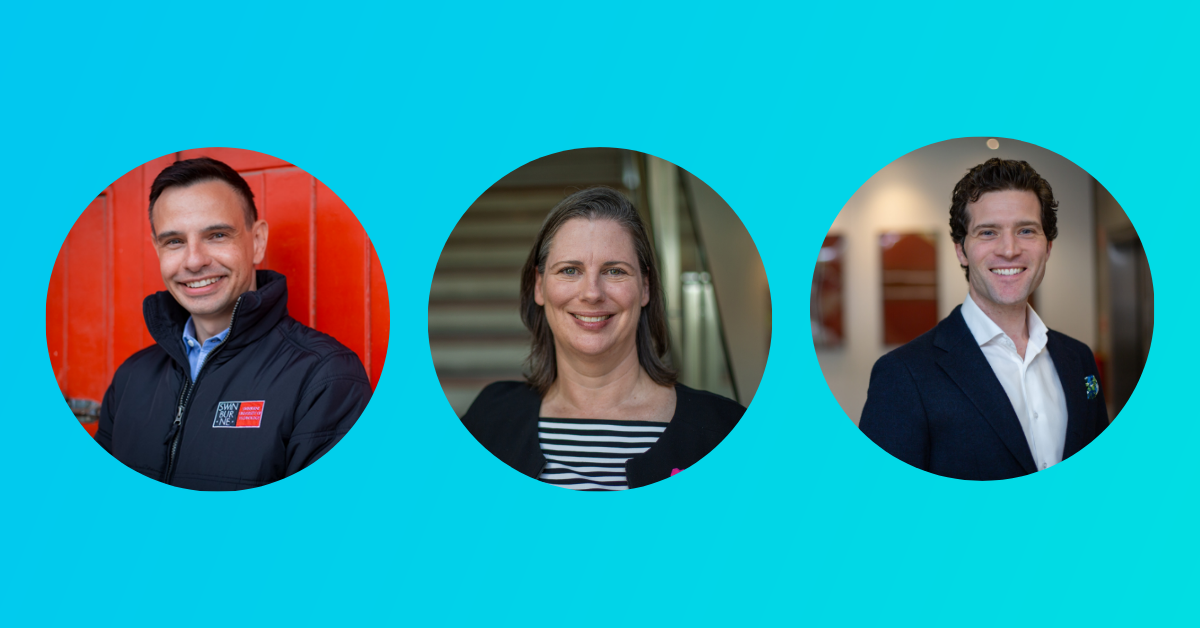
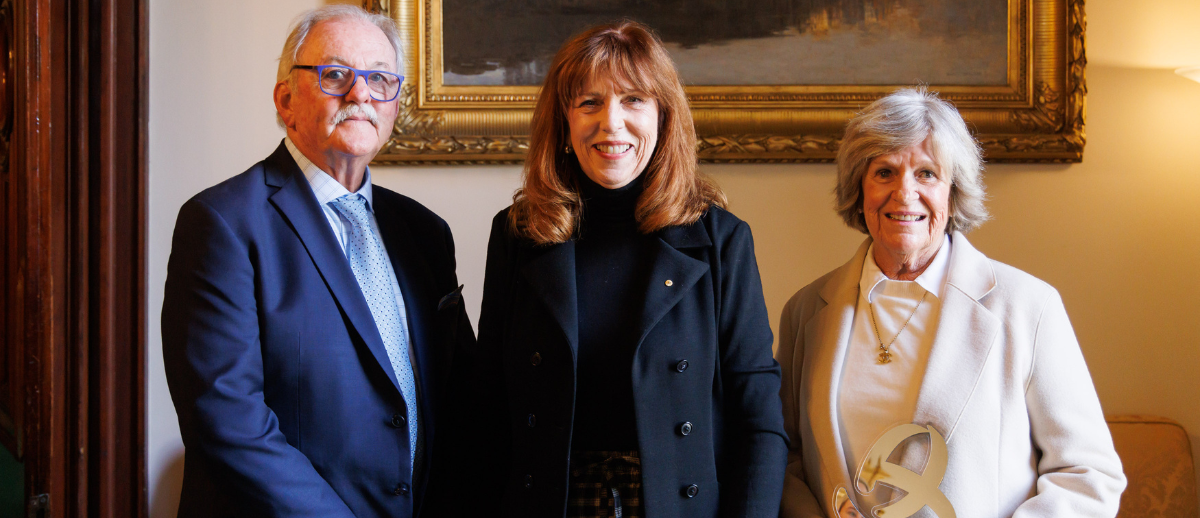
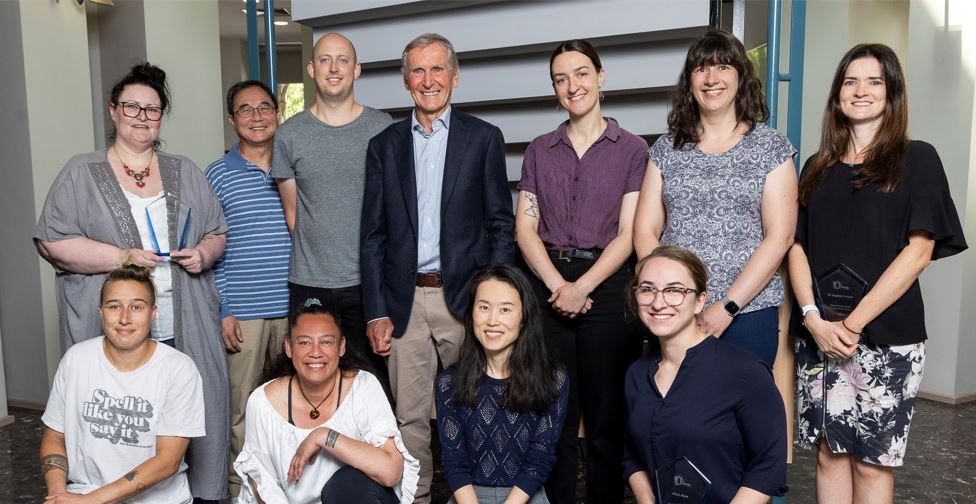
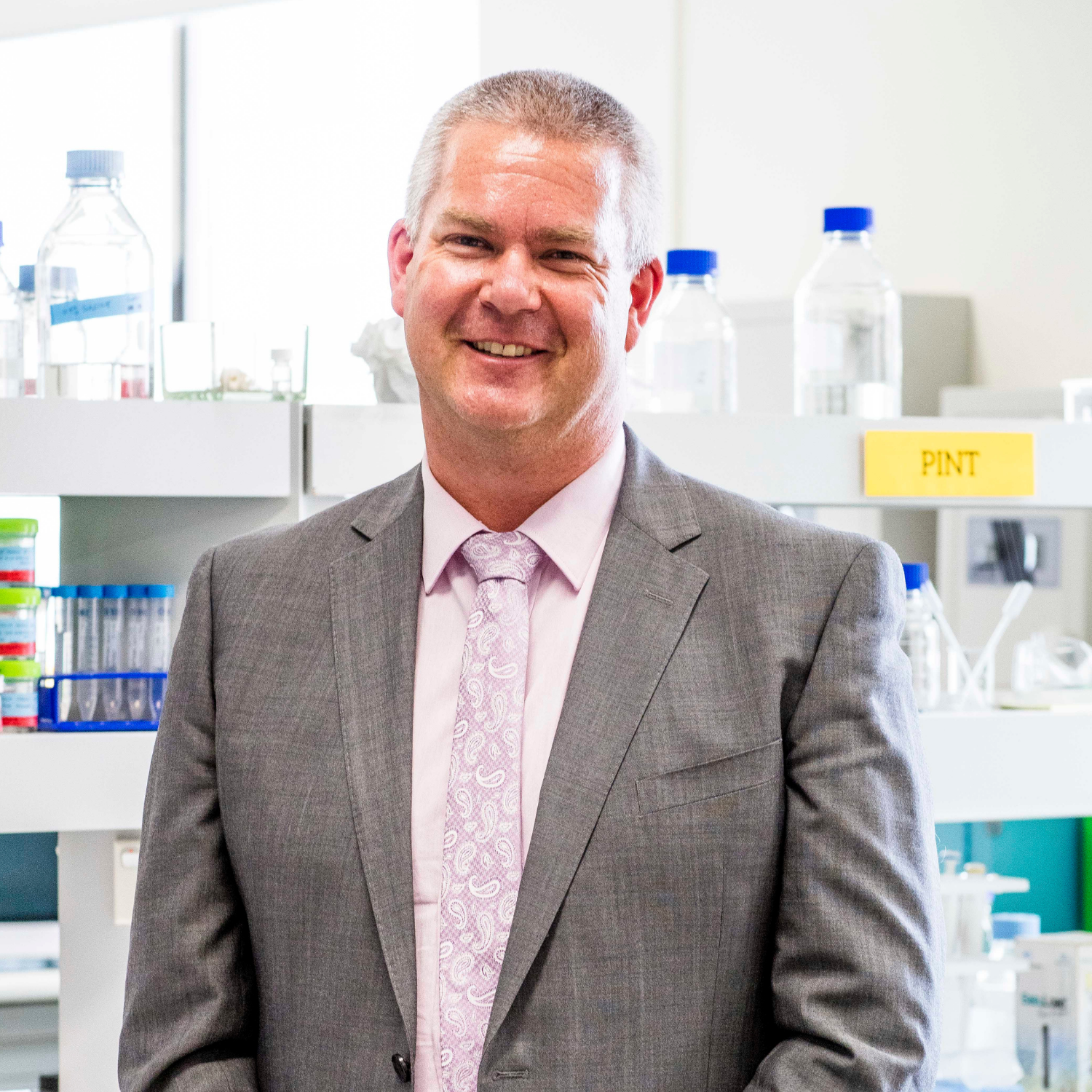
We are delighted to welcome two new members to the Bionics Institute Board of Directors, Sean Moore and Paul Lefebvre.
Sean and Paul bring additional expertise to the Board, enhancing its strengths in areas such as risk mitigation, talent acquisition, and international business strategy.
Chair of the Board, Mr John Stanhope welcomes the announcement, saying: “The Bionics Institute will greatly benefit from the extensive expertise of our new Board Directors. We look forward to collaborating with them to further strengthen the Bionics Institute’s reputation as a global leader in medical device development.”
Learn more about our new directors:
Paul Lefebvre
Paul Lefebvre has over 30 years’ experience as a human resources practitioner and leader across sectors that include financial services, pharmaceuticals, manufacturing, higher education and medical research. Presently, he is a Partner with Davidson Search and Advisory specialising in executive recruitment and business advisory services.
Paul has had significant experience in executive level management, with appointments including Human Resources Director for the faculty of Medicine Dentistry and Health Sciences at the University of Melbourne, Vice President People and Culture at Victoria University and Head of Human Resources at GlaxoSmithKline Australia for their Global Manufacturing and Supply operations.
He also led the human resources merger integration for Glaxo Wellcome Australia with SmithKline Beecham when both companies merged in 2000.
Additionally, Paul has contributed his HR and leadership expertise as a member of the People and Culture Board Committee at the Bionics Institute since 2021.
Paul says: “I am delighted to join the Board of the Bionics Institute and continue my association with the Bionics Instutute following my membership of the People and Culture Committee since 2021. I look forward to supporting my Board colleagues and our Management teams to enable our great people at the Institute to do their best work.”
Sean Moore
Sean Moore is a Partner at Deloitte, the world’s largest professional services firm built on more than 175 years’ service to clients in more than 150 countries and territories.
At Deloitte, Sean advises leading financial institutions on risk, technology and business transformation.
Prior to Deloitte, he was a Managing Director leading global investment banks Nomura and Lehman Brothers. His international career has seen him live and work in Australia, New York, London, Zurich, Frankfurt, Singapore and Hong Kong.
Sean has been supporting the Bionics Institute as a member of the Fundraising Committee through 2024.
On joining the Board, Sean said,“It’s a privilege to serve on Board of the Bionics Institute. I was drawn by their world class research, development and innovation. The multidisciplinary approach that brings together scientists, engineers and researchers is unique. I’m inspired by the collaborative approach to transforming people’s lives.”
You might be interested in…
Golf with an impact
The Bionics Institute invites you to take part in the Concept Logistics 2025 Charity Golf Day to play 9 holes, all while raising vital funds for medical research at the Bionics Institute.
About the event:
Conveniently located 11km from the CBD in Melbourne’s south-eastern suburbs, Box Hill Golf Club is a Par 71, well-conditioned parkland course surrounded by lush vegetation and wildlife. You will enjoy nine challenging holes in this Ambrose competition followed by a BBQ buffet and drinks in the beautiful upper-level function room overlooking the course.
Date: Monday 31 March 2025
Venue: Box Hill Golf Club
Format
Nine Hole Ambrose Shotgun Start followed by BBQ buffet, drinks and networking in the club pavilion overlooking the course.
Keynote Presenter
Hear from Collingwood Premiership Captain Nick Maxwell in the evening BBQ Buffett and drinks.
Timings
Arrive: 3.00pm
Shotgun Start: 3.30pm
BBQ buffet and presentations: 6.00-8.00pm
Prizes
Nearest to the pin
Winning team









Sponsorship Opportunities Available
Golf and networking with an impact
The Bionics Institute invites your organisation to sponsor and take part in the Concept Logistics 2025 Charity Golf Day to play 9 holes and network, all while raising vital funds for life-changing medical research at the Bionics Institute.
You will be helping our researchers transform the lives of people with a range of conditions, including Alzheimer’s disease, hearing impairment, Crohn’s disease, balance disorders, chronic pain, Parkinson’s disease and arthritis.
As an event sponsor your company will benefit from unique branding and networking opportunities that a partnership with the Bionics Institute, giving unique brand exposure to other businesses and corporations.
You and guests can socialise and have fun, whilst showing your organisation’s support for the community and giving your staff and guests of yours an opportunity to connect.
Contact Sam McLarty for more information or purchase a sponsorship package online.
You might be interested in…
The Bionics Institute has a highly unique business model whereby our medical device research often leads to commercialisation and spin-out companies
Our business model is designed to ensure life-changing tests and treatments get into the clinic as soon as possible to benefit patients.
A 2022 ATO Ruling, unique to the Bionics Institute, allows PAFs to invest in medical device research and utililse a number of repayment options.
The ruling, 2022/54, allows PAFs and PuAFs to make a concessionary loan towards research at the Bionics Institute that can be repaid in cash or other consideration, such as equity in a spin off company.
Commercialisation and translation of our technology is of paramount importance to the Bionics Institute and we have a track record of setting up several spin-off companies including, including DBS Tech for Parkinson’s; Epiminder for epilepsy, Neo-Bionica for medical device prototyping, and NirGenie for infant hearing.
There are more spin-offs in the pipeline for conditions including: Crohn’s disease, rheumatoid arthritis, tinnitus and Alzheimer’s disease.
We feel that the Bionics Institute is a unique value proposition for impact investment, as investors have the potential to see see life changing medical technology commericalised and transform the lives of those with challenging medical conditions.
Impact investment in medtech research at the Bionics Institute via a private or public ancillary fund (PAF/PuAF) was the focus of an AICD Company Director Magazine article on 1 September 2024, titled: Bionics Institute leverages ATO ruling to appeal to new philanthropists.
Register your expression of interest in learning more about this unique impact investment opportunity below.
You might be interested in…
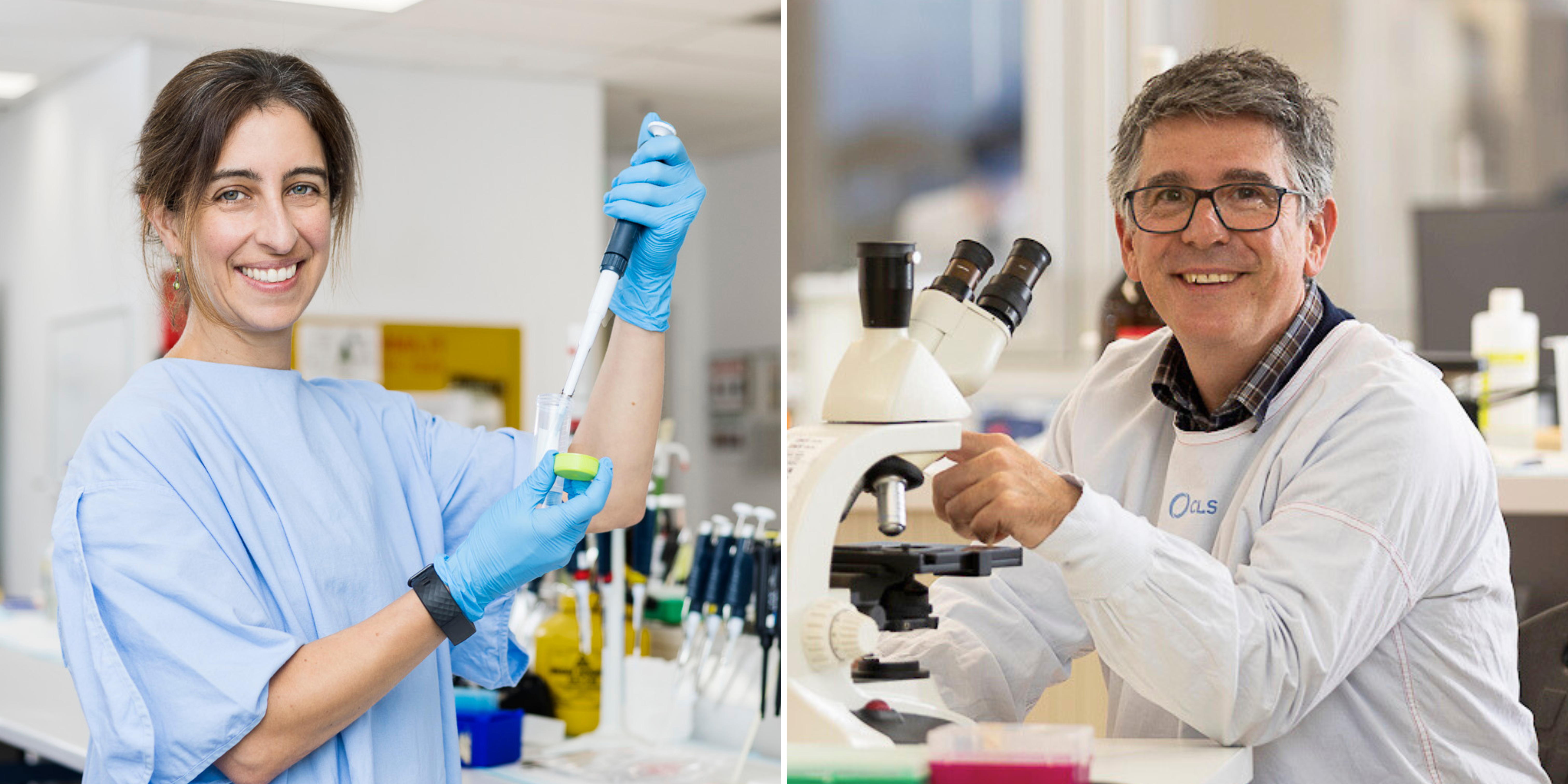
Congratulations to Bionics Institute researchers Associate Professor Rachael Richardson and Associate Professor Andrew Wise on being awarded multi-million dollar grants to support their research.
Shining a light on deep brain stimulation
A/Prof Rachael Richardson has received an AUD$1.15 million Ideas Grant from the National Health and Medical Research Council (NHMRC).
As the CIA (Chief Investigator), Rachael and the research team are exploring the potential for hybrid simulation (using both light and electricity) to be used to improve Deep Brain Stimulation (DBS) treatments for Parkinson’s disease.
Deep brain stimulation (DBS) is an established therapy for several neurological and psychiatric conditions. Bionics Institute researchers have been investigating an innovative approach to increase the precision of the therapy to reduce the risk of serious side effects. The research team recently discovered that hybrid stimulation (a combination of electric and optogenetic stimulation) improves the precision of neural activation – allowing targeted neurons to be stimulated.
With this grant, we will be undertaking pre-clinical investigations to determine if hybrid stimulation can safely and more effectively activate neurons in the brain known to be effective in treating Parkinson’s disease.
The original project lead, Dr Niki Gunewardene (now at CSL), will continue to provide input on the project as an external consultant.
Learn more about our optogenetics research here.
Developing neurotrophin therapy for clinical translation
Associate Professor Andrew Wise has been awarded an AUD$1.67m grant from the U.S. Department of Defense to progress our hearing therapeutics research closer to clinical trials.
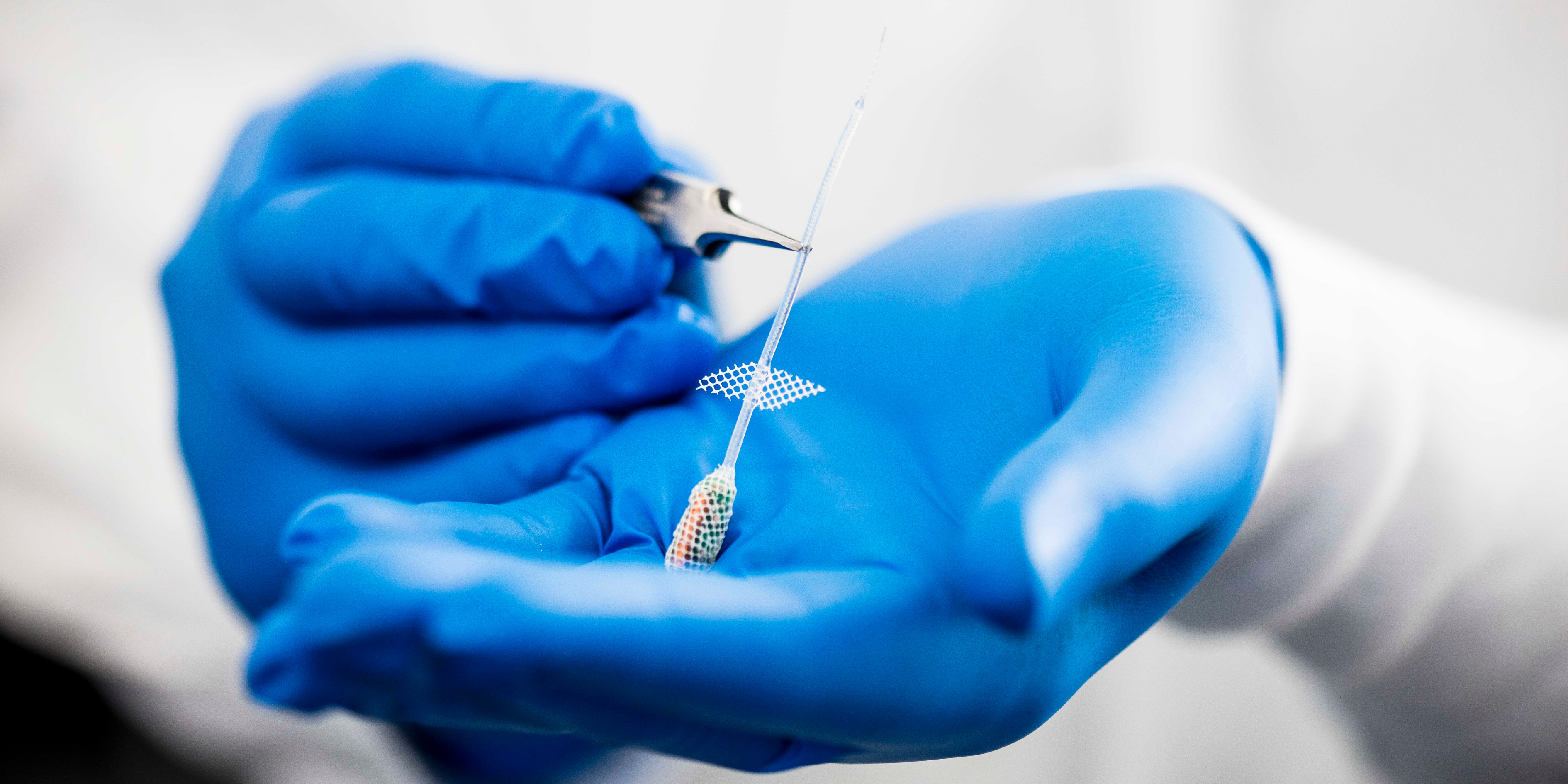
A/Professor Wise and his team are developing a world-first treatment for hearing impairment using nanotechnology to deliver a particular drug (called growth factors) to the inner ear.
While there’s no currently available treatment to restore hearing function we (and others) have shown that certain types of growth factors can protect the delicate nerve cells in the inner ear and repair their connections with the sensory hair cells.
However, it’s difficult to deliver these growth factors into the inner ear where they’re needed, as the drug break down quickly in the body.
The Bionics Institute and our collaborators at the University of Melbourne are using nanotechnology to overcome these delivery challenges.
In preclinical trials, we have discovered that loading the growth factors into tiny ‘delivery particles’ called supraparticles enabled delivery of the growth factors into the inner ear. This gives the growth factors the best chance of having a therapeutic effect – repairing the damage to the connections between the auditory nerve fibres and hair cells.
This funding will enable us to progress the technology towards a first in human clinical trial, which aims to improve hearing function in those who have noise induced and age-related hearing loss.
Read more about our hearing therapeutics project here.
You might be interested in…
Support Us
Great ideas lead to great innovation
Donate nowWe’re researching tests and treatments to improve the lives of people like Scarlett. All gifts over $2 are tax deductible.
Scarlett’s Story
Scarlett has had to cope with the distressing impacts of epilepsy her entire adult life.
“I had my first seizure while I was at the supermarket with Mum,” she says. “Neither of us knew what was happening, or what to do. I got this sick, déjà vu sensation, and I lost feeling in my left side. I couldn’t control what I was saying. It was really scary.
“It took six months for me to get a correct diagnosis. In that time, I had hundreds of seizures, and I was tested for everything from breast cancer to diabetes.”
Despite everything Scarlett has been through, living with epilepsy remains a daily struggle.
Our innovative early-stage research projects are laying the groundwork for future treatments that has the potential to help people like Scarlett.

What is the Bionics Incubator Fund for early-stage research?
Help fund pioneering research
Innovation lies at the heart of the Bionics Institute and early-stage ideation is strongly supported through the Bionics Incubator Fund (BIF).
Ideas funded by the BIF have led to several projects, including:
Investigating a new electrical stimulation treatment for drug-resistant epilepsy
Adapting a vagus nerve stimulation device to treat rheumatoid arthritis.
Will you help turn cutting edge research into the lifechanging treatments and therapies of the future?
Your donation can help speed up research from a seed of an idea into a fully developed research projects and be a catalyst for innovation.
Great ideas lead to great innovations
There are many groundbreaking research projects being supported by early-stage funding, including:
A new electrical stimulation treatment for drug-resistant epilepsy
With positive preliminary findings and thanks to significant early-stage funding from a generous foundation, lead researcher Dr Tomoko Hyakumura is now able to move forward with evaluating the effectiveness of abdominal vagus nerve stimulation to reduce the frequency and severity of seizures without the side effects caused by current treatments.
A drug free approach to relieve chronic pain
Thanks to seed funding from The CASS Foundation, Professor Rachael Richardson and her team have started developing a treatment that uses a combination of electricity and light to provide drug-free management of chronic pain. It works by selectively stimulating nerve activity to mask the pain and provide desperately needed relief.
Without this vital support, many promising solutions might never get off the ground, delaying the development of life-saving treatments and innovations to improve patient outcomes.
Want to support the future of research like this?
Early-stage research for life-changing devices & treatments like this is made possible by donations from our supporters.
Your support today could turn the seed of an idea into a new treatment in the future.
Find out how you can support research innovation here.
The Bionics Institute hosted seminar in October 2024. Nearly a year since we launched our clinical trial into a new treatment for Alzheimer’s disease, attendees got to get the latest on the clinical trial, get an insight into new related research, and hear about our PhD program.
The Bionics Institute are developing a new treatment to improve memory function in people with Alzheimer’s disease.
Developed by Bionics Institute researcher, Professor Kate Hoy, this new treatment, called Transcranial Magnetic Stimulation (TMS), uses magnetic pulses to alter brain activity.
View a recording of the seminar below:
- Head of Cognitive Therapeutics, Professor Kate Hoy: Investigating a new approach to treating Alzheimer’s disease
- Senior Clinical Research Fellow, Dr Oscar Murphy: Exploring how Alzheimer’s disease affects communication within the brain
- PhD Student, Ms Jacqueline Noonan: The PhD Journey
- TMS demonstration and Q&A
How TMS aims to help in Alzheimer’s disease
Alzheimer’s disease has been shown to interfere with important networks in the brain and this disruption in neural communication is linked to the cognitive difficulties experienced.
Transcranial Magnetic Stimulation (TMS) aims to improve brain function in people with Alzheimer’s disease by using magnetic pulses to alter brain activity.
This non-invasive approach has shown potential to restore healthy neural network function and improve memory in Alzheimer’s disease.
Our research team now aims to evaluate TMS in a larger clinical sample using a personalised treatment approach.
Event highlights
Professor Kate Hoy: Investigating a new approach to treating Alzheimer’s disease
Dr Oscar Murphy: Exploring how Alzheimer’s disease affects communication within the brain
Ms Jacqueline Noonan: The PhD Journey
TMS demonstration and Q&A
Melbourne’s Bionics Institute has been awarded AUD$4.8 million (USD $3.2 million) by an American charitable trust to fund research into the development of a world-first, personalised, electrical treatment for Crohn’s disease.
Finding new ways to prevent and treat Crohn’s disease is a key focus for New York-based organisation The Leona M. and Harry B. Helmsley Charitable Trust, which has committed to funding this groundbreaking research over the next three years.
Dr Jessica Langer, Program Officer from the Helmsley Charitable Trust, said: “Current treatment options are insufficient to meet the needs of people with Crohn’s disease, and are often only effective in a subset of patients or lose efficacy over time. That’s why we are excited to support this novel, adaptive treatment approach, which holds promise to improve the lives of people with Crohn’s disease.”
Bionics Institute Board Chair, Mr John Stanhope AM says that the goal of the institute is to provide a better quality of life for people suffering from hard-to-treat medical conditions.
“We are delighted to partner with the Helmsley Charitable Trust to develop a device that could revolutionise the treatment of Crohn’s disease,” he said.
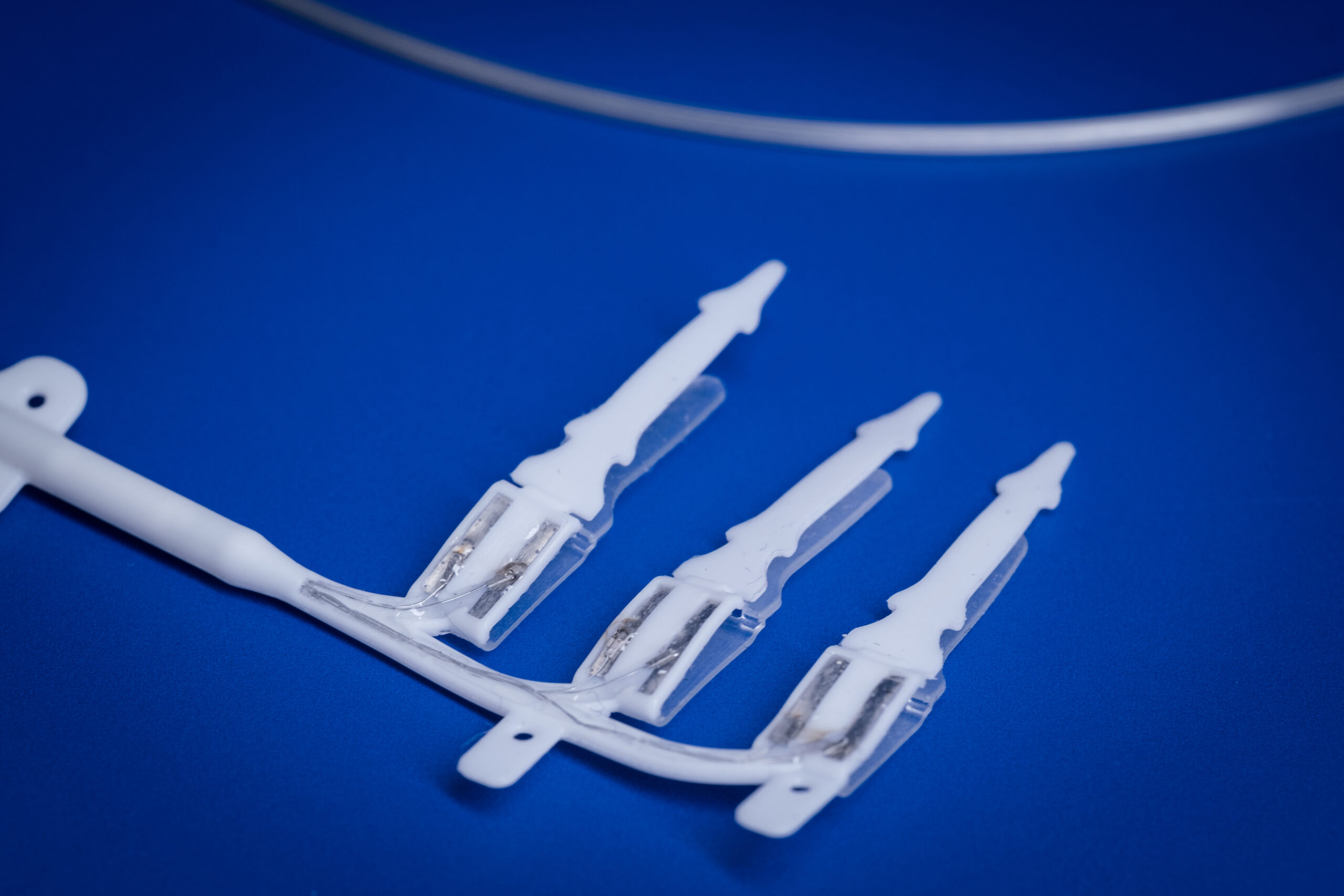
Led by Bionics Institute’s Professor James Fallon and Associate Professor Sophie Payne, researchers will upgrade a Bionics Institute vagus nerve stimulation device, currently in clinical trials for treating Crohn’s disease, into an intelligent device that monitors inflammation and adjusts therapeutic stimulation in real time.
Professor Fallon says: “The current version of this device is programmed to give three hours of electrical stimulation per day with the intention of keeping patients with Crohn’s disease in remission. We aim to design a new version of the device that stimulates the nerve only when inflammation is detected – essentially delivering personalised therapy.”
Associate Professor Payne says that despite advances in drug therapies, 70% of patients with Crohn’s experience recurring symptoms after a period of remission, and usually require surgery to remove diseased parts of their bowel.
“We hope our drug-free device leads to a day when people with Crohn’s disease have better quality of life and won’t have to depend on medication or need invasive bowel surgery,” she says.
Crohn’s disease is a type of inflammatory bowel disease (IBD) that can cause severe abdominal pain, diarrhoea, fatigue, weight loss and malnutrition. It is estimated that 10 million people worldwide suffer from IBD.
Melbourne mother of two Sara Ferola says she struggles every day with the debilitating effects of Crohn’s disease. “Some days the pain is so bad, I can’t even get out of bed or shower without being doubled over in agony,” she says. The Bionics Institute’s research into new drug-free treatments gives people like me hope of a better future.”
Learn more about our vagus nerve device for Crohn’s disease.
Learn more about The Leona M. and Harry B. Helmsley Charitable Trust
