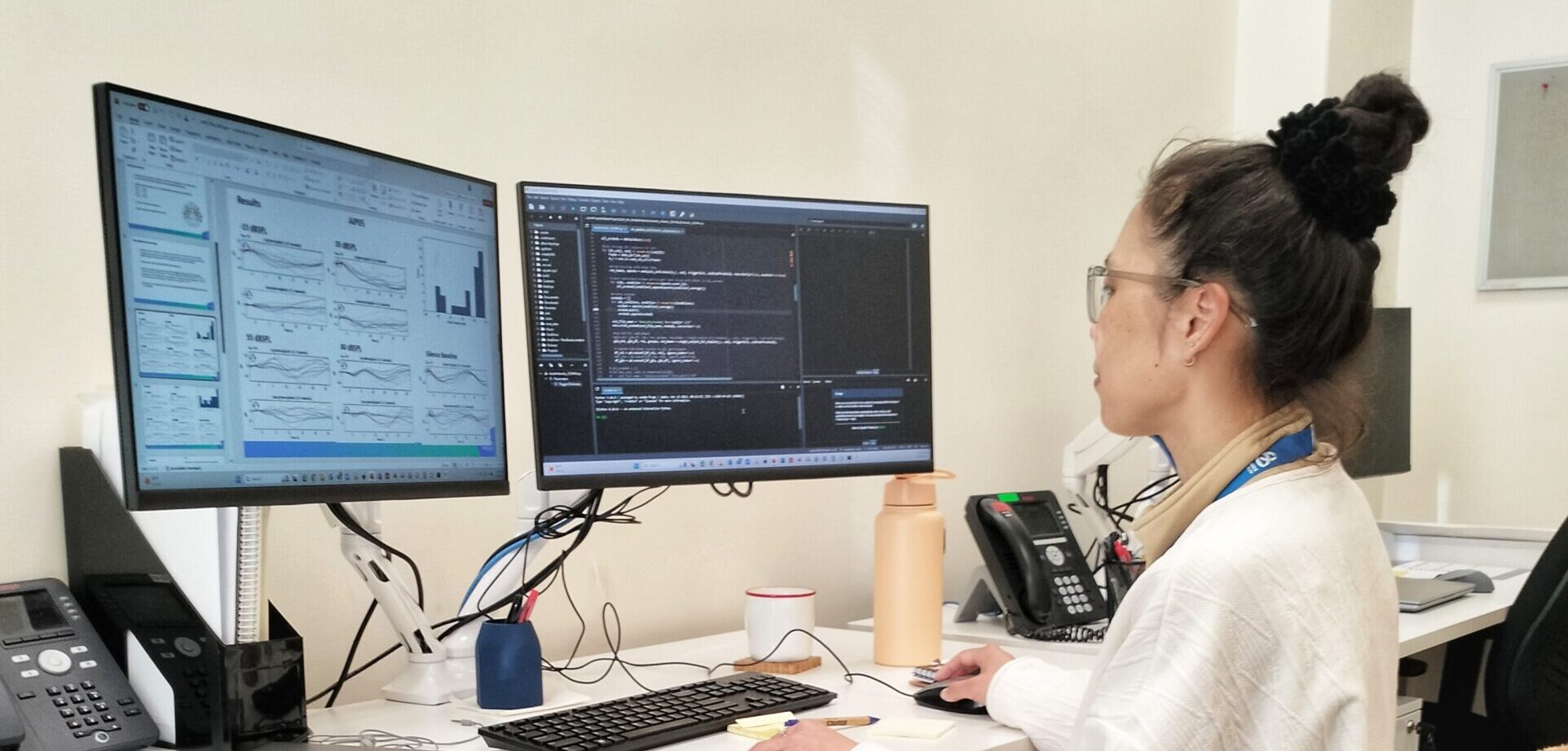
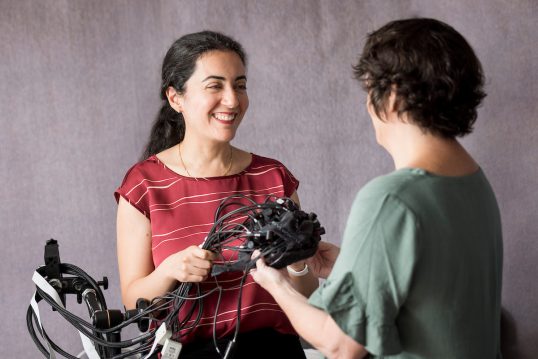
Tinnitus researchers at the Bionics Institute published findings of an important study in the Journal of Neural Engineering in August 2024 that has a twofold impact.
Firstly, it provides definitive evidence that the tinnitus diagnostic tool developed by our researchers can detect changes in tinnitus severity or presence in the same person, which means the technique can be used to determine the effectiveness of potential treatments.
Secondly, it provides a better understanding of the neural mechanisms underlying the suppression of tinnitus with cochlear implant use.
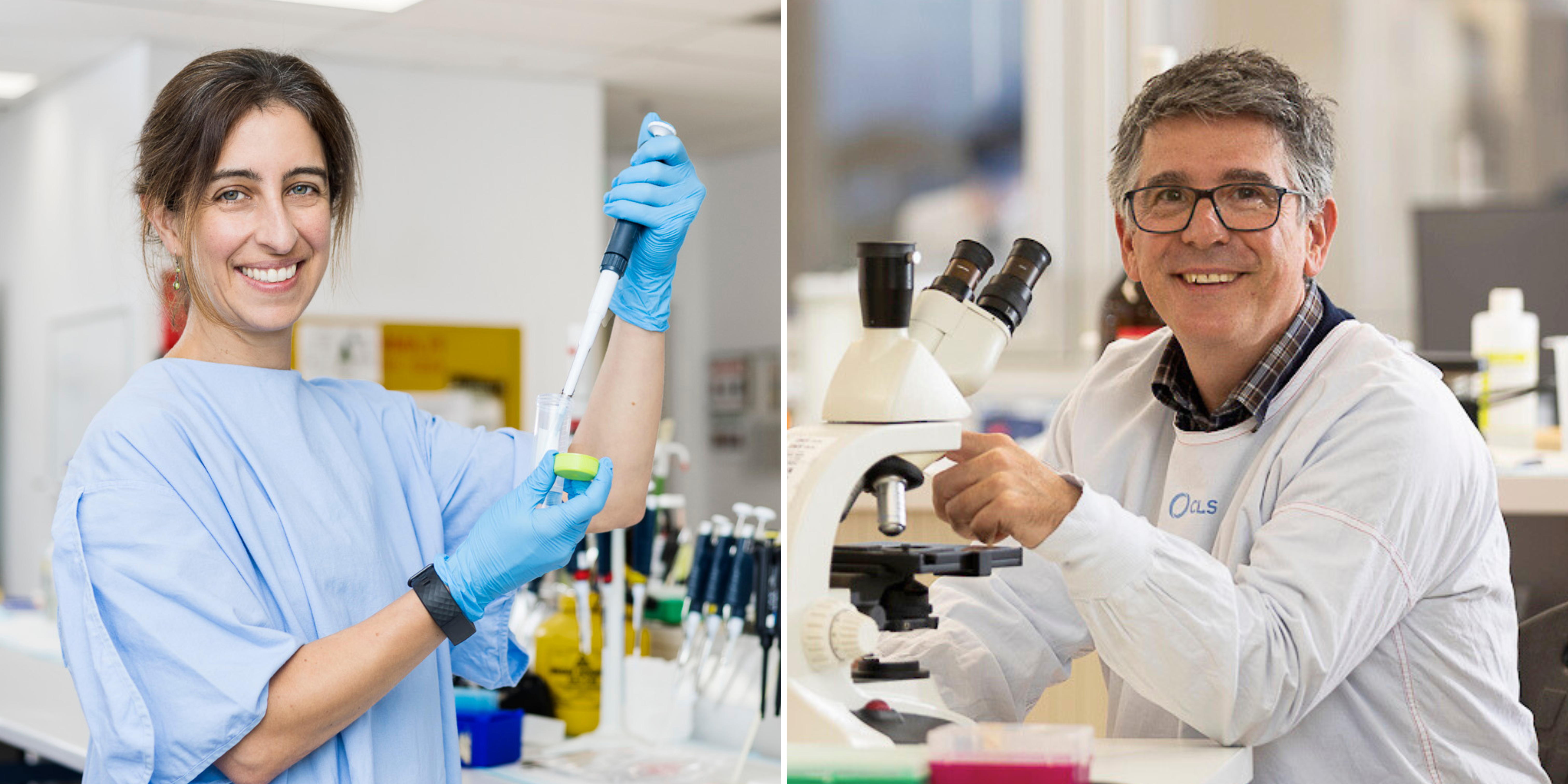
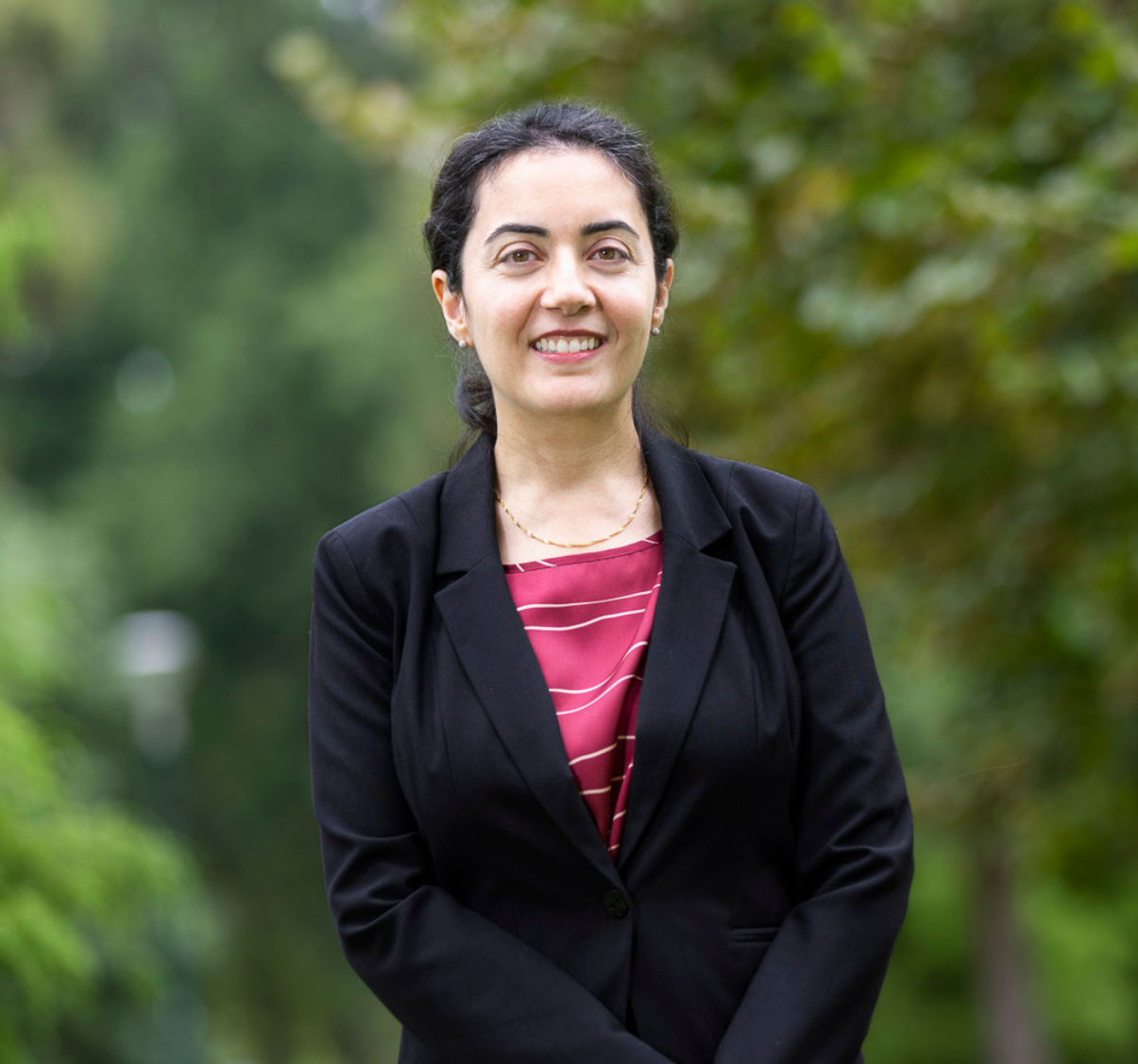
Lead tinnitus researcher, Dr Mehrnaz Shoushtarian says that use of cochlear implants is known to improve the perception of tinnitus (hearing sounds that are not present externally), although it can have the opposite effect in some cases.
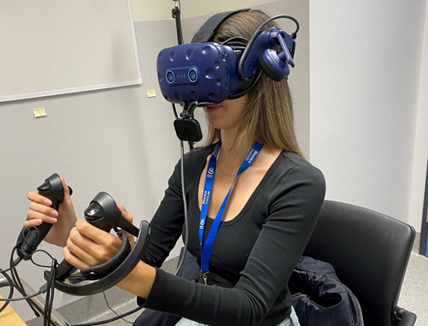
In this study, researchers investigated whether changes in brain networks with a cochlear implant turned on and off were associated with tinnitus perception, as rated subjectively by 14 participants.
Dr Shoushtarian said: “The findings showed that we can objectively measure changes in tinnitus perception in an individual, which will be critical for monitoring treatment effectiveness in our upcoming clinical trials of emerging treatments in collaboration with clinician researchers.”
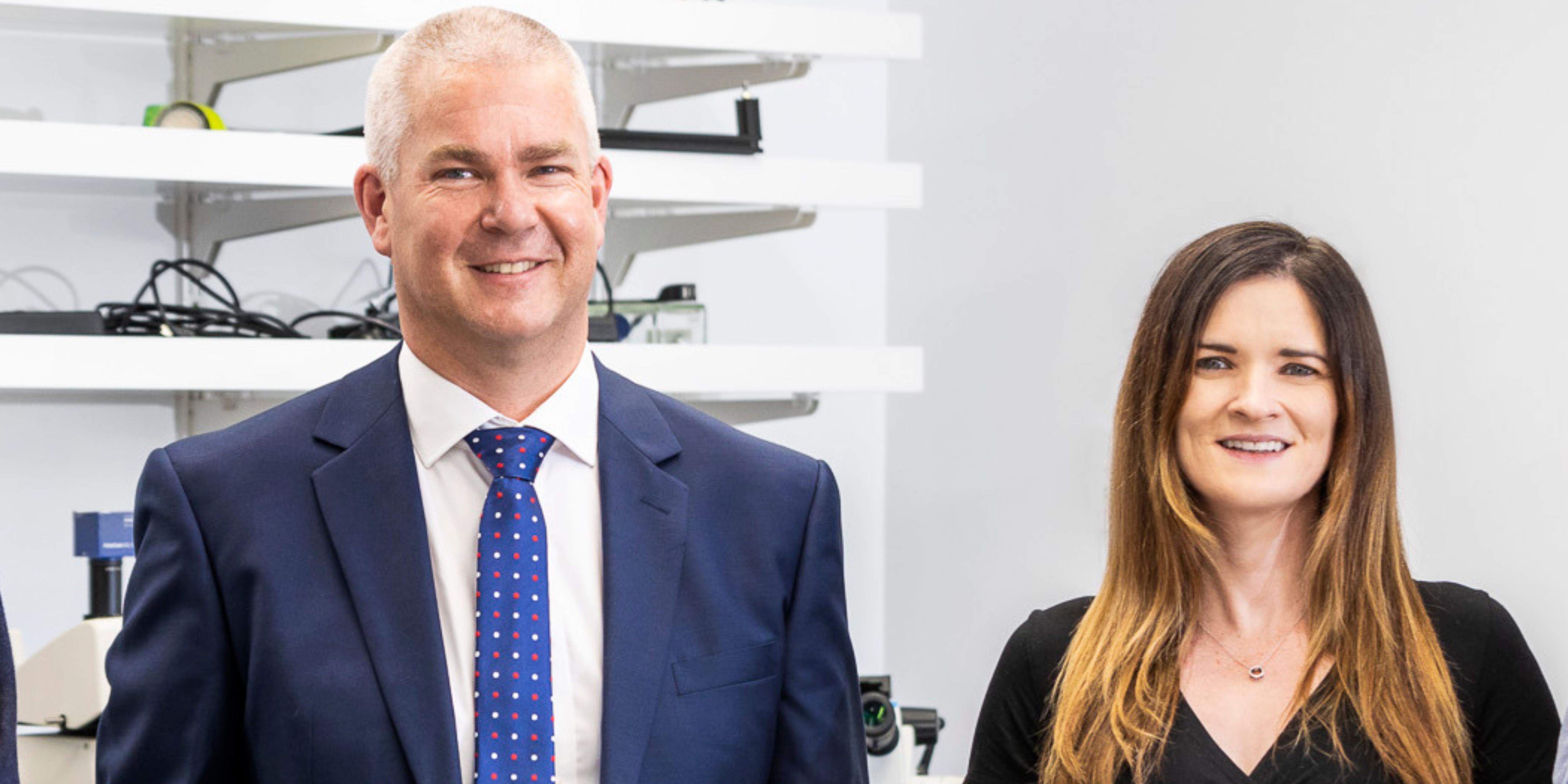
Bionics Institute Chief Technology Officer, Professor James Fallon said: “These findings could also pave the way for effective use of cochlear implants, or other less invasive techniques, as a treatment for tinnitus.”
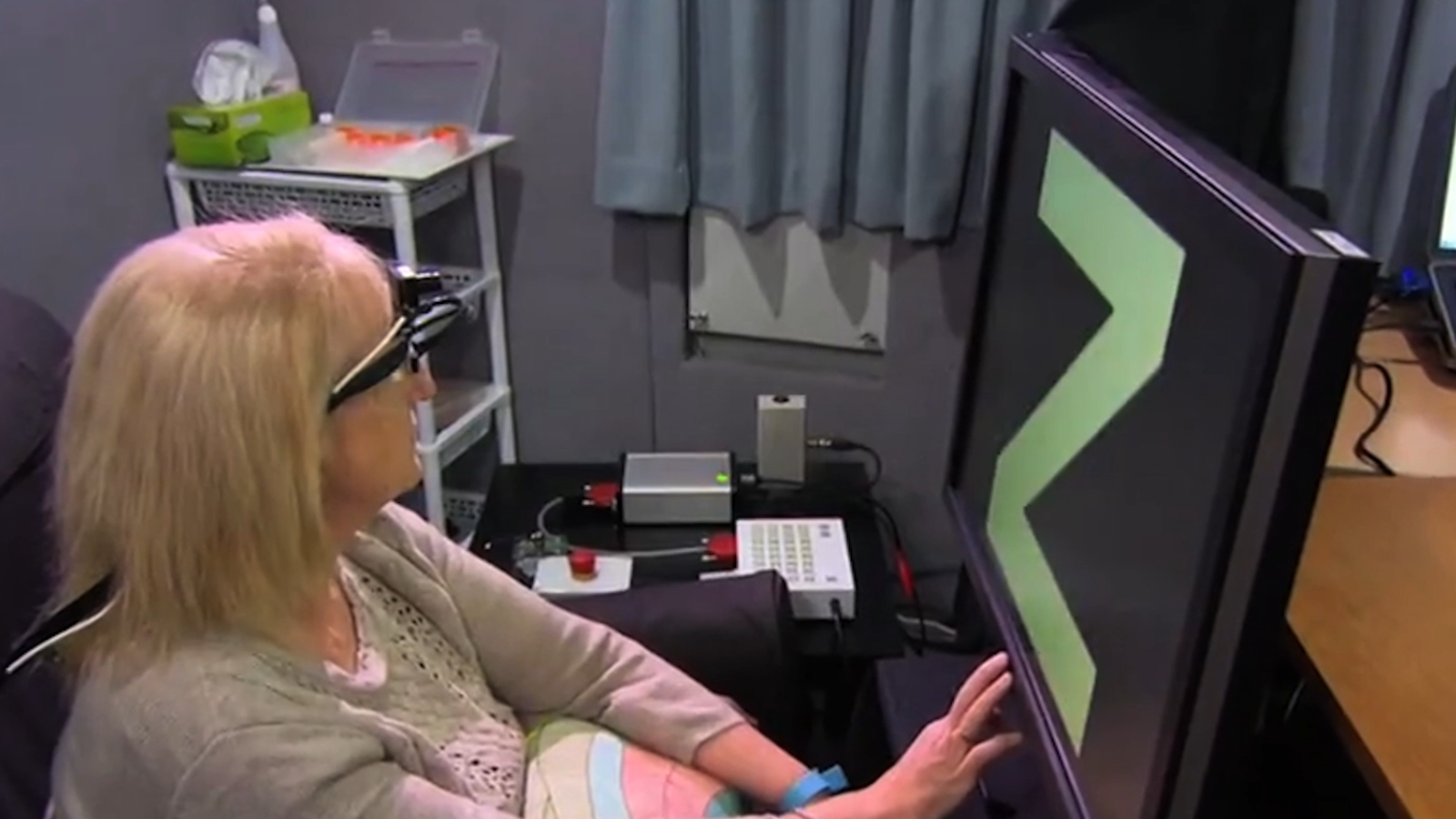
You can access the publication and read more about our tinnitus research, which uses a non-invasive neuroimaging technique called fNIRS (functional near-infrared spectroscopy) to detect the presence and severity of tinnitus here.
The findings showed that we can objectively measure changes in tinnitus perception in an individual, which will be critical for monitoring treatment effectiveness in our upcoming clinical trials of emerging treatments in collaboration with clinician researchers. Dr Mehrnaz Shoushtarian
You might be interested in…










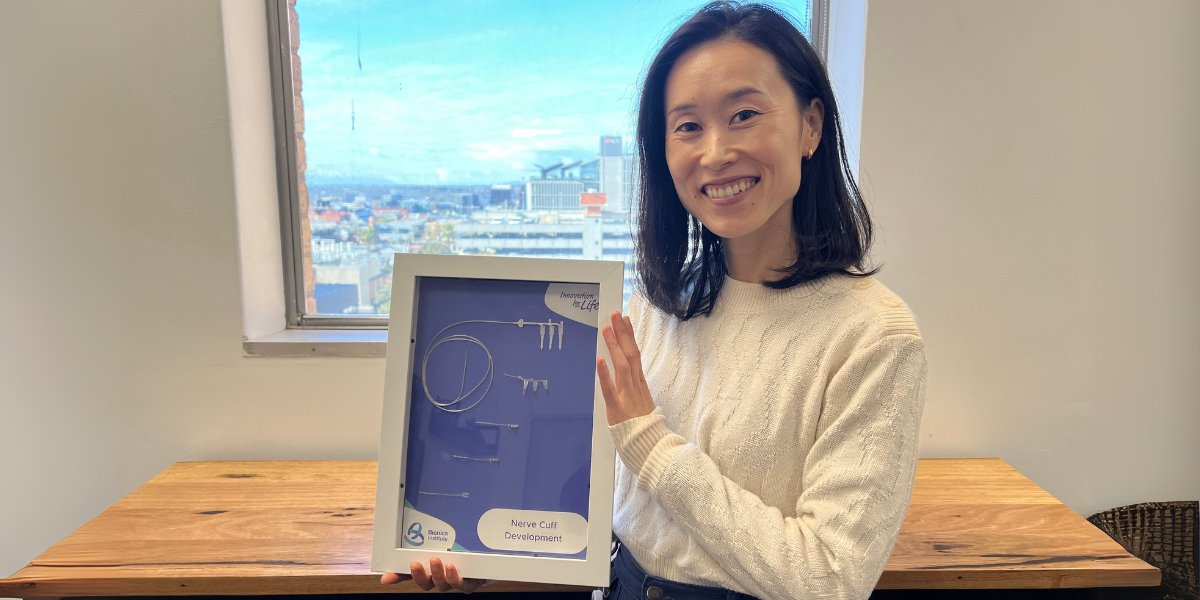




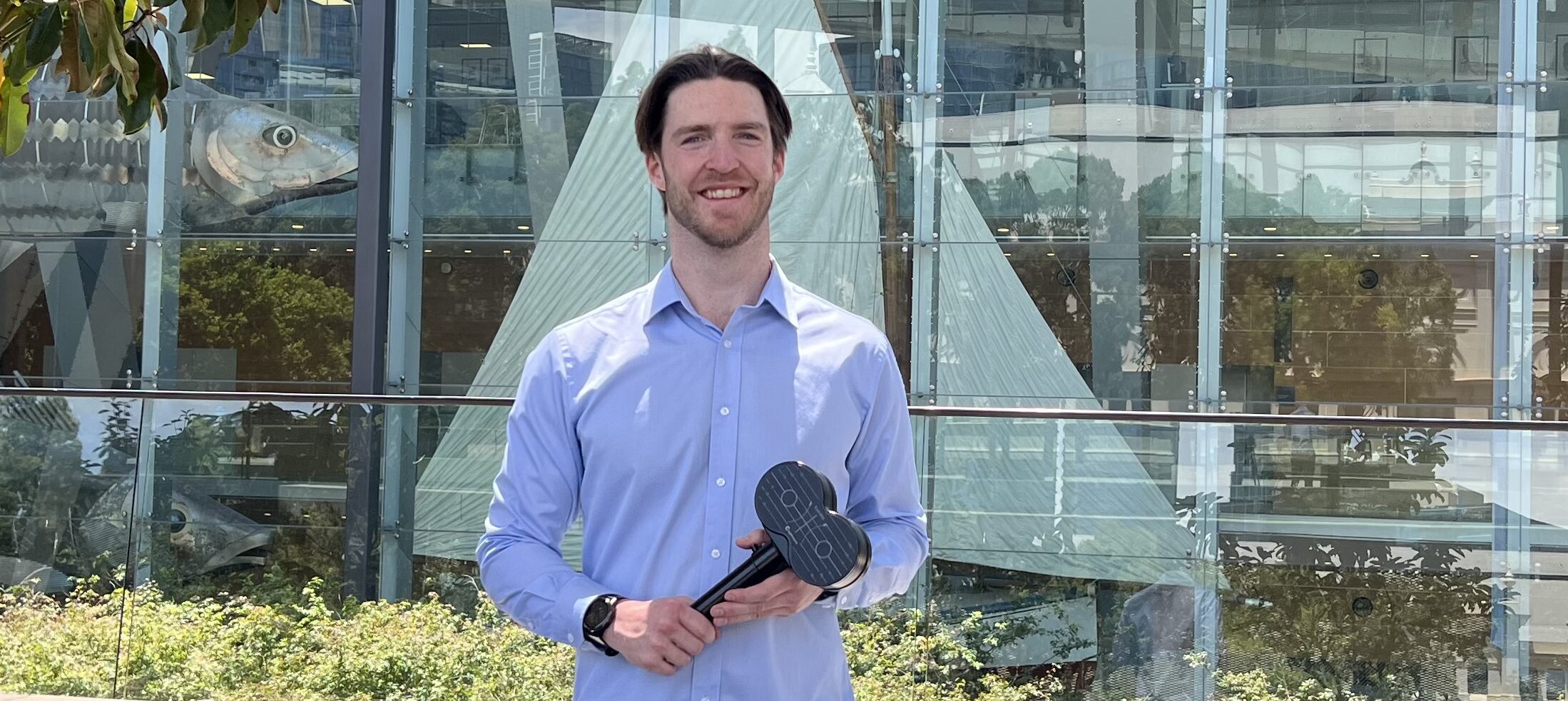






























Our novel treatment for rheumatoid arthritis great breakthrough will begin a clinical trial in late 2024.
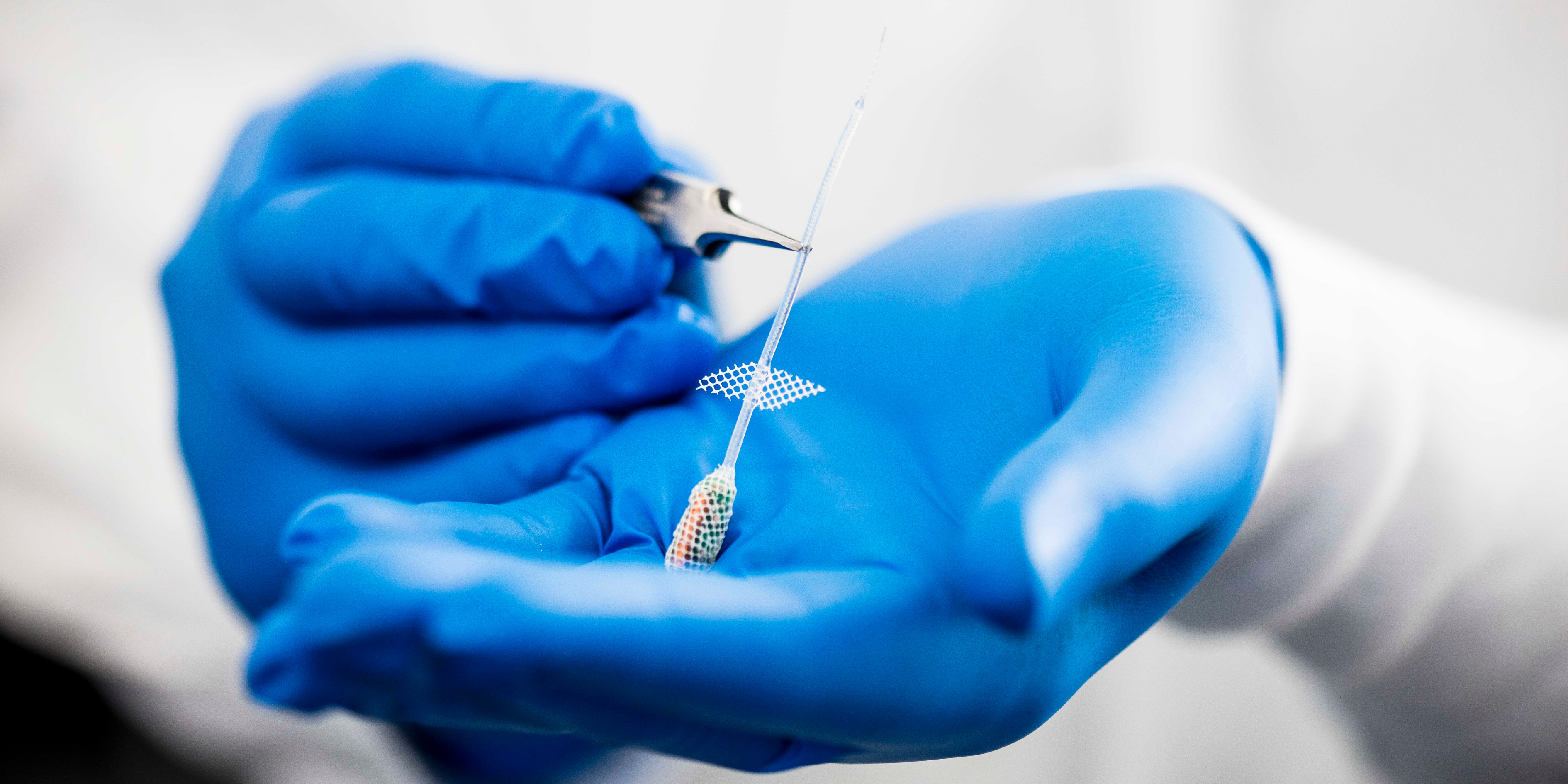
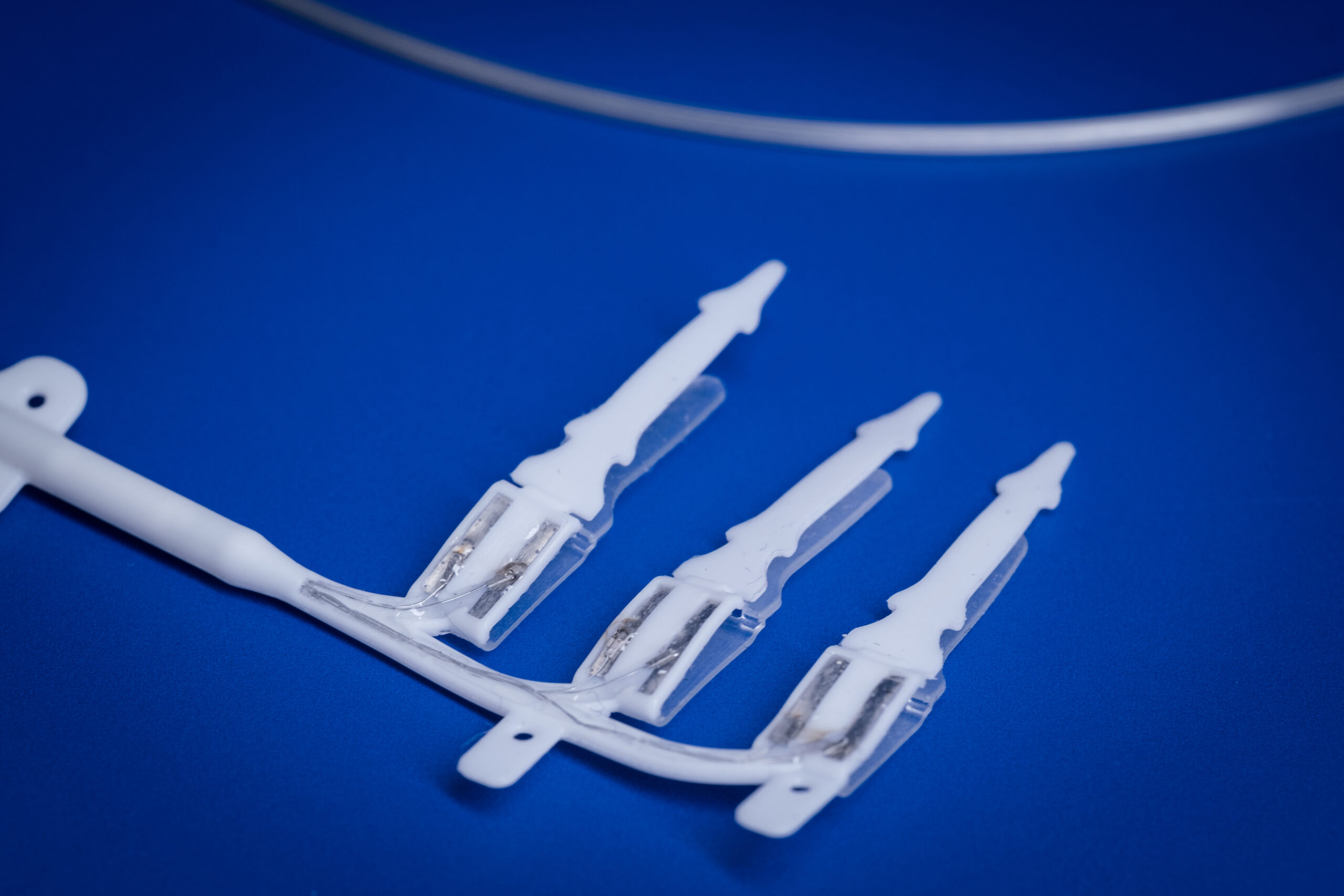
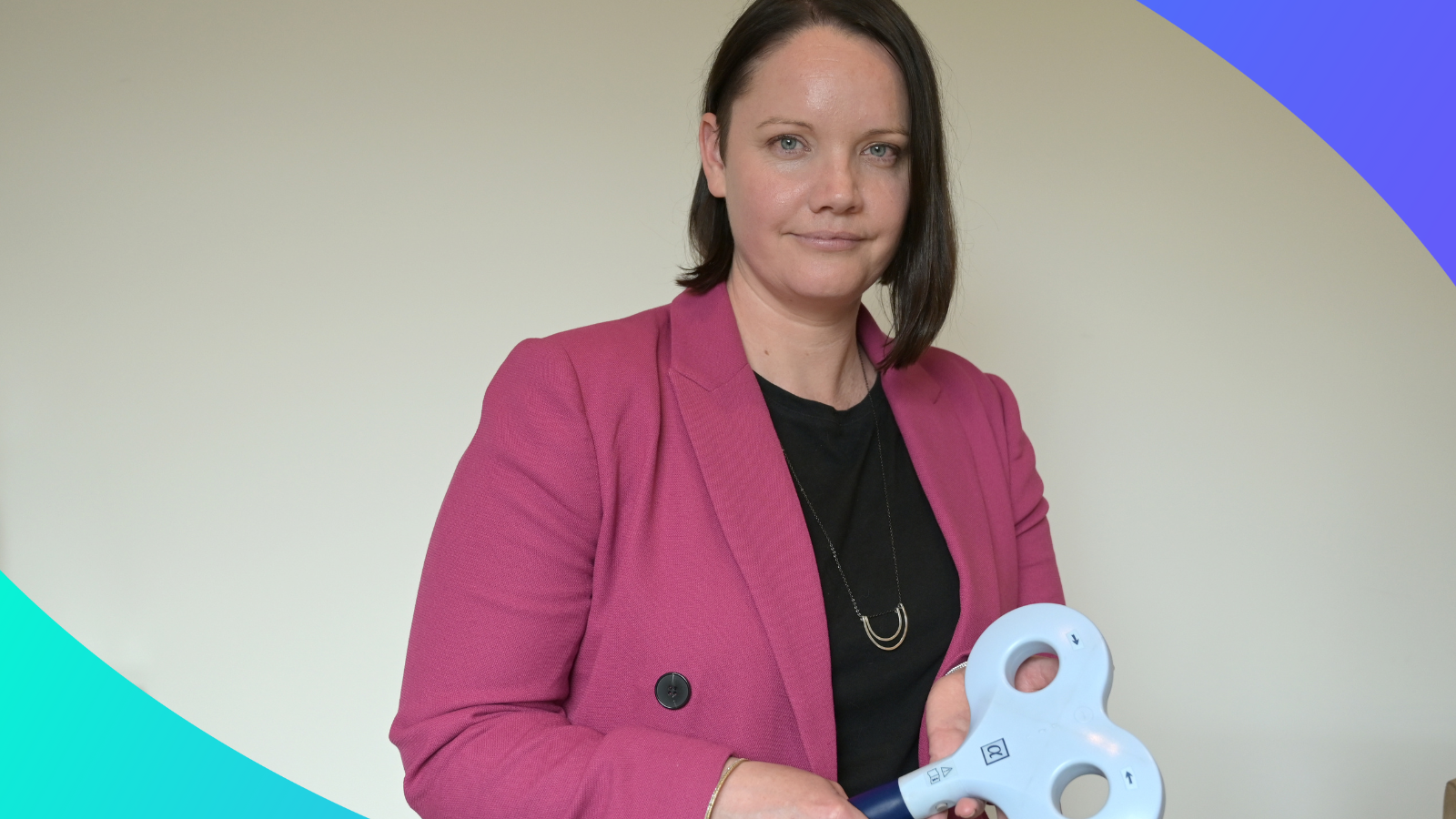
The treatment uses an electrical medical device to target the nervous system and trigger the body’s natural anti-inflammatory response. It could help bring hope of relief to the significant number of people with rheumatoid arthritis who do not respond to drug therapy and suffer ongoing pain and disability.
Incredibly, lead researcher Dr Sophie Payne and her team have progressed the treatment, currently in trials for Crohn’s disease, from the seed of an idea to clinical trial in just two years. This achievement was made possible with the kind generosity of Neville and Di Bertalli, two of the Bionics Institute’s most long-standing supporters.
The promising results, developed with their generous contribution, have enabled us to leverage other funding and we are delighted to announce a successful grant from the Victorian Medical Research Acceleration Fund (VMRAF) to help our researchers move one step closer to creating a drug-free and pain-free future for those with rheumatoid arthritis.
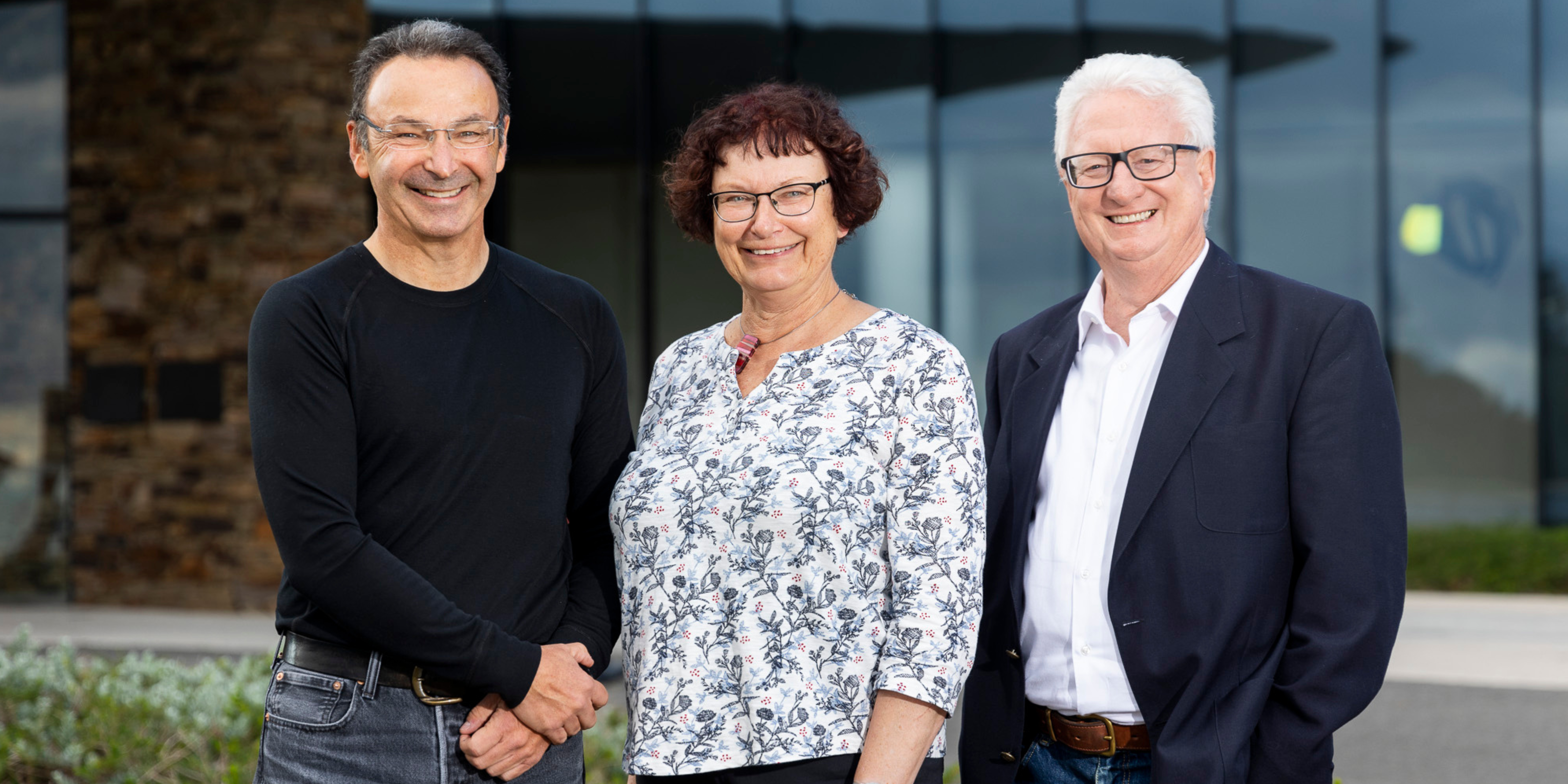
This is one of several grants that have been made possible by Di and Neville’s support of the Bionics Institute. For every dollar they have donated, we have been able to secure a further three dollars, multiplying their impact and leaving a legacy for generations to come.
Di and I have seen the world benefit from the many leaps forward in medical treatments over our lifetime, like the cochlear implant. We, and our family, are passionate about supporting medical research and inspiring the next generation of brilliant minds to transform lives. Neville Bertalli
You might be interested in…
Innovation lies at the heart of the Bionics Institute and our researchers are supported to explore innovative research ideas.
Early-stage seed funding is crucial to enable researchers to investigate new ideas that could lead to groundbreaking treatments for patients. It provides the financial support needed to conduct preliminary research.
We have set up a Bionics Incubator Fund (BIF) to provide the seed funding our researchers need to gather essential data and refine their hypotheses. Without this vital support, many promising solutions might never get off the ground, delaying the development of life-saving treatments and innovations to improve patient outcomes.
Our rheumatoid arthritis device, which is about to go to clinical trial, started as a BIF project. And there are many other vital research projects being supported by early-stage funding, including:
A drug-free approach to relieve chronic pain
Chronic pain affects a staggering 1 in 4 people worldwide. Opioids, commonly prescribed for pain conditions, give inconsistent and often inadequate relief of symptoms, and can lead to serious side-effects, addiction, and overdose.
Thanks to seed funding from The CASS Foundation, Associate Professor Rachael Richardson and her team have started developing a treatment that uses a combination of electricity and light to provide drug-free management of chronic pain. It works by selectively stimulating nerve activity to mask the pain and provide desperately needed relief.
The success of this research could revolutionise the way we interact with the nervous system repetition and help those suffering from chronic pain.
The CASS Foundation is delighted with the preliminary findings of the Bionics Institute’s research into a novel stimulation technique that aims to give unprecedented control over the transmission of pain signals to the brain. David Abraham AM Chair, The CASS Foundation
A new electrical stimulation treatment for drug-resistant epilepsy
Epilepsy affects an estimated 150,000 Australians, with a third continuing to have seizures despite medication. Current treatments for epilepsy include drug therapy, surgery and vagus nerve stimulation at neck level – treatments which can cause unpleasant side effects and may not be suitable for all patients.
With positive preliminary findings, and thanks to significant early-stage funding from a generous foundation, lead researcher Dr Tomoko Hyakumura is now able to move forward with evaluating the effectiveness of abdominal vagus nerve stimulation to reduce the frequency and severity of seizures without the side effects caused by current treatments.
I’m grateful for the opportunity BIF gave me to work on an early-stage research project I’m passionate about, investigating a new electric nerve therapy for epilepsy. With all the resources available at the Bionics Institute, I feel very well supported and the research we do is of the highest quality. Dr Tomoko Hyakumura, Research Fellow, Bionics Institute
Bionics Institute researchers need your help to make their groundbreaking ideas a reality. Your donation towards the Bionics Incubator Fund today, could turn the seed of an idea into a new life-changing treatment in the future.
You might be interested in…
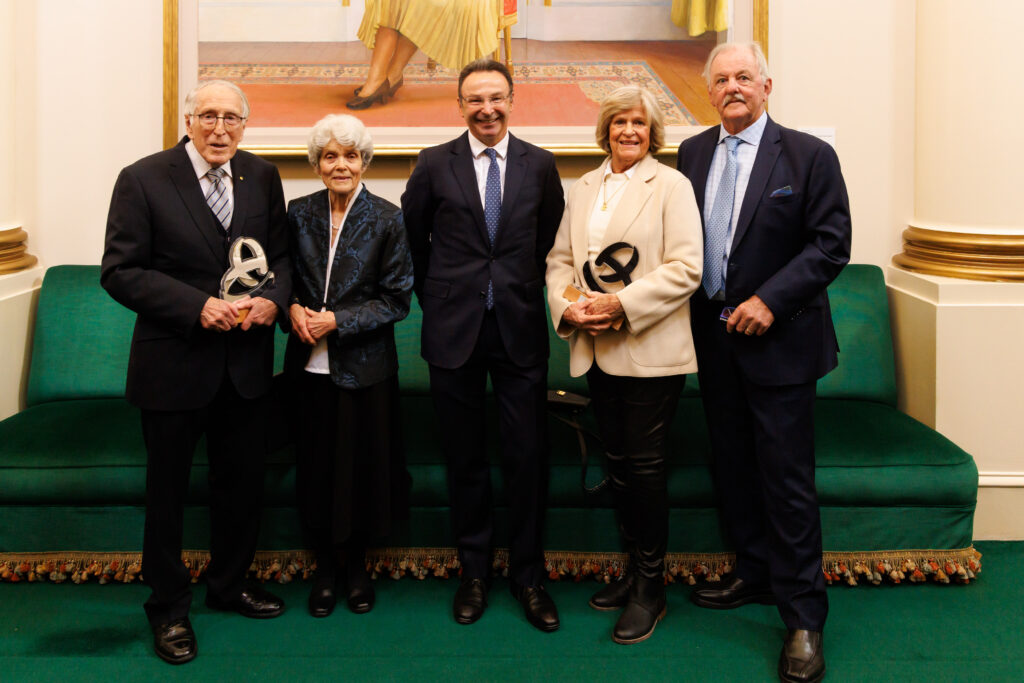
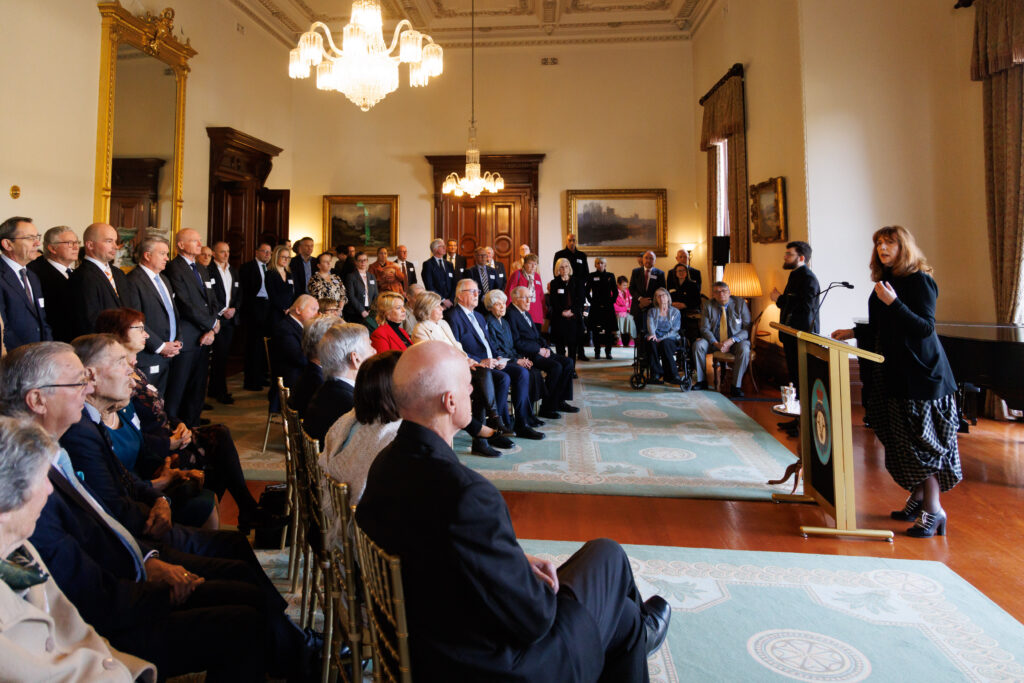
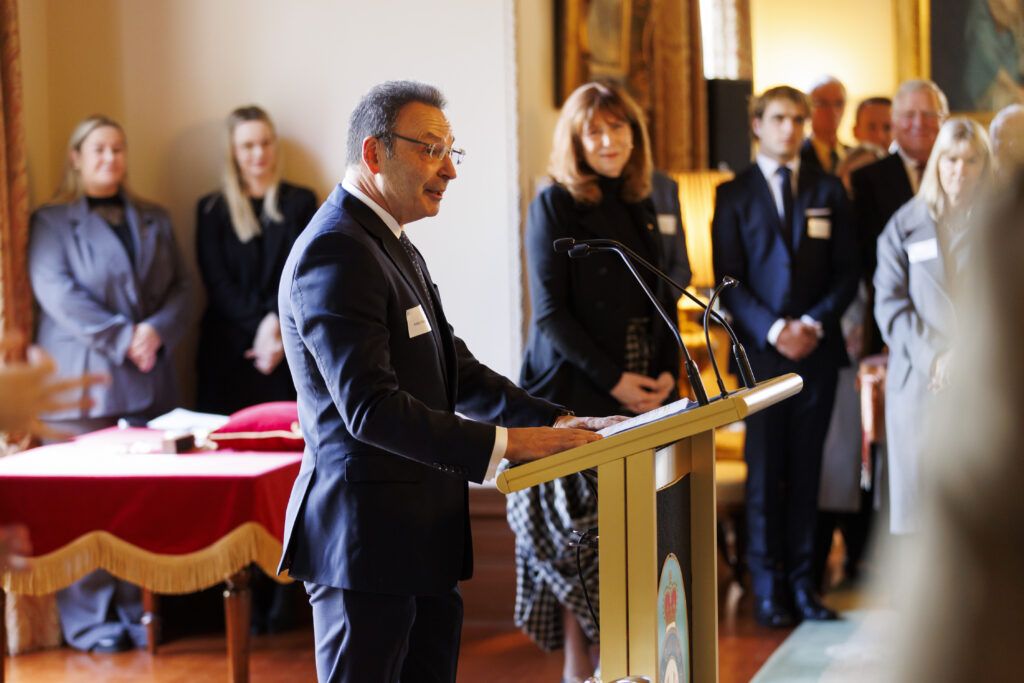
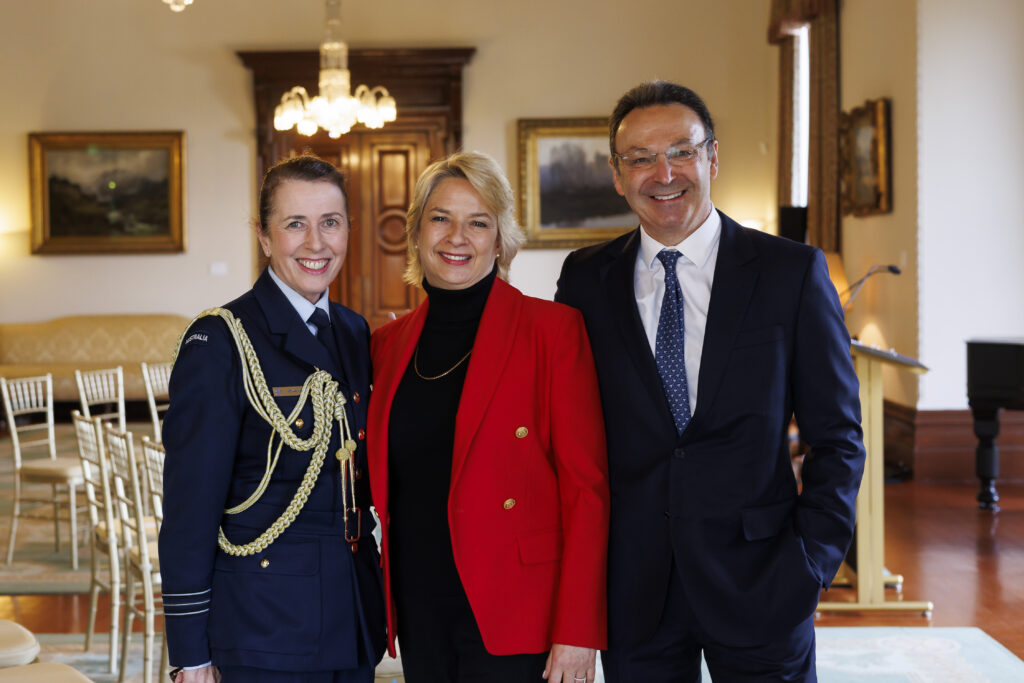
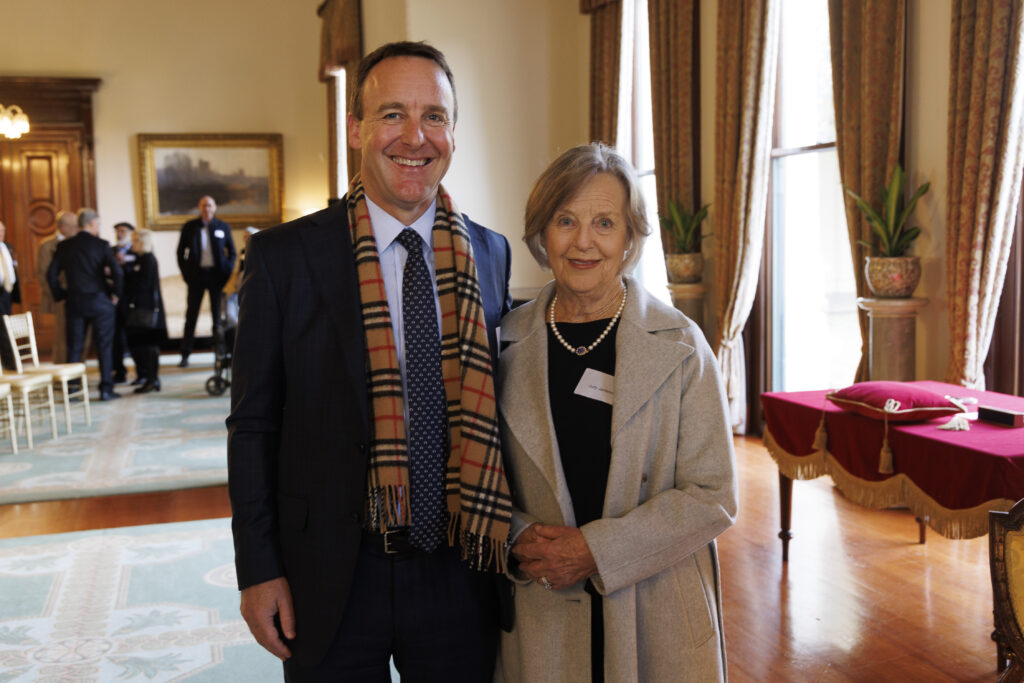
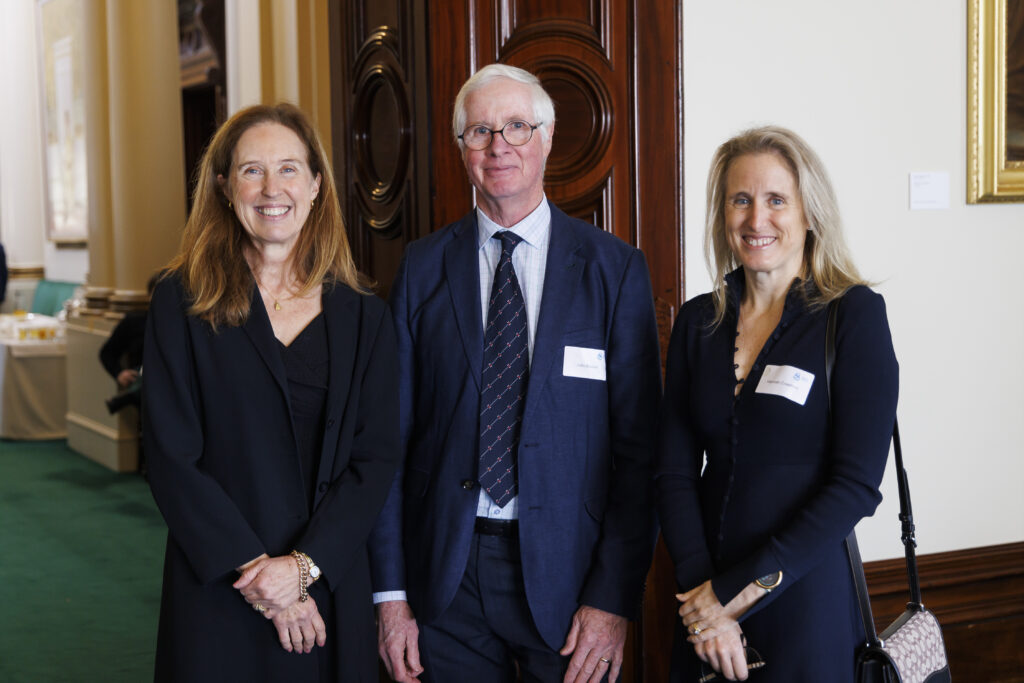
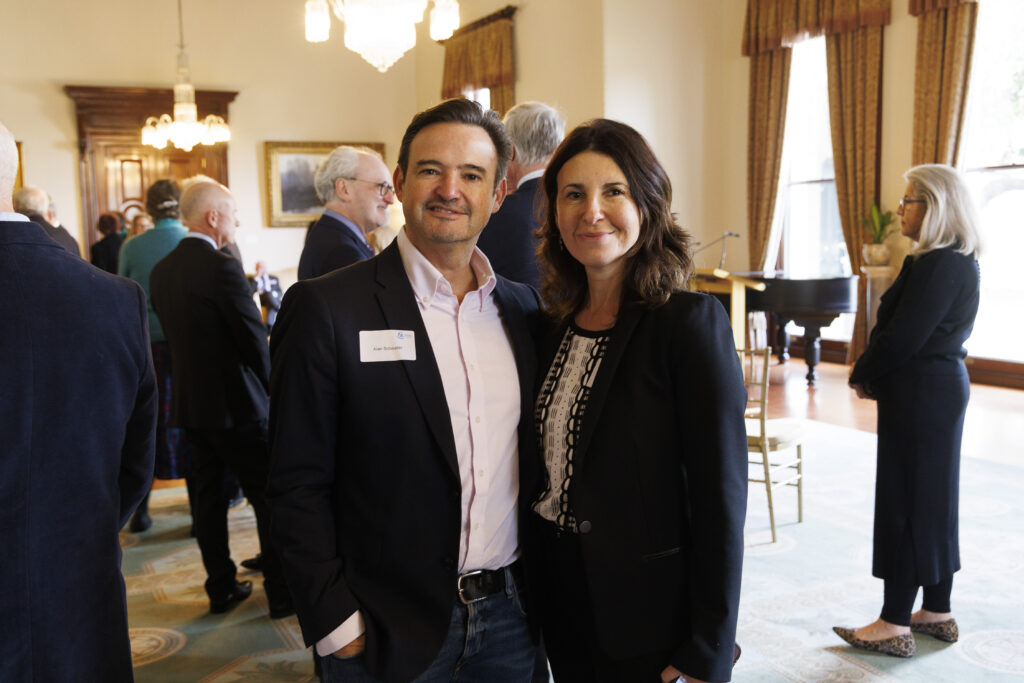
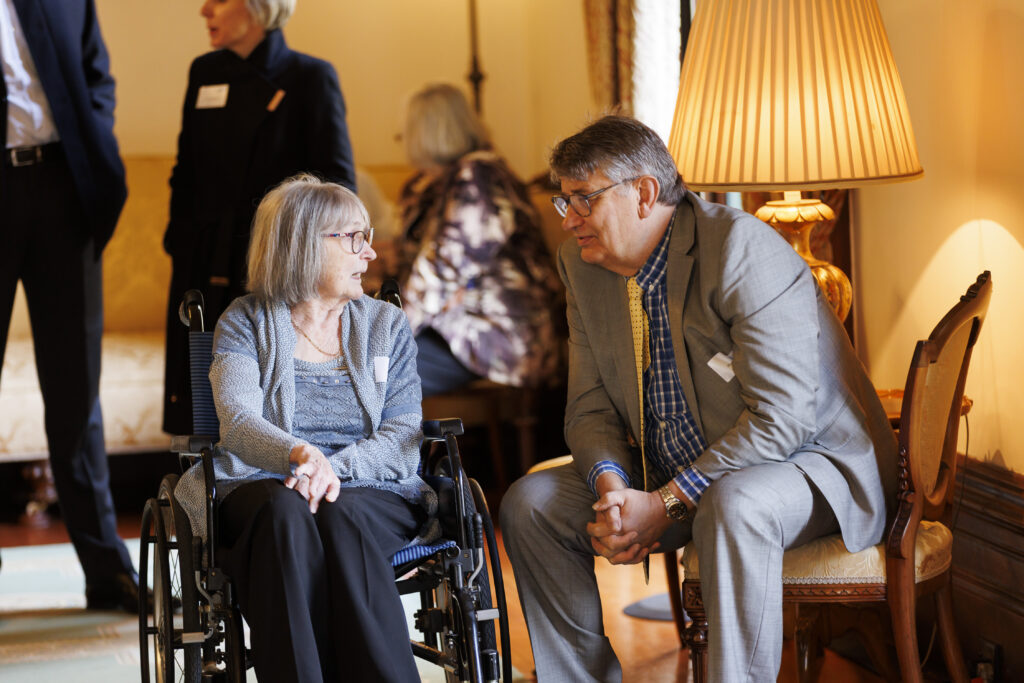
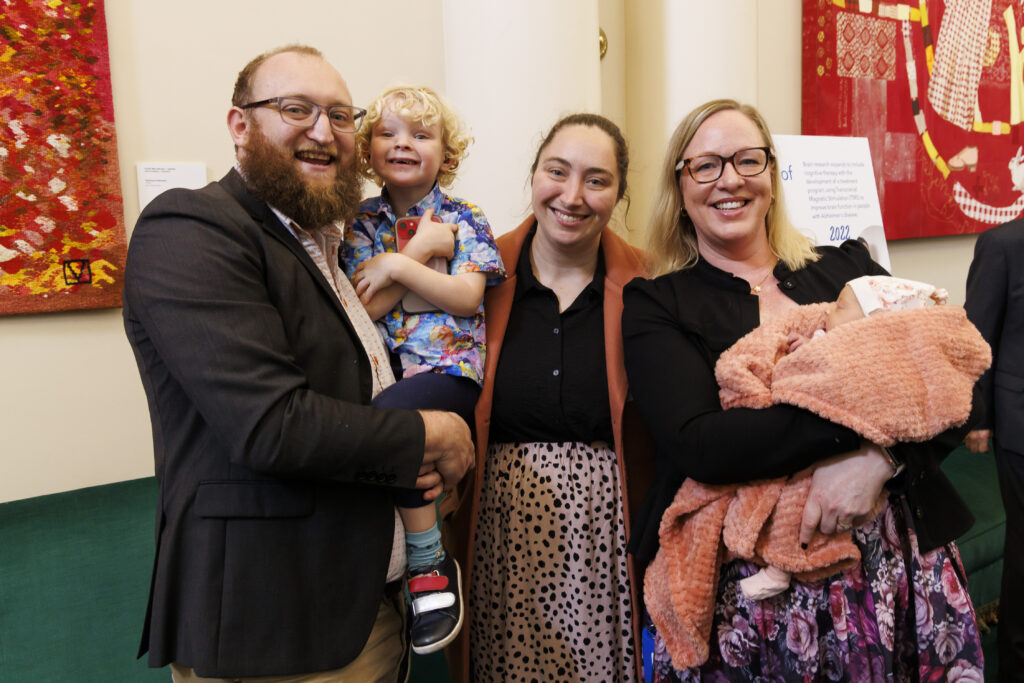
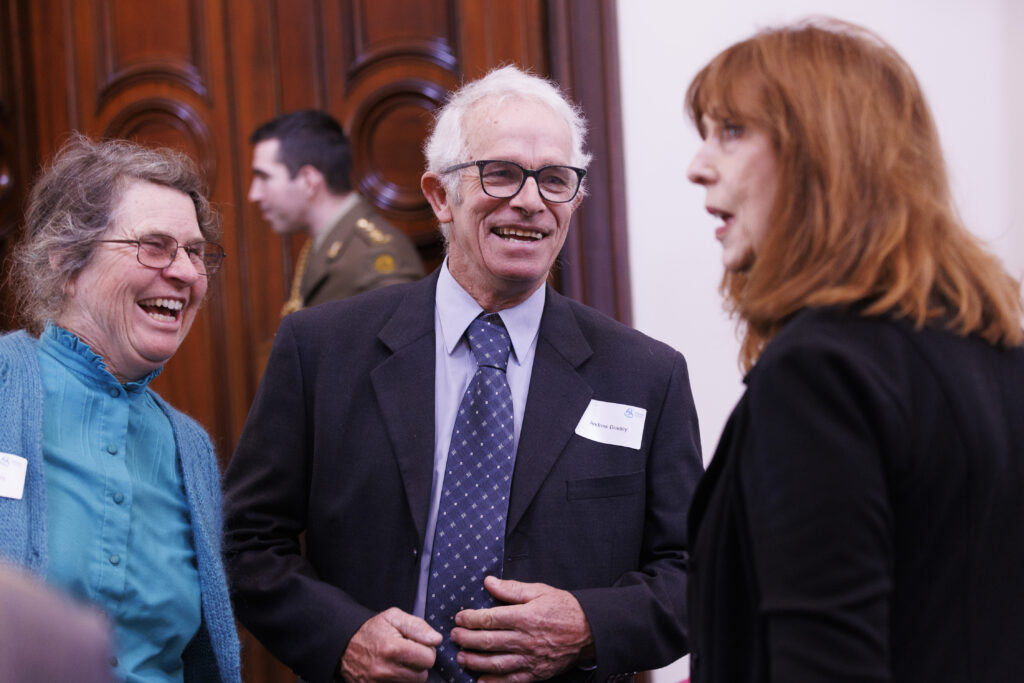
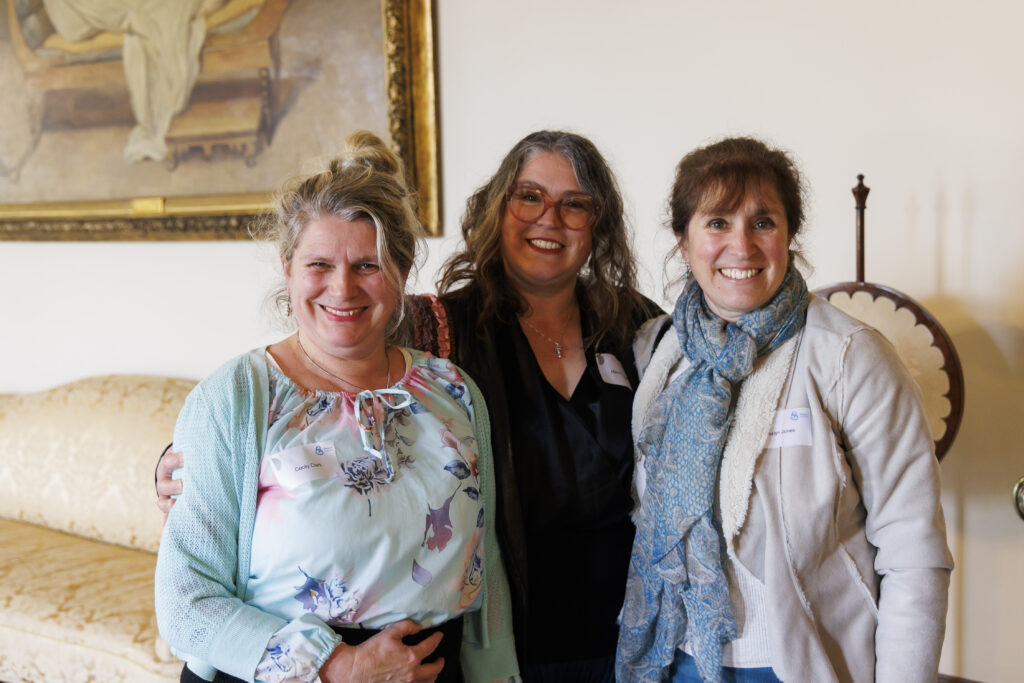
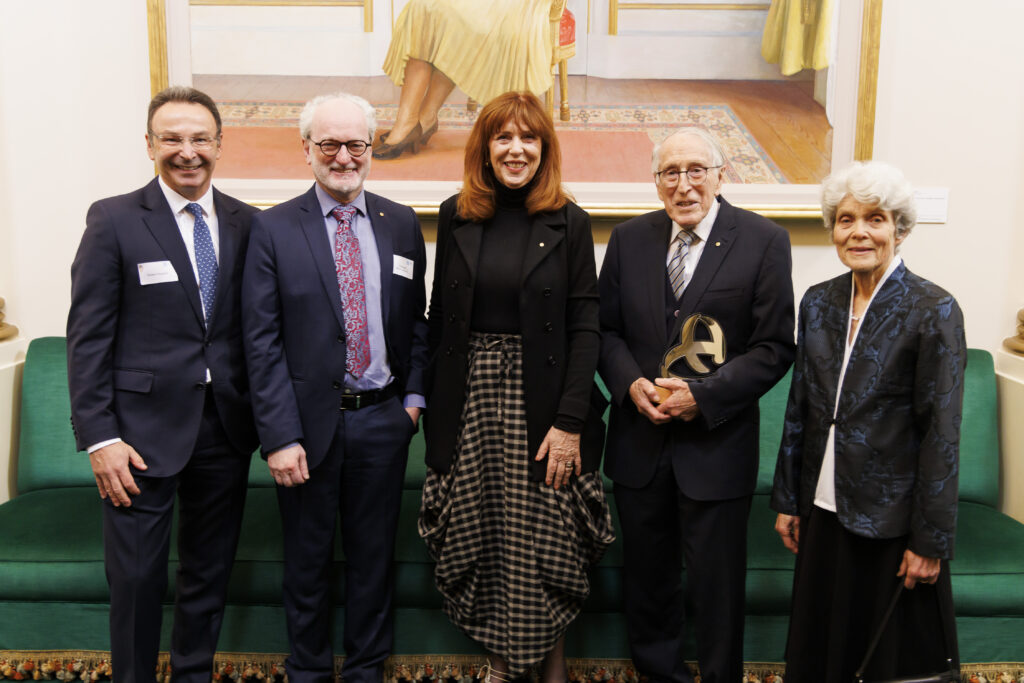
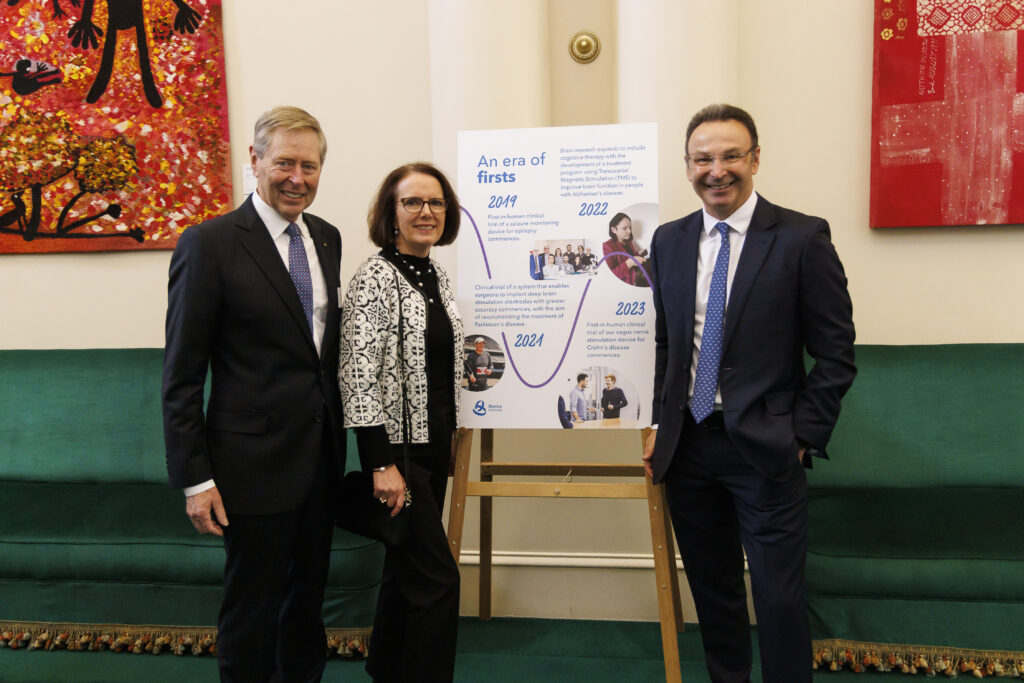
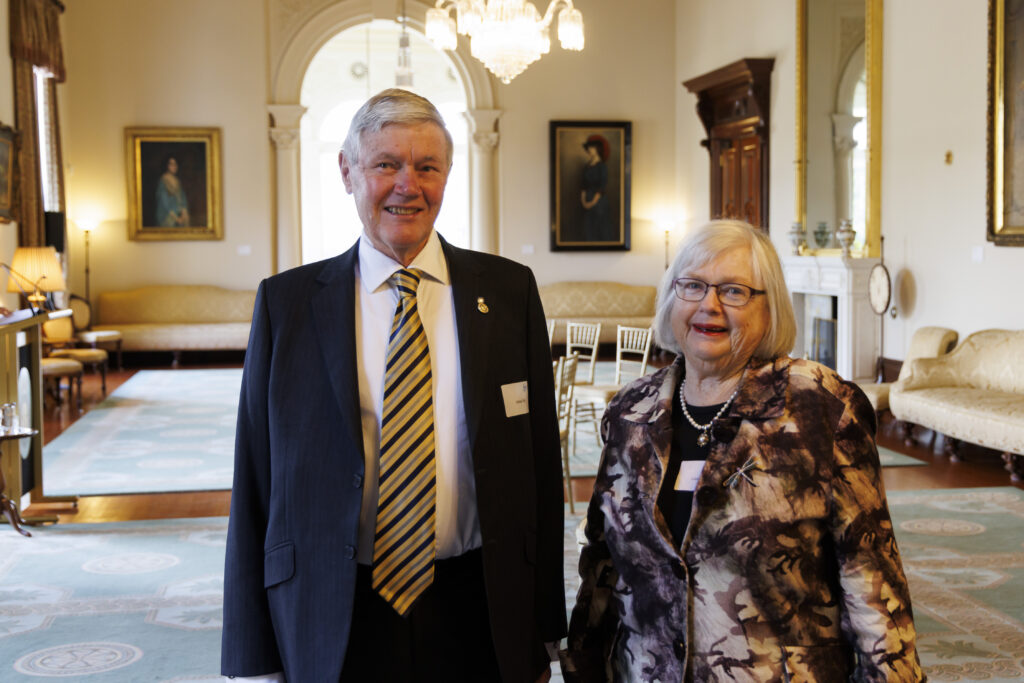
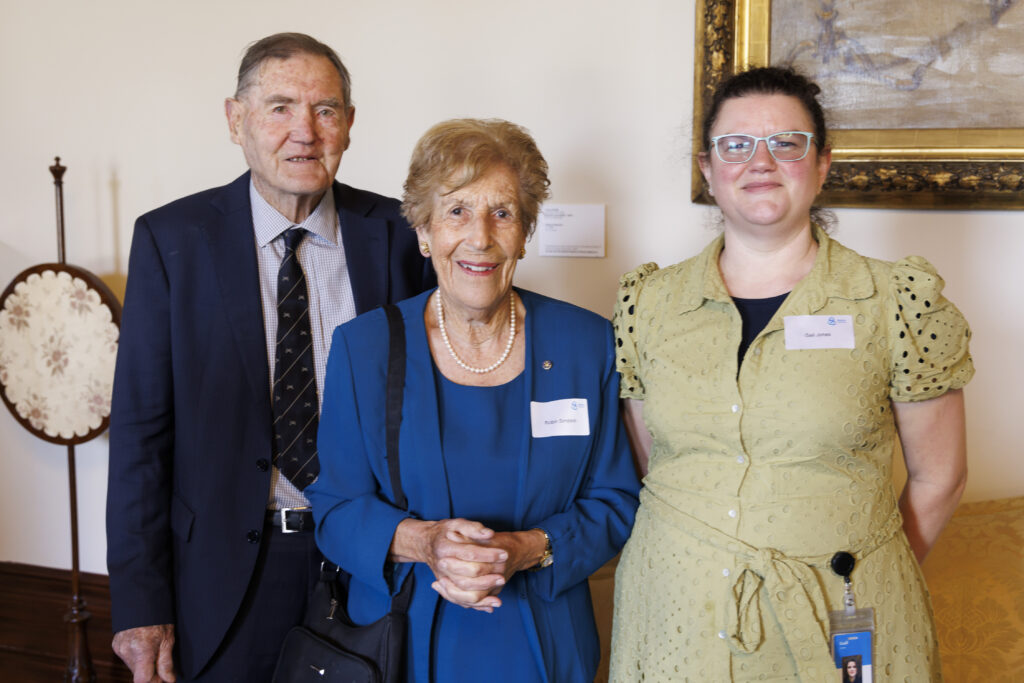
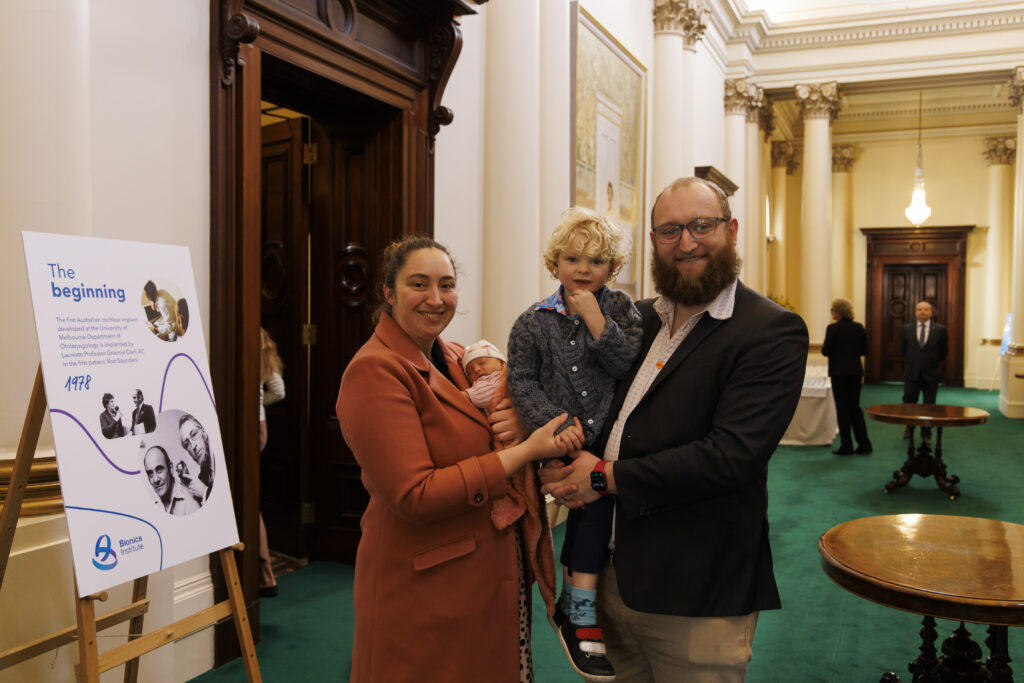
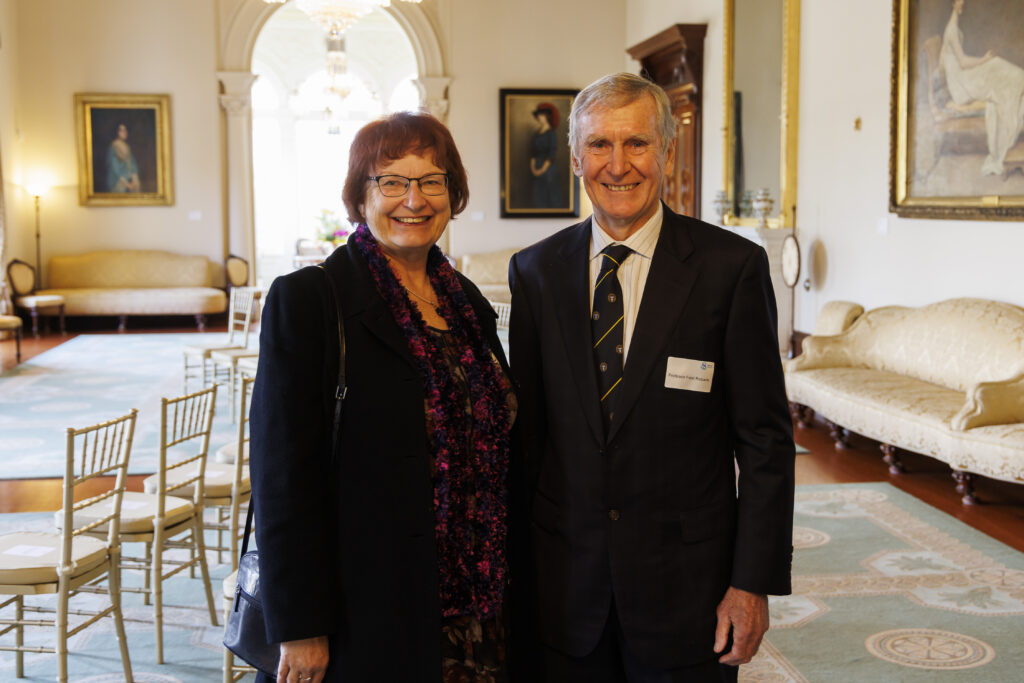
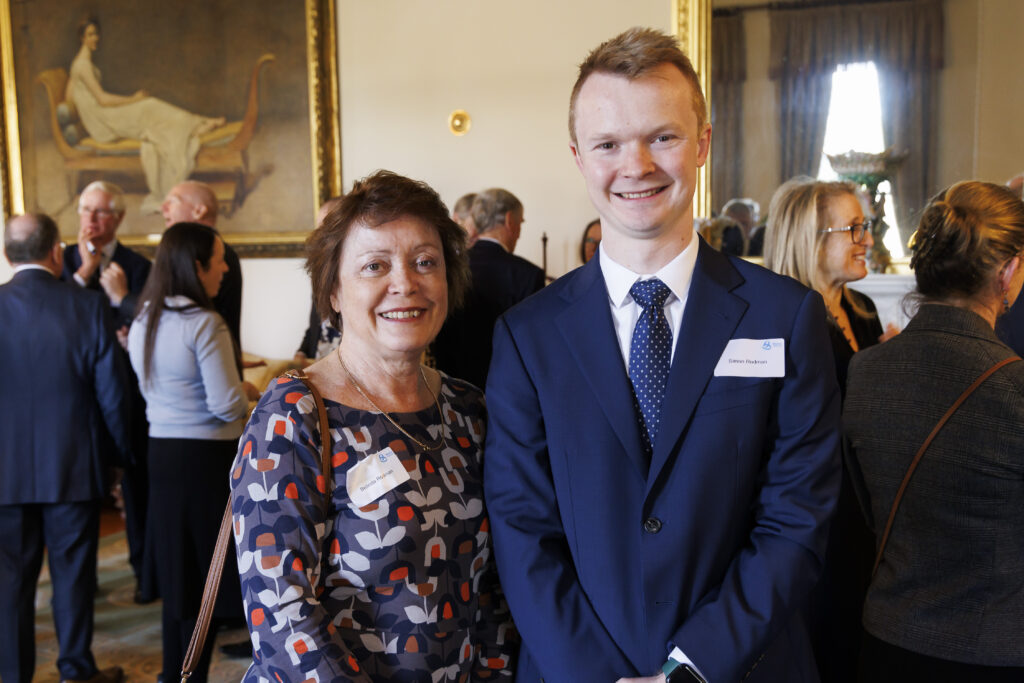
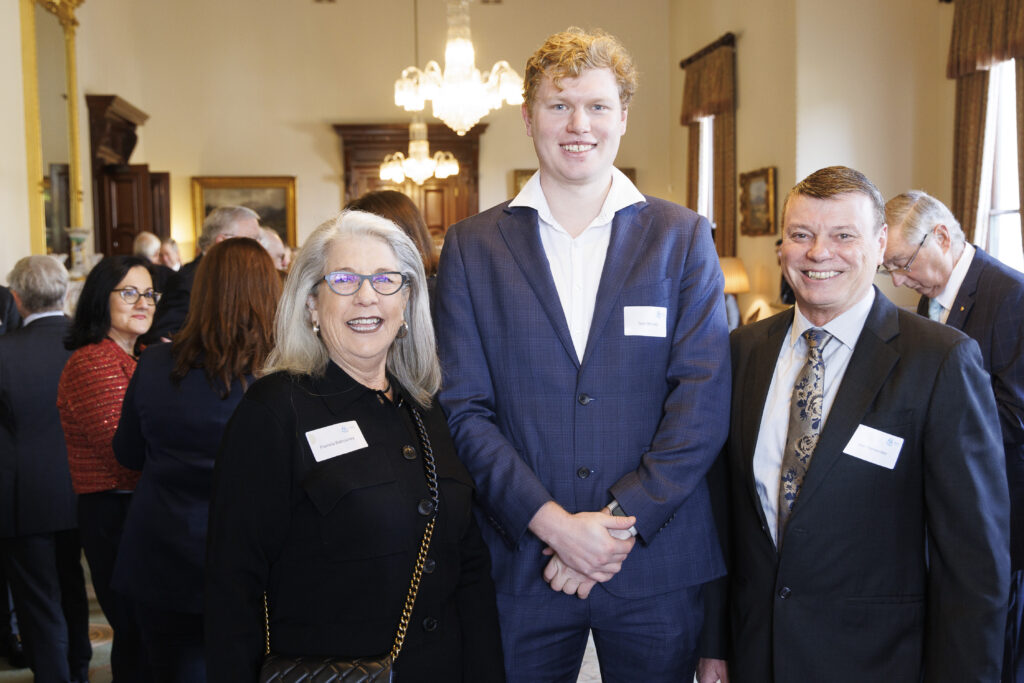
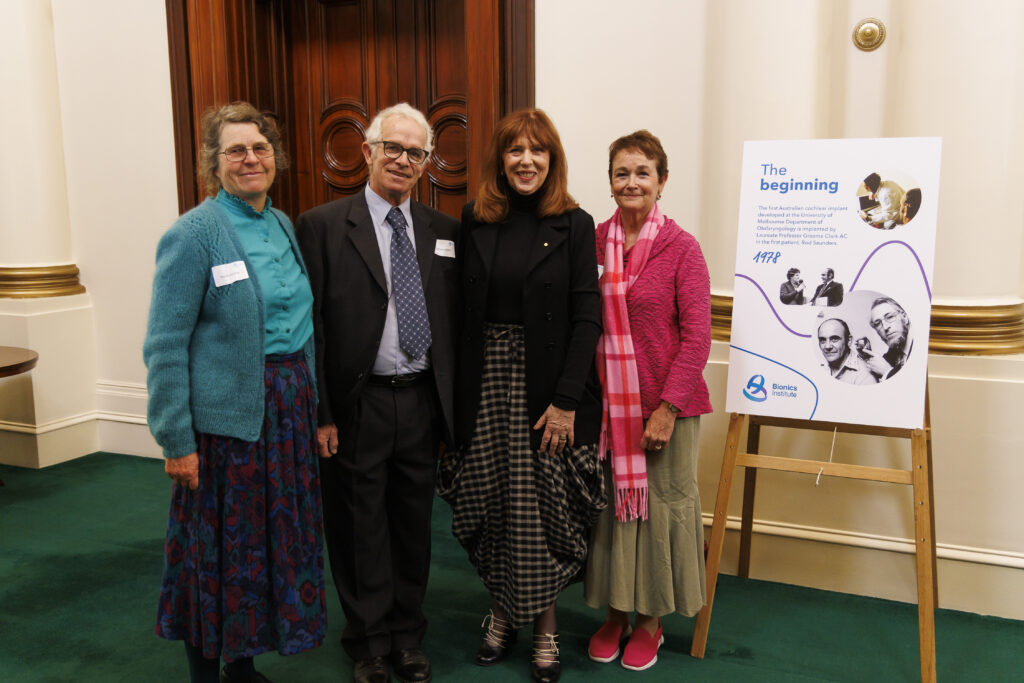
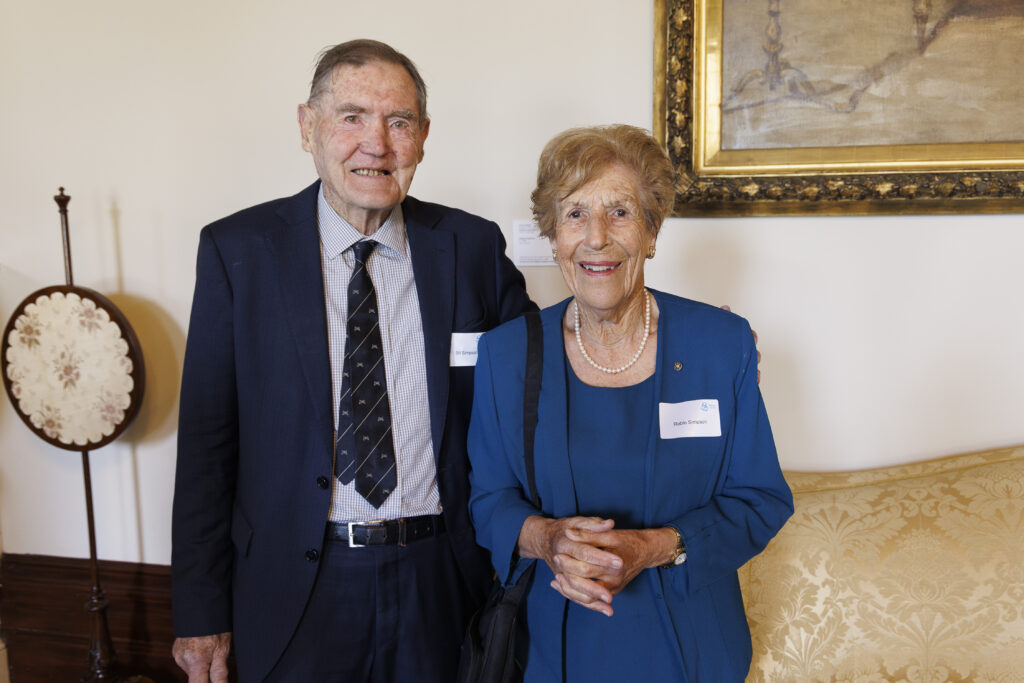
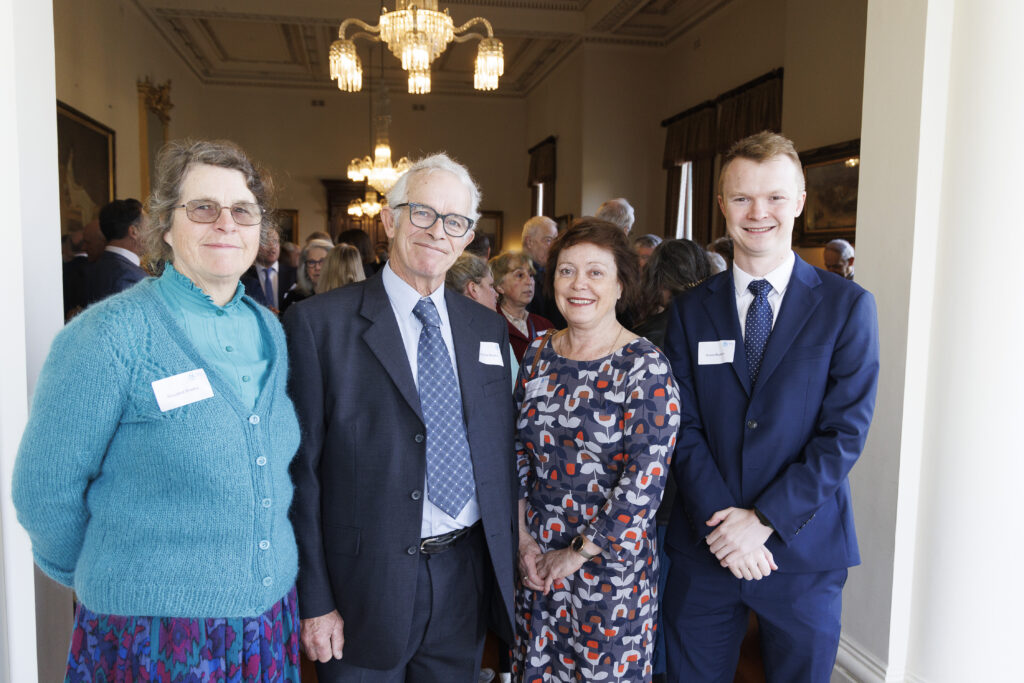
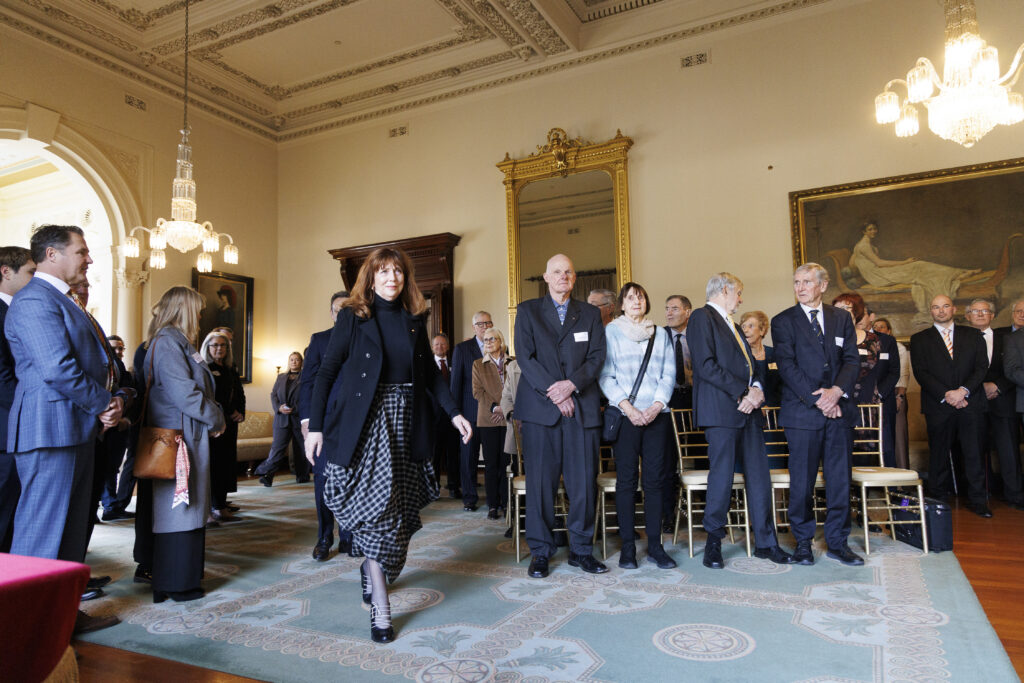
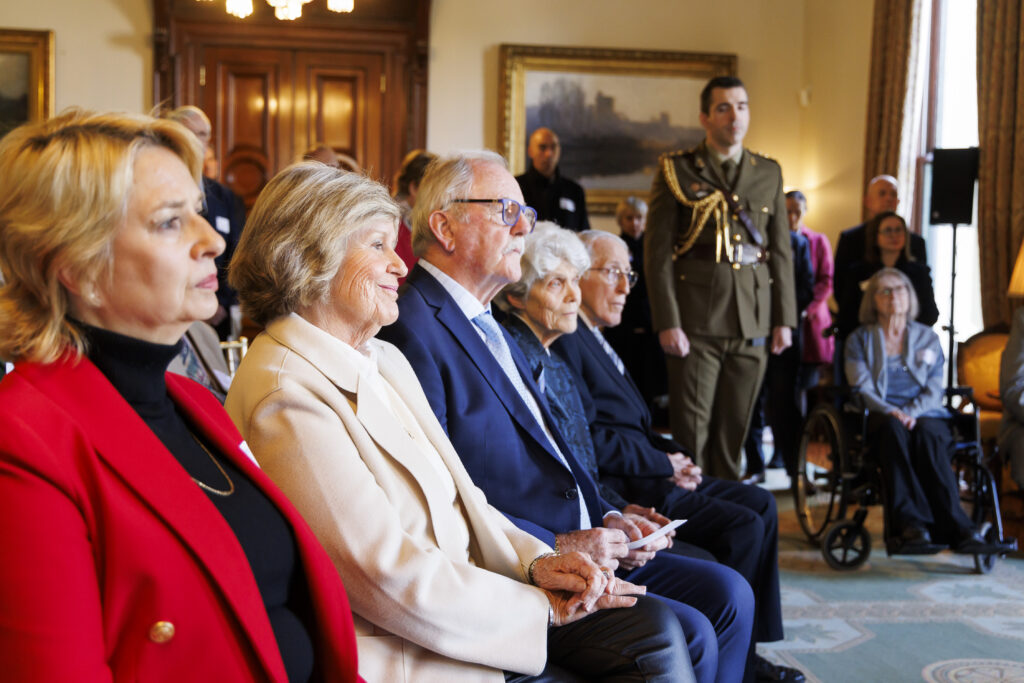
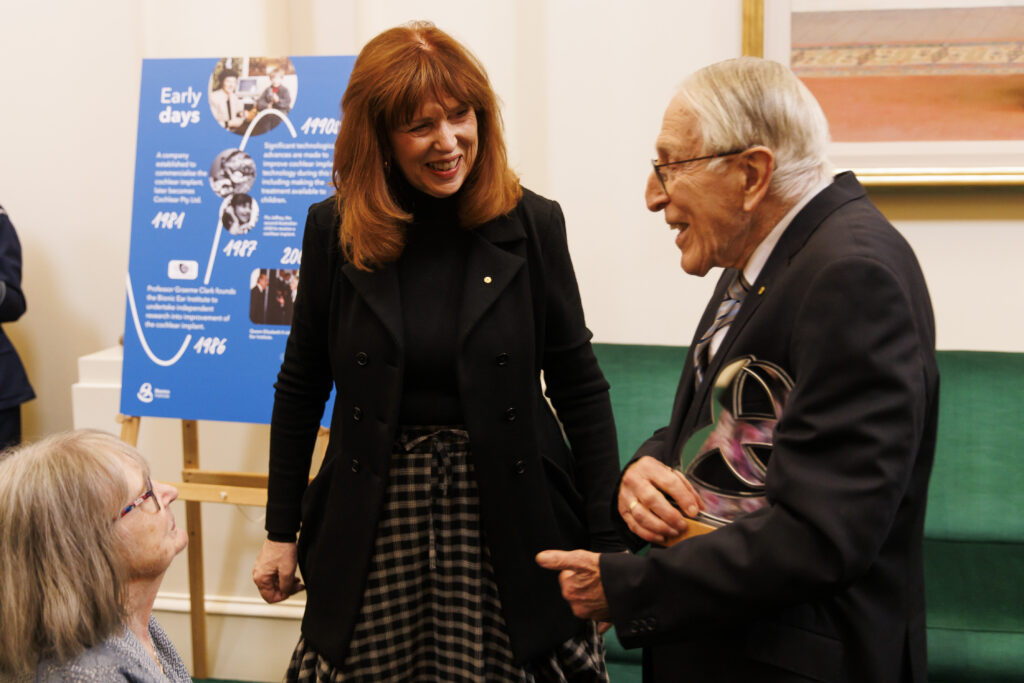
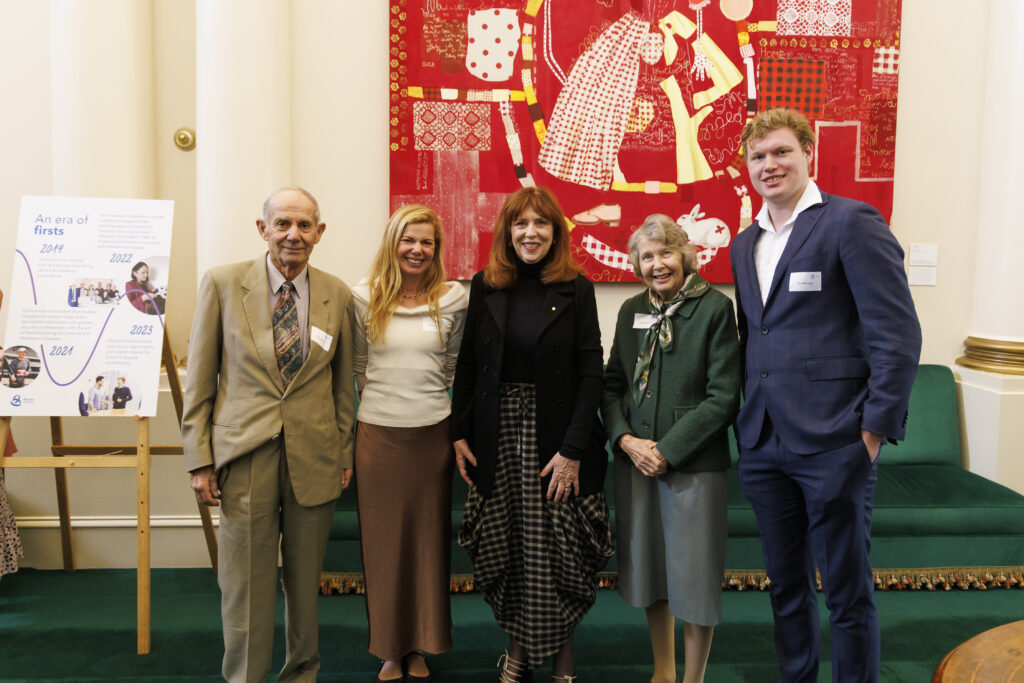
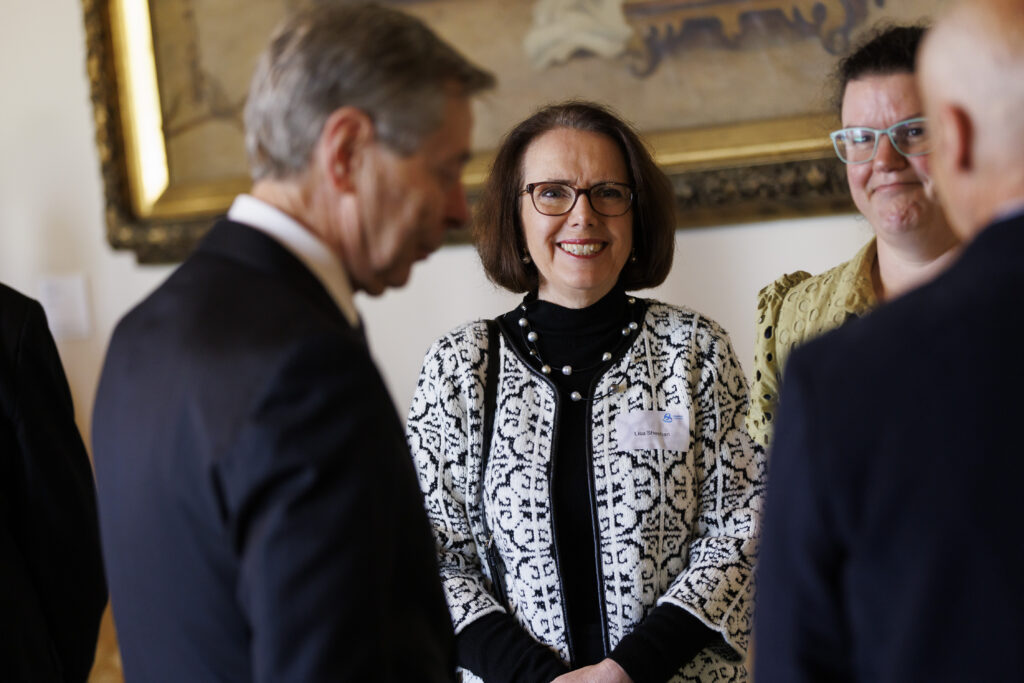
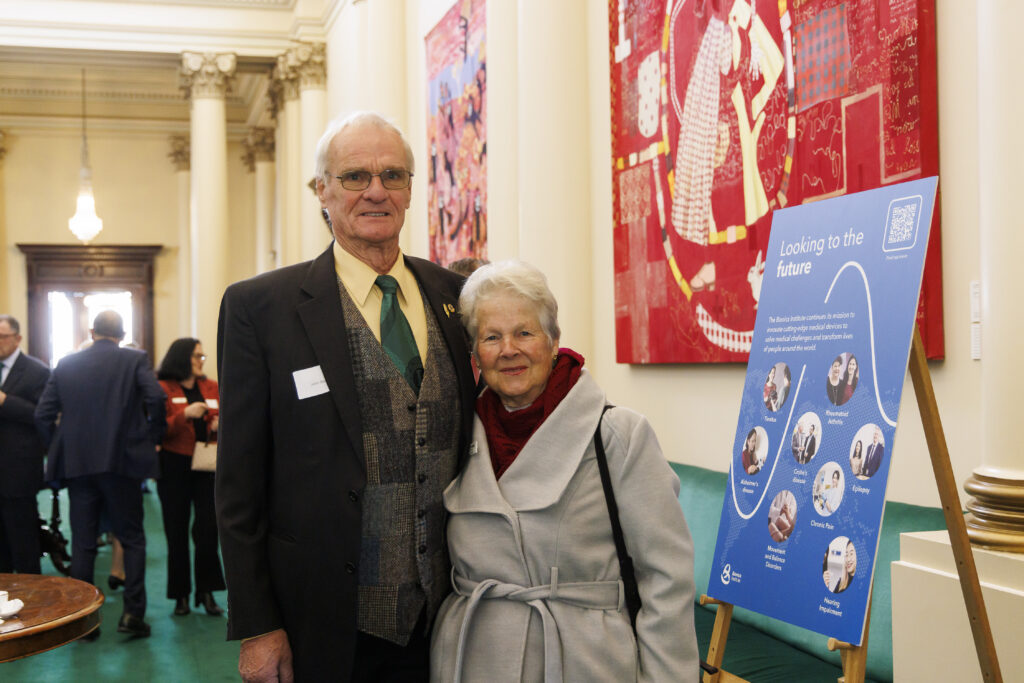
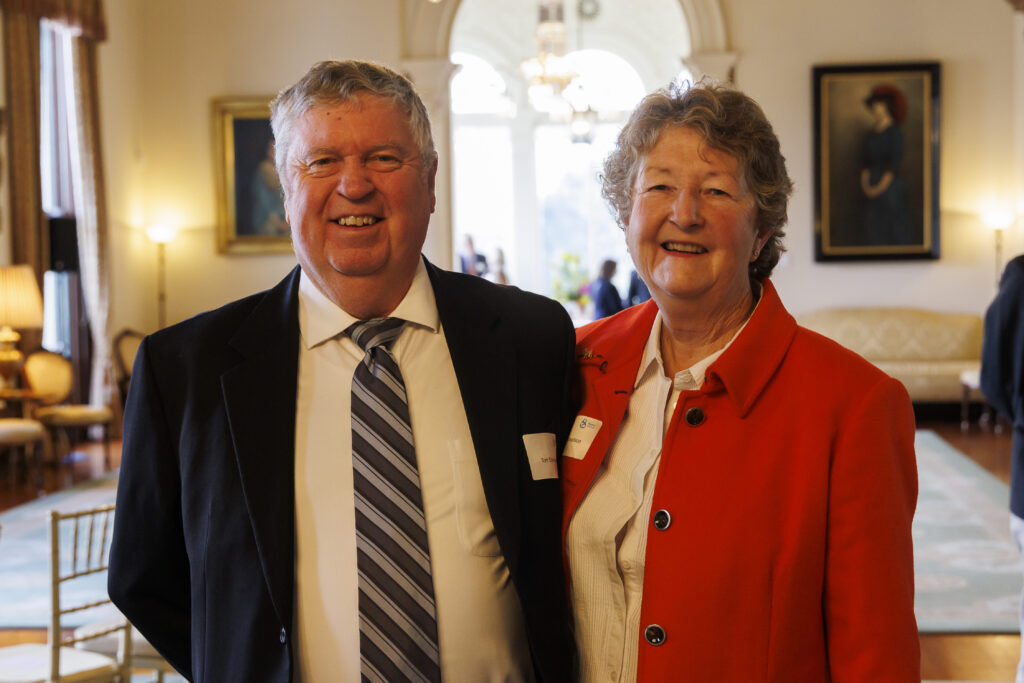
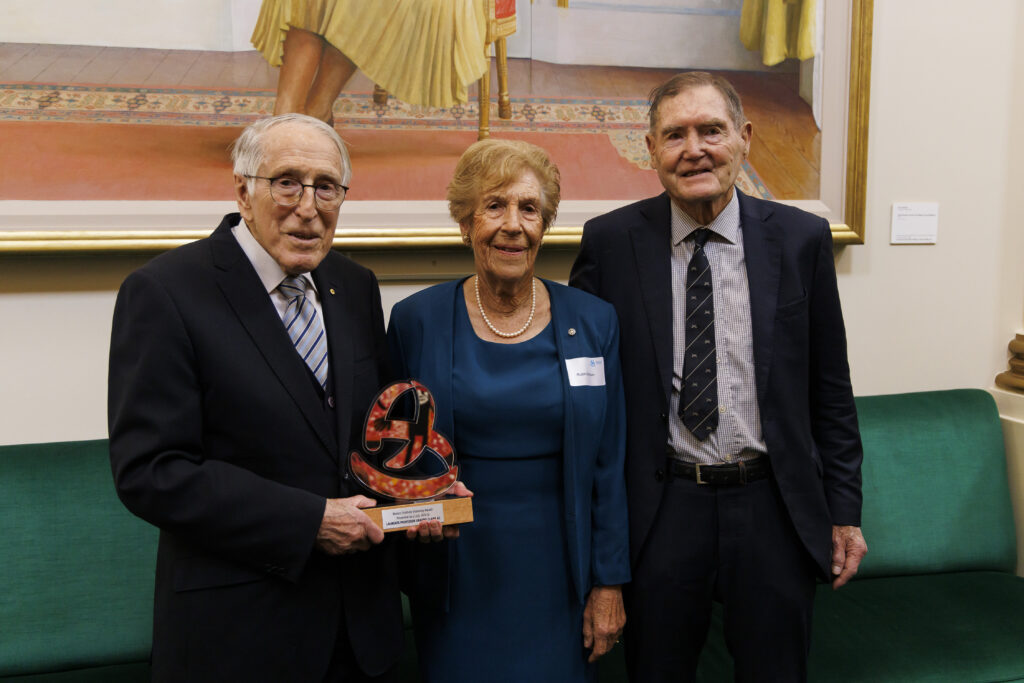
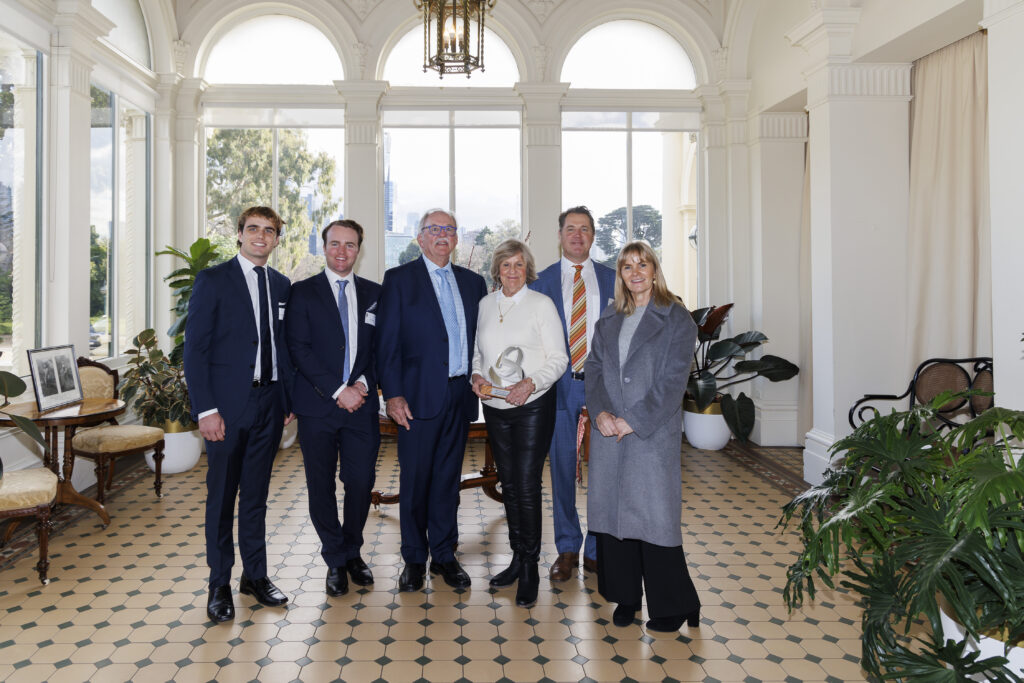
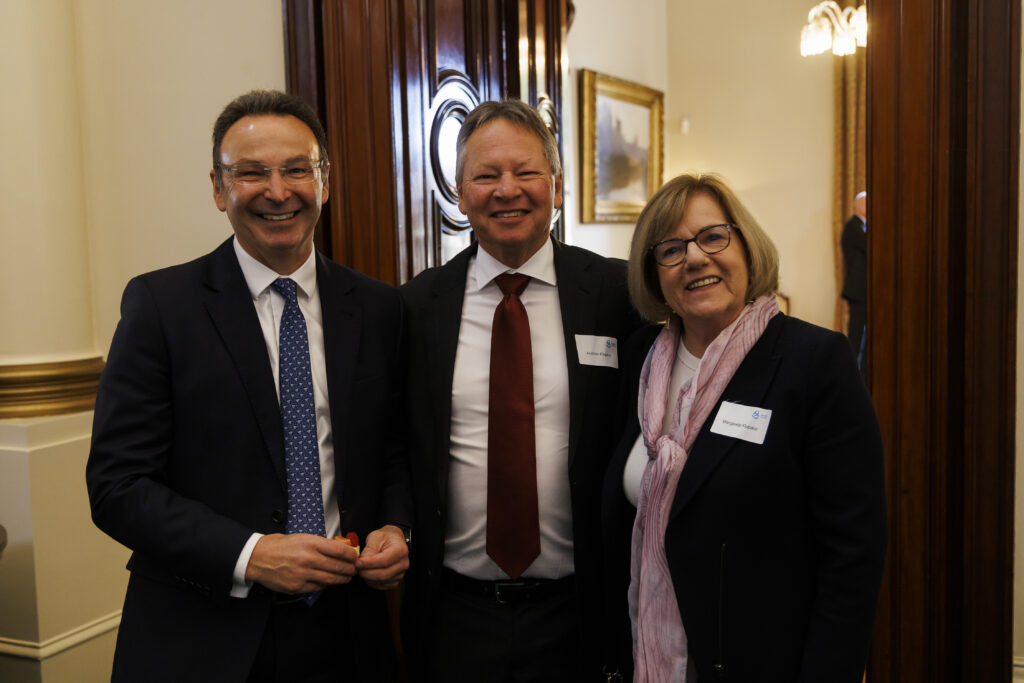
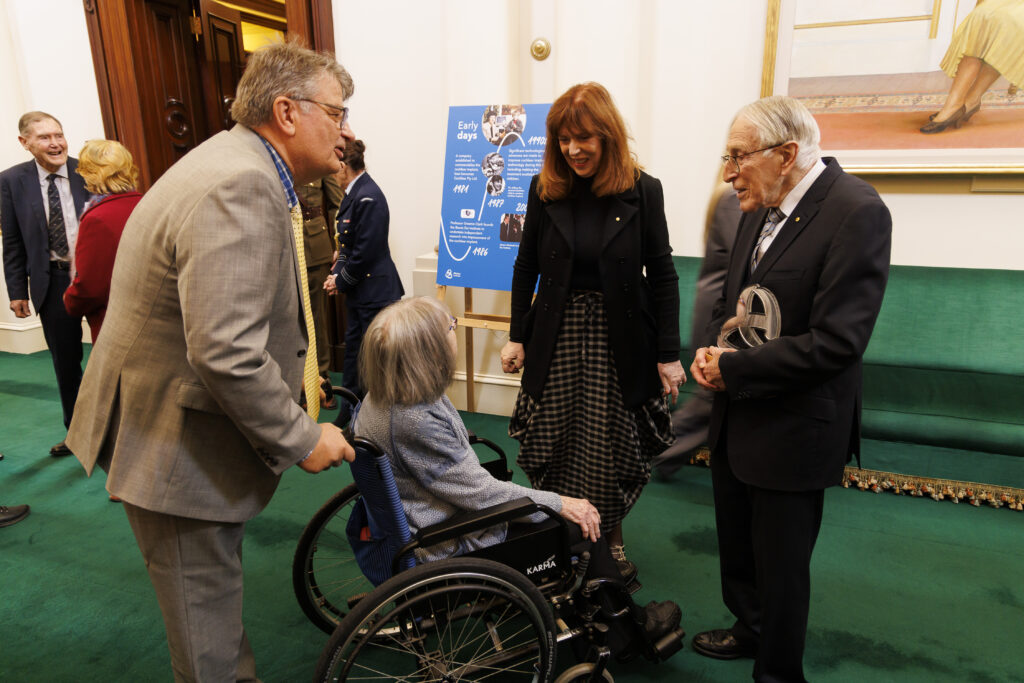
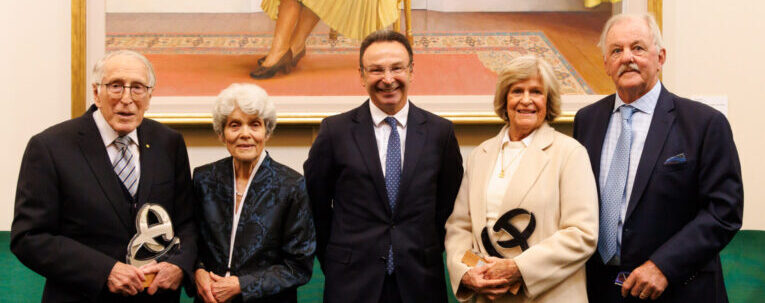
A celebration of our rich history in medical innovation was held on 2 July, hosted at Government House by Her Excellency Professor the Honourable Margaret Gardner AC, Governor of Victoria.
The event marked 46 years since the successful implantation of the first multi-channel cochlear implant. Invented and developed by Bionics Institute founder, Laureate Professor Grame Clark AC at the University of Melbourne, the cochlear implant has given the joy of hearing to over 750,000 people worldwide.
It was a pleasure to host an event to celebrate the vision of the Bionics Institute and recognise the contributions of those who make its work possible.” Her Excellency Professor the Honourable Margaret Gardner AC, Governor of Victoria
The cochlear implant not only changed the way hearing loss is treated forever, but also built the discipline of Biomedical Engineering and led to the creation of the Bionics Institute (then known as The Bionic Ear Institute) in 1986.
Since then, our researchers have continued to build on this knowledge and expertise to put the Bionics Institute and Australia at the forefront of medical device research. We have expanded into the development of devices and treatments for some of the world’s most challenging conditions, including Crohn’s disease, rheumatoid arthritis, epilepsy and Alzheimer’s.
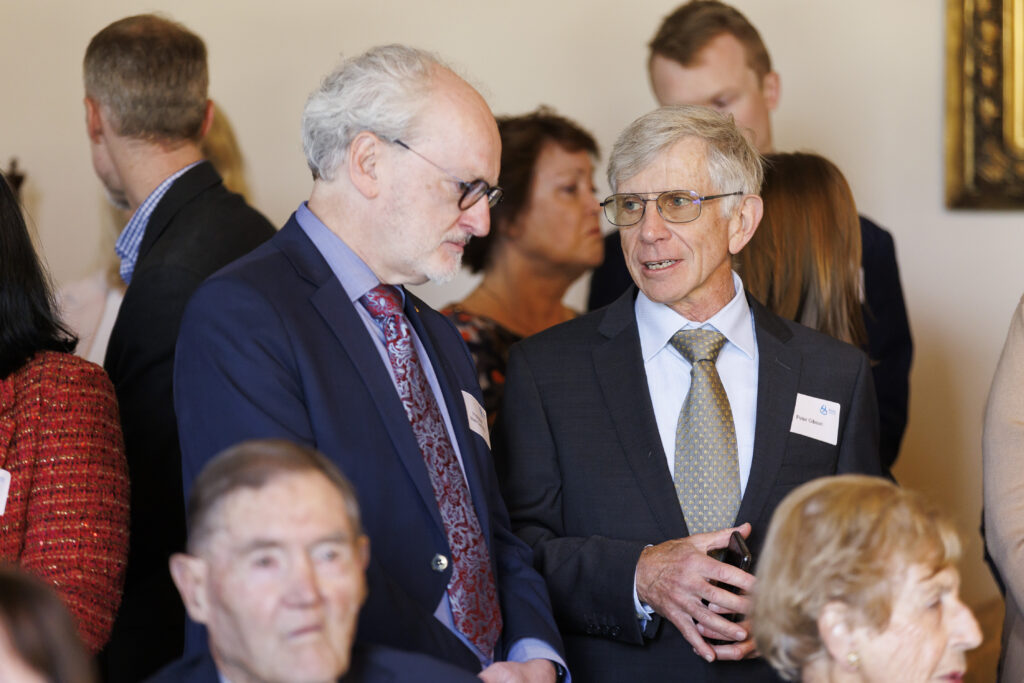
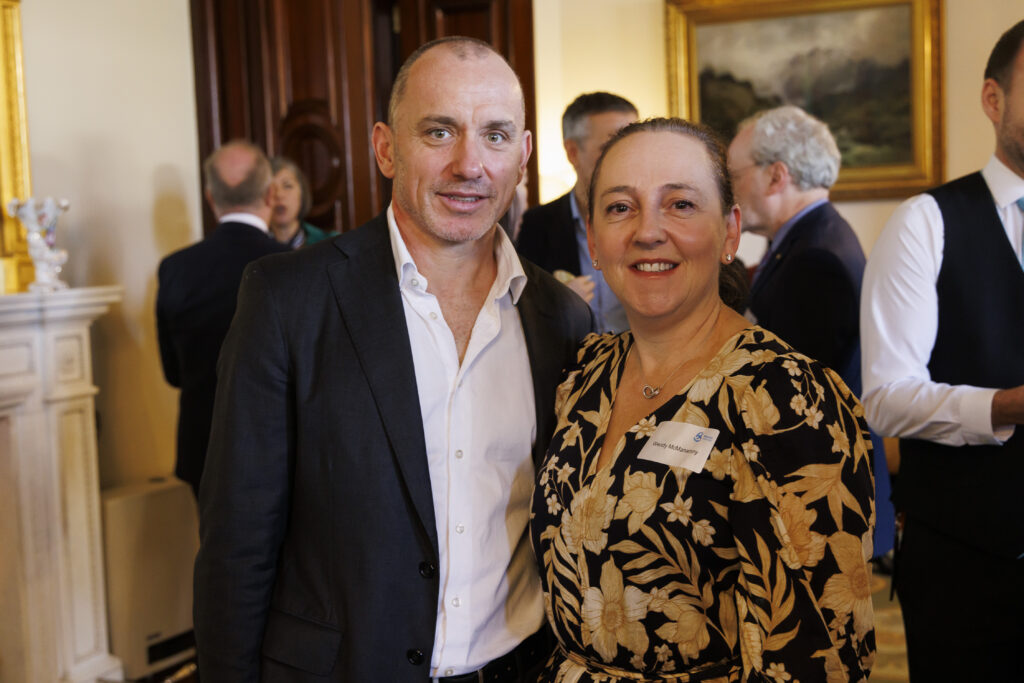
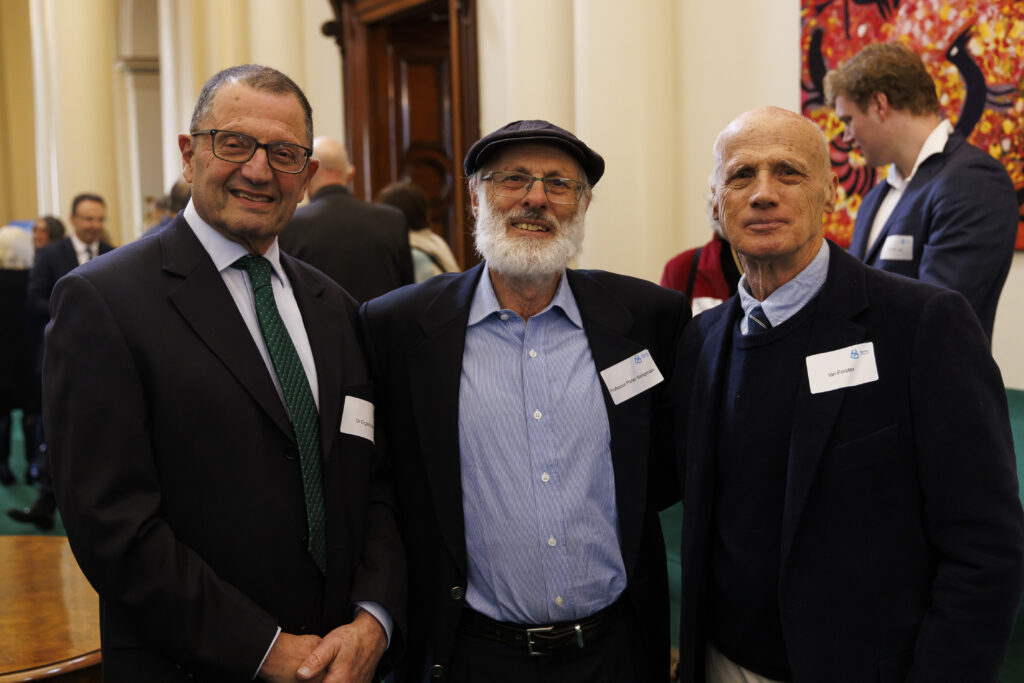
The celebration brought together many of our wonderful supporters that represent the community and dedication behind the continuous progress of Bionics Institute research. Progress that would not be possible without the caring contributions of our donors like you.
Innovative medical breakthroughs like the cochlear implant are only made possible by collaboration between researchers, engineers and healthcare professionals, with the vital support of board members, volunteers and caring supporters.” Robert Klupacs, CEO
You might be interested in…
We are incredibly proud that Bionics Institute researchers were included in the 2024 Best Neuroscience Scientists in the World by Research.com.
Congratulations to:
- Professor Kate Hoy – Head of Cognitive Therapeutics
- Associate Professor Andrew Wise – Lead, Hearing Therapeutics
- Professor Malcolm Horne – Professor in Residence
- Professor Dexter Irvine – Honorary Research Fellow
- Professor Mark Cook – Clinical Collaborator
Professor Kate Hoy, has developed a treatment program with the aim of improving brain function for people with Alzheimer’s disease.
She has led a number of world-first brain stimulation clinical trials, including trials for the treatment and prevention of dementia.
Prof Hoy’s depth and breadth of experience in the field of non-invasive brain stimulation is largely unparalleled, having worked with a variety of stimulation methods, diverse patient populations, and a wide range of research methodologies.
“My team and I work hard to develop new treatments for people with serious cognitive disorders, such as Alzheimer’s diseases, and it’s great to receive this recognition.” Professor Kate Hoy
Associate Professor Andrew Wise is working on a world-first drug treatment which aims to restore hearing loss using nanotechnology.
The nanoparticle technology to delivers growth factors to protect the inner ear sensory cells from degeneration and promote repair following hearing loss.
His current research aims to progress this novel therapeutic approach to a first in human clinical trial that will enable the clinical translation of this exciting technology.
“Our work is aiming to develop new treatments for hearing loss to improve the lives of many people around the world with significant hearing impairment.” A/ Prof Andrew Wise
You might be interested in…
I am excited to share our latest research updates and successes that continue to drive innovation at the Bionics Institute, all thanks to generous people like you.
Our recent Bionics Institute Celebration Event, which marked 46 years of groundbreaking advancements in medical research, was a huge success. The celebration brought together many of our wonderful supporters that represent the community and dedication behind the continuous progress of Bionics Institute research.
Advancements such as the upcoming clinical trial of a device that could revolutionise the treatment of rheumatoid arthritis.
Reaching this research milestone just would not have been possible without the help of you and our wonderful community of generous supporters. Thank you so much.
Of course, there are so many other important ways people contribute to our work, such as those who take part in clinical trials. It got me thinking about the legacy they leave behind and how they will be remembered by future generations.
Take Anthony Becker, for example. The Melbourne father might never be famous. His name might not be known around the world. But to the 80,000 Australians who live with the debilitating symptoms of Crohn’s disease, his impact will be felt forever.
As the first person in the world to be implanted with a vagus nerve device, which our researchers designed to suppress damaging inflammation caused by Crohn’s disease, Anthony will always be remembered as a person who did something incredible to help make life better for others.
If successful, the device could be life-changing for people living with the disease by helping preventthe recurrence of Crohn’s disease for the rest of the patient’s life.
Turning promising ideas and innovations into lifechanging treatments takes many years of dedication, patience and hard work. Your kind generosity is driving significant advancements and transforming lives. Robert Klupacs
When you look back on your life, what do you want to be remembered for?
As a person who believed in the power of science to improve lives?
As someone who cared deeply about the wellbeing and health of other people?
As a generous, compassionate and community-minded person?
I know you are all those things and more. I know it because of the incredible support you have already shown our work. Thank you so much again.
That’s why I want to talk to you about taking your support to the next level and leaving a gift in your Will to the Bionics Institute.
Your choice could ensure that our engineers and scientists can continue their pioneering research and drastically improve the lives of people living with debilitating illnesses for generations to come.
I’ve seen firsthand how powerful such a gift can be — how it can accelerate research towards a clinical trial, leading to medical breakthroughs just like our vagus nerve device.
I truly believe that medical devices like these are the future of healthcare. They have no known side effects and give hope to people who are not responding to traditional medicines.
Supporting these important medical developments is a legacy I am incredibly proud to be a part of. Not just as a CEO of this great organisation, but as a supporter — you see, I have also chosen to leave a gift in my Will to the Bionics Institute.
Of course, I will always put my family first when it comes to preparing my Will.
But it’s so important to me to leave behind a legacy that is in line with the values that have defined my life: a belief in science, a passion for helping people and a commitment to innovation.
This is the legacy I can leave, and I’d be honoured if you similarly chose to leave a legacy that helps generations to come have access to life-changing medical devices that are giving hope to people with Alzheimer’s, Parkinsons, Crohn’s disease, epilepsy, hearing loss and much more.
To find out how you can help, please download our legacy pack from the QR code below or contact my colleague Lucy Hooper on 03 9667 7503 or at [email protected] for a confidential chat.
Not everyone can have statues dedicated to them. But we can still make an incredible difference to the lives of others and be remembered for the values that defined our life.
I would be so grateful to you for considering making such a contribution
With my warmest thanks,
Robert Klupacs
You might be interested in…
A 2022 ATO Ruling, unique to the Bionics Institute, allows PAFs to invest in medical device research and utililse a number of repayment options.
Impact investment in medtech research at the Bionics Institute via a private or public ancillary fund (PAF/PuAF) was the focus of an AICD Company Director Magazine article on 1 September 2024, titled: Bionics Institute leverages ATO ruling to appeal to new philanthropists.
Bionics Institute CEO Robert Klupcas and Board Member, Micheal Coleman were interviewed about a 2022 ATO tax ruling, unique to the Bionics Institute.
The article describes how the ruling allows PAFs and PuAFs to make a concessionary loan towards research at the Bionics Institute that can be repaid in cash or other consideration, such as equity in a spin off company.
Medical device research at the Bionics Institute often leads to commercialisation to ensure life-changing tests and treatments get into the clinic as soon as possible to benefit patients.
The Bionics Institute has set up several spin-off companies in the past six years, including DBS Tech for Parkinson’s; Epiminder for epilepsy, Neo-Bionica for medical device prototyping, and NirGenie for infant hearing.
There are more spin-offs in the pipeline for conditions including: Crohn’s disease, rheumatoid arthritis, tinnitus and Alzheimer’s disease.
The ruling also allows for the foregone interest, calculated as the differential between zero percent and market rate at the time of the loan agreement, to be deemed as part of a PAF’s annual mandated distributions.
There is also the added benefit that should the loan be written off, in full or in part, that amount will be also deemed a PAF distribution.
In the article, Robert Klupacs says the Bionics Institute is well-placed to appeal to entrepreneurial donors, and that many universities and institutes are focused on discovery and knowledge generation, which can take a long time to translate into a clinical product – or event into a clinical concept.
“Where we’re different is that we’re very focused on taking these product concepts and moving them as fast as we can into the clinic to see whether they have the potential to work and be commercialisable,” says Klupacs. “Because in the end, we have a very strong philosophy that the reason we do what we do is because we want patients to benefit.”
He continues in the article: “A lot of them, because they’re entrepreneurial, love to invest directly in early-stage companies. But they know they’re very high-risk. Our model allows the charitable structure to donate to an area of work that could be translatable, which could lead to something that’s investable.”
Michael Coleman FAICDLife is featured in the article saying: “This is a very innovative structure,” he says. “I don’t know that anybody else has used it [as convertible donations]. Unless you’re anticipating an outcome — something that is commercialisable — then it’s probably just a convenient source of longer-term funding and perhaps a way of encouraging your donors to have a longer vision when they’re putting the money into your charity.”
Register your expression of interest in learning more about this unique impact investment opportunity below.
You might be interested in…
Our innovative vagus nerve stimulation device is a step closer to a first-in-human trial for rheumatoid arthritis thanks to a funding boost from the Victorian Government.
Dr Sophie Payne, Professor James Fallon and their team of engineers, researchers and clinical collaborators have been awarded a $500,000 grant through the Victorian Medical Research Acceleration Fund (VMRAF).
The grant will help launch a clinical trial in late 2024 of our vagus nerve device, which uses electricity to dampen the body’s overactive immune response and prevent long-term damage.
Rheumatoid arthritis is a chronic and debilitating autoimmune condition that affects over 20 million people worldwide, including almost 500,000 Australians.
Dr Sophie Payne says she hopes that the device will bring relief to those suffering from joint inflammation, pain and disability.
“Rheumatoid arthritis can have such a profound impact on quality of life for those with the condition, as well as their loved ones,” Sophie said.
Our tiny device stimulates the vagus nerve with electricity to reboot the body’s built in healing system, with the aim of providing long-term relief for those no longer responding to rheumatoid arthritis drug therapies. Dr Sophie Payne, Senior Research Fellow
As the rheumatoid arthritis device uses a similar therapeutic stimulation strategy, Bionics Institute CEO Robert Klupacs says that the VMRAF grant is pivotal to fast-tracking the development of the device.
“This funding from the Victorian Government will help our researchers set up a comprehensive clinical trial of our revolutionary medical device for rheumatoid arthritis.
“Our aim is to help sufferers and their loved ones by getting the technology into doctor’s clinics as soon as possible,” Robert said.
You might be interested in…
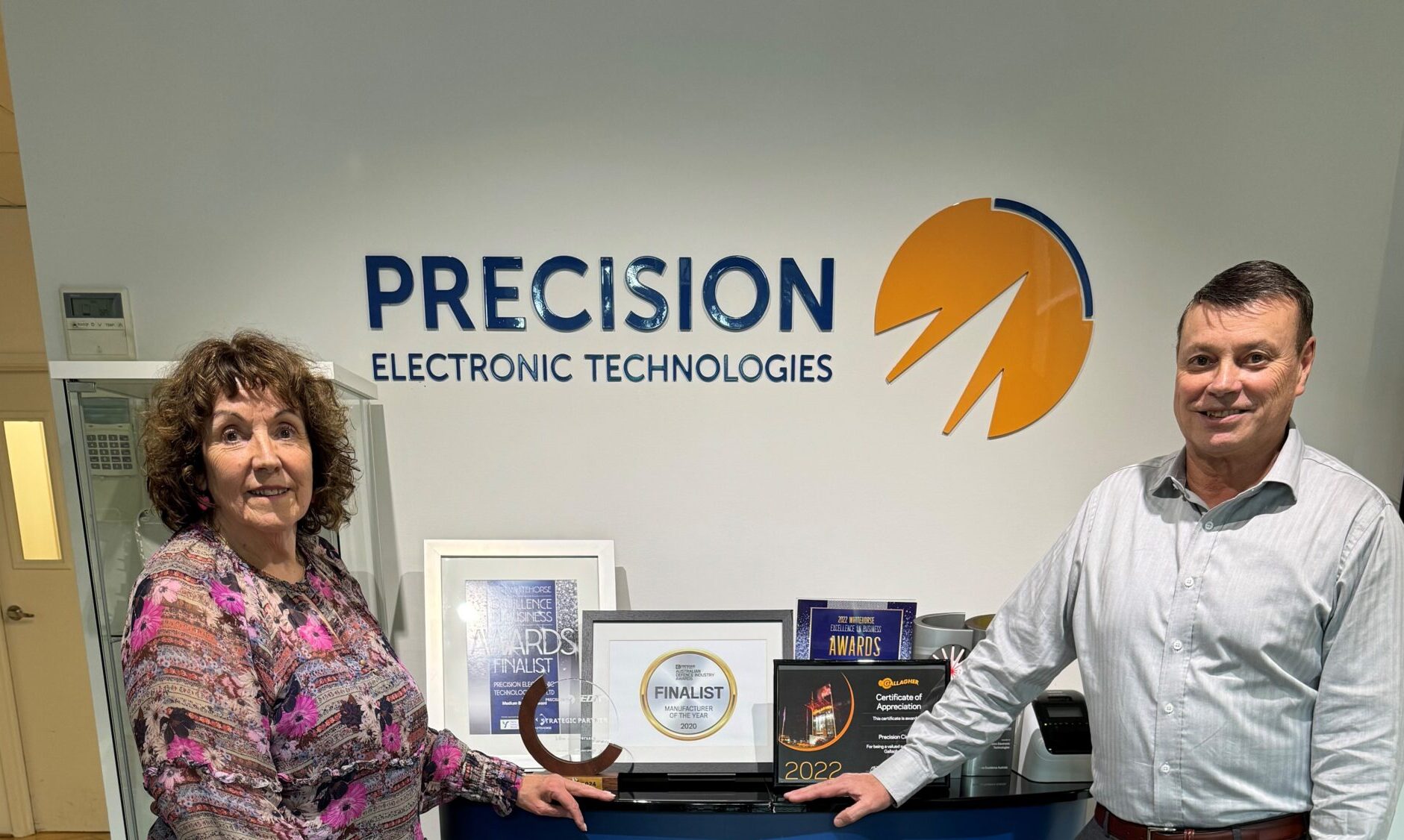
Joe and Dot Hernandez are proud supporters of the Bionics Institute’s vision to solve medical challenges with innovation.
Through Precision Electronic Technologies, it is our pleasure to be able to make meaningful contributions to the Bionics Institute’s groundbreaking research. Joe and Dot Hernandez, Precision Electronic Technologies
Precision Electronic Technologies is renowned for excellence in electronic manufacturing and has a legacy of innovation – being one of the first Australian companies to manufacture printed circuit boards in the 1950’s. Today, Precision Electronic Technologies services customers from Australia and around the world, some of which are med tech companies.
Joe and Dot have chosen to support the Bionics Institute’s work via regular corporate giving, joining a growing number of companies focused on giving back to the community through charities.
The Hernandez’s encourage other businesses to consider making charitable contributions as they’ve seen many positives from taking part in corporate giving.
“We feel that it is very important for companies to give to charitable causes such as the Bionics Institute.”
“The positive outcomes for companies, such as team building, employee morale and goodwill makes supporting the Bionics Institute all the more worthwhile,” Joe and Dot added.
The Hernandez’s comments reflect the findings of recent studies which suggest that supporting charitable causes helped with employee satisfaction, engagement and retention (1.) This includes a Harvard Business School study which reported that 90% of employees working at companies with a connection to a social purpose indicated they felt more motivated, loyal and inspired as a result.
There are multiple ways to take part in corporate giving, including corporate partnerships through cash and in-kind sponsorship, donation matching to multiply your impact, or companies can support employees through workplace giving.
To learn more, visit our corporate giving page.
You might be interested in…
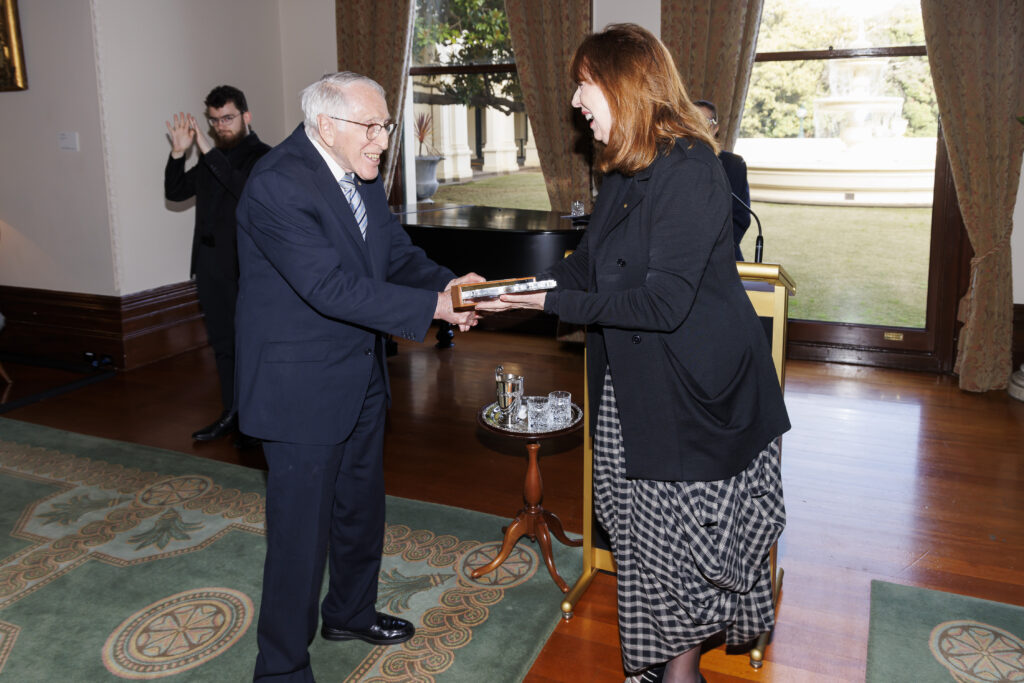
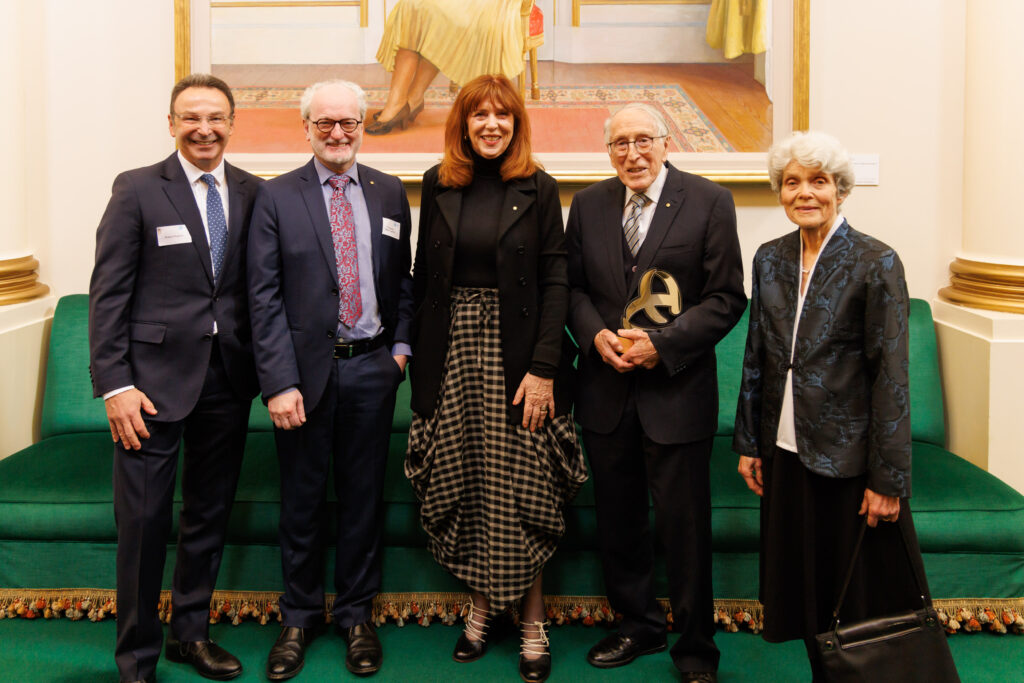
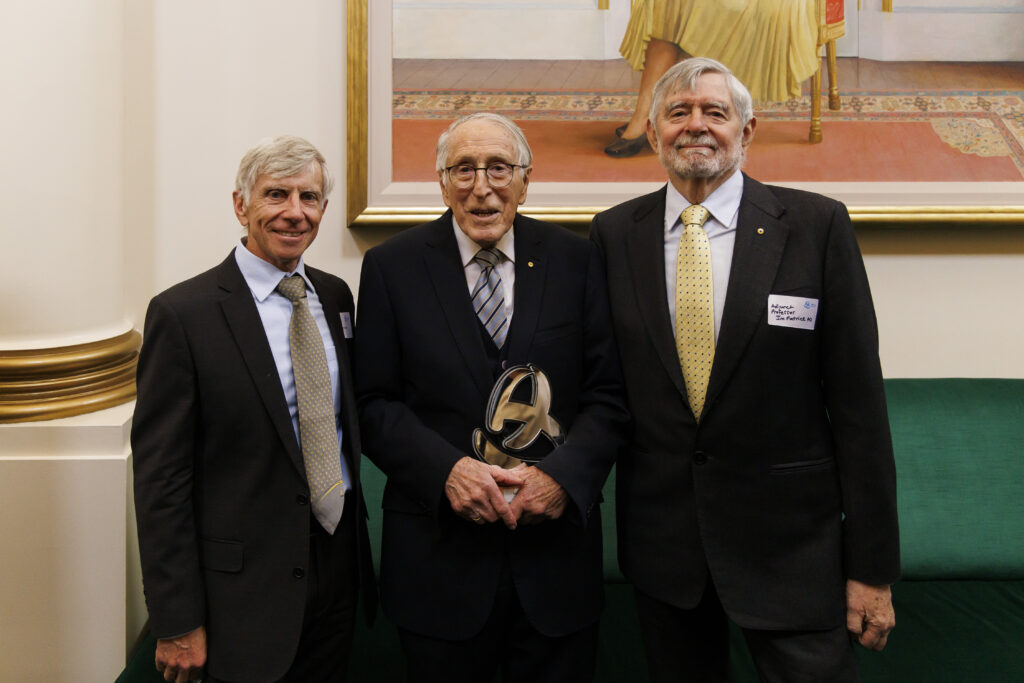
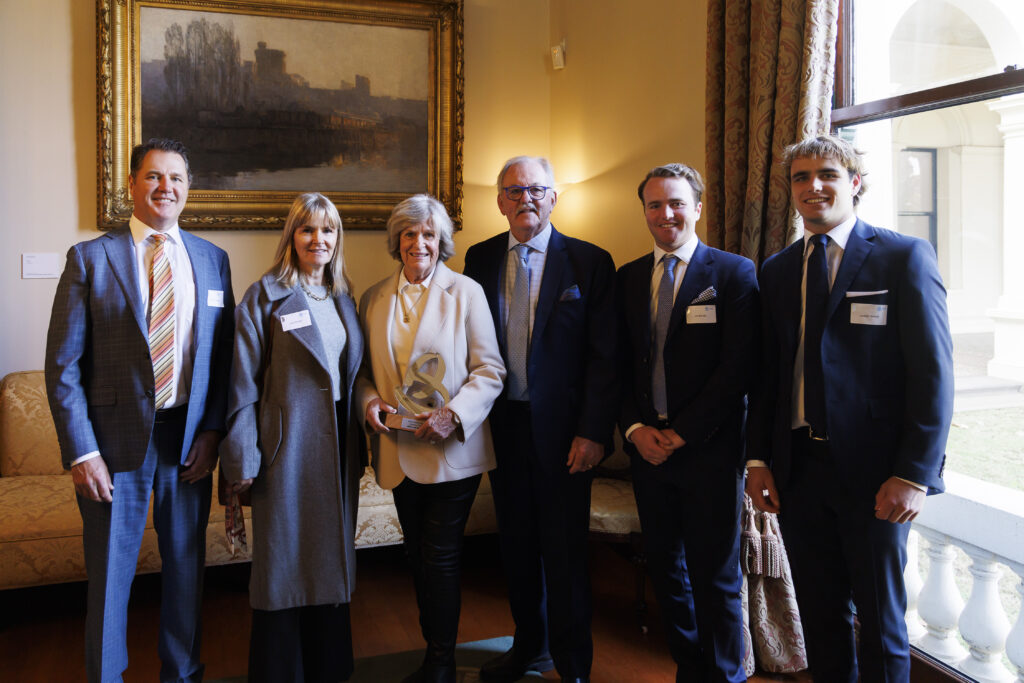
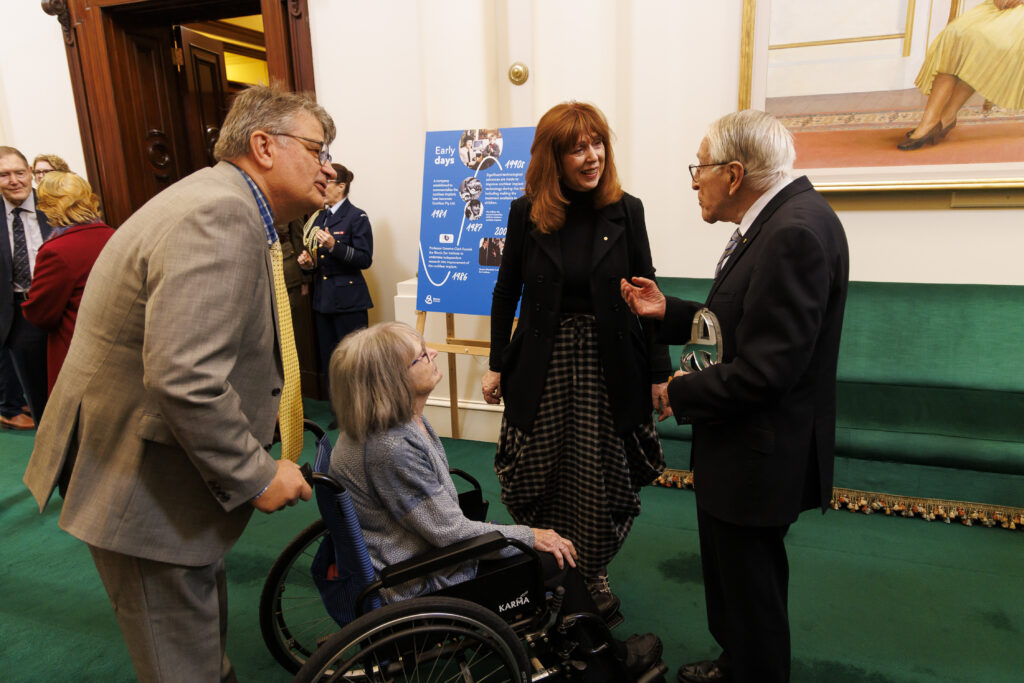
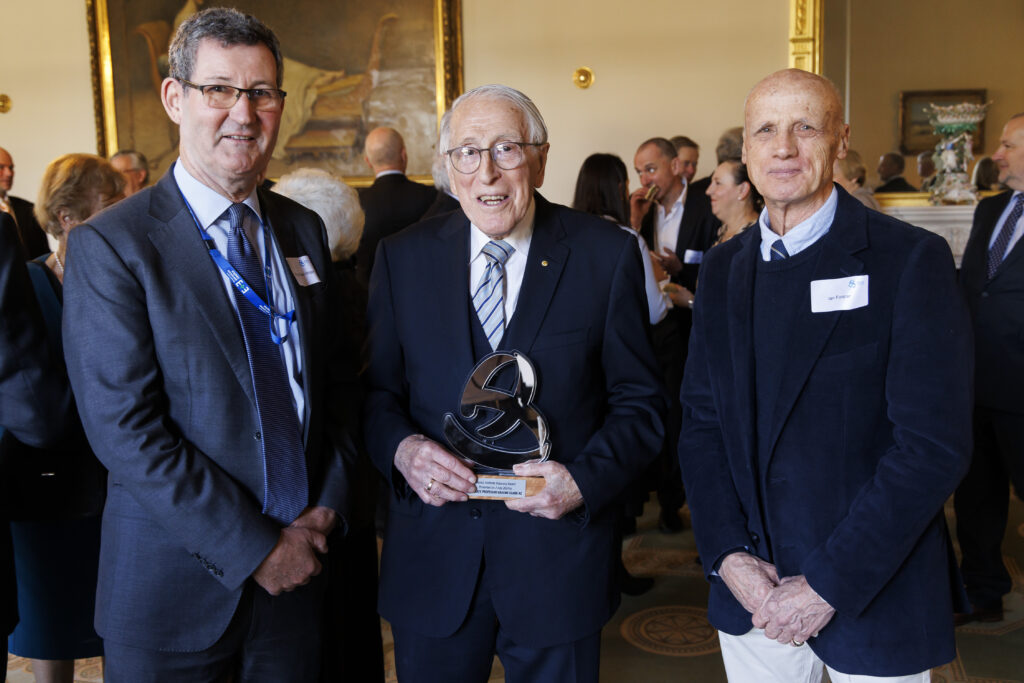
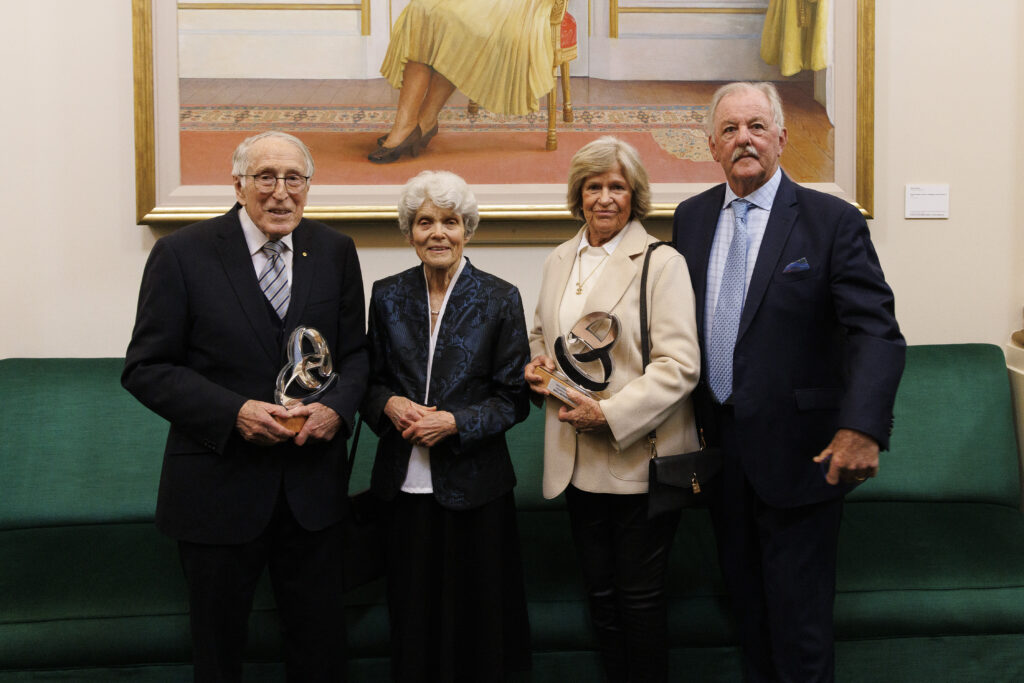
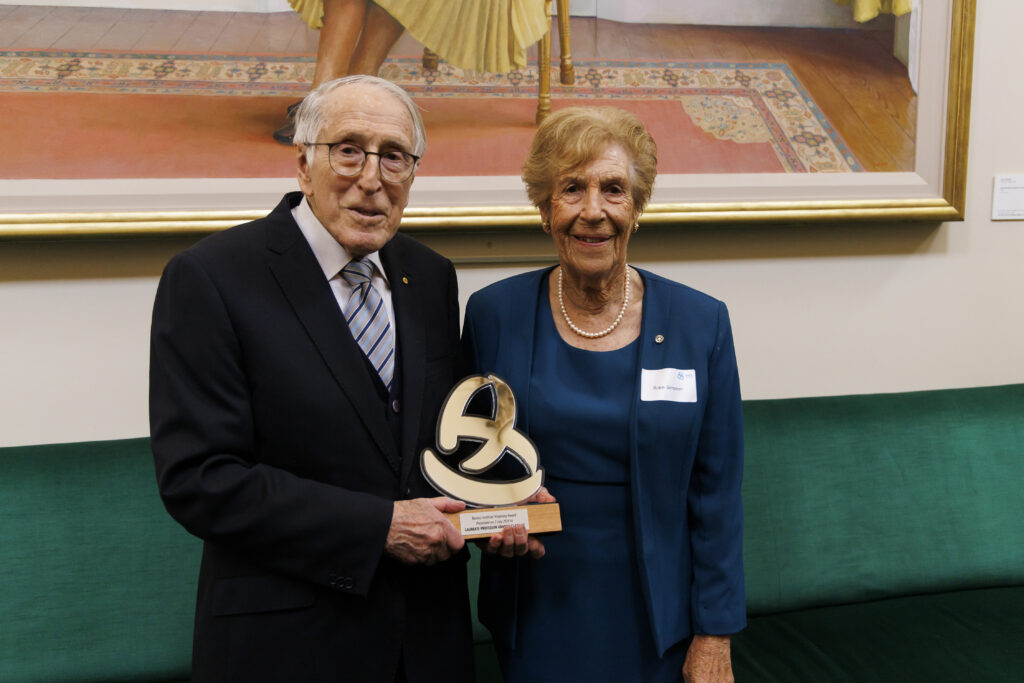
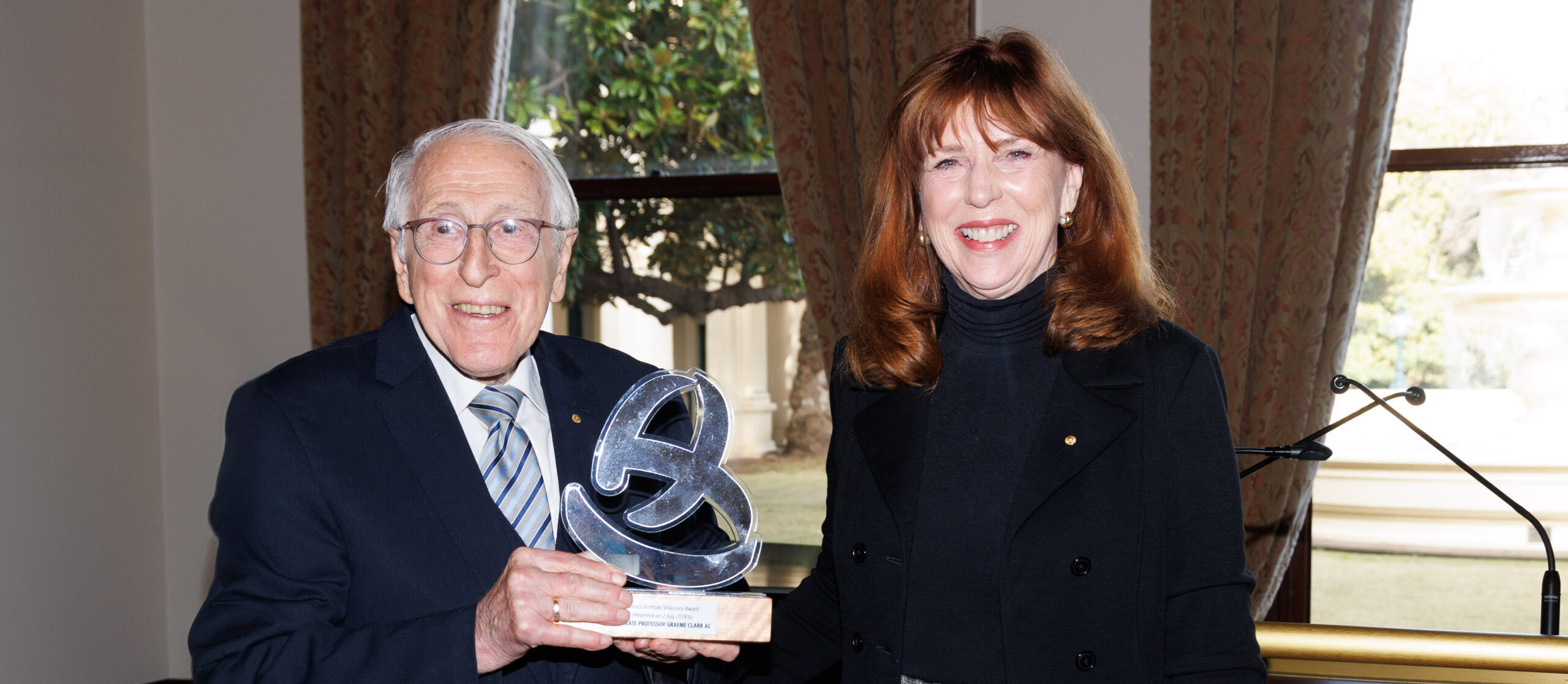
The Bionics Institute Celebration Event held at Government House marked 46 years since the first cochlear implant surgery performed by Laureate Professor Graeme Clark AC, one of Australia’s greatest medical breakthroughs.
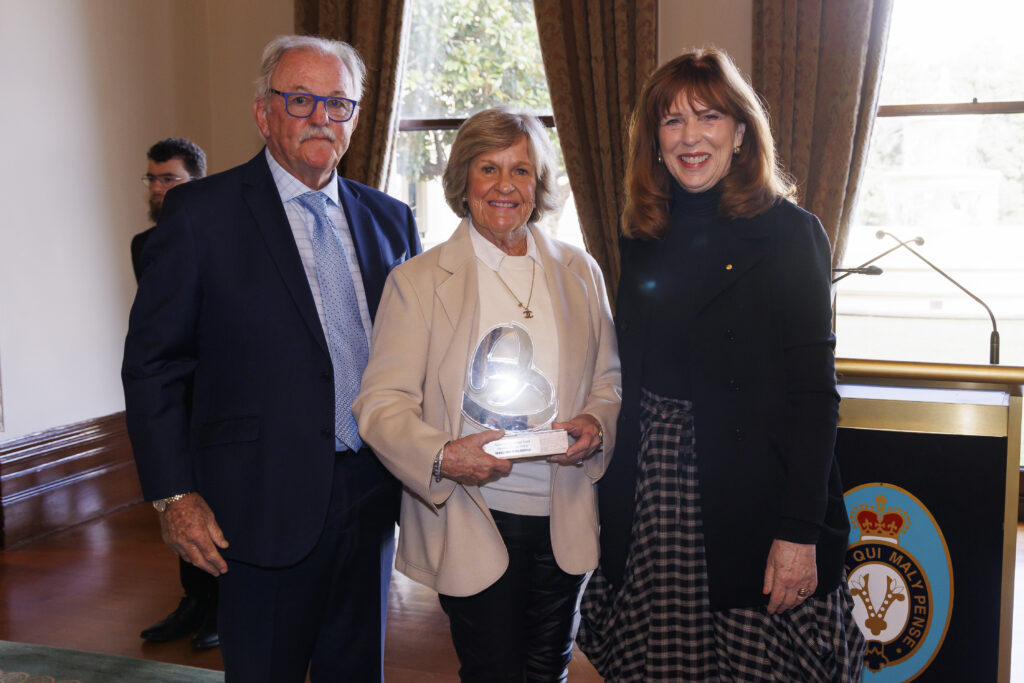
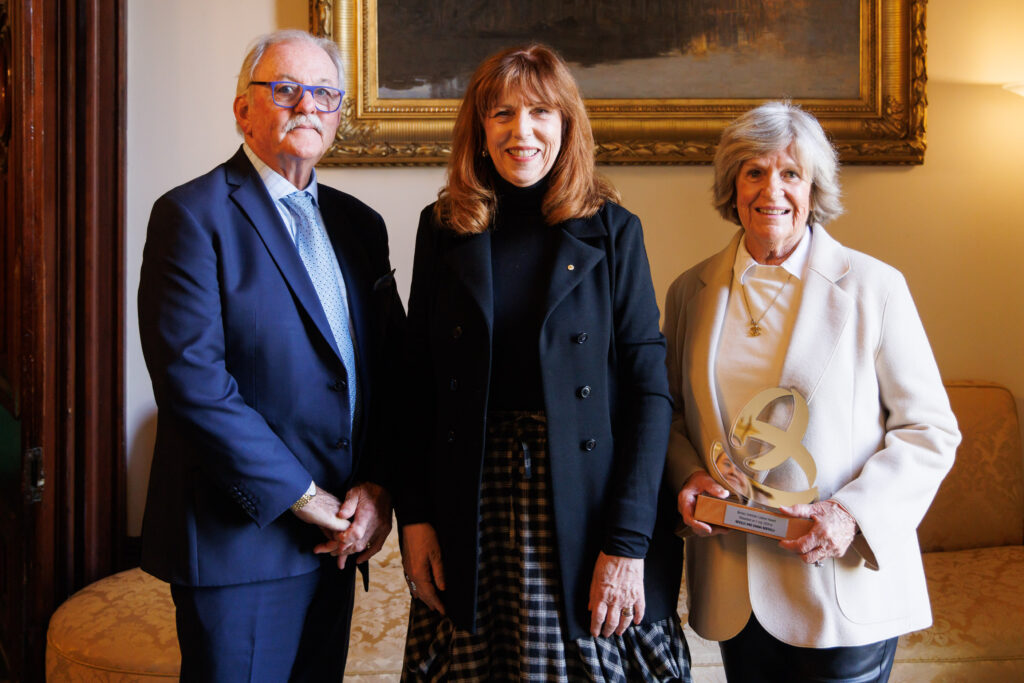
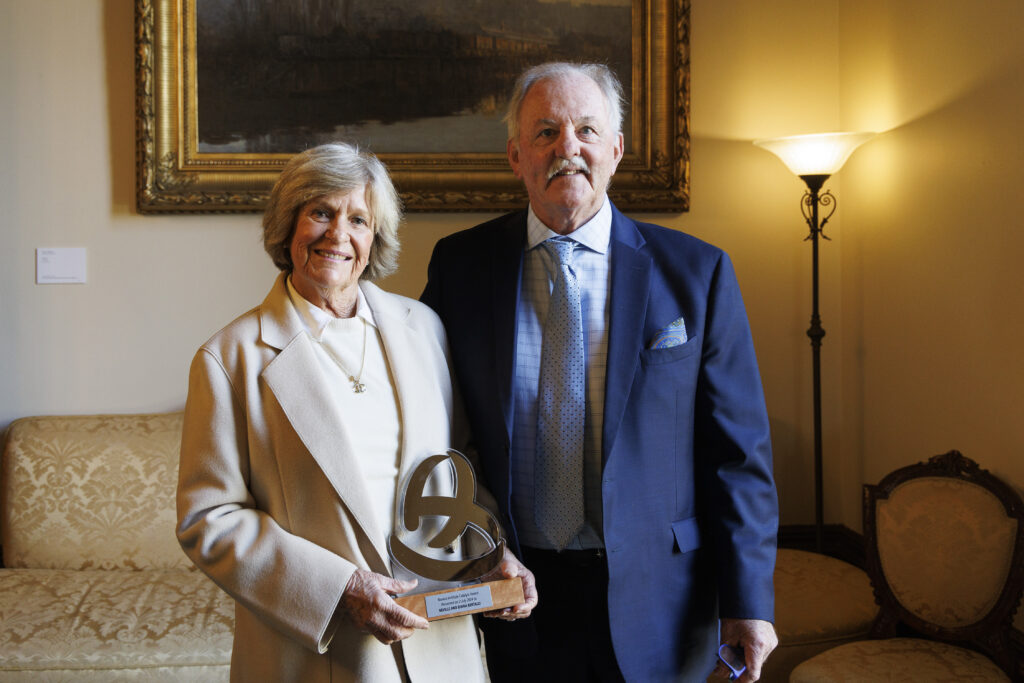
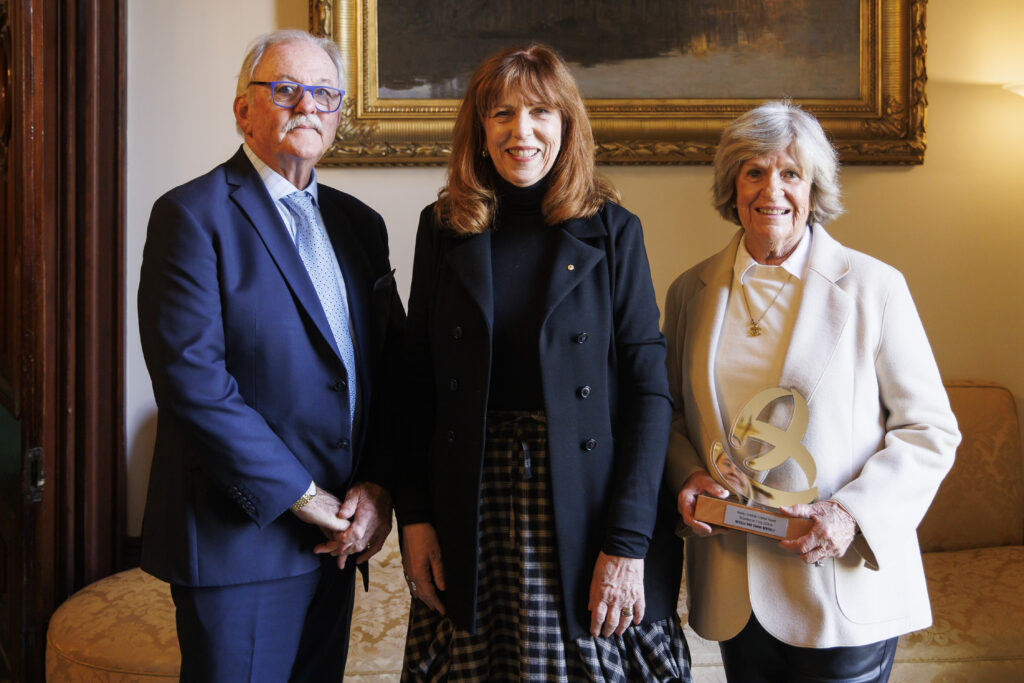
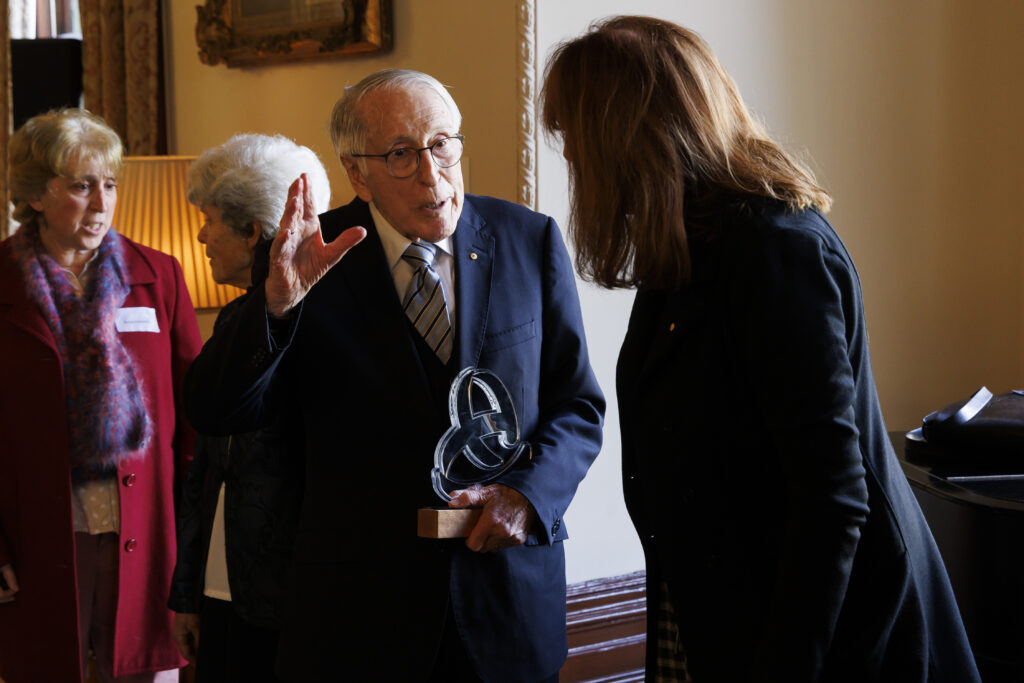
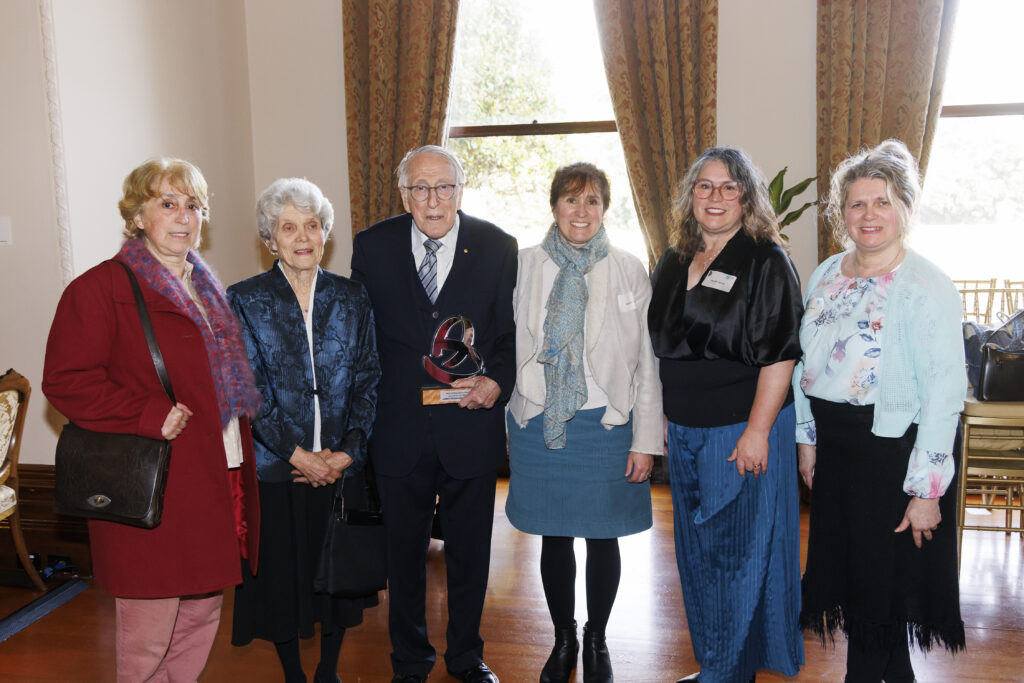
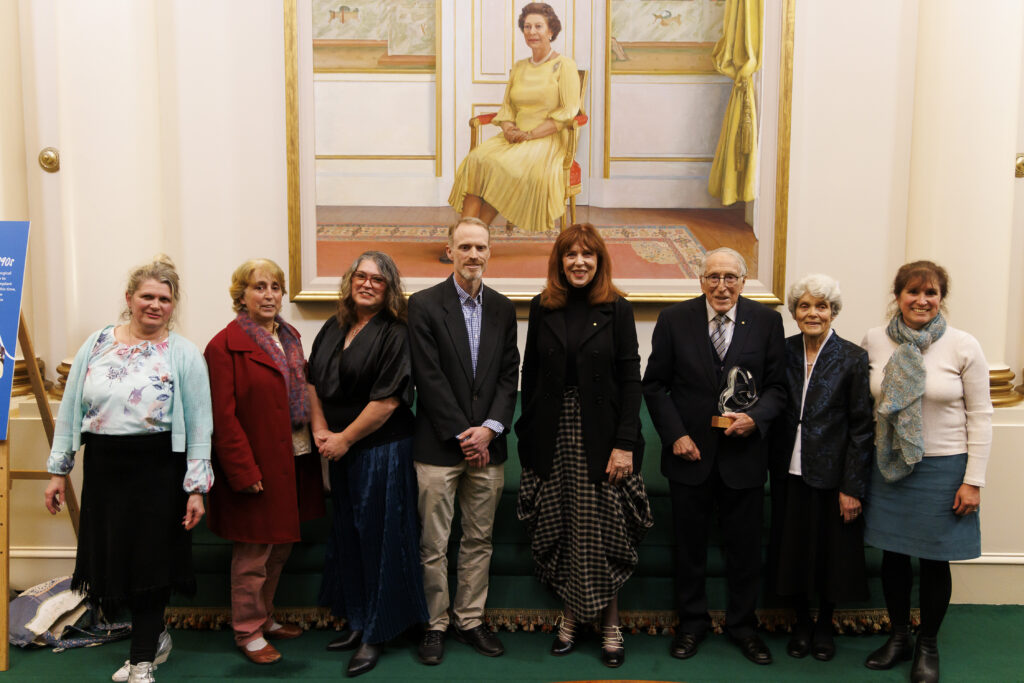
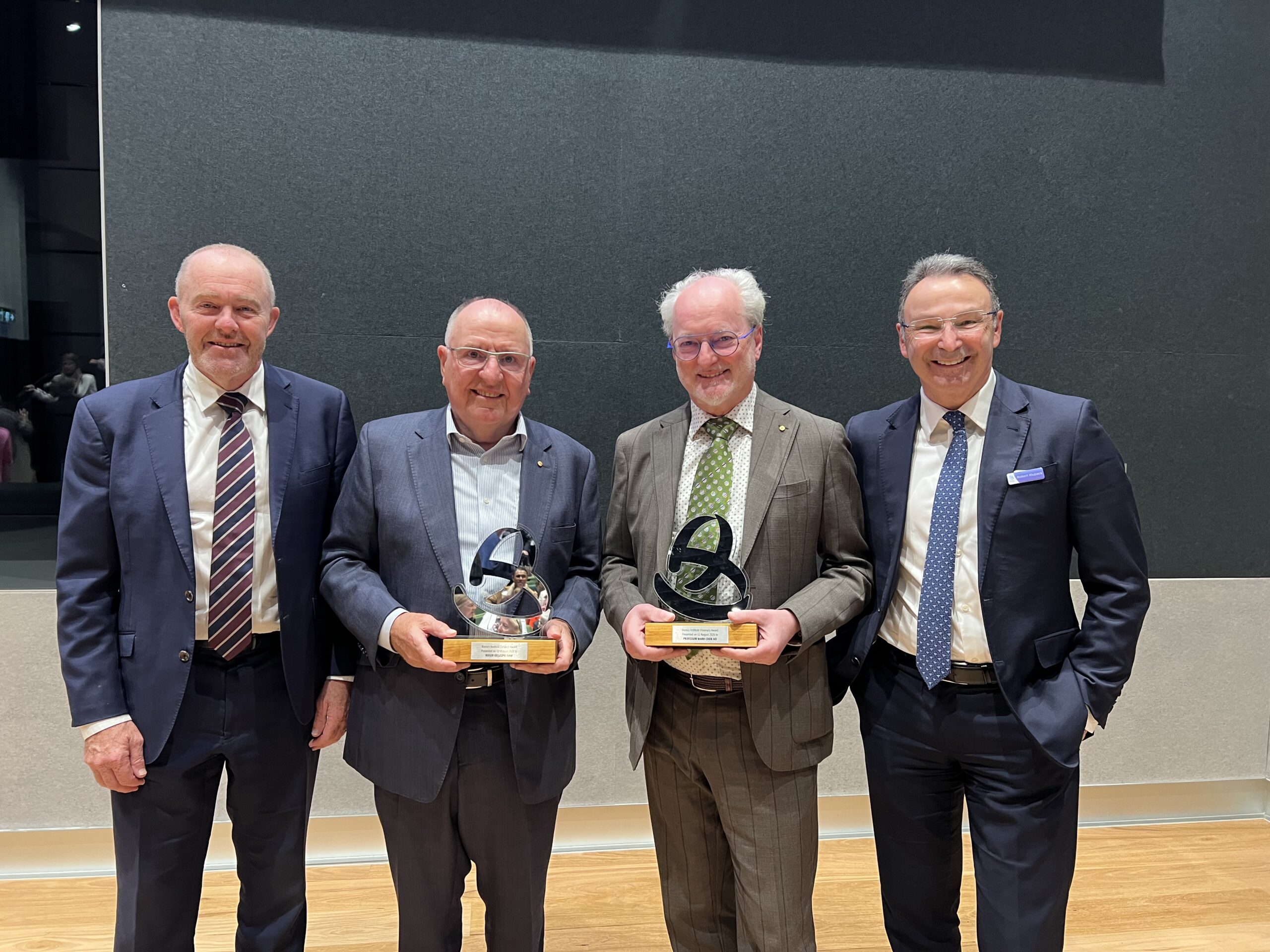
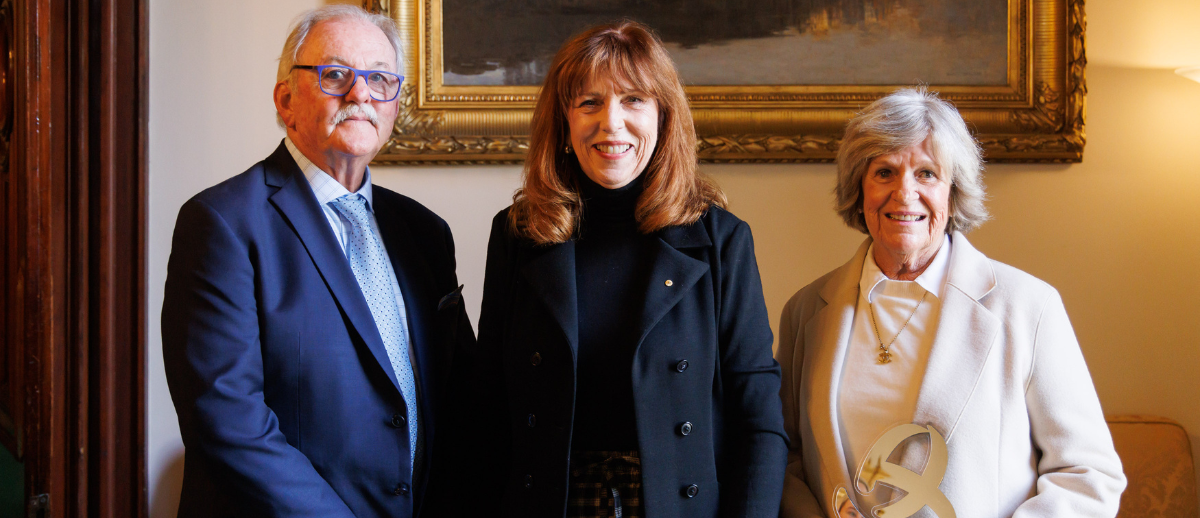
The Bionics Institute was proud to present two distinguished awards, presented by Her Excellency, Professor, the Honourable Margaret Gardner AC:
• Laureate Professor Graeme Clark AC, who received the Bionics Institute Visionary Award in recognition of his immense contribution to science and society.
• Neville and Di Bertalli, for their continued commitment to supporting the advancement of medical research.
We thank all those who have supported the Bionics Institute for your generous support. Your kindness helps us continue to grow and expand research and innovate cutting-edge medical devices to solve medical challenges and transform even more lives.