
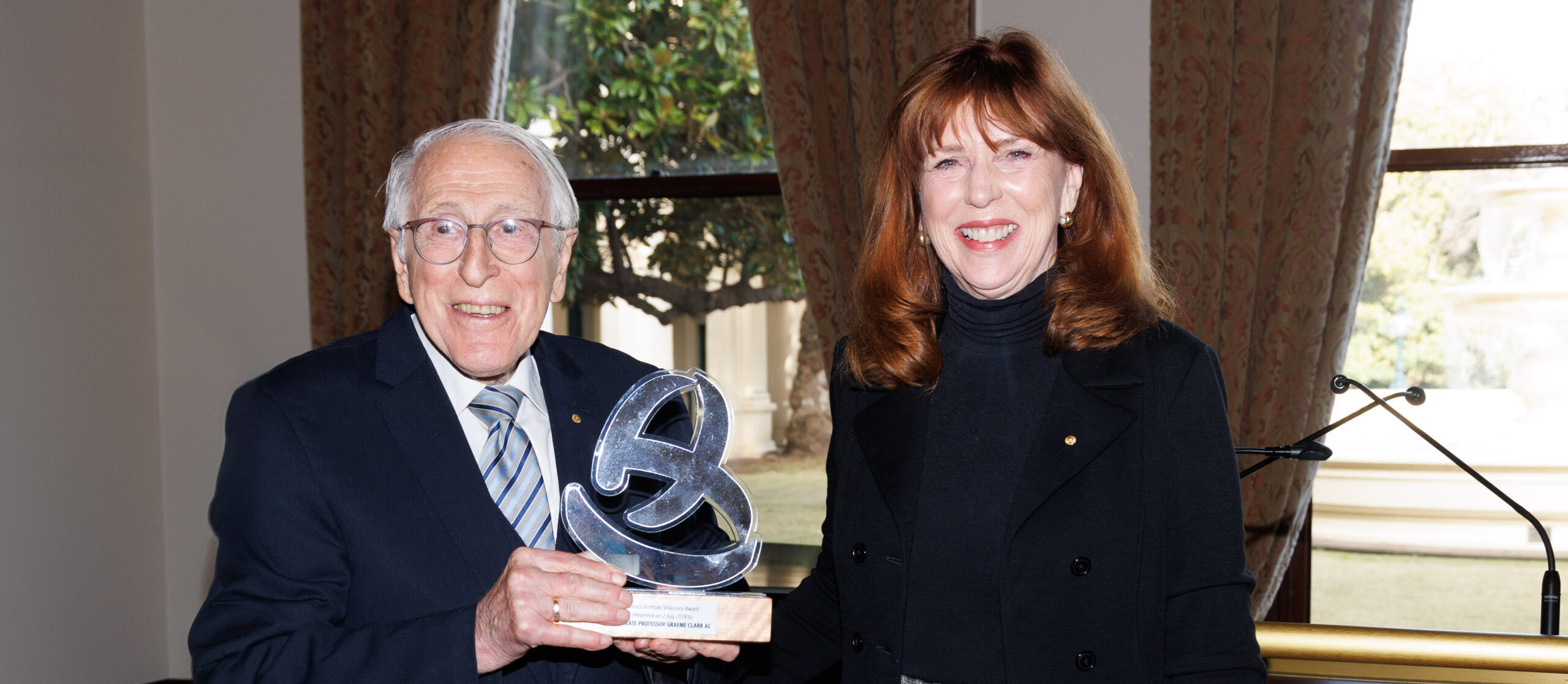
Laureate Professor Graeme Clark AC was presented with the Bionics Institute Visionary Award at a Government House Victoria celebration of his first bionic ear implant in recognition of his immense contribution to society.
Her Excellency, Professor, the Honourable Margaret Gardner AC, Governor of Victoria, kindly hosted a celebration of the 46th anniversary of the successful implantation of the first multi-channel cochlear implant on 2 July, and personally thanked Professor Clark for transforming the lives of people with hearing loss.
One of Australia’s greatest medical research breakthroughs, the cochlear implant was invented and developed by Professor Clark’s team at the University of Melbourne, and first implanted in Rod Saunders at the Royal Victorian Eye and Ear Hospital in 1978.
“The invention of the cochlear implant has enriched the lives of countless people and is an early example of Victoria’s contribution as a global leader in medical research.” Her Excellency, Professor, the Honourable Margaret Gardner AC, Governor of Victoria
Professor Clark was inspired to help severely deaf people hear at an early age because he had a deaf father and always knew he “wanted to fix ears”, which led to him becoming an ear, nose and throat surgeon.
Professor Clark knew the cochlear implant operation on Rod Saunders was a success when his team developed a speech code for electrical stimulation of his brain that enabled him to recognise some words without any help from lipreading. He says he was so overcome with emotion he went quietly into the next-door lab and cried tears of joy.
The cochlear implant not only changed the way hearing loss is treated forever, but also led to Professor Graeme Clark founding the Bionics Institute in 1986 to continue development of the cochlear implant.
The improvements his team made to the implant in the years following the first successful implant were making a smarter speech code and using implants in each ear to make it easier to localise sound and hear in noise.
Professor Clark’s team worked closely with Cochlear Limited to ensure the device was smaller, safer and more reliable, and also worked with Cochlear to show how it should be used on young deaf children to allow them to achieve normal spoken language.
The Bionics Institute has remained at the forefront of hearing research since then, while also expanding into the development of medical devices to treat some of the world’s most challenging conditions, such as Crohn’s disease, rheumatoid arthritis and Alzheimer’s.
“I feel very honoured to receive the Bionic Institute’s Visionary Award, presented by Her Excellency, Professor, the Honourable Margaret Gardner AC, and am pleased the Bionics Institute is expanding our work to other areas.” Laureate Professor Graeme Clark AC
Professor Clark continued: “I am also excited the University of Melbourne has created the Graeme Clark Institute of Biomedical Engineering to integrate our research across disciplines to help those with disabilities, and it is good the Graeme Clark Foundation is raising funds to help poor and disadvantaged people in Australia and overseas.”
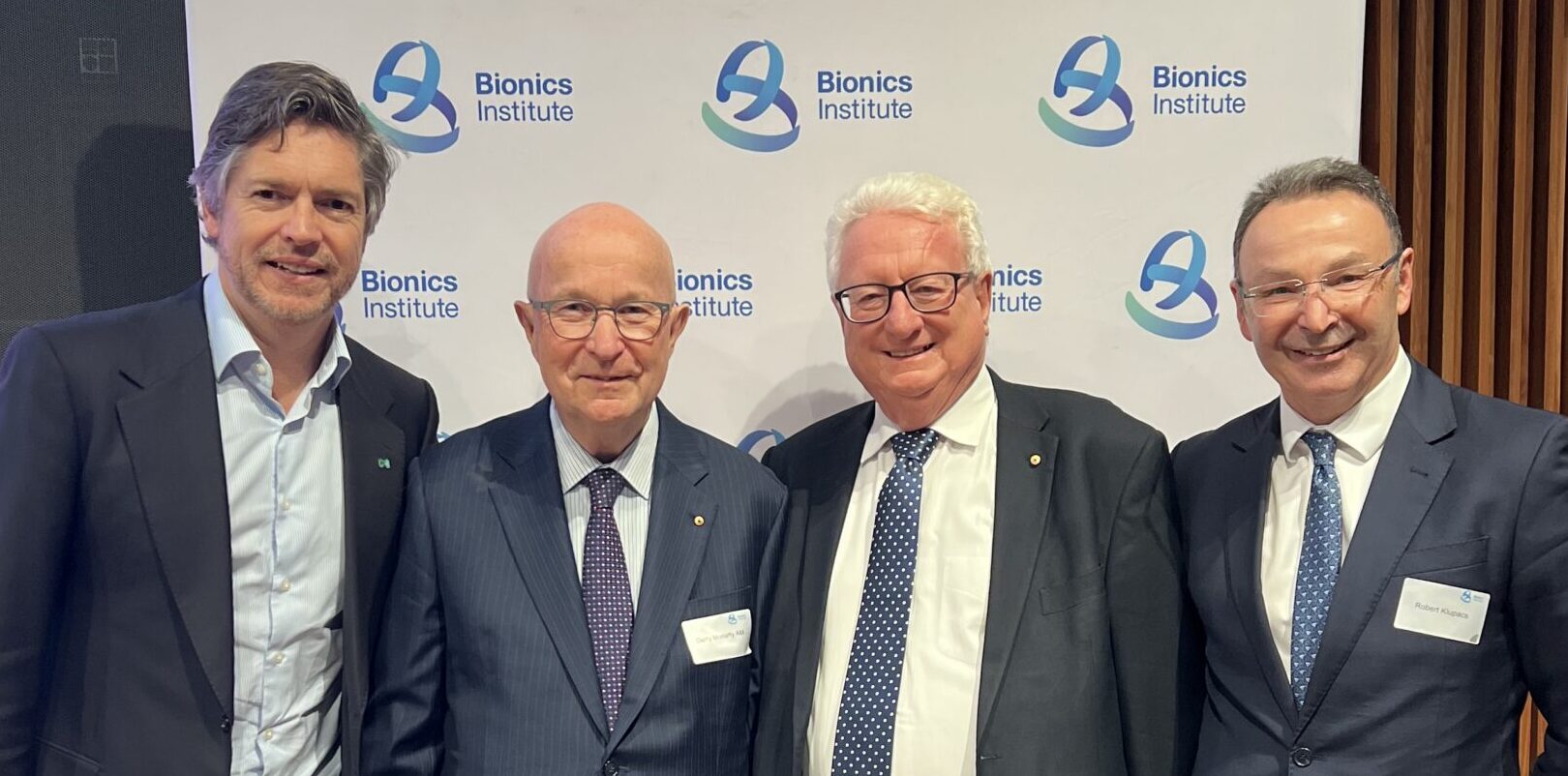
At the celebration event, Robert Klupacs, Bionics Institute CEO gave a warm welcome to Professor Clark and his wife, Margaret, members of the original research team, representatives from the University of Melbourne, the Eye and Ear Hospital and Cochlear Ltd.
“The Bionics Institute’s journey began with development of the cochlear implant that positively impacted the lives of so many people. Thank you, Professor Clark, you are an inspiration. We are honoured to recognise your support with the Bionics Institute Visionary Award.” Robert Klupacs, Bionics Institute CEO
You might be interested in…
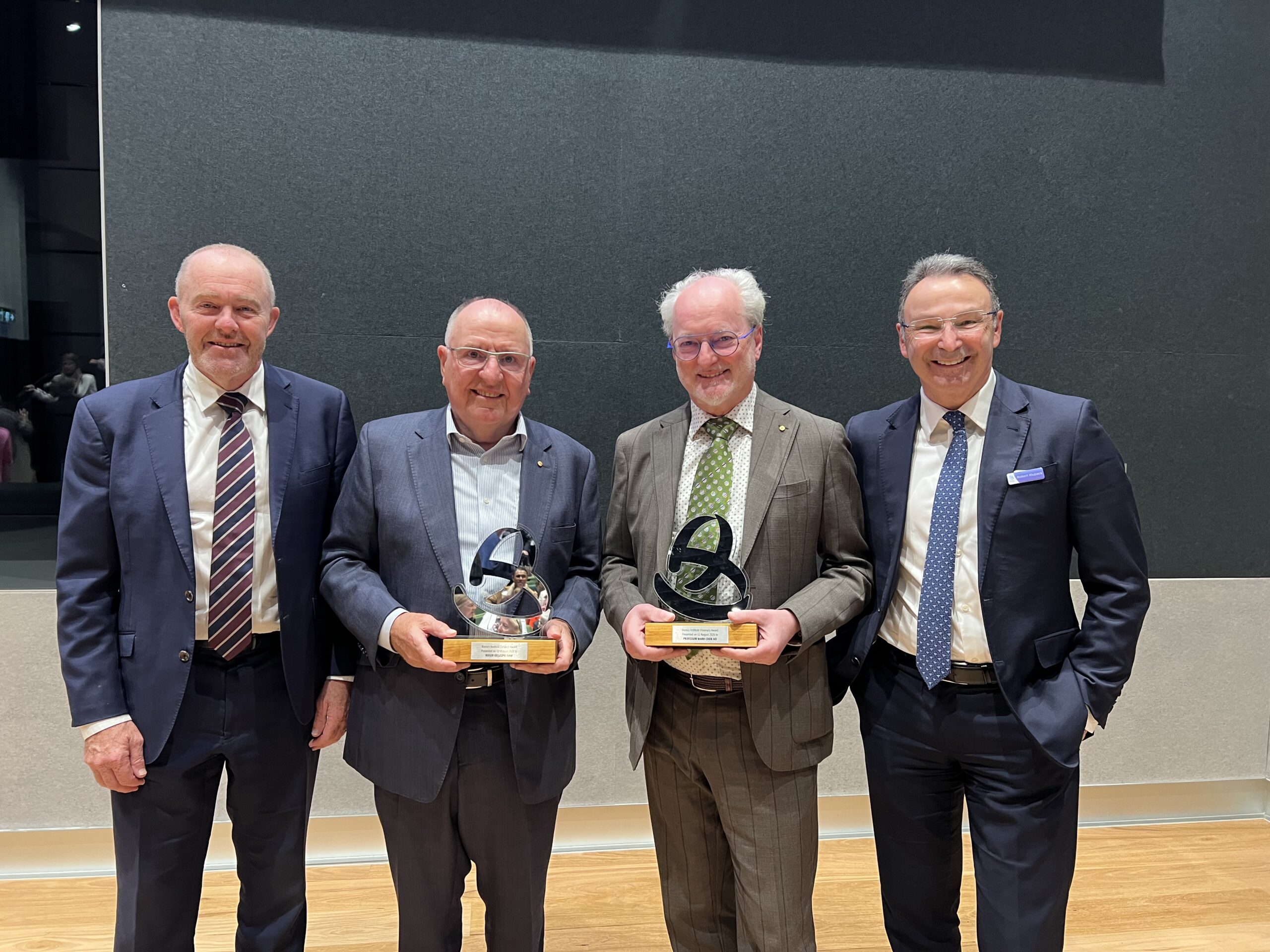

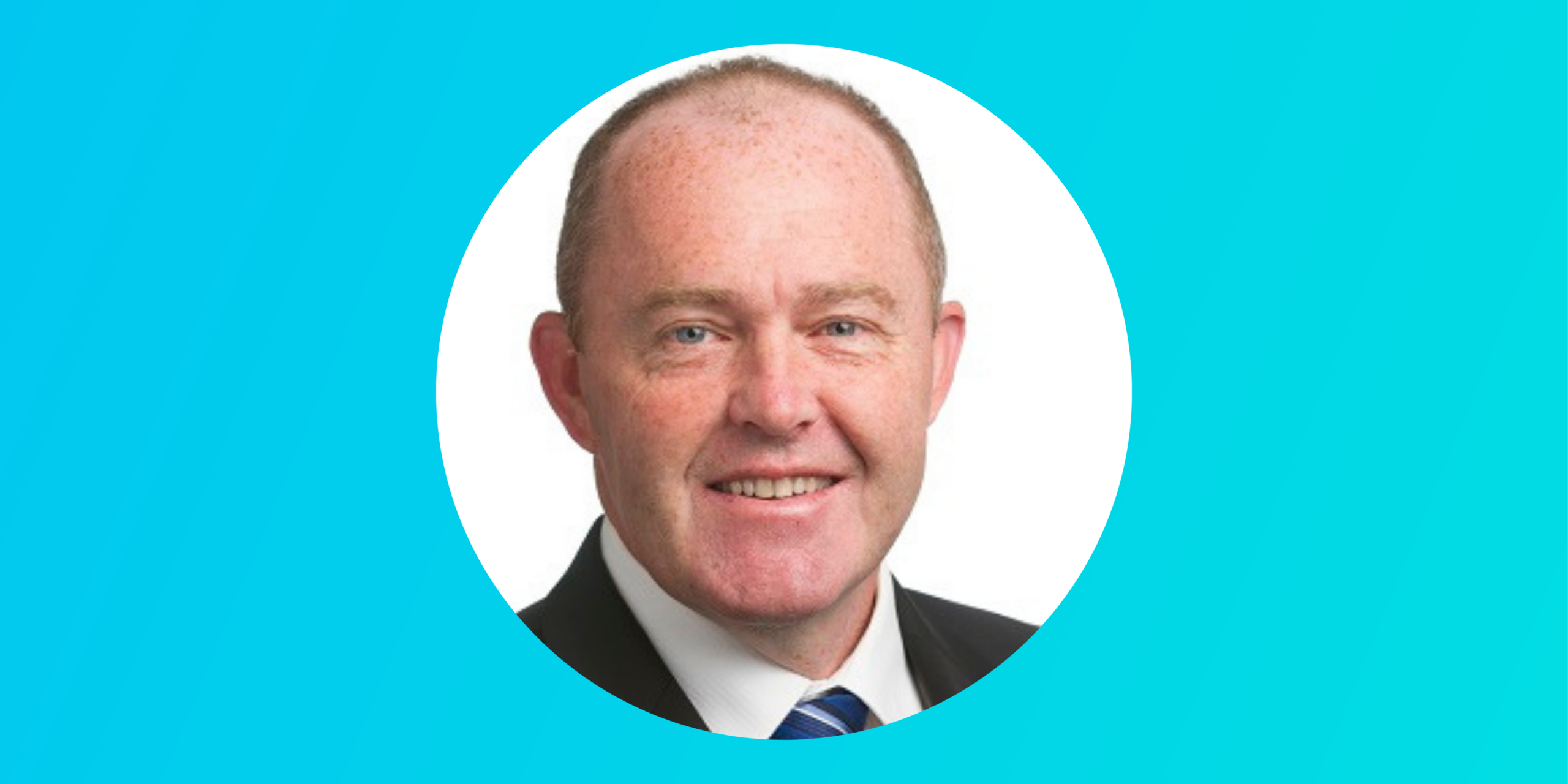
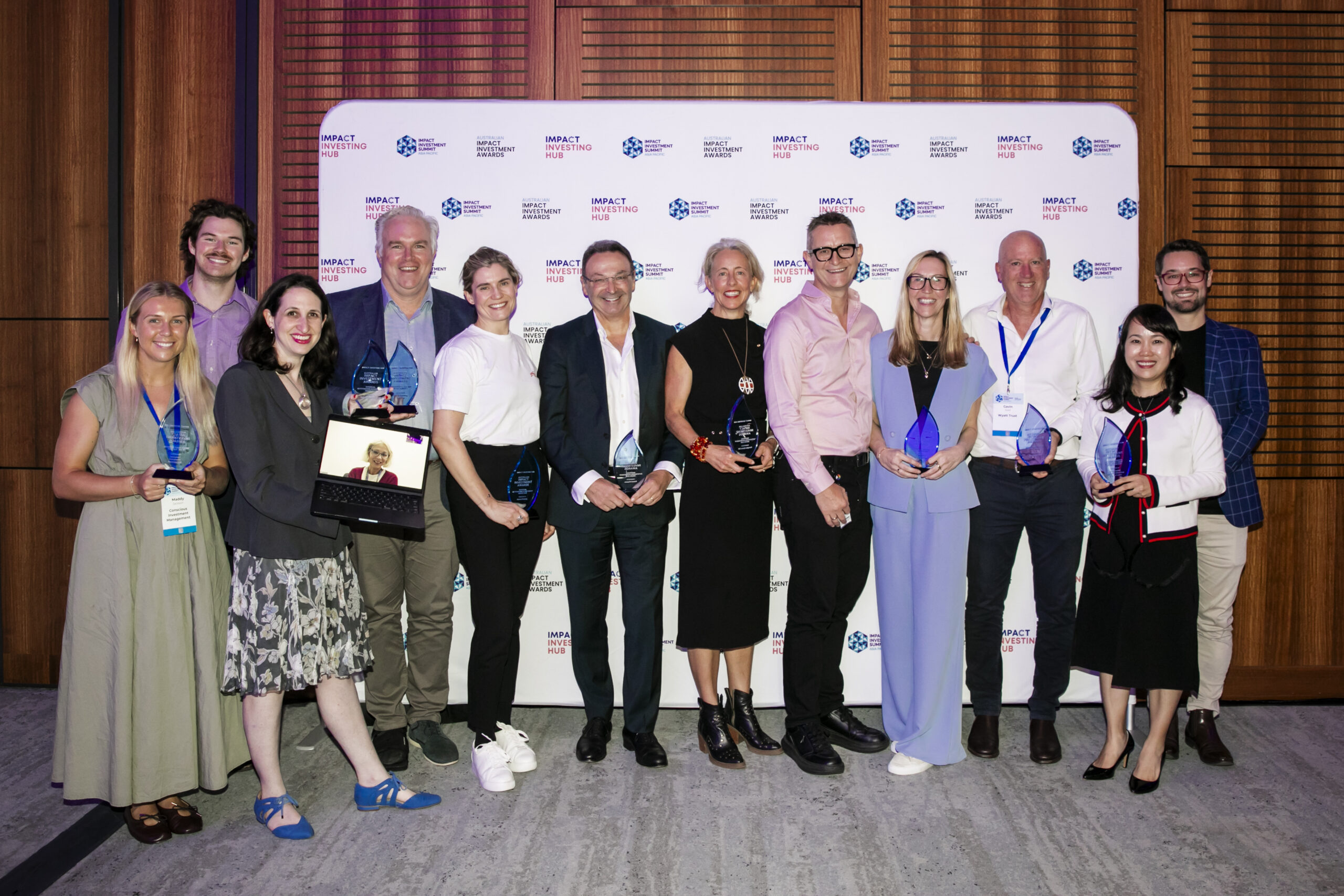
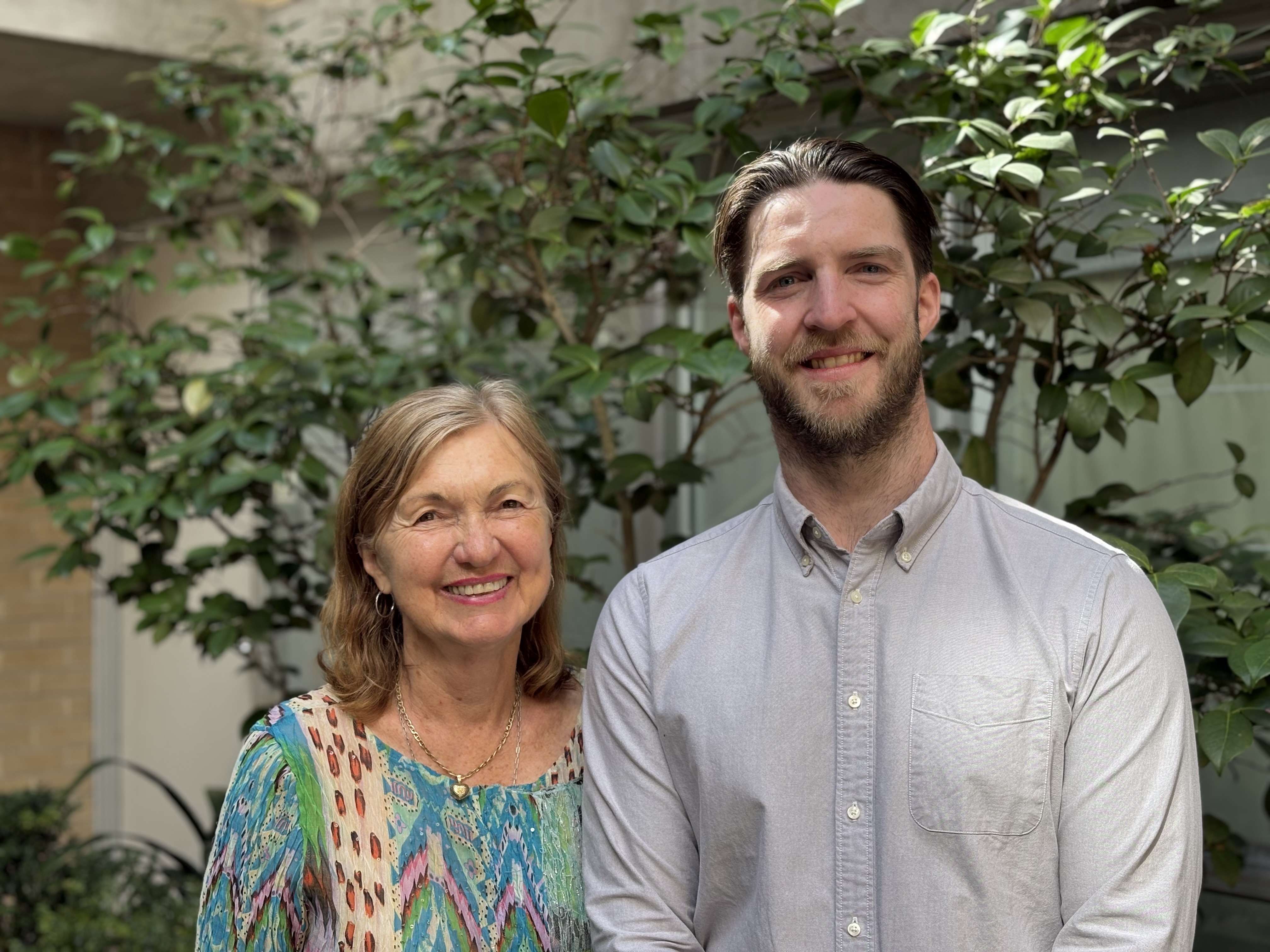






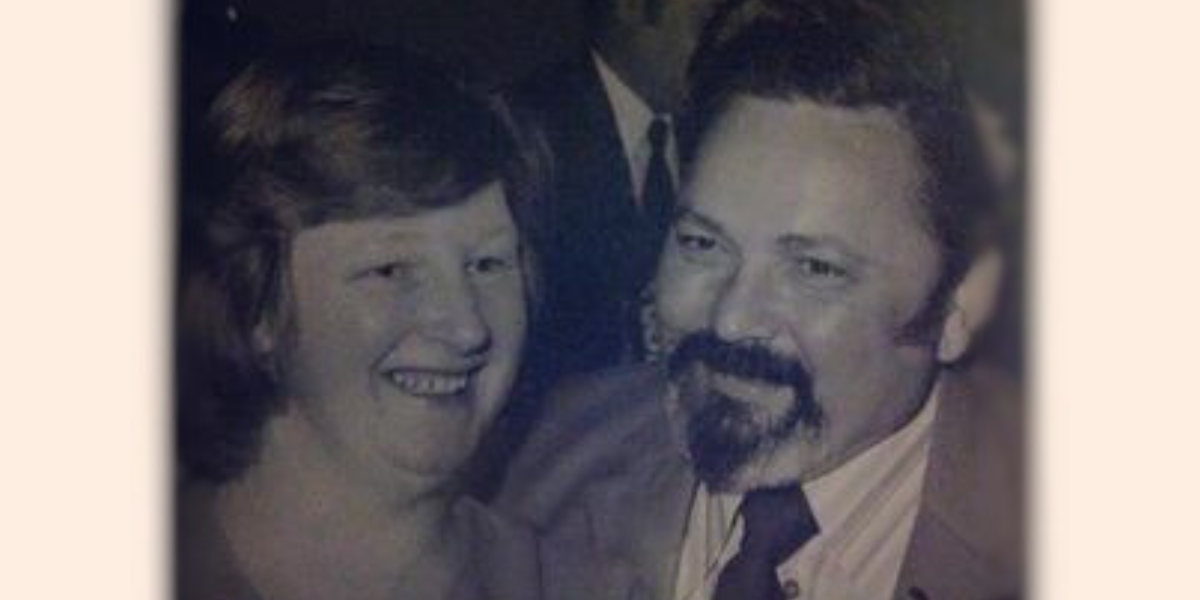






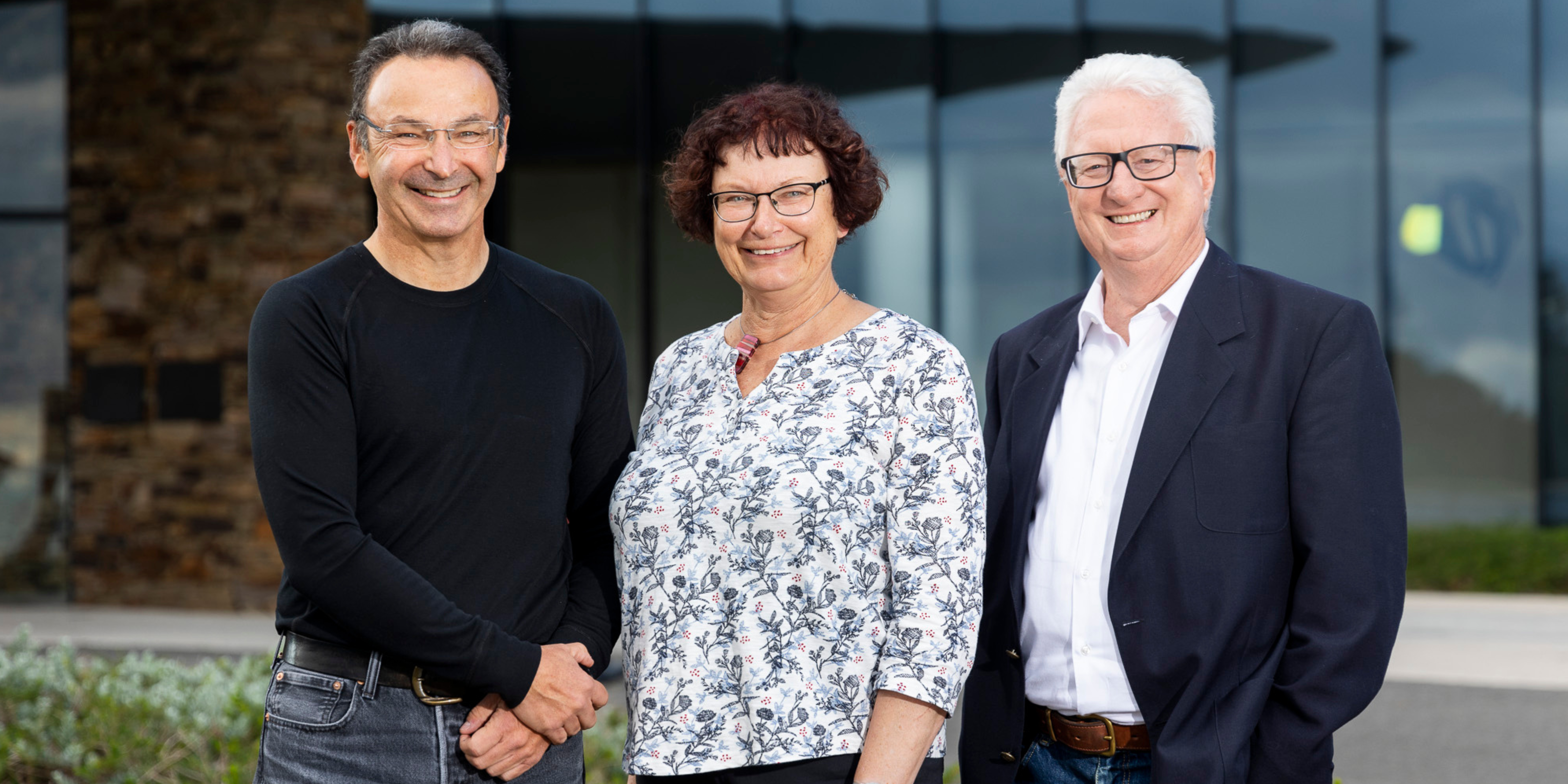

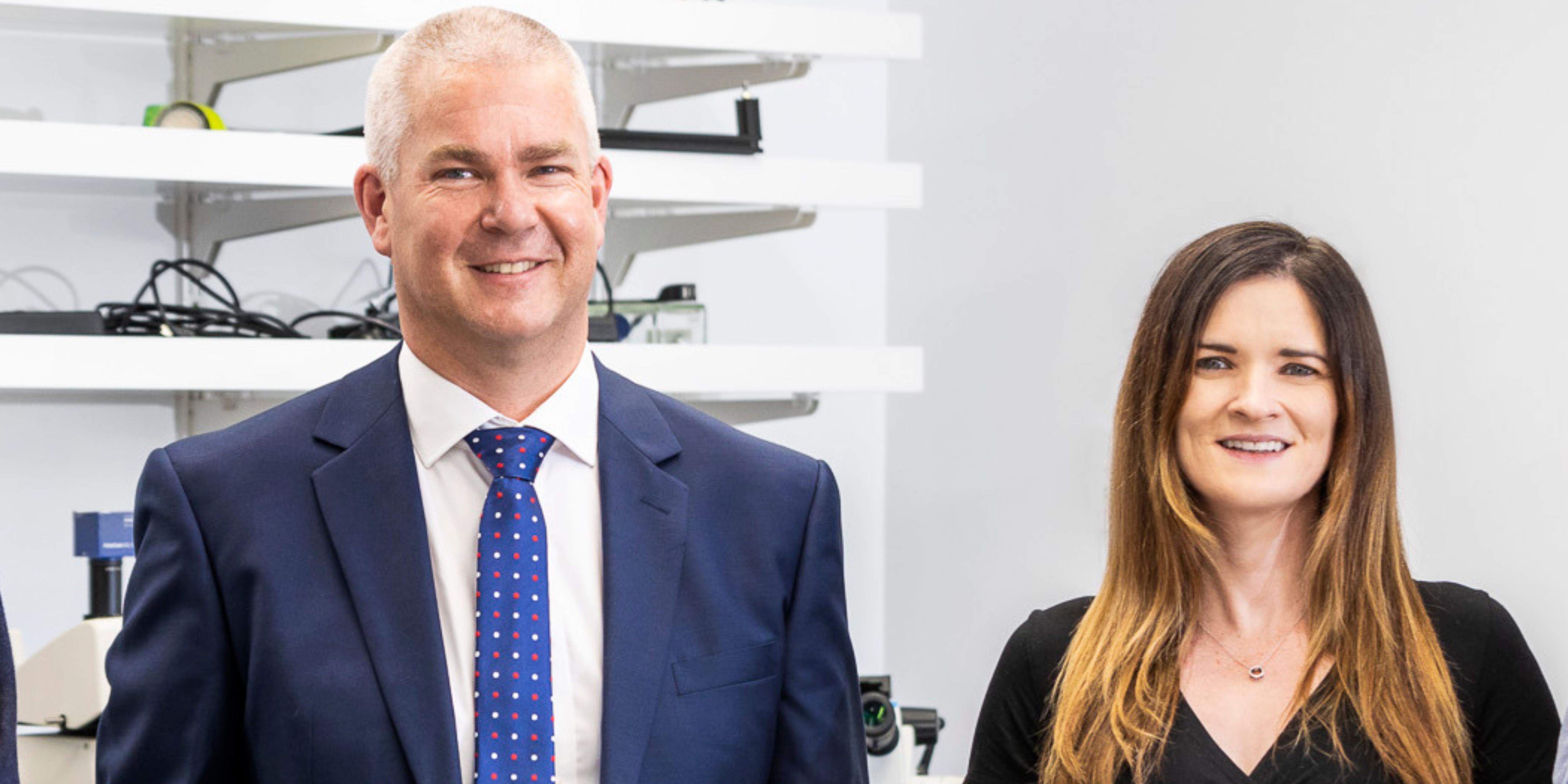

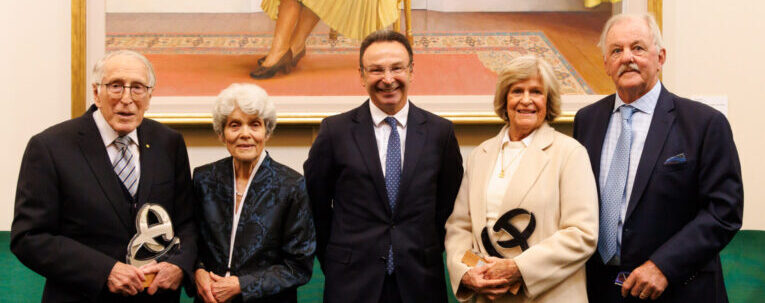


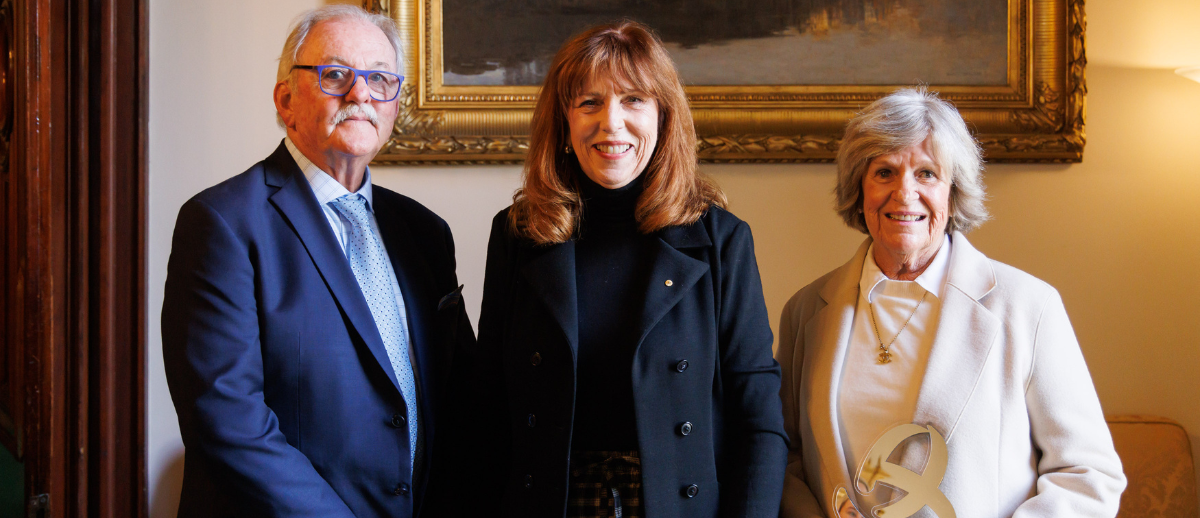














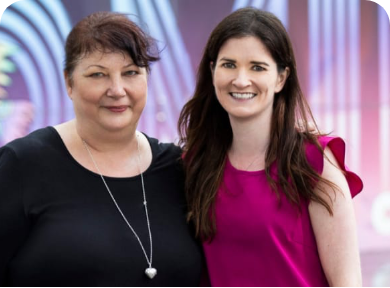
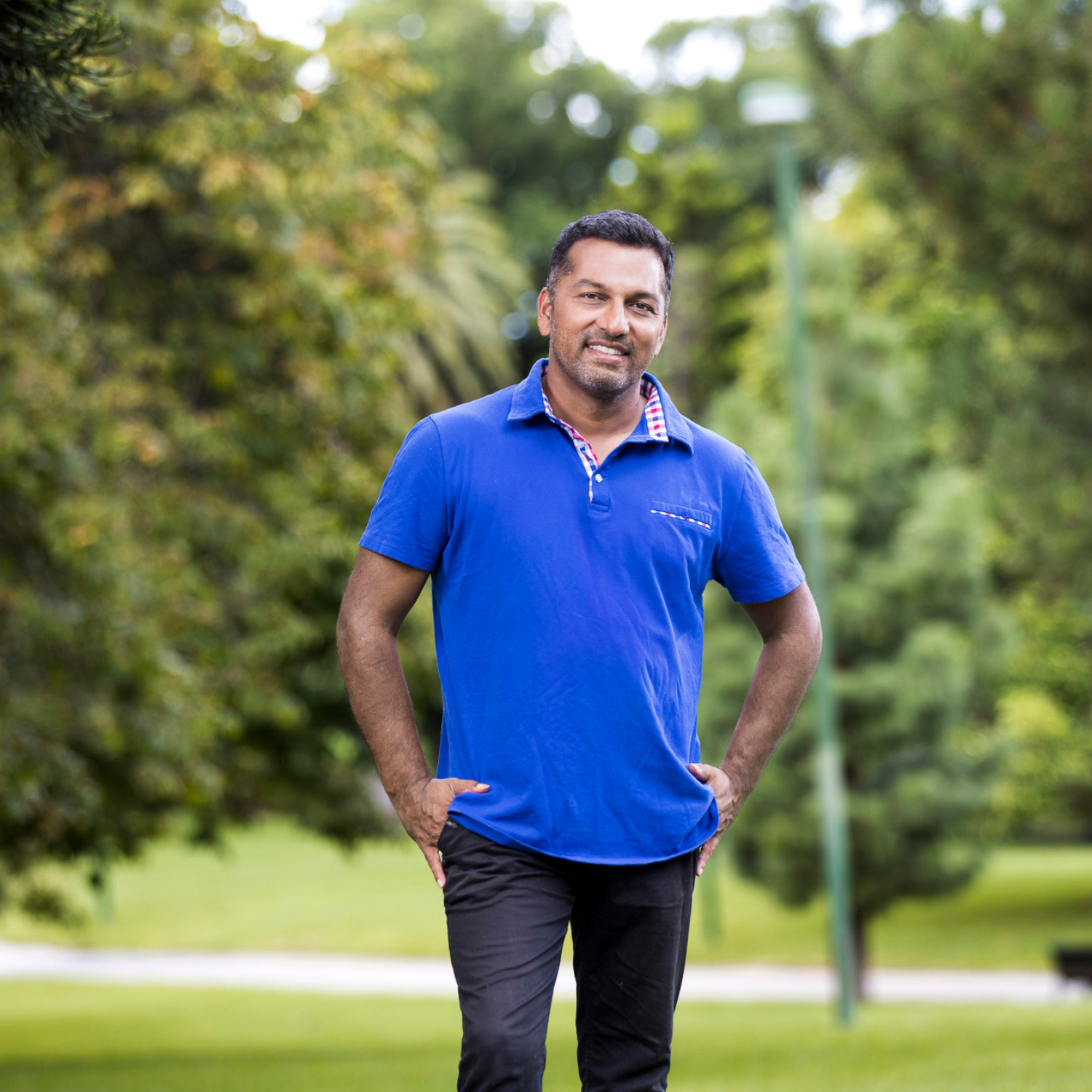



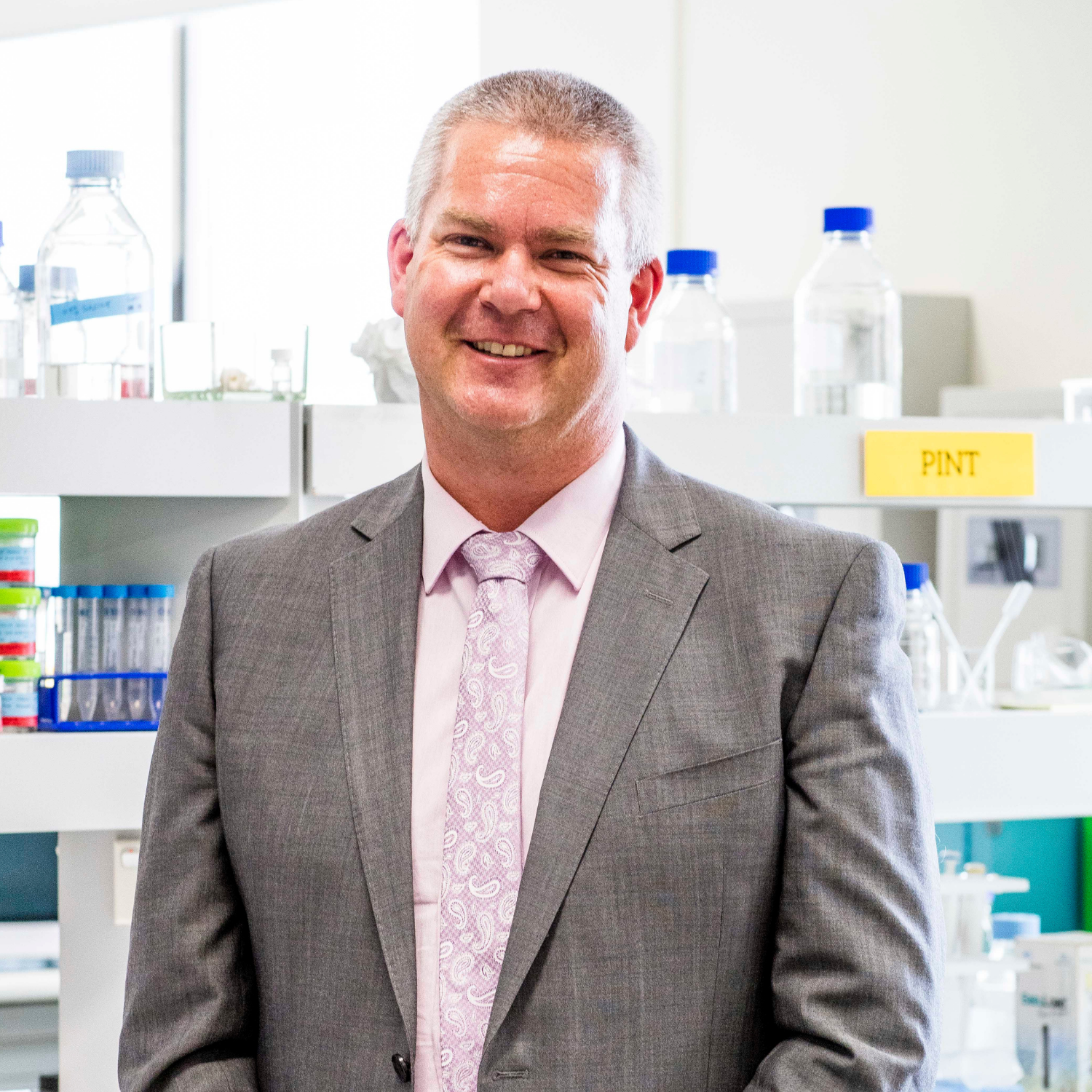


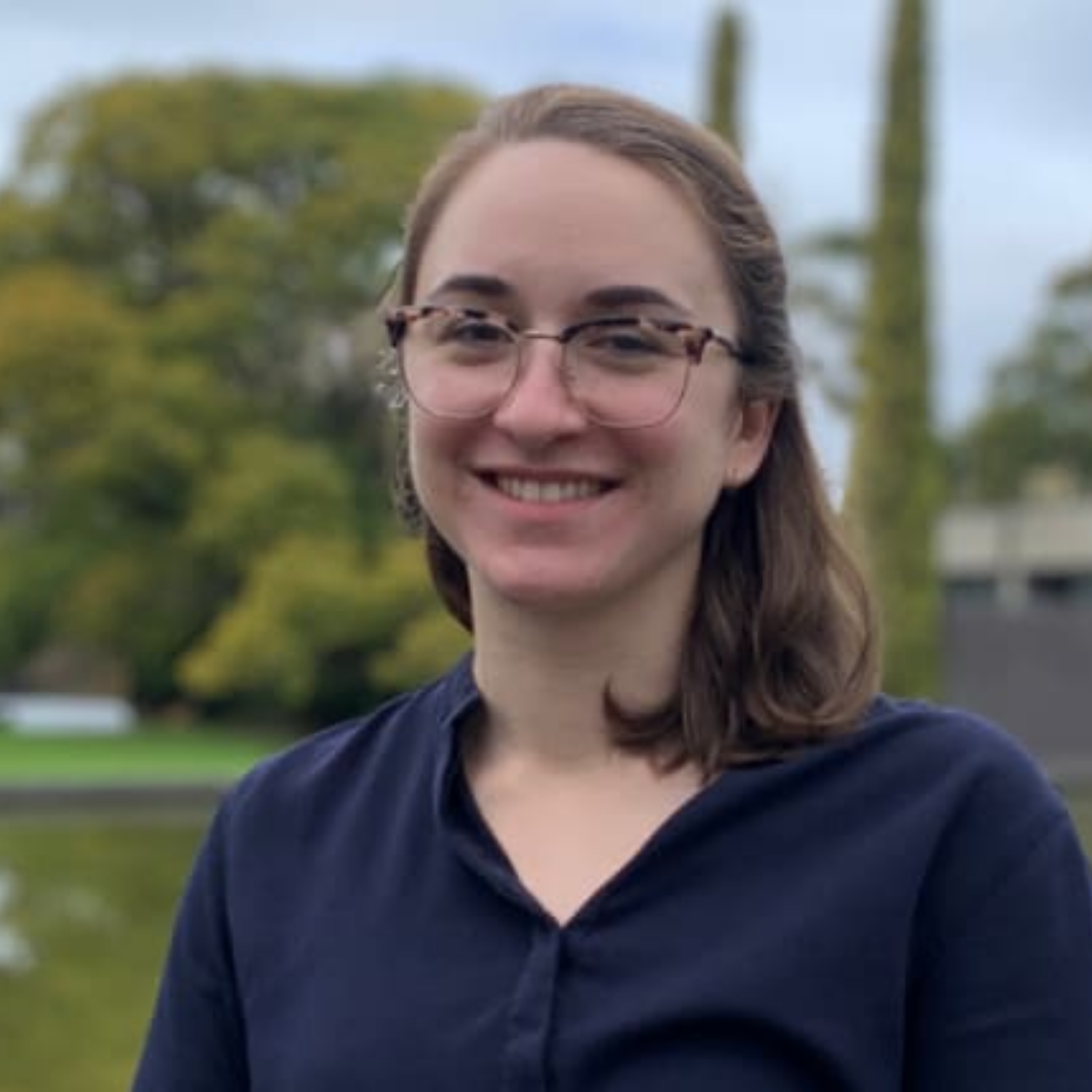


Neville and Di Bertalli were recognised for their commitment to medical research through support of the Bionics Institute at a Government House Victoria celebration of the first bionic ear implant on 2 July.
The Bionics Institute Catalyst Award was presented to former Bionics Institute Board Member, Neville Bertalli and his wife, Di Bertalli to acknowledge their dedicated support since 2005.
Her Excellency, Professor, the Honourable Margaret Gardner AC, Governor of Victoria, kindly hosted a celebration of the 46th anniversary of the successful implantation of the first multi-channel cochlear implant and personally thanked inventor, Laureate Professor Graeme Clark AC for transforming the lives of people with hearing loss.
One of Australia’s greatest breakthroughs, the cochlear implant was invented and developed by Professor Clark’s team at the University of Melbourne, first implanted at the Royal Victorian Eye and Ear Hospital, and led to Australia’s leading medical device company, Cochlear Ltd.
“It was a pleasure to host an event to celebrate the vision of the Bionics Institute and recognise the contributions of those who make its work possible.” Her Excellency Professor the Honourable Margaret Gardner AC, Governor of Victoria
The cochlear implant not only changed the way hearing loss is treated forever, but also led to Professor Graeme Clark founding the Bionics Institute in 1986 to continue development of the cochlear implant.
The Bionics Institute has remained at the forefront of hearing research since then, while also expanding into the development of medical devices to treat some of the world’s most challenging conditions, such as Crohn’s disease, rheumatoid arthritis and Alzheimer’s.
Robert Klupacs, Bionics Institute CEO says that innovative medical breakthroughs would not be possible without collaboration between researchers, engineers and healthcare professionals combined with the vital support of Board Members, volunteers and our caring supporters.
He said: “From all of us at the Bionics Institute, we want to say thank you to everyone for making our groundbreaking research possible. We truly could not have done it, or continue, to do it, without you.”
Acknowledging two of the Bionics Institute’s most longstanding supporters, he said:
“Neville and Di Bertalli’s inspiring commitment to medical research through support of the Bionics Institute has had a major impact on society that will last for years to come. We are honoured to recognise your support with the Bionics Institute Catalyst Award.”
“Di and I have seen the world benefit from the many leaps forward in medical treatments over our lifetime, like the cochlear implant. We and our family are passionate about supporting medical research and inspiring the next generation of brilliant minds to transform lives. Neville Bertalli
“We have been delighted to support Professor James Fallon’s research into neuro-stimulation. His research has led the Bionics Institute to find new treatments for conditions such as rheumatoid arthritis and inflammatory bowel disease.”
Chair of the Bionics Institute Board of Directors John Stanhope AM said: “It is wonderful to celebrate the proud history of the Bionics Institute. Our goal remains to provide a better quality of life for people who are suffering from difficult to manage medical issues. For those of you who have supported us on the journey, I thank you.”
You might be interested in…
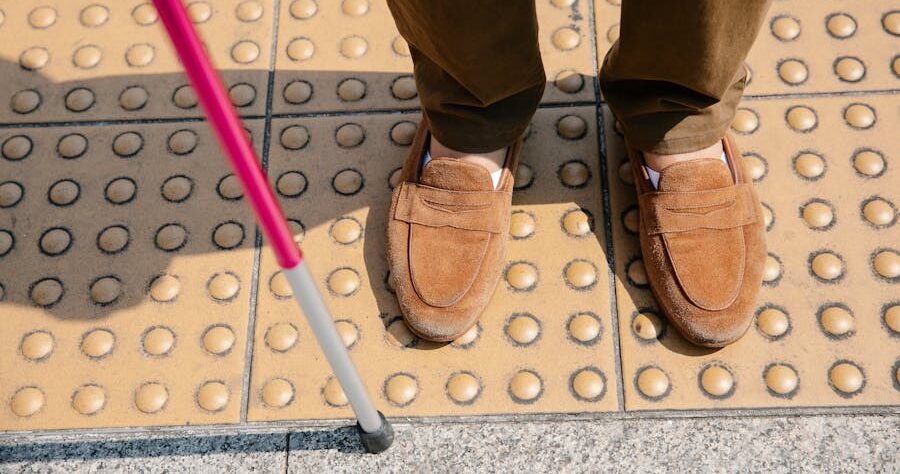
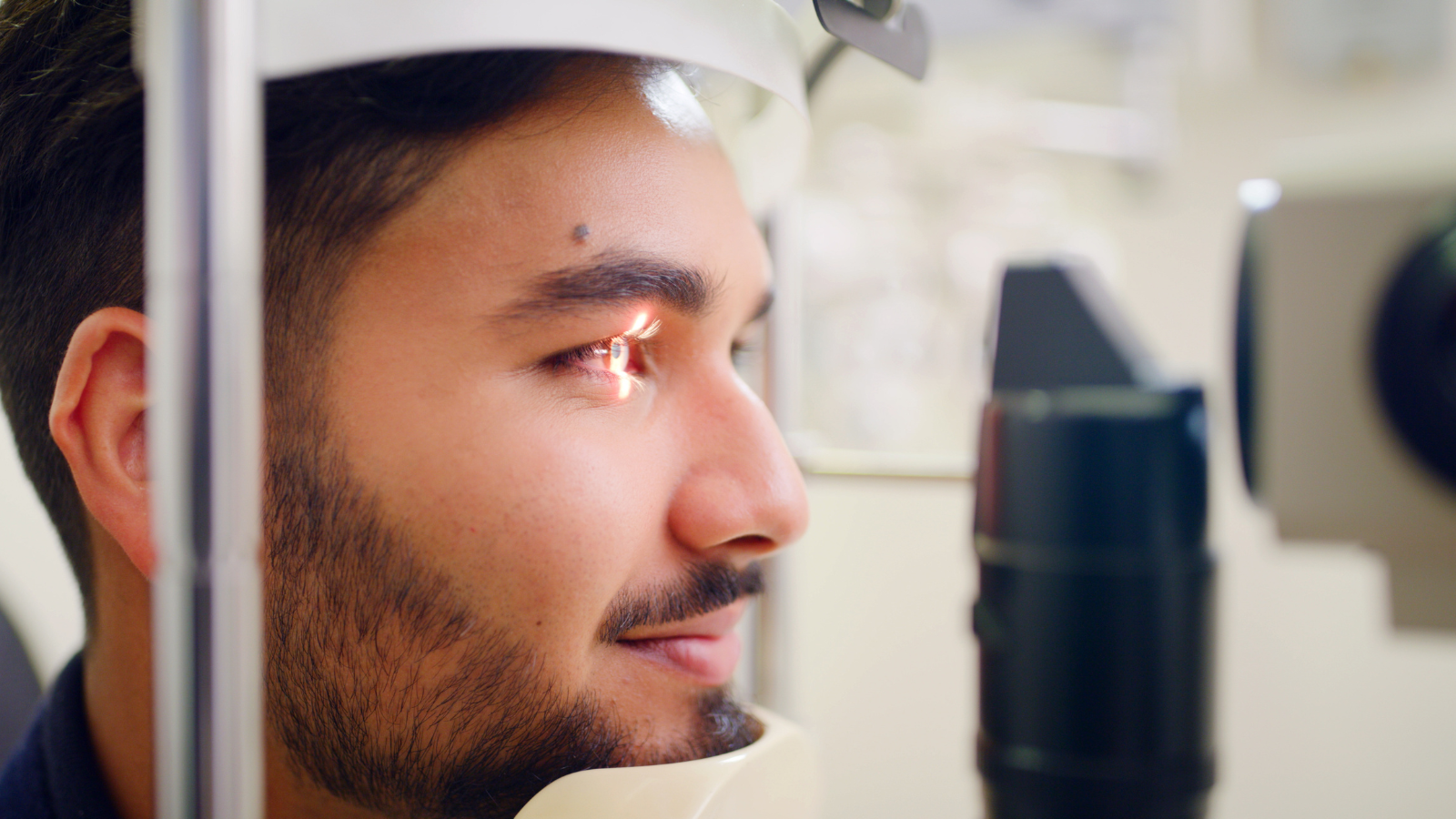
Results of the first clinical trial of Australia’s ‘second generation’ bionic eye have demonstrated ‘substantial improvement’ in four participants’ functional vision, daily activities and quality of life over a period of more than two and a half years.
Detailed outcomes from the trial, led by the Centre for Eye Research Australia, Bionics Institute, University of Melbourne and Royal Victorian Eye and Ear Hospital, were published in May in Ophthalmology Science.
The findings add to interim results which showed that the second-generation bionic eye developed by Australian company Bionic Vision Technologies provided rapid improvements for four patients with blindness caused by the genetic eye condition retinitis pigmentosa.
Hear from Professor James Fallon and a bionic eye recipient
This research featured on Ch9 News Melbourne, Adelaide, Sydney, Brisbane, Darwin and Perth.
Hear from Professor James Fallon, Associate Professor Penny Allen from CERA and a patient talking about the results of the clinical trial and next steps, plus the impact of vision enabling technology.
Retinitis pigmentosa is an inherited retinal disease which affects about two million people worldwide and is one of the leading causes of vision loss in working-age people.
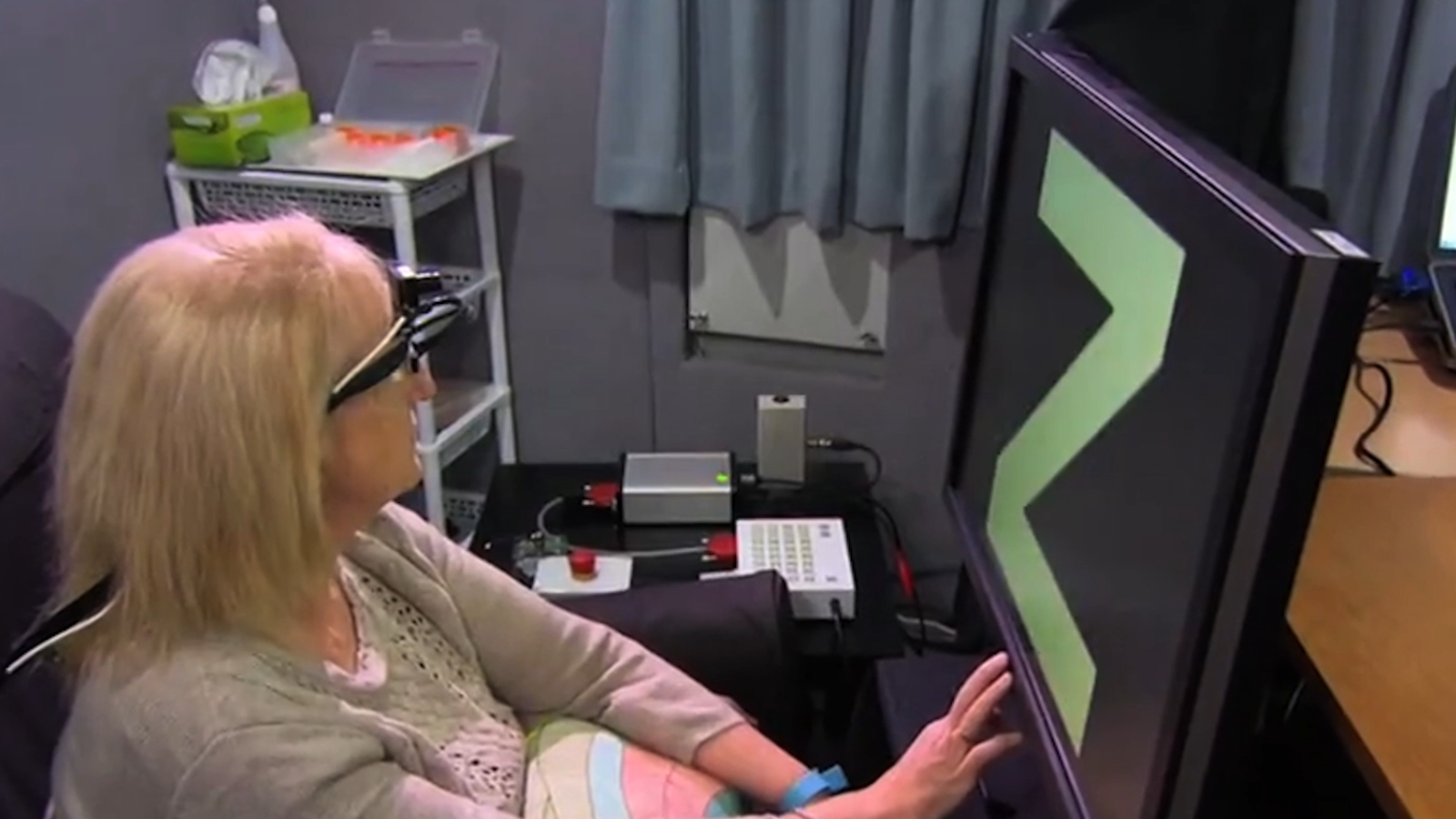
The bionic eye comprises an electrode array, designed by the Bionics Institute and the Centre for Eye Research Australia, that is surgically implanted behind the eye. The electrode receives signals from a video camera mounted on glasses, which stimulate the patient’s retina.
“The camera converts images into electrical pulses delivered by the electrode array that activate retinal cells and create flashes of light called phosphenes to help patients detect edges, shapes and movement,” said Professor James Fallon, Head of Research at the Bionics Institute.
The new study tracked the patients from the time they received the implant surgery in 2018 to 2021.
Its findings demonstrate the device is stable and durable over the longer term– staying in place behind the retina without complication and still having 97 per cent of electrodes functioning 2.7 years after first implant.
Principal Investigator and vitreo-retinal surgeon Associate Professor Penny Allen said patients showed significant improvement in their navigation, mobility and ability to detect objects – in clinical tests, at home and in the community.
“The bionic eye enabled blind patients to locate doorways, avoid obstacles and find items on table-tops,’’ she said. “They reported greater confidence in navigation, were more likely to explore new environments and had reduced need for assistance when travelling to the local shops.’’
Associate Professor Allen said participants reported that the bionic eye supplemented long cane and guide dog use, provided safe navigation around people and obstacles, and allowed them to detect waypoints such as trees and lamp posts along navigational routes.
“Patients were also able to locate their spouse in a café and detect people moving at a train station – things they could not do without using their bionic eye.’’
Bionic Vision Technologies’ team is continuing to refine the vision processing capabilities, usability, as well as the wearables of the bionic eye system.
Dr Ash Attia, CEO of Bionic Vision Technologies said “ We are encouraged by the excellent results of the generation 2 Bionic eye trial. We are looking forward to finalize the development of the Generation 3 bionic eye and enter the worldwide pivotal trial and ultimately gain regulatory approval”. “Regulatory approval will allow us to make this important technology available to RP patients which will positively impact their lives” Dr Attia said.
Patient information
The bionic eye team is not currently recruiting but there are opportunities to take part in other inherited retinal disease studies. To learn more, visit: https://ceruleaclinicaltrials.org.au/take-part-in-research/
“The camera converts images into electrical pulses delivered by the electrode array that activate retinal cells and create flashes of light called phosphenes to help patients detect edges, shapes and movement.” Professor James Fallon
You might be interested in…
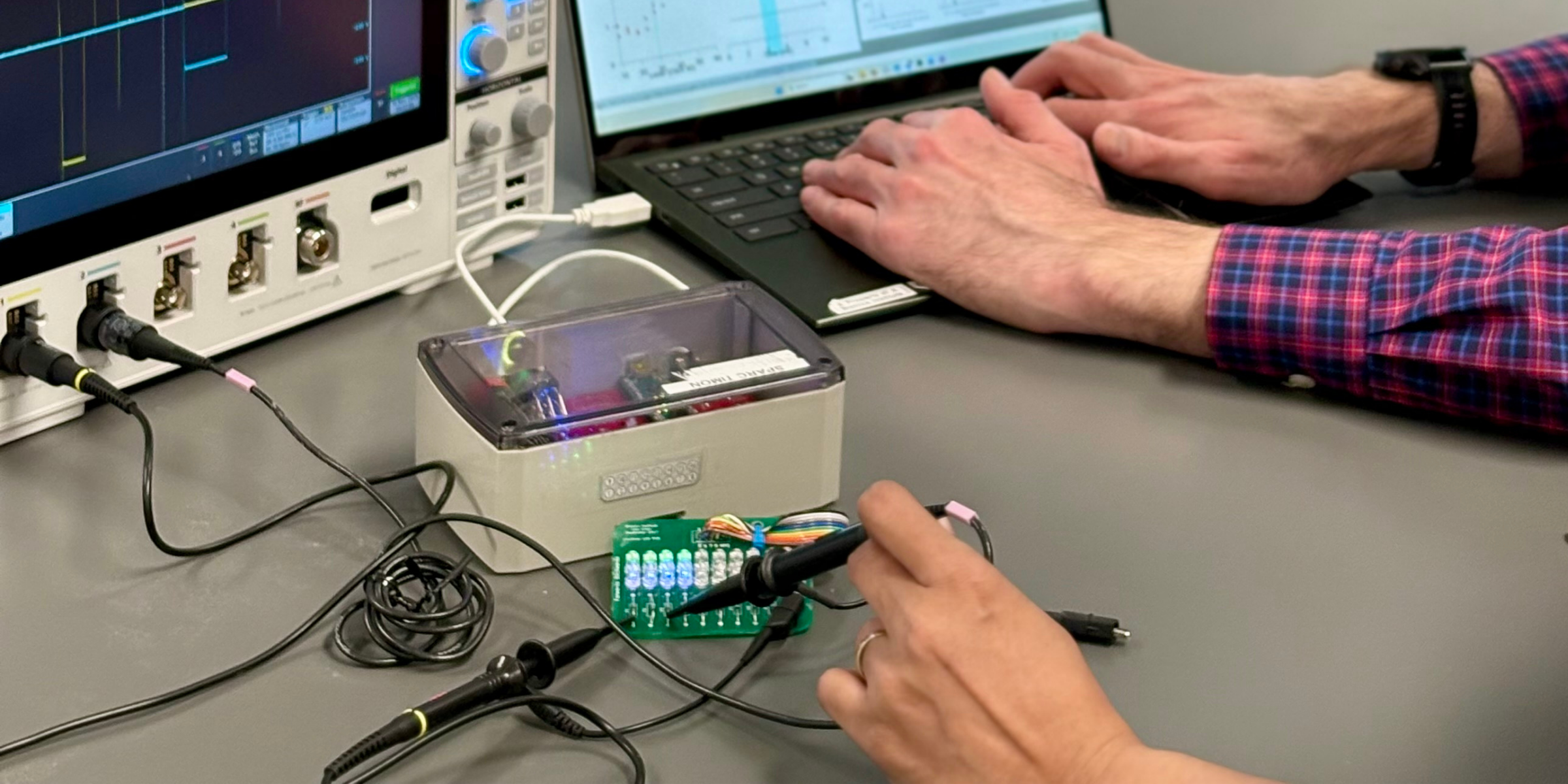
Building medical device prototypes is a way of life for Senior Research Engineer, Owen Burns. Over the past 13 years, his expertise in bio-mechanical engineering has been integral to the design of electrodes to treat Crohn’s disease, epilepsy, blindness, and now tinnitus.
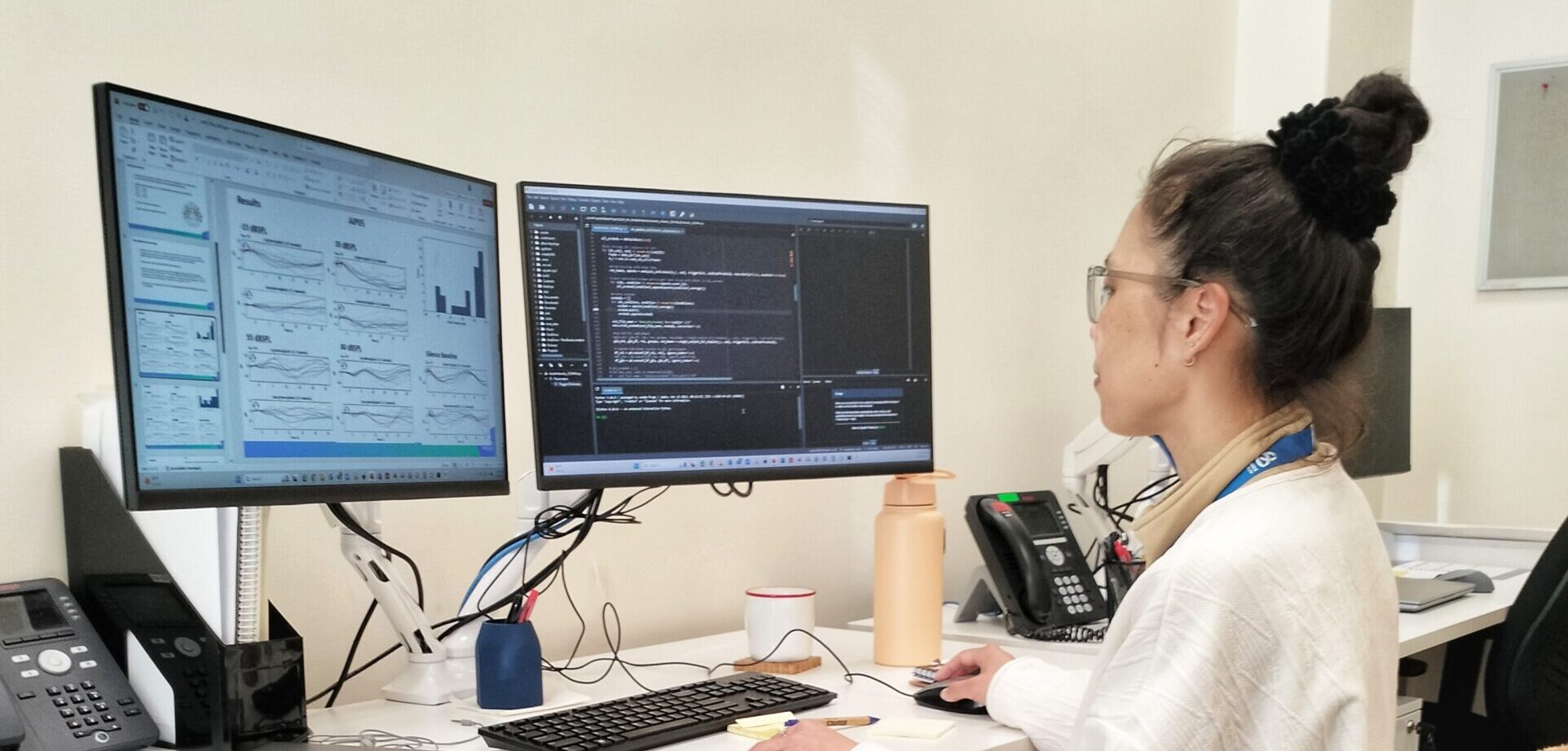
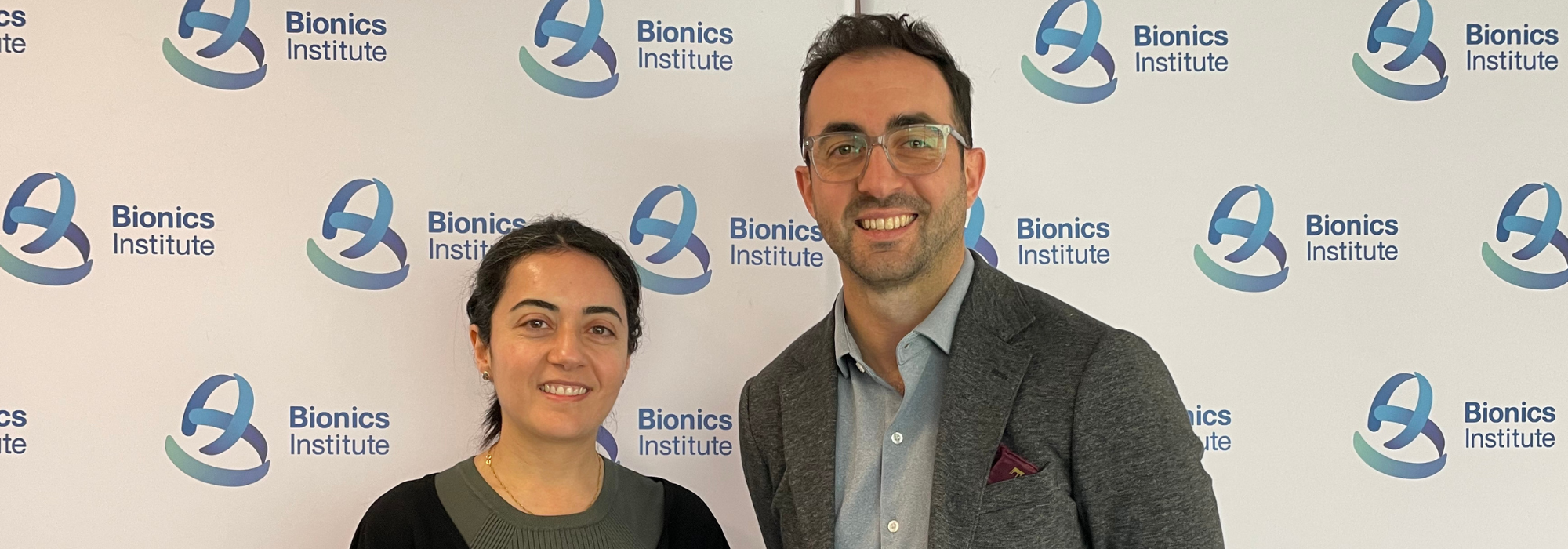
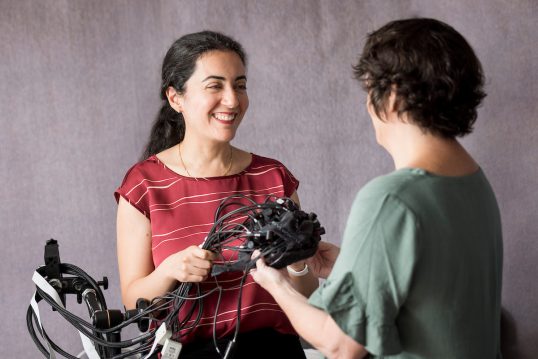
Owen and his team in the Bionics Institute Experimental Device Engineering Hub are working closely with lead researcher Dr Mehrnaz Shoushtarian to develop a new prototype to test tinnitus using a brain imaging technology that monitors oxygen levels in the brain called functional near infrared spectroscopy (fNIRS).
Tinnitus, hearing sounds not present externally like hissing or buzzing, affects 15% of the population and can severely impact quality of life. Currently there are no reliable treatments for tinnitus, and also no objective test to determine if potential treatments are working.
Dr Shoushtarian says: “We have developed an objective test of tinnitus using fNIRS and machine learning to detect tinnitus-related changes in the brain, which is an important step in developing reliable treatments”.
Using a general-purpose fNIRS system, Dr Shoushtarian and her research team have established a technique that detects tinnitus with 87% accuracy. However, to meet clinical usability requirements, a specialised prototype is under development.
Supported by a generous donation from Hearts and Minds Investments as nominated by Cooper Investors, the engineering team will produce five prototypes in 2024 for use in a multi-site clinical trial.
Hearts and Minds is an Australian listed investment company that has donated $48.9M to leading medical research organisations since its inception with support from its suite of fund managers, including Cooper Investors, who provide their highest conviction investment ideas pro bono.
Peter Cooper founded Cooper Investors in 2001 and combines his role of Chief Investment Officer with advocating for more and better philanthropy in Australia.
He says that tinnitus is a very challenging condition, and when he heard about the research being conducted at the Bionics Institute, he was keen to give his support.
“Medical research provides an excellent return on investment, and I look forward to seeing the progress of this research program towards new treatments for tinnitus” Peter Cooper
To find out more about this tinnitus research and how you can participate in the clinical trial here.
You might be interested in…
Support Us
Tomorrow’s medical breakthroughs could start with you today.
Donate nowWe’re researching tests and treatments to improve the lives of people like Sara. All gifts over $2 are tax deductible.
Sara’s story
Living with Crohn’s disease is a constant struggle for Sara.
“Some days the pain is so bad I can’t even get out of bed,” she says. “I can’t even have a shower without being doubled over in agony.”
Sara’s condition causes her body to attack its own tissues and the debilitating symptoms of Crohn’s disease can include severe abdominal pain, diarrhea, fatigue, weight loss and malnutrition. At its worst, the condition can be life-threatening.
There is currently no cure and while drug therapies can provide some temporary relief, most living with the condition end up needing invasive surgery.
At the Bionics Institute a new medical device is being developed with the potential to prevent the debilitating symptoms and bring relief to people like Sara.

Our innovative device for Crohn’s features on Channel 7 news
Help fund pioneering research
There is an urgent need to find better ways to provide much needed relief from the effects of Crohn’s disease and other debilitating conditions.
Researchers at the Bionics Institute are working on cutting-edge devices and treatments for a range of conditions including Crohn’s disease, rheumatoid arthritis, epilepsy, hearing loss, Alzheimer’s disease and chronic pain.
Will you help turn cutting edge research into the lifechanging treatments and therapies of the future?
Your donation can help speed up research from the lab to those needing treatment, as is the case with our electrical stimulation device to treat Crohn’s disease being implanted in a patient at the Austin Hospital.
Help us fast-track treatments to fight chronic conditions
The use of electricity to alter the activity of nerves has given rise to a broad range of promising new treatments for autoimmune diseases and chronic conditions that are poorly controlled by drugs.
You can help make a positive change in the lives of people with painful and debilitating conditions.
“The Bionics Institute’s research into innovative new treatments give people like me hope of a better future.” – Sara
About the research
Our world-class scientists, engineers and clinicians work together to create and develop medical devices and transform the lives of people around the world. Our research focuses on developing new therapies and diagnostic tools in six main areas.
Autoimmune & chronic conditions
Brain research
Bionic limb research
Chronic pain research
Hearing & vision research
Incubator research
The success of our research is marked by the creation of spin-off companies that ensure our research is translated into clinical outcomes. Investment in these companies will fund future research at the Bionics Institute.
Want to support the future of research like this?
Early-stage research for life-changing devices & treatments like this is made possible by donations from our supporters.
Your support today could turn the seed of an idea into a new treatment in the future.
Find out how you can support research innovation here.
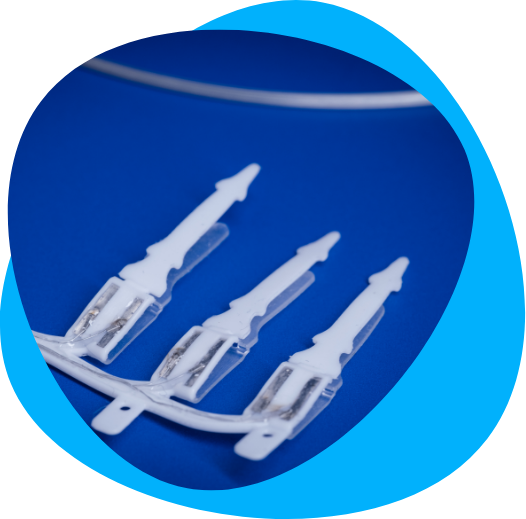
The Passe & Williams Foundation have continued their longstanding support of Bionics Institute hearing researchers with the two prestigious Fellowships.
Dr Anu Sabu
The research will explore the range of physiological changes that enhance the speech comprehension and sound quality, especially in noisy environments. An understanding of how information is processed in the auditory brain of these patients will enable clinicians to make informed decisions on optimising the combined stimulation provided by the cochlear implants and hearing aids for people living with partial deafness.
The results from the research will shed light on the benefits of using a combination of cochlear implants and hearing aids for people with partial hearing loss. Dr Anu Sabu
I’m thrilled to have received this prestigious fellowship to establish and expand my research program. Dr Demi Gao
Congratulations Demi and Anu on this amazing achievement which allows further investigation into how a combination of cochlear implants and hearing aids might give a more unified perception of sound for improved speech understanding.
You might be interested in…
Cynthia McLarty recently hosted a garden party fundraiser and raised an incredible $10K to help speed us groundbreaking Bionics Institute reaseach.
“What an incredible day it was, made possible by all the people that came and supported the event and the donors that were so generous.
I have been forever grateful to the Bionics institute from that miracle day, 24 years ago, when my son Sam heard sound for the first time. A moment I will never forget.” – Cynthia
Hosting the Garden party was a small way of giving back to an organisation that has changed so many lives around the world, and will continue to do so. Cynthia McLarty
You might be interested in…
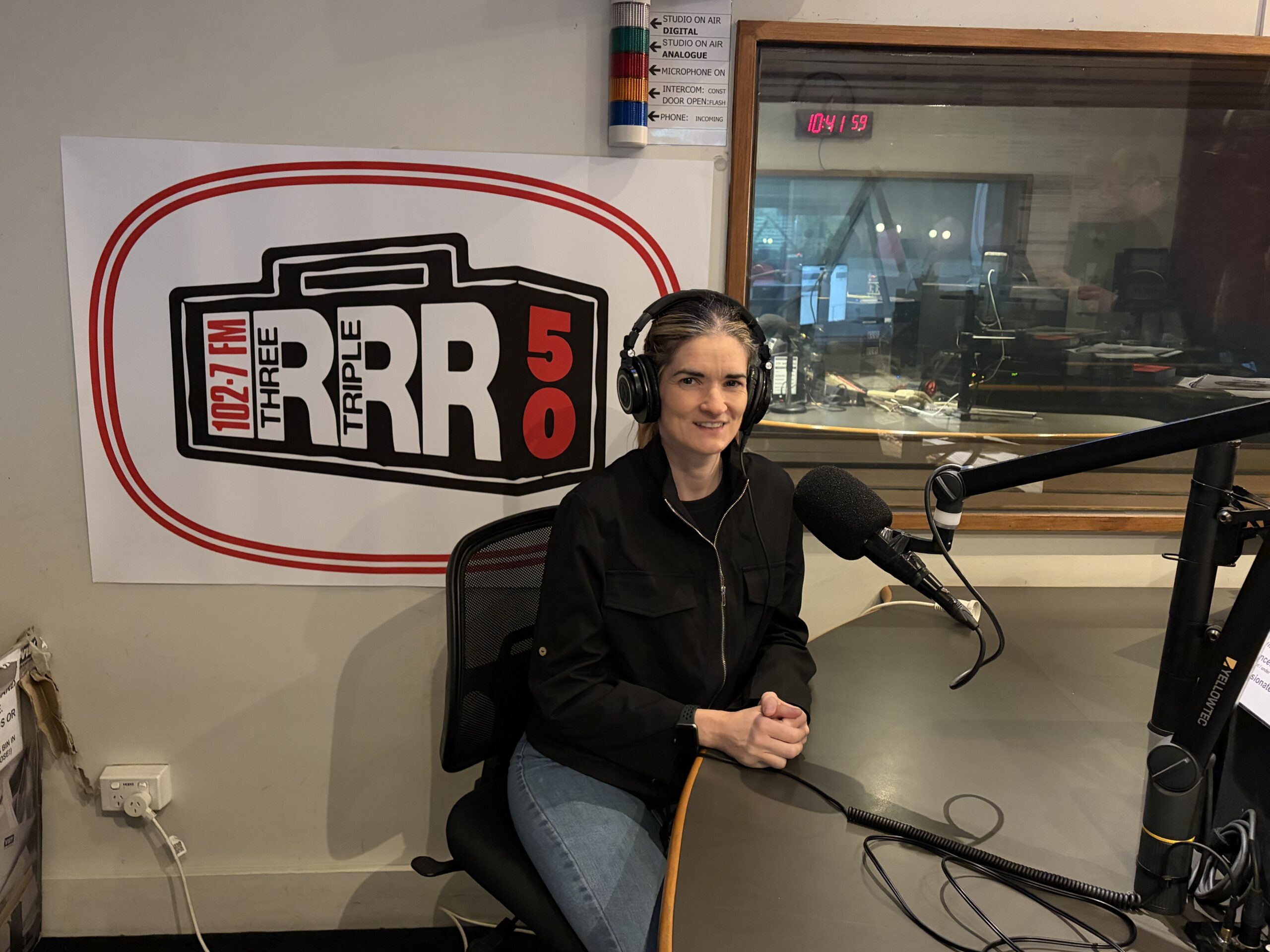
Dr Mehrnaz Shoushtarian, Senior Research and Development Engineer, was invited to speak on Einstein A Go-Go radio show on 3RRR to discuss her work into developing an objective measure of tinnitus.
The general understanding is that it usually starts with some sort of damage to the ear. But then it becomes more of a brain problem. It’s difficult to know exactly how it starts. Dr Mehrnaz Soushtarian
You might be interested in…
Investing in innovation to build Australia
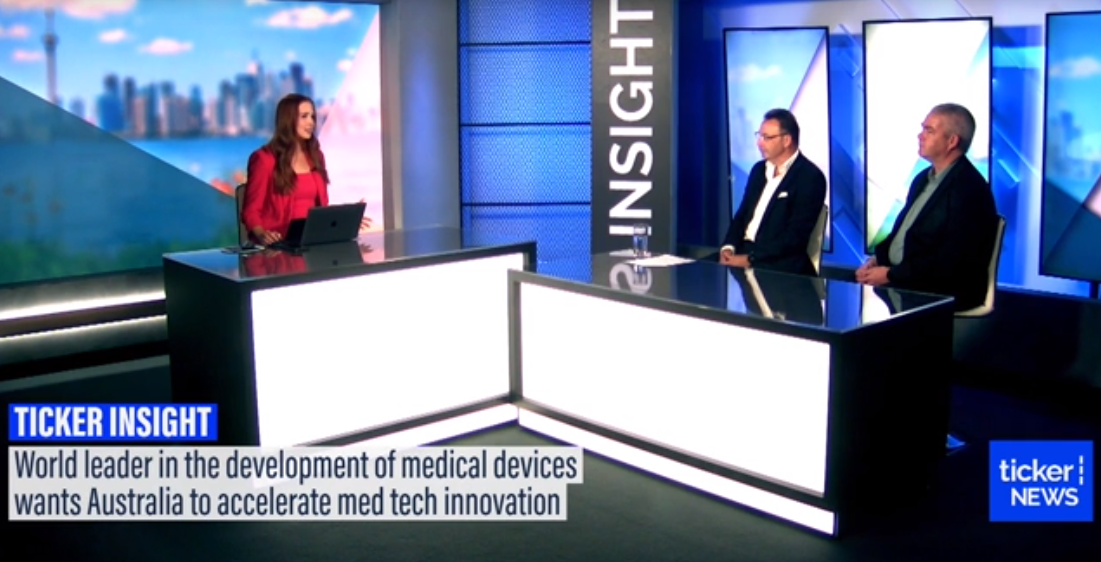
The 2024 Bionics Institute Innovation Lecture provided opportunity for the innovation ecosystem to build a shared understanding of the intersection between philanthropy and investment to leverage our nation’s wealth.
Date: Wednesday 29 May
Time: 5.15pm arrival for a 5.45 start (lecture) followed by networking drinks from 7.30pm
Venue: RACV City Club, Melbourne
Cost: Free (by invitation only)
Following the incredible success of the 2022 and 2023 Innovation Lectures, the Bionics Institute 2024 Lecture focused on bringing med tech leaders together to explore how to catalyse innovation for the benefit of all Australians.
Networking drinks followed the lecture which provided guests with the opportunity to forge partnerships and develop links with like-minded people.
Due to the overwhelming interest in our Innovation Lectures, attendance was by invitation only.
This event was generously supported by the City of Melbourne Business Event Sponsorship Program.
Lecture speakers and panellists
Keynote speaker
Mr David Williams – Founder, Kidder Williams
Panellists
Mr Alon Greenspan – Managing Partner, Mind Ventures
Ms Bronwyn Le Grice – CEO and Managing Director, ANDHealth
Mr Stephen Tomisich – Co-Founder and CEO, Trajan Scientific and Medical
Mr David Williams – Founder, Kidder Williams
Note: Dr Megan Baldwin (Opthea Ltd) was unable to attend as a panellist on the night.
You might be interested in…
To kick off the New Year, AFL player Jordan Ridley is encouraging everyone to get fit in February and help people at the same time with the Couch to Your KM Fitness Challenge.
The challenge is to hit 45km in February in any exercise and raise vital funds for research at the Bionics Institute to help people with hearing loss. Participants who raise significant funds could also go into a draw to win two tickets to the Matildas’ Olympic Qualifier match in Melbourne on 28 February.
Jordan is an Ambassador for the Bionics Institute, which was founded to develop the cochlear implant that has given hearing to nearly a million people. However, one in six Australians still struggle with hearing loss. Read more about Jordan’s story here.
Researchers at the Bionics Institute aim to change that reality with life-changing treatments for people with hearing loss, like Charlie who was diagnosed with partial deafness as a baby. Read more about Charlie’s story here.
About the Couch to Your KM Fitness Challenge
Anyone can register for a solo or team challenge, pick their preferred exercise and hit 45km in the month of February.
That could be running, rowing, cycling or anything active! For more static exercises such as yoga or weights 1 hour of activity equals 5km.
Achieving fitness goals will make you healthier and fundraising for the Bionics Institute will keep you motivated and help people with hearing loss.
To find out more, Google Bionics Institute Couch to Your KM, or go to: https://fundraise.bionicsinstitute.org/event/couch2yourkm/home
About the Bionics Institute
It’s 45 years since the first cochlear implant was first implanted into a patient by Professor Grame Clark, an invention that has given hearing to nearly a million people worldwide.
He founded the Bionics Institute, which is now a world leader in the development of medical devices to test and treat hearing loss, Alzheimer’s disease, rheumatoid arthritis, chronic pain and much more.
Our scientists are doing some amazing work to help people with hearing loss.
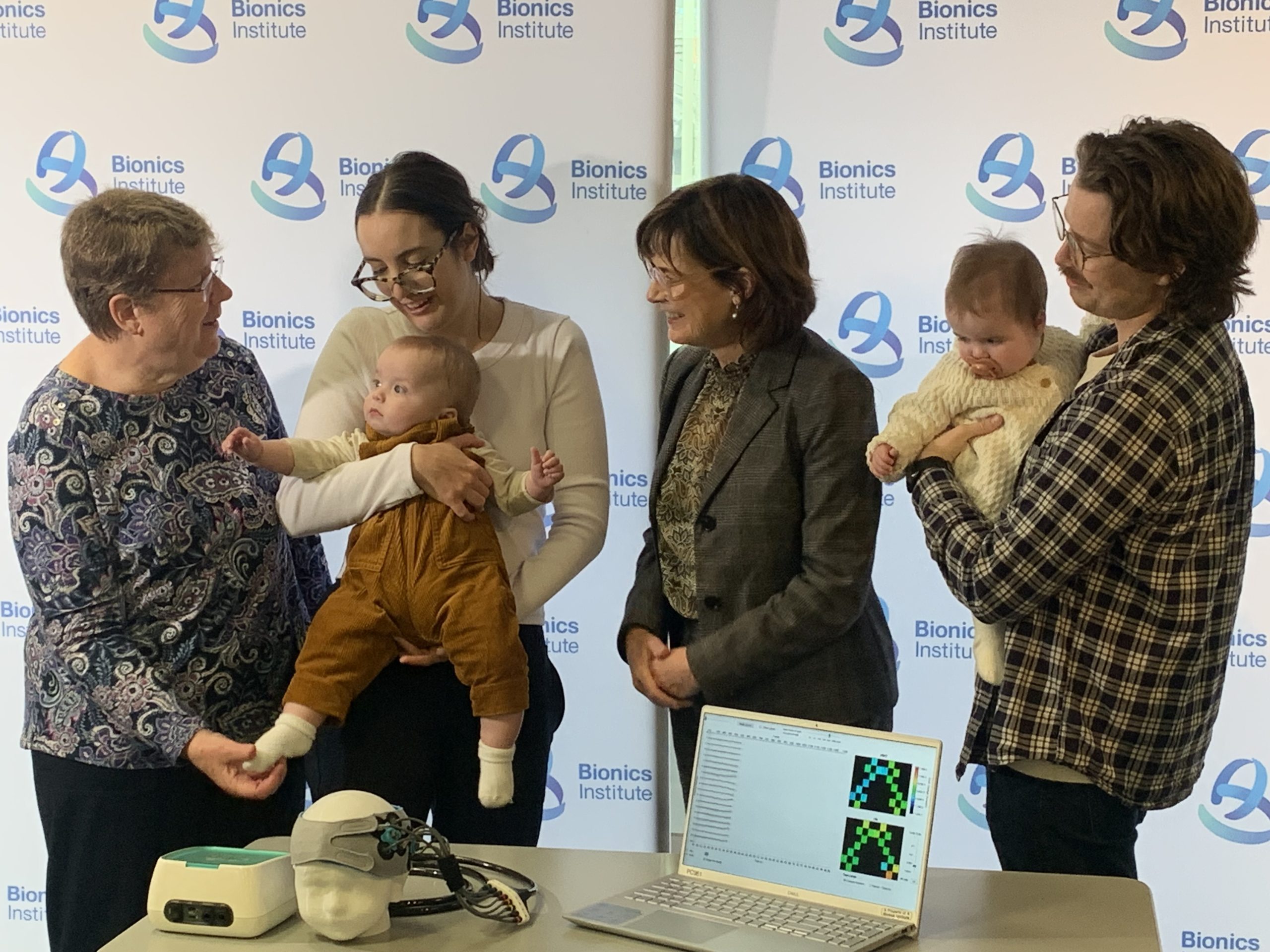
This includes developing a new hearing test for babies, a drug that could restore hearing nerve cells for people with age-related hearing loss, and a new test to help develop treatments for tinnitus.