
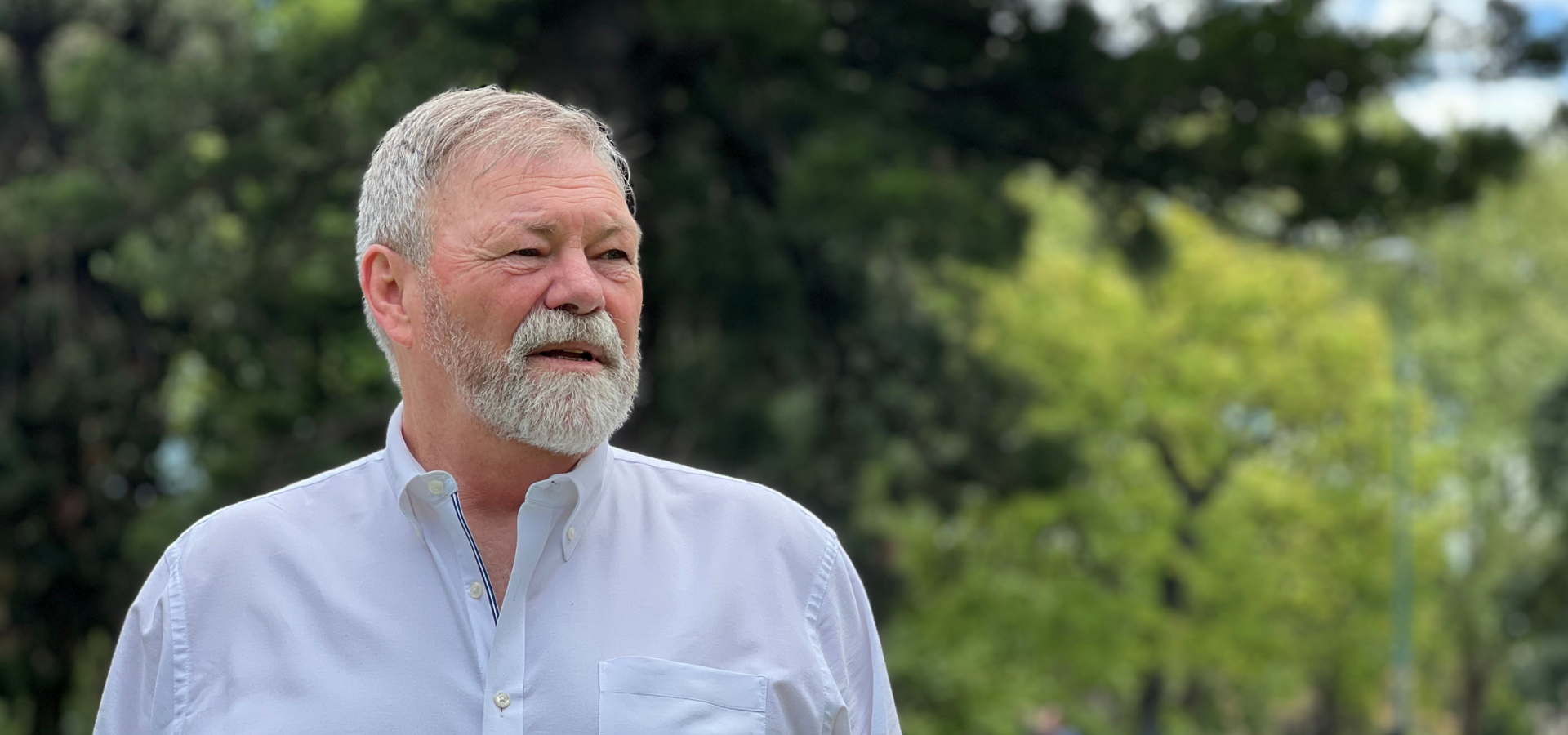
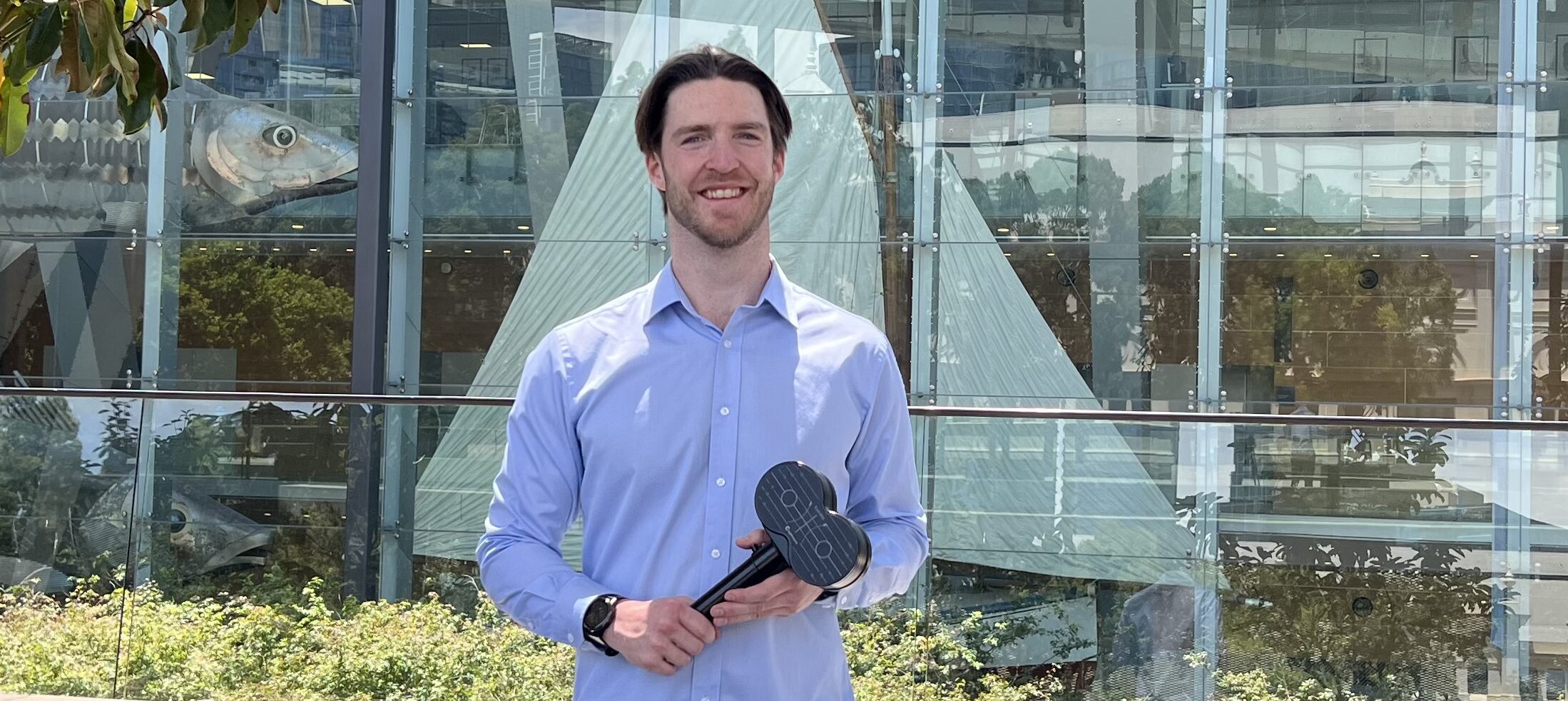
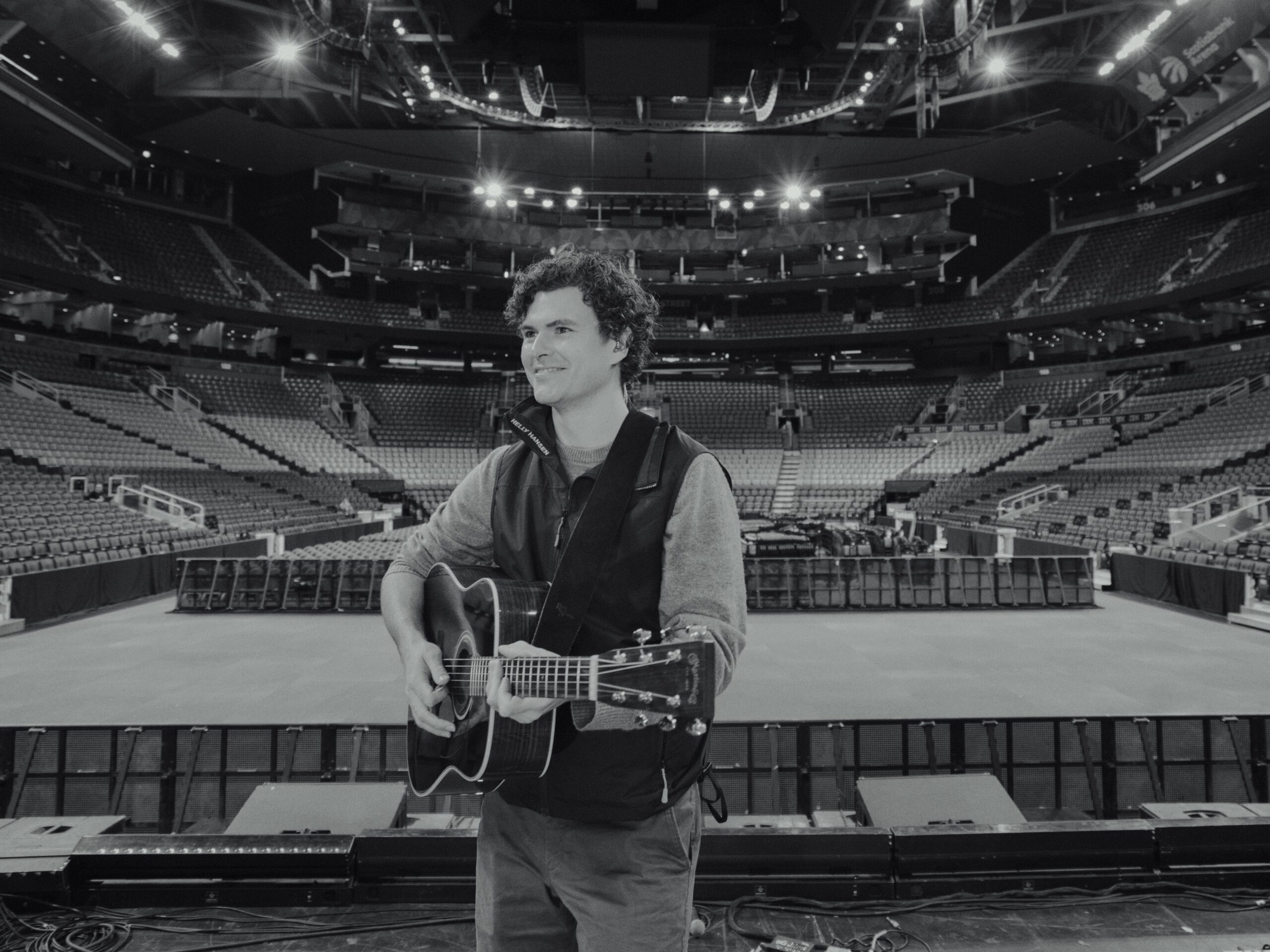
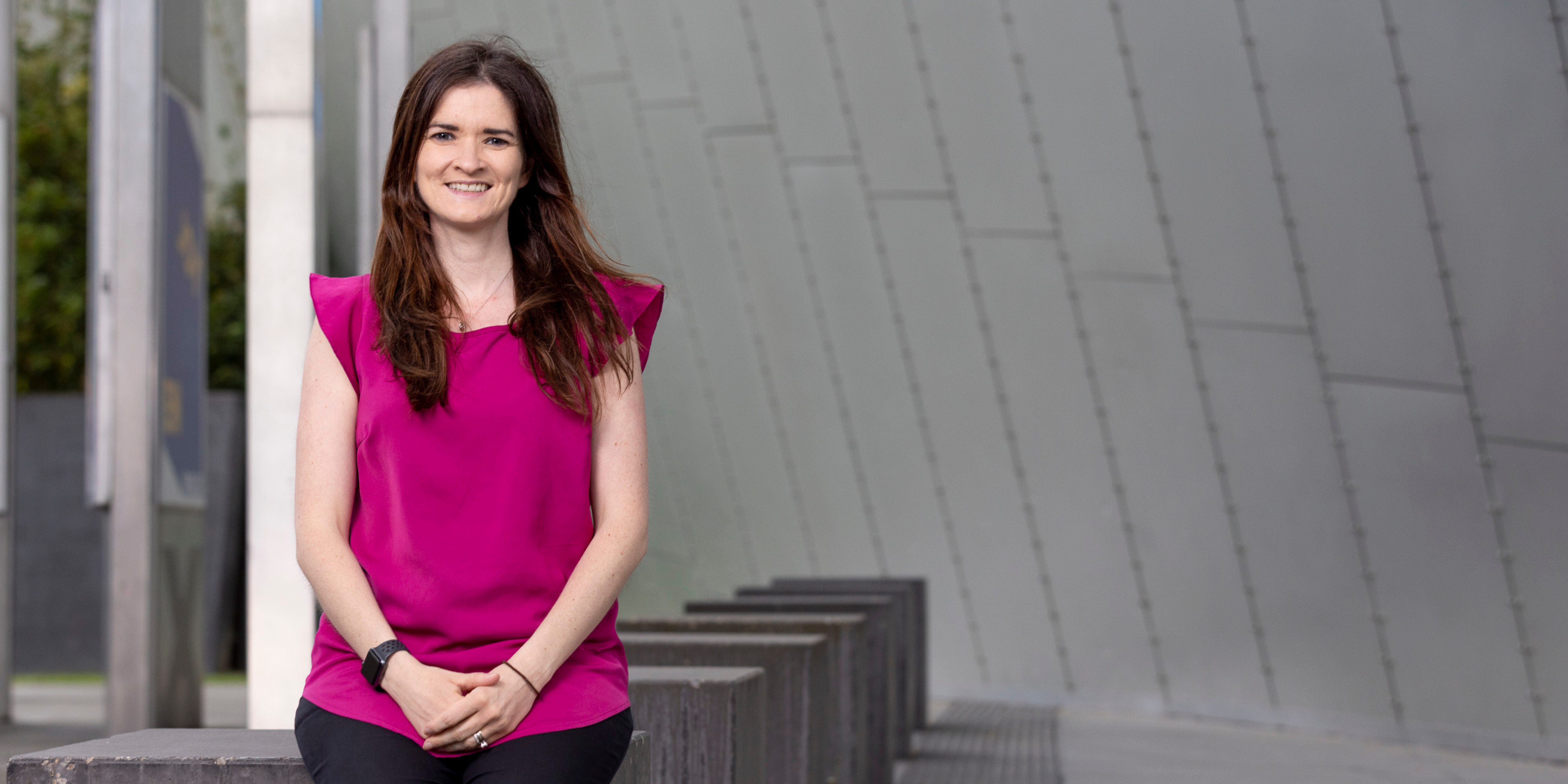
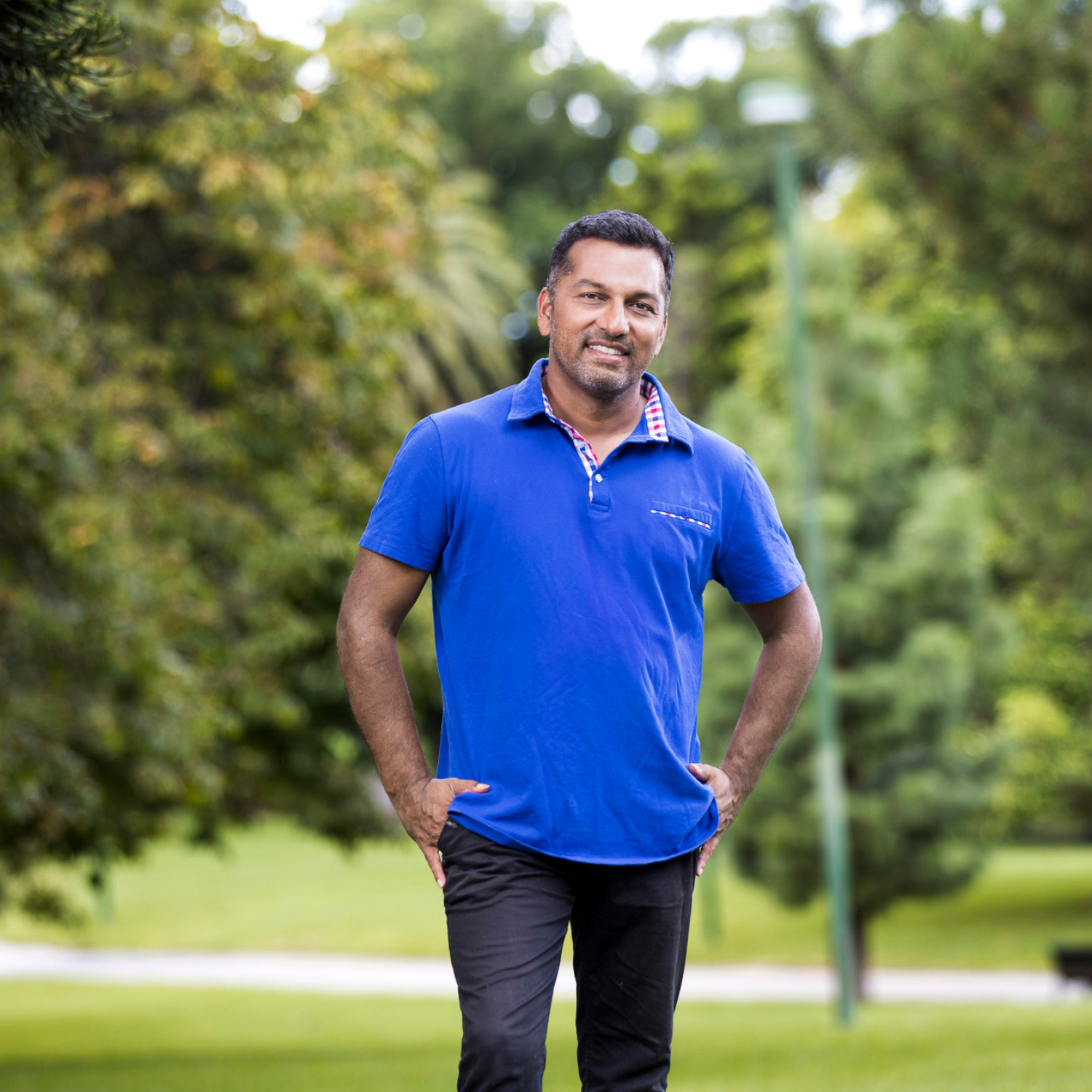
The Bionics Institute is delighted to announce that Jordan Ridley has joined us as an ambassador for the Couch to Your KM Fitness Challenge, which will raise vital funds for our hearing research.
Jordan has played 85 games since being drafted in 2016, and was the winner of the Crichton Medal, Essendon FC men’s best and fairest medal in 2016.
ordan said: “Getting fit is good for your heart and your mental health.
“I would love to see people getting behind the Bionics Institute by taking on a February fitness challenge and raising vital funds to give people the joy of hearing.”
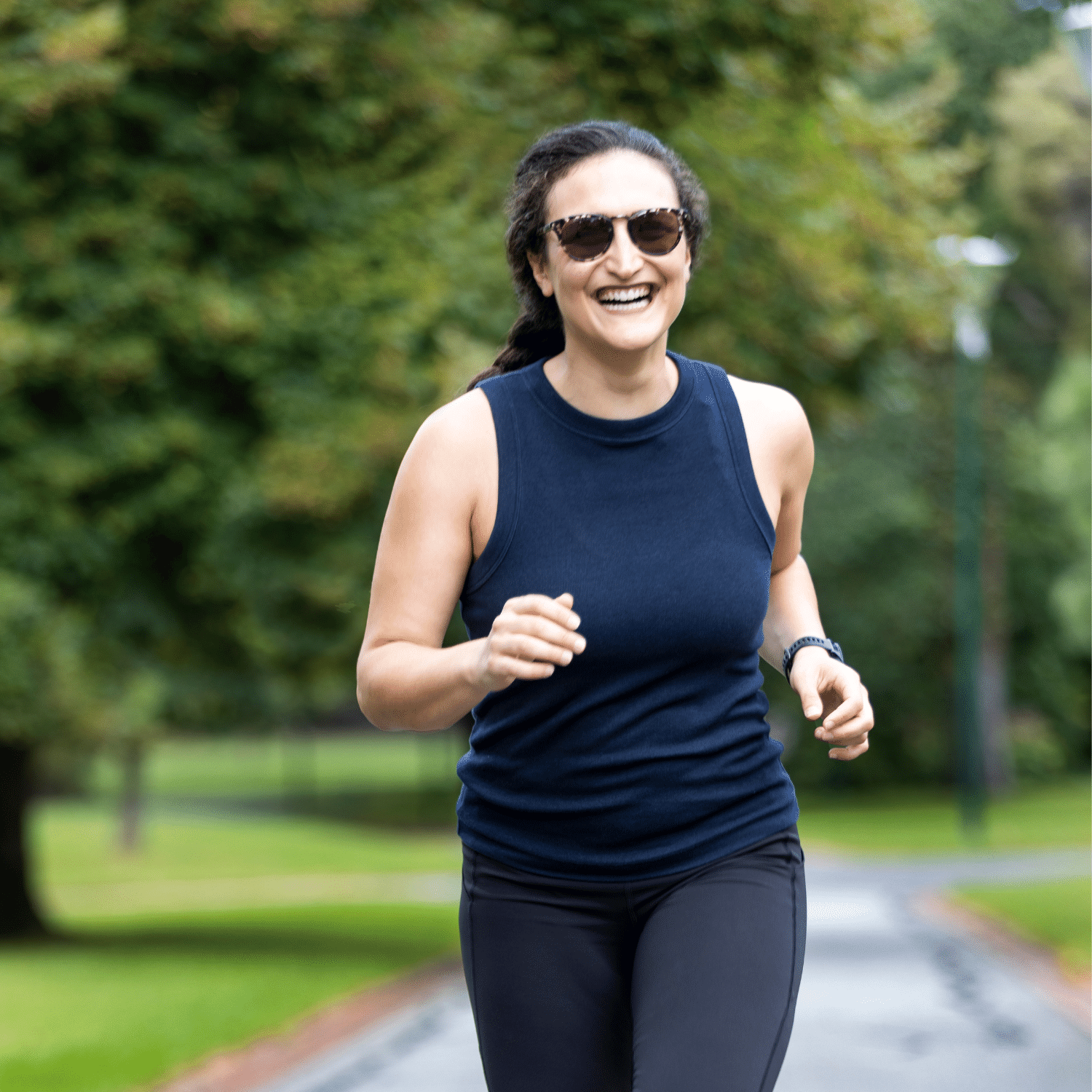
This February, you can choose an exercise and complete 45km throughout February to raise funds and give the joy of hearing.
This can be done solo or part of a team – a win for your health and for hearing research.
Jordan Ridley is the latest ambassador for the Bionics Institute and is keen to get behind our researchers to help the 1.5 billion people around the world living with hearing loss.
Learn more about how you can participate in the Couch to Your KM Fitness Challenge this February.
I would love to see people getting behind the Bionics Institute by taking on a February fitness challenge and raising vital funds to give people the joy of hearing Jordan Ridley, Essendon star and Bionics Institute ambassador
You might be interested in…
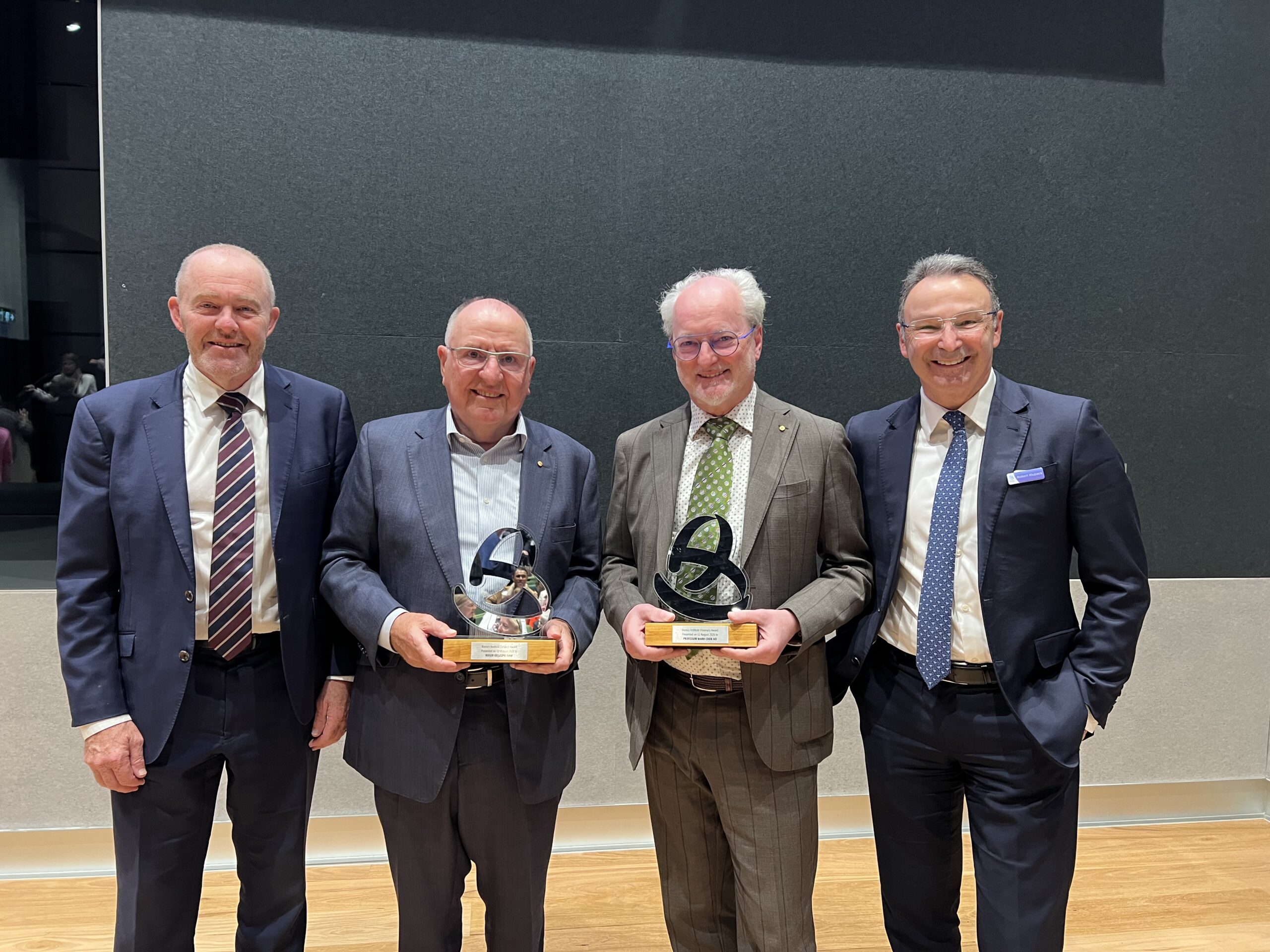

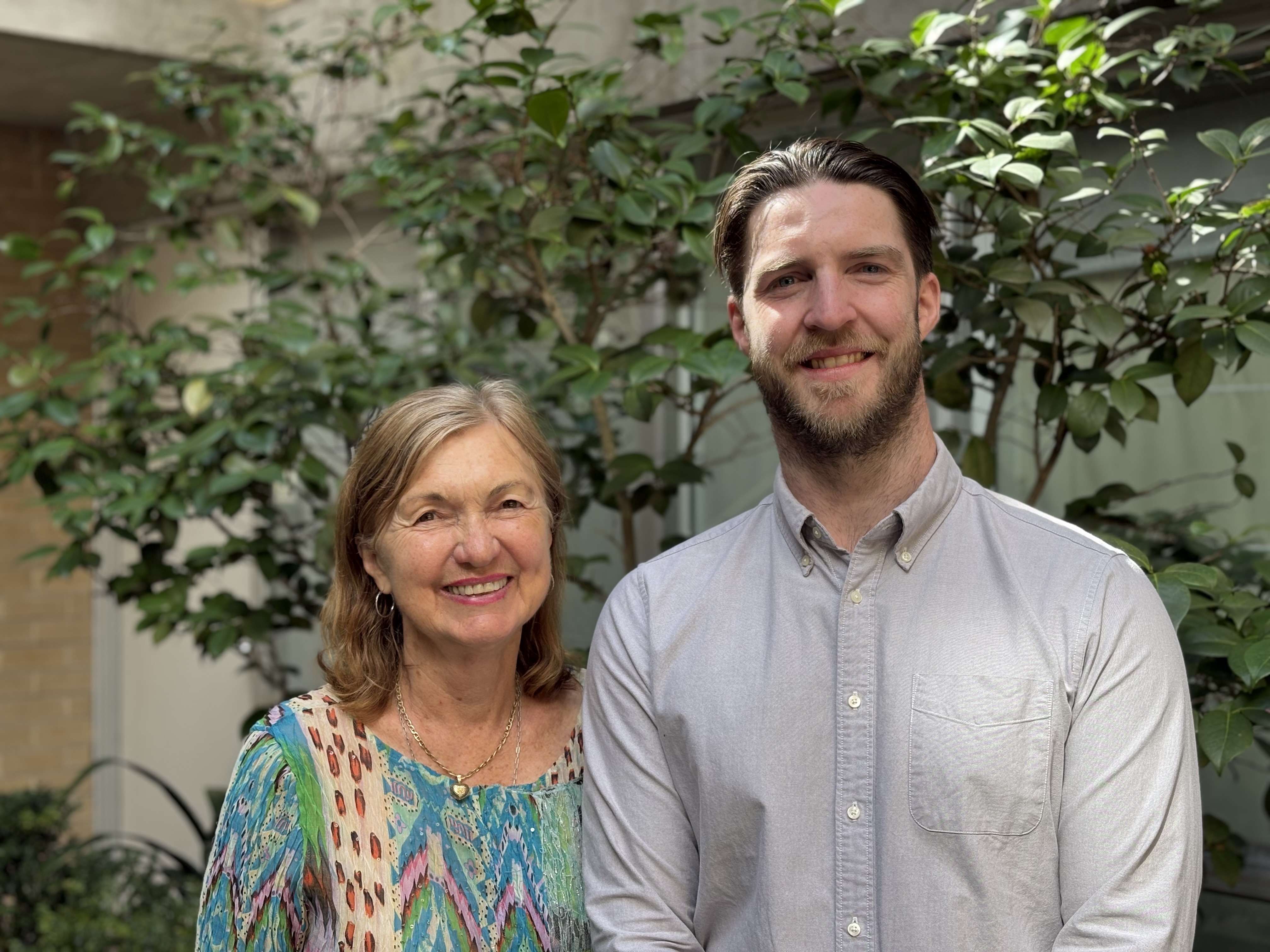
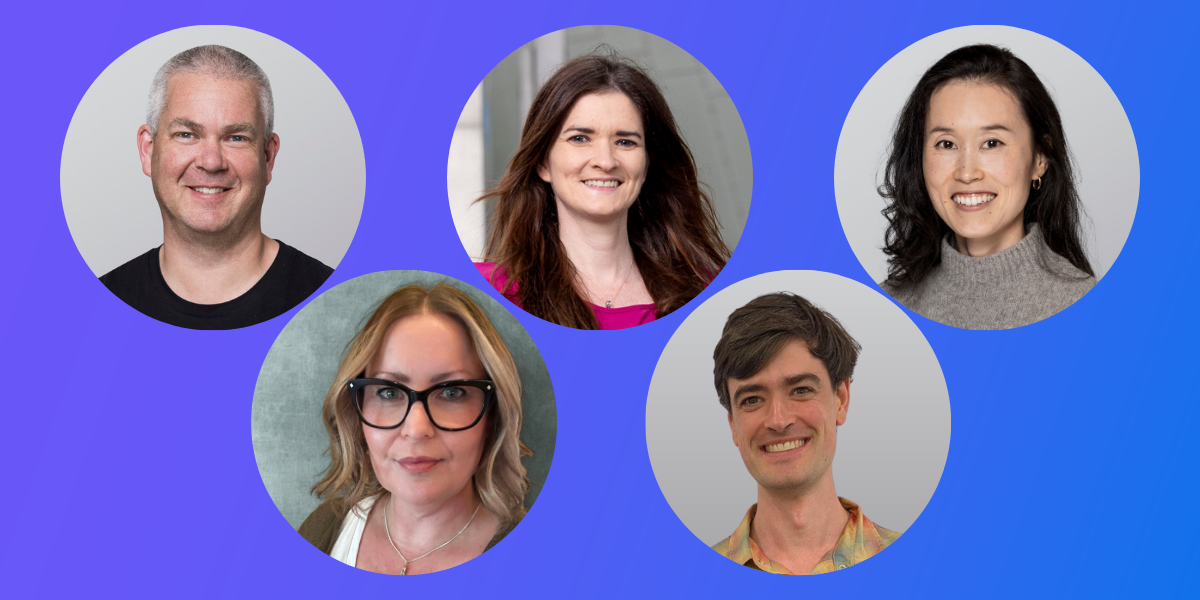


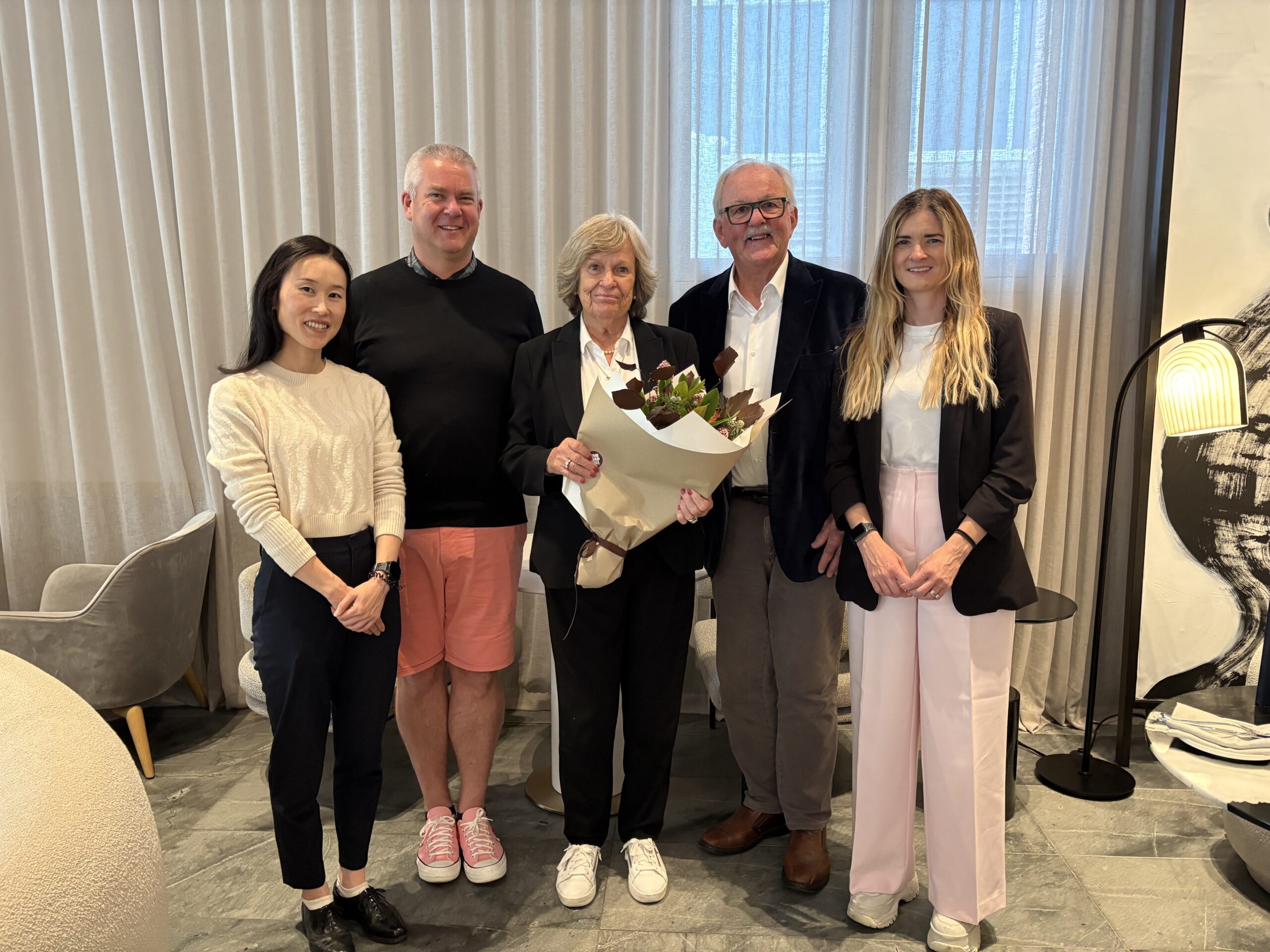


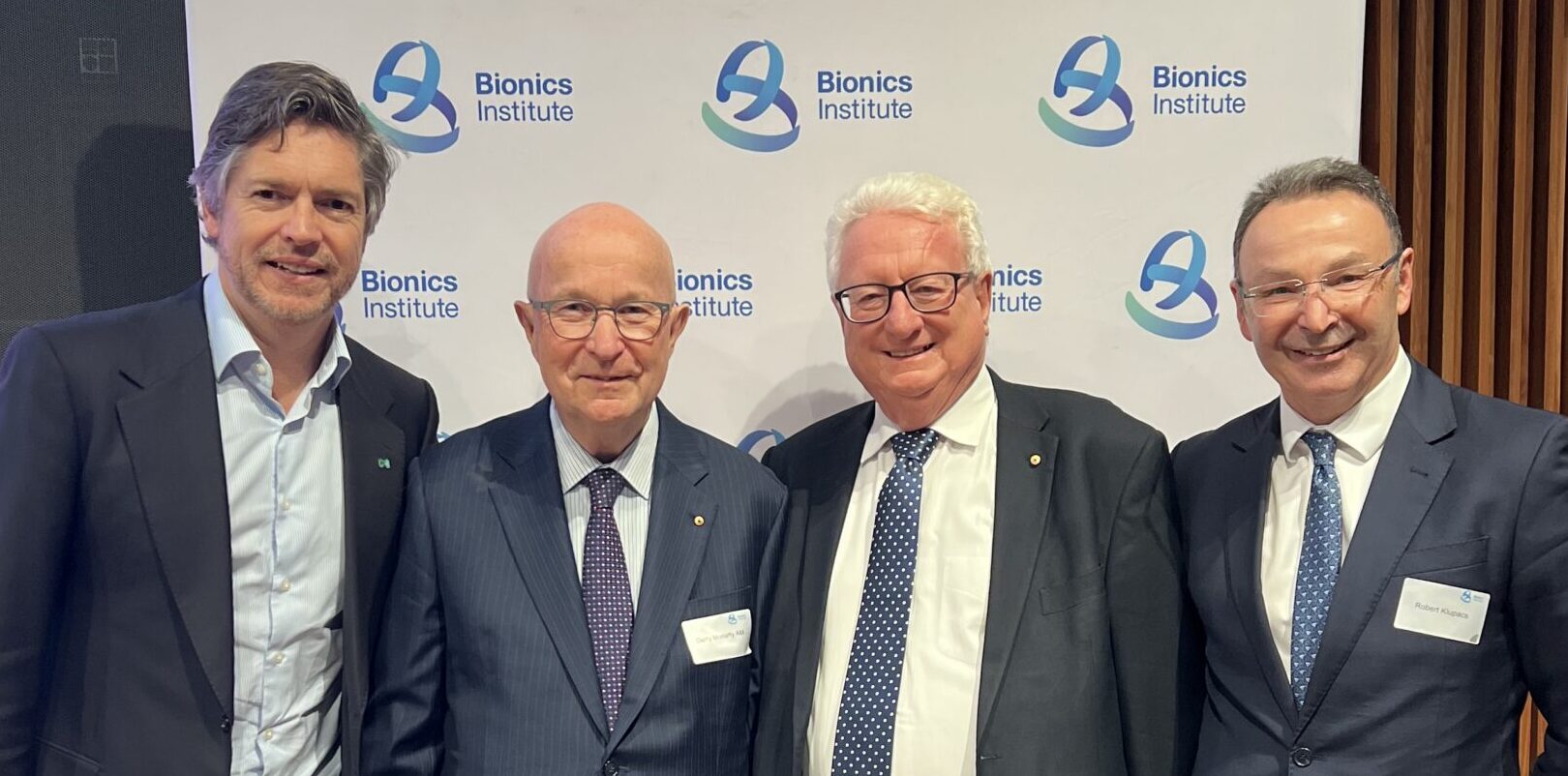

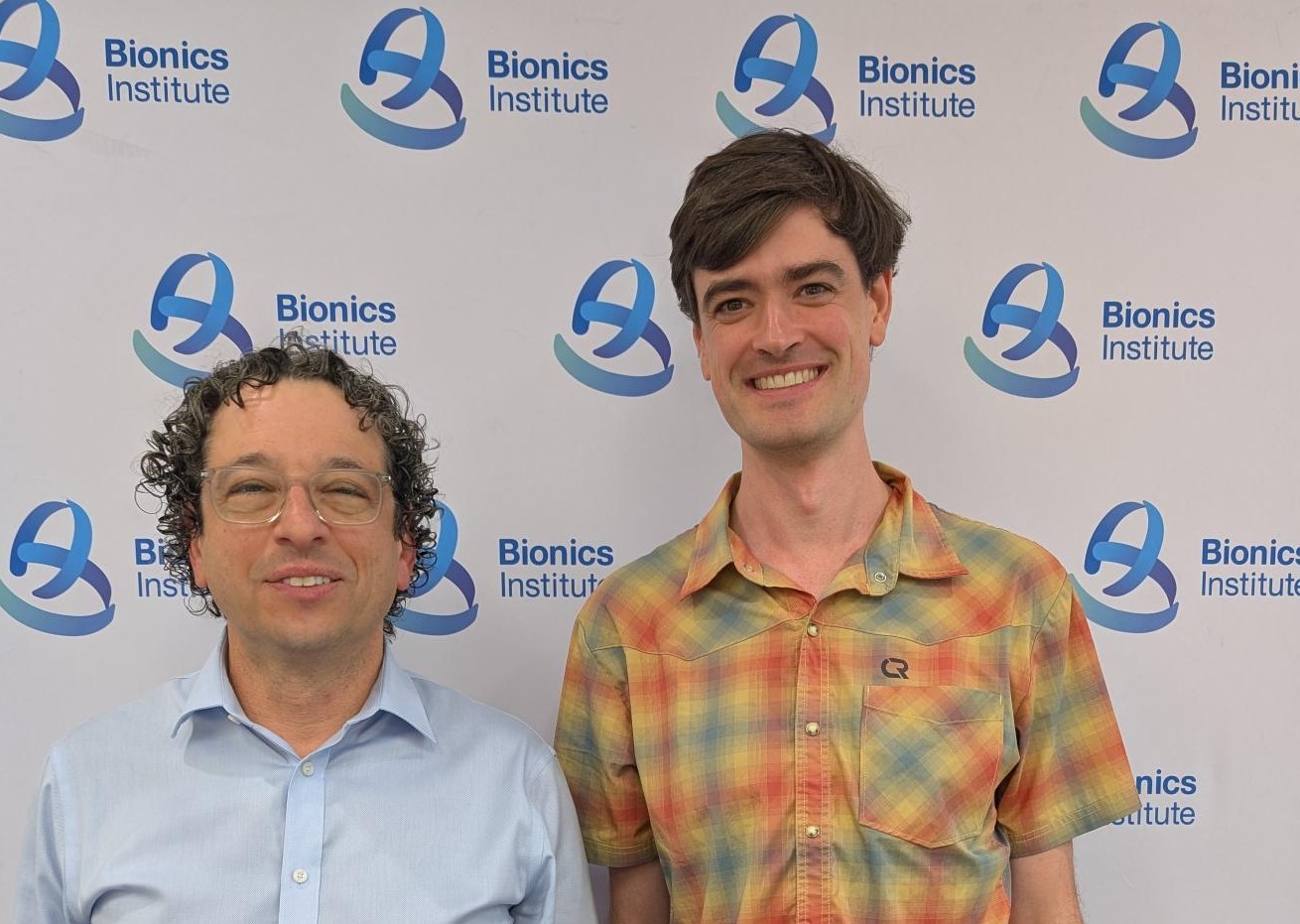

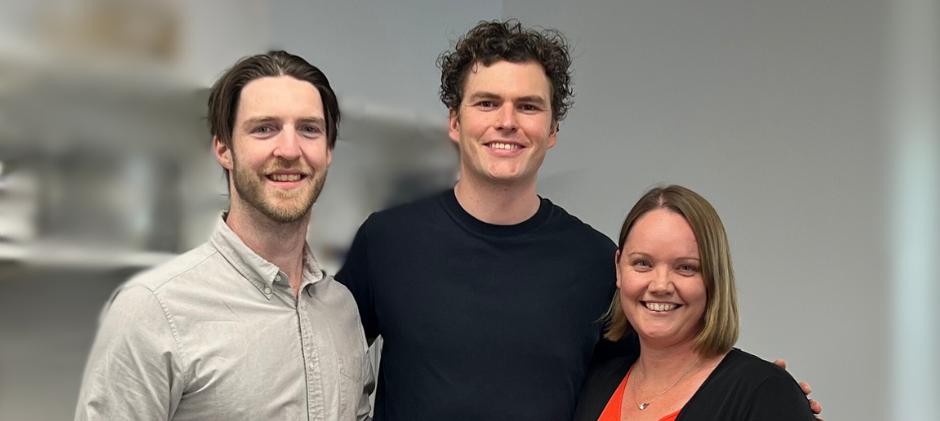


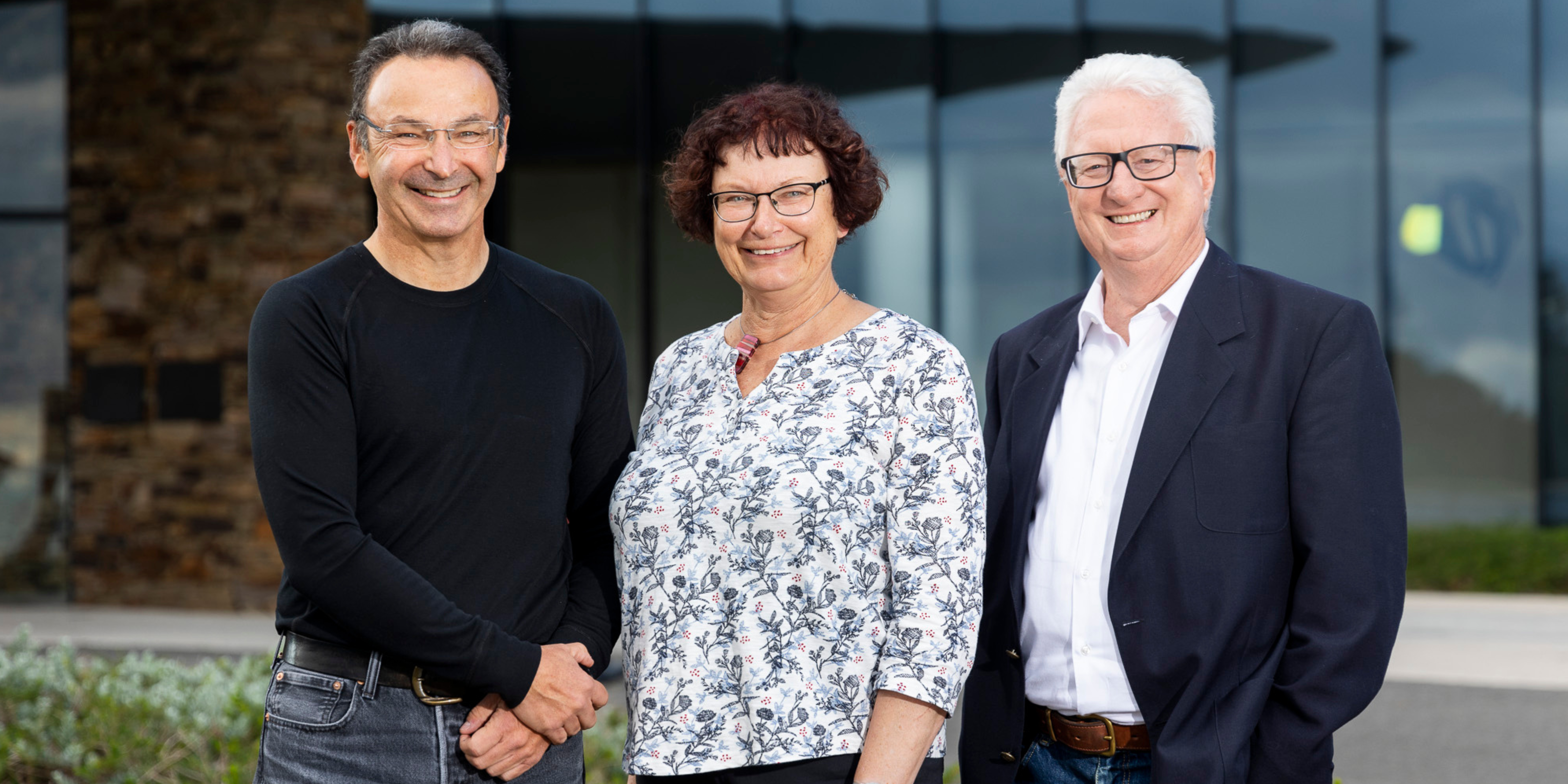
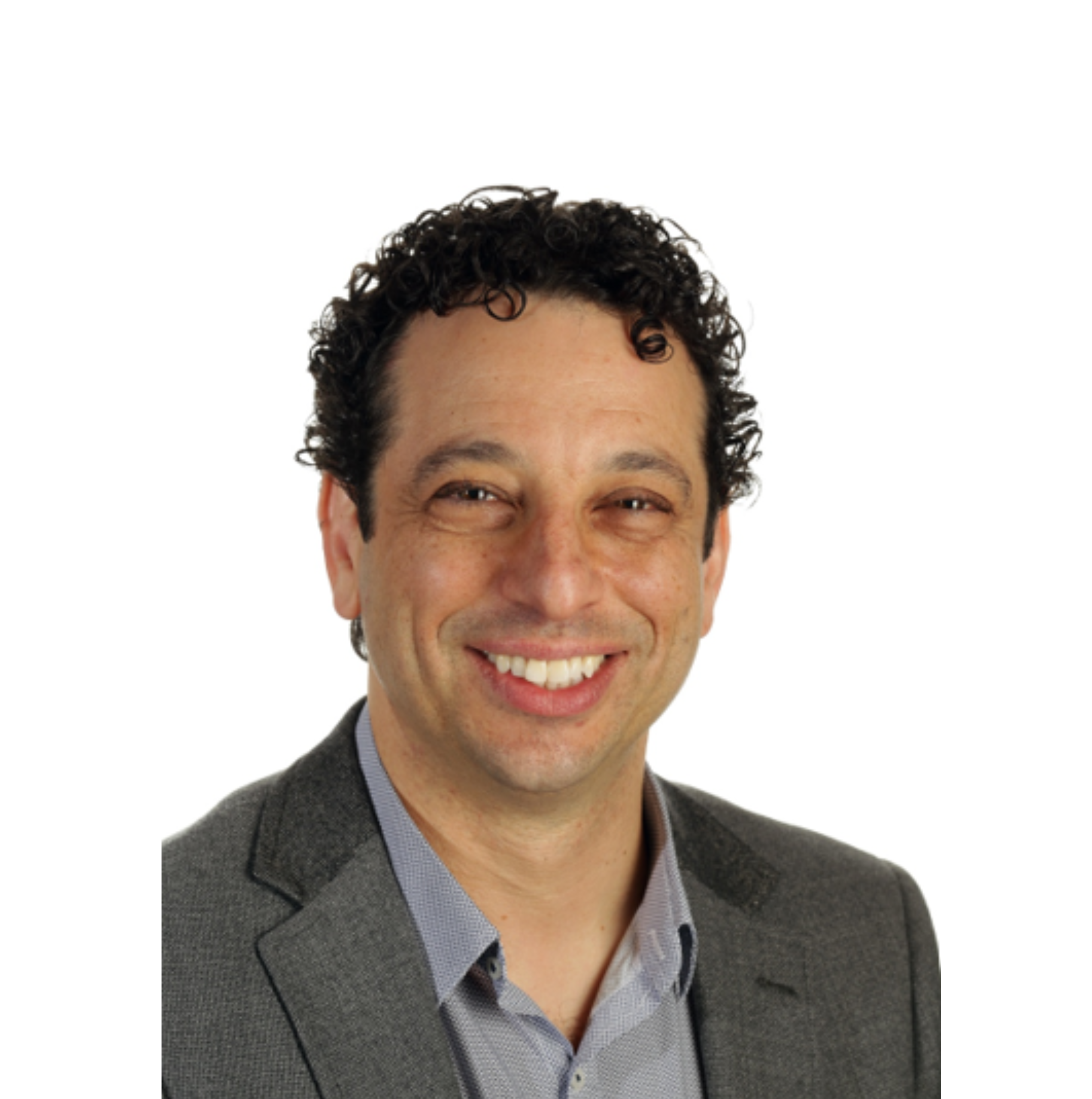

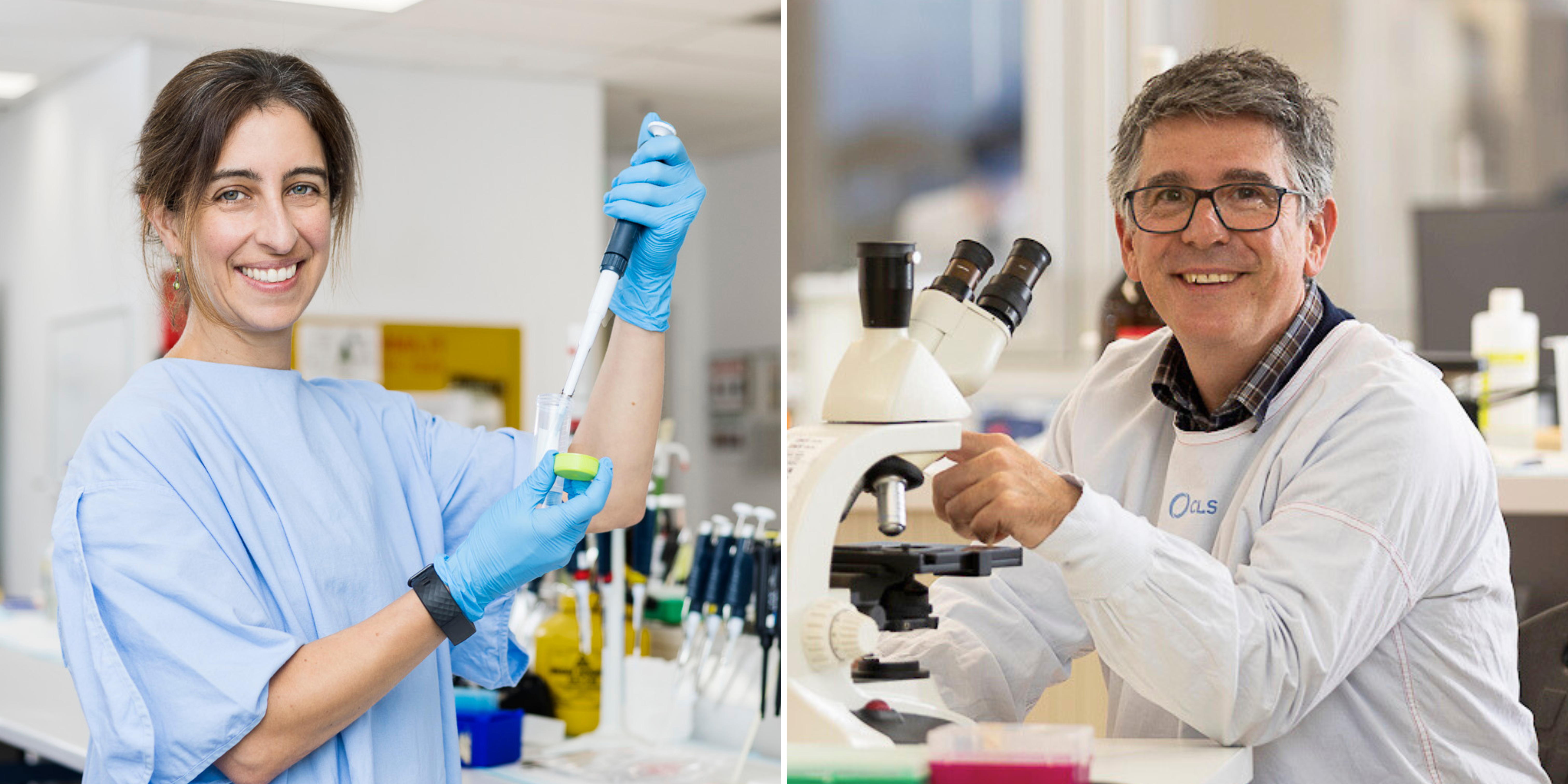
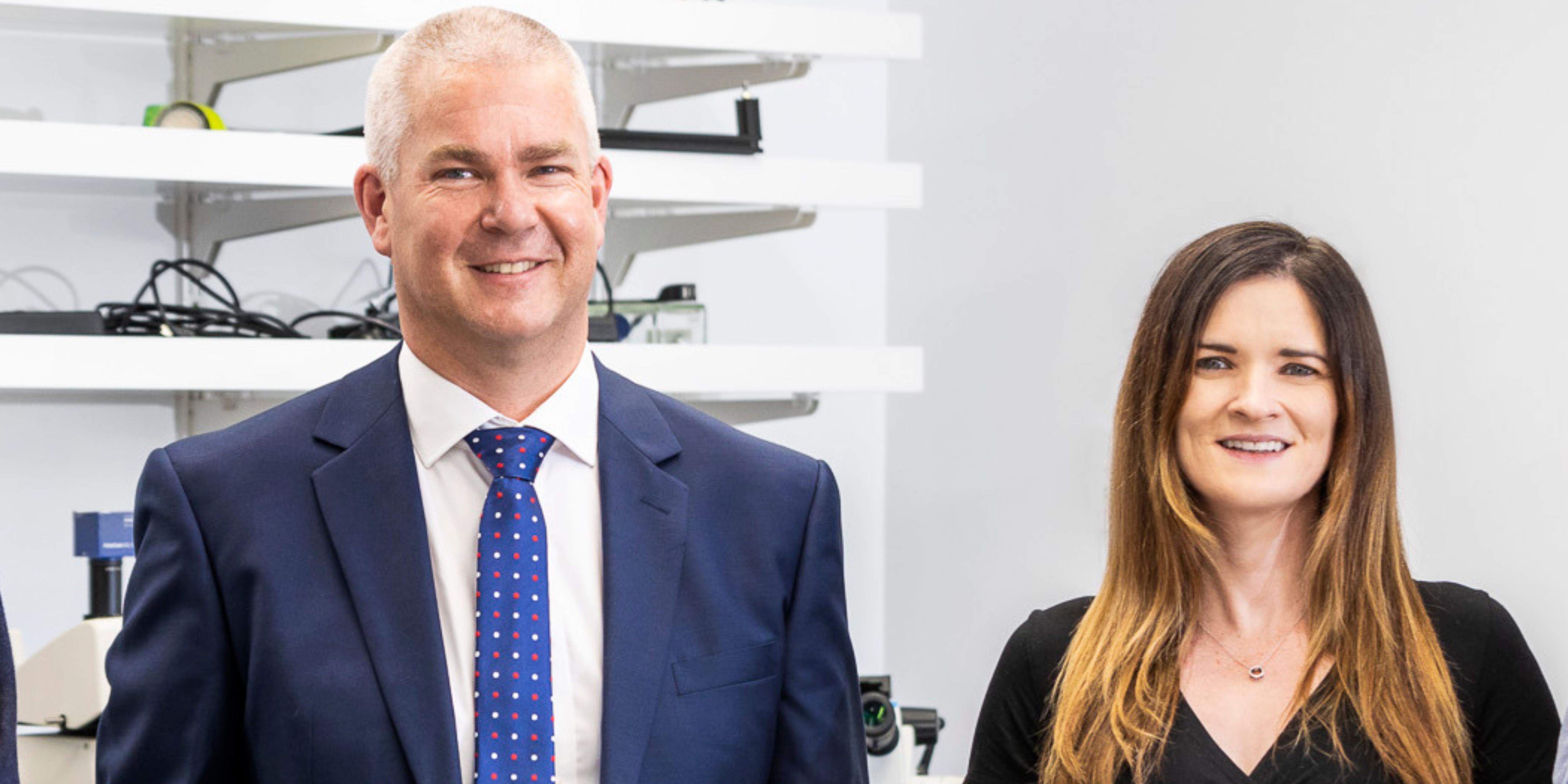

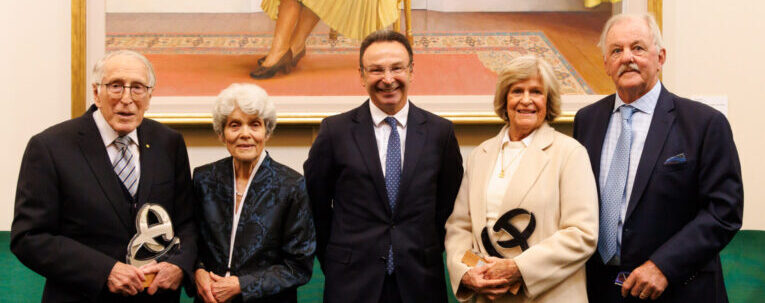
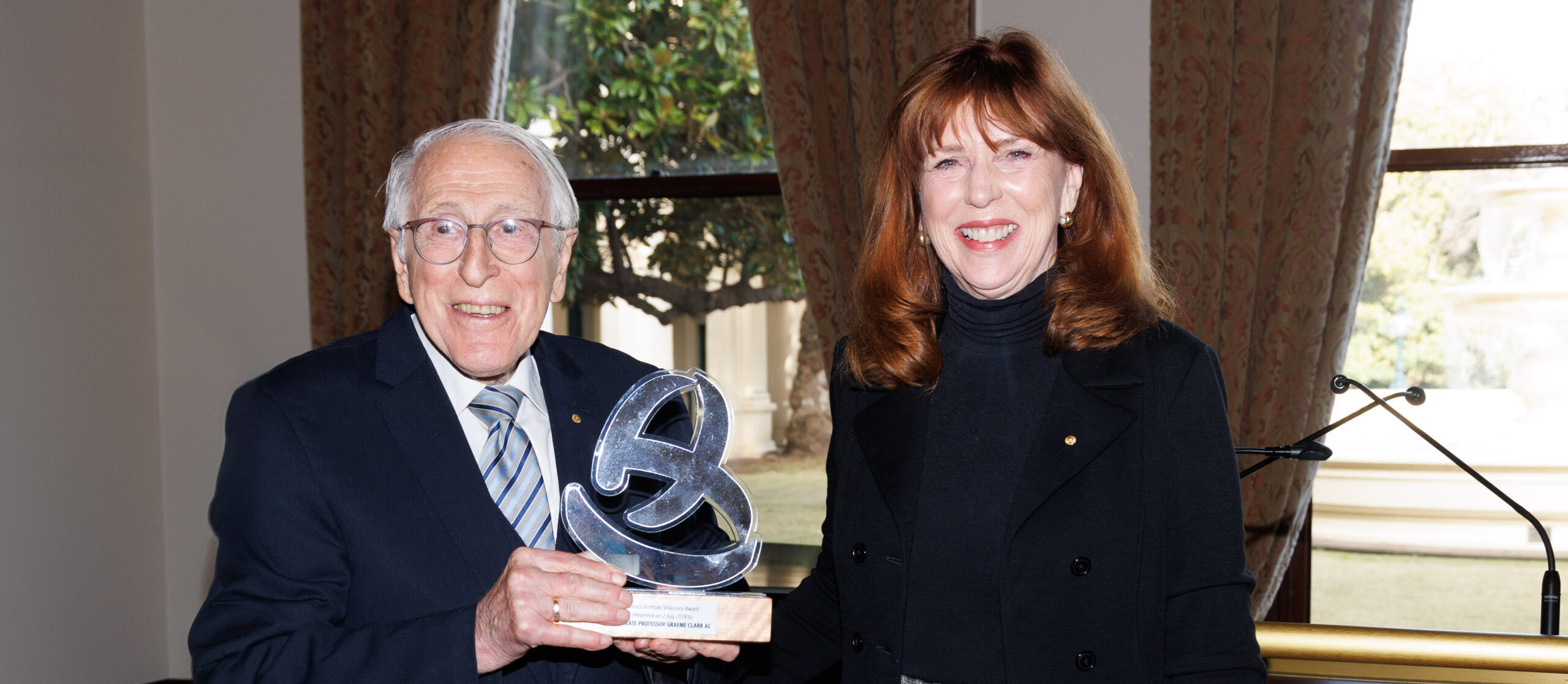
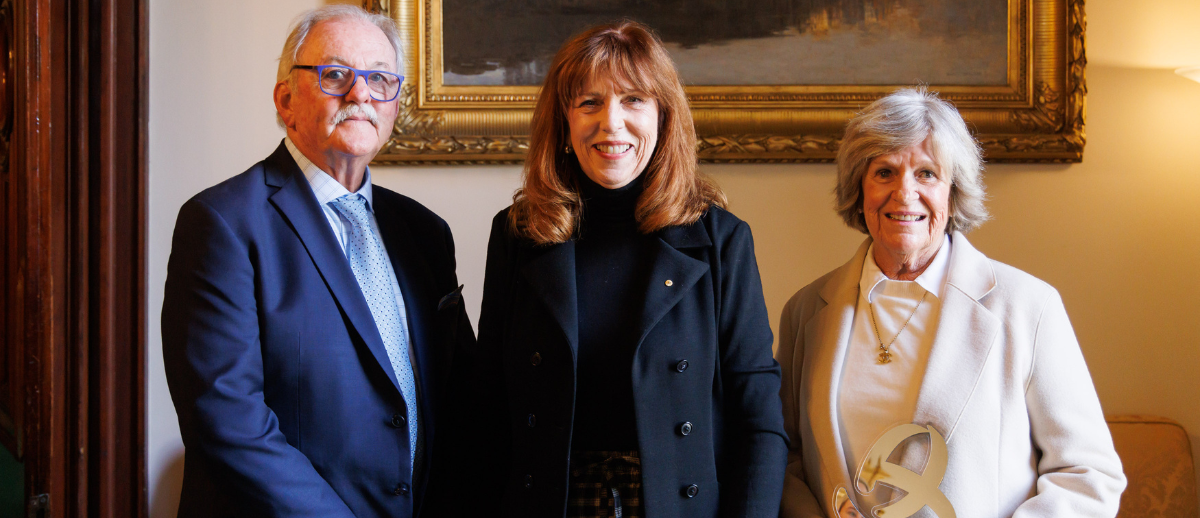




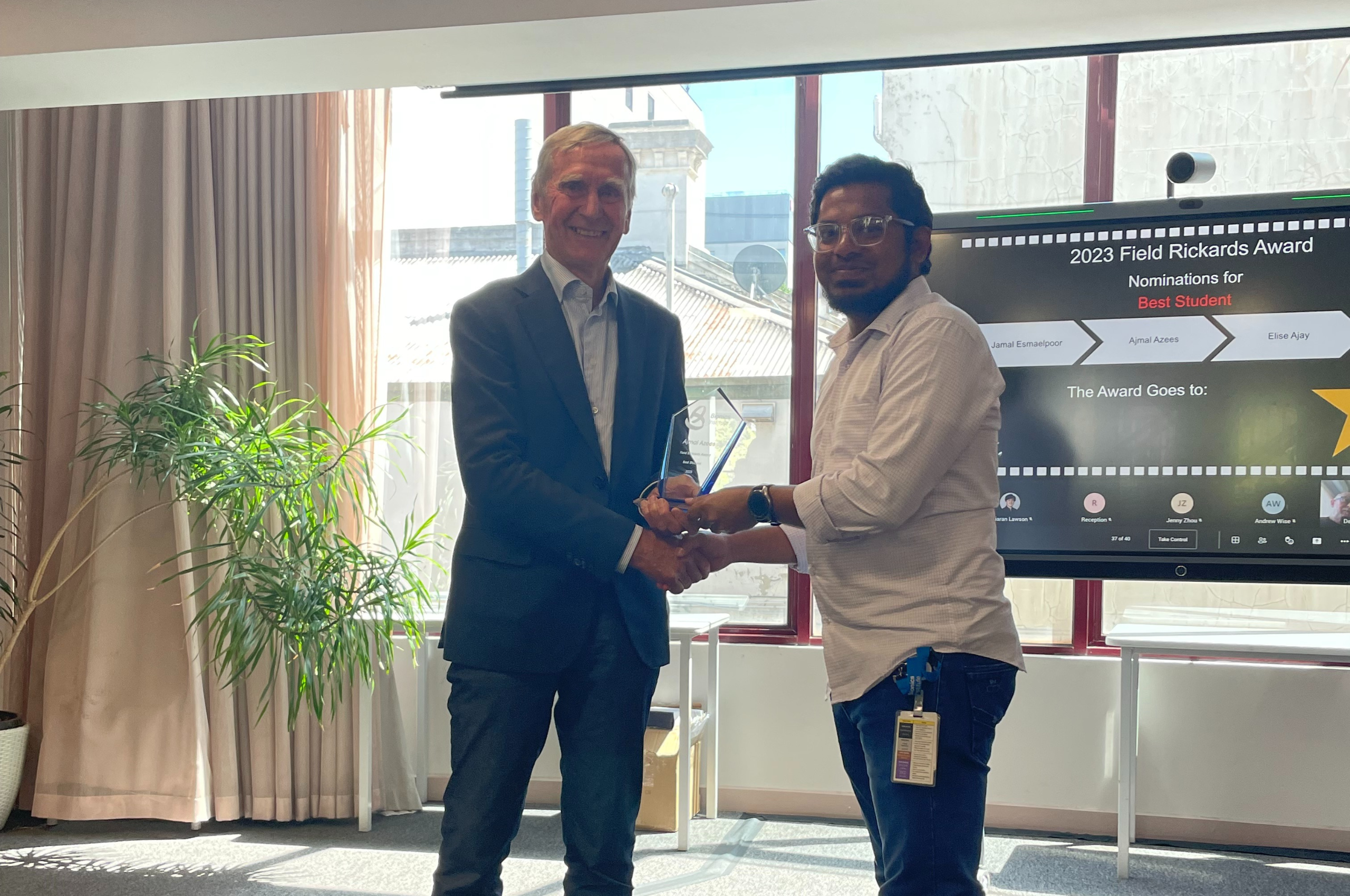
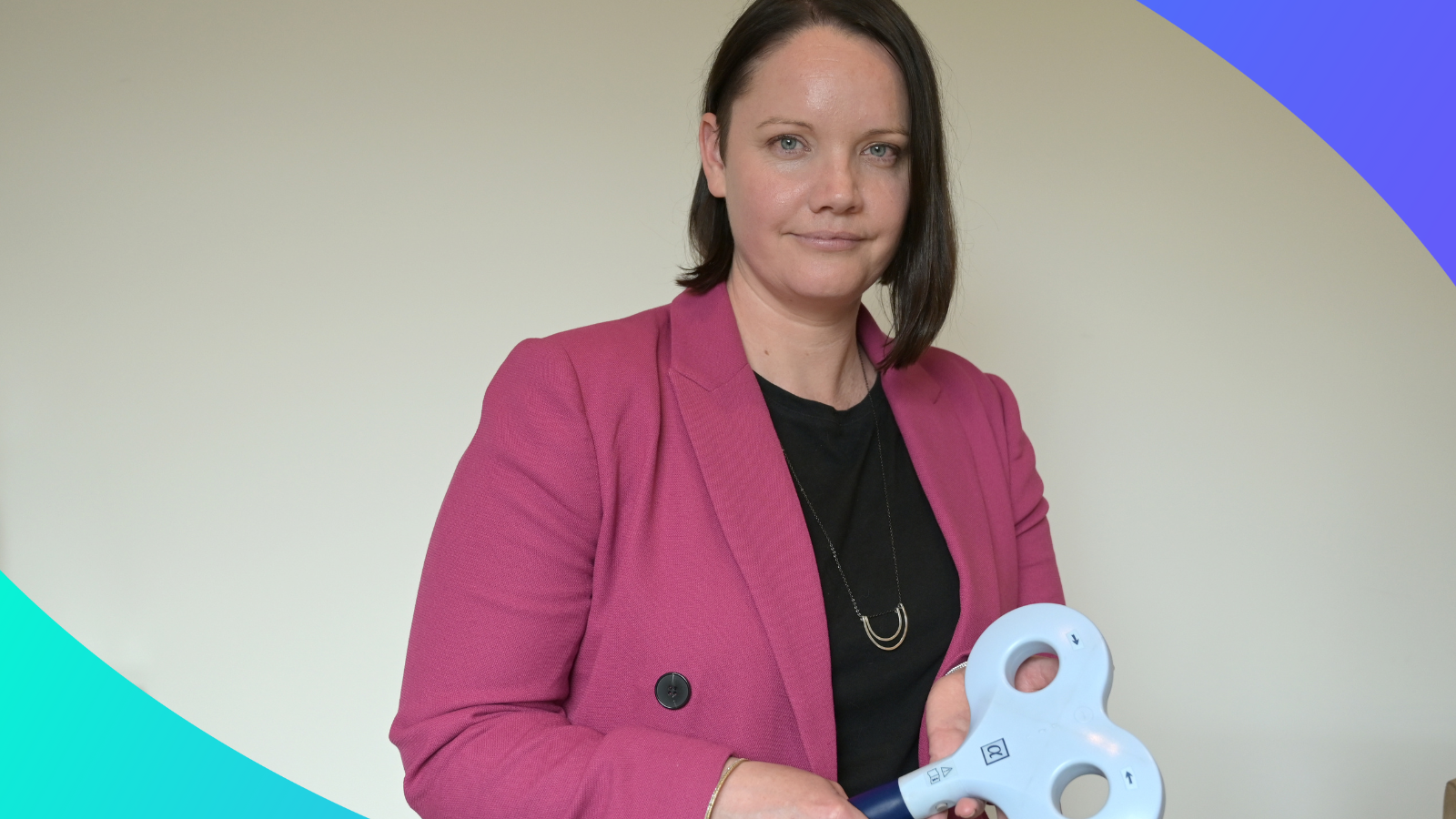
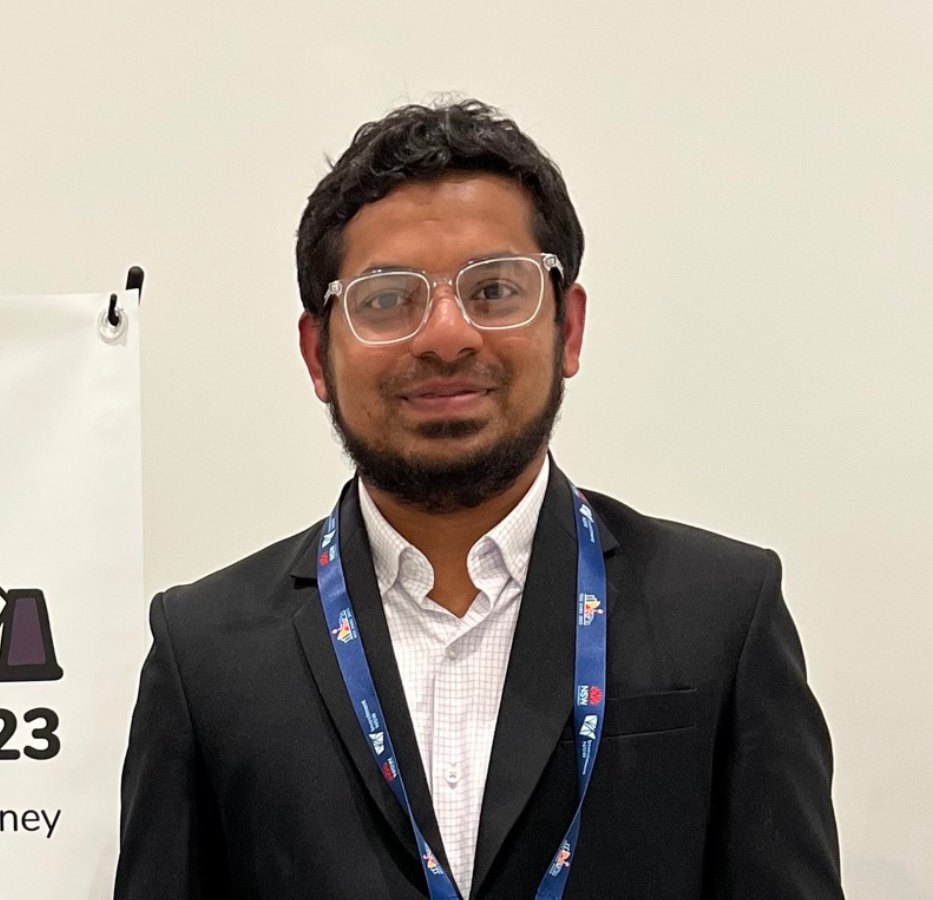

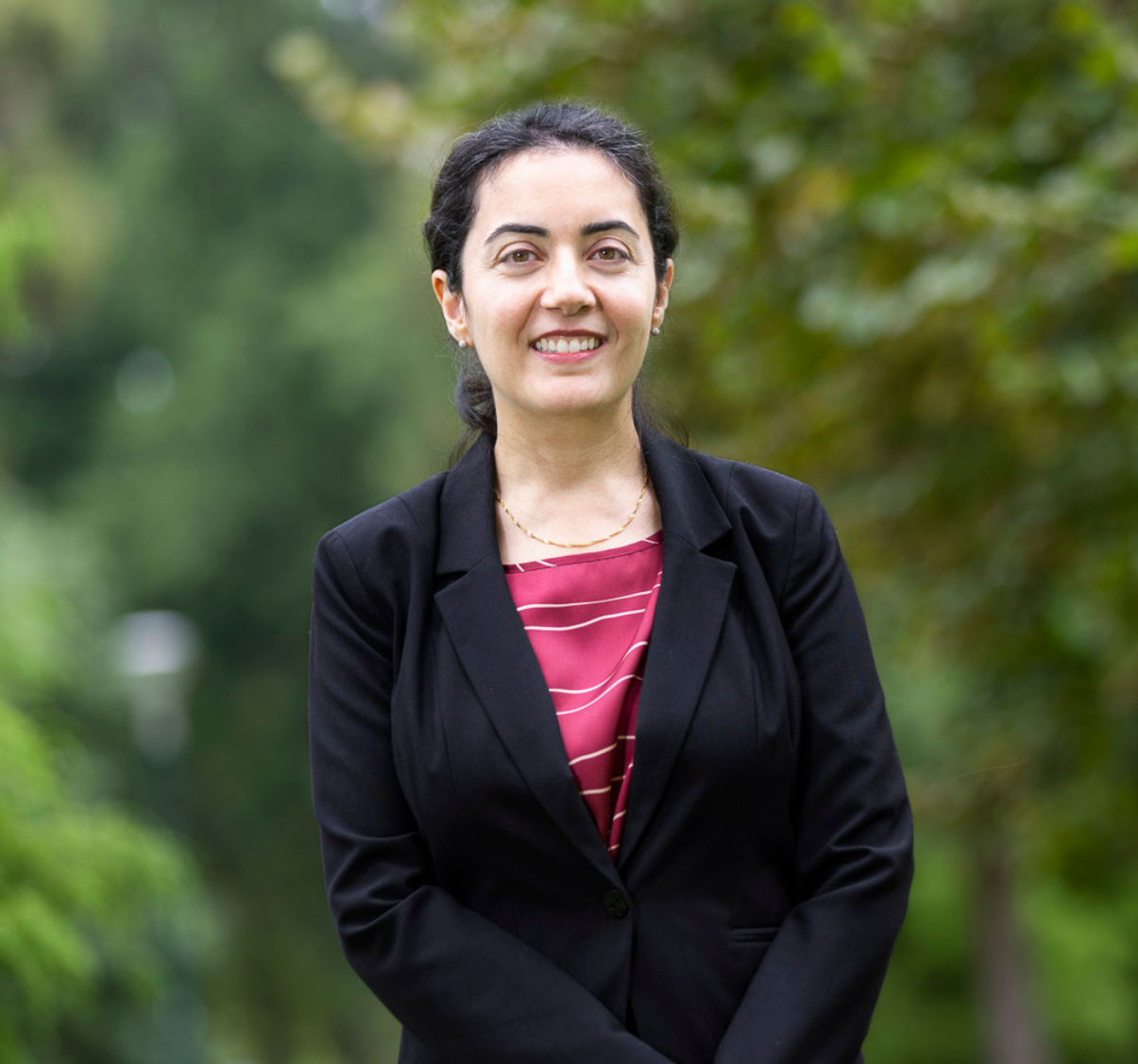


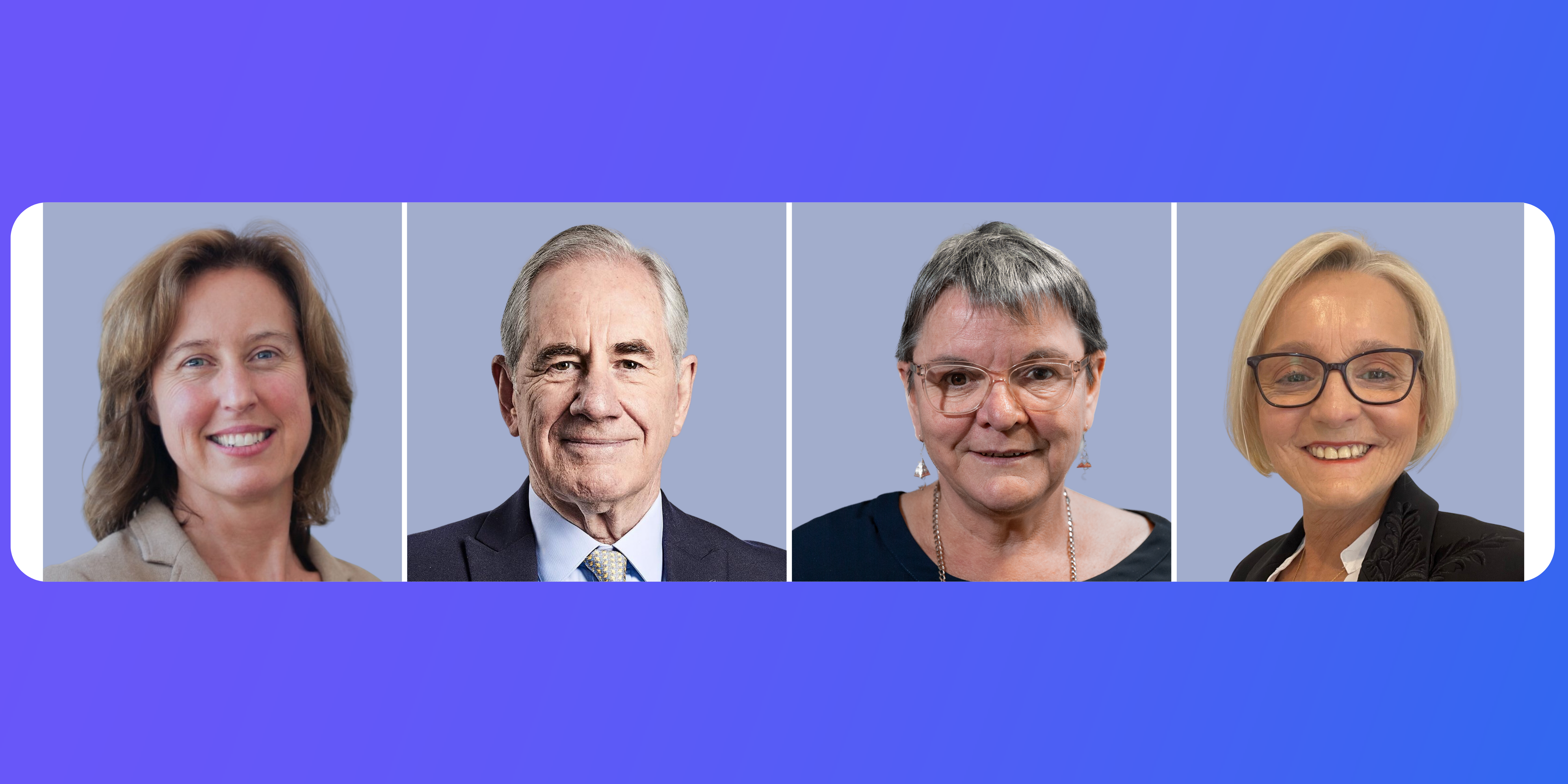
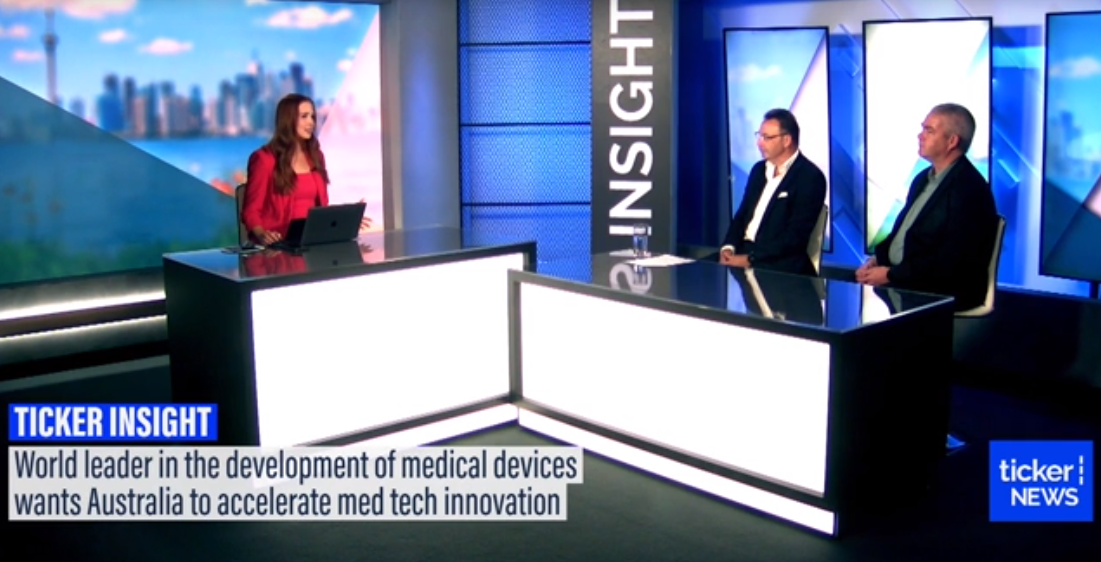
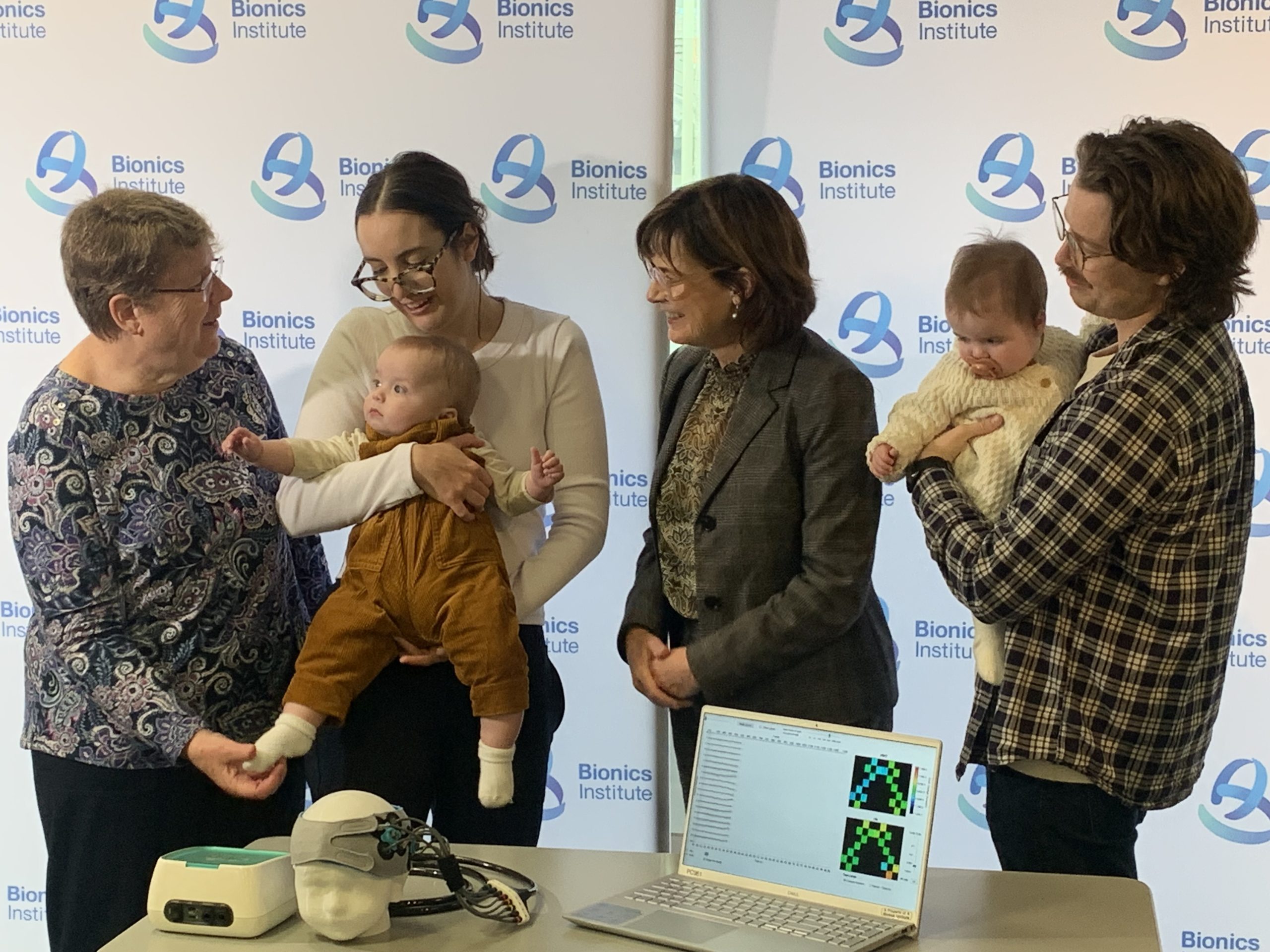
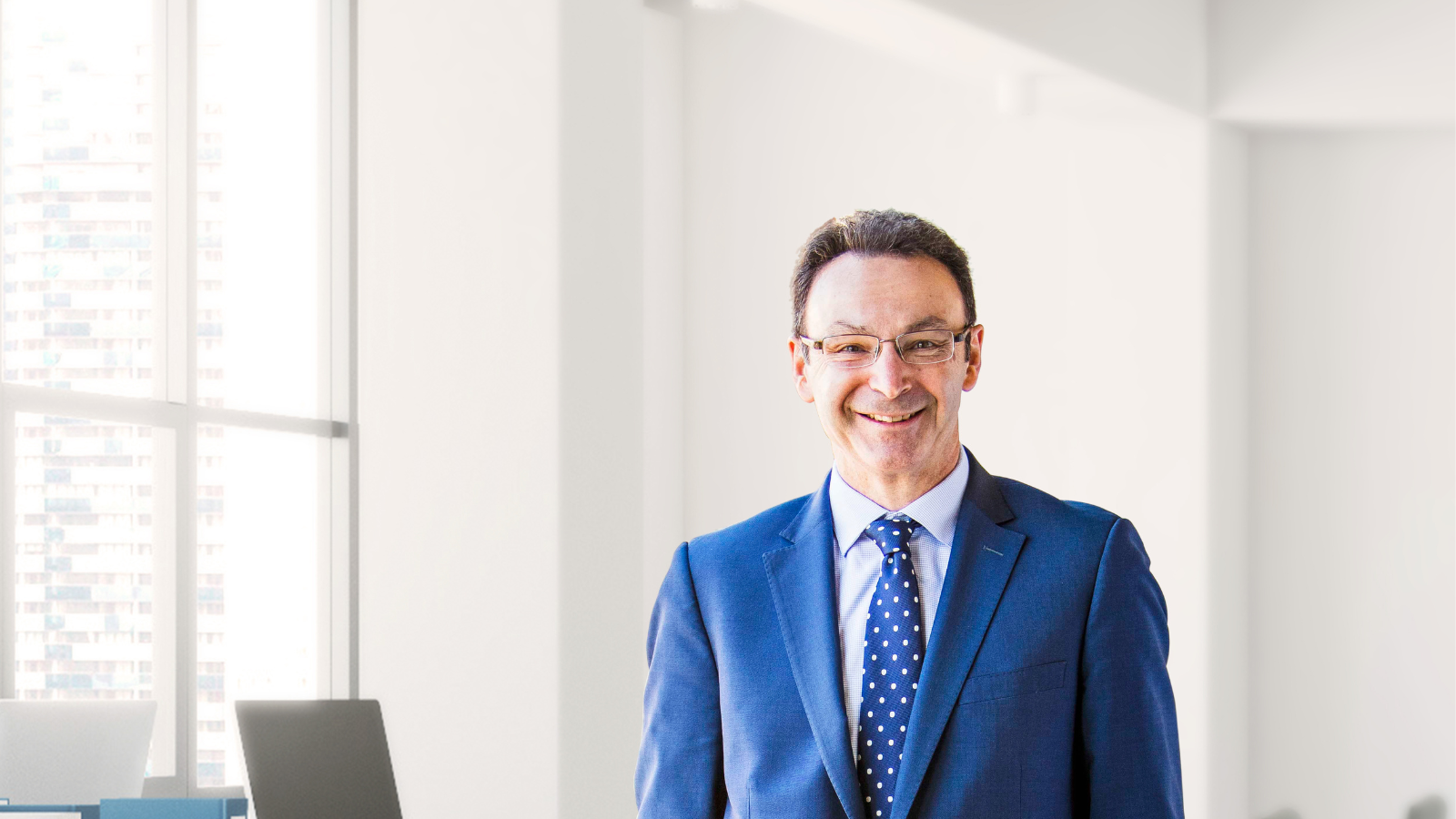
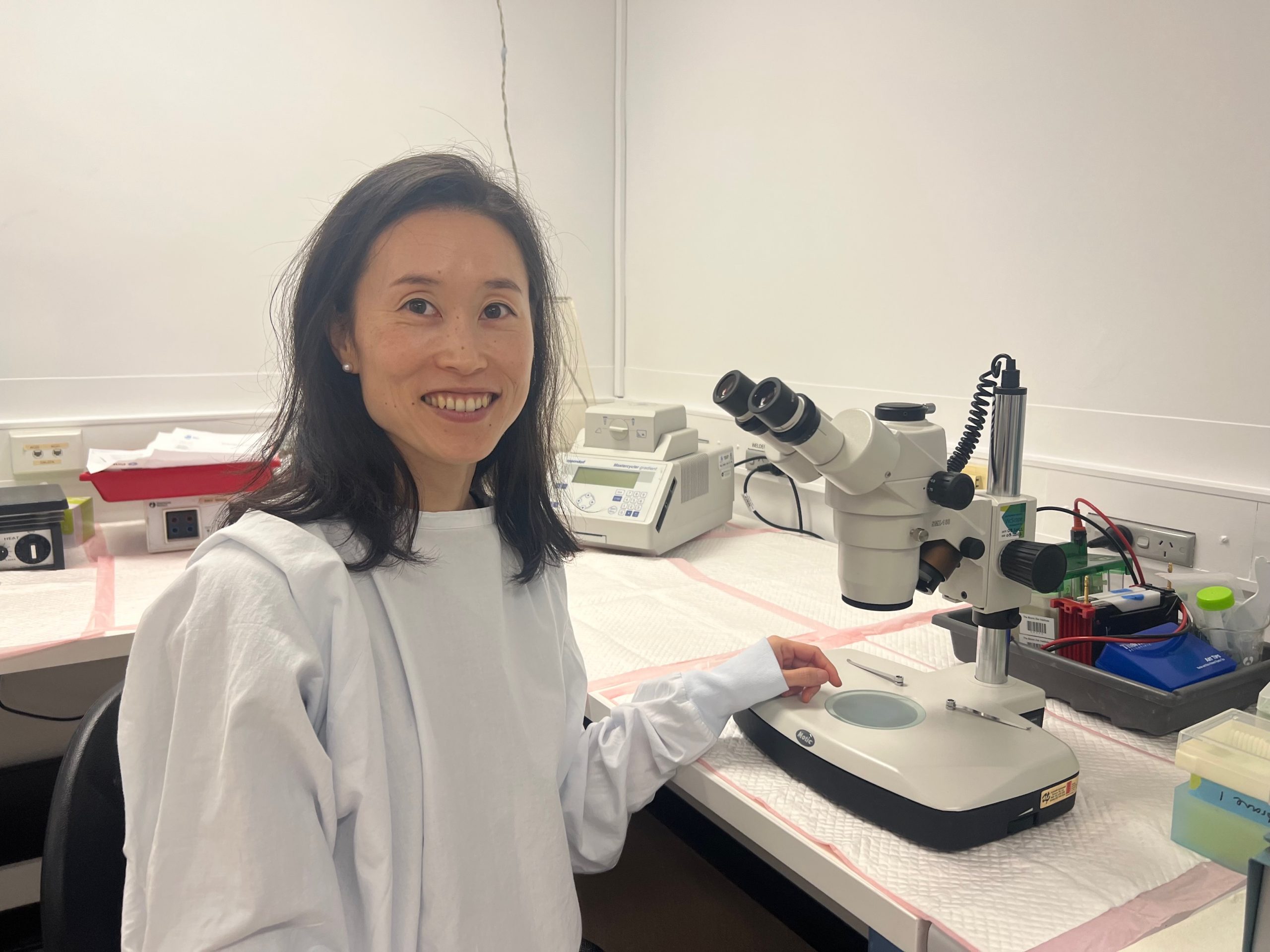
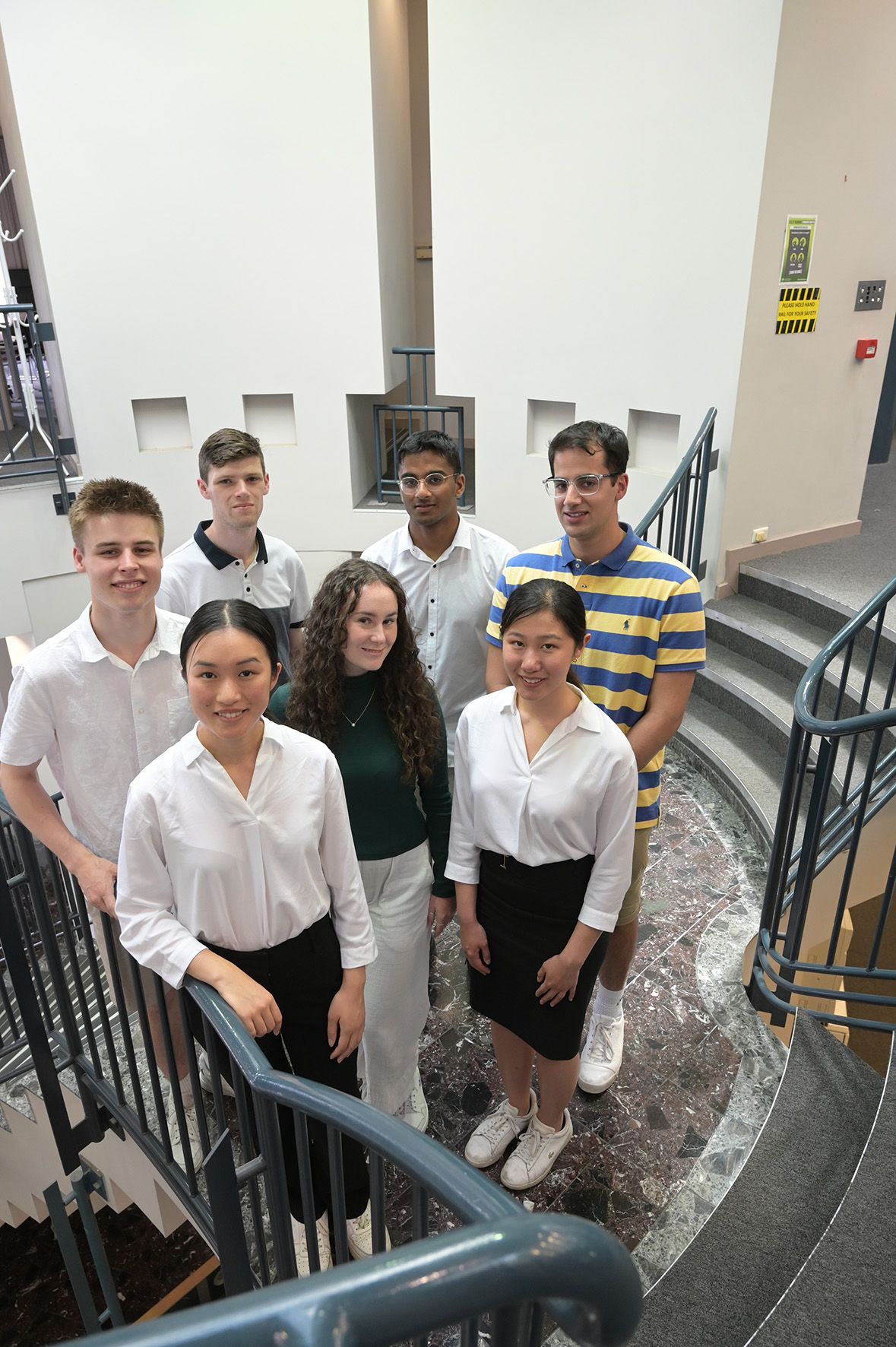
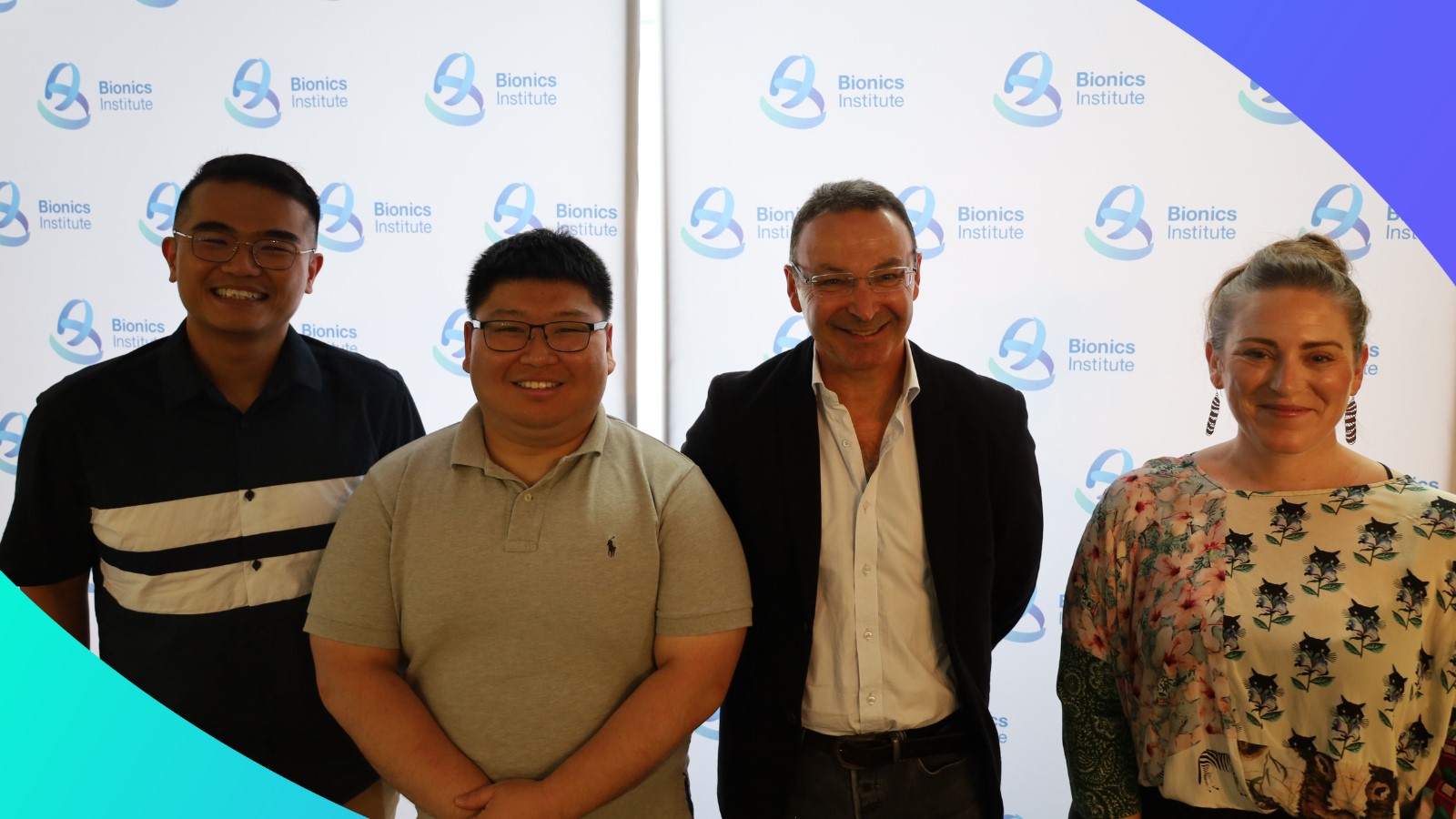
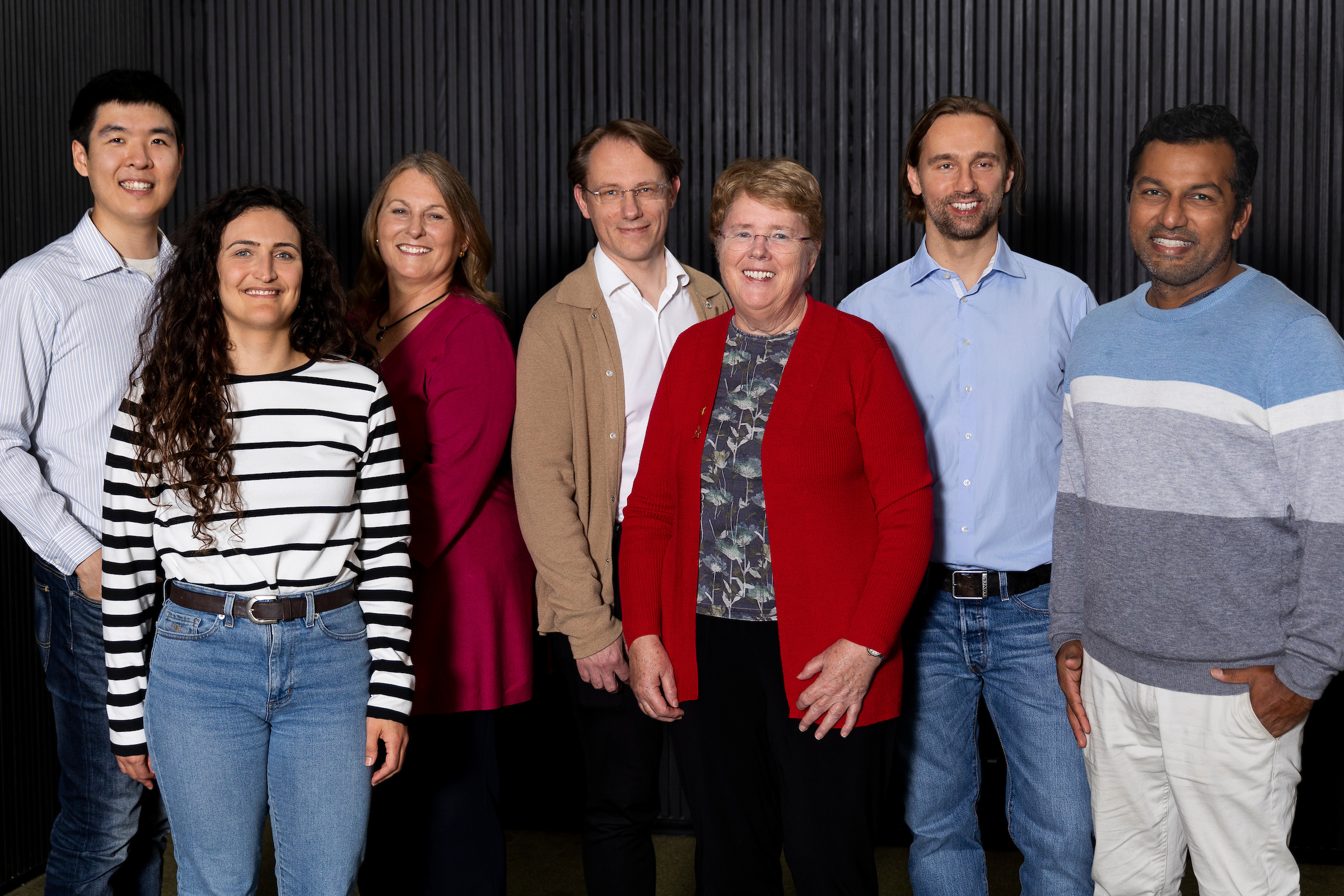
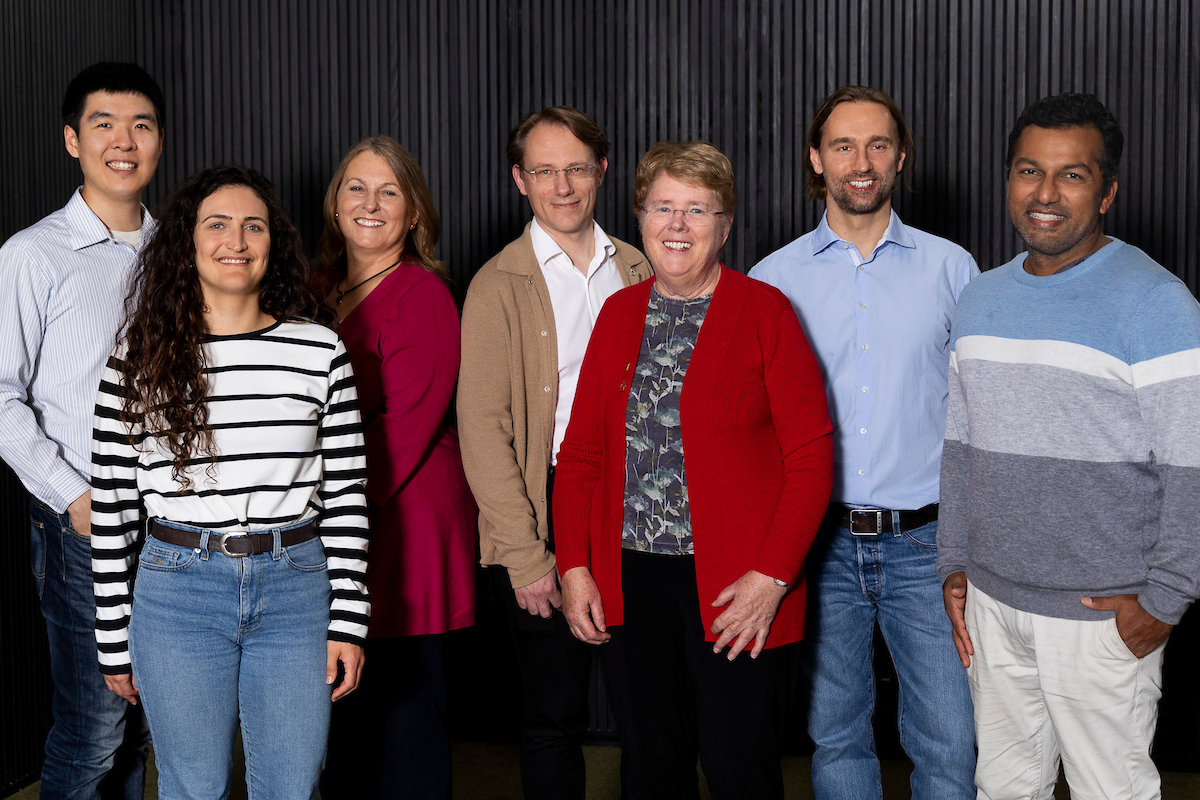
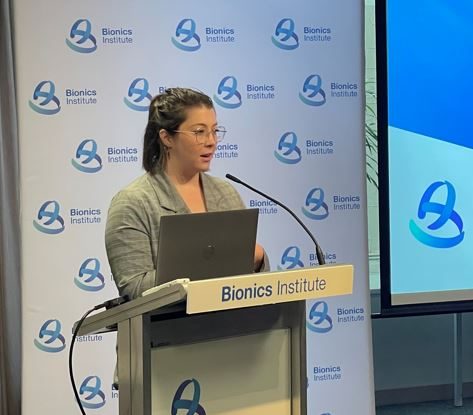

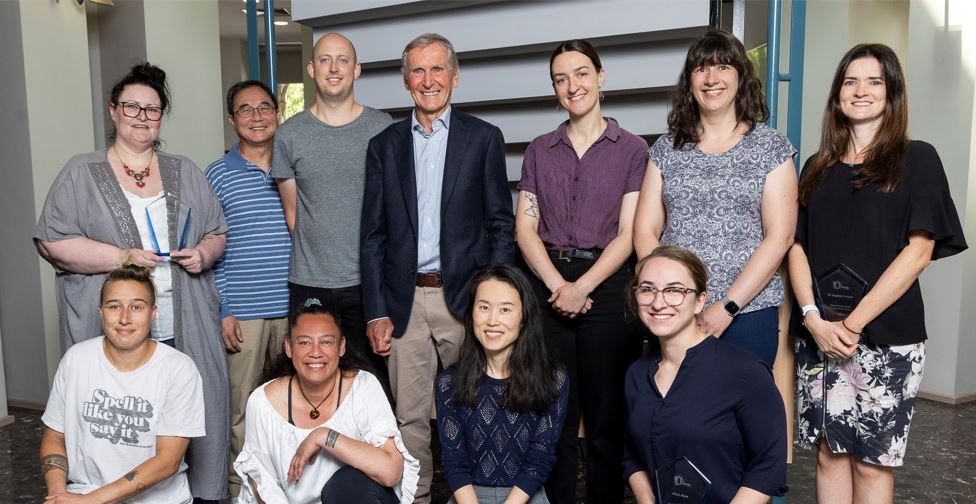
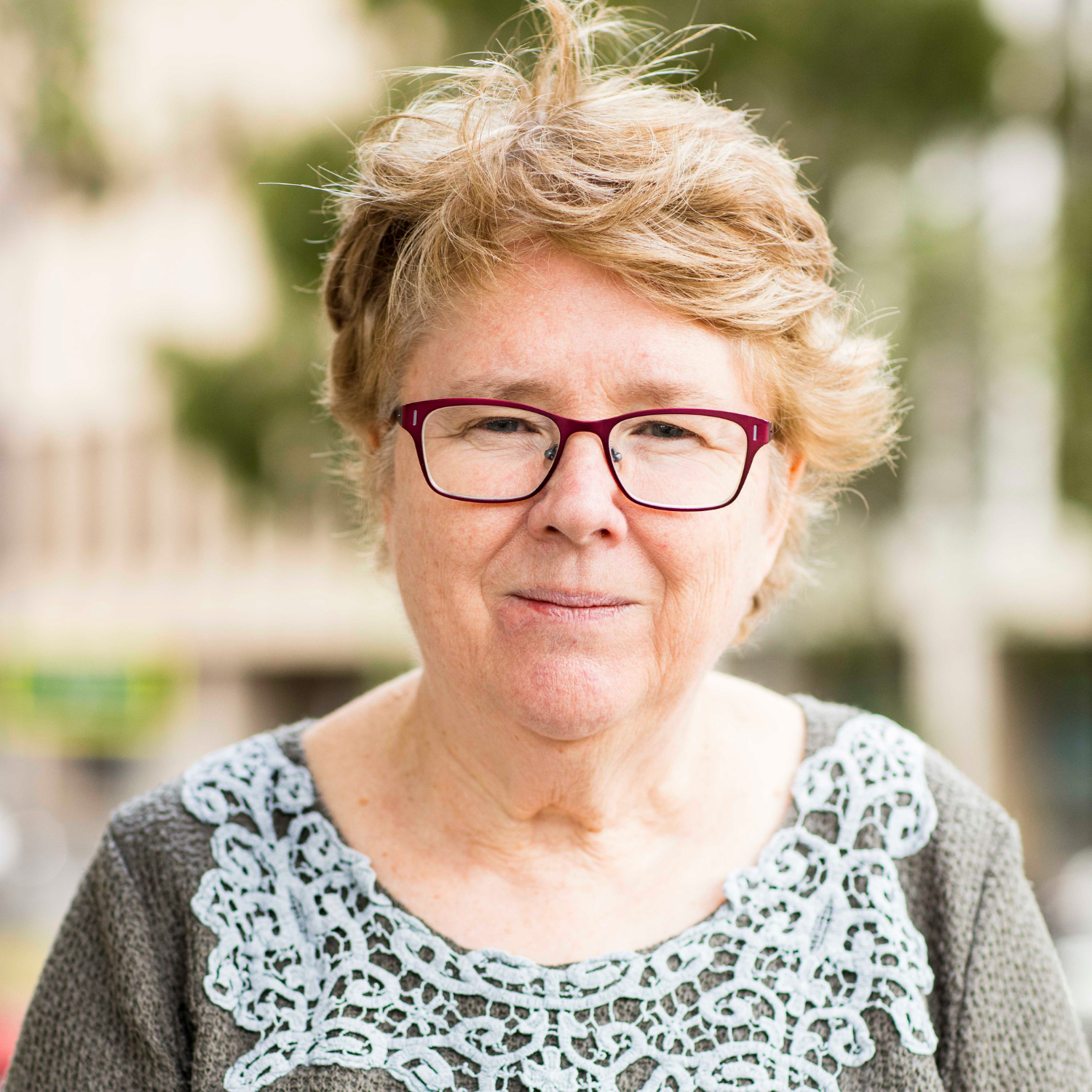

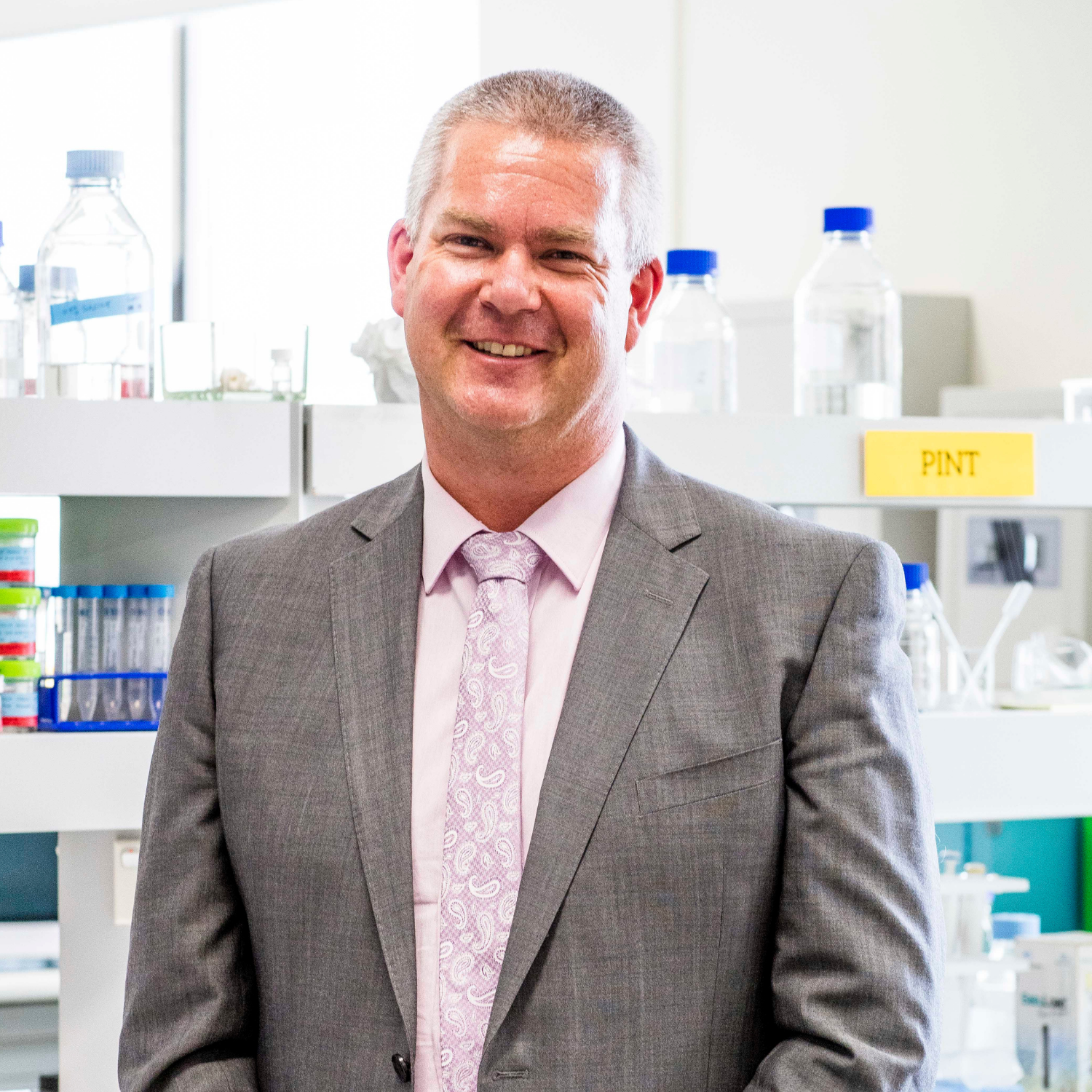

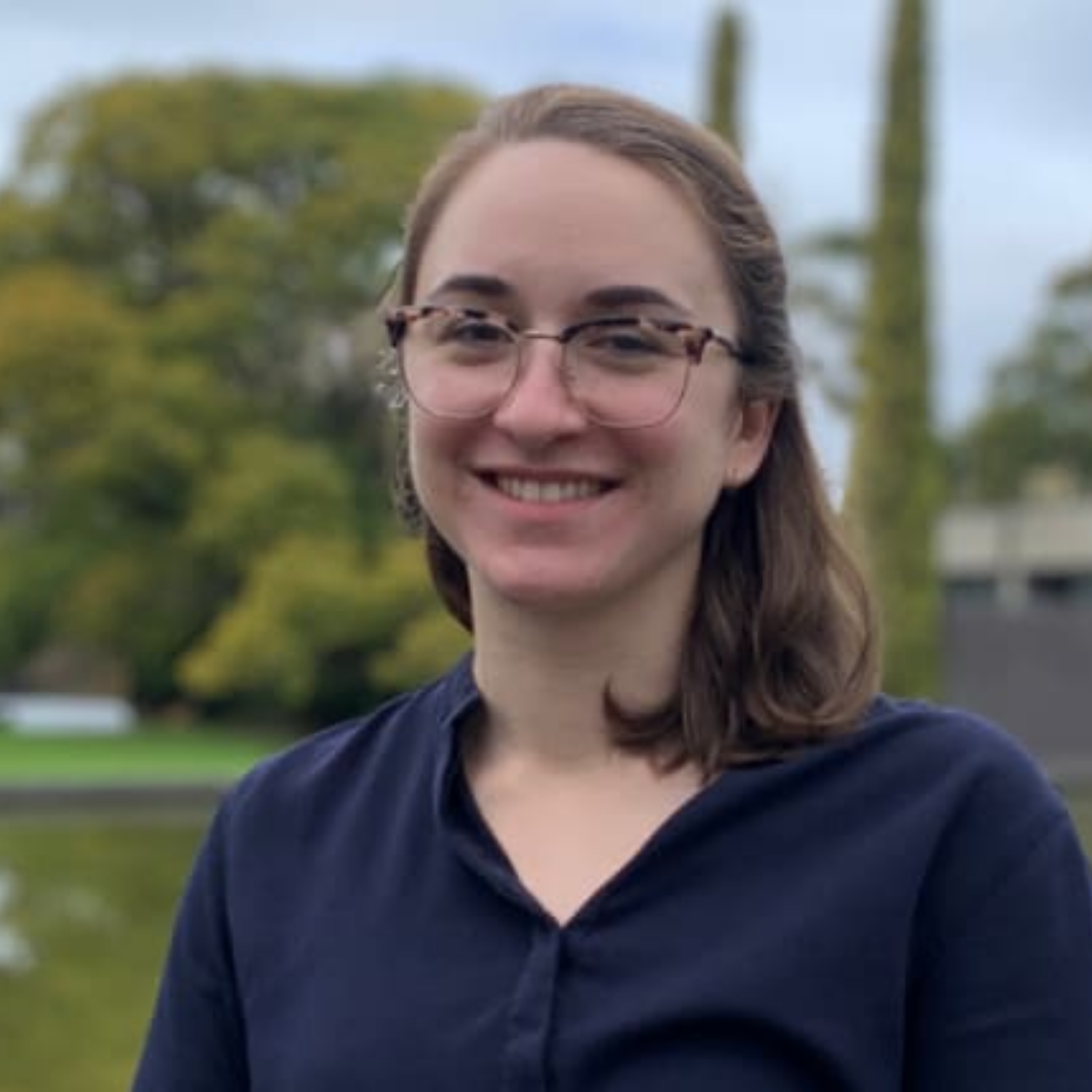


We were delighted to welcome Professor Field Rickards, Professor Dexter Irvine, Professor Peter Seligman and Associate Professor Graeme Rathbone to our final staff meeting of 2023.
All three researchers have made a substantial contribution to the Bionics Institute wider med tech sector during their careers and have held a number of prestigious roles, including academia.
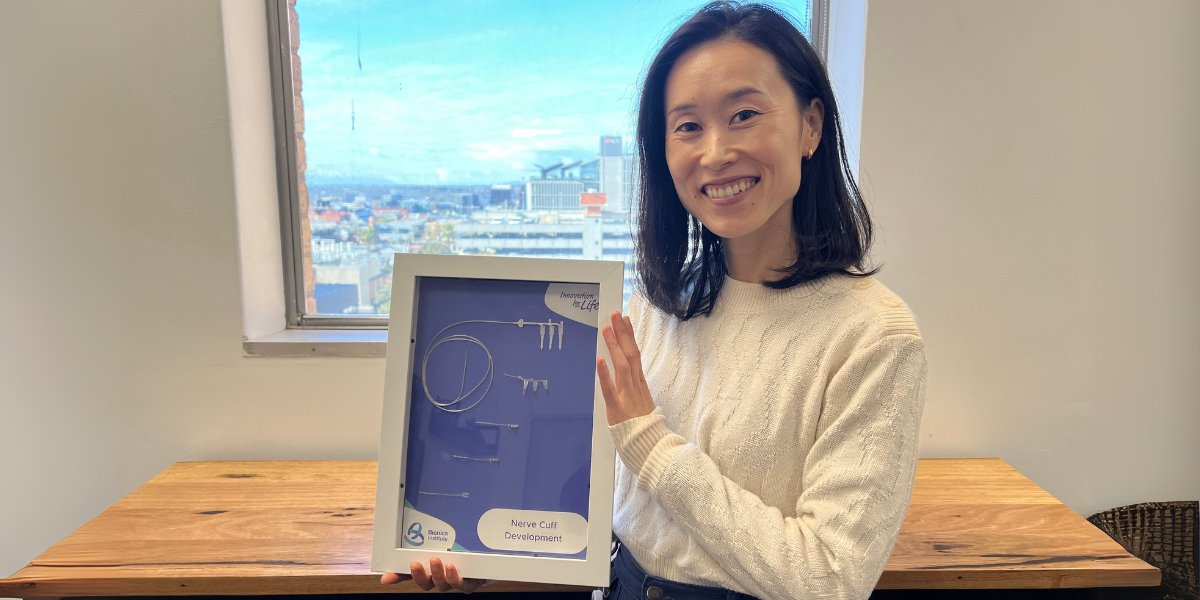
In recognition of their long service, we were delighted to offer the inaugural Graeme Rathbone Award, Dexter Irvine Award and Graeme Rathbone Award, alongside our Field Rickards Annual Awards for Leadership and Impact.
This year our recipients were:
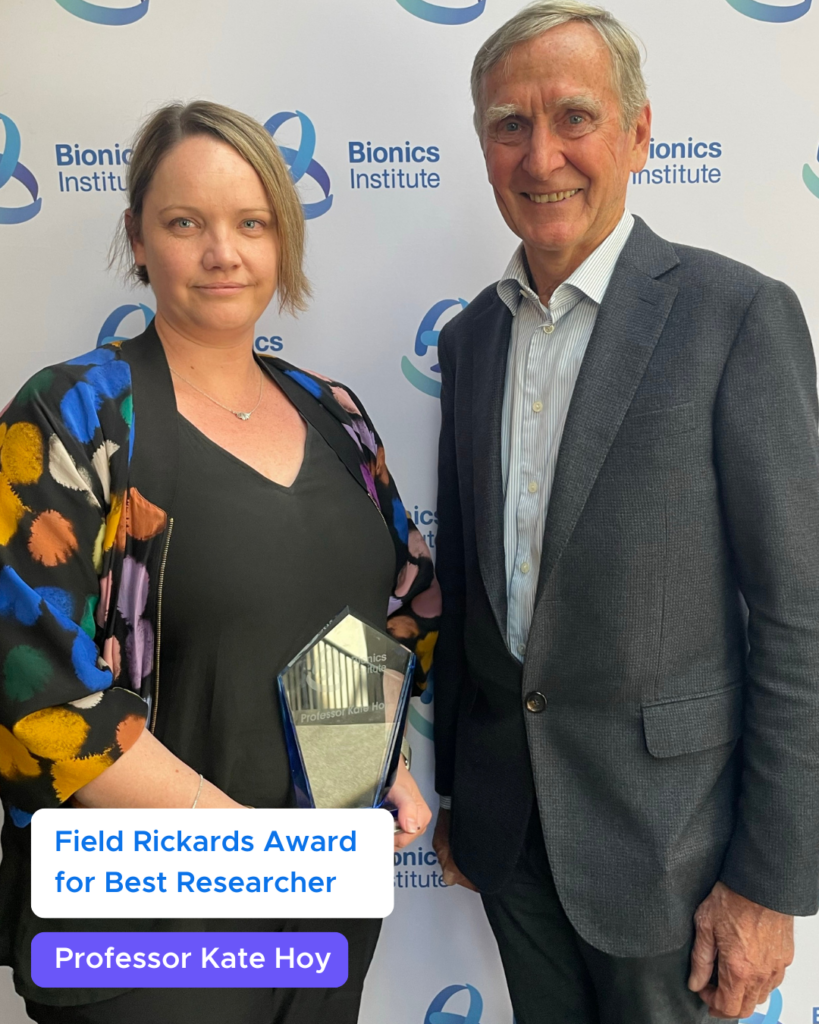
Field Rickards Award for Best Researcher
Professor Kate Hoy
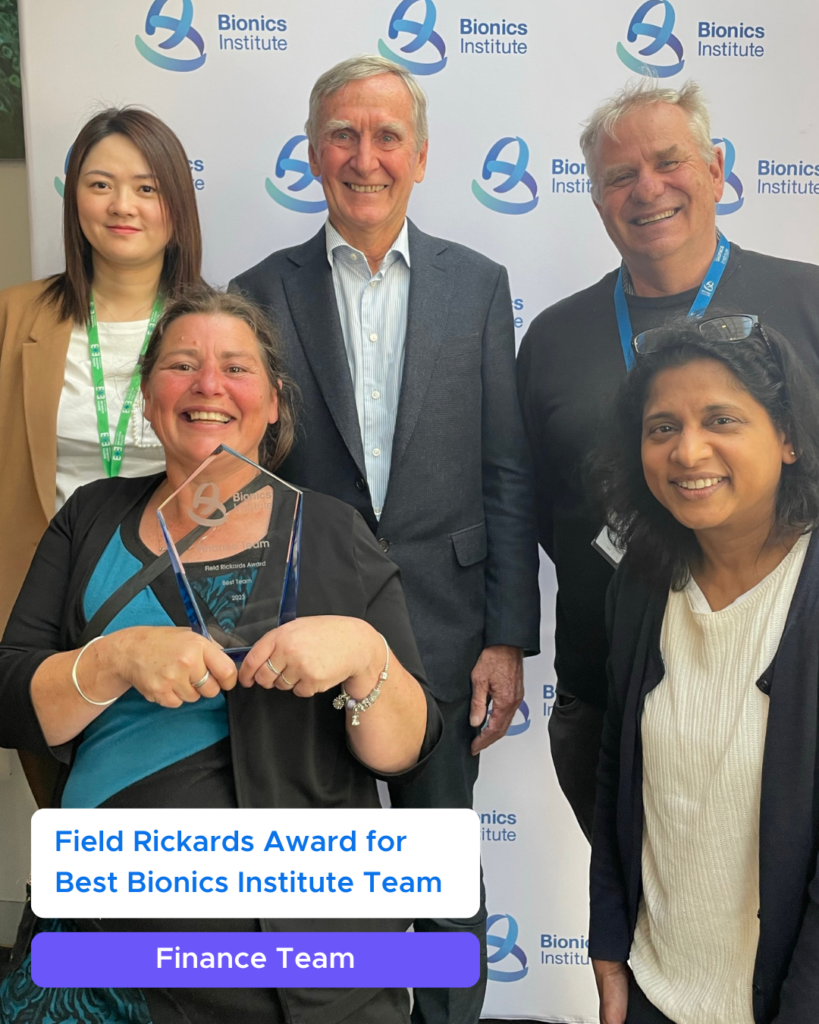
Field Rickards Award for Best Team
Finance Team
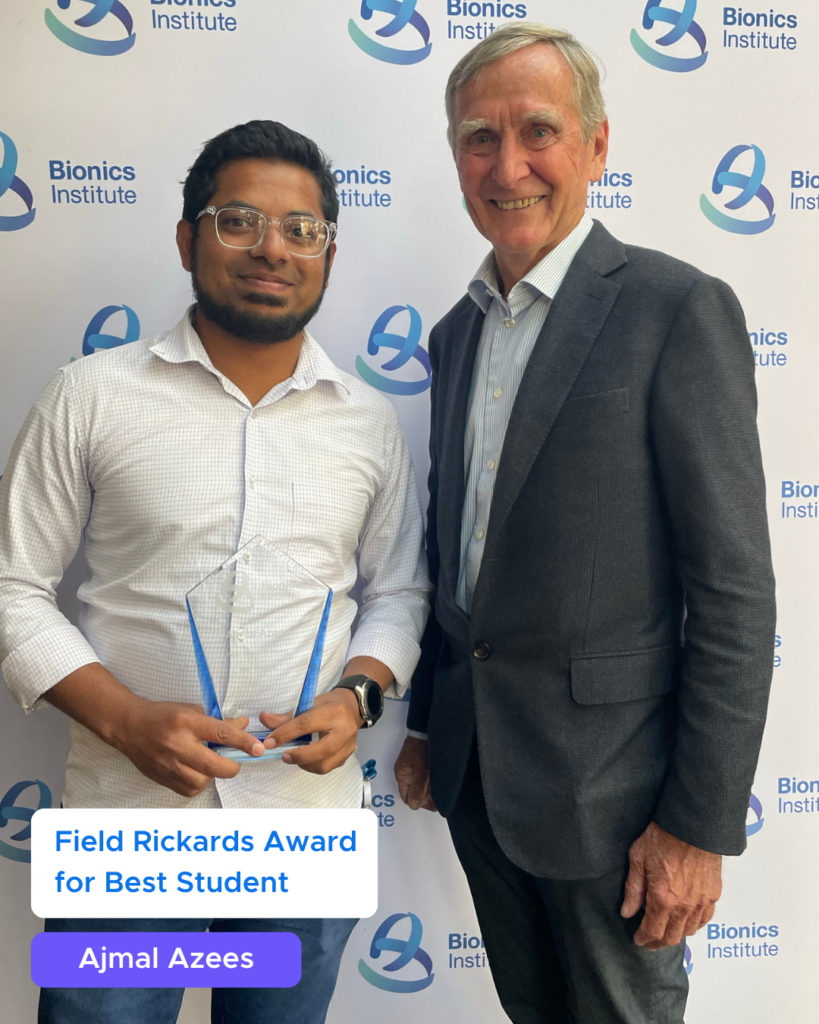
Field Rickards Award for Best Student
Ajmal Azees
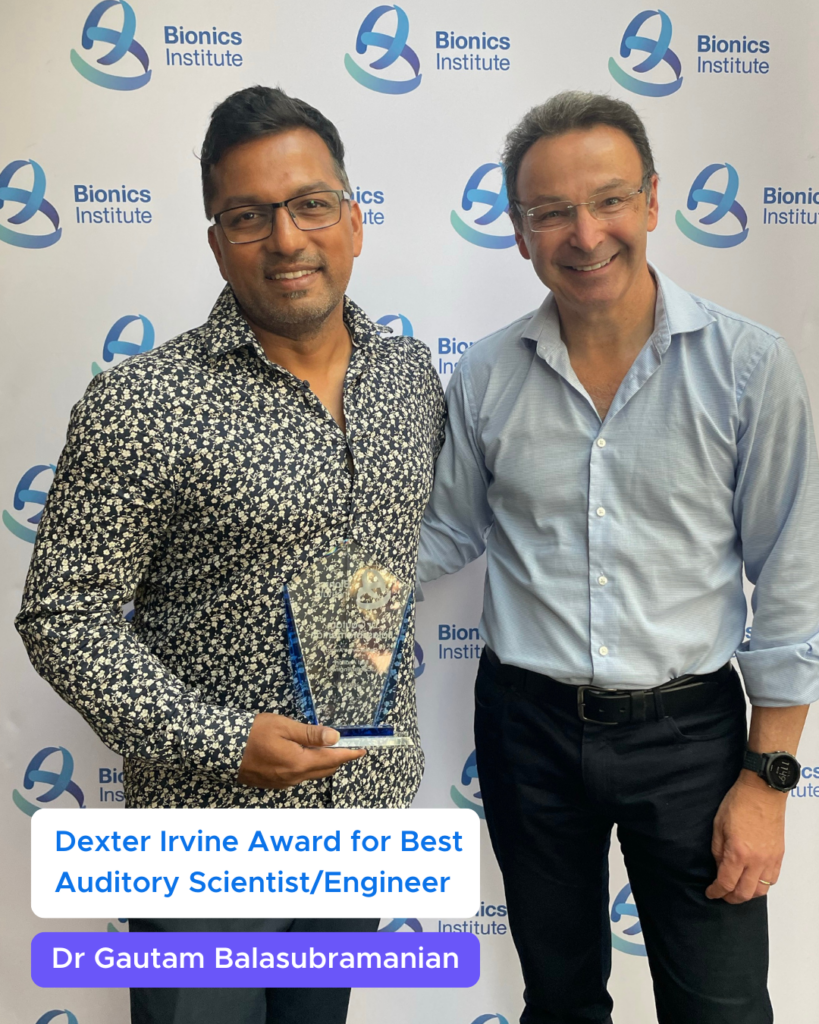
Dexter Irvine Award for Best Auditory Scientist/Engineer
Dr Gautam Balasubramanian
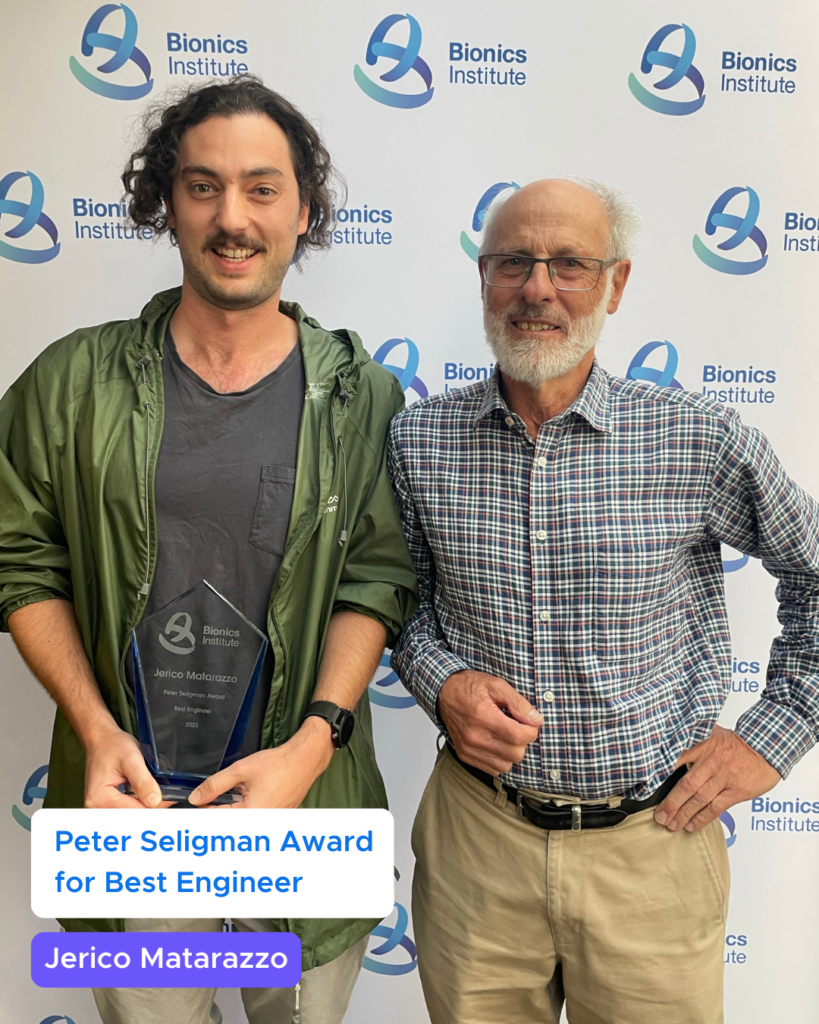
Peter Seligman Award for Best Engineer
Jerico Matarazzo
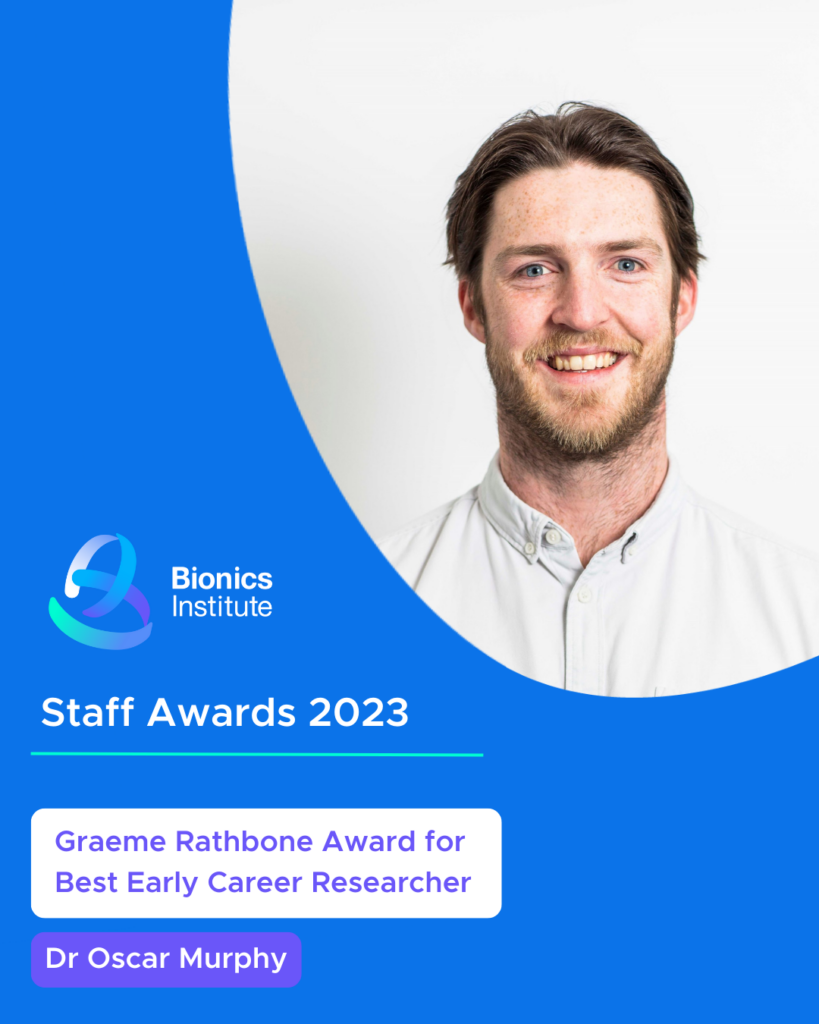
Graeme Rathbone Award for Best Early Career Researcher
Dr Oscar Murphy
You might be interested in…
In a world first, our electrical stimulation device to treat Crohn’s disease has been implanted in a patient at the Austin Hospital, with the aim of preventing inflammation of the gut recurring after surgery.
This breakthrough is a significant step forward for Crohn’s treatments and could help transform the lives of people suffering from the disease.
With no current cure available and limited treatment options, most patients with Crohn’s require ongoing surgeries to remove damaged sections of their gut as well as life-long drug therapies to manage symptoms.
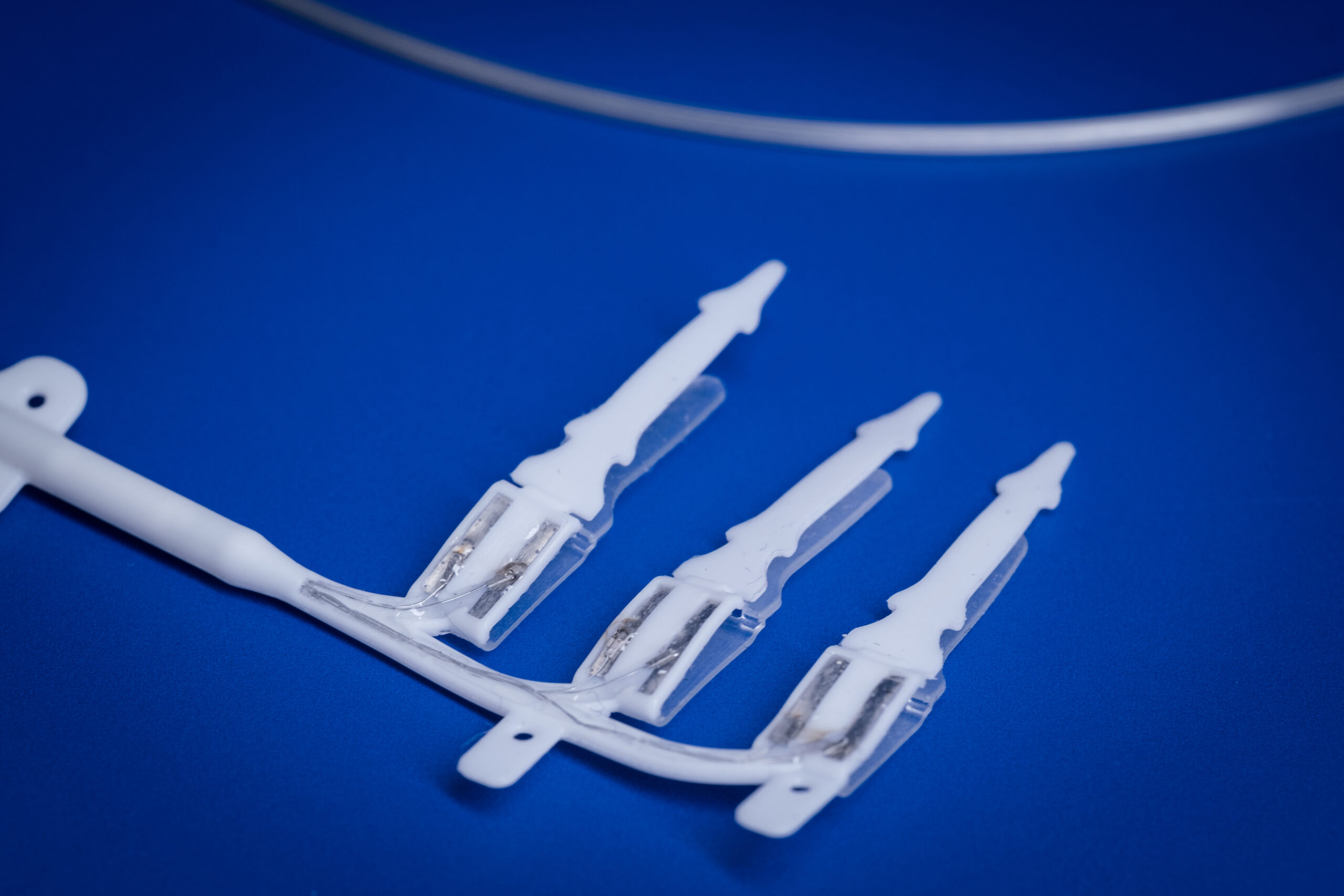
Our device, the size of a thumbnail, attaches to the vagus nerve in the abdomen to kick start the body’s natural anti-inflammatory mechanisms, explains Professor James Fallon, CTO and Head of Research at the Bionics Institute, who leads this research.
“The vagus nerve controls many functions in the body, such as digestion, heart rate and the immune system,” Professor Fallon said.
“Our device is made up of tiny electrodes that stimulate the vagus nerve to trigger the body’s natural defences and prevent inflammation from damaging the gut – with the hope of allowing patients to continue their lives without the fear of further surgery.”
Read more about our vagus nerve research here.
Potentially life-changing research
This significant breakthrough was featured on Ch 7 News in November 2023 with Melbourne Dad, Anthony Becker who was the first person to be implanted with the device.

You might be interested in…
The Bionics Institute’s Professor Kate Hoy has published a pioneering new research paper showing changes in brain activity and cognitive function in Alzheimer’s disease patients following six weeks of a patterned form of magnetic brain stimulation therapy.
The Bionics Institute’s Professor Kate Hoy has published a pioneering new research paper showing changes in brain activity and cognitive function in Alzheimer’s disease patients following six weeks of a patterned form of magnetic brain stimulation therapy.
This non-invasive stimulation therapy, called intermittent theta burst stimulation (iTBS), significantly improved brain connectivity and episodic memory in study participants with mild to moderate Alzheimer’s.
The research team found that the strength of patient’s brain connectivity, both before and after treatment, predicted improvement in episodic memory.
“This is the first trial to provide iTBS to multiple brain regions in Alzheimer’s disease,” Professor Hoy said.
“We were able to show that our iTBS treatment successfully improved a specific type of brain activity that is closely associated with cognitive functioning, and that this was linked with improvement in memory.”
“We’re pleased to be able to share these findings, which have led us to continue our research into the potential of brain stimulation to help fight memory loss in Alzheimer’s.”
Leading the way for future Alzheimer’s breakthroughs
In the study, participants were asked to perform a memory task prior to receiving iTBS therapy, following six weeks of stimulation treatment, then three- and six-months post-treatment.
Professor Hoy and her research team also measured the strength of gamma connectivity in the brain across the six-week treatment period, to see if iTBS enhanced gamma connectivity and influenced memory function.
Results showed that, following active treatment, there was a significant increase in gamma connectivity and a significant, albeit modest, improvement in recall ability.
Gamma connectivity in the brain is associated with learning, memory and information processing.
“Importantly, our research indicates that improvements in recall memory may be predicted by measuring the strength of a patient’s brain connectivity before the magnetic stimulation therapy,” Professor Hoy said.
These promising findings have directly informed our current Alzheimer’s disease clinical trial, which is investigating a personalised form of this treatment and aims to enhance the cognitive effects seen.
Significant step towards new treatments for Alzheimer’s disease
Our findings are a critical step in the development of therapies for Alzheimer’s disease.
Alzheimer’s is the most common form of dementia, which affects an estimated 55 million people worldwide [1].
Professor Kate Hoy is leading a world-first clinical trial to further investigate how a personalised form of magnetic brain stimulation can restore dysfunctional connections in the brain and fight memory loss in Alzheimer’s.
She and her team are recruiting more than 100 participants to take part in the clinical trial.
References
[1] World Health Organisation. Fact Sheets. Retrieved from: https://www.who.int/newsroom/fact-sheets/detail/dementia, viewed 16.09.2021
You might be interested in…
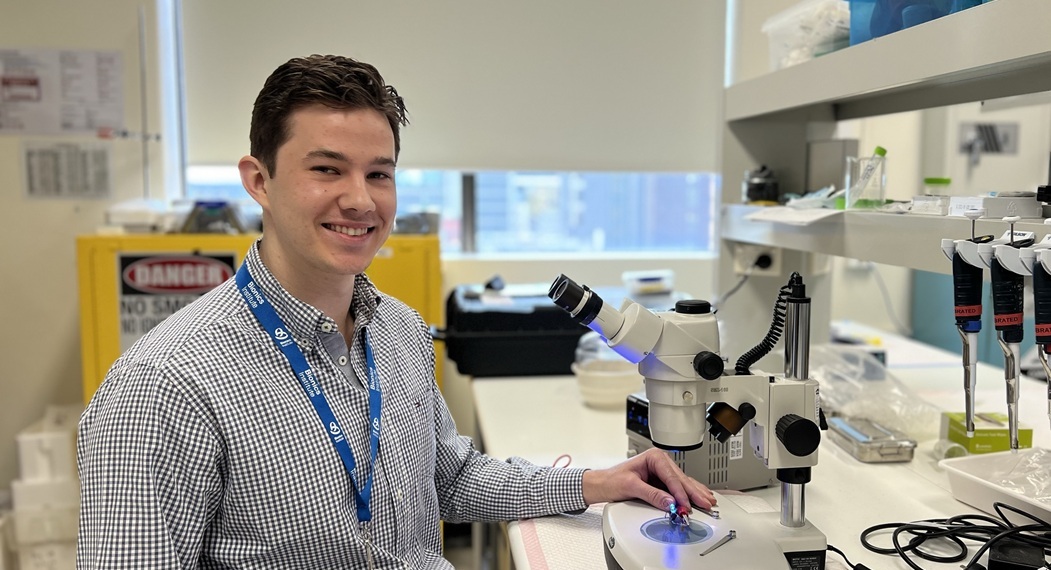
Bionics Institiute PhD candidate, Ajmal Azees, has been awarded a prestigious MedTech Actuator Menzies Scholarship.
Supported by the MedTech Actuator and the Menzies Foundation, 10 high potential PhD researchers are awarded a MedTech Actuator Menzies Scholarship annually to support their academic development.
“I applied for the MedTech Actuator Menzies Scholarship because it presents a unique opportunity at the intersection of science, research, and entrepreneurship,” said Ajmal.
“I believe that by immersing myself in this ecosystem of innovation, I can contribute not only to the advancement of medical technology but also learn how to effectively bring these innovations to market.”
Ajmal is currently under the supervision of Associate Professor Rachael Richardson and is investigating how a hybrid approach of light and electricity can enhance neural stimulation, which can lead to better outcomes in hearing, eye and pain research at the Bionics Institute.
“The MedTech Actuator Menzies Scholarship will profoundly impact my development and my contributions to the Bionics Institute,” he explained.
“By acquiring entrepreneurial skills and learning how to bridge the gap between research and commercialisation, I will be better equipped to translate our research findings into practical solutions that can benefit patients and society.”
Ajmal has displayed prodigious research talent during his PhD candidacy and won the RMIT Round of the Three Minute Thesis.
The Bionics Institute has a proud history of developing exceptional PhD students, and Ajmal is the second Bionics Institute student in consecutive years to be awarded a MedTech Actuator Menzies Scholarship, following Ishara Paranawithana in 2022.
You might be interested in…
Nerve damage caused by disease, injury or infection can lead to chronic pain, which affects a staggering 1 in 4 people worldwide.
Bionics Institute researcher, Associate Professor Rachael Richardson says finding a drug-free alternative to medications has become her mission because they often give inadequate relief and cause unwanted side effects.
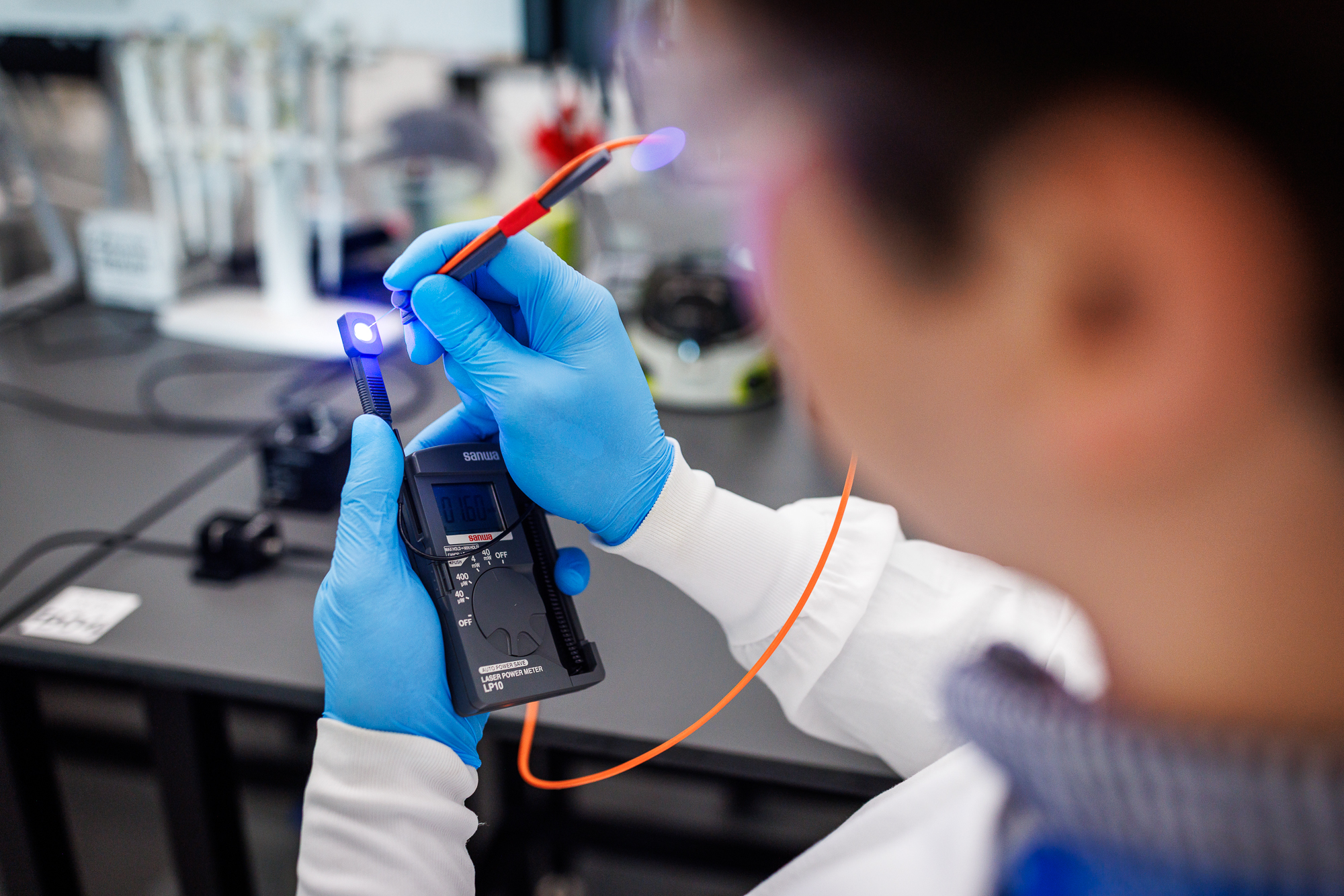
She says: “My team has developed a nerve stimulation technique that uses a combination of light and electricity, and we’ve shown we can either activate or suppress nerve activity, which both have a role in the treatment of chronic pain.”
Having shown that the new technique can be used to selectively activate the sciatic nerve, her team is now working on selectively suppressing parts of the sciatic nerve causing pain.
“We believe that using this technique will give us unprecedented control over the transmission of pain signals to the brain and remove the need for pain medication.”
A/Prof Richardson was recently awarded a grant by the CASS Foundation to take this research to the next step and with further support, plans to take this research all the way to the clinic to help people suffering from chronic pain.
You might be interested in…
Unlike many other conditions, there’s currently no reliable test to diagnose tinnitus.
Without a diagnostic tool, researchers are unable to test the effectiveness of treatments to give relief to people living with constant ringing and buzzing in their ears.
This is despite the fact that severe cases can lead to sufferers stopping work and social activities, causing financial hardship and worsening mental health.
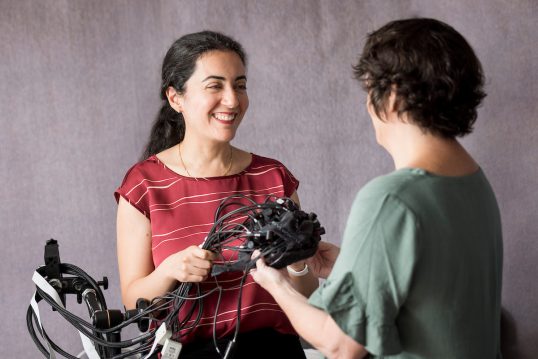
Bionics Institute researcher Dr Mehrnaz Shoushtarian and her team have been working on a test to diagnose tinnitus using a combination of light technology and artificial intelligence.
Pilot studies show that the test is over 80% effective in diagnosing the severity of tinnitus.
Now we need the help of our supporters to take this test to the next level – a comprehensive clinical trial needed to get approval for use of the test in clinics.
This will be the next step towards developing life-changing treatments for this auditory torment.
You might be interested in…
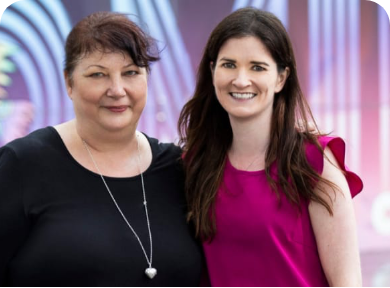
For Bionics Institute supporters Peter Griffin AM and Terry Swann, the decision to set up a scholarship fund to support a PhD student over four years was very straightforward.
“We see our role as assisting research institutes to fund bright, young people to advance knowledge into a range of problems still facing society today,” Peter explains.
Peter and Terry were particularly keen to fund a student at the Bionics Institute because it is known for fast translation of research into the clinic to improve the lives of people living with challenging health conditions.
Peter says: “The Bionics Institute is unique because their researchers are experts in the use of bioengineering to find solutions to health issues. I look forward to seeing the results of research into fighting memory loss in Alzheimer’s undertaken by our Griffin Swann PhD Scholarship recipient.”
Thank you to our kind and compassionate supporters who, like Peter and Terry, were moved to donate to our appeal in June to support PhD student scholarships. Your generous gifts will help high achieving students undertake PhD research into conditions such as hearing loss, rheumatoid arthritis and chronic pain which, without your support, would not be possible.
You might be interested in…
Thank you to our generous donors who have made possible the commencement of our Alzheimer’s treatment trial.
Professor Kate Hoy and her team are now able to recruit over 100 participants to trial a non-invasive brain stimulation treatment – called Transcranial Magnetic Stimulation – that shows promise in the fight against memory loss.
Interest in the trial has been significant, with over 850 people expressing interest and potential participants undergoing rigorous assessments to ensure suitability, including a referral letter from their treating doctor.
The trial aims to establish how Transcranial Magnetic Stimulation can restore dysfunctional connections in the brain using a personalised approach, with the aim of improving brain function and fighting memory loss in Alzheimer’s.
The treatment involves scans of the brain to establish the exact locations requiring stimulation, which is provided 5 days a week for 6 weeks, then weekly for a further 6 weeks.
We urgently need funding to expand this trial across the country and help researchers turn this treatment into reality. Your generosity will give hope to people living with the distress of Alzheimer’s disease.
You might be interested in…
The Bionics Institute has bold plans for expansion to speed up the development of medical devices that transform the way we treat disease.
And our team of world scientists, engineers and clinicians need world class facilities to carry out their ground-breaking research into Alzheimer’s, arthritis, hearing loss, tinnitus and chronic pain.
From 2025, the Bionics Institute will be headquartered in the Aikenhead Centre for Medical Discovery (ACMD) – Australia’s first hospital-based biomedical engineering research centre, currently under construction at St Vincent’s Hospital Melbourne.
One of eight independent partners sharing the new building, the Bionics Institute will benefit from co-location and collaboration with leading universities, research institutes and major industry partners.
In addition, our position on the campus of a leading tertiary hospital means we will continue to work shoulder to shoulder with the clinicians and specialists who guide and inform device development to meet clinical needs.
ACMD Partners
Benefits of being an independent partner in the ACMD
Collaboration lies at the heart of the ACMD and Bionics Institute staff will be allocated space across three floors of the ACMD to enable better communication and innovative idea generation between partners. We will also have access to shared meeting rooms, a lecture theatre for research seminars and specialised research facilities.
Sharing running costs between eight partners will bring cost savings and our researchers will be able to access state-of-the-art equipment we would not be able to purchase as a single entity. For example, the ACMD will be equipped with a machine that is used to visualise and track bone and joint motion in 3D. This will give our researchers the ability to evaluate the effectiveness of bone implants with incredible accuracy.
Maintaining our existing laboratories
Research undertaken at the Bionics Institute is very specialised and we lead the world in the evaluation of the safety and efficacy of medical devices before they are trialled in humans. For this reason, we will maintain our laboratories within the St Vincent’s campus, which are just five-minute walk away from the new building.
