
Support us
Your gift today will help us develop much-needed treatments for Alzheimer’s, rheumatoid arthritis and hearing loss.
Donate nowTogether, we can get life-changing medical treatments into doctor’s clinics as fast as possible
Your gift will help fast-track the development of diagnostic tools and revolutionary treatments to:
– Help people with rheumatoid arthritis live a life free of pain and disability.
– Fight memory loss in people with Alzheimer’s disease so that they remember their loved ones for longer.
– Provide the joy of sound to those facing the challenge of hearing impairment.
If our research is successful, you’ll help millions of people around the world – from the tiniest babies to the oldest members of society.
About our research
The Bionics Institute leads the world in the development of technology to solve challenging medical conditions.
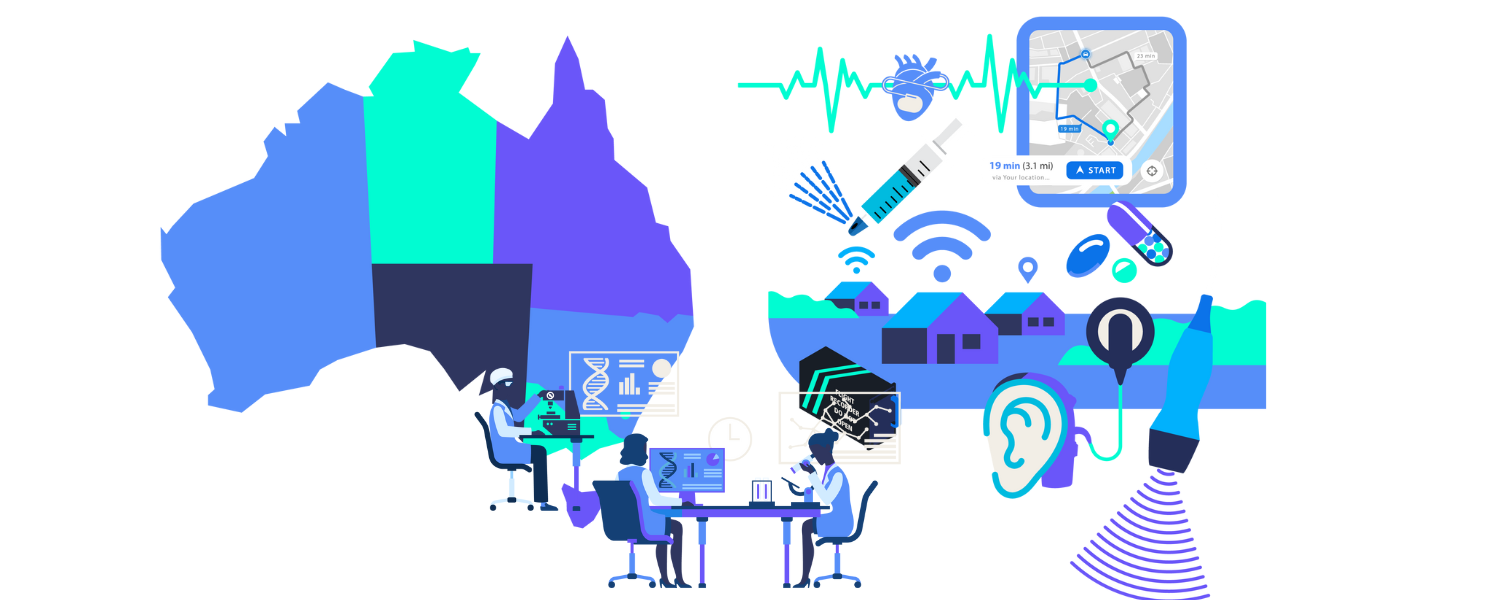
Our world-class scientists, engineers and clinicians work together to create new therapies and diagnostic tools in four main areas:
Help end the pain of rheumatoid arthritis
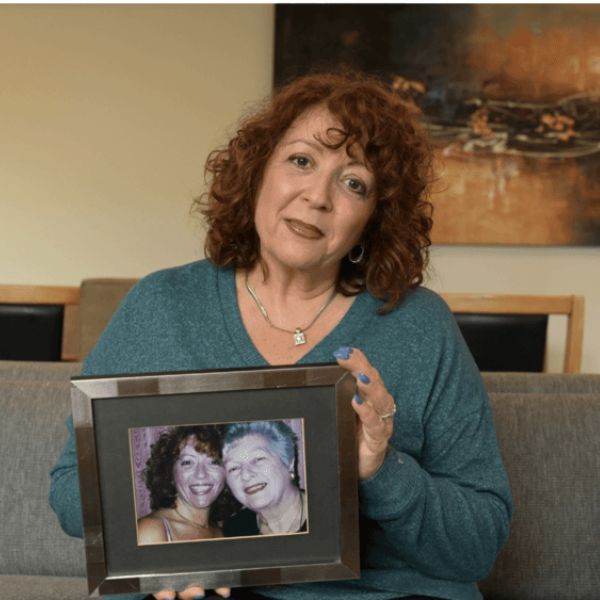
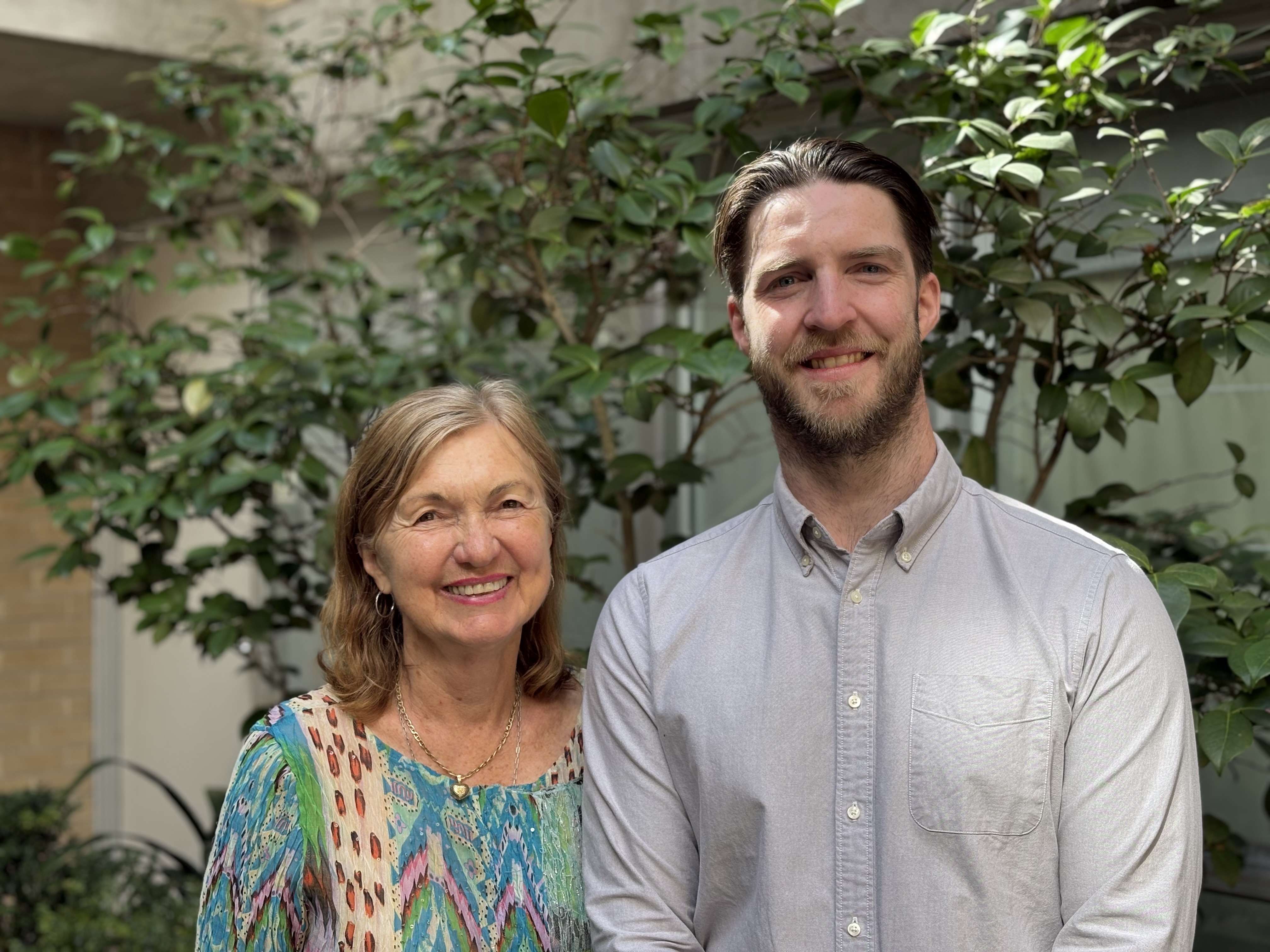
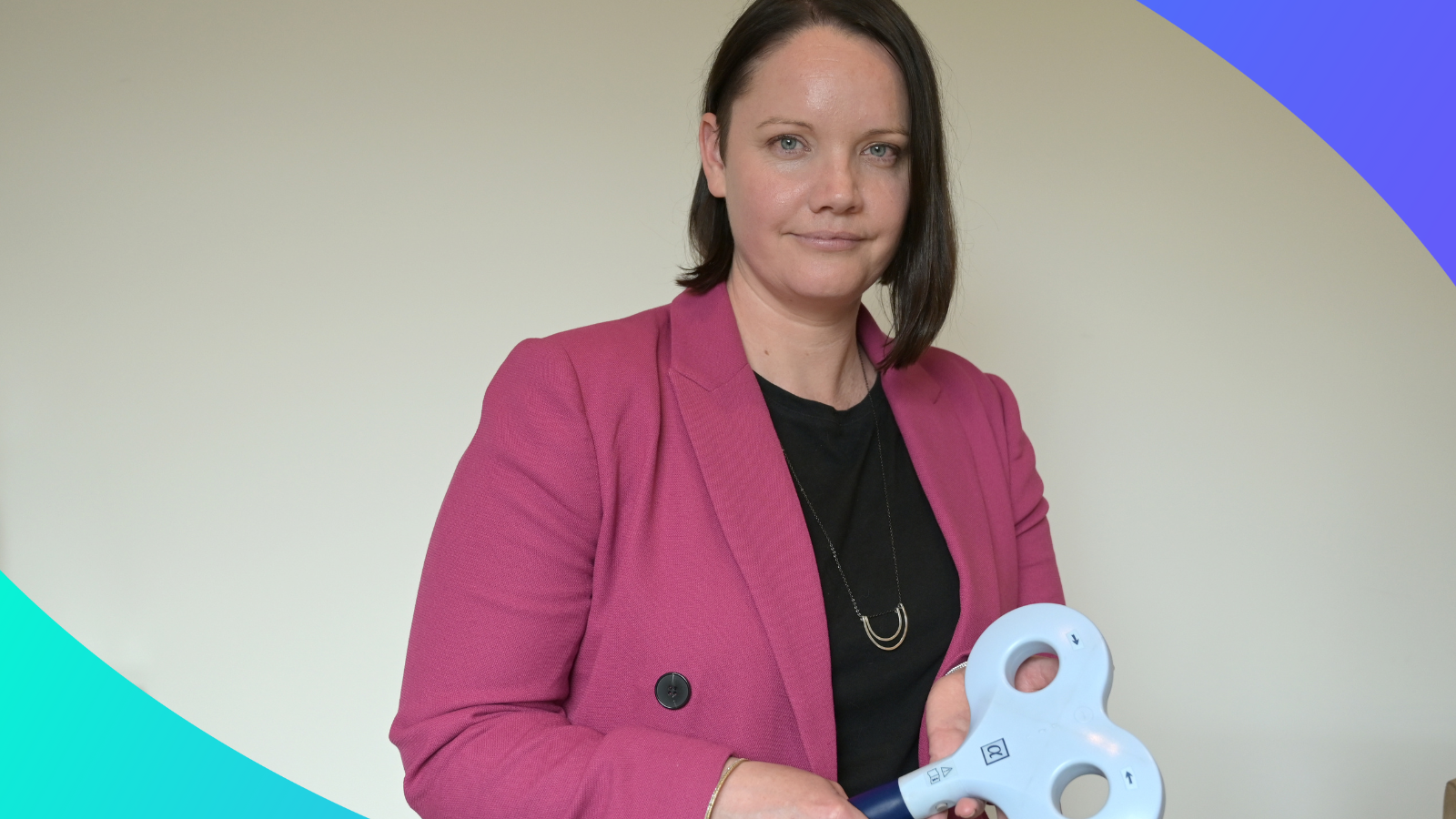
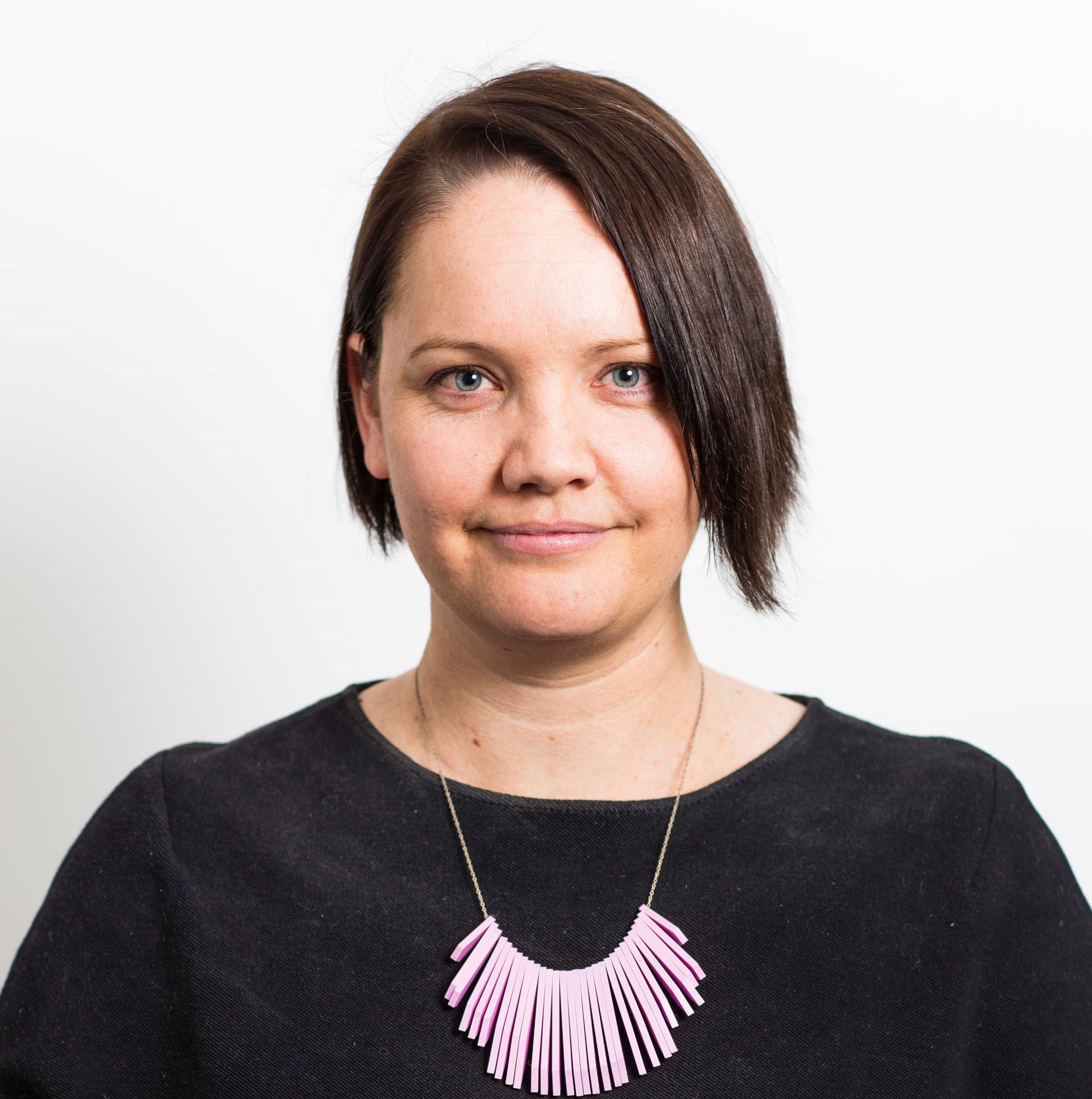
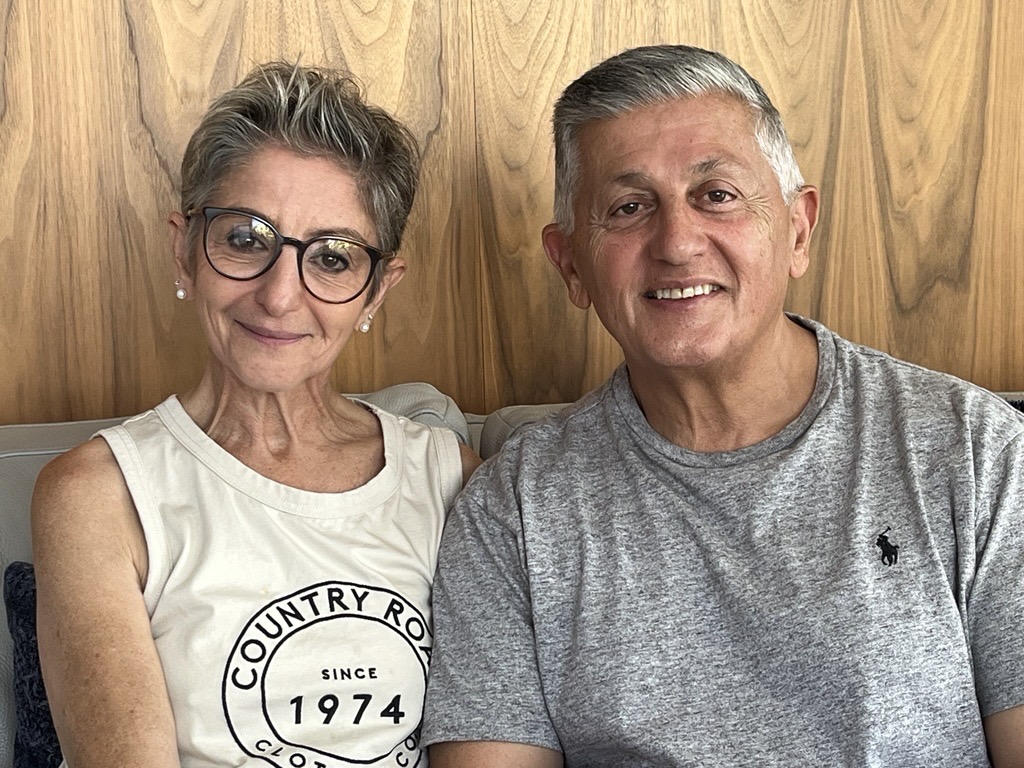
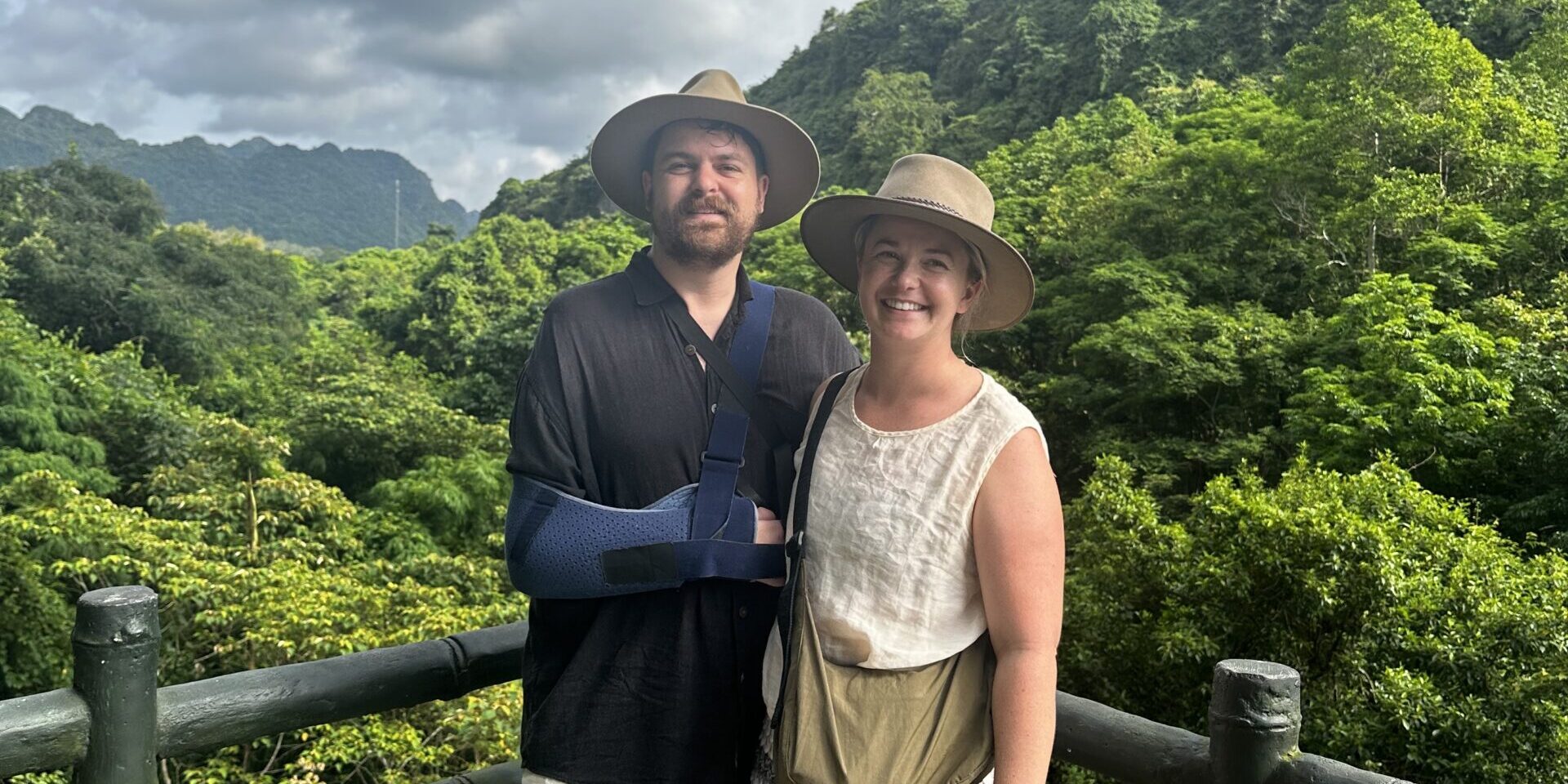
She says: “The medication makes the the pain bearable most of the time, but when I have a flare up it’s a struggle to do anything.
“Some days my joints are burning hot, stiff and swollen. I find it very hard to walk. I can’t put my car key into the ignition.”
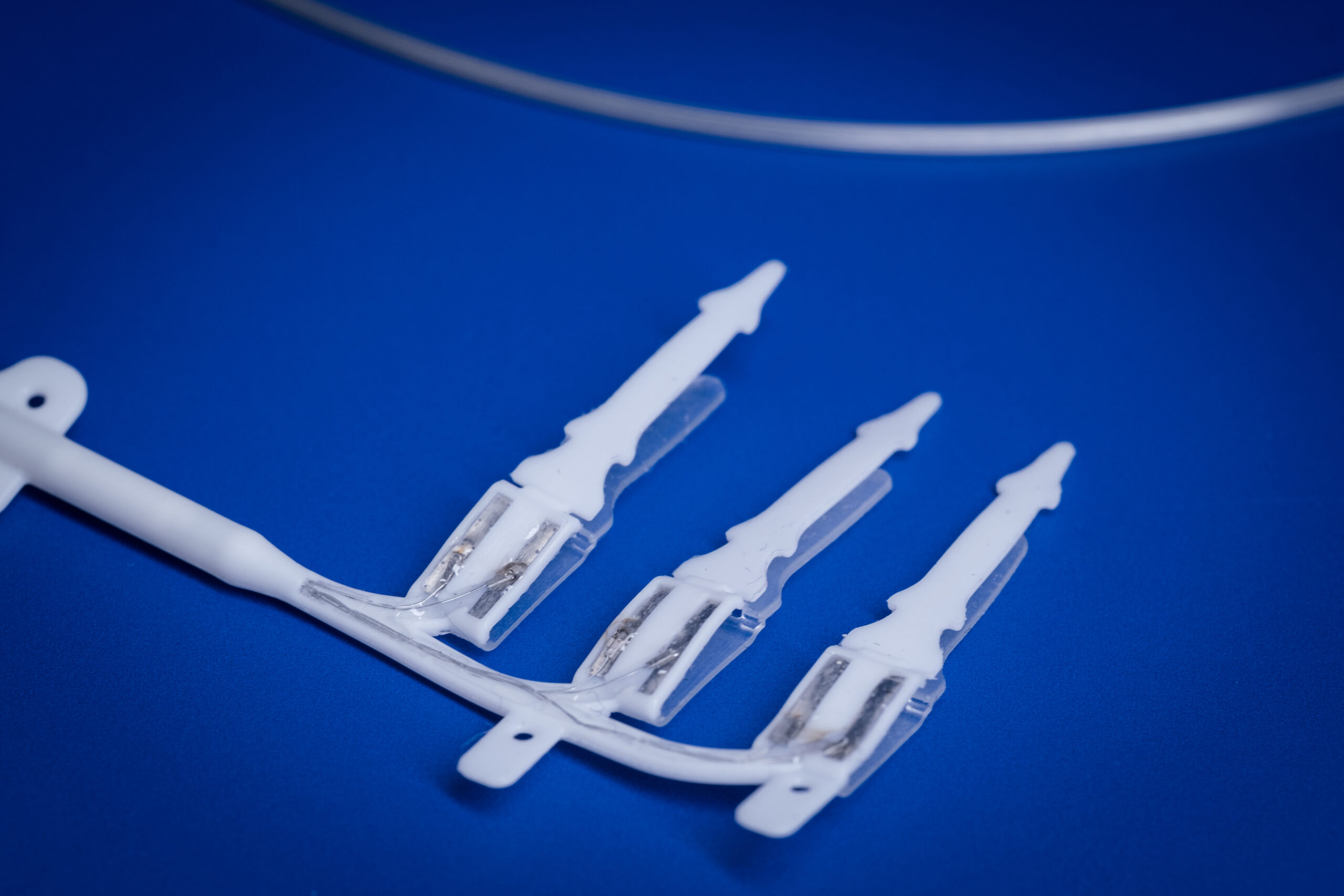
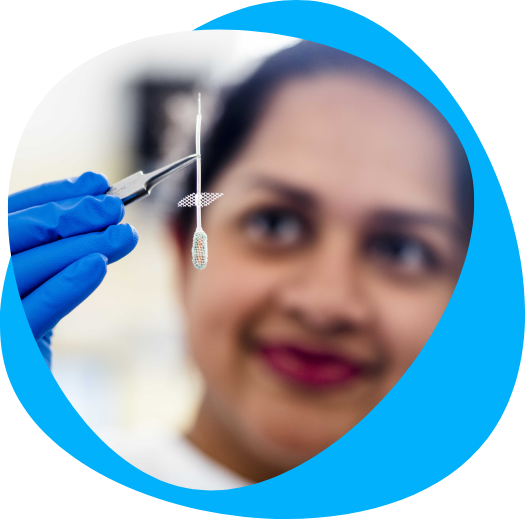
The treatment comprises a tiny device that stimulates the vagus nerve with electricity to reboot the body’s built-in healing system.
With your help, fast-tracking the development of this drug-free treatment will bring relief to sufferers of rheumatoid arthritis and their families.
Help pioneer an Alzheimer’s treatment
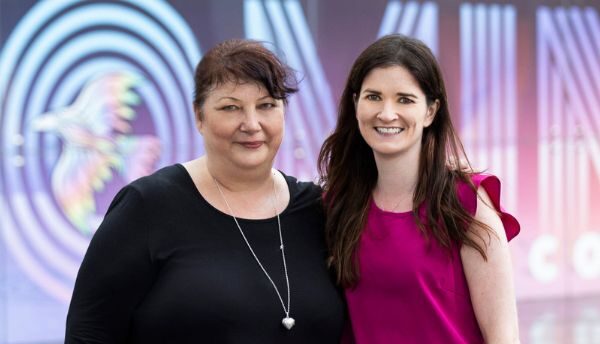
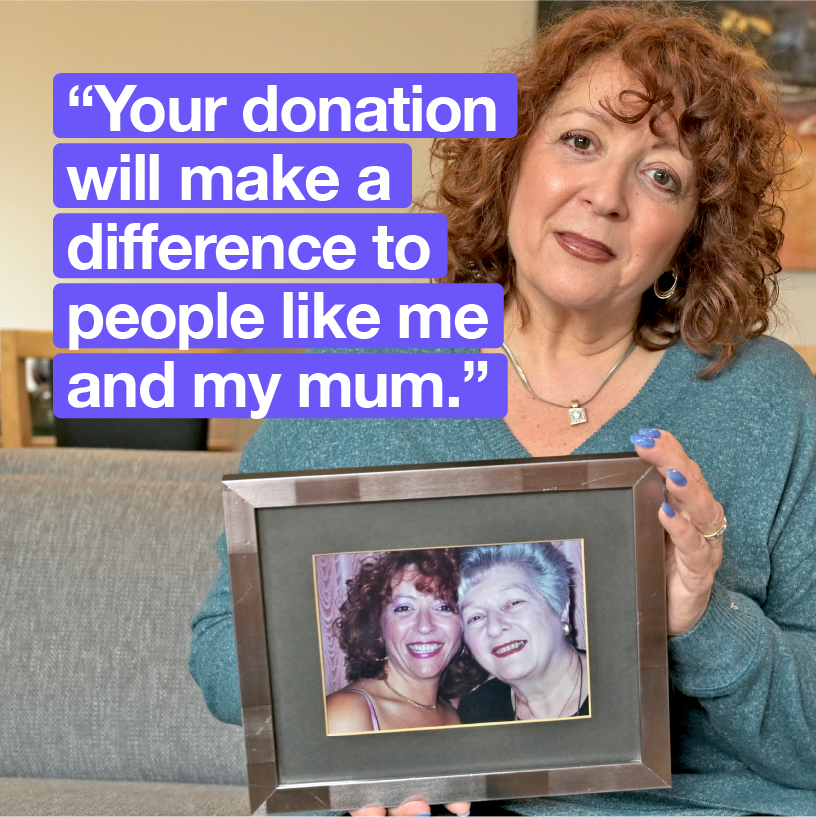
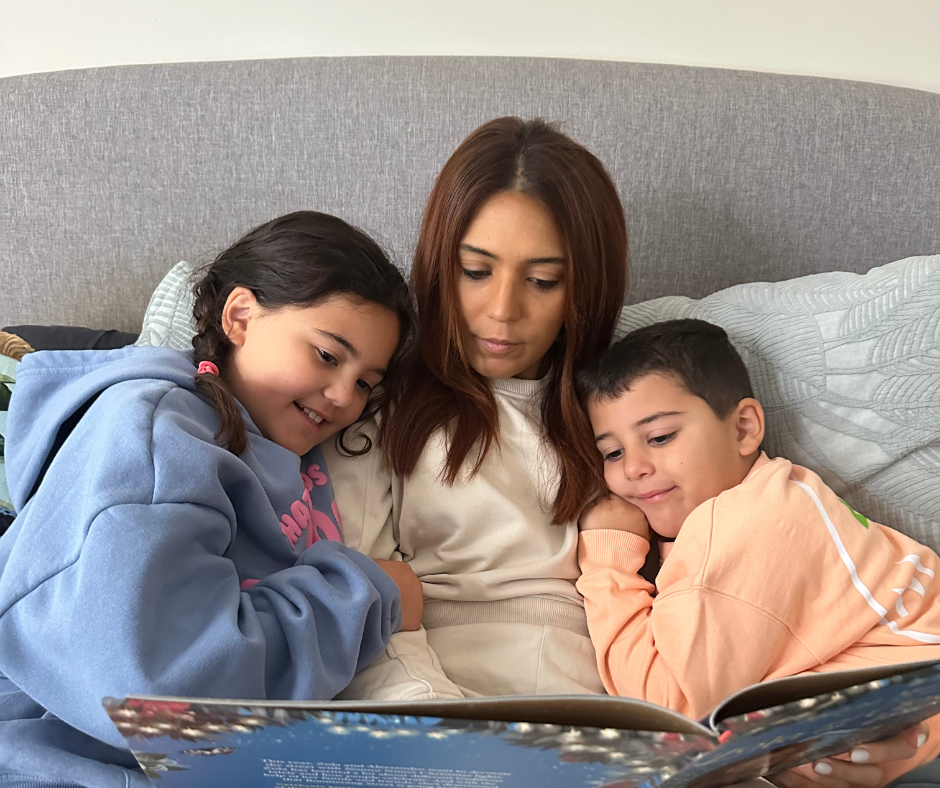
Cheryl knows the heartbreak of watching her mum deteriorate from Alzheimer’s disease. The debilitating memory loss. The frustration of the same questions repeated over and over. Forgetting to eat, leading to malnutrition.
Chances are, you know someone with Alzheimer’s. Or someone who is caring for a loved one with Alzheimer’s, like Cheryl.
That’s why we’re asking you to donate to help our researchers develop a new brain stimulation treatment for Alzheimer’s.
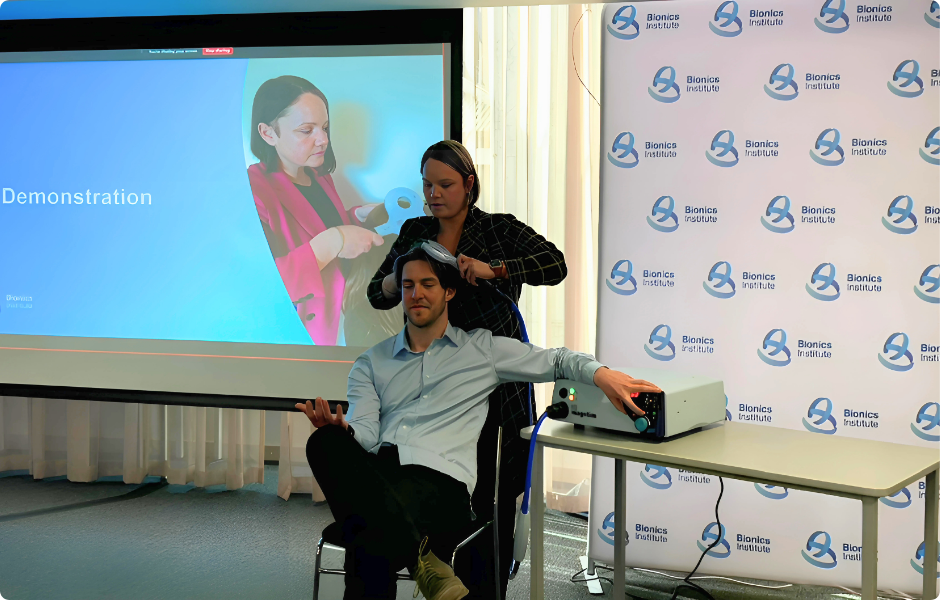
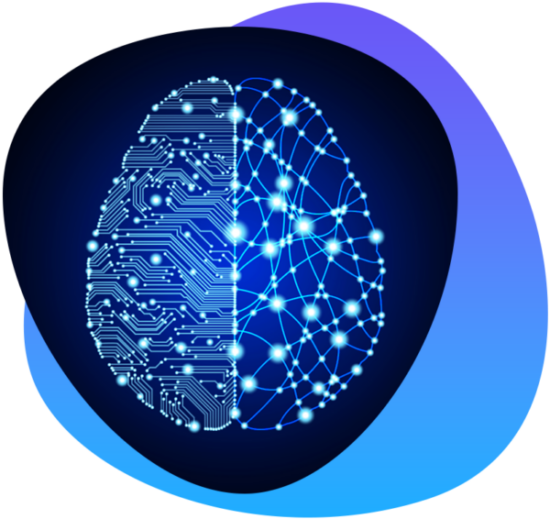
The non-invasive treatment, called Transcranial Magnetic Stimulation (TMS) applies magnetic pulses to change activity in the key regions of the brain affected by Alzheimer’s.
Bringing hope to people with hearing loss
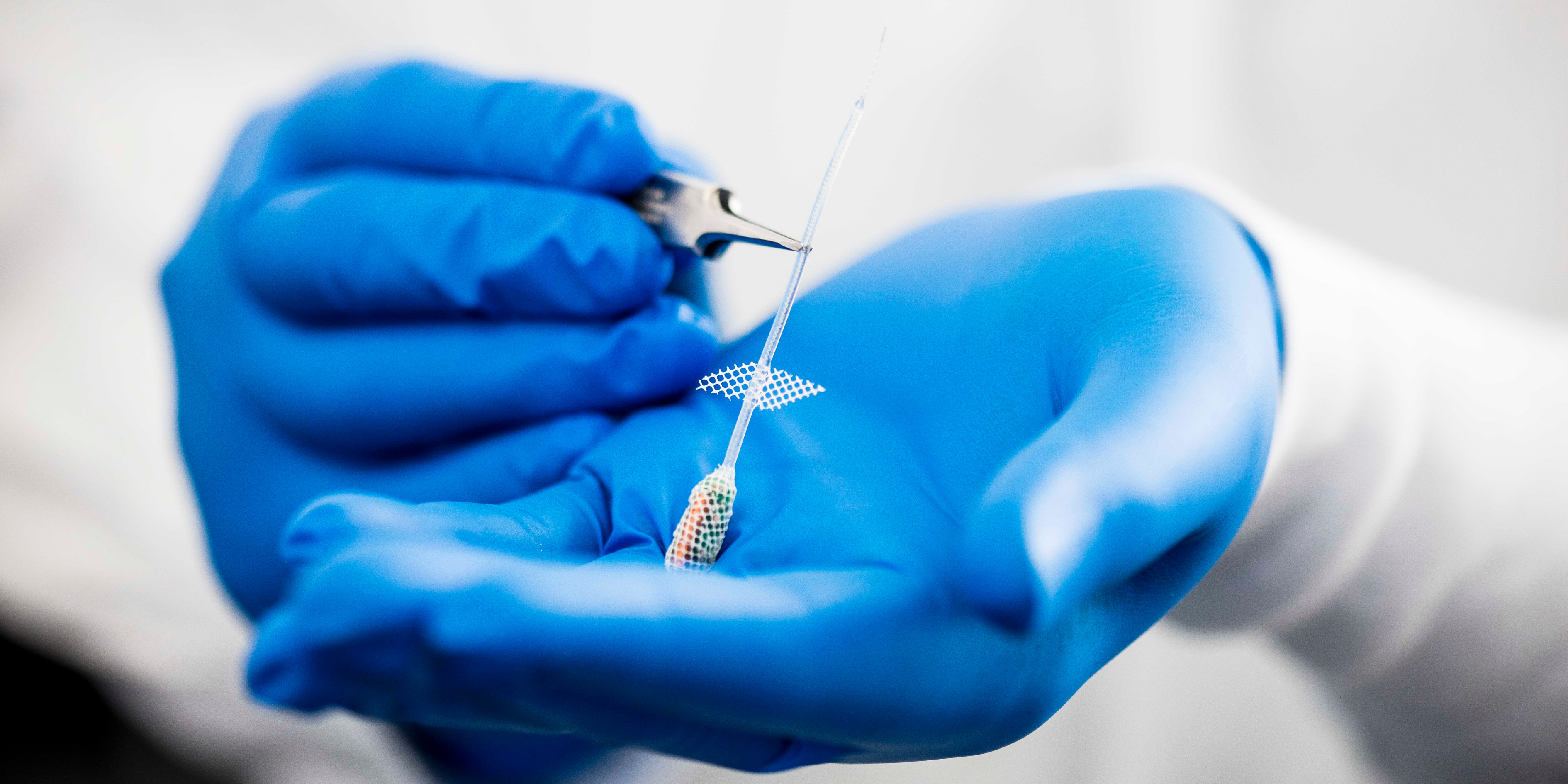
Our researchers are working on a world-first drug treatment for hearing loss. This groundbreaking research uses nanotechnology to deliver drugs into the inner ear with the aim of repairing damaged cells.
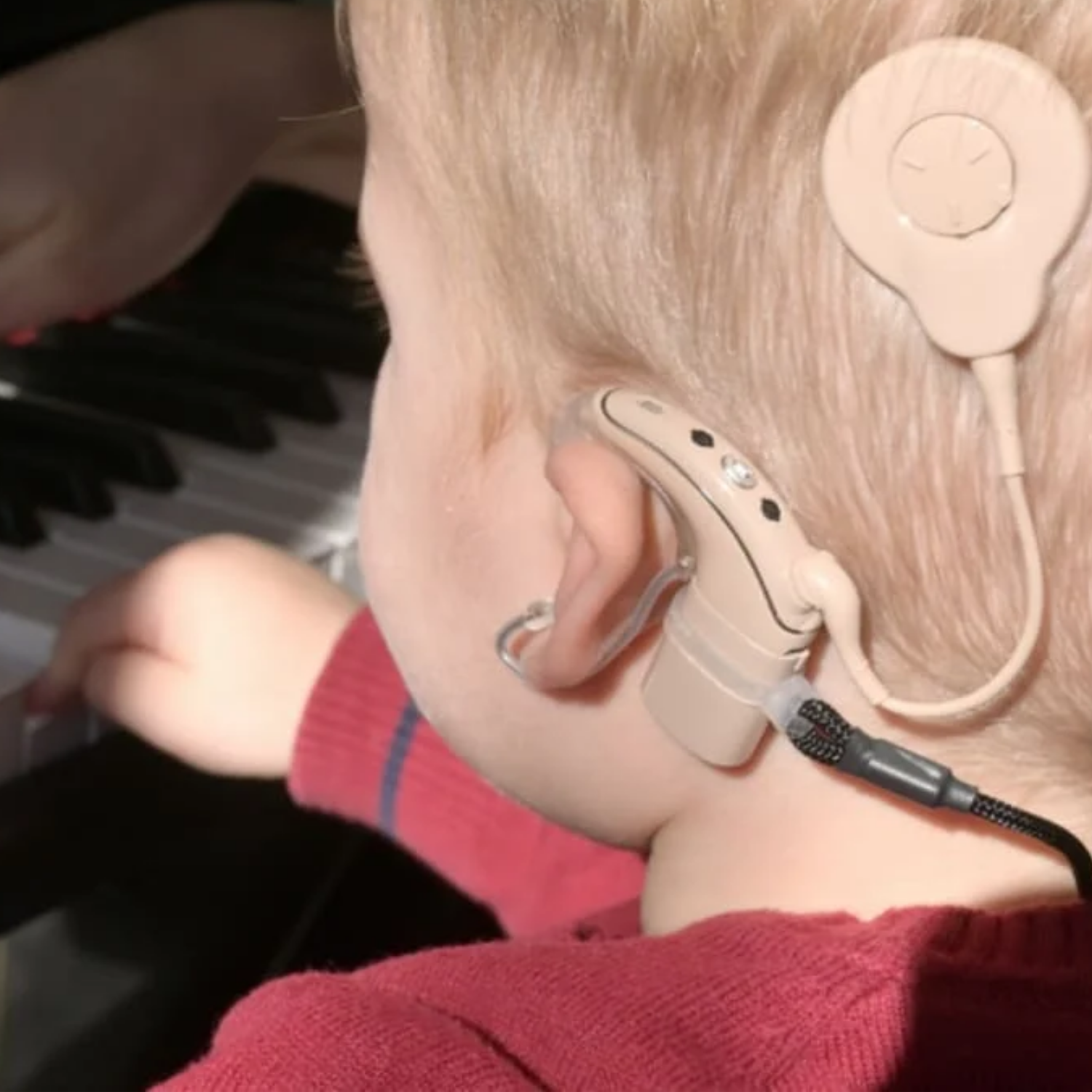
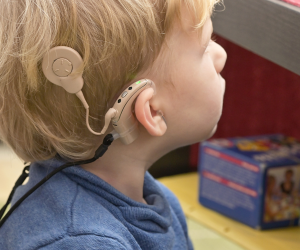
Hearing loss affects nearly half a billion people woldwide yet there’s currently no drug treatments available for hearing loss. The only options for people with impaired hearing are cochlear implants or hearing aids, which don’t treat the hearing loss.
Your support will help our researchers to further develop the technology and move towards a clinical trial.
About our team
The world-class scientists, engineers and clinicians at the Bionics Institute are working on medical devices and therapies to make a positive impact on the lives of people living with challenging medical conditions.
Learn more about the four main areas of our research:
You might be interested in:






























Subscribe for the latest news


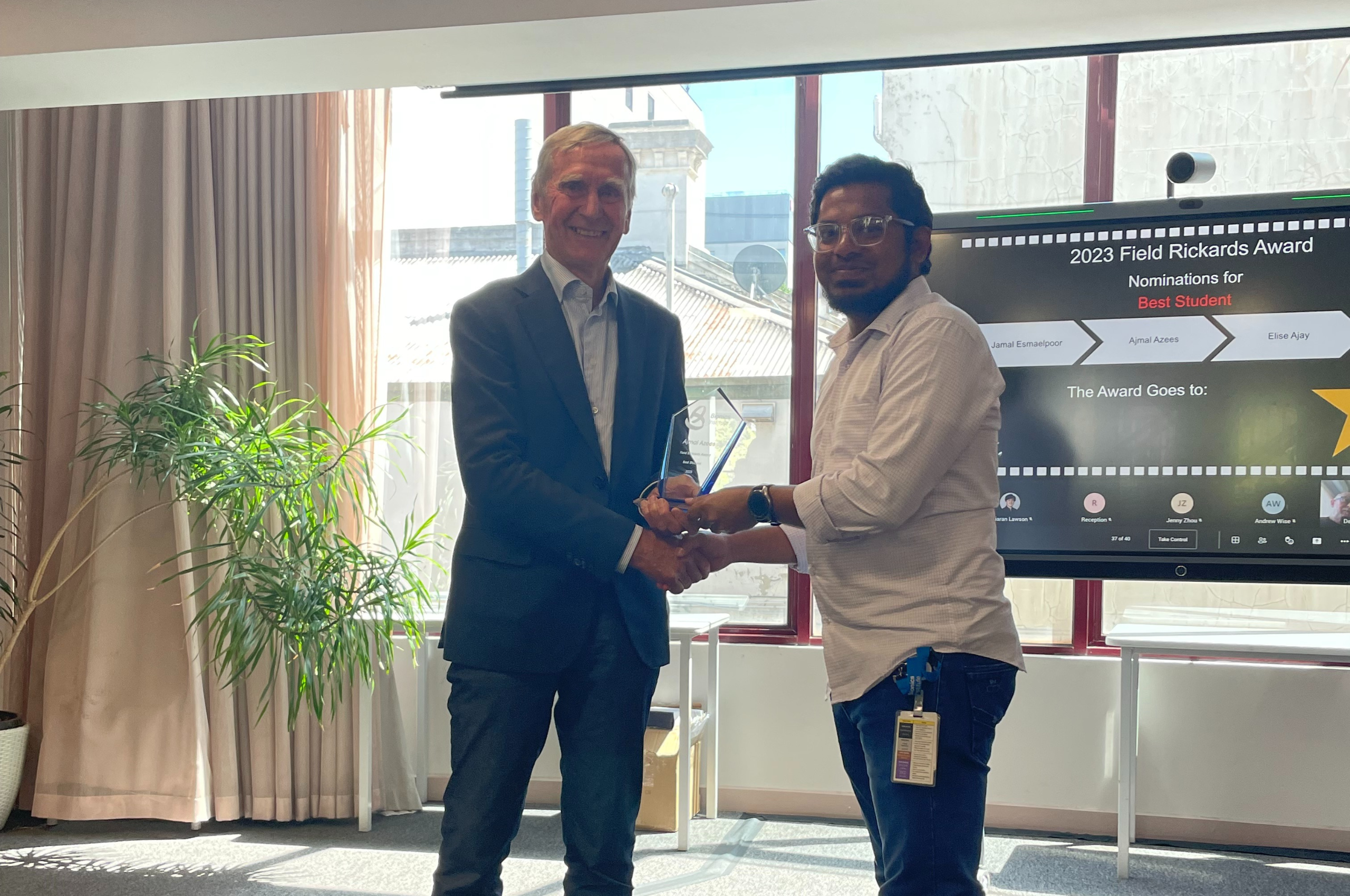
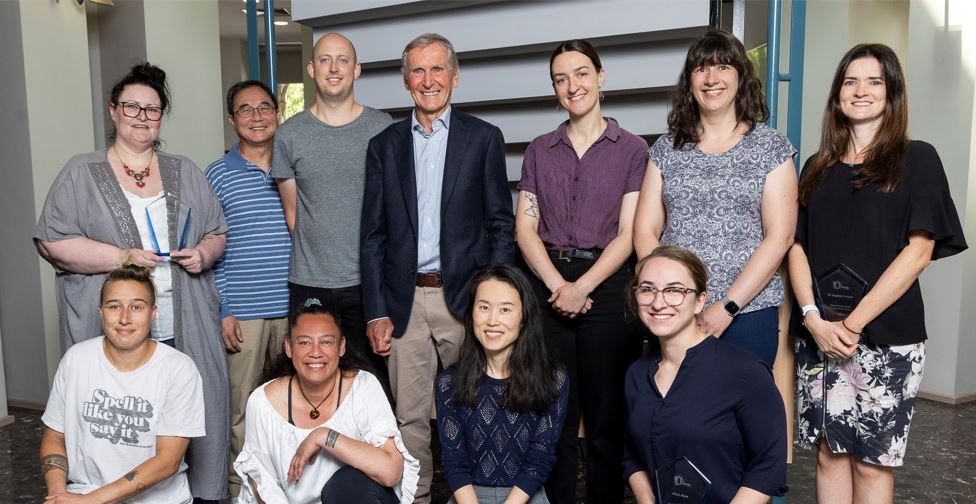
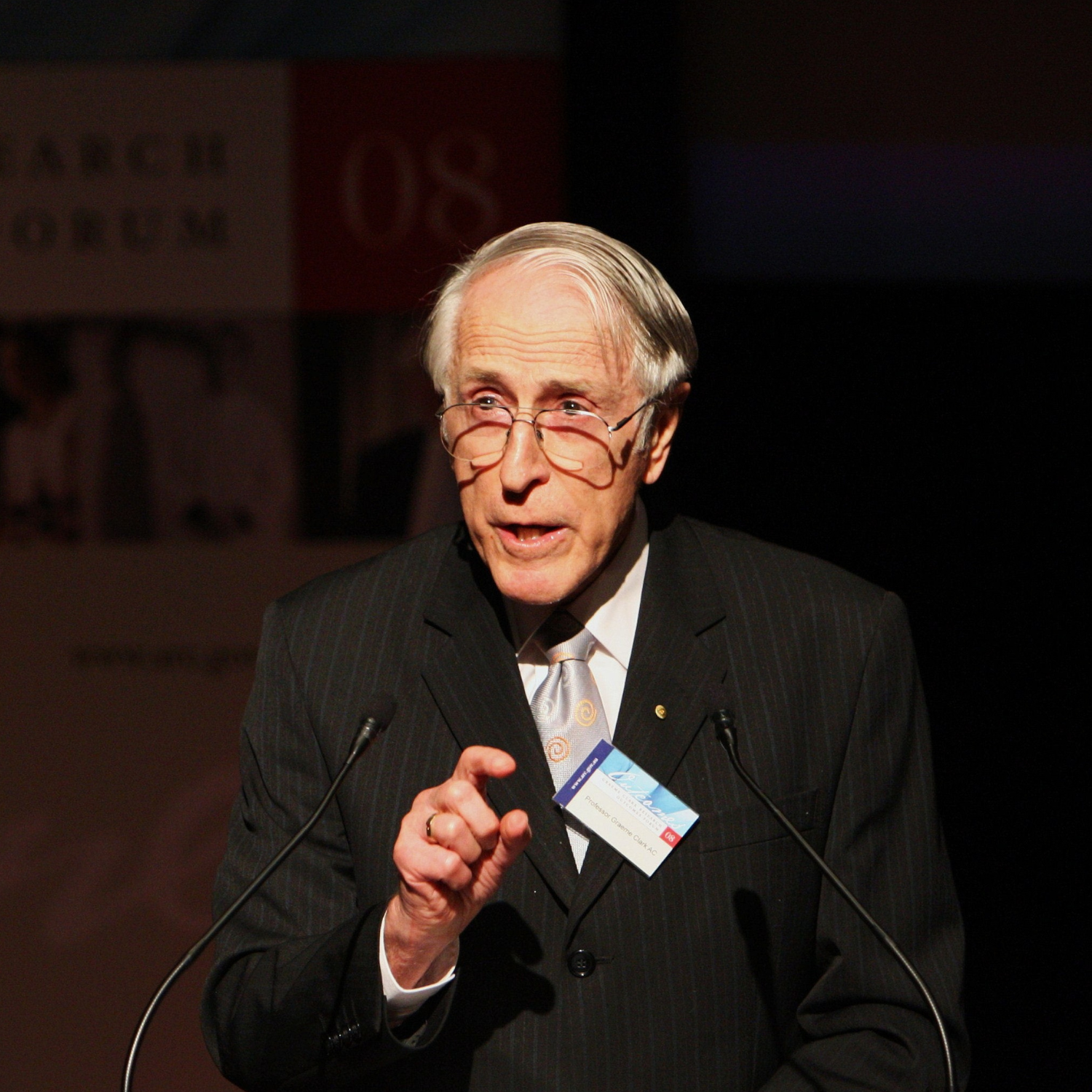
Emeritus Professor Field Rickards started his research career as a PhD student with Bionics Institute founder and bionic ear pioneer, Laureate Professor Graeme Clark AC.
He went on to pursue a stellar career in audiology research, later becoming Dean of the Melbourne Graduate School of Education at the University of Melbourne.
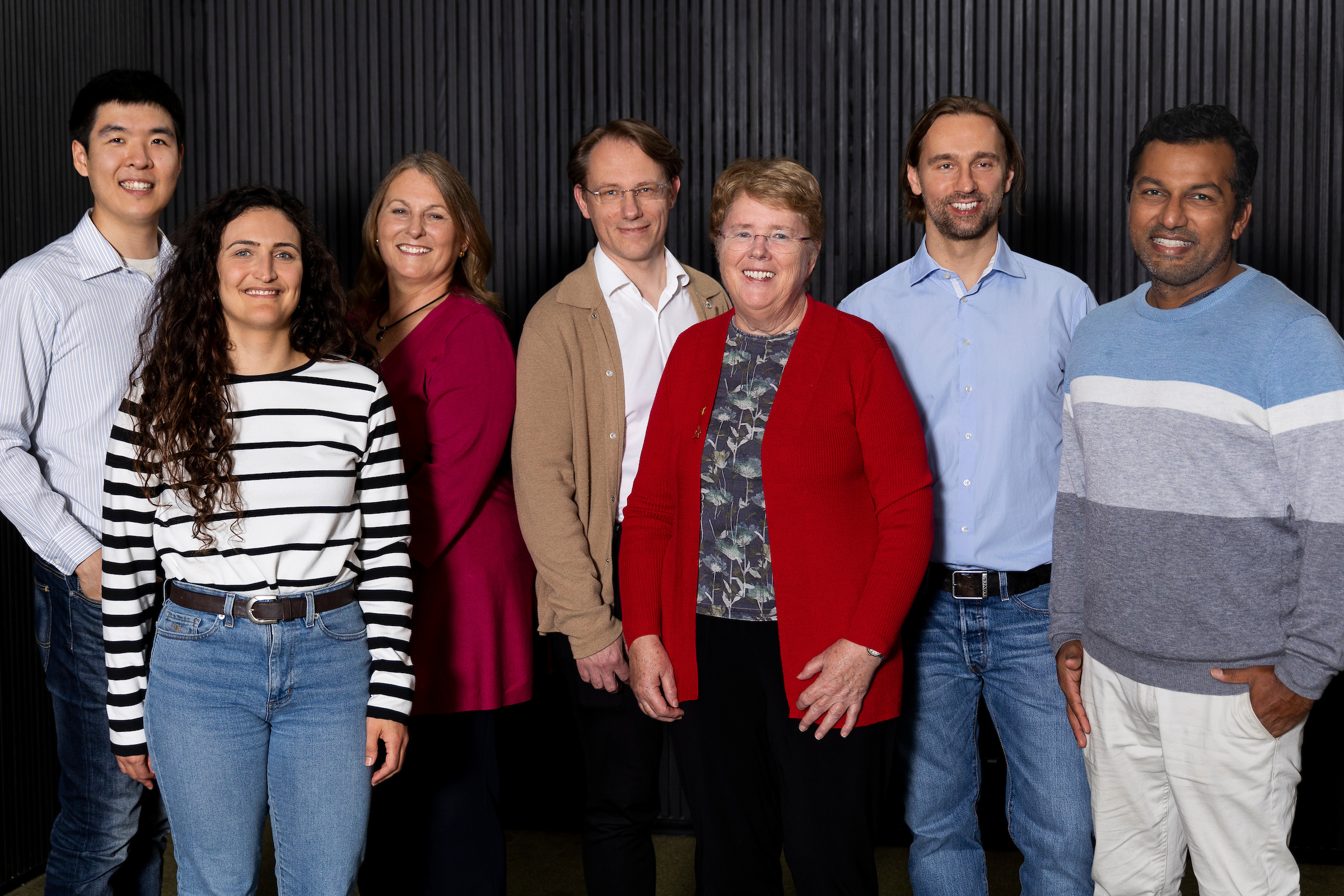
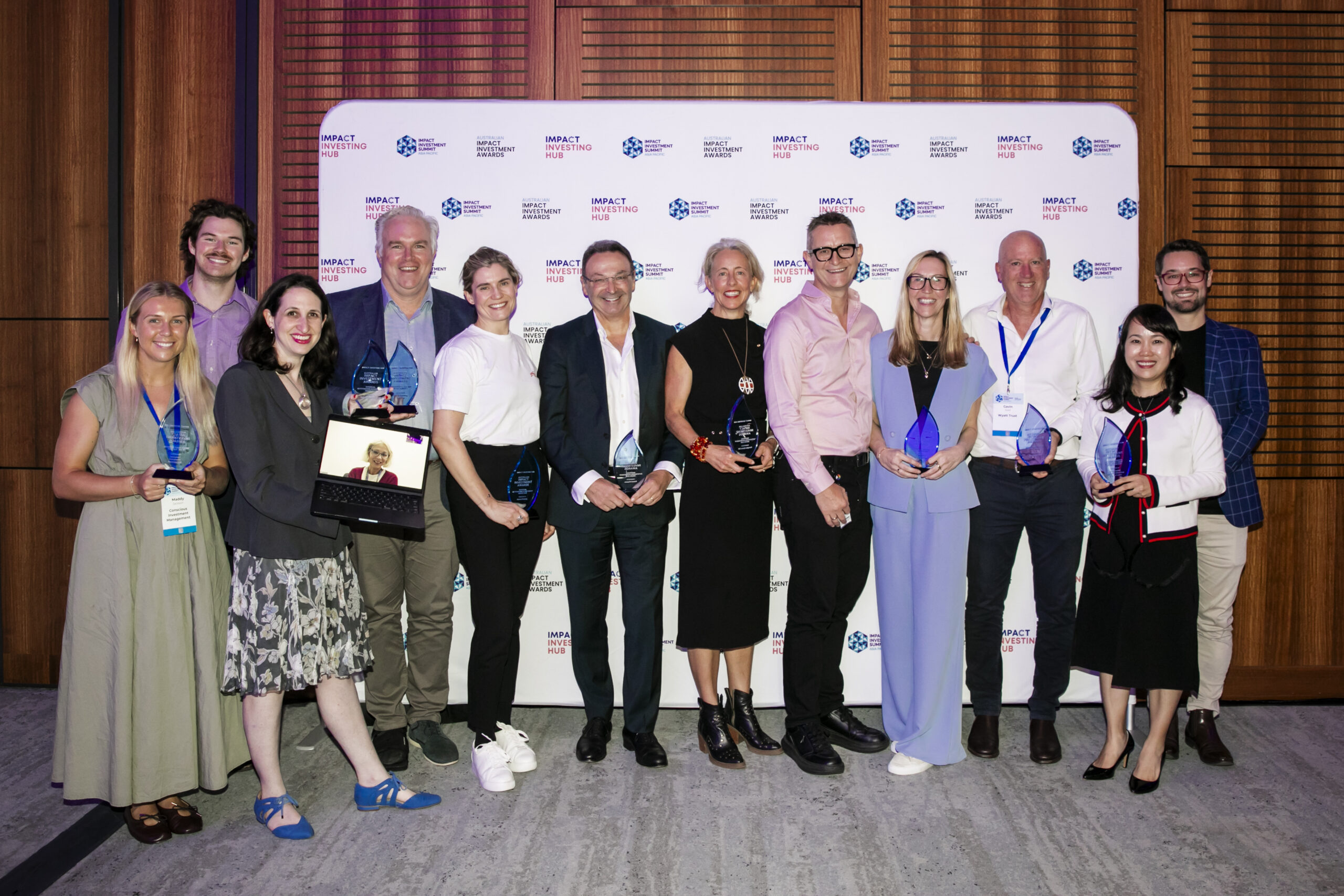
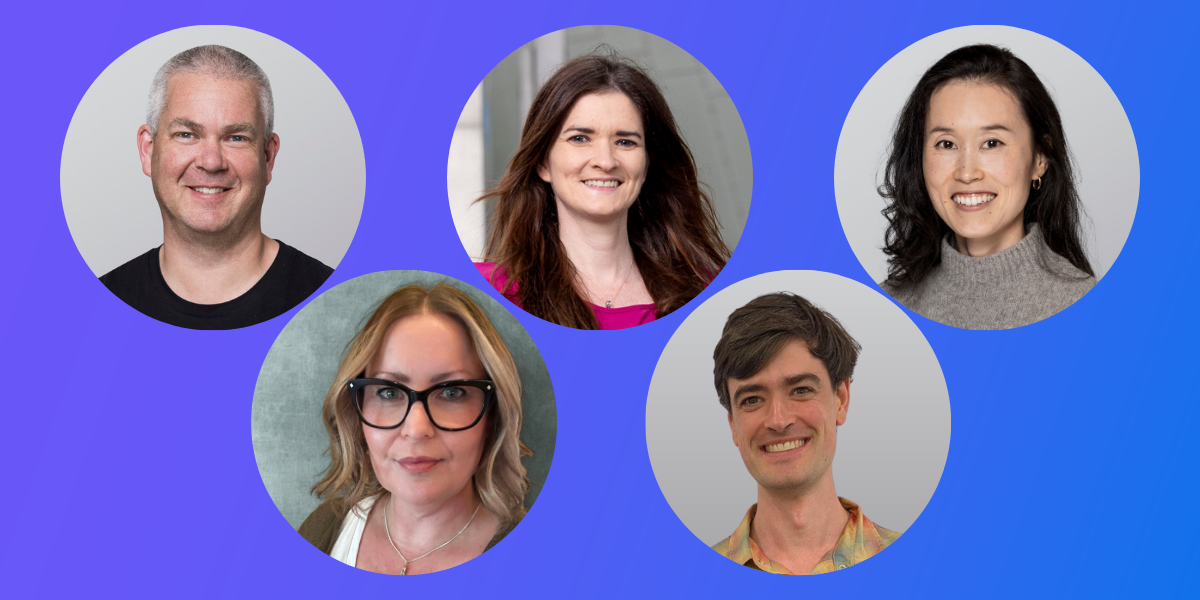
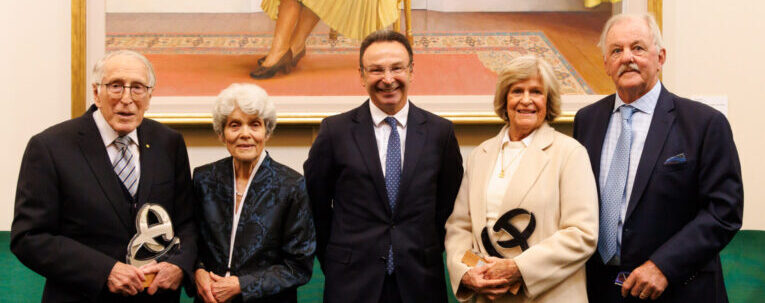
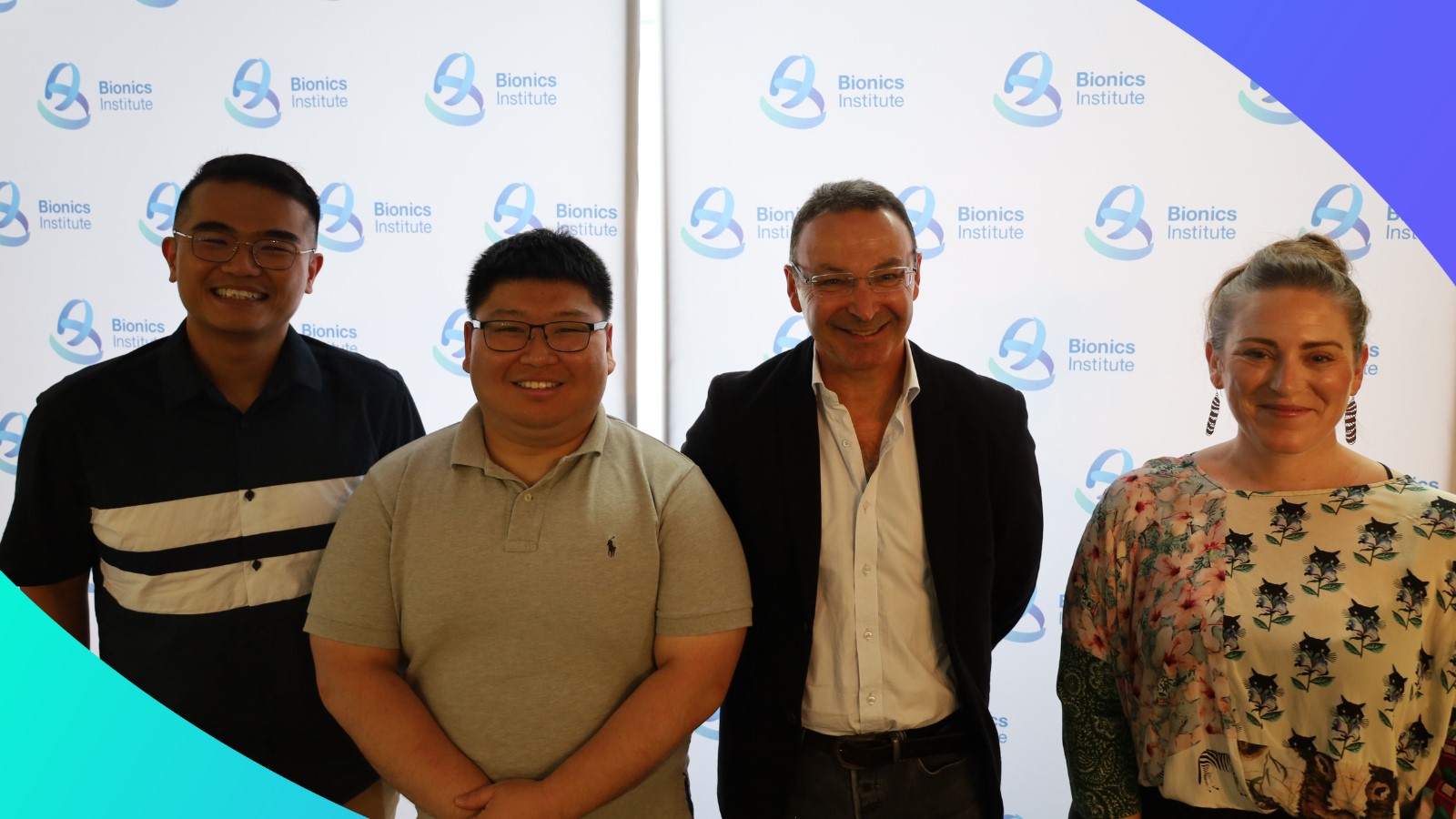
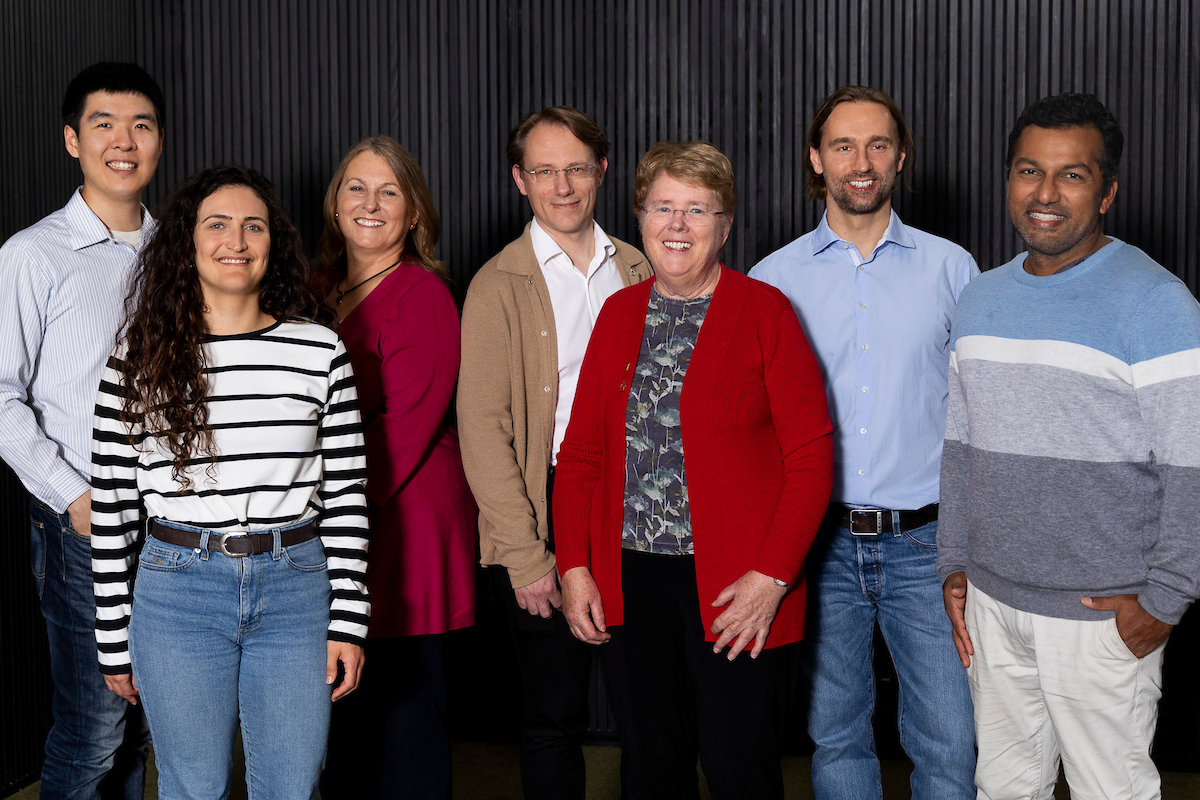
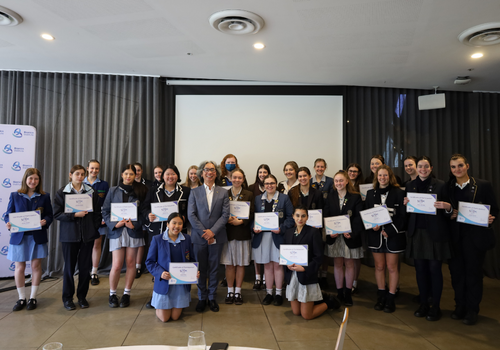
It is very fitting that he presents the Field Rickards Awards for Leadership and Impact each year to our stellar staff and students. Congratulations to the awardees Dr Tommy Peng, Stephen Lee, Dr Sally Herring, Lisa Dyball and our Tinnitus team on their achievements in 2022!
As this story illustrates, students are both integral to the success of the Bionics Institute and are the superstars of the future. That’s why we have introduced the Innovate for Life Student Scholarships to attract biomedical, engineering and neuroscience students to undertake a Masters by Research or PhD at the Bionics Institute.
As you can imagine, many young people are unable to commit to postgraduate study because they simply can’t afford it. A scholarship can be the difference between the brightest students using their skills to find solutions to challenging medical conditions or deciding to follow a different path.
In this newsletter, you will meet some PhD students who are now senior researchers at the Bionics Institute, plus some research stars of the future who joined us for a summer internship to work on research into hearing, Parkinson’s disease and Alzheimer’s disease. To find out how you can support the next generation of Bionics Institute researchers, come along to our free webinar in April.
I would like to take this opportunity to thank everyone who donated to our Alzheimer’s Christmas Appeal.
“Your support will help us get a clinical trial into a promising new treatment for this debilitating disease started as soon as possible.”
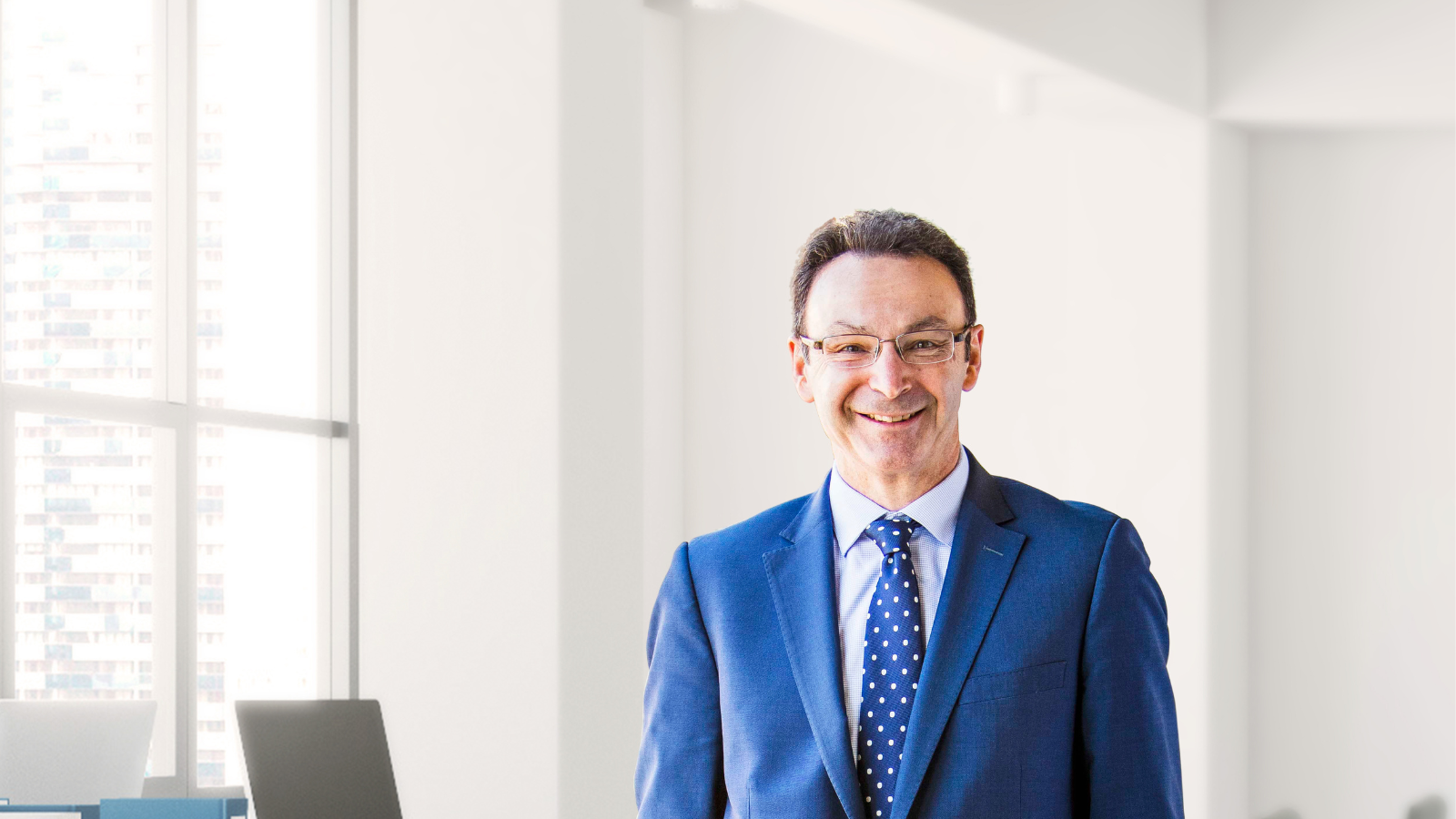
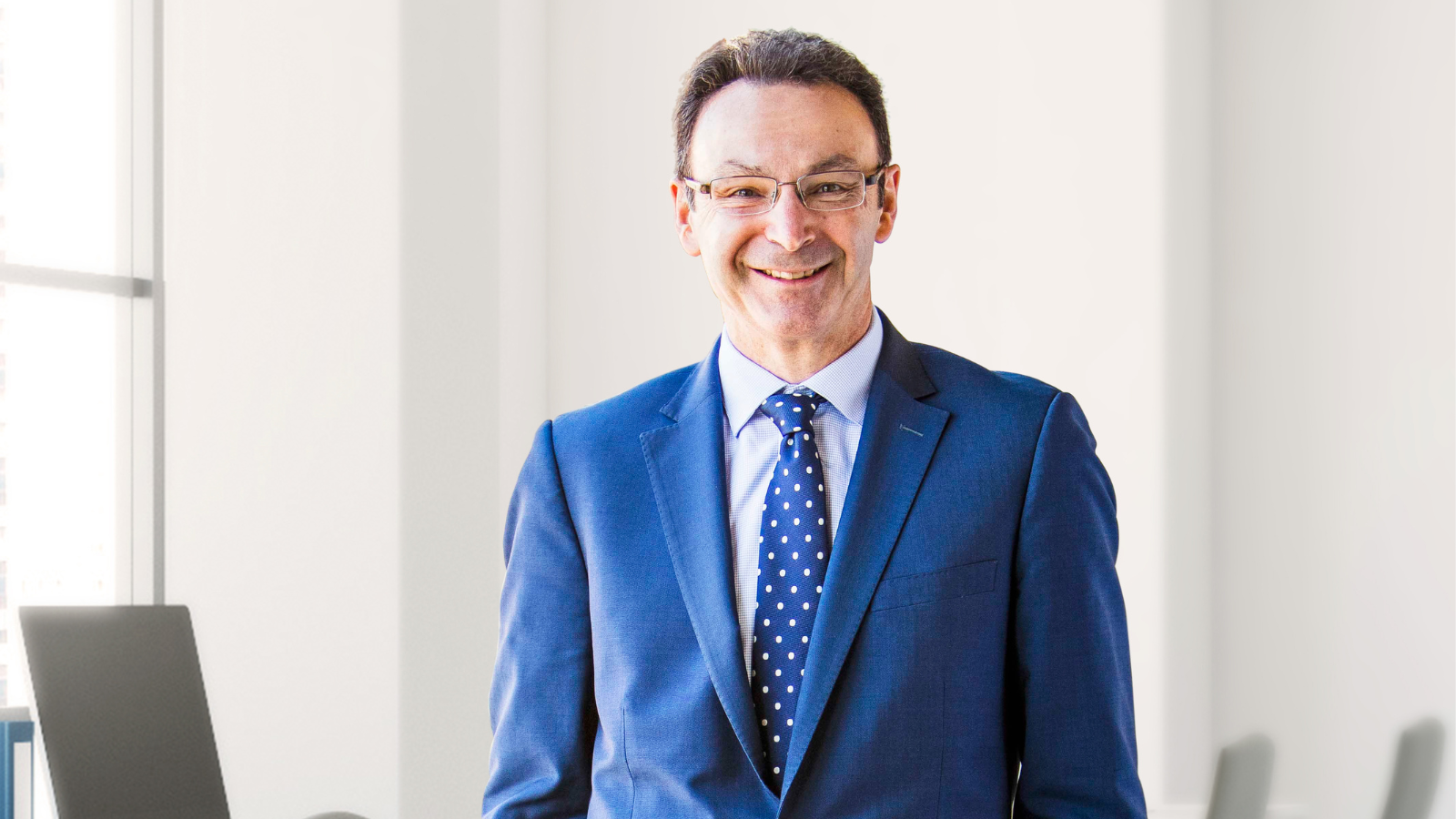
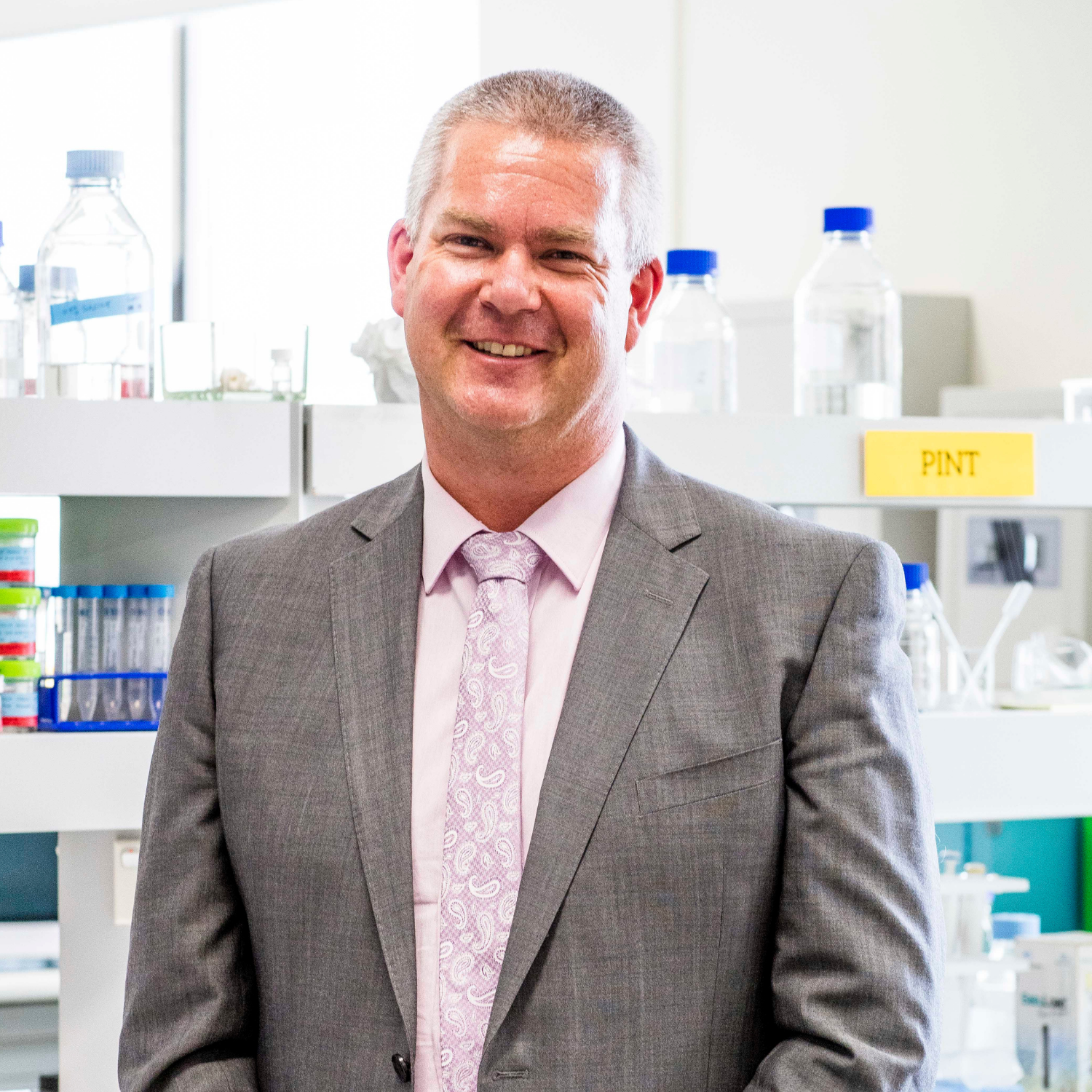
Mr Robert Klupacs
CEO
You might be interested in…
Bright futures ahead for our early career researchers
We have a number of PhD students who have gone on to become research leaders at the Bionics Institute.
Learn more about some of these early career researchers who are developing new solutions for challenging conditions, including hearing loss, rheumatoid arthritis and Parkinson’s disease
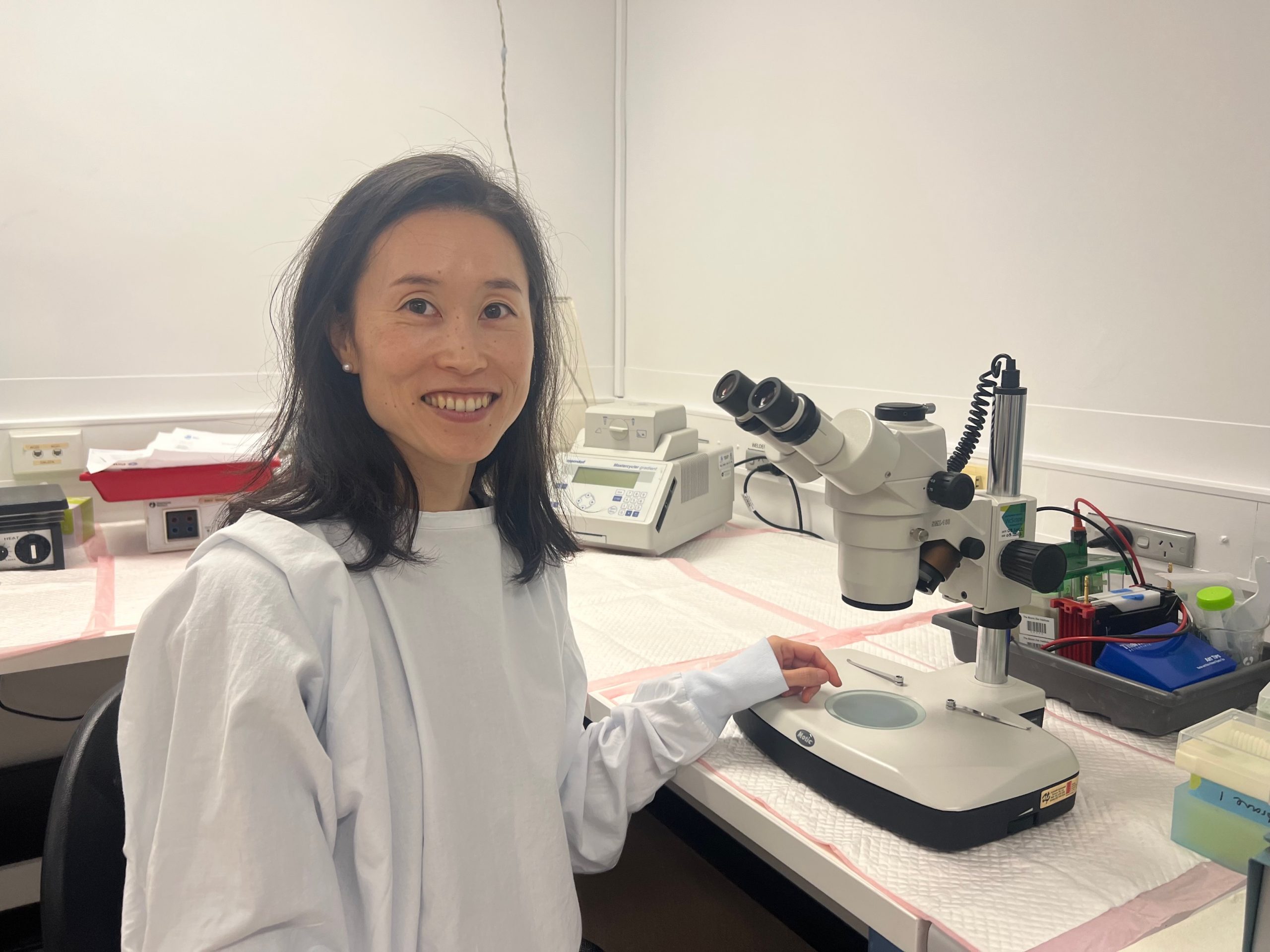
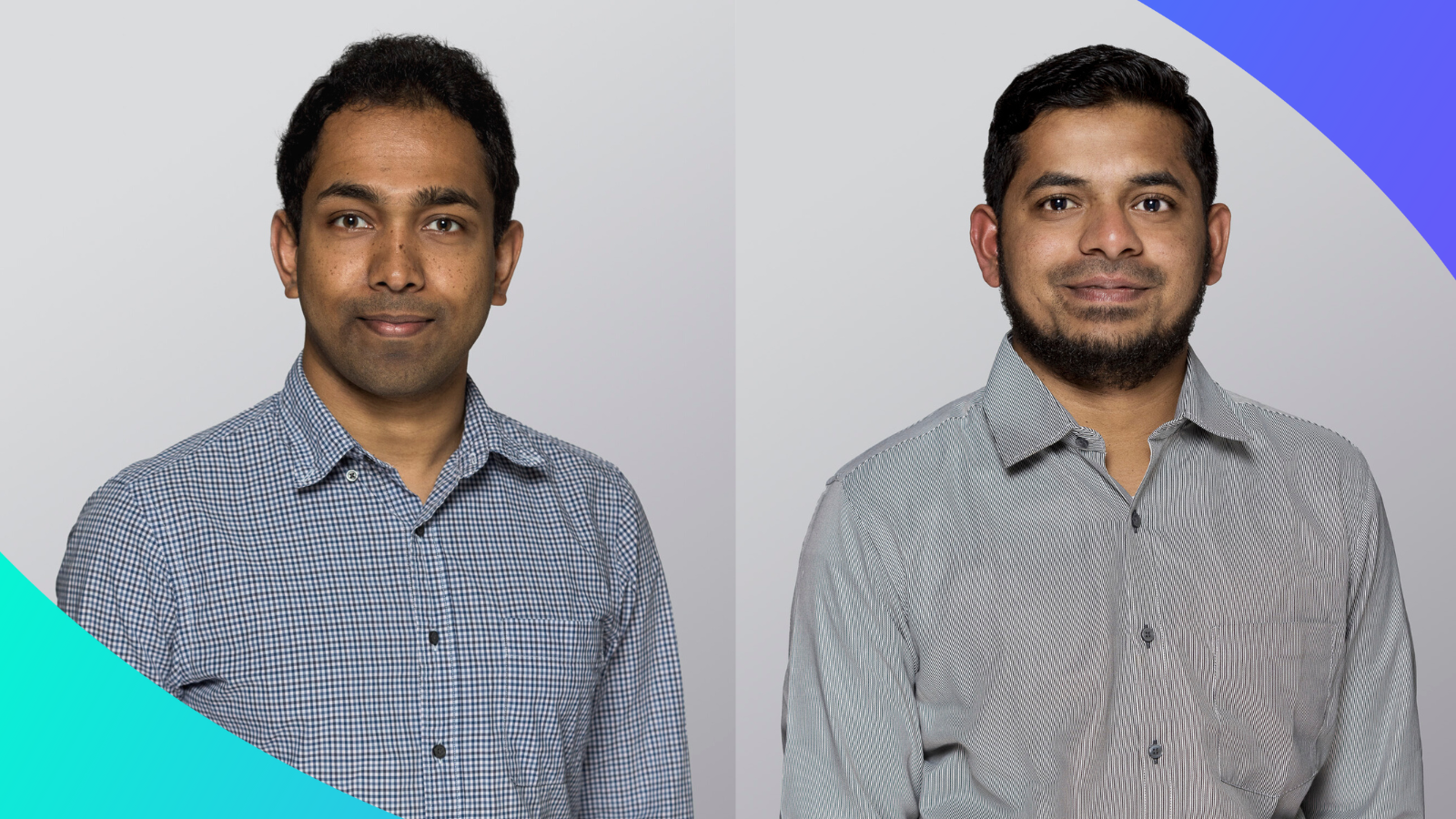
Dr Tomoko Hyakumura

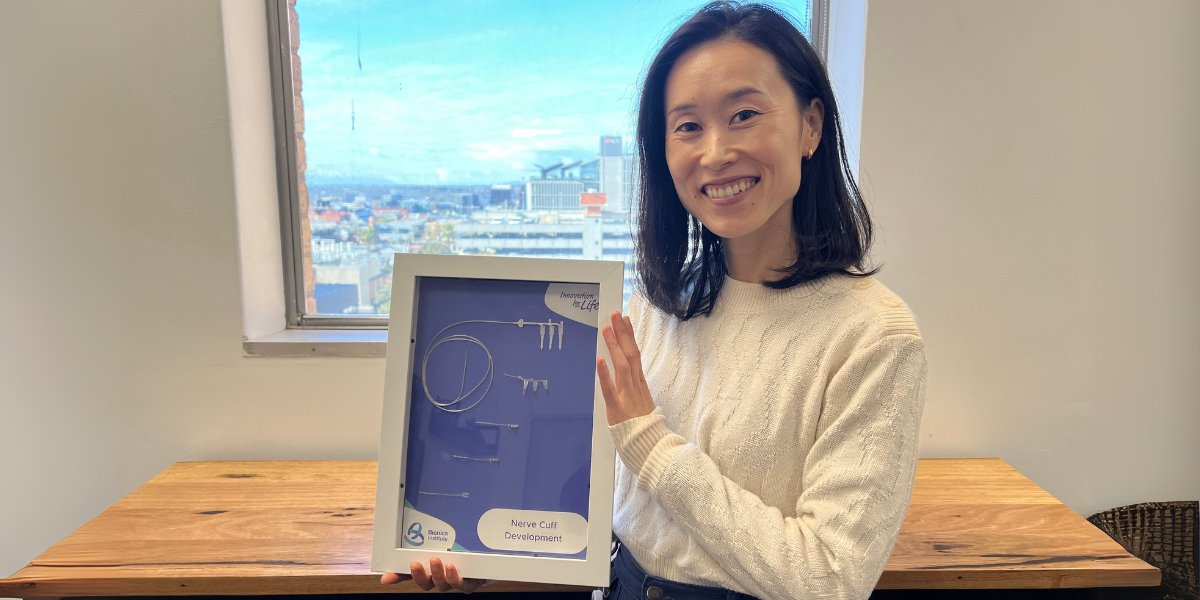
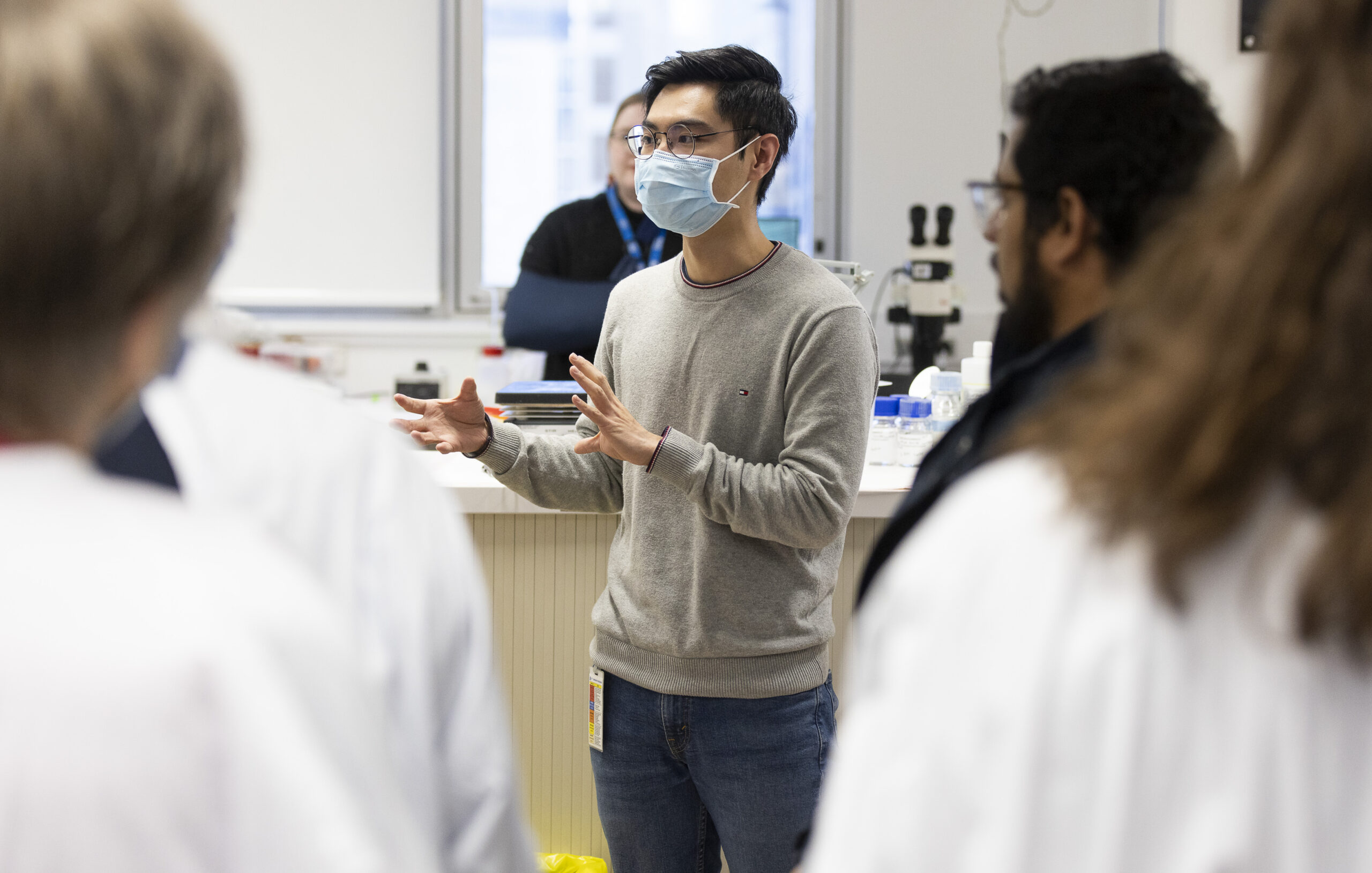
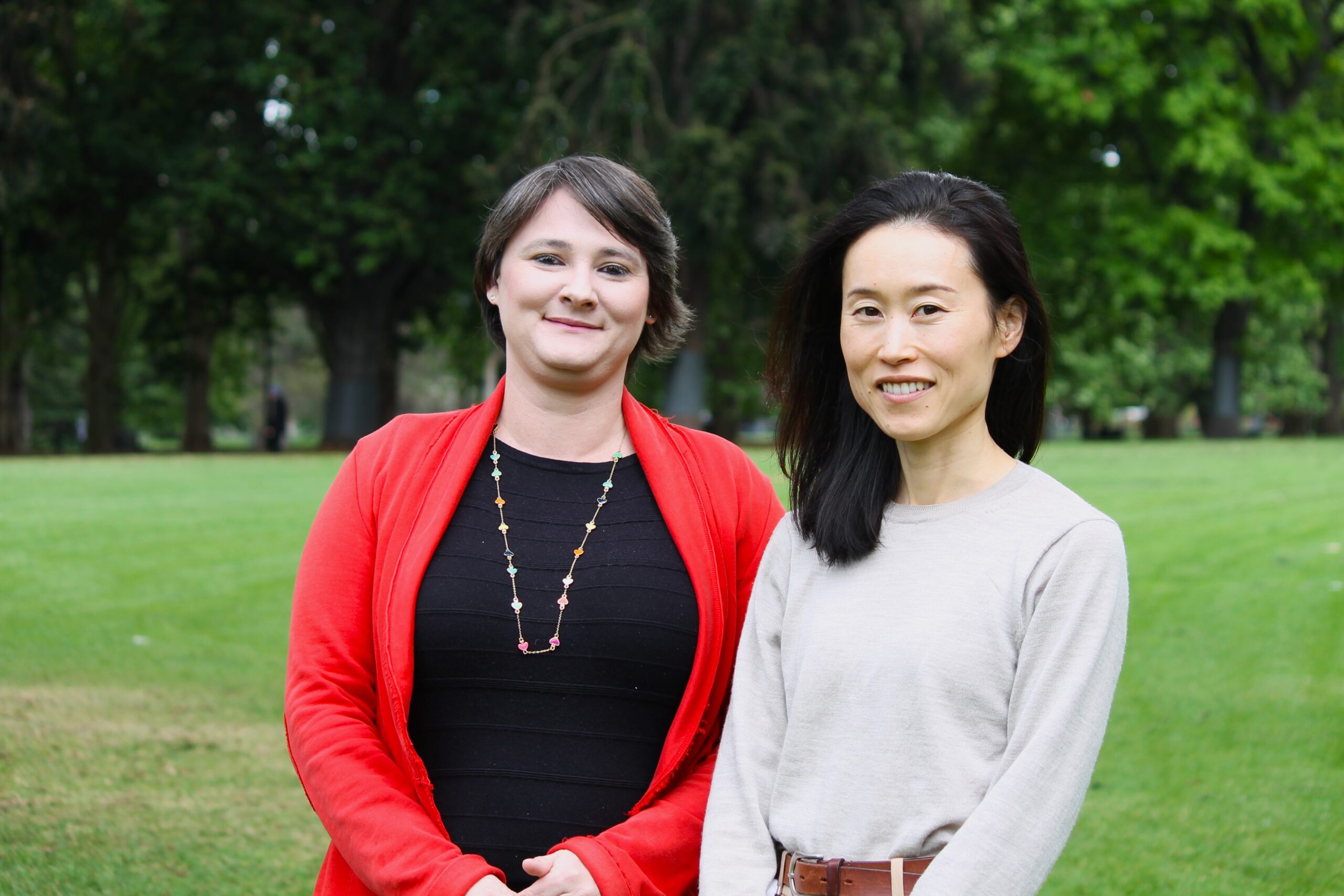
Dr Tomoko Hyakumura completed her PhD in 2018 and is now working as a Research Fellow developing a vagus nerve stimulation treatment for Crohn’s disease and rheumatoid arthritis.
She says: “Working at the Bionics Institute is inspiring. I am excited about the research projects I work on, and grateful to be working with the teams of talented and dedicated people.”
Dr Darren Mao
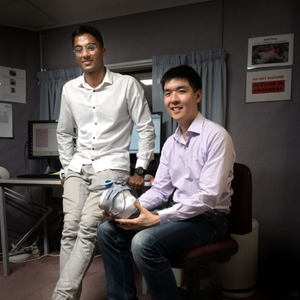
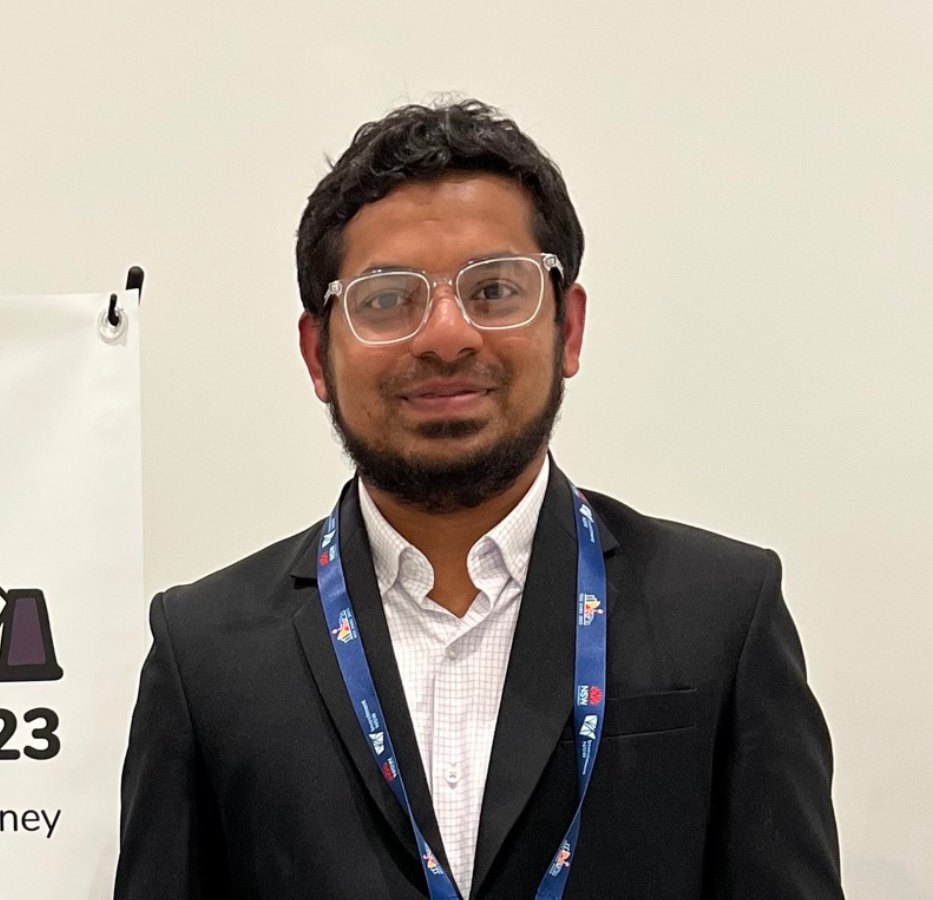
Dr Darren Mao completed his PhD in 2020 and is now working as a Development Engineer in the Translational Hearing team.
He says: “As a former PhD student at the Bionics Institute, I learnt to be an effective researcher and had an opportunity to be very hands-on with my work. Now I am continuing to use these skills at the Bionics Institute to develop EarGenie®, aiming to optimise treatments for infants with hearing loss.”
Dr San San Xu

Dr San San Xu completed her PhD in 2020 and is now undertaking a Fellowship
in the UK.
She says: “It gave me the opportunity to work on projects that were highly relevant and translatable to clinical practice in a supportive and collaborative environment. I am now working in a postdoctoral role as a Research Fellow and neurologist in the deep brain stimulation unit at the UCL Institute for Neurology at Queen Square, London.”
You might also be interested in




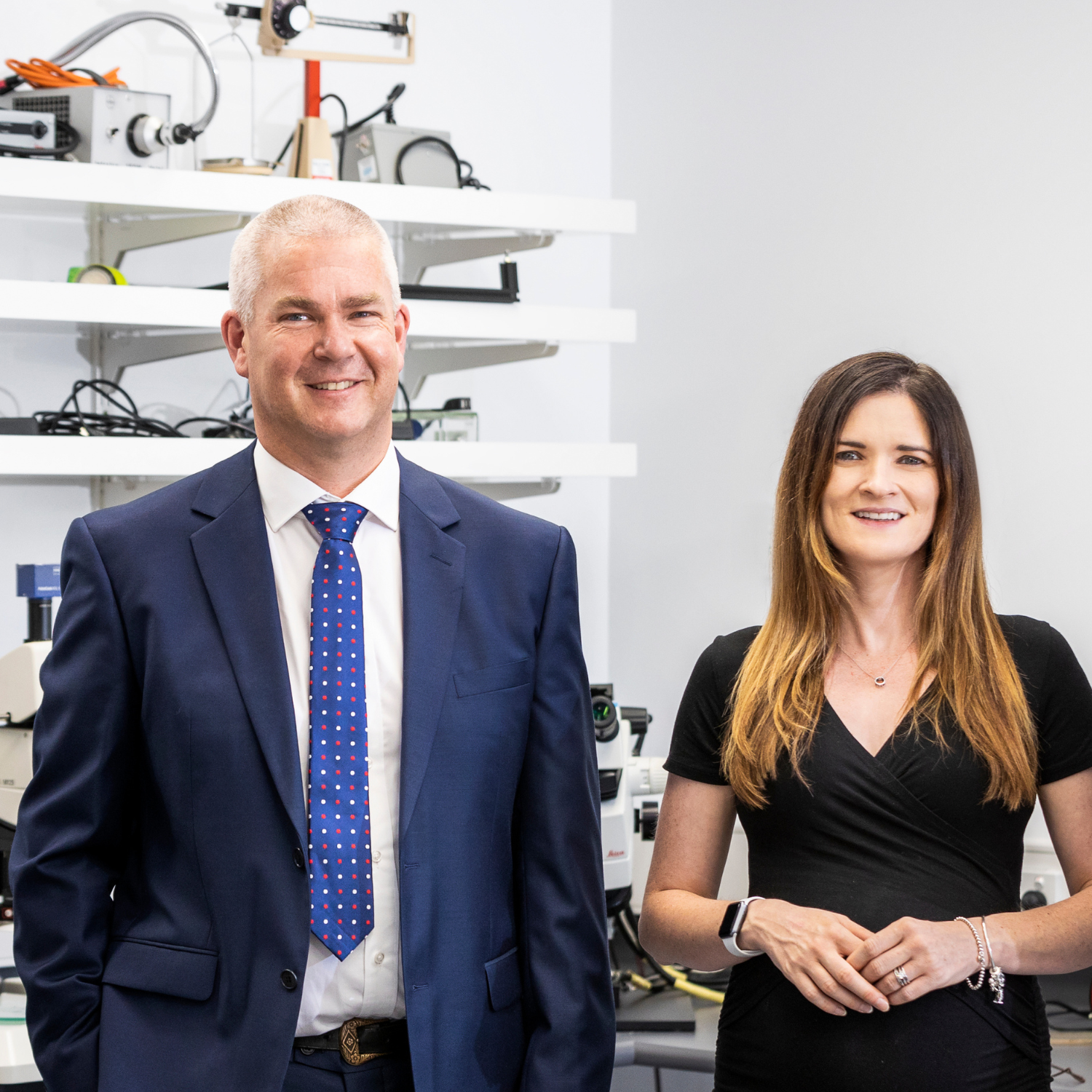
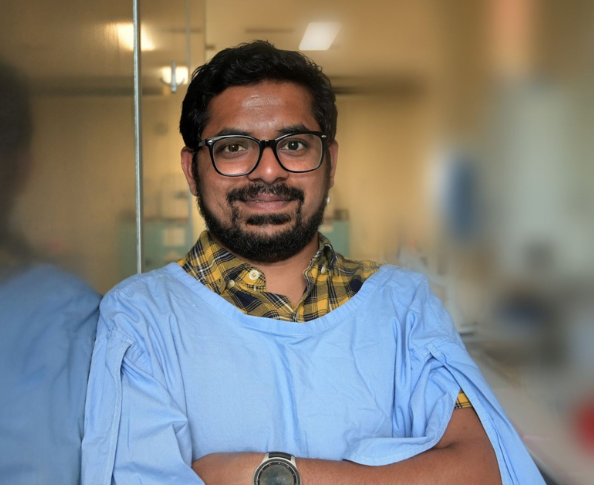

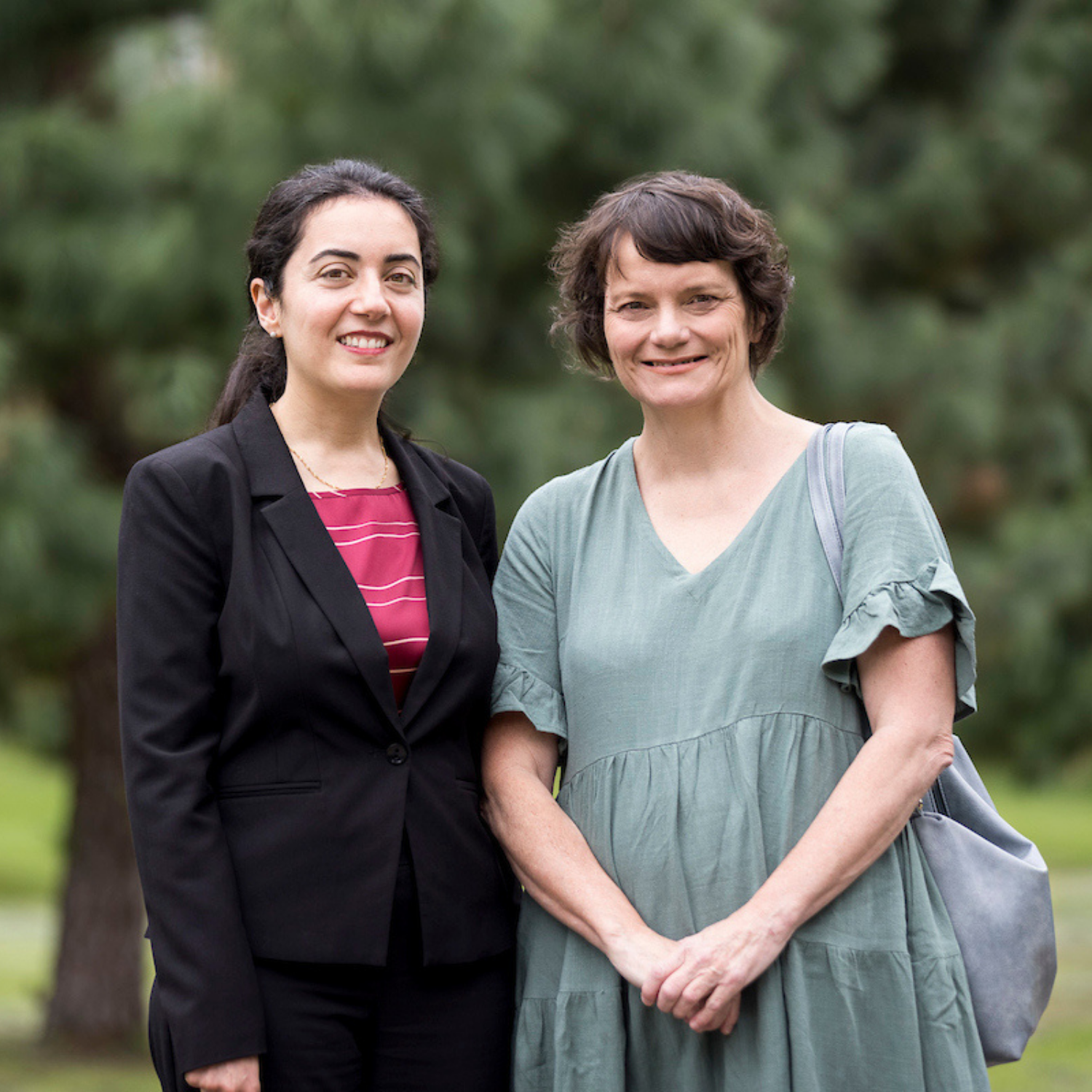
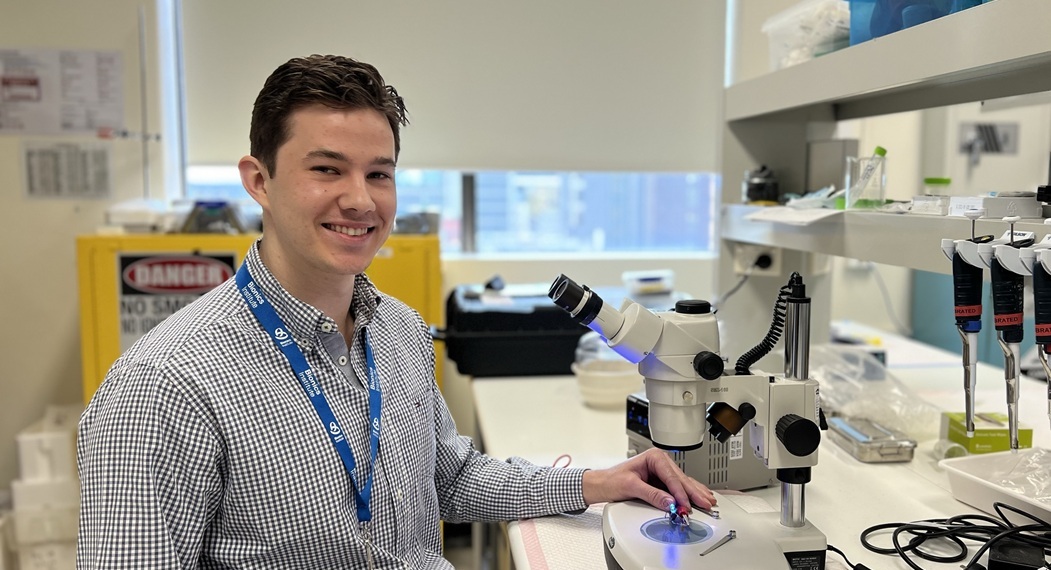
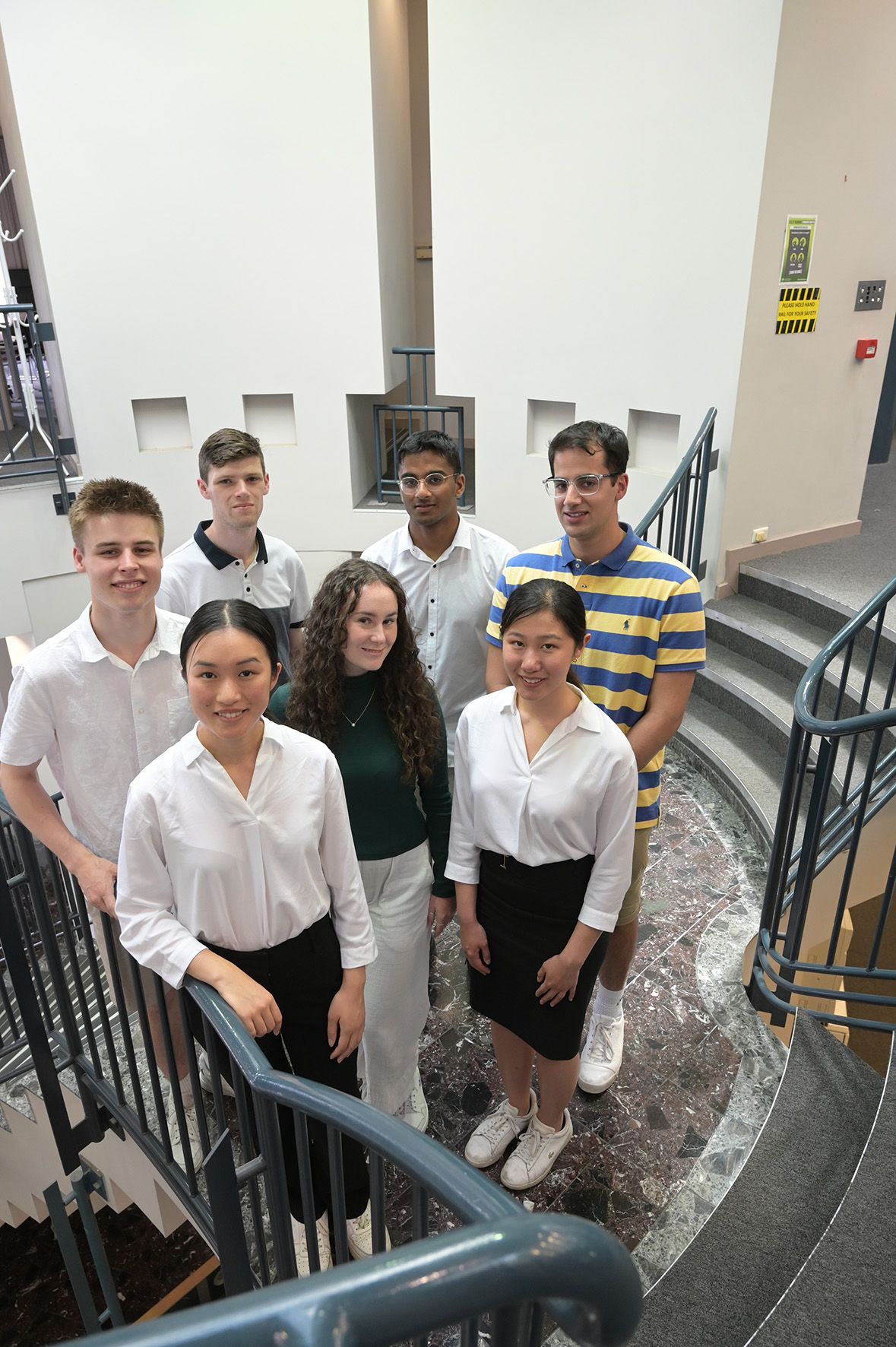
Students studying STEM subjects at universities across Oceania were selected to join this year’s prestigious AMGEN Scholarship Program at the University of Melbourne and seven chose to undertake a summer internship at the Bionics Institute.
Here’s a round-up of the projects they worked on during their eight weeks with our researchers, where they gained an insight into a potential career path to become our future superstars.

Ethan and Associate Professor Andrew Wise
Ethan was supervised by Associate Professor Andrew Wise, leader of our Hearing Therapeutics team, to assist with research into nanotechnology to develop a world-first drug treatment for hearing loss.
Arjuna is pictured with hearing researcher Dr Darren Mao
Arjuna was supervised by Senior Data Scientist Dr Gautam Balasubramanian, supporting our researchers in developing a new hearing test for babies, EarGenie®, that aims to give babies the best chance to hear and speak clearly.
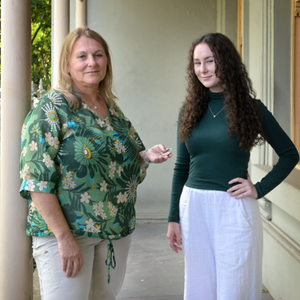
Eyla is pictured with hearing reseacher Dr Julia Wunderlich
Eyla was supervised by Dr Tommy Peng to assist with research into why some cochlear implant recipients are unable to understand speech as well as others.
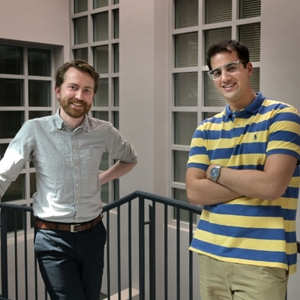
Harjas and Dr David Hill.
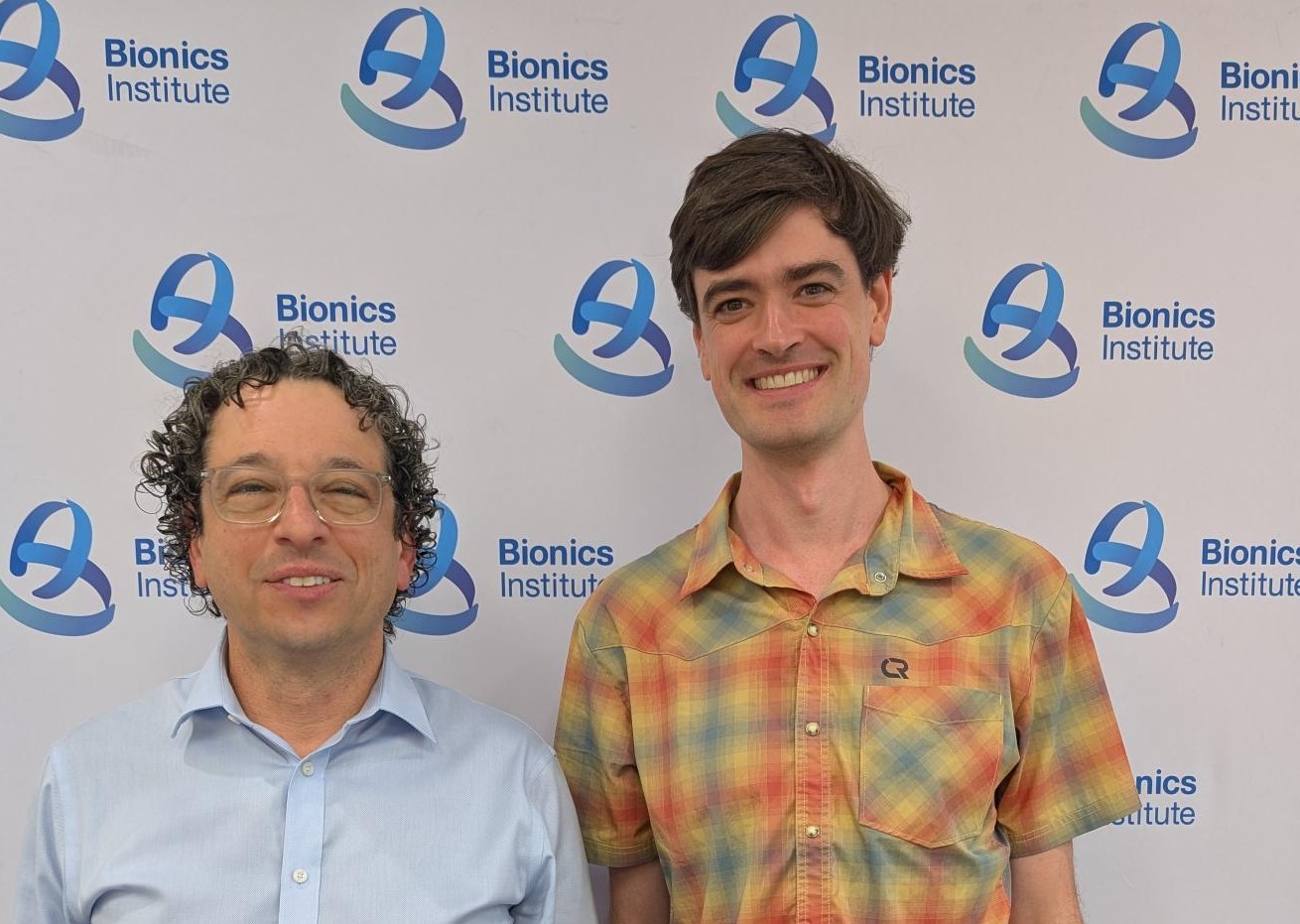
Harjas was supervised by Dr Dave Hill and Dr Oscar Murphy to gain a unique insight into the use of Transcranial Magnetic Stimulation to fight memory loss in people with Alzheimer’s disease.
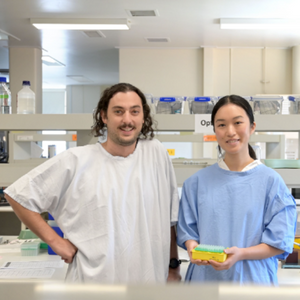
Helen is pictured with team member Jerico Matarazzo.
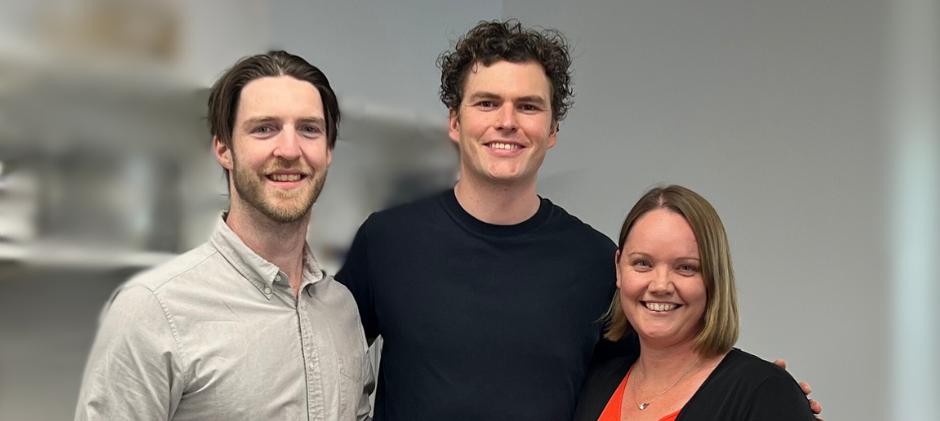
Helen was supervised by Research Fellow Dr Tomoko Hyakumura to work on a project to investigate the potential to use abdominal vagus nerve stimulation to treat neurological conditions.
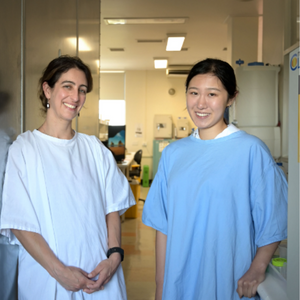
Melanie and Associate Professor Rachael Richardson
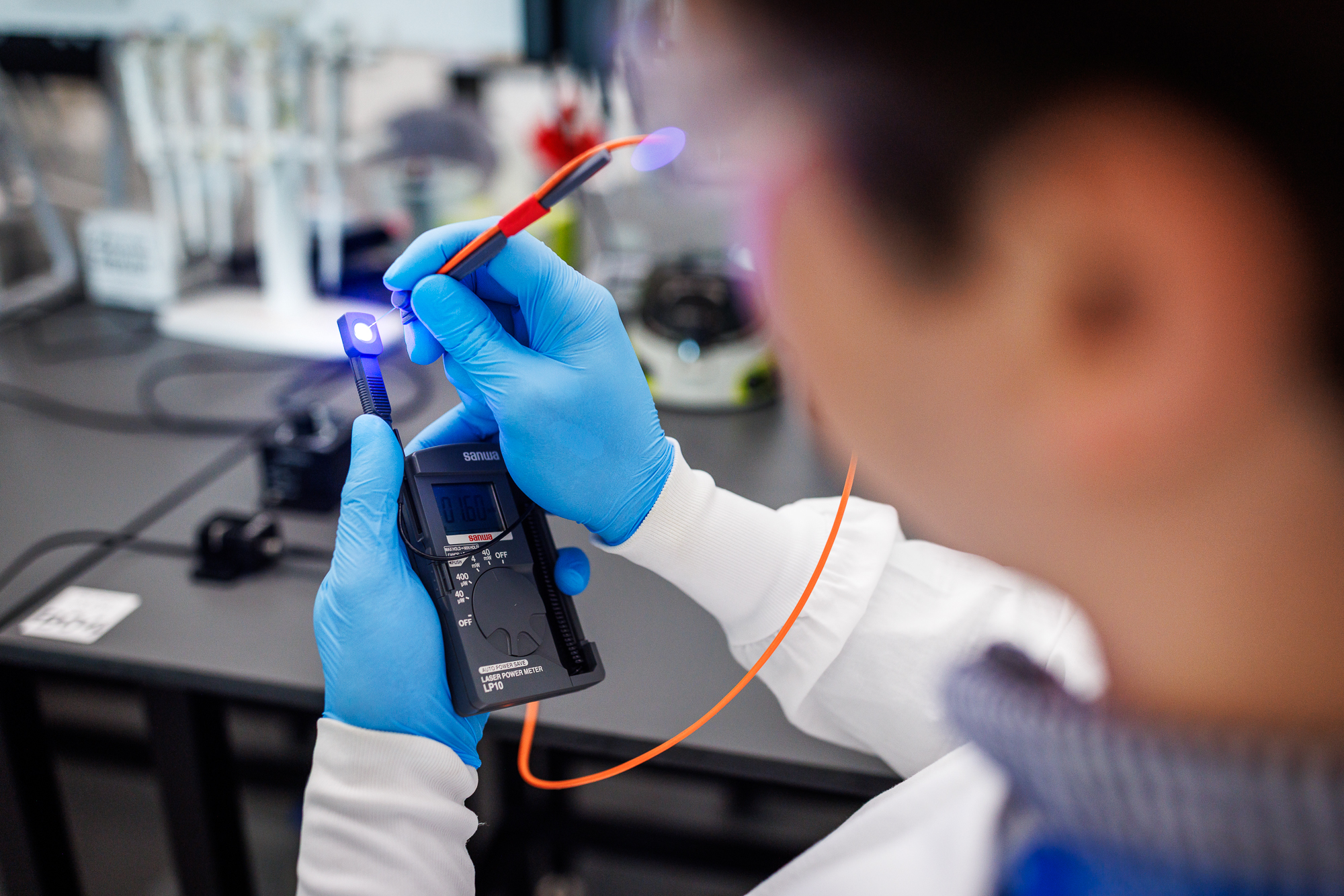
Melanie was supervised by Associate Professor Rachael Richardson, leader of the Optogenetics team, to assist with research into using a combination of electricity and light stimulation to alleviate chronic pain.
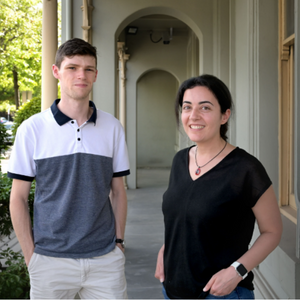
Tom and Dr Mehrnaz Shoushtarian.
Tom was supervised by Dr Mehrnaz Shoushtarian to investigate the use of hardware to apply non-invasive electrical stimulation to the feet, a mode of therapy being researched to treat walking difficulties for patients with Parkinson’s disease.
Why study at the Bionics Institute?
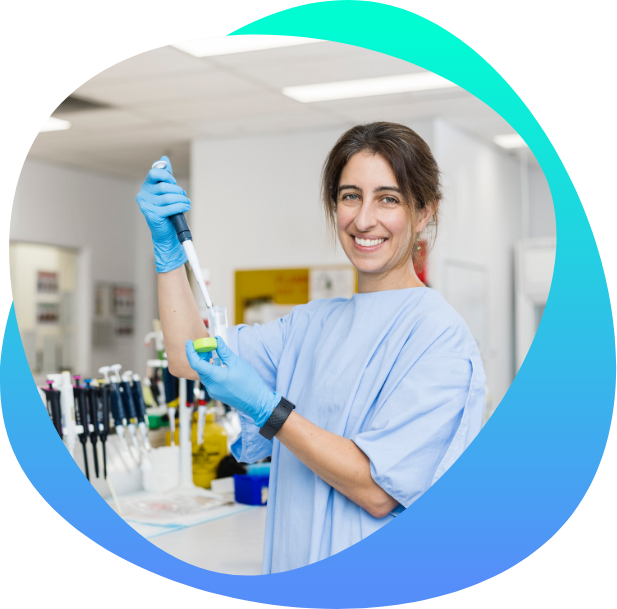
We lead the world in the research and development of innovative medical devices and therapies.
Our multidisciplinary team comprises world-class scientists, engineers and researchers. Together we transform the lives of people with a range of conditions, including hearing impairment, Crohnʼs disease, Parkinsonʼs disease, epilepsy, stroke, arthritis and diabetes.
You might be interested in…
“Innovation is not a moment in time…It takes years of work and discipline and bringing ideas together and turning them into reality.”
David Thodey AO, Board Director
Innovation is fundamental to the Australian economy
We have a long history of entrepreneurship in Australia, yet we are falling behind in the global innovation race.
Australia is ranked 25 out of 132 economies for innovation system performance, behind New Zealand, Ireland, Norway, Malta, Estonia and many others in the Global Innovation Index 2022 Report. We are ranked 19th in the International Institute for Management Development (IMD) 2022 World Competitiveness Rankings.
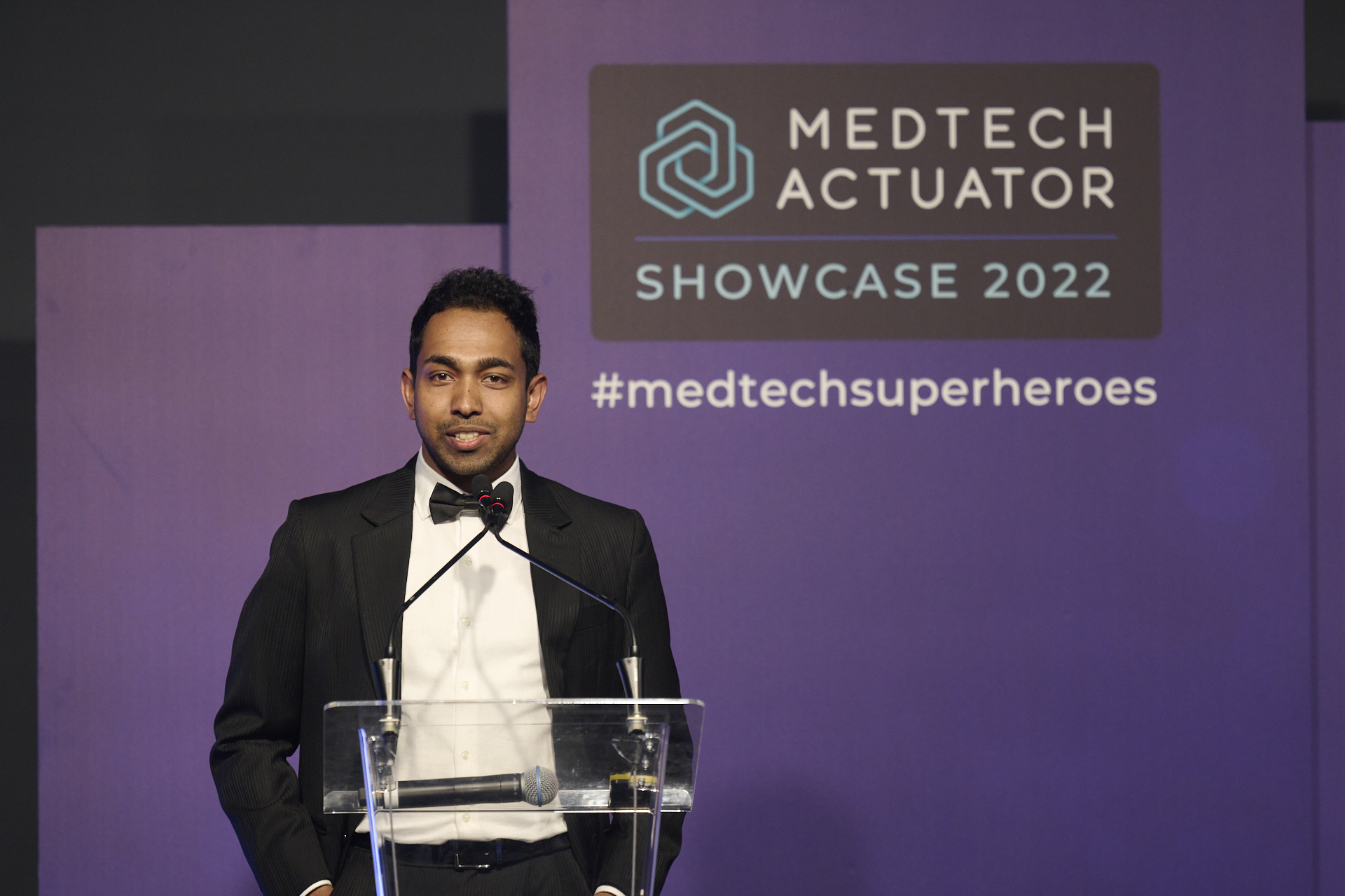
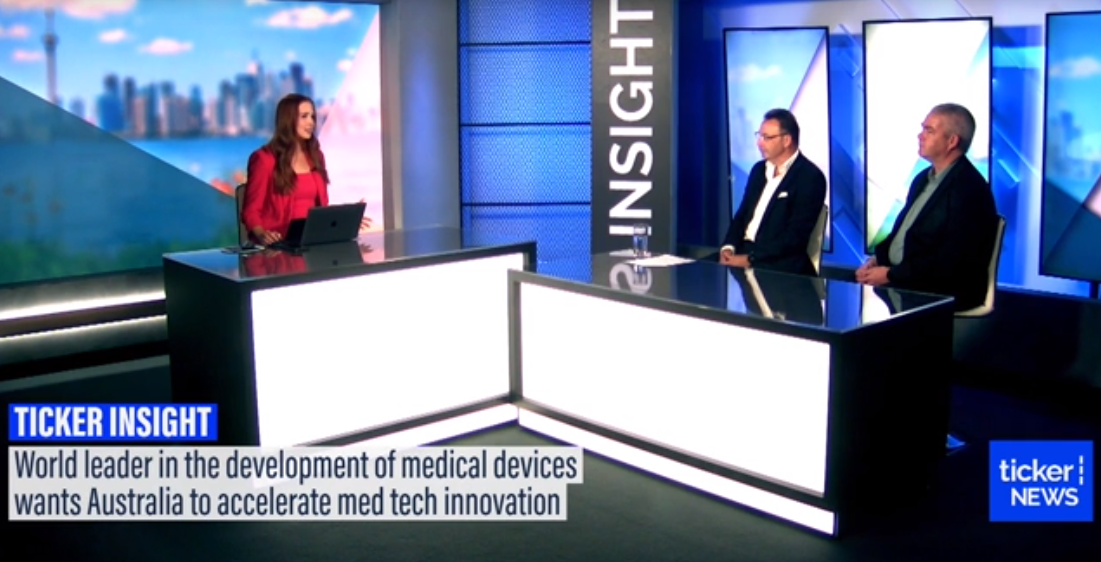
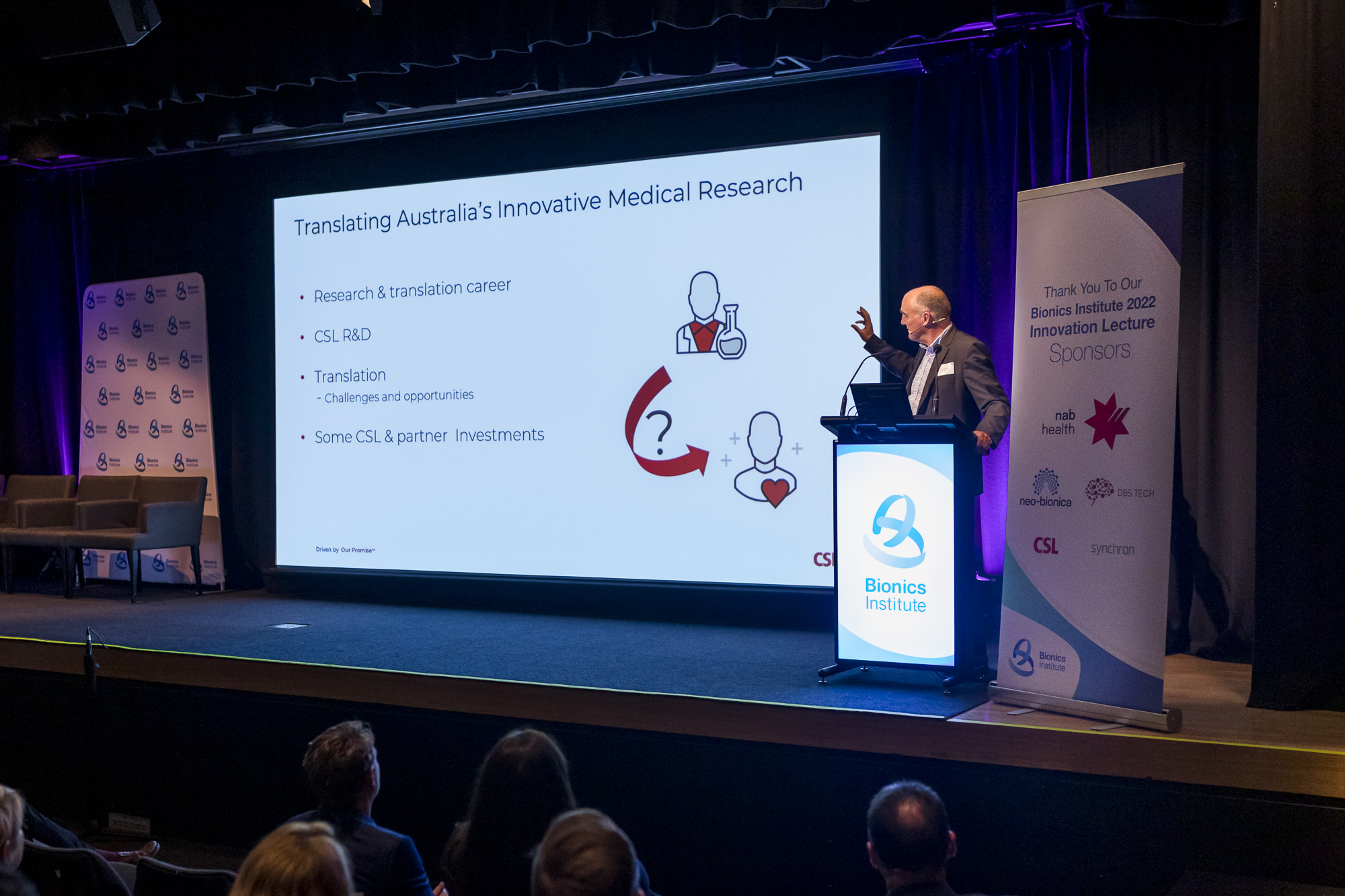
However, Bionics Institute CEO Robert Klupacs is optimistic that Australia can – and will – be a leader for med tech innovation because Australia has the fundamentals in place.
We have the fundamentals in place but need to invest in infrastructure, support skills development and embrace an appetite for risk so that our brilliant researchers, scientists, engineers and clinicians can generate and test their new ideas.
Our White Paper, titled: Building Australia Through Innovation, synthesises stories, theories and recommendations to spark conversation and prompt our country’s policy makers and leaders to take action so Australia can realise it’s full R&D potential.
Four ways to supercharge innovation in Australia
The White Paper covers the state of innovation in Australia; innovation challenges; bridging the innovation gap; and recommends four ways to supercharge innovation with some stellar examples from successful startups and peak bodies:
1. Co-location: Precincts and hubs
“You get an unfair advantage from co-location,” says Dr Erol Harvey, the Bionics Institute’s Head of Development and Research Translation and CEO of the ACMD. “It’s all around personal interactions. Being part of a community in a precinct, those conversations in coffee shops can lead to amazing things.”
2. Skills development and funding
ATSE CEO Kylie Walker says: “With manufacturing infrastructure and investment, a focus on lifelong learning and skills development, a steady and longer-term approach to investing in research and its translation, Australia can and will build a thriving and tech-forward manufacturing sector, alongside a world-class knowledge economy.”
3. Storytelling and persistence
Synchron CEO Associate Professor Tom Oxley says: “If you’re researching something and you think that you’ve seen an outcome of the research that could change the way that things are done, and you don’t quite know what to do with it or whether it’s real, you have to go out and talk about it. You have to put yourself out there.”
4. Leveraging mentorship and partnerships
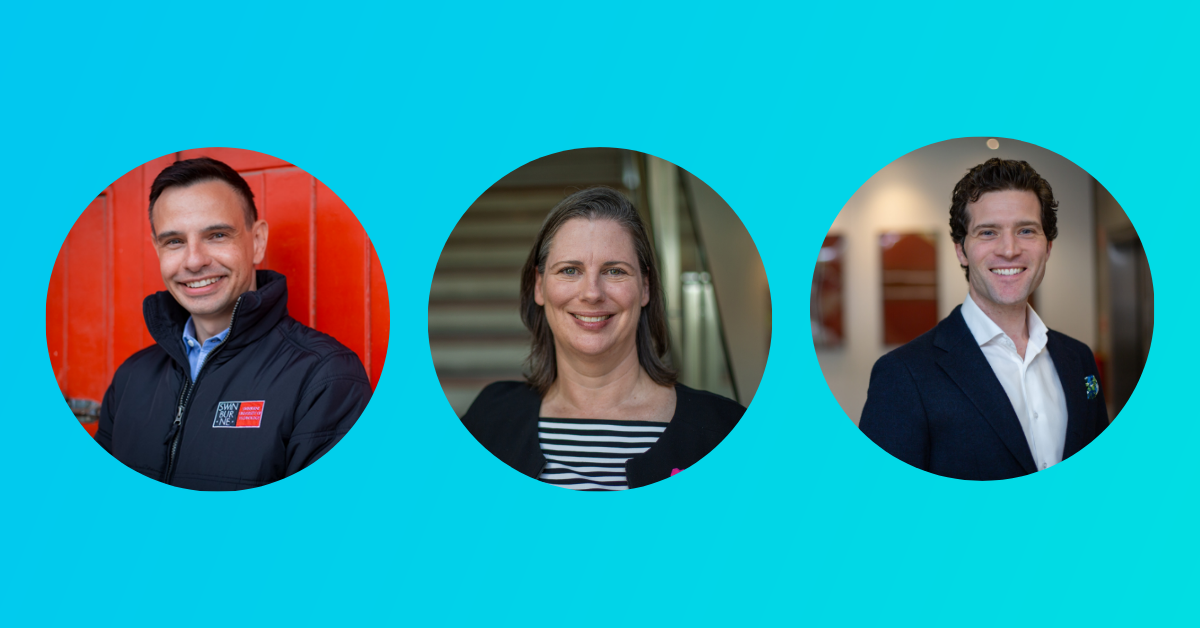
“Big companies learn a huge amount from startups,” says the Bionics Institute’s Robert Klupacs. “We can move much faster than they can. Big companies have great expertise, but often they’re tied down by their own rigid bureaucracy.”
Acknowledgements
The Bionics Institute would like to thank the following people for their contribution to this White Paper:
Mr David Thodey AO
Mr Robert Klupacs FTSE
Ms Kylie Walker
Dr Jill Freyne
Dr Erol Harvey FTSE
You might be interested in…
Student Scholarships provide the opportunities and financial security for aspiring researchers to pursue a career in science and how you can help students become the research leaders of the future.
View the webinar recording to hear from research leaders about their experiences from a PhD or Masters to their positions today and from students who have just started on their exciting post-graduate research journeys.
Dr Sheridan Laing, Bionics Institute’s Research Program Manager, will explain the vital role students play within the Institute’s research teams to solve the world’s most challenging conditions with innovative technology.
A panel session between research leaders and post-graduate students, discussing their research and the support that has enabled them to pursue their careers in science to help find cures and treatments for many debilitating conditions.
More on the impact of student scholarships can be found on our website here.
Event recording
View the event recording for the Student Support: Changing the Future of Medicine.
Help fund pioneering research
Want to support the research stars of the future?
Early-stage research for life-changing devices & treatments is made possible by donations from our supporters.
Your support today could help pioneer the life-changing medical breakthroughs we urgently need!
You might be interested in:
Biomedical Seminars
Each month, our public seminars are an opportunity to hear about our research projects and learn from local and international biomedical thought leaders.
You don’t need to be a researcher or academic to come along, all members of the public are welcome to join our seminars.
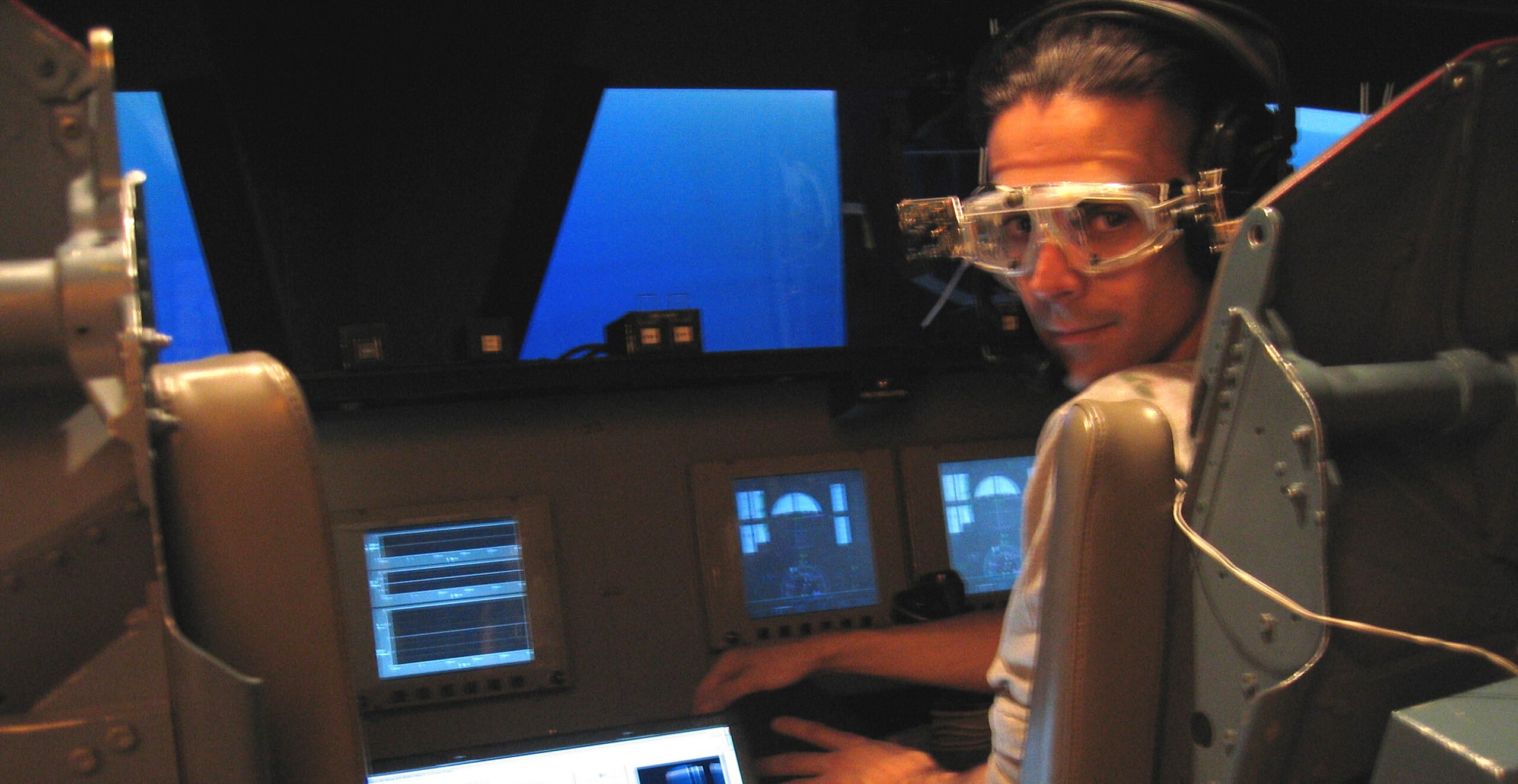
18 October: Dr Hamish MacDougall
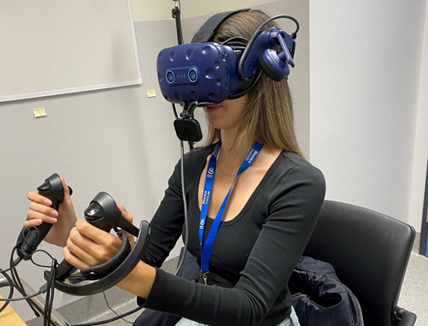
Neurological Assessment using Virtual Reality
Date: Friday 18 October 2024
Time: 4.00-5.00pm
Location: in person and online via Teams
Contact: [email protected]
About the Seminar
Join Dr Hamish MacDougall as he presents a seminar that will explore how VR technology can be used to conduct neurological assessment both subjectively and objectively, in local or remote settings. Dr. MacDougall will discuss the latest advancements in VR-driven tools, highlighting their potential for improving diagnostic precision and therapeutic outcomes in patients with neurological conditions.
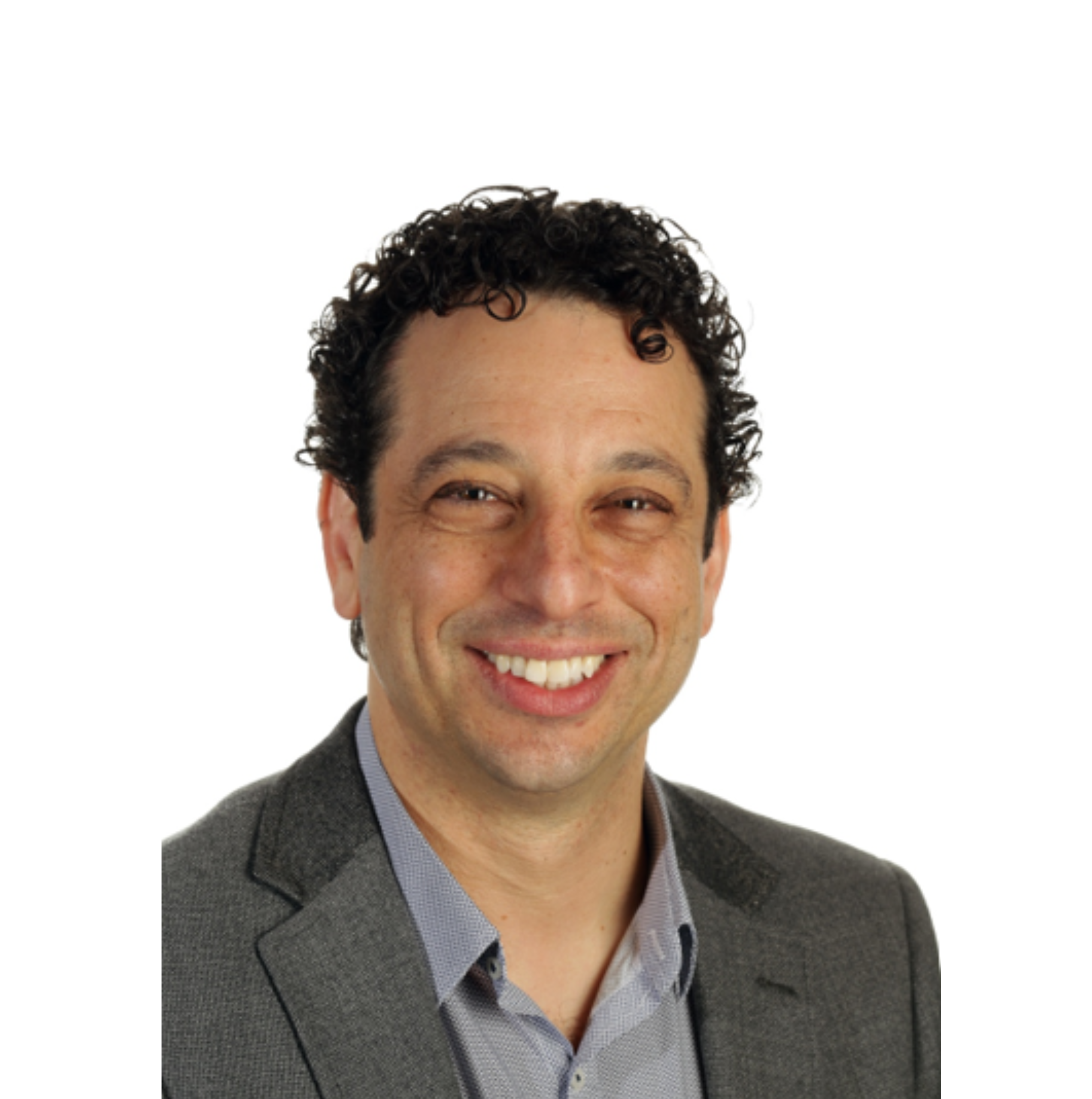
About Dr Hamish MacDougall
Dr. Hamish MacDougall is a world-renowned researcher specializing in vestibular function and the vestibulo-ocular reflex. Over the past 20 years, he has led pioneering research, including the development of 3D video eye trackers and VR-based tools. His work has been instrumental in spaceflight research, collaborating with NASA on projects related to astronaut performance in challenging gravitational and inertial environments. Dr. MacDougall’s innovative contributions also extend to clinical applications, where he developed the widely-used video Head Impulse Test (vHIT), revolutionizing the diagnosis of inner ear (semicircular canal) function.

11 October: Professor Chris Reid
How to design precise medicines for genetic epilepsy
Date: Friday 1 November 2024
Time: 4.00-5.00pm
Location: in person and online via Teams
Contact: [email protected]
About the seminar
Developmental and epileptic encephalopathies or DEEs are predominantly monogenic disorders which are individually rare but collectively occur in 1 in 590 births, equating to >500 newly diagnosed children in Australia per year. DEE are characterised by severe refractory seizures and a range of comorbidities including significant developmental delay. With a genetic cause now identified in over 50% of individuals with a DEE, the era of precision medicine has begun. Pathogenic HCN1 variants have emerged as an important cause of DEE.
In this talk Professor Chris Reid will update you on the progress we have had in understanding HCN1 epilepsy. This will include how human variants in HCN1 have informed how the channel works, identifying an unrecognised retinal comorbidity and a promising small molecule that provides proof in principle that both seizures and comorbidities can be treated.
Professor Reid will also present work on new genetic mouse models of Sudden Unexpected Death in Epilepsy (SUDEP) based on a human genetic underpinning. Physiological studies in the mice suggest that cardiac factors play an important part in the pathological cascade leading to premature death. We show that β-blockers can prevent premature death suggesting that ‘protecting the heart from the brain’ could reduce the incidence of SUDEP.
About Professor Chris Reid
Professor Chris Reid is Research lead of the Epilepsy Mission, member of Faculty and Head of the Neurophysiology of Excitable Networks Laboratory at The Florey. He is a translational neuroscientist and leads a multidisciplinary team that investigates the molecular and cellular causes of epilepsy. Key work includes developing and characterising new genetic rodent models of epilepsy and identifying new molecular targets for treating this devastating disease.
Professor Reid has strong engagement with industry and clinical partners providing a translational path. This includes past collaborations with the BioCurate and CSL. He also contributes significantly to the neuroscience community acting as Director of the Australian Course in Advanced Neuroscience (from 2020) and sitting on International League Against Epilepsy (ILAE) and American Epilepsy Society (AES) Genetic Task Forces. His vision is to continue to drive pre-clinical programs that will create and validate therapeutic strategies targeted at ion channels in epilepsy and other neurological disorders.
You might be interested in…
Support Us
Your gift today will help us develop a ground-breaking tinnitus test and pave the way to new treatments for tinnitus.
Donate nowKevin’s story
Our world-first objective tinnitus test could bring relief to Kevin who has suffered with maddening high-pitched, jarring sounds in his head for 46 years.
He explains: “This thing is in your head. It drives you crazy.”
“When it first started, I would get to a high level of panic hearing this constant very high-pitched tone. I’d run to the bathroom, turn the water on at full blast and stick my head in the sink, as the noise of the water would mask the sound. It was the only way I could get relief.”
“For 46 years I’ve had to live with the fact that there’s no cure and no treatment for tinnitus. The possibilities of an easy tinnitus test are breathtaking. This test gives me hope.”
Bringing hope to people with tinnitus
Help fund pioneering research
Tinnitus, the perception of sounds without an external source, affects 1 in 10 people globally. 20% of those affected report severe tinnitus, and there is currently no treatment – only ways to control symptoms, that don’t always work.
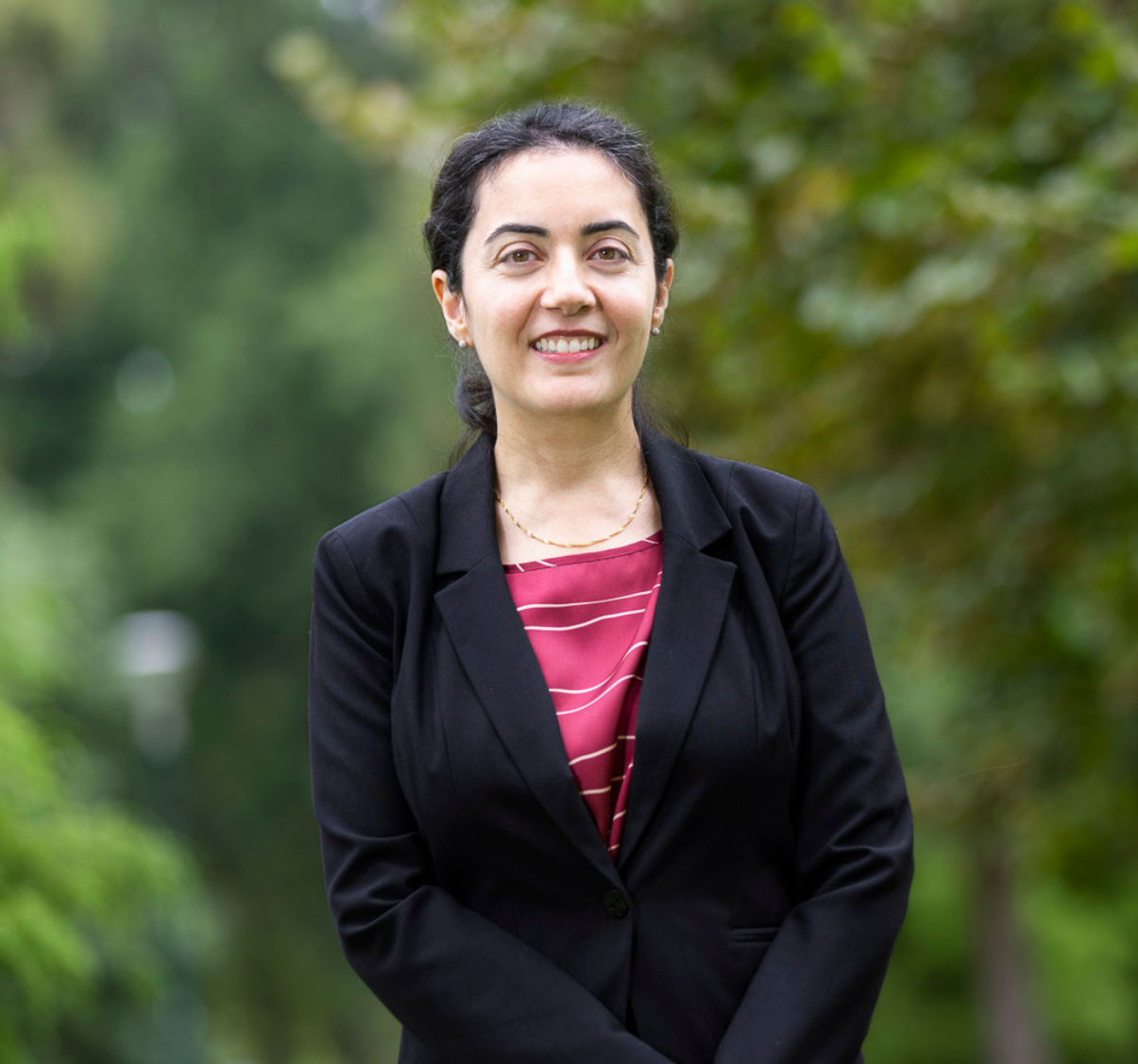
But that could change with this revolutionary new test being developed by Dr Mehrnaz Shoushtarian and her team at the Bionics Institute.
Your gift will help our researchers develop the revolutionary medical device further and get it into doctor’s clinics as soon as possible.
If you or someone you love suffers with tinnitus, wouldn’t you want to stop the torment of tinnitus?
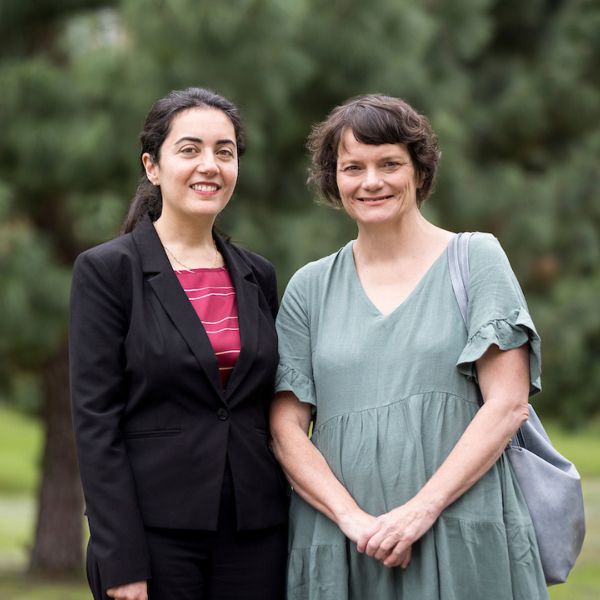
Deb’s story
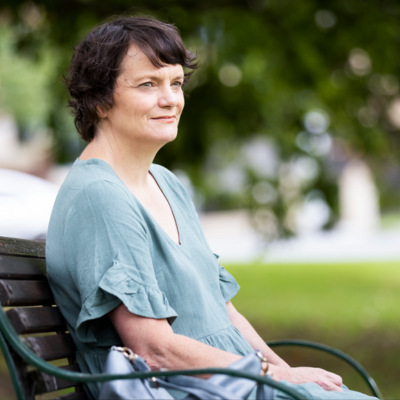
New treatments could end the torment of tinnitus for people like Deb, a qualified midwife.
She says: “It’s like a gas leak in my head with multiple layers of hissing around the clock, every day.
“I can’t sleep. I can’t watch TV. I can’t concentrate enough to read or write. It’s kicked up my depression and anxiety.
“An objective test will give researchers the knowledge they need to find a treatment for people like me whose lives have been ruined by tinnitus,” she concludes.
Help us fast-track this treatment to stop the torment of tinnitus
If the new treatment is successful, you’ll help people live free of the torment of tinnitus.
Fast-tracking development of this test will bring relief and the tools needed to develop new treatments.
Every step towards a life free of tinnitus makes a huge difference – just ask Deb!
Thank you for your compassion and supporting the search for new treatments for tinnitus – your kindness means so much to patients and their families.
About this research
Our researchers have developed a non-invasive brain imaging technique that diagnoses tinnitus with incredible accuracy.
The aim is to provide clinicians with a reliable diagnostic test to assess if a treatment is working, and also give researchers the information needed to develop new treatments.
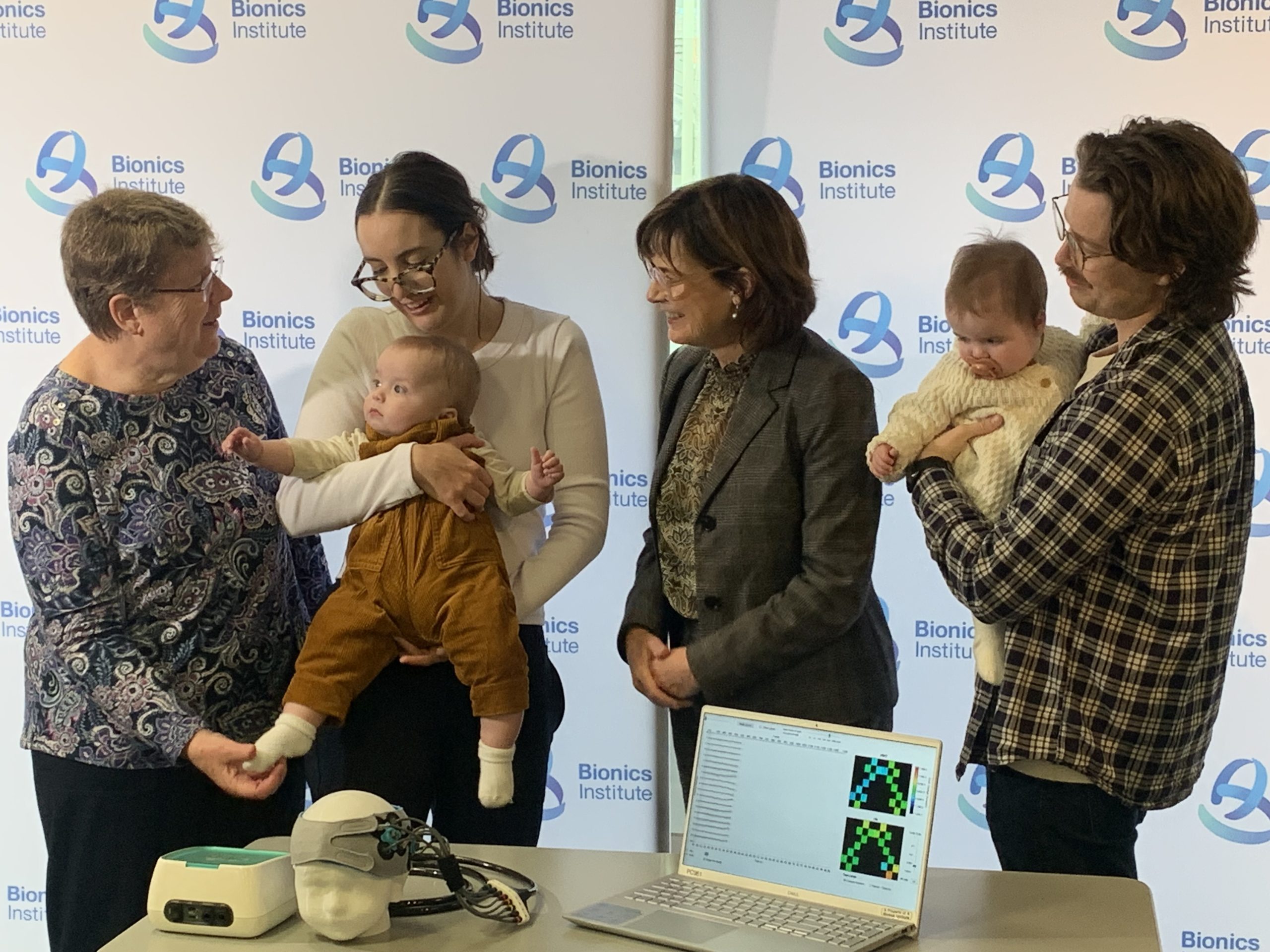
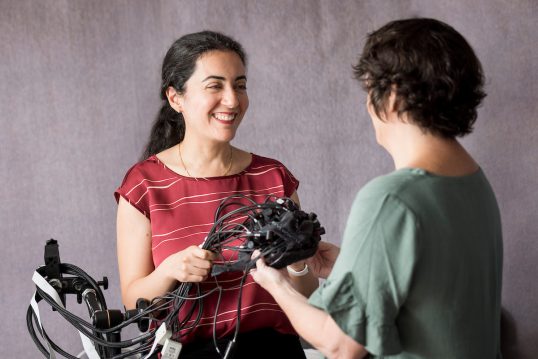
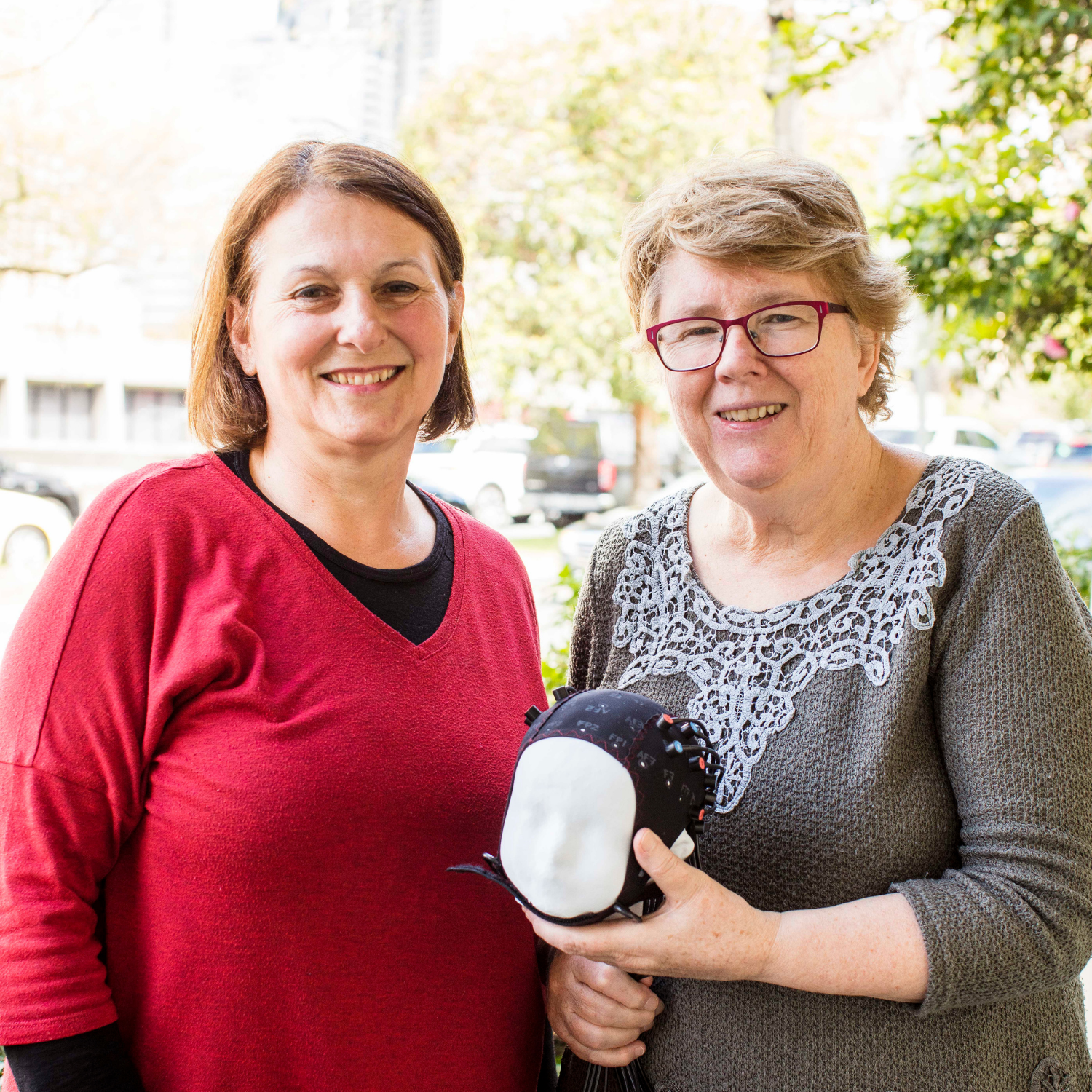
The new diagnostic test shines near infra-red light over the head using light sources set into a cap. The brain’s blood oxygen levels affect the amount of light reflected back, which is measured by detectors in the cap and analysed using AI.
The treatment will continue through clinical trials before being made available more widely. Find out more about participating in this research.
Help fund pioneering research
Want to support the future of research like this?
Early-stage research for life-changing devices & treatments like this is made possible by donations from our supporters.
Your support today could turn the seed of an idea into a new treatment in the future.
Find out how you can support research innovation here.
Support Us
Your gift today will help us research a breakthrough treatment to fight memory loss in Alzheimer’s disease.
Donate nowAll gifts over $2 are tax deductible.
Cheryl’s story
Cheryl knows the heartbreak of watching her mum deteriorate from Alzheimer’s disease. The debilitating memory loss. The frustration of the same questions repeated over and over. Forgetting to eat, leading to malnutrition.
Chances are, you know someone with Alzheimer’s. Or someone who is caring for a loved one with Alzheimer’s, like Cheryl.
That’s why we’re asking you to donate to help our researchers develop a new brain stimulation treatment for Alzheimer’s.
The non-invasive treatment, called Transcranial Magnetic Stimulation (TMS) applies magnetic pulses to change activity in the key regions of the brain affected by Alzheimer’s.
Your Gift Will Support the Future of Medicine
Did you know Alzheimer’s is the most common form of dementia, the number two cause of death in Australia? Dementia affects over 55 million people worldwide and there is no established treatment or cure.
But that could change with this revolutionary new treatment being developed by Professor Kate Hoy and her team at the Bionics Institute.
Your gift will help our researchers set up a comprehensive clinical trial of the brain stimulation technique and get it into doctor’s clinics as soon as possible.
If you or someone you love ends up with Alzheimer’s, wouldn’t you want to know a viable treatment is available?
Help us fast-track this treatment to fight memory loss
If the new treatment is successful, you’ll help people with Alzheimer’s remember their loved ones for longer.
Fast-tracking development of this treatment will bring relief to their carers.
Every month or year that memory loss can be delayed makes a huge difference – just ask Cheryl!
Thank you for your compassion and supporting the development of this treatment to delay the progression of Alzheimer’s – your kindness means so much to patients and their families.
About this research
Magnetic stimulation of the brain shows promise as a potential new treatment for people with Alzheimer’s disease and is now ready for testing in larger clinical trials.
Bionics Institute senior research Professor Kate Hoy has developed a treatment program using Transcranial Magnetic Stimulation (TMS) to improve brain function in people with Alzeheimer’s disease.
Alzheimer’s disease has been shown to interfere with important networks in the brain and this disruption is linked to the cognitive difficulties experienced.
Professor Hoy will conduct a large-scale randomised, controlled trial of a personalised treatment approach. Read more about the research and how to register your interest in participating in the trial.
Want to support the future of research like this?
Early-stage research for life-changing devices & treatments like this is made possible by donations from our supporters.
Your support today could turn the seed of an idea into a new treatment in the future.
Find out how you can support research innovation here.
Support Us
Your gift today will help progress our hearing research to enable people to hear, speak and engage in society.
Donate nowHearing impairment is more than losing hearing
“Babies born with impaired hearing are at risk of falling behind in learning, emotional and social skills during school years, which affects their entire life if not treated early in life.
People who lose hearing as an adult may not be able to work, become isolated and miss out things others take for granted.
Deafness later in life is associated with the cognitive decline seen in dementia.
The financial costs of hearing impairment and associated effects on wellbeing in Australia were estimated at $33.3 billion in 2017 by the Hearing Care Industry Association.”
Bringing hope to people with hearing impairment
Help fund pioneering research
Hearing impairment is a term used for a very broad range of conditions and diseases that affects about 300 million adults worldwide. It can give rise to stigma, limited employment options, distress over communication issues, lower social and emotional wellbeing, and problems with speech, cognition and auditory processing.
The Bionics Institute was founded to develop the cochlear implant, a treatment for profound hearing impairment and has an excellent reputation for a wide range of hearing research.
Your gift will help our researchers develop diagnostic tools and revolutionary treatments for infants, adults and the older generation facing the challenge of hearing impairment.
If you or someone you love suffers with hearing impairment, wouldn’t you want to give them the gift of hearing?
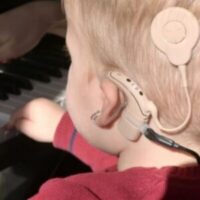
Help us fast-track our research into hearing impairment
If the our research is successful, you’ll help millions of people around the world to hear and participate fully in society.
Fast-tracking development of the range of treatments and diagnostic tools will also save billions in health care costs.
Any improvement in hearing makes a huge difference – ask anyone who can’t hear well!
Thank you for your compassion and supporting the development of this treatment to find hearing loss solutions – your kindness means so much to patients and their families.
About this research
Our researchers are developing hearing impairment solutions for everyone from the tiniest babies to the oldest members of society.
Our hearing test for babies, called EarGenie®, is now in clinical trials to accurately measure hearing so the best treatment can be provided as early as possible to enable hearing and the development of speech.
Our nanotechnology treatment shows great promise in the quest to restore sensorineural hearing loss.
And, we continue to research ways to improve the cochlear implant. Read more about the research.
Help fund pioneering research
Want to support the future of research like this?
Early-stage research for life-changing devices & treatments like this is made possible by donations from our supporters.
Your support today could turn the seed of an idea into a new treatment in the future.
Find out how you can support research innovation here.