
Bionics Institute Innovate for Life Scholarship Program Launches
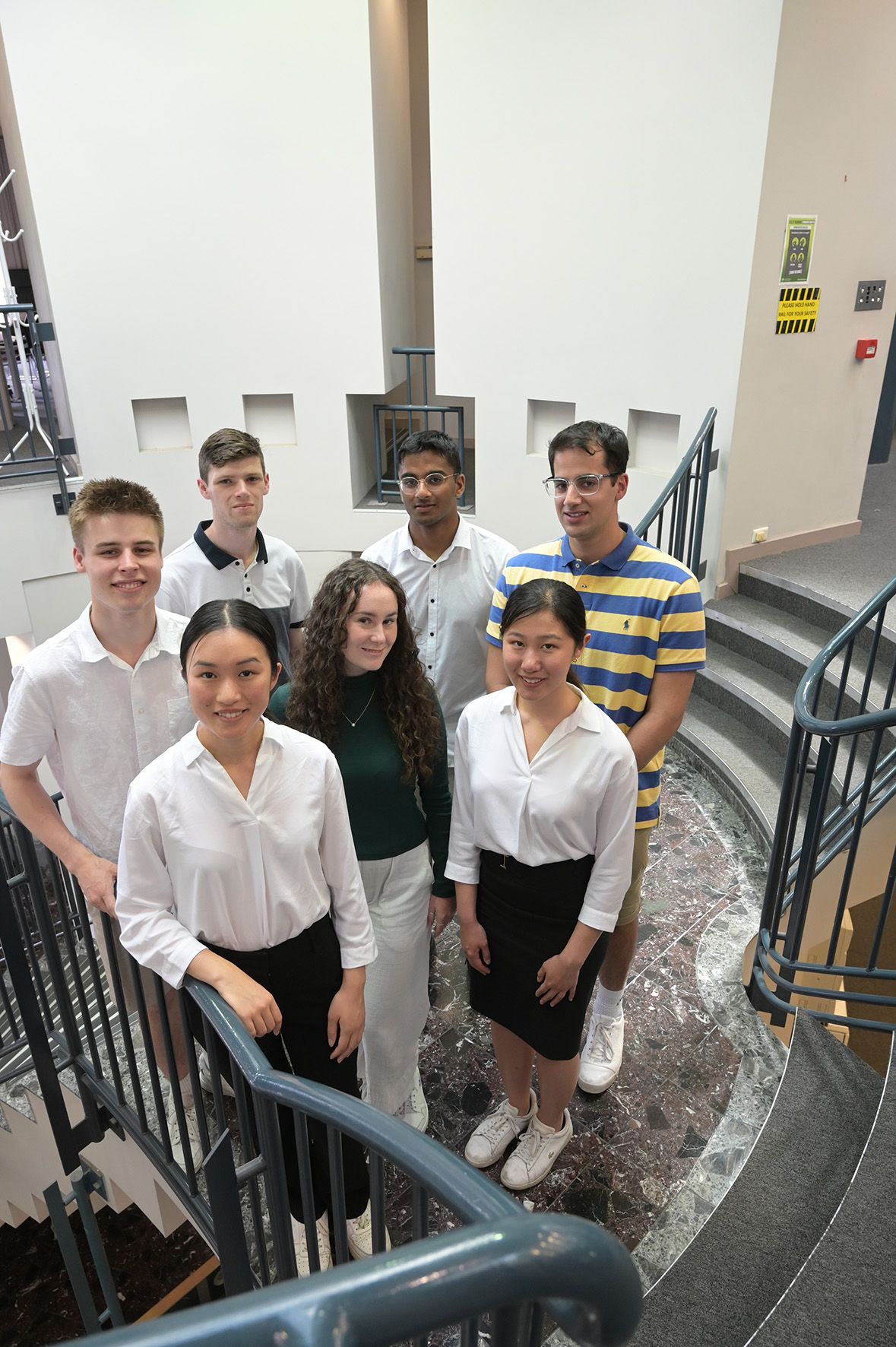
The Bionics Institute has launched a new Innovate for Life Scholarship Program designed to provide high-achieving students with the support they need to take their medical device research career to the next level.
Open to students in engineering, biomed and neuroscience
Open to students in Engineering, Biomedical Science, Neurosciences and Biomedical Engineering backgrounds with First Class Honours, the program offers a stipend of $35,000 per year for up to four years for eligible students to undertake their PhD.
Broad range of PhD projects
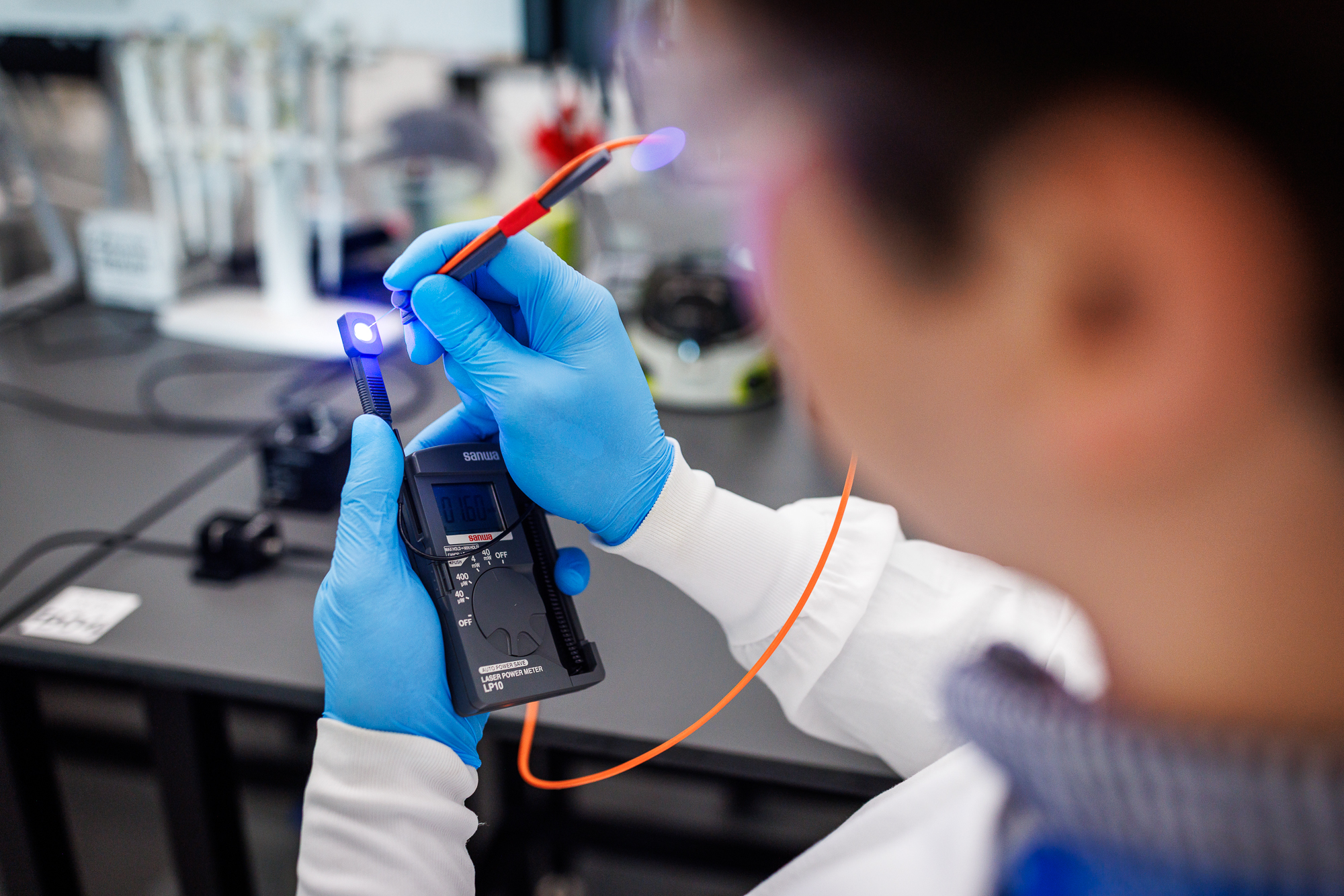
PhD students can choose from a broad range of varied and impactful projects and contribute to the development of life-changing medical devices to help people with hearing impairment, Alzheimer’s disease, epilepsy, rheumatoid arthritis, type 2 diabetes and Crohn’s disease.
Supervised by world-leaders in medical device research
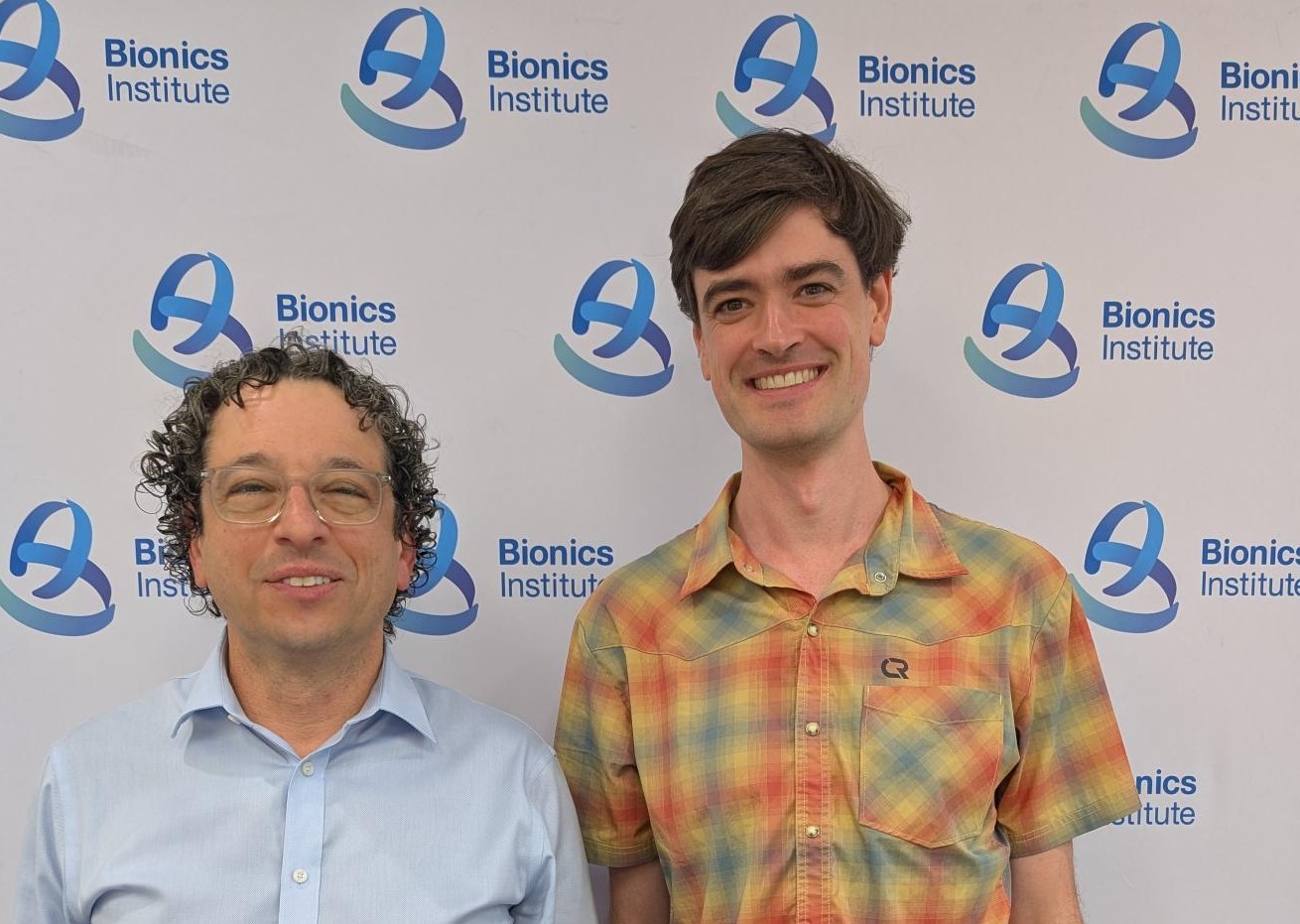
Students will be supervised by world-leading experts in medical device research, and enrolled through the Medical Bionics Department at the University of Melbourne, which is led by Bionics Institute CTO and Head of Research Operations, Professor James Fallon.
PhD students surrounded by experts
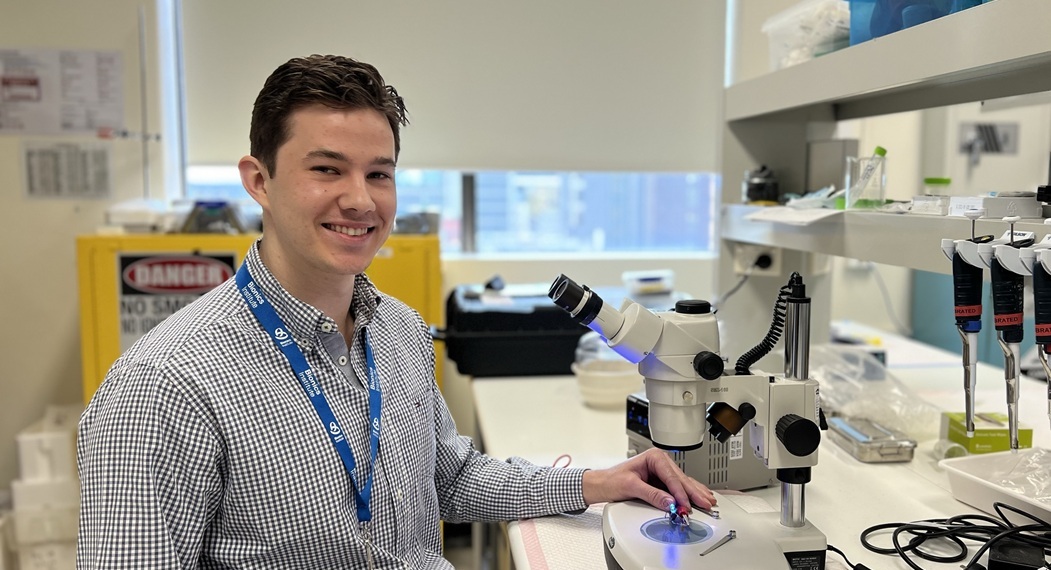
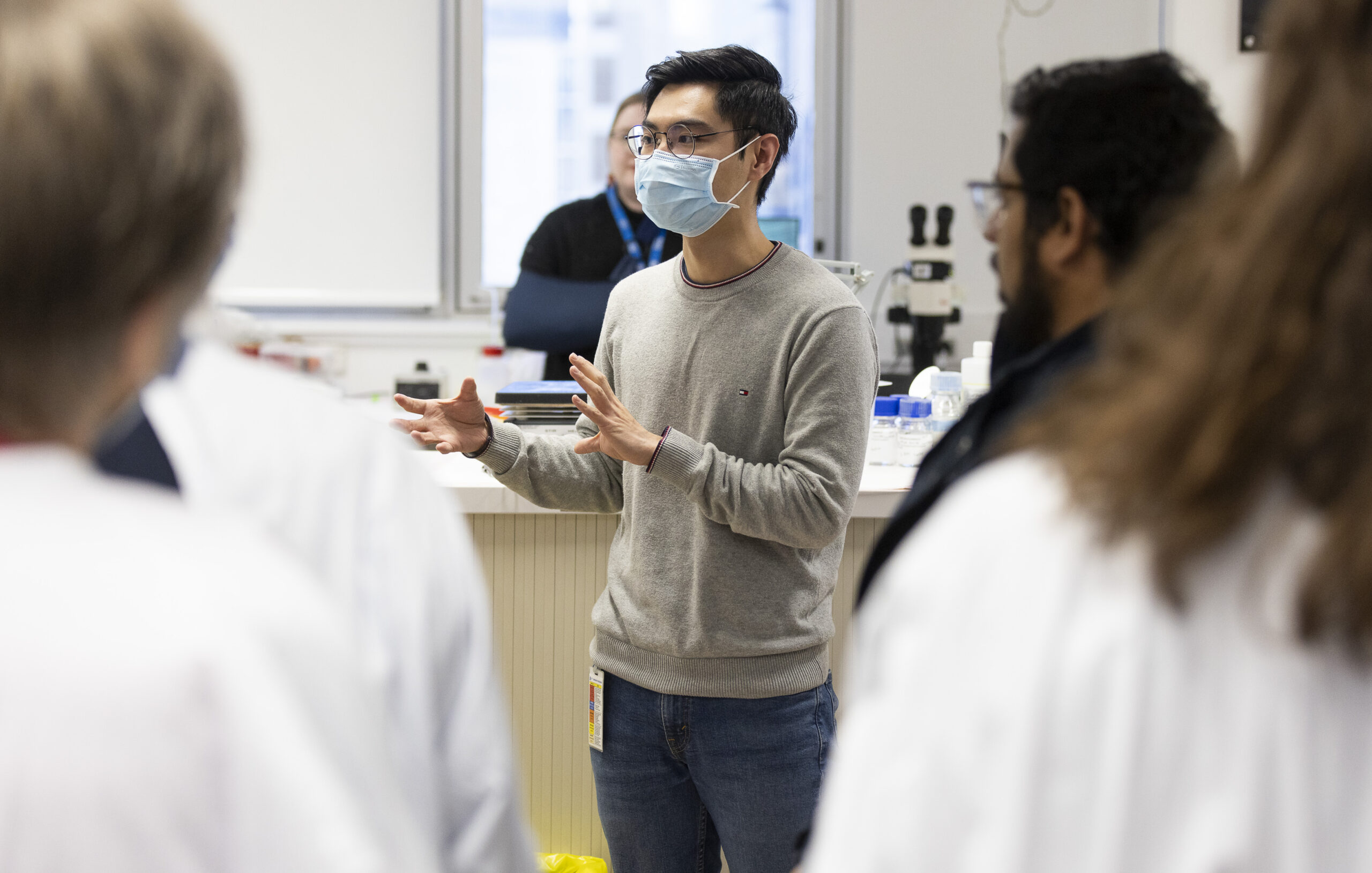
Bionics Institute PhD student Michael Warburton highly recommends undertaking a PhD in medical device research.
He says: “As a student within the Bionics Institute I have been surrounded by a wealth of expertise from clinicians, scientists and engineers, all of whom are passionate to pass on their knowledge and help me succeed.”
How to apply
Scholarships are offered based on a track record of academic excellence, relevant professional experience, any refereed publications, and commitment to academic success.
Both domestic and international students will be considered, but applicants must currently be residing in Australia to be eligible.
To apply for a scholarship read more about studying at the Bionics Institute and complete the registration form.
You might be interested in…






























































Bionics Institute Innovate for Life Scholarship Program Launches
The Bionics Institute has launched a new Innovate for Life Scholarship Program designed to provide high-achieving students with the support they need to take their medical device research career to the next level.
Open to students in engineering, biomed and neuroscience
Open to students in Engineering, Biomedical Science, Neurosciences and Biomedical Engineering backgrounds with First Class Honours, the program offers a stipend of $35,000 per year for up to four years for eligible students to undertake their PhD.
Broad range of PhD projects
PhD students can choose from a broad range of varied and impactful projects and contribute to the development of life-changing medical devices to help people with hearing impairment, Alzheimer’s disease, epilepsy, rheumatoid arthritis, type 2 diabetes and Crohn’s disease.
Supervised by world-leaders in medical device research
Students will be supervised by world-leading experts in medical device research, and enrolled through the Medical Bionics Department at the University of Melbourne, which is led by Bionics Institute CTO and Head of Research Operations, Professor James Fallon.
PhD students surrounded by experts
Bionics Institute PhD student Michael Warburton highly recommends undertaking a PhD in medical device research.
He says: “As a student within the Bionics Institute I have been surrounded by a wealth of expertise from clinicians, scientists and engineers, all of whom are passionate to pass on their knowledge and help me succeed.”
How to apply
Scholarships are offered based on a track record of academic excellence, relevant professional experience, any refereed publications, and commitment to academic success.
Both domestic and international students will be considered, but applicants must currently be residing in Australia to be eligible.
To apply for a scholarship read more about studying at the Bionics Institute and complete the registration form.
You might be interested in…
The Bionics Institute hosted an online webinar in October 2022 to show how magnetic stimulation of the brain could improve cognition in Alzheimer’s disease.
The Bionics Institute are developing a new treatment to improve memory function in people with Alzheimer’s disease.
Developed by Bionics Institute researcher, Professor Kate Hoy, this new treatment, called Transcranial Magnetic Stimulation (TMS), uses magnetic pulses to alter brain activity.
View a recording of the webinar below to hear:
- Lead research Professor Kate Hoy, explain how magnetic brain stimulation could be key to fighting memory loss in Alzheimer’s disease.
- Clinician Dr Renata Lemke, give an overview of dementia and the limitations of current treatment.
- The personal experience of Cheryl Conway, who is caring for a family member with Alzheimer’s disease.
How TMS aims to help in Alzheimer’s disease
Alzheimer’s disease has been shown to interfere with important networks in the brain and this disruption in neural communication is linked to the cognitive difficulties experienced.
Transcranial Magnetic Stimulation (TMS) aims to improve brain function in people with Alzheimer’s disease by using magnetic pulses to alter brain activity.
This non-invasive approach has shown potential to restore healthy neural network function and improve memory in Alzheimer’s disease.
Our research team now aims to evaluate TMS in a larger clinical sample using a personalised treatment approach.
Event highlights
Professor James Fallon introduces the Bionics Institute.
Cheryl Conway discusses the personal experience of someone who is caring for a family member with Alzheimer’s disease.
Professor Kate Hoy explains how magnetic brain stimulation could be key to fighting memory loss in Alzheimer’s disease.
Clinician Dr Renata Lemke gives an overview of dementia and the limitations of current treatment options.
Bionics Institute Innovate for Life Scholarship Program Launches
The Bionics Institute has launched a new Innovate for Life Scholarship Program designed to provide high-achieving students with the support they need to take their medical device research career to the next level.
Open to students in engineering, biomed and neuroscience
Open to students in Engineering, Biomedical Science, Neurosciences and Biomedical Engineering backgrounds with First Class Honours, the program offers a stipend of $35,000 per year for up to four years for eligible students to undertake their PhD.
Broad range of PhD projects
PhD students can choose from a broad range of varied and impactful projects and contribute to the development of life-changing medical devices to help people with hearing impairment, Alzheimer’s disease, epilepsy, rheumatoid arthritis, type 2 diabetes and Crohn’s disease.
Supervised by world-leaders in medical device research
Students will be supervised by world-leading experts in medical device research, and enrolled through the Medical Bionics Department at the University of Melbourne, which is led by Bionics Institute CTO and Head of Research Operations, Professor James Fallon.
PhD students surrounded by experts
Bionics Institute PhD student Michael Warburton highly recommends undertaking a PhD in medical device research.
He says: “As a student within the Bionics Institute I have been surrounded by a wealth of expertise from clinicians, scientists and engineers, all of whom are passionate to pass on their knowledge and help me succeed.”
How to apply
Scholarships are offered based on a track record of academic excellence, relevant professional experience, any refereed publications, and commitment to academic success.
Both domestic and international students will be considered, but applicants must currently be residing in Australia to be eligible.
To apply for a scholarship read more about studying at the Bionics Institute and complete the registration form.
Watch the Innovation Lecture video
Our speakers and panel
Keynote speaker Dr Andrew Nash, Chief Scientific Officer, CSL spoke about Building Australia from Innovation
Keynote speaker A/Prof Tom Oxley, CEO, Synchron talked about Med Tech Start-Ups: The Highs and Lows
Panel members
Dr Andrew Nash, Chief Scientific Officer, CSL
Professor Michelle McIntosh, Director Medicines Manufacturing Innovation Centre and Theme Leader at the Monash Institute of Pharmaceutical Sciences.
Dr Megan O’Connor, Managing Director, Kantara Consulting
George Kenley, Chief Operating Officer, Seer Medical
Attendees
Invitees from across the med tech ecosystem include:
- Government agencies and peak bodies
- Start-up founders and entrepreneurs
- Innovative companies and med tech thought leaders
- Impact investors, funds and VCs
- Healthcare and tertiary education leaders
- Trusts, foundations and philanthropists
- Business media
Our Major Sponsors


About our keynote speaker
Dr Andrew Nash, Chief Scientific Officer, CSL

Andrew Nash is the Chief Scientific Officer and Senior Vice President, Head of Research at CSL and is an Honorary Associate Professor at the University of Melbourne.
He completed his PhD in immunology at The University of Melbourne in 1988 and, after moving to the Centre for Animal Biotechnology in the Faculty of Veterinary Science, developed and led a research group focused on basic and applied aspects of cytokine biology.
He later joined the ASX listed biotechnology company Zenyth Therapeutics (then Amrad Corporation) as a senior scientist and subsequently held a number of positions including Director of Biologicals Research and Chief Scientific Officer.
In July of 2005 he was appointed Chief Executive Officer of Zenyth, a position which he held up until the acquisition of Zenyth by CSL Limited in November 2006.
Following the acquisition he was appointed as Senior Vice President, Research and is currently based at the Bio21 Institute where he leads a large global effort focused on the discovery and development of new protein, cell and gene-based medicines to treat serious human disease.
About our keynote speaker
A/Prof Tom Oxley MBBS BMedSc FRACP

Associate Professor Tom Oxley is an interventional neurologist at Mount Sinai Hospital in New York, and founder and CEO of Synchron,
A company specialising in neural interface technology, Synchron is located across both Melbourne and New York.
Synchron has raised investment funding to develop the Stentrode, an implantable medical device that can translate brain signals from the inside of blood vessels.
Thoughts captured from users of the Stentrode are translated wirelessly to digital devices designed to stimulate thought-controlled movement, which could transform the lives of people who are paralysed or have severely restricted movement.
A/Prof Tom Oxley completed his medical degree at Monash University in Melbourne.
He completed an internal medicine, neurology residency in 2013; a stroke fellowship in 2015 at The Alfred and Royal Melbourne Hospitals; and an interventional neurology fellowship in 2017 at Mount Sinai Hospital in New York.
A/Prof Oxley completed his PhD in neural engineering in 2016 at the University of Melbourne, where he established the Vascular Bionics Laboratory.
You might be interested in…




























Bionics Institute Innovate for Life Scholarship Program Launches
The Bionics Institute has launched a new Innovate for Life Scholarship Program designed to provide high-achieving students with the support they need to take their medical device research career to the next level.
Open to students in engineering, biomed and neuroscience
Open to students in Engineering, Biomedical Science, Neurosciences and Biomedical Engineering backgrounds with First Class Honours, the program offers a stipend of $35,000 per year for up to four years for eligible students to undertake their PhD.
Broad range of PhD projects
PhD students can choose from a broad range of varied and impactful projects and contribute to the development of life-changing medical devices to help people with hearing impairment, Alzheimer’s disease, epilepsy, rheumatoid arthritis, type 2 diabetes and Crohn’s disease.
Supervised by world-leaders in medical device research
Students will be supervised by world-leading experts in medical device research, and enrolled through the Medical Bionics Department at the University of Melbourne, which is led by Bionics Institute CTO and Head of Research Operations, Professor James Fallon.
PhD students surrounded by experts
Bionics Institute PhD student Michael Warburton highly recommends undertaking a PhD in medical device research.
He says: “As a student within the Bionics Institute I have been surrounded by a wealth of expertise from clinicians, scientists and engineers, all of whom are passionate to pass on their knowledge and help me succeed.”
How to apply
Scholarships are offered based on a track record of academic excellence, relevant professional experience, any refereed publications, and commitment to academic success.
Both domestic and international students will be considered, but applicants must currently be residing in Australia to be eligible.
To apply for a scholarship read more about studying at the Bionics Institute and complete the registration form.
You might be interested in…
Bionics Institute Innovate for Life Scholarship Program Launches
The Bionics Institute has launched a new Innovate for Life Scholarship Program designed to provide high-achieving students with the support they need to take their medical device research career to the next level.
Open to students in engineering, biomed and neuroscience
Open to students in Engineering, Biomedical Science, Neurosciences and Biomedical Engineering backgrounds with First Class Honours, the program offers a stipend of $35,000 per year for up to four years for eligible students to undertake their PhD.
Broad range of PhD projects
PhD students can choose from a broad range of varied and impactful projects and contribute to the development of life-changing medical devices to help people with hearing impairment, Alzheimer’s disease, epilepsy, rheumatoid arthritis, type 2 diabetes and Crohn’s disease.
Supervised by world-leaders in medical device research
Students will be supervised by world-leading experts in medical device research, and enrolled through the Medical Bionics Department at the University of Melbourne, which is led by Bionics Institute CTO and Head of Research Operations, Professor James Fallon.
PhD students surrounded by experts
Bionics Institute PhD student Michael Warburton highly recommends undertaking a PhD in medical device research.
He says: “As a student within the Bionics Institute I have been surrounded by a wealth of expertise from clinicians, scientists and engineers, all of whom are passionate to pass on their knowledge and help me succeed.”
How to apply
Scholarships are offered based on a track record of academic excellence, relevant professional experience, any refereed publications, and commitment to academic success.
Both domestic and international students will be considered, but applicants must currently be residing in Australia to be eligible.
To apply for a scholarship read more about studying at the Bionics Institute and complete the registration form.
You might be interested in…
Bionics Institute Innovate for Life Scholarship Program Launches
The Bionics Institute has launched a new Innovate for Life Scholarship Program designed to provide high-achieving students with the support they need to take their medical device research career to the next level.
Open to students in engineering, biomed and neuroscience
Open to students in Engineering, Biomedical Science, Neurosciences and Biomedical Engineering backgrounds with First Class Honours, the program offers a stipend of $35,000 per year for up to four years for eligible students to undertake their PhD.
Broad range of PhD projects
PhD students can choose from a broad range of varied and impactful projects and contribute to the development of life-changing medical devices to help people with hearing impairment, Alzheimer’s disease, epilepsy, rheumatoid arthritis, type 2 diabetes and Crohn’s disease.
Supervised by world-leaders in medical device research
Students will be supervised by world-leading experts in medical device research, and enrolled through the Medical Bionics Department at the University of Melbourne, which is led by Bionics Institute CTO and Head of Research Operations, Professor James Fallon.
PhD students surrounded by experts
Bionics Institute PhD student Michael Warburton highly recommends undertaking a PhD in medical device research.
He says: “As a student within the Bionics Institute I have been surrounded by a wealth of expertise from clinicians, scientists and engineers, all of whom are passionate to pass on their knowledge and help me succeed.”
How to apply
Scholarships are offered based on a track record of academic excellence, relevant professional experience, any refereed publications, and commitment to academic success.
Both domestic and international students will be considered, but applicants must currently be residing in Australia to be eligible.
To apply for a scholarship read more about studying at the Bionics Institute and complete the registration form.
Women in STEMM Lunch
The Women in STEMM Lunch is a feature of the Graeme Clark Oration event program.
Guests from across the STEMM sector came together to network and engage in a Q&A with Professor Natalia Trayanova (Johns Hopkins University) and Professor Nilmini Wickramasinghe (Swinburne University of Technology).
The lunch fostered insightful conversations about overcoming career barriers and advancing advance gender diversity in science.
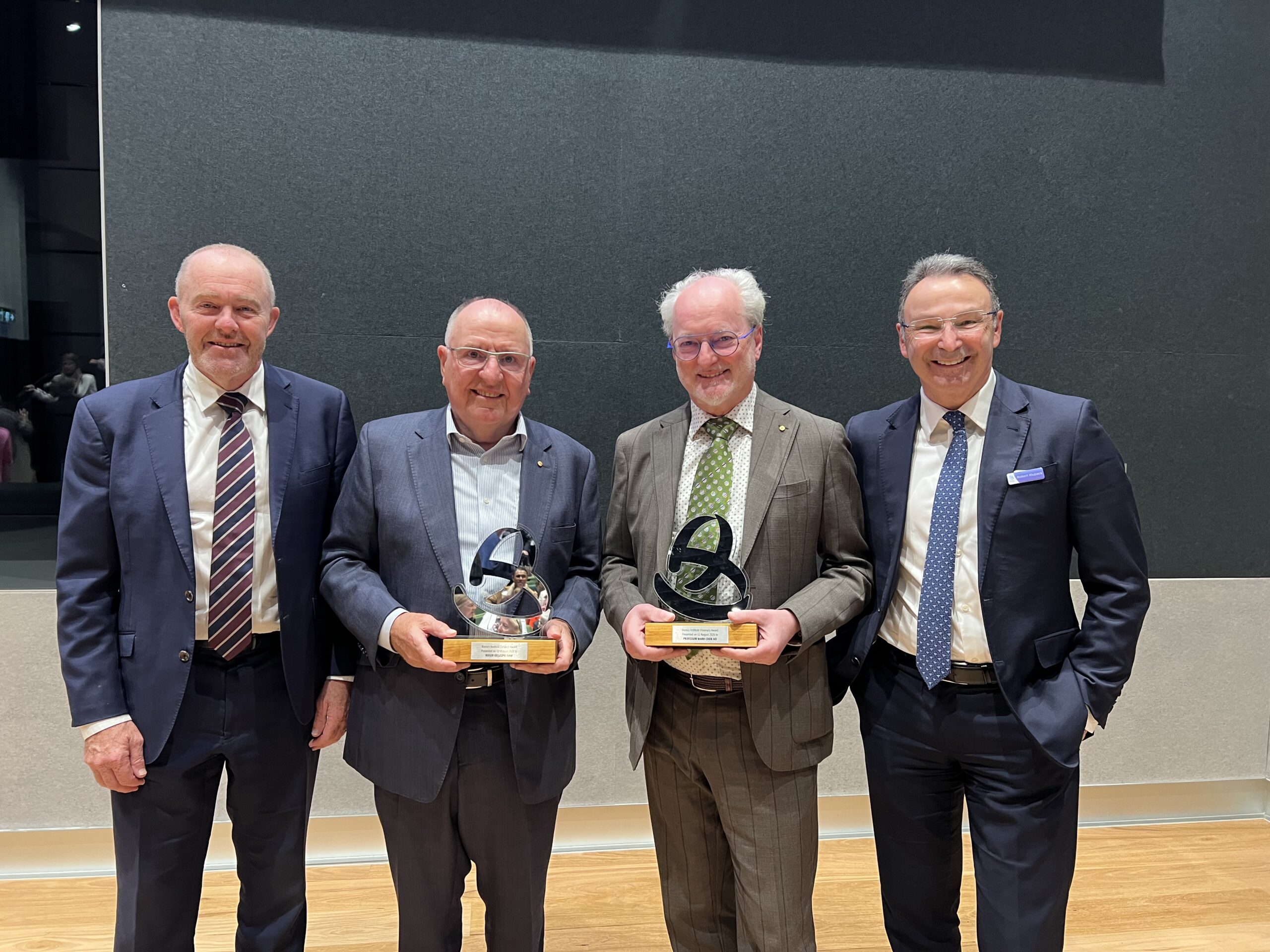
The Bionics Institute 2022 Award for Excellence in Medical Device Innovation
The winner of the 2022 Bionics Institute Award for Excellence in Medical Device Innovation was Professor Rodney Lane.
Professor Lane is a Senior Vascular Surgeon at Royal North Shore Hospital and is recognised for his numerous vascular research projects over the past 25 plus years, with the majority focusing on novel Bioengineering approaches
The annual Bionics Institute Award for Excellence in Medical Device Innovation recognises an Australian individual who, through innovation, has made a significant impact on the medical device ecosystem with the aim of improving human health.
To celebrate the achievements of Professor Lane, the Innovation award was presented at the Bionics Institute 2022 Graeme Clark Oration Dinner in Melbourne on 12 July, with a $5000 prize and associated publicity.
You might be interested in…
Bionics Institute Innovate for Life Scholarship Program Launches
The Bionics Institute has launched a new Innovate for Life Scholarship Program designed to provide high-achieving students with the support they need to take their medical device research career to the next level.
Open to students in engineering, biomed and neuroscience
Open to students in Engineering, Biomedical Science, Neurosciences and Biomedical Engineering backgrounds with First Class Honours, the program offers a stipend of $35,000 per year for up to four years for eligible students to undertake their PhD.
Broad range of PhD projects
PhD students can choose from a broad range of varied and impactful projects and contribute to the development of life-changing medical devices to help people with hearing impairment, Alzheimer’s disease, epilepsy, rheumatoid arthritis, type 2 diabetes and Crohn’s disease.
Supervised by world-leaders in medical device research
Students will be supervised by world-leading experts in medical device research, and enrolled through the Medical Bionics Department at the University of Melbourne, which is led by Bionics Institute CTO and Head of Research Operations, Professor James Fallon.
PhD students surrounded by experts
Bionics Institute PhD student Michael Warburton highly recommends undertaking a PhD in medical device research.
He says: “As a student within the Bionics Institute I have been surrounded by a wealth of expertise from clinicians, scientists and engineers, all of whom are passionate to pass on their knowledge and help me succeed.”
How to apply
Scholarships are offered based on a track record of academic excellence, relevant professional experience, any refereed publications, and commitment to academic success.
Both domestic and international students will be considered, but applicants must currently be residing in Australia to be eligible.
To apply for a scholarship read more about studying at the Bionics Institute and complete the registration form.
You might be interested in…
Bionics Institute Innovate for Life Scholarship Program Launches
The Bionics Institute has launched a new Innovate for Life Scholarship Program designed to provide high-achieving students with the support they need to take their medical device research career to the next level.
Open to students in engineering, biomed and neuroscience
Open to students in Engineering, Biomedical Science, Neurosciences and Biomedical Engineering backgrounds with First Class Honours, the program offers a stipend of $35,000 per year for up to four years for eligible students to undertake their PhD.
Broad range of PhD projects
PhD students can choose from a broad range of varied and impactful projects and contribute to the development of life-changing medical devices to help people with hearing impairment, Alzheimer’s disease, epilepsy, rheumatoid arthritis, type 2 diabetes and Crohn’s disease.
Supervised by world-leaders in medical device research
Students will be supervised by world-leading experts in medical device research, and enrolled through the Medical Bionics Department at the University of Melbourne, which is led by Bionics Institute CTO and Head of Research Operations, Professor James Fallon.
PhD students surrounded by experts
Bionics Institute PhD student Michael Warburton highly recommends undertaking a PhD in medical device research.
He says: “As a student within the Bionics Institute I have been surrounded by a wealth of expertise from clinicians, scientists and engineers, all of whom are passionate to pass on their knowledge and help me succeed.”
How to apply
Scholarships are offered based on a track record of academic excellence, relevant professional experience, any refereed publications, and commitment to academic success.
Both domestic and international students will be considered, but applicants must currently be residing in Australia to be eligible.
To apply for a scholarship read more about studying at the Bionics Institute and complete the registration form.
About the Girls in STEM program.
The Bionics Institute is passionate about inspiring young women to choose a career in science, technology, engineering and mathematics (STEM).
Recent government research shows that the proportion of women working across all STEM-qualified industries has increased from 24% in 2016 to 28% in 2020.
While this is a great improvement, the report says significantly more change is needed to achieve gender equity in STEM in Australia by 2030.
Following the success of our inaugural Girls in STEM Mentoring Program in partnership with Ivanhoe Girls’ Grammar School, which has been running since 2019, Bionics Institute CEO Robert Klupacs aims to expand this program across more schools over the next few years.
You might be interested in…
Measuring tinnitus – detecting an invisible condition Event
Our 2022 ‘Measuring tinnitus – detecting an invisible condition’ event gave an insight into our ground-breaking research into a new device to assist in the detection of tinnitus; information about the disease and the experiences of a patient with severe tinnitus.
Speakers
Professor James Fallon: Chief Technology Officer and Head of Research Operations at the Bionics Institute
Dr Mehrnaz Shoushtarian: Research Fellow at the Bionics Institute
Dr Sol Marghzar: Doctor of audiology and clinical director of ‘The Hearing Doctor’ in California
Ms Victoria Didenko: Patient who shares her experience of being diagnosed and living with tinnitus.
Our new diagnostic tool for tinnitus
The Bionics Institute are developing an objective test of tinnitus, to aid diagnosis; facilitate more accurate symptom monitoring, and accelerate development of new treatments.
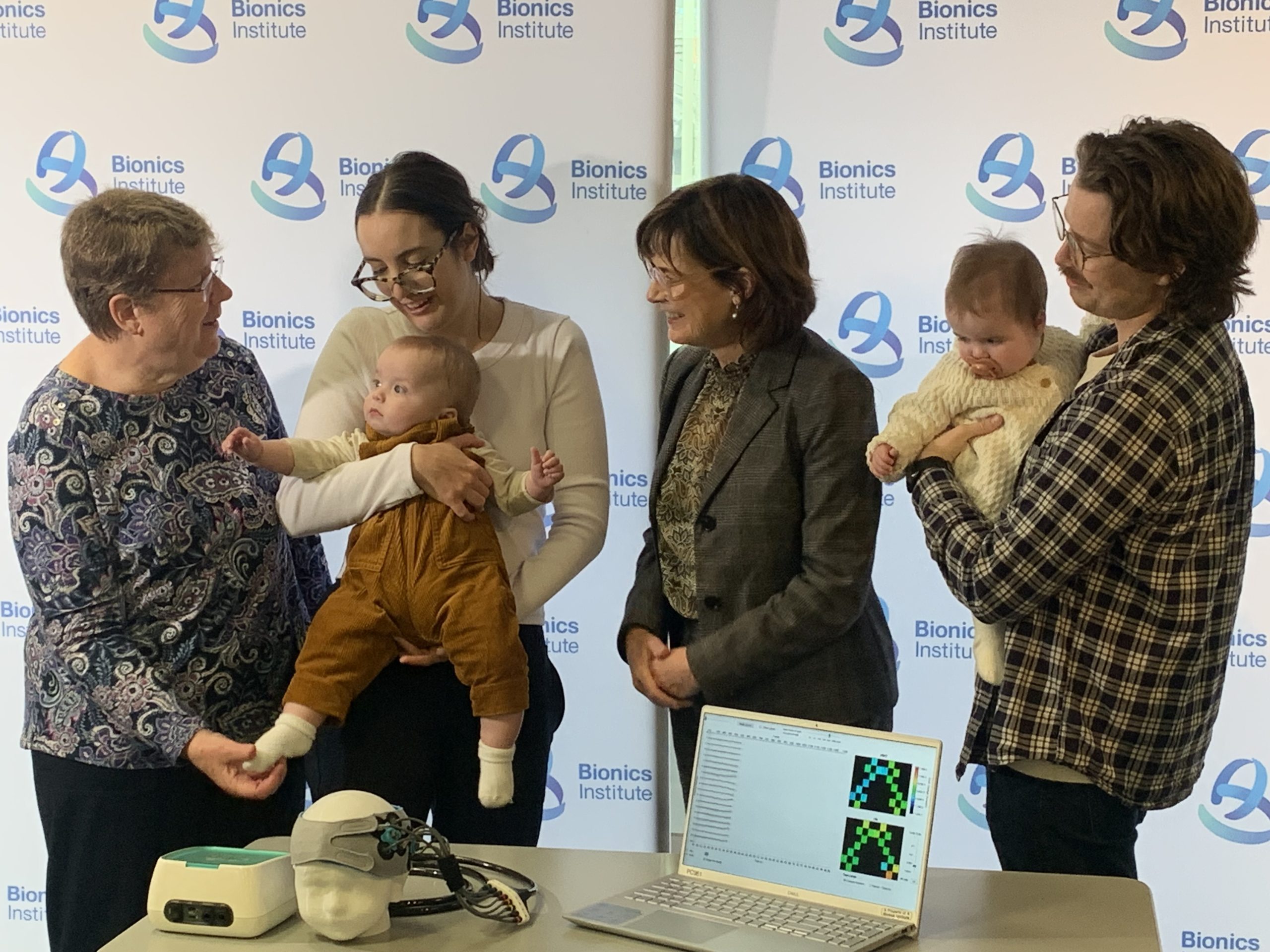
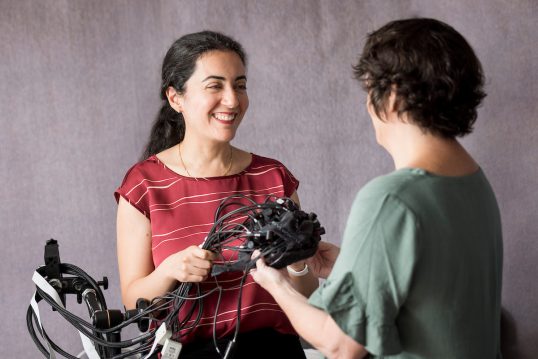
The test uses technology called functional near-infrared spectroscopy (fNIRS) to track changes in brain activity and a special cap is used to shine near-infrared light over the head while listening to sounds
Measurements of the light reflected back into sensors in the cap indicate variations in blood oxygen which are analysed using software.
The results of research studies have shown measurable differences between people with and without tinnitus, and distinguishing between subjective severities.
Find out more about our device to establish an objective measure of tinnitus
Watch our ‘Measuring tinnitus- detecting an invisible condition’ event