
Support Us
Your gift today will help us develop a drug-free treatment to reduce pain and inflammation in rheumatoid arthritis.
Donate nowKaren’s story
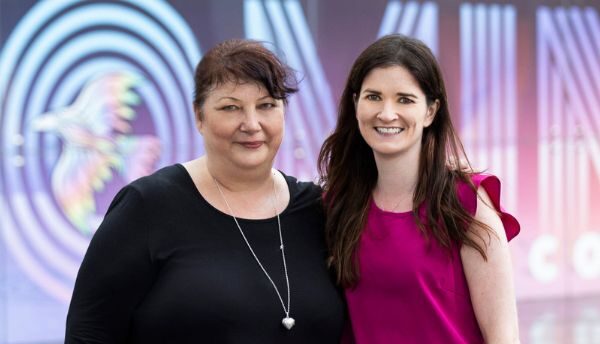
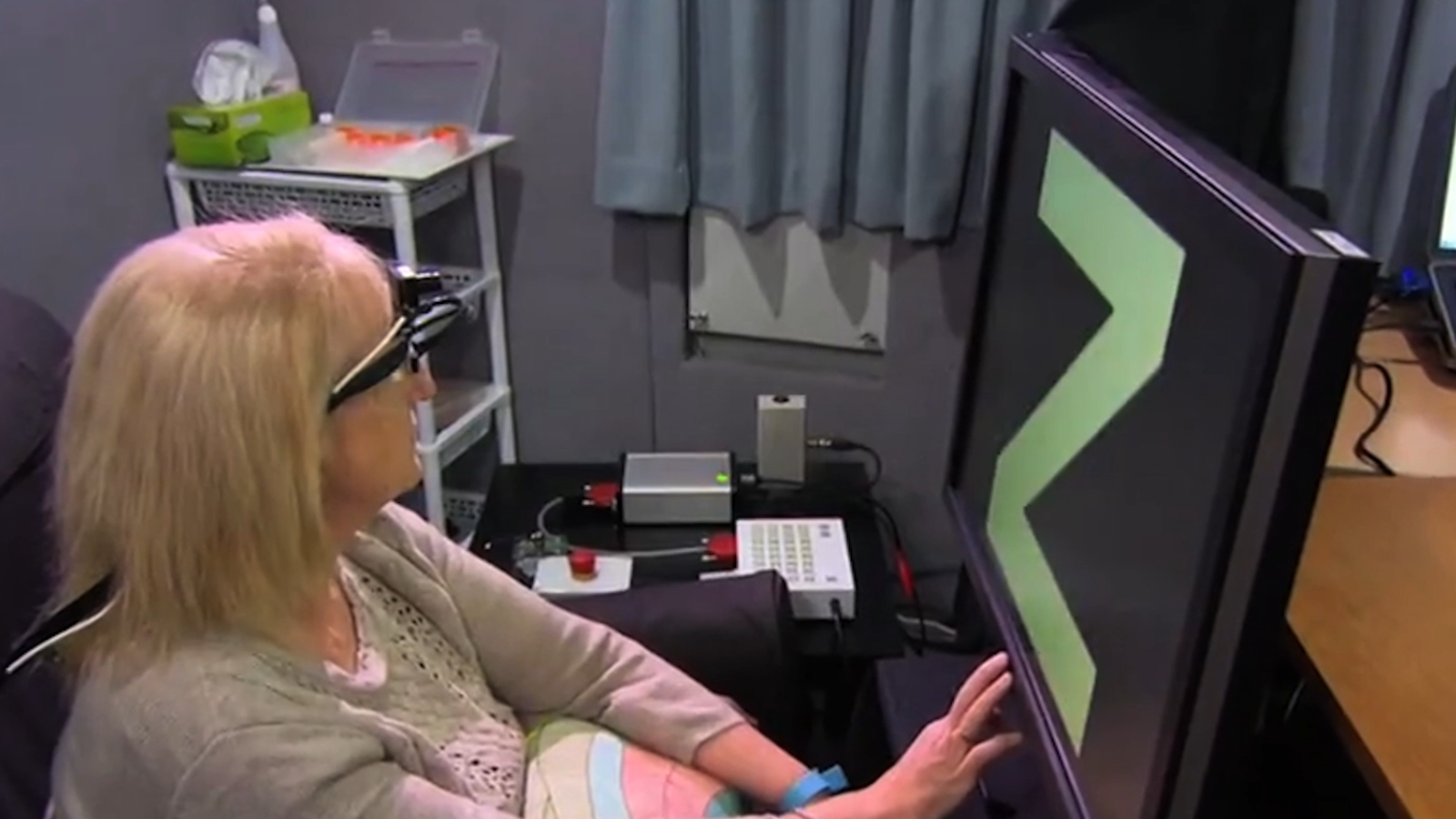
Karen has lived with rheumatoid arthritis for 22 years and says she will be first in line to test the new treatment when it goes into clinical trials.
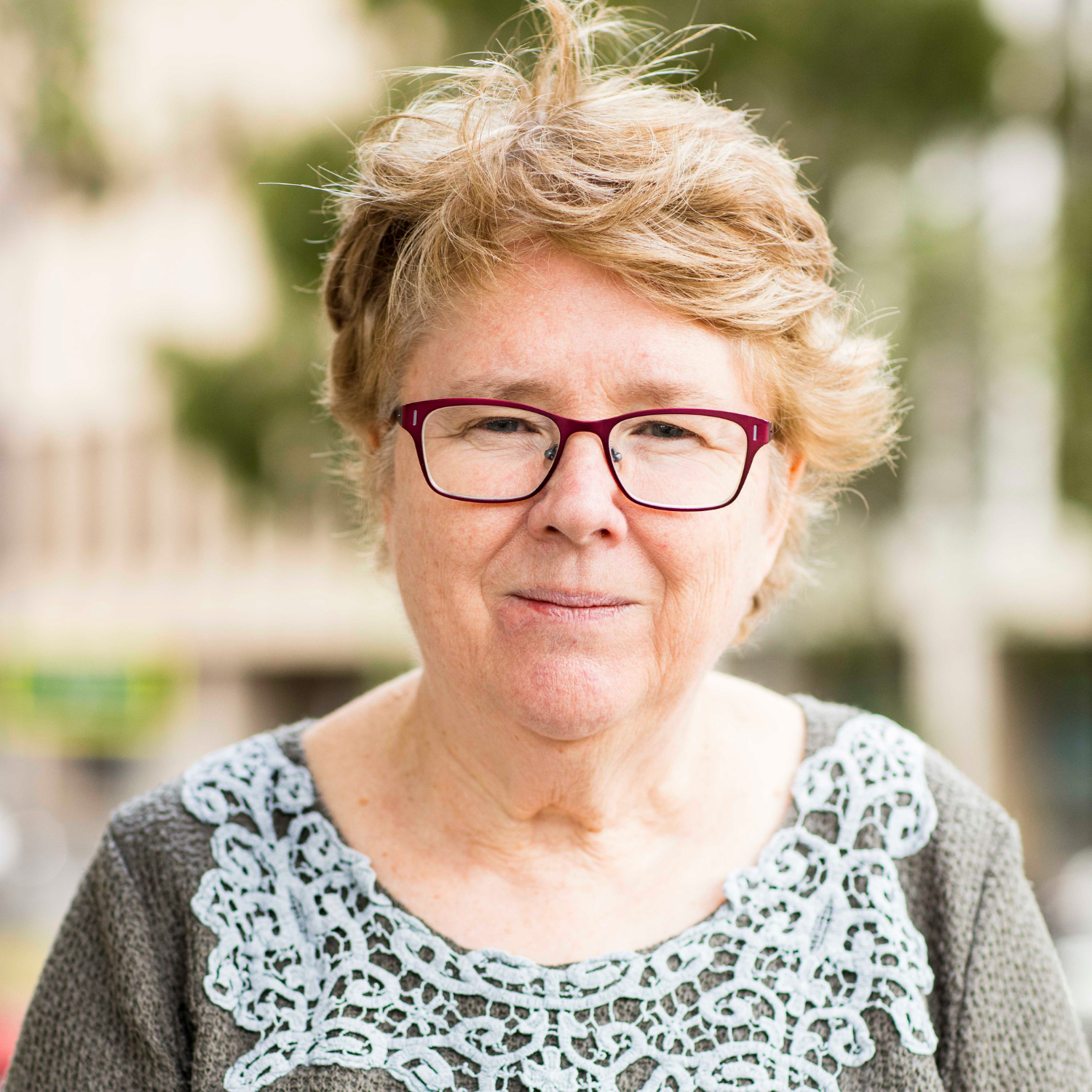
She says: “The medication makes the the pain bearable most of the time, but when I have a flare up it’s a struggle to do anything.
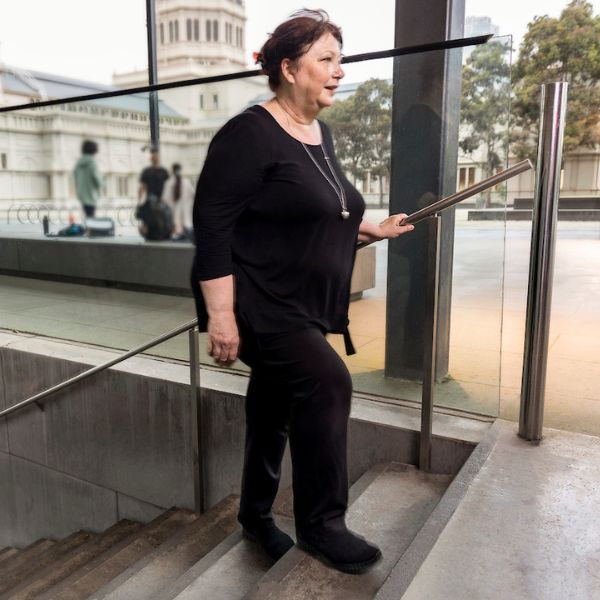
“Some days my joints are burning hot, stiff and swollen. I find it very hard to walk. I can’t put my car key into the ignition.”
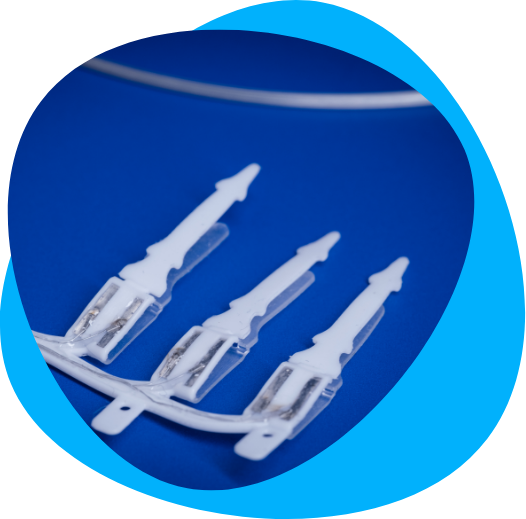
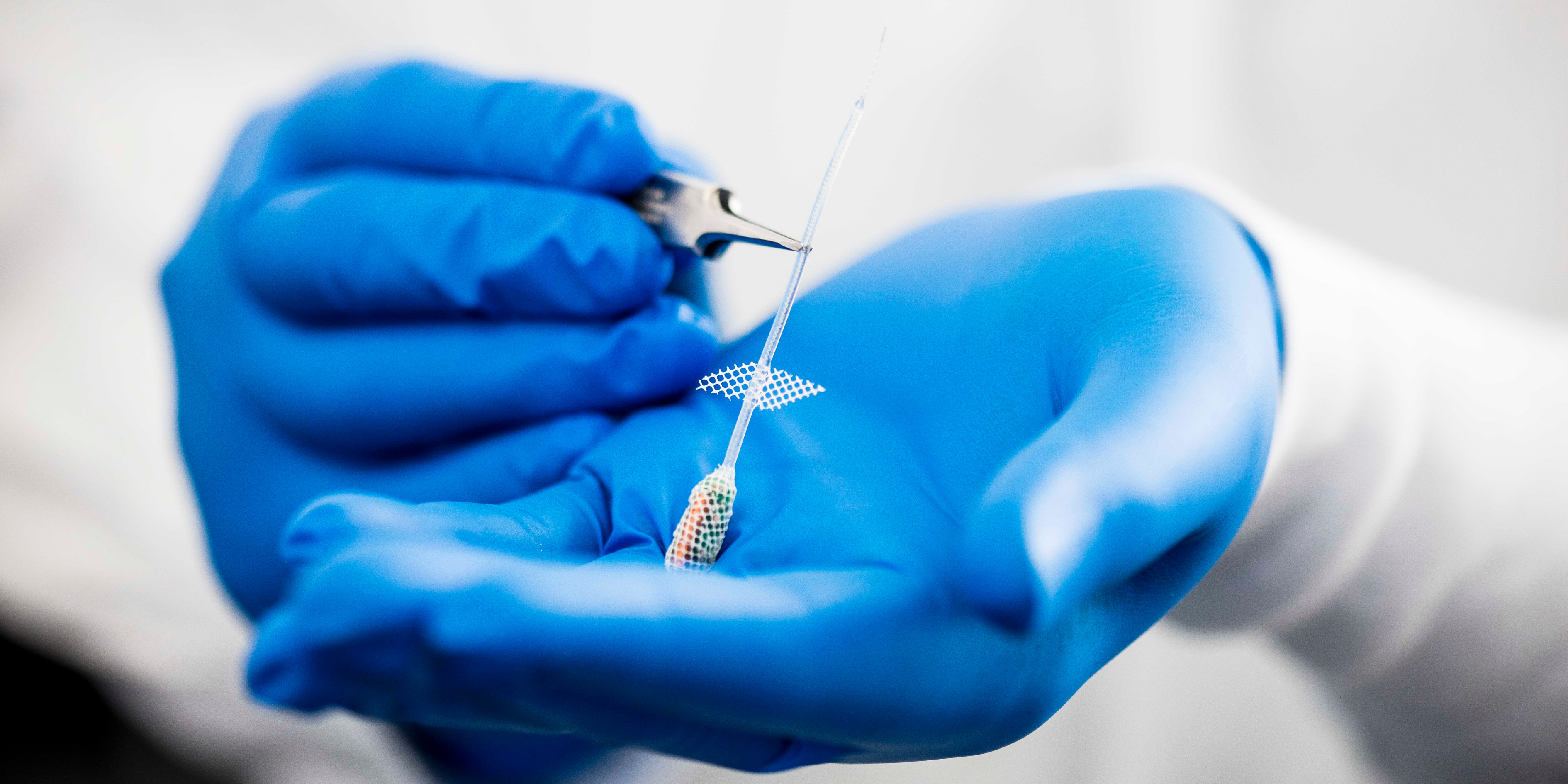
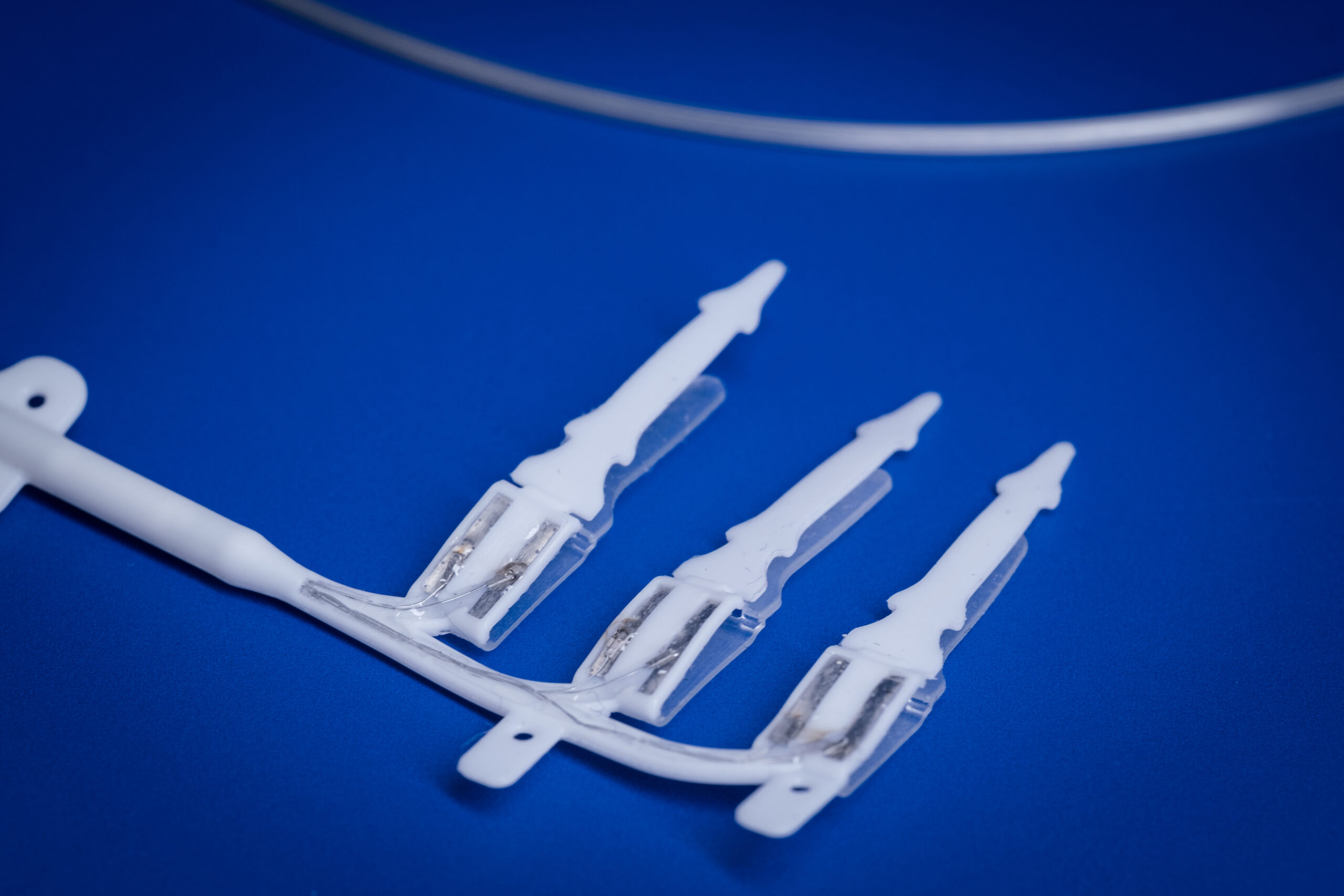
The treatment comprises a tiny device that stimulates the vagus nerve with electricity to reboot the body’s built-in healing system.
Bringing hope to people with rheumatoid arthritis
Help fund pioneering research
Rheumatoid arthritis is an autoimmune condition, which means the body attacks its own organs causing inflammation of joints and leading to pain, deformity and disability. It affects over 500,000 Australians.
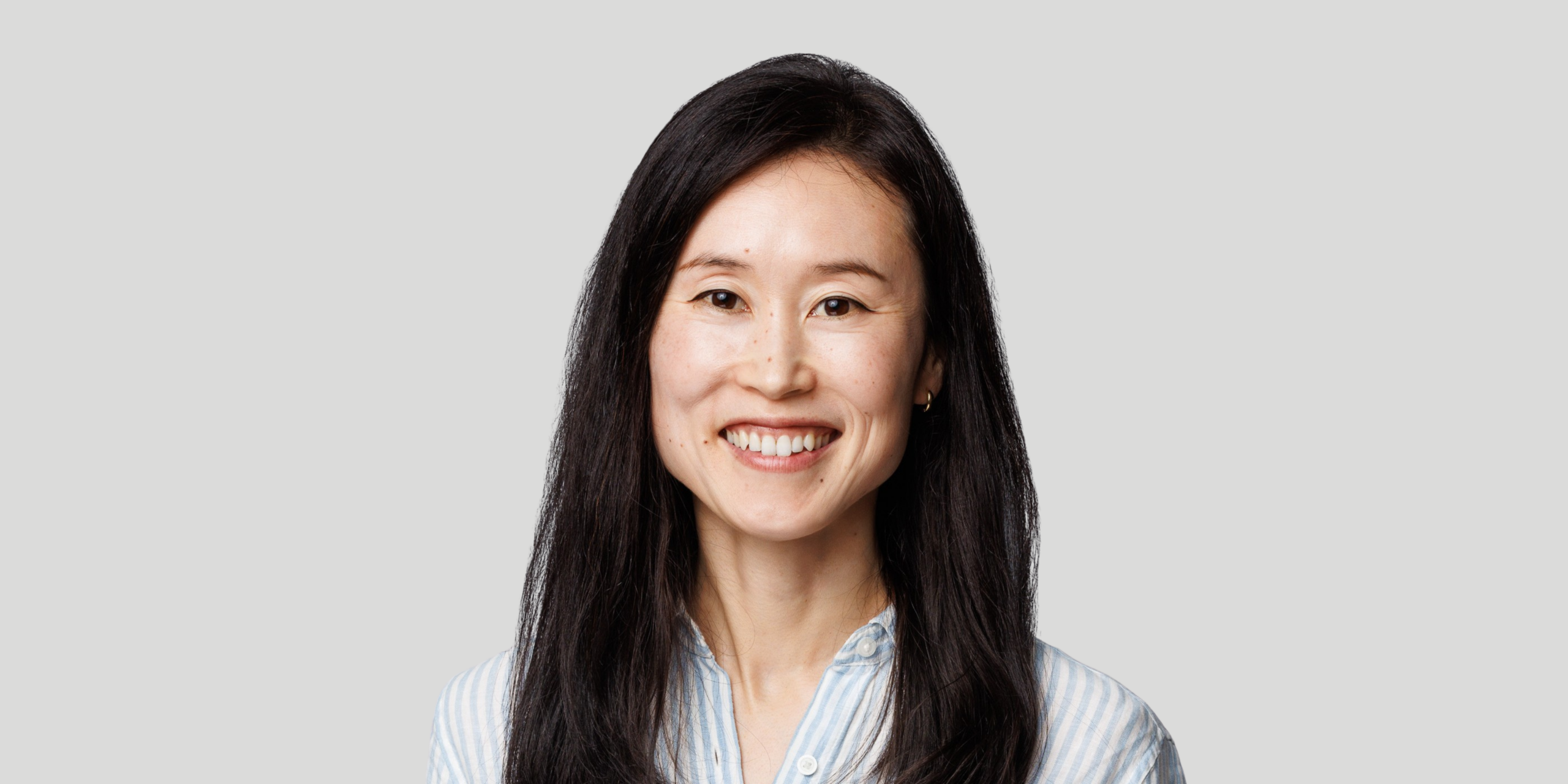
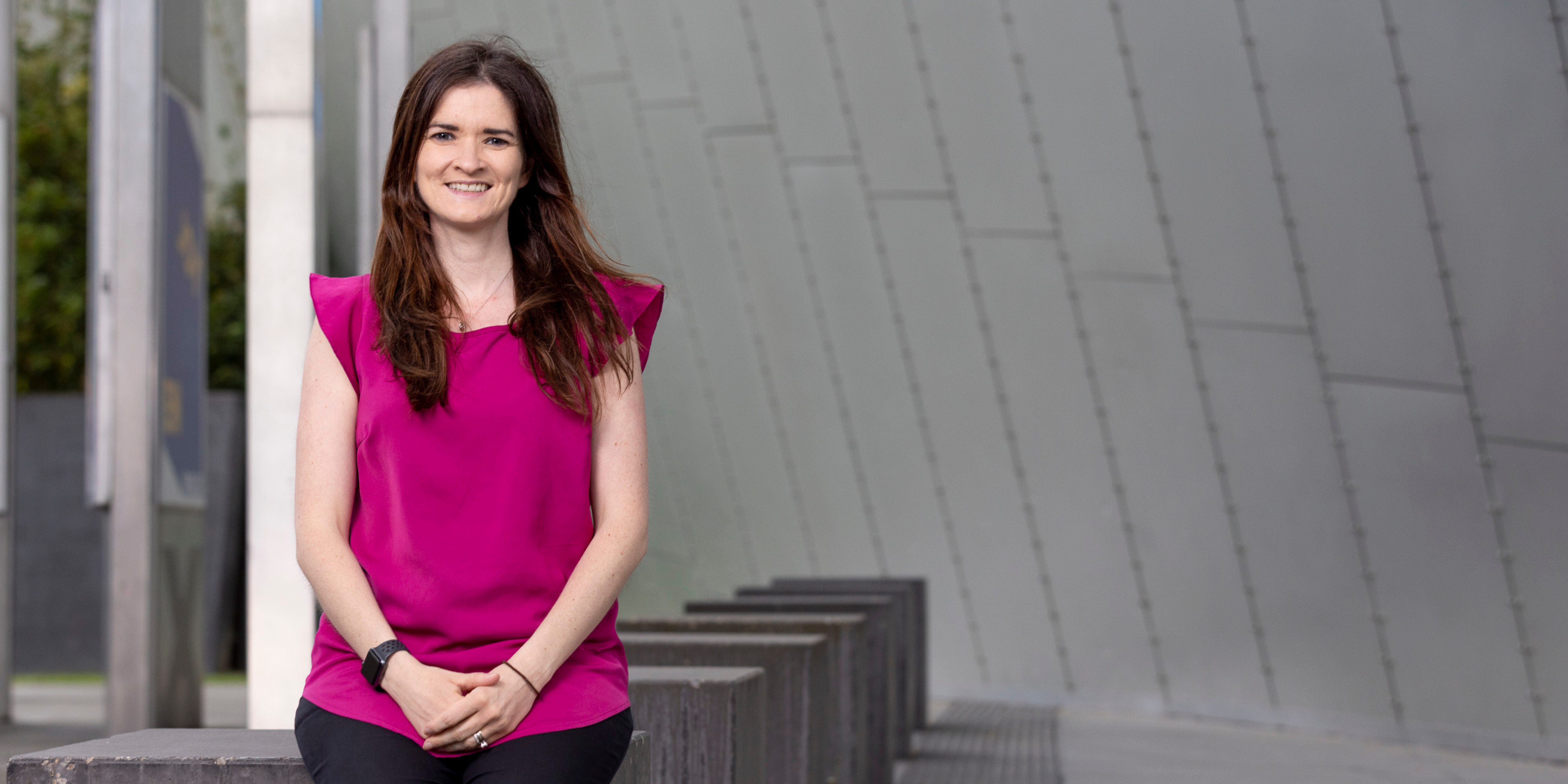
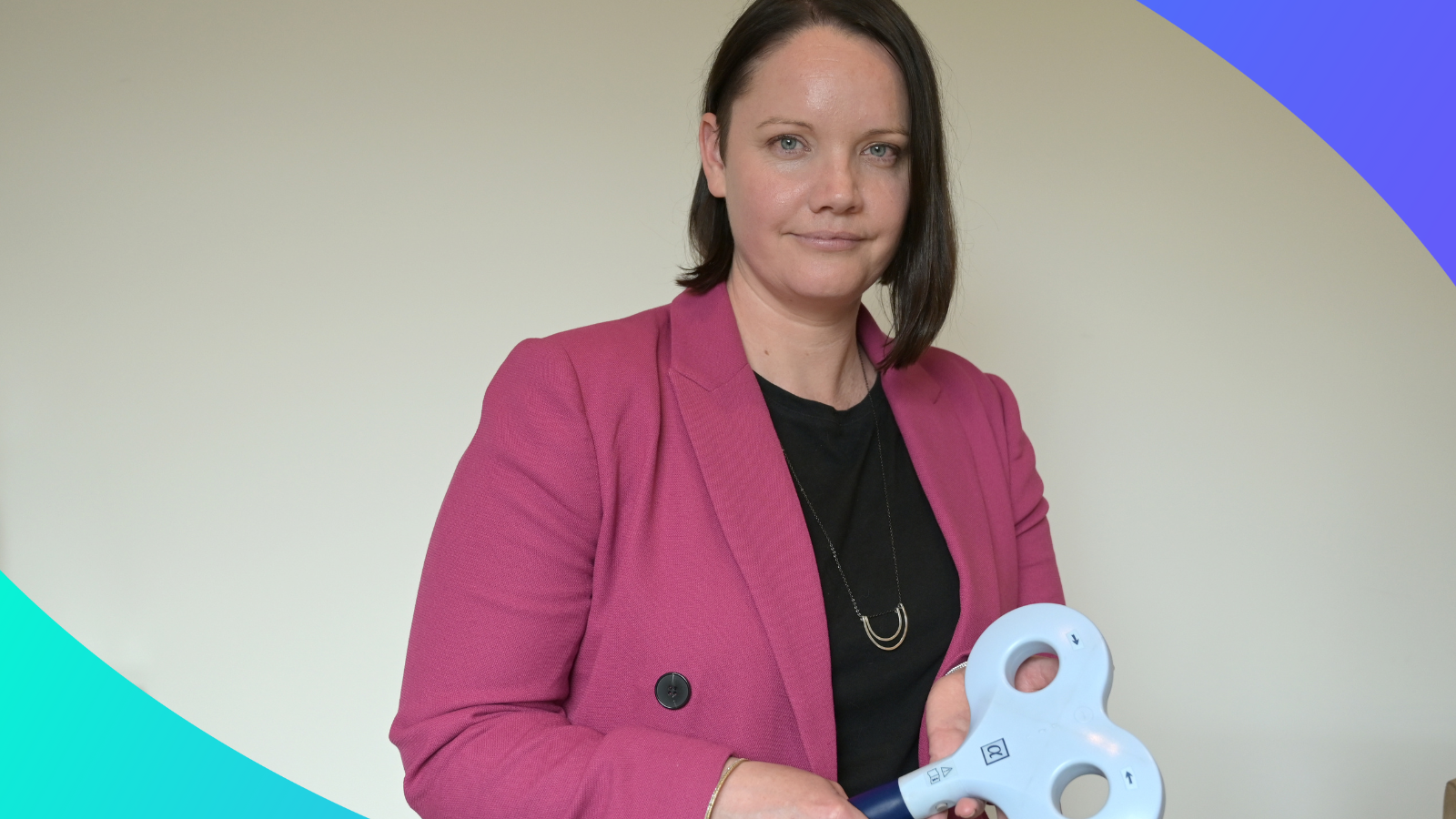
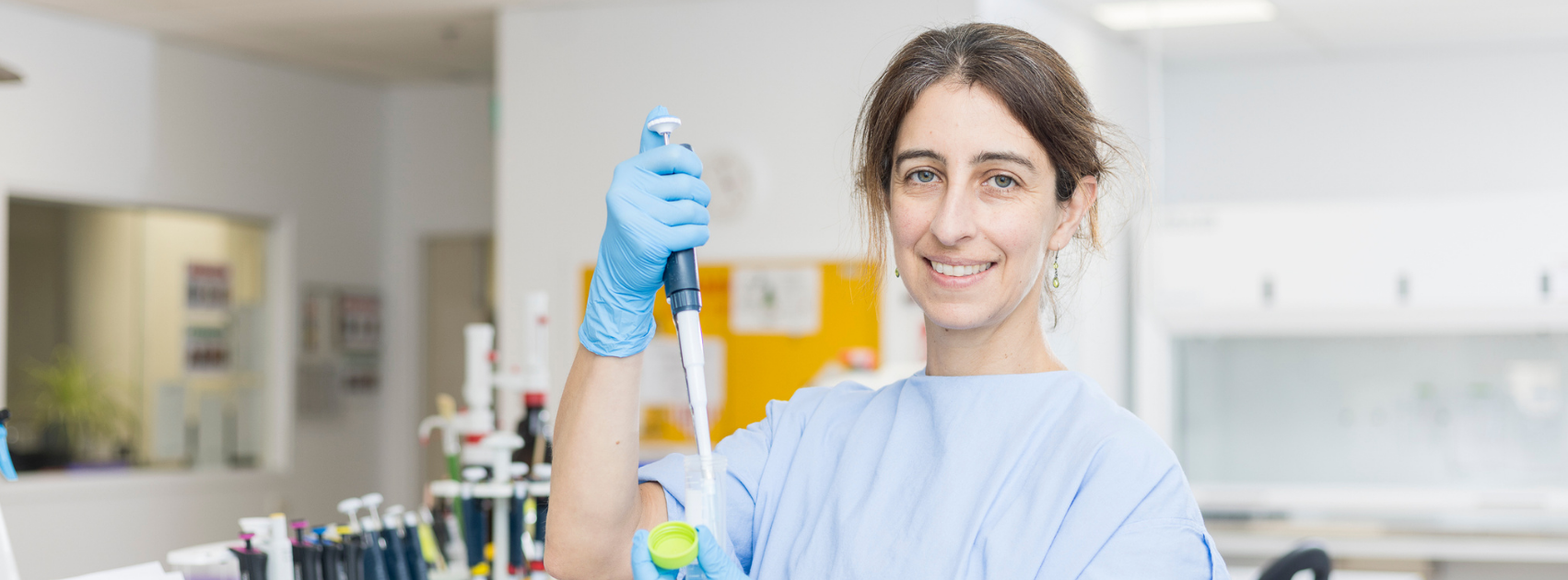
But that could change with this revolutionary new treatment being developed by Dr Sophie Payne and her team at the Bionics Institute.
Your gift will help our researchers set up a comprehensive clinical trial of the revolutionary medical device and get it into doctor’s clinics as soon as possible.
If you or someone you love suffers with rheumatoid arthritis, wouldn’t you want to give them the opportunity to be pain-free?
Help us fast-track this treatment to stop pain and disability
If the new treatment is successful, you’ll help people with rheumatoid arthritis live a life free of pain and disability.
Fast-tracking development of this treatment will bring relief to sufferers and their families.
Being able to move and do daily activities without pain will make a huge difference – just ask Karen!
Thank you for your compassion and supporting the development of this treatment to for rheumatoid arthritis – your kindness means so much to patients and their families.
About this research
Our researchers are developing a drug-free treatment for rheumatoid arthritis to give long-term relief from pain and disability for people no longer responding to drug therapies.
A tiny electrode array is attached to the vagus nerve just under the diaphragm. The vagus nerve connects the brain to the gut and contols natural anti-inflammatory processes.
The electrode is powered by a small battery implanted at hip level. The battery only needs to be replaced every 10 years, ensuring the device provides a set-and-forget treatment.
The treatment will go into clinical trials before being made available more widely. Read more about the research.
Want to support the future of research like this?
Early-stage research for life-changing devices & treatments like this is made possible by donations from our supporters.
Your support today could turn the seed of an idea into a new treatment in the future.
Find out how you can support research innovation here.


Thank you for registering your interest to attend the Bionics Institute 2023 Innovation Lecture
You have now been added to our waiting list and you will receive an email as soon as a space becomes available.
Event details
Date: Wednesday 17 May 2023
Time: 5.30pm arrival for 6pm start
Networking drinks: 7.30 – 9.30pm
Venue: RACV City Club, 501 Bourke St, Melbourne
Who else will be attending?
Through the Innovation Lecture series, the Bionics Institute aims to develop a shared understanding of what it will take to build Australia through innovation between:
– Med tech thought leaders
– Start-up founders and entrepreneurs
– Government agencies and peak bodies
– Impact investors, fund managers and VCs
– Healthcare and tertiary education leaders
– Trusts, foundations and philanthropists
– Business media.
Sponsorship opportunities
Position your brand as an innovation leader and forge wide-reaching connections across the med tech ecosystem.
Talk to our team about the range of brand acknowledgement, promotional and hospitality benefits available to sponsors in 2023 by emailing: [email protected]
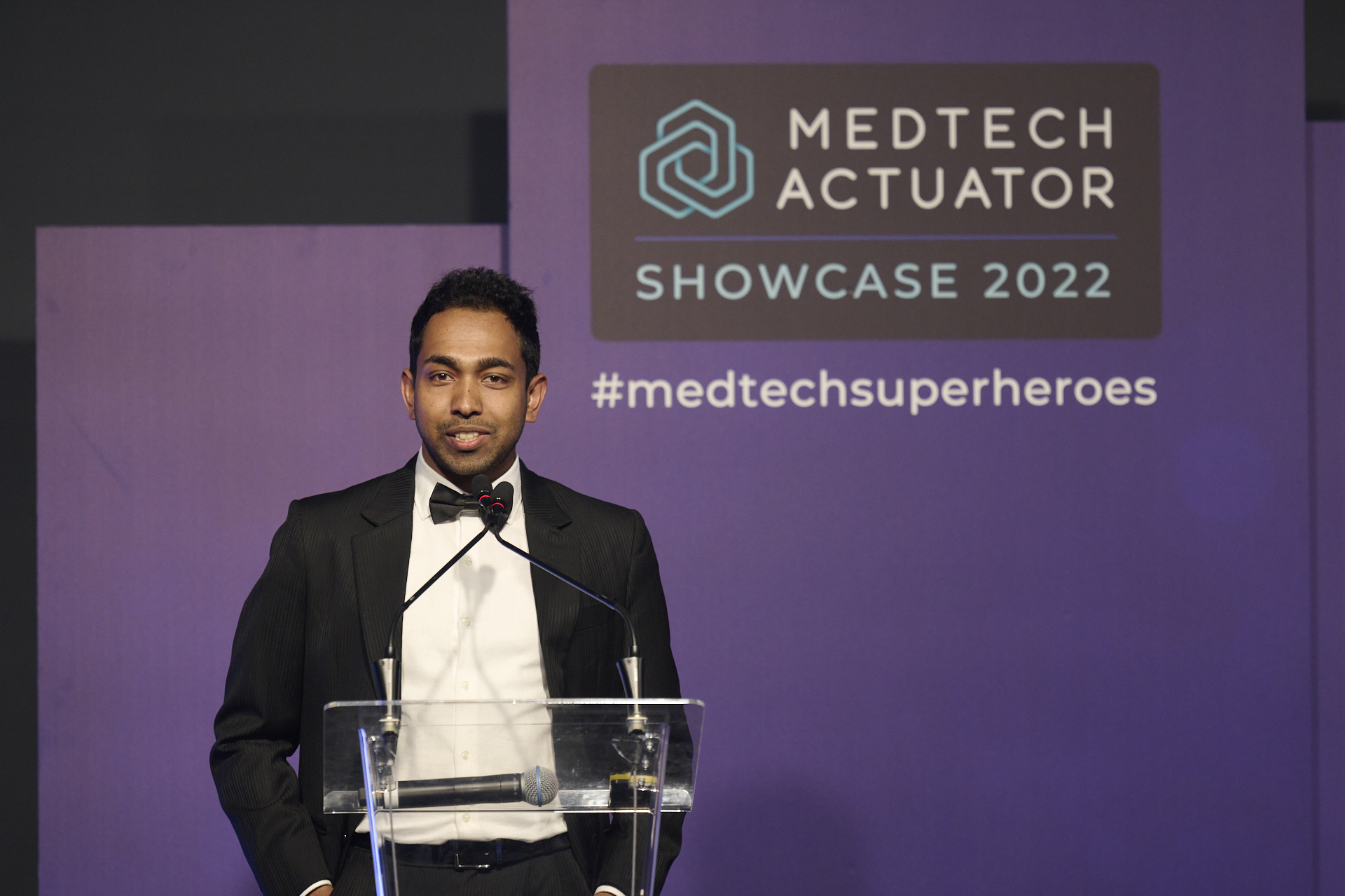
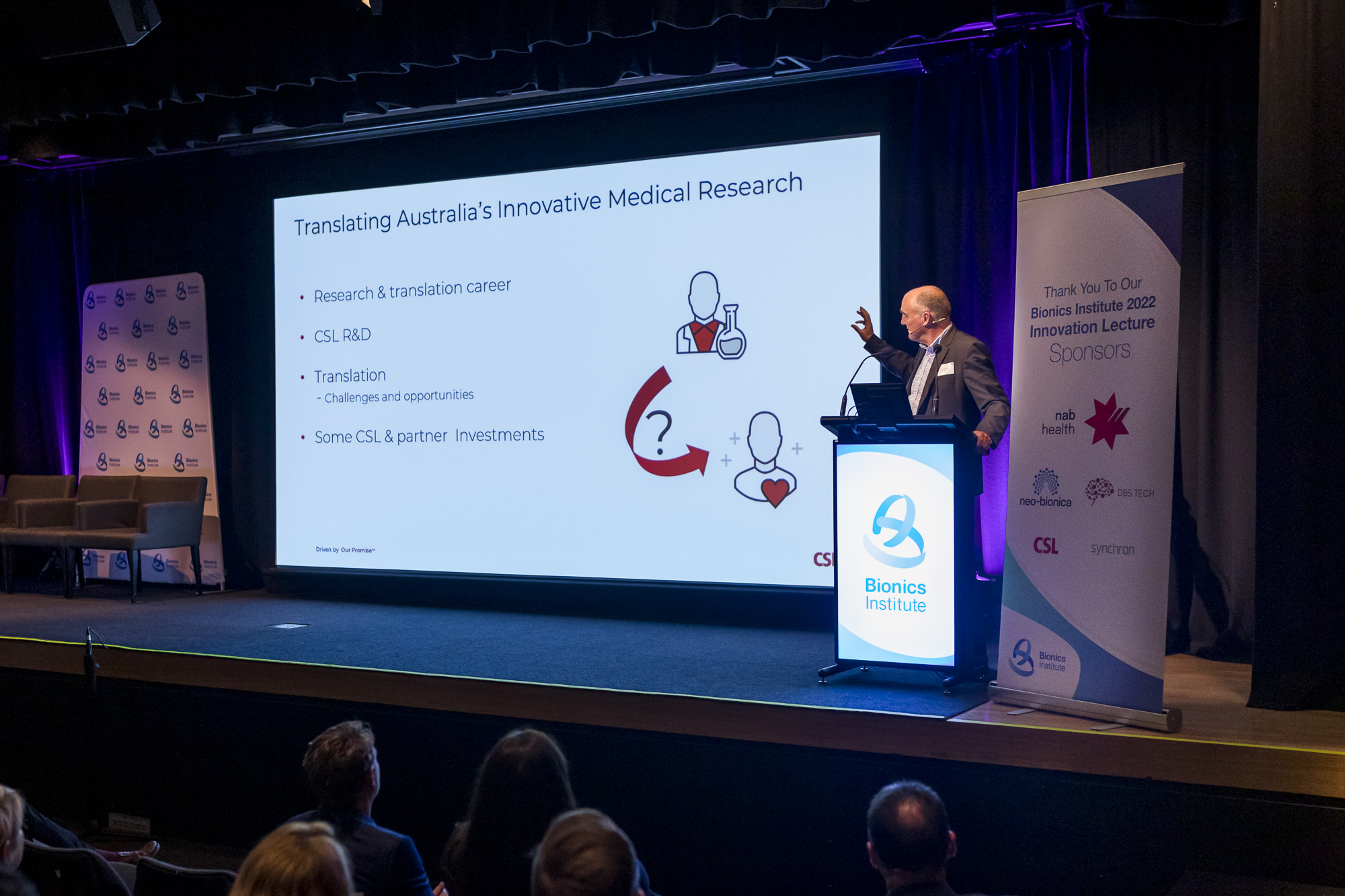
Your brand could be seen by 350 event guests; 1000 Med Tech Talks podcast listeners, and thousands of people viewing this page, as illustrated by our 2022 Innovation Lecture sponsors below.

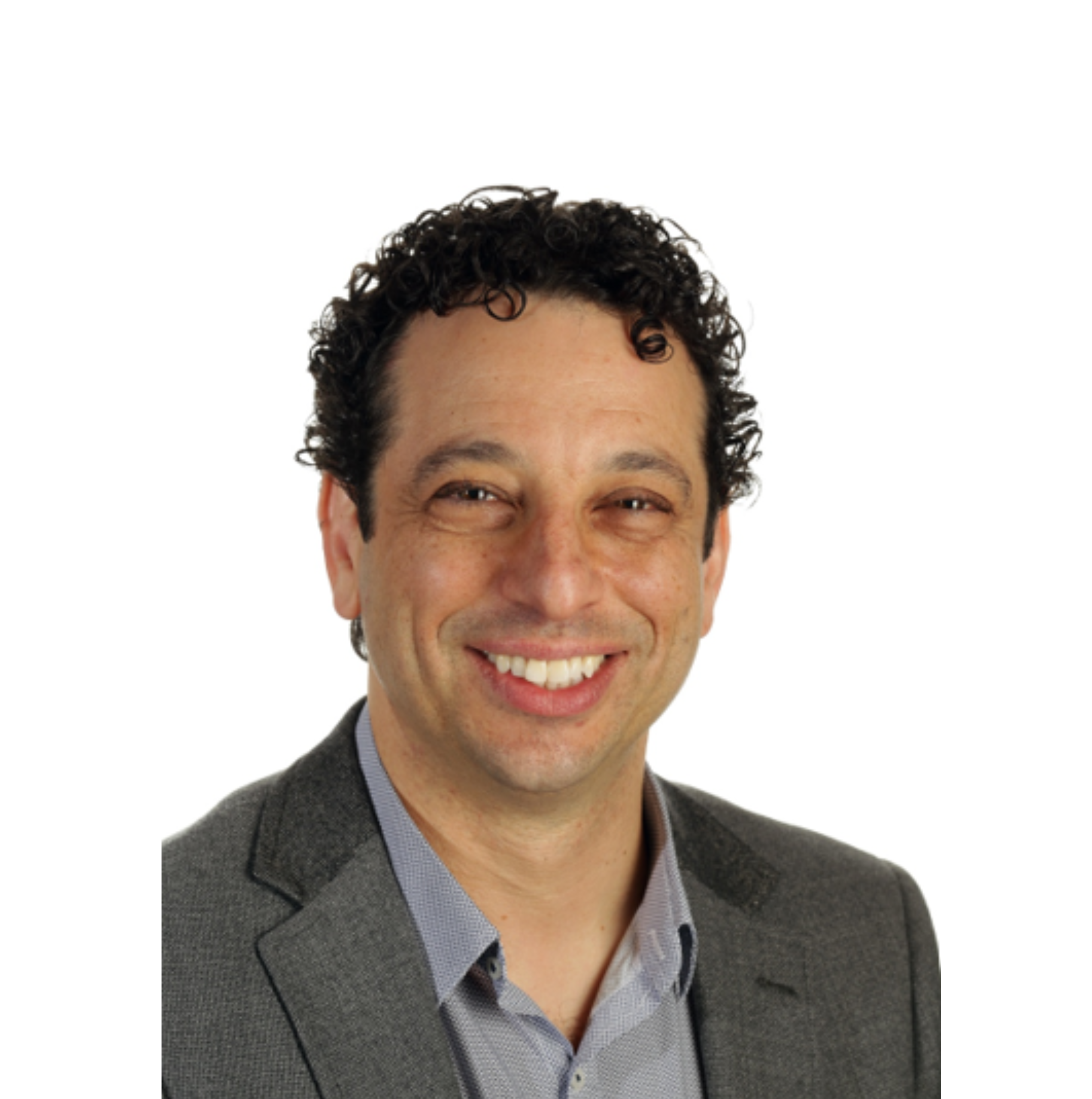
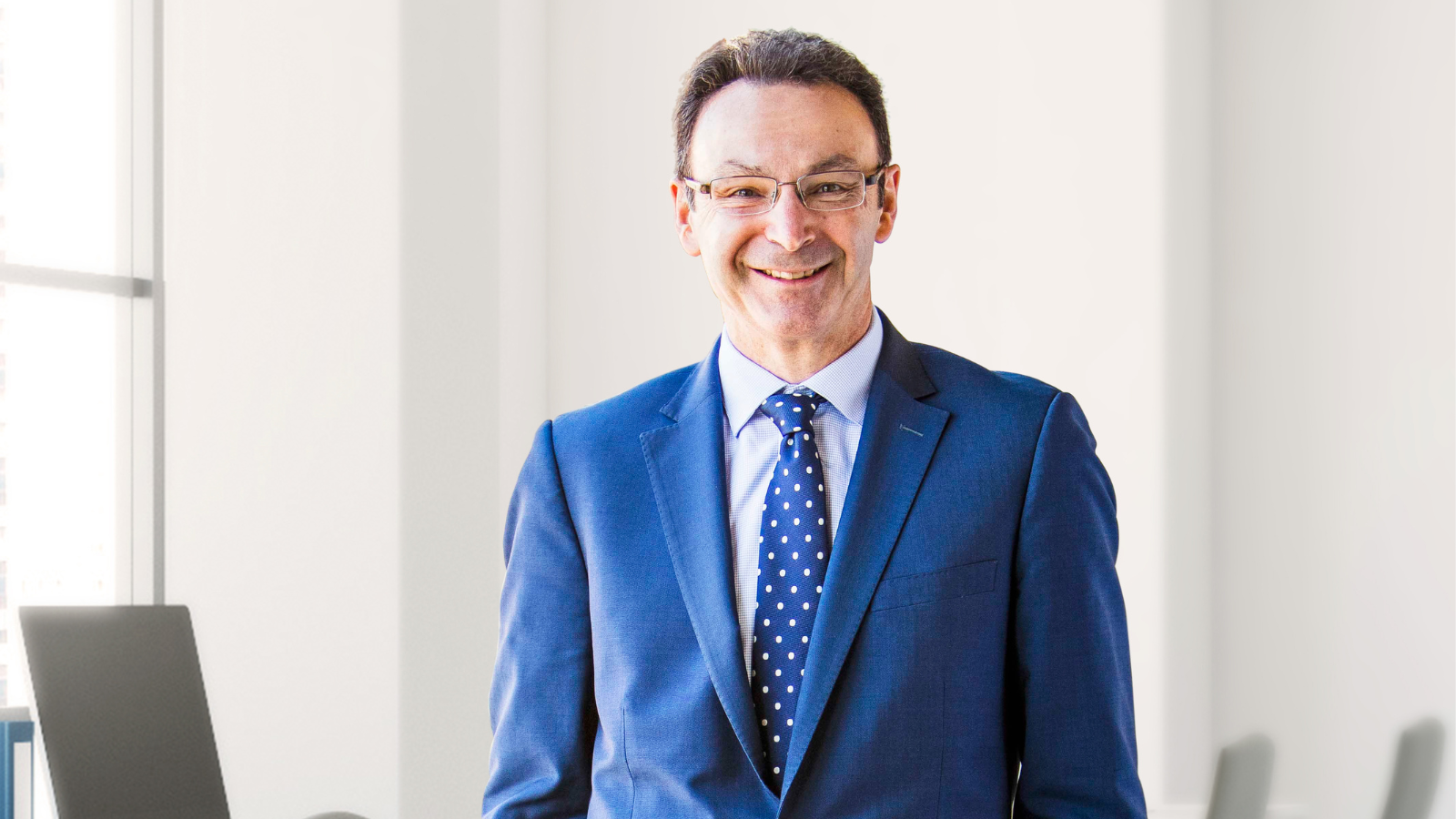
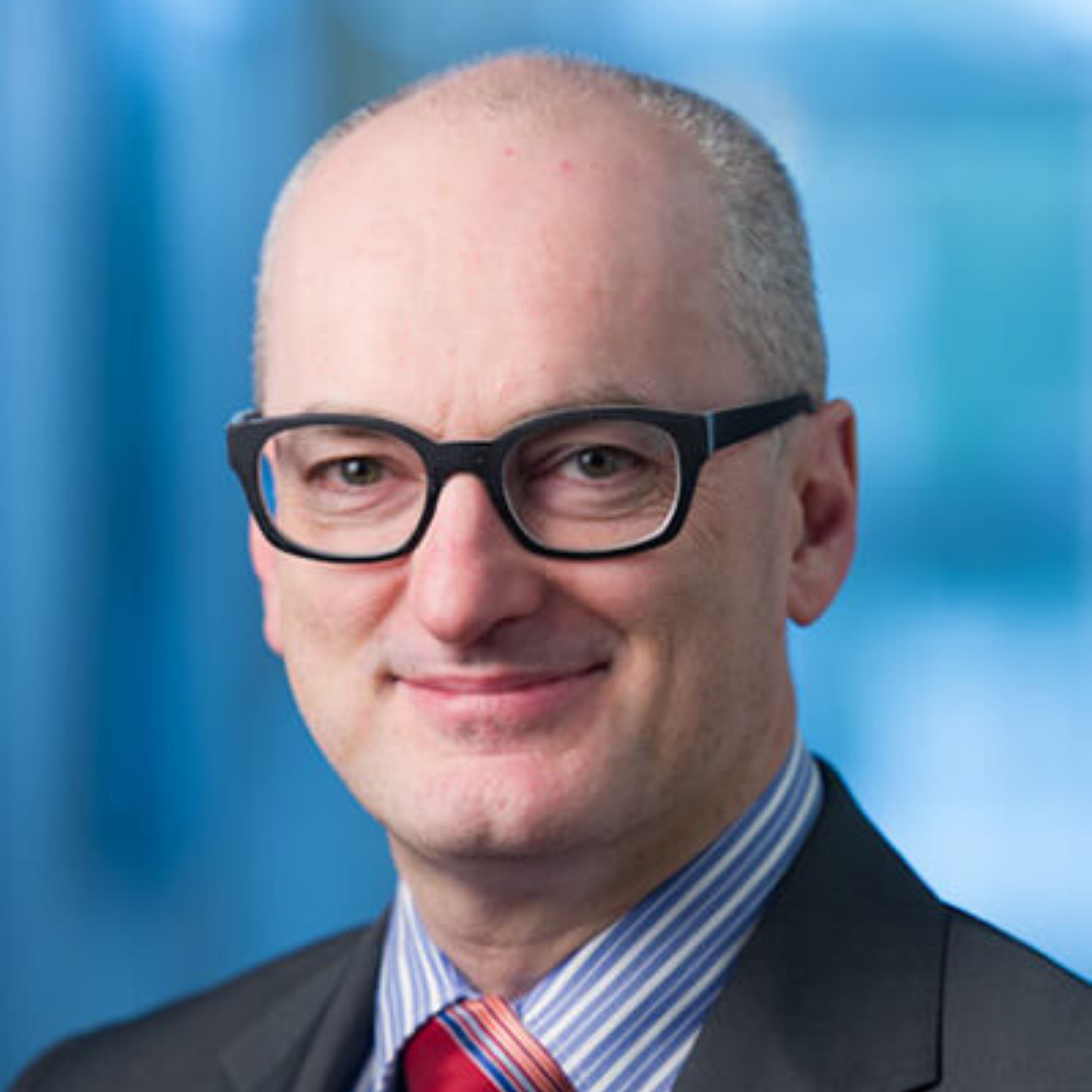
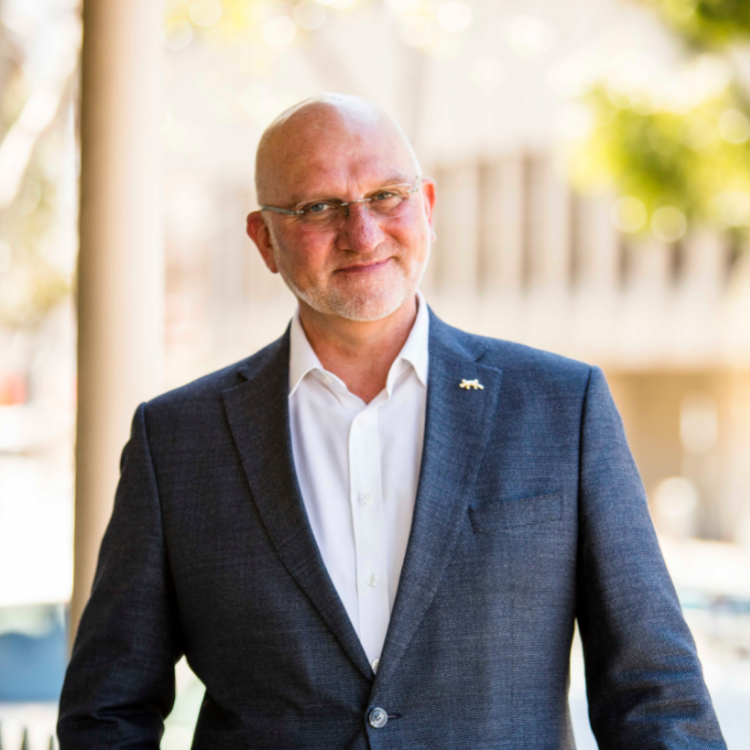
Keynote speaker: Dr Andreas Fouras, CEO of 4DMedical
4DMedical was incorporated in 2012 to acquire the imaging platform XV Technology from Monash University, where it was originally conceived and developed by Andreas and his former research group.
4DMedical aims to change the outcome for patients with lung disease by revolutionising respiratory and ventilation analysis using this technology, which is the first FDA approved respiratory imaging system using algorithms to convert x-ray image sequences into four-dimensional data to enhance clinical management.
In May 2020, 4DMedical obtained FDA approval for its XV technology and in August 2020 completed an initial public offering (IPO) on the ASX, raising $56 million. The global market for respiratory diagnostics is currently estimated to exceed $US30 billion per annum.
After completing his PhD in engineering, Andreas rose to the position of Professor of Mechanical and Aerospace Engineering and Director of the Laboratory for Dynamic Imaging at Monash University. Andreas is now the founding CEO of 4DMedical, based in Melbourne and Los Angeles.
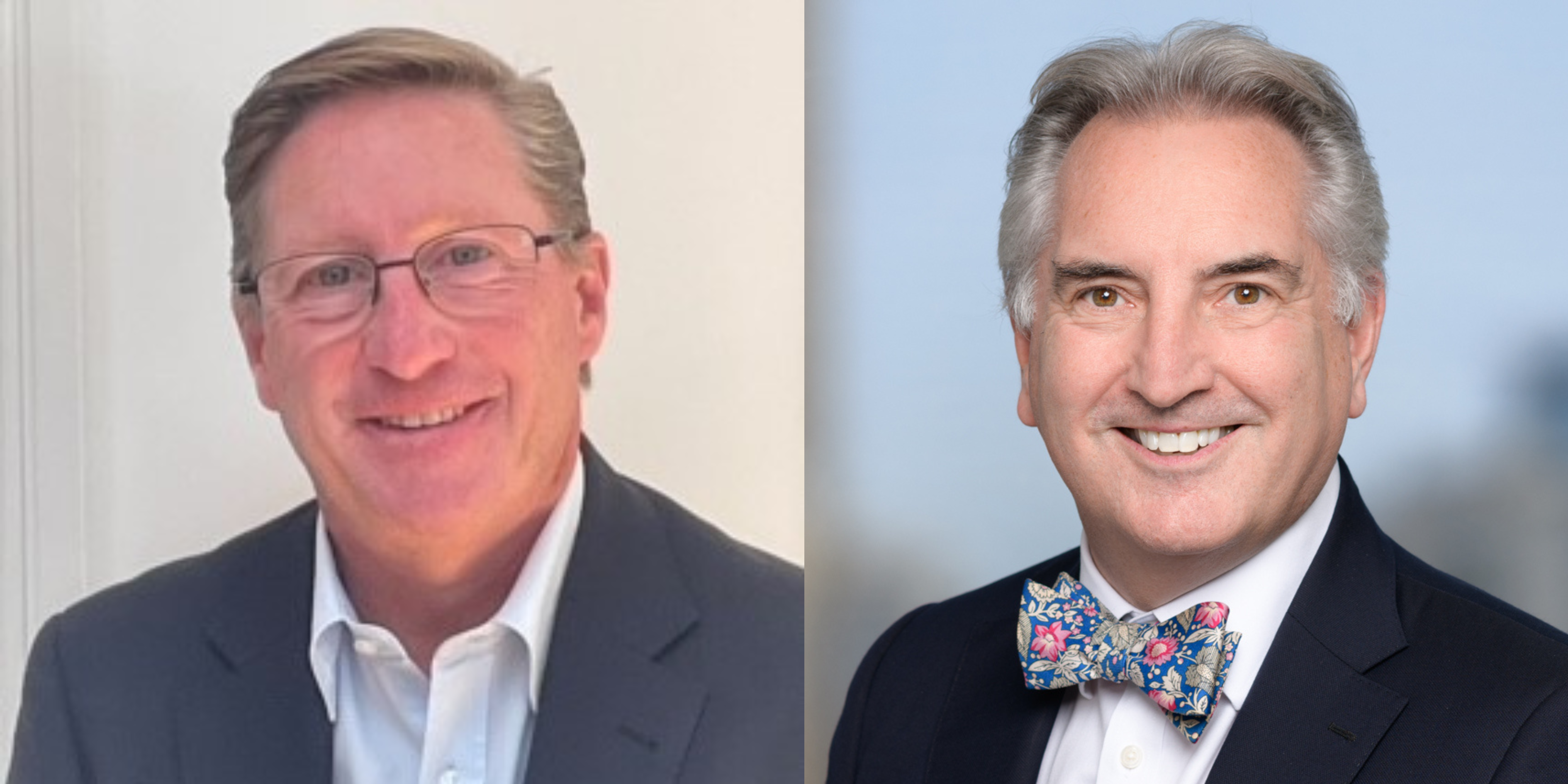
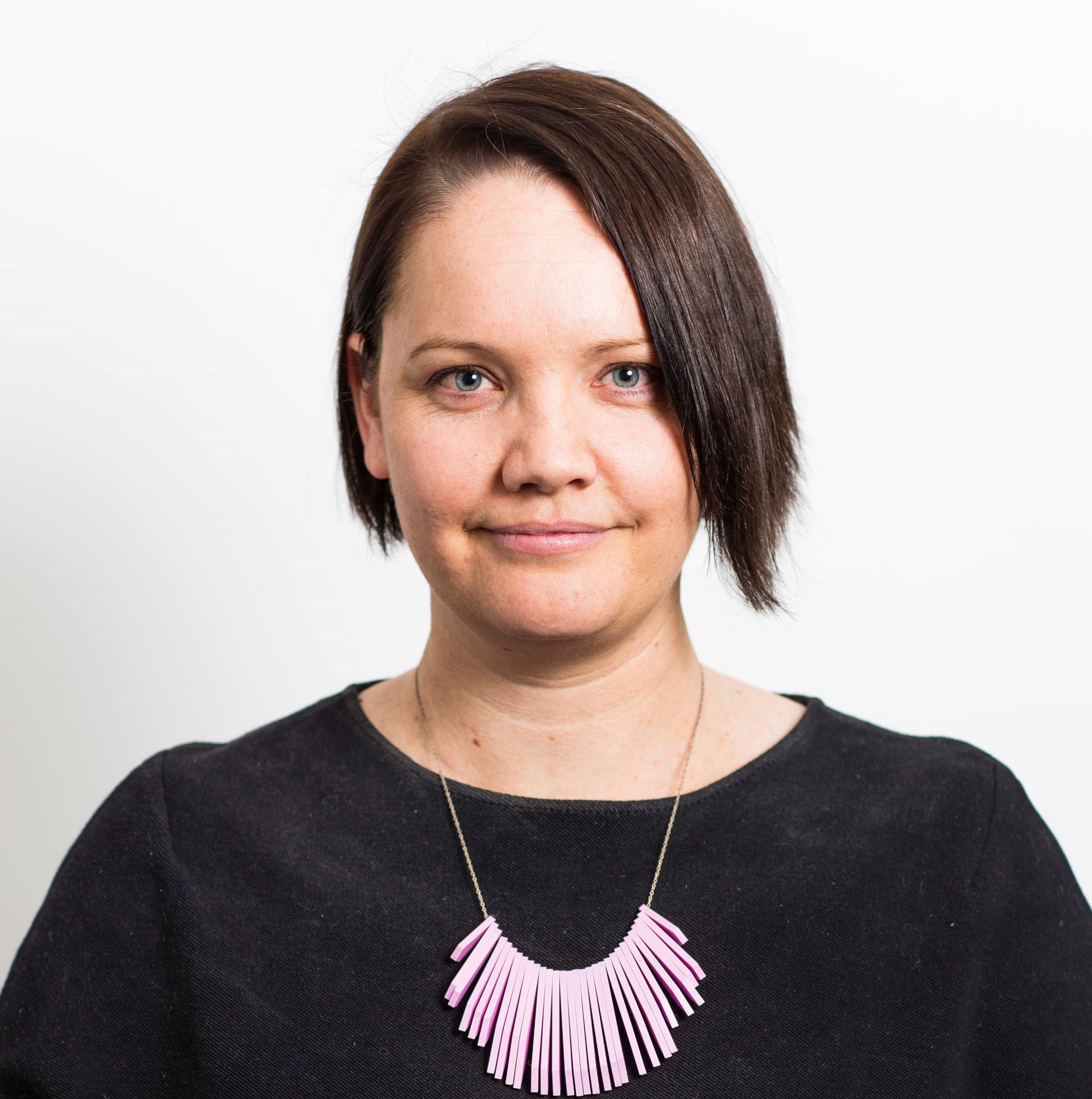
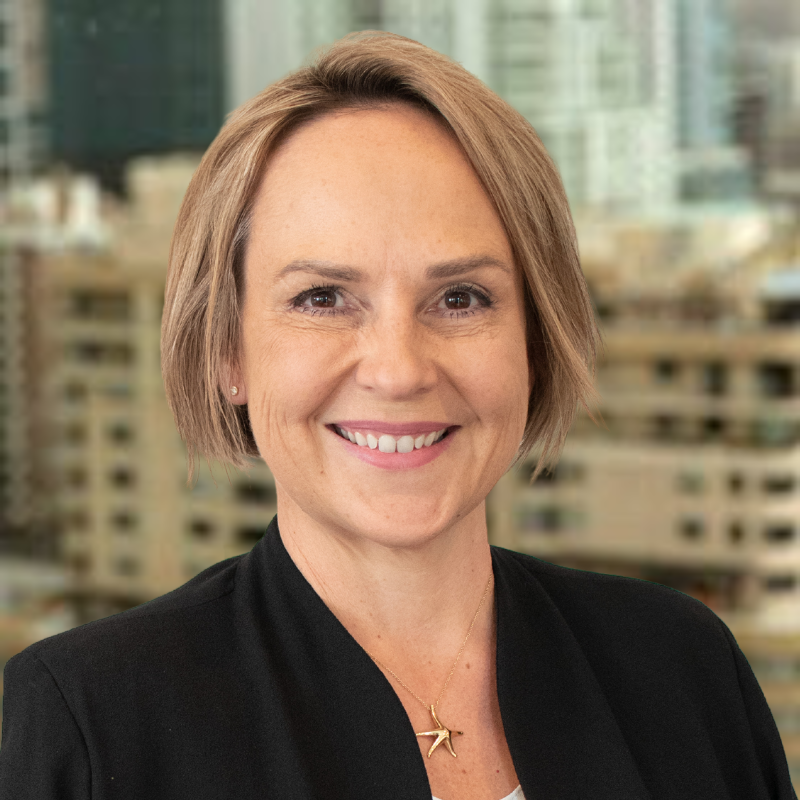
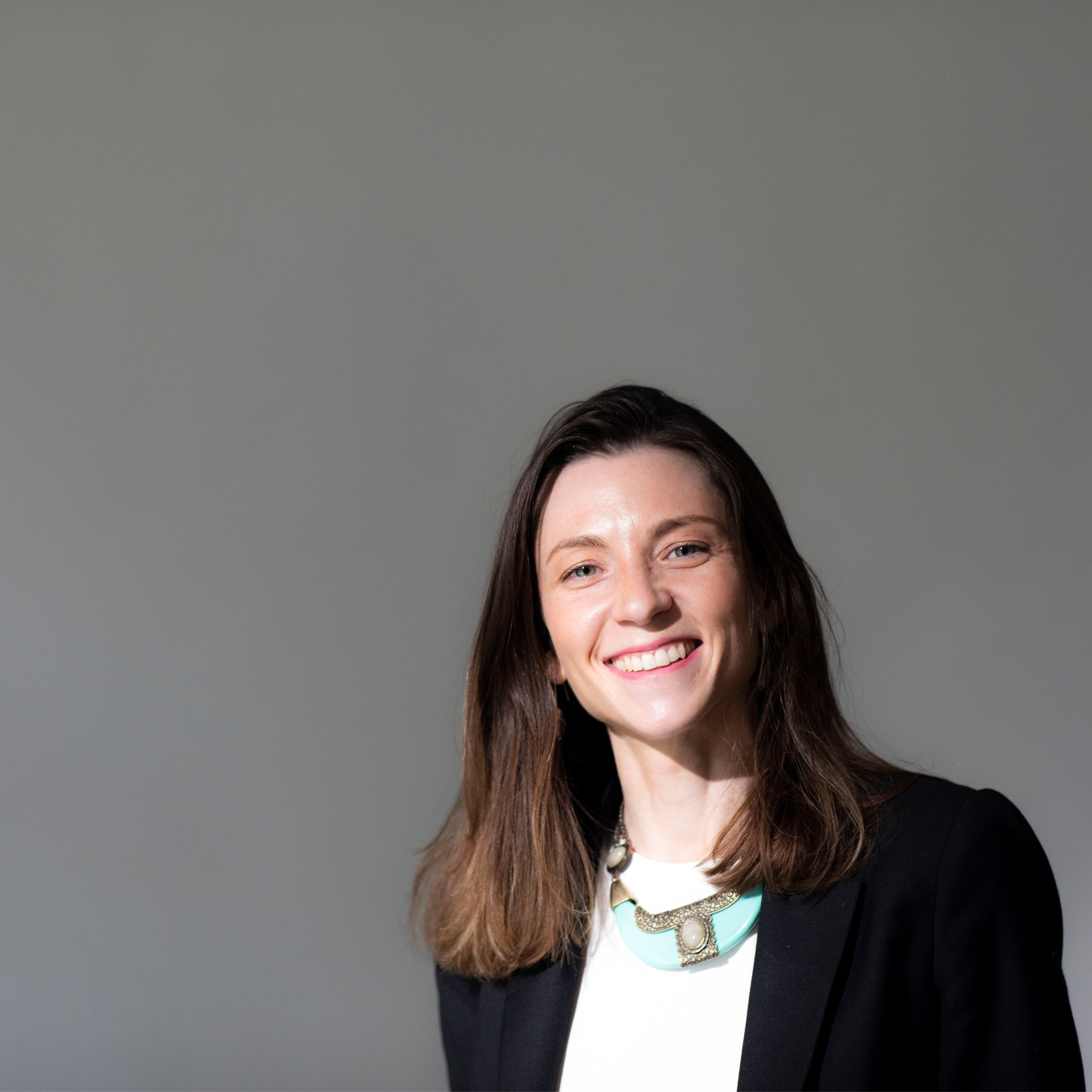
Keynote speaker: Kylie Walker, CEO of ATSE
Kylie is the CEO of the Australian Academy of Technology and Engineering (ATSE), where she works with expert Fellows to lead crucial national conversations and strategy towards a thriving, healthy and connected Australia supported by technology.
Kylie specialises in connecting technologists, engineers and scientists with governments, business, media and society – skills built over many years in senior federal communication and advocacy roles in the science, technology and health sectors.
As the immediate past CEO of Science & Technology Australia, Kylie led campaigns to increase investment in Australian research and development, and created the acclaimed Superstars of STEM program, championing Australian women in science technology, engineering and mathematics.
Kylie is also a visiting Fellow at the Australian Centre for the Public Awareness of Science. She was Chair of the Australian National Commission for UNESCO and in 2019, she was named in the 100 Women of Influence list by the Australian Financial Review for her work on improving equity, diversity and inclusion in STEM.
You might be interested in…
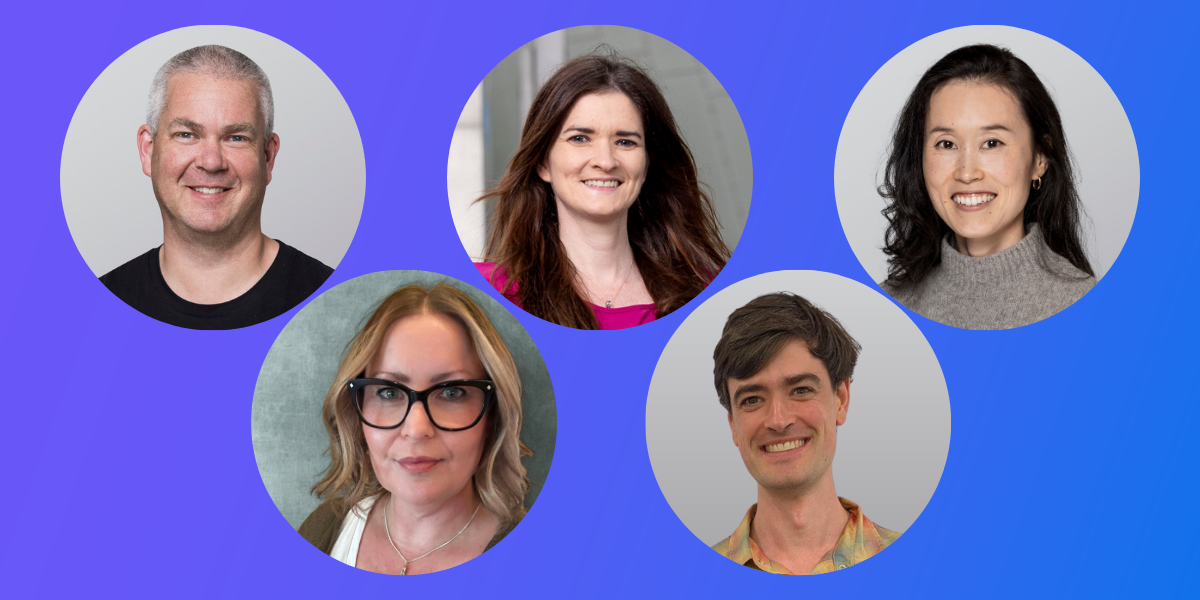
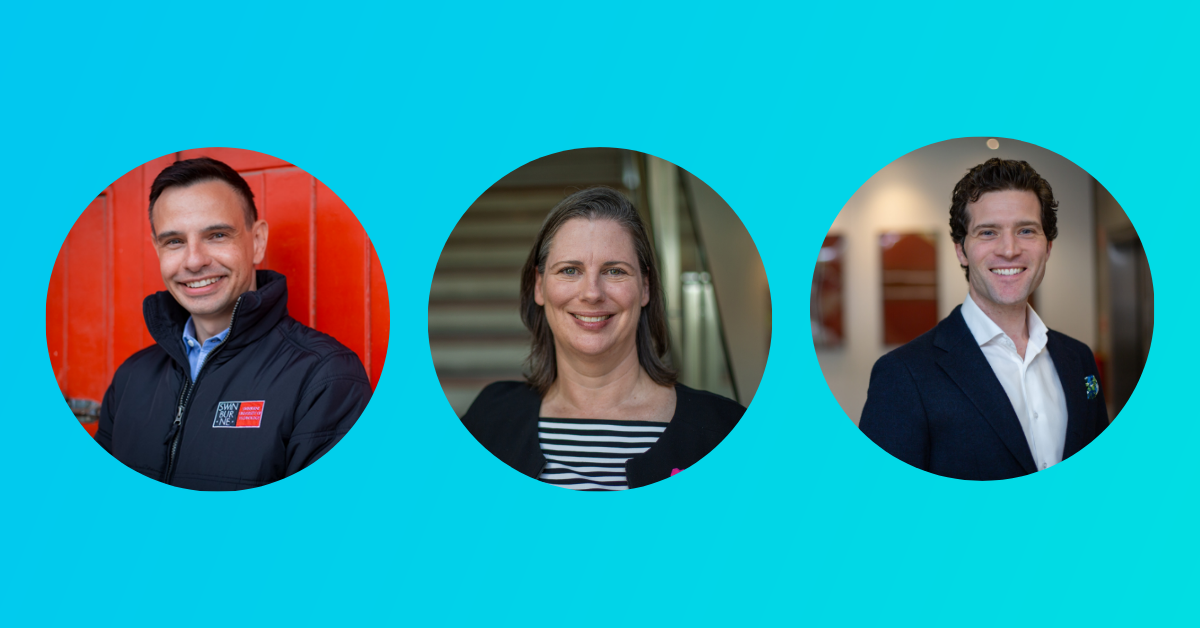





















Building Australia Through Innovation
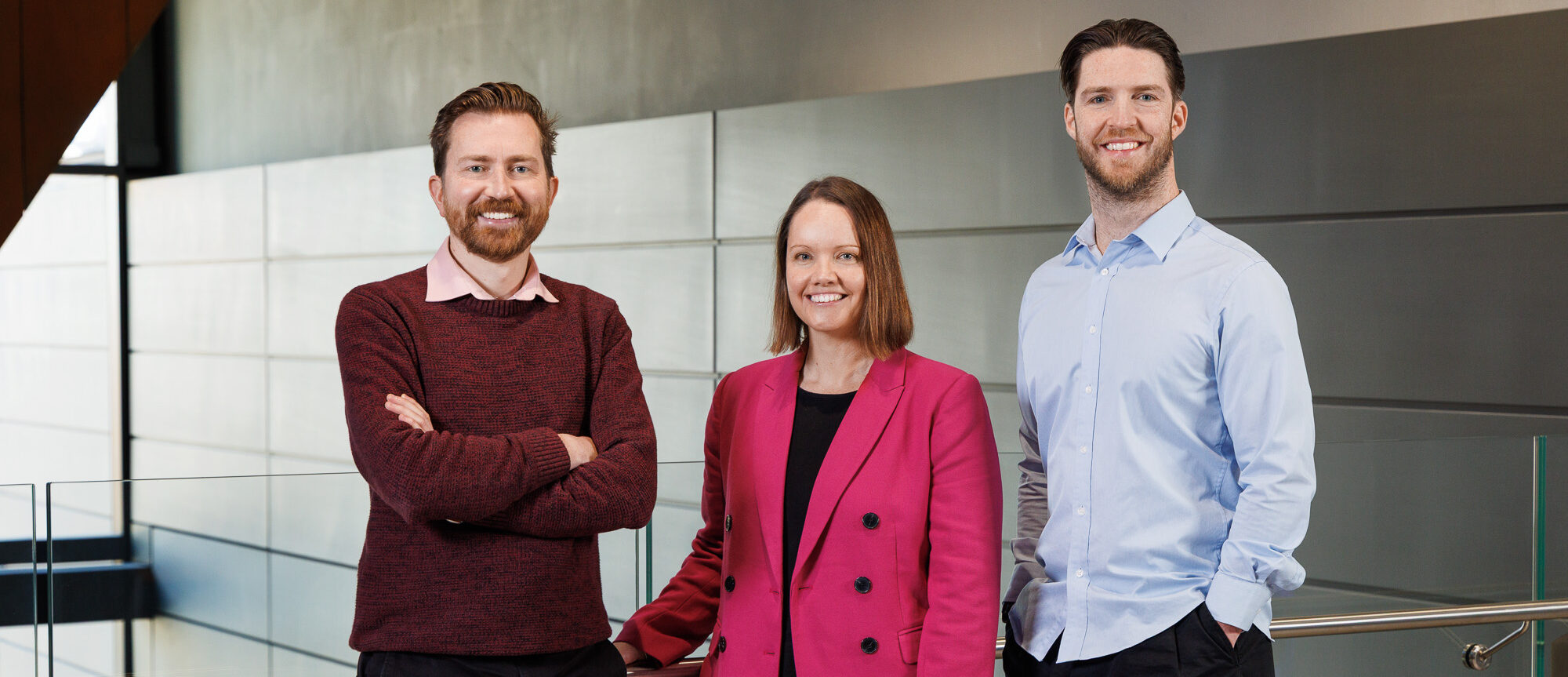
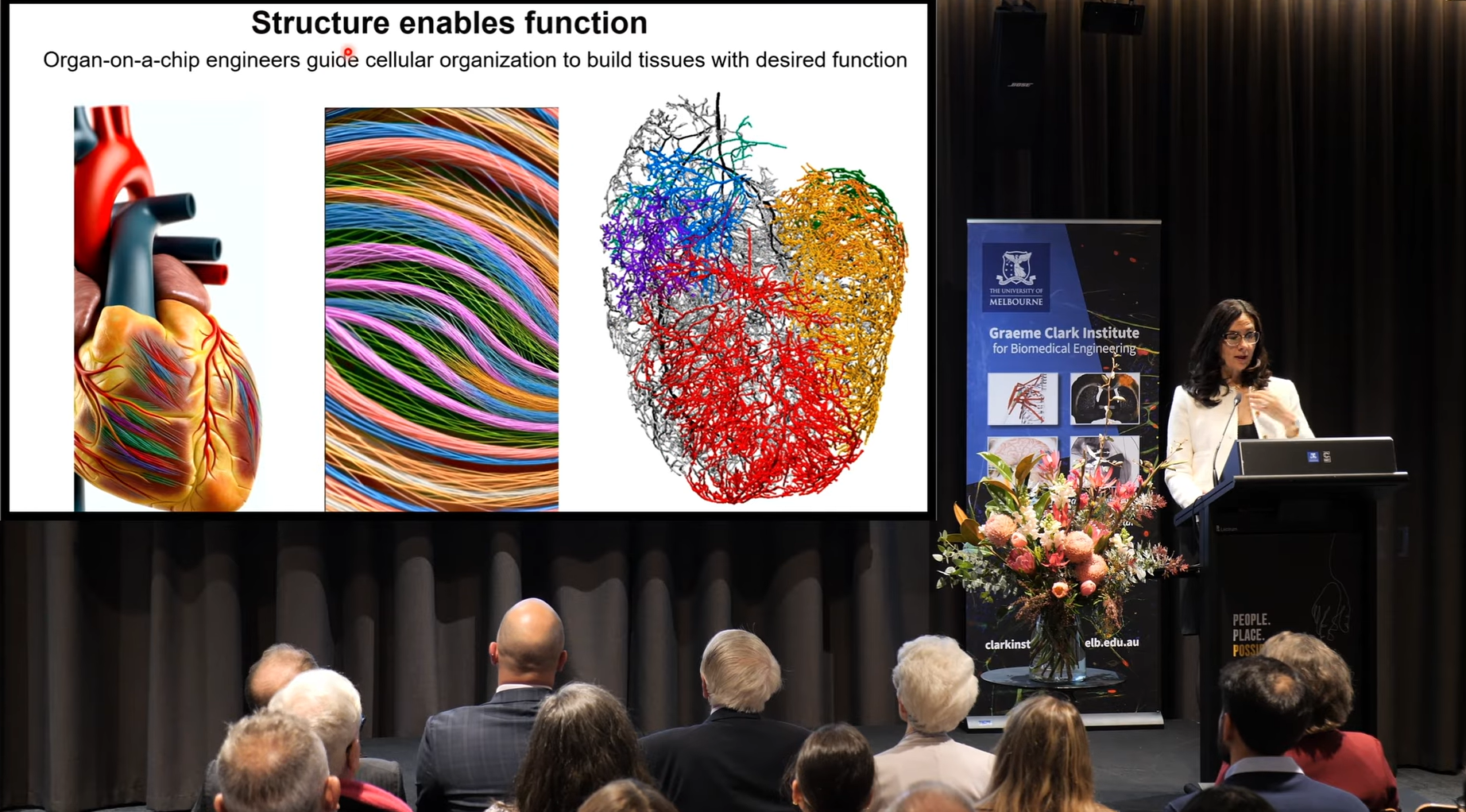
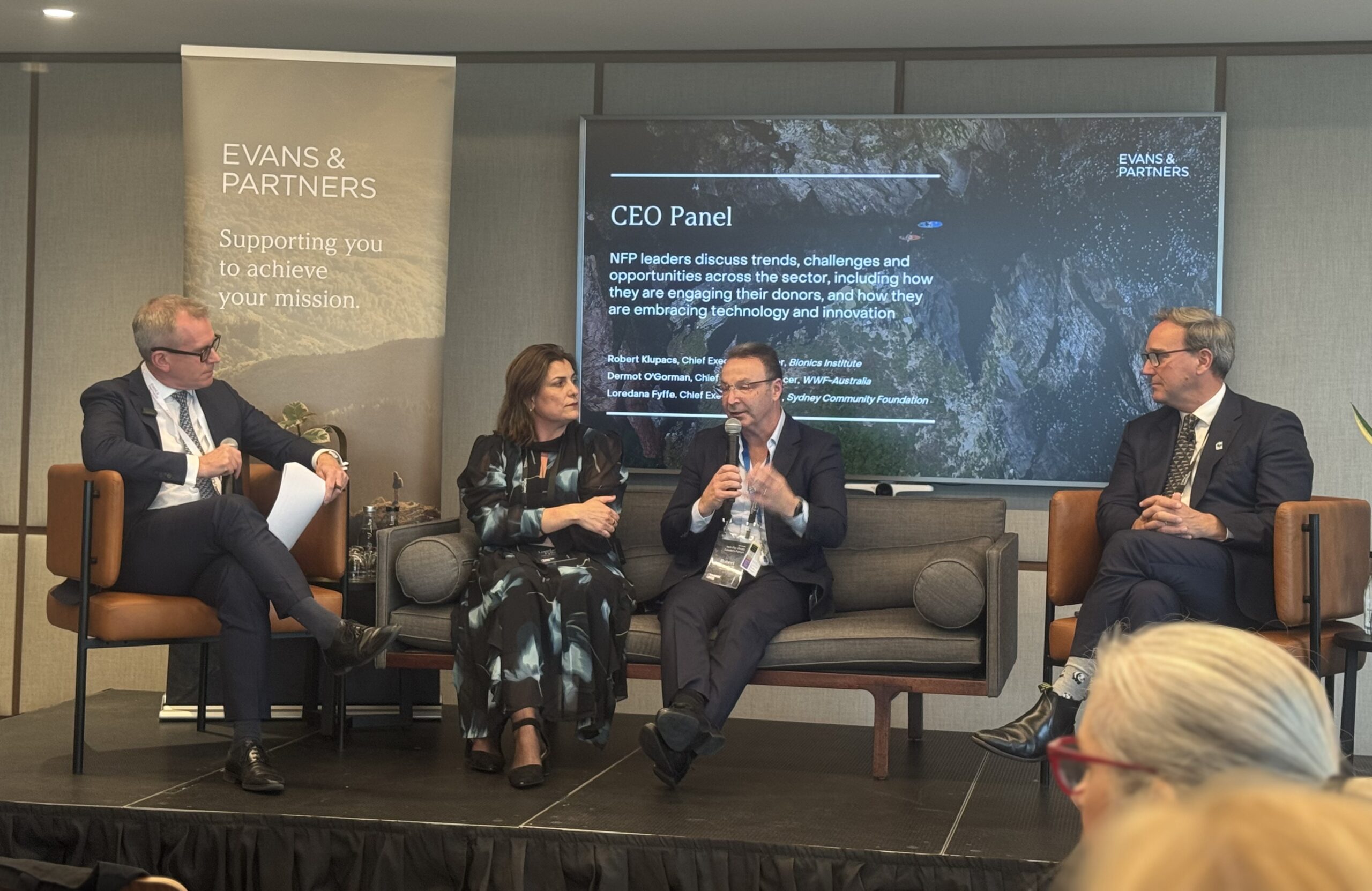
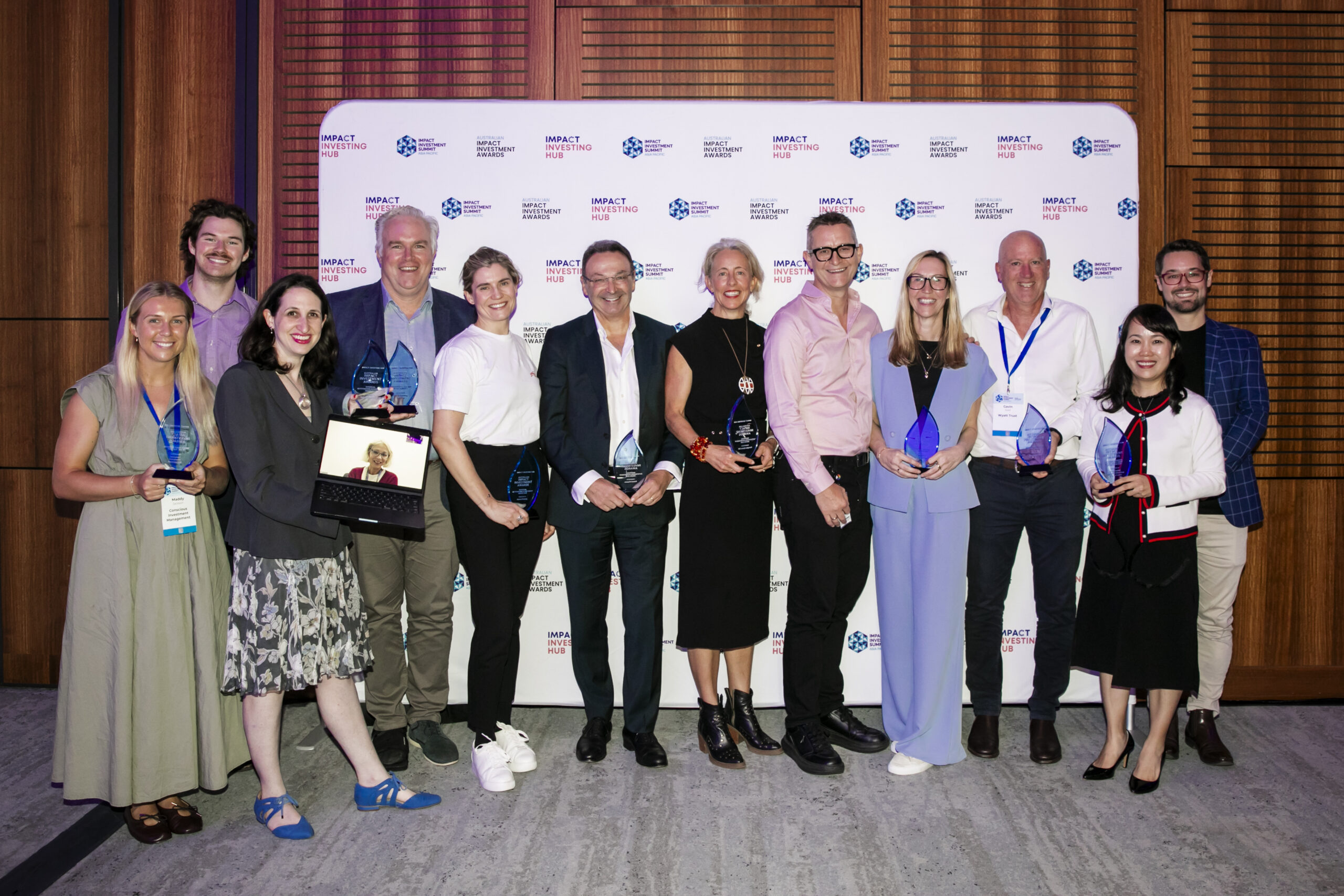
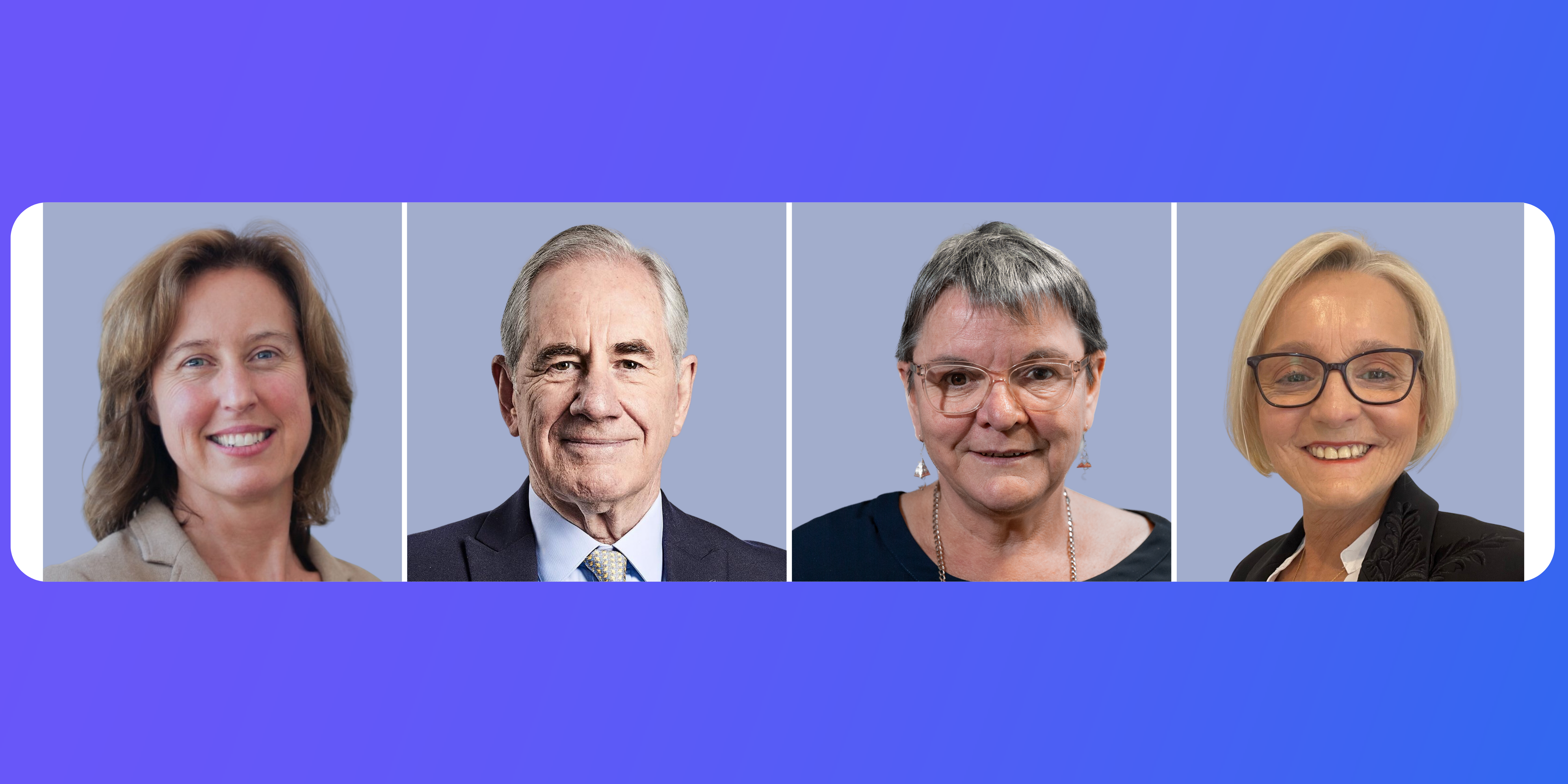
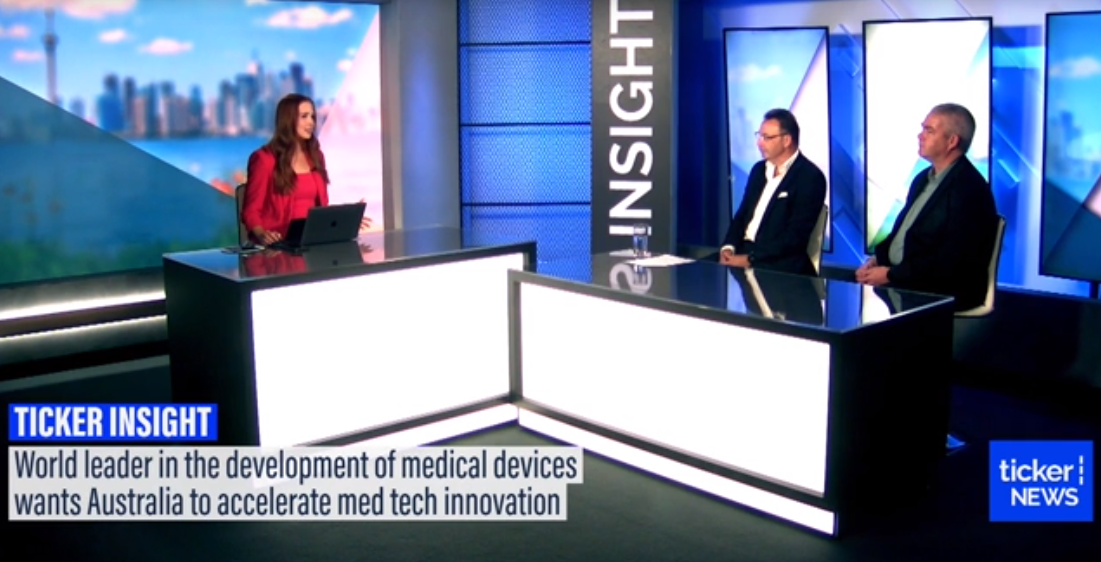
Over 320 guests comprising med tech executives, researchers, clinicians, government staff and investors attended the Innovation Lecture.
The focus of this year’s event was to bring med tech leaders together to explore how Australia can accurately measure innovation, boost the med tech ecosystem and strengthen connections. Networking drinks followed the lecture which provided guests with the opportunity to forge partnerships and develop links with like-minded people.
Keynote speakers
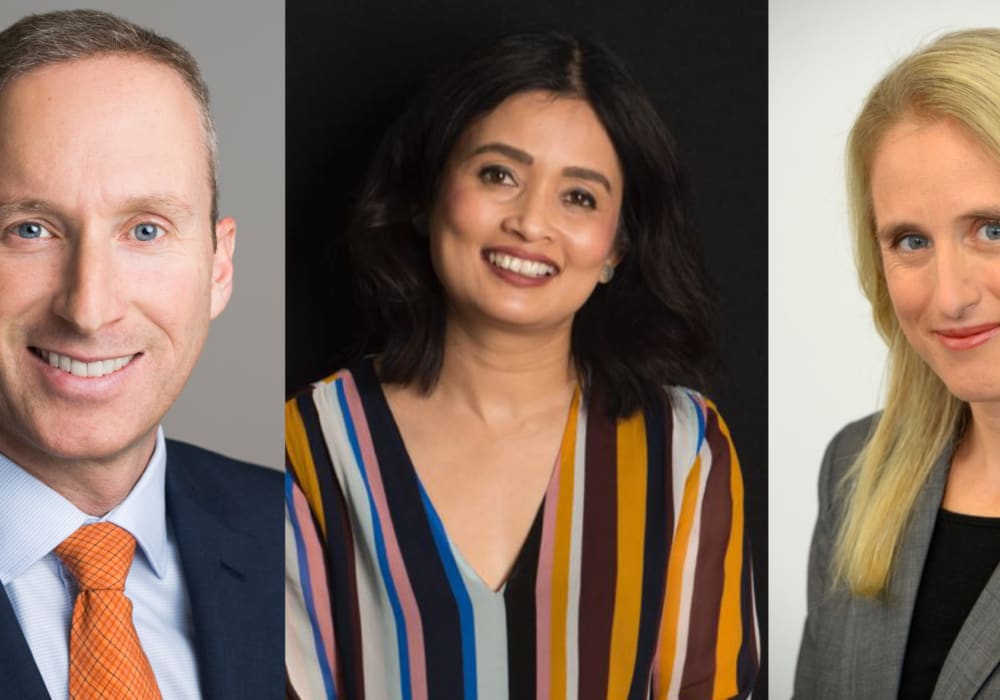
Dr Andreas Fouras, CEO, 4DMedical
Kylie Walker, CEO, ATSE
Panellists
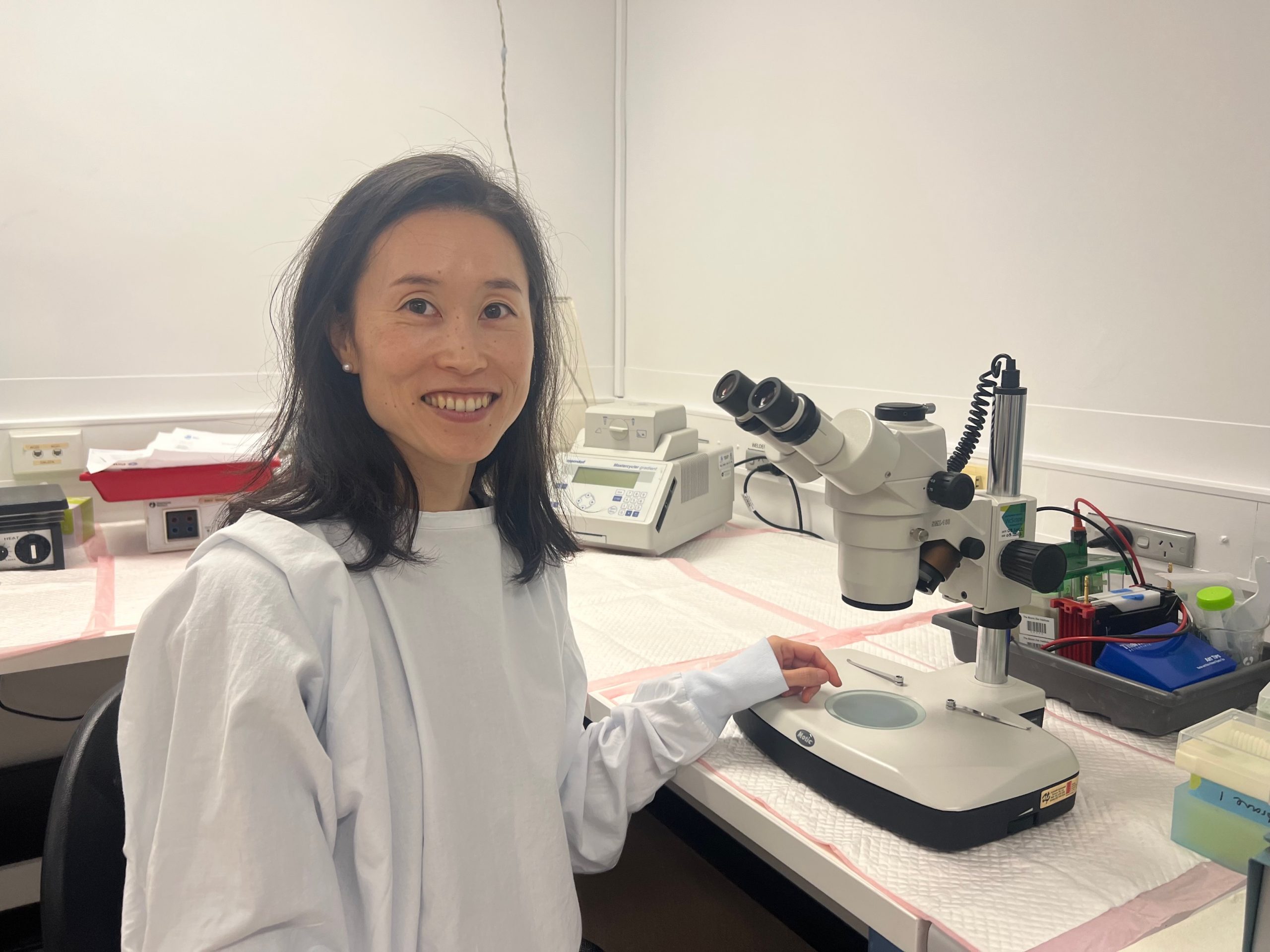
Dr Jill Freyne, Deputy Chief Medical Scientist, CSIRO
Christine Williams, Former General Manager, Innovation Metrics Review
Who attended?
Through the Innovation Lecture series, the Bionics Institute aims to develop a shared understanding of what it will take to build Australia through innovation between:
– Med tech thought leaders
– Start-up founders and entrepreneurs
– Government agencies and peak bodies
– Impact investors, fund managers and VCs
– Healthcare and tertiary education leaders
– Trusts, foundations and philanthropists
– Business media.
Keynote speaker: Dr Andreas Fouras, CEO of 4DMedical
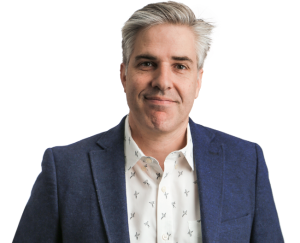
4DMedical was incorporated in 2012 to acquire the imaging platform XV Technology from Monash University, where it was originally conceived and developed by Andreas and his former research group.
4DMedical aims to change the outcome for patients with lung disease by revolutionising respiratory and ventilation analysis using this technology, which is the first FDA approved respiratory imaging system using algorithms to convert x-ray image sequences into four-dimensional data to enhance clinical management.
In May 2020, 4DMedical obtained FDA approval for its XV technology and in August 2020 completed an initial public offering (IPO) on the ASX, raising $56 million. The global market for respiratory diagnostics is currently estimated to exceed $US30 billion per annum.
After completing his PhD in engineering, Andreas rose to the position of Professor of Mechanical and Aerospace Engineering and Director of the Laboratory for Dynamic Imaging at Monash University. Andreas is now the founding CEO of 4DMedical, based in Melbourne and Los Angeles.
Keynote speaker: Kylie Walker, CEO of ATSE
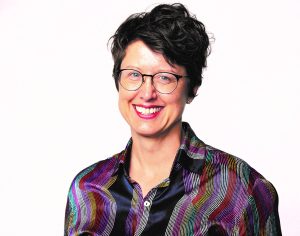
Kylie is the CEO of the Australian Academy of Technological Sciences and Engineering (ATSE), where she works with expert Fellows to lead crucial national conversations and strategy towards a thriving, healthy and connected Australia supported by technology.
Kylie specialises in connecting technologists, engineers and scientists with governments, business, media and society – skills built over many years in senior federal communication and advocacy roles in the science, technology and health sectors.
As the immediate past CEO of Science & Technology Australia, Kylie led campaigns to increase investment in Australian research and development, and created the acclaimed Superstars of STEM program, championing Australian women in science technology, engineering and mathematics.
Kylie is also a visiting Fellow at the Australian Centre for the Public Awareness of Science. She was Chair of the Australian National Commission for UNESCO and in 2019, she was named in the 100 Women of Influence list by the Australian Financial Review for her work on improving equity, diversity and inclusion in STEM.
Panellist: Dr Jill Freyne, Deputy Chief Scientist, CSIRO
A highly experienced leader in digital health service delivery, Jill is recognised in Australia and internationally for her work in transformative health technology solutions.
She is passionate about improving equity and accessibility in the healthcare industry and has extensive experience in leading teams to devise sustainable health innovations.
Jill joined CSIRO in 2013 and has held a number of leadership roles in digital health research, working extensively with government and industry partners. She received her PhD in Computer Science from University College Dublin in Ireland and has held positions at the Clarity Center for Sensor Web technologies and IBM Research, USA.
Panellist: Christine Williams, Former GM, Innovation Metrics Review
Christine Williams is an experienced leader, economist, data scientist, risk manager, and company director. She has worked in innovation, as a research and development manager, and in the startup sector. She is currently a director of St John Ambulance Australia Ltd, a member of the University of Canberra Council, Chairperson of the Energy Safe Victoria Technical Advisory Committee, an Australian Institute of Company Directors ACT Division Council member, and works at Deloitte.
Her previous roles included being General Manager of the Innovation Metrics Review in the second half of 2018 and throughout 2019, heading the team reporting to Dr Alan Finkel (then Australia’s Chief Scientist), and Mark Cully (then Chief Economics of the Australian Department of Industry, Science and Resources).
You might be interested in…
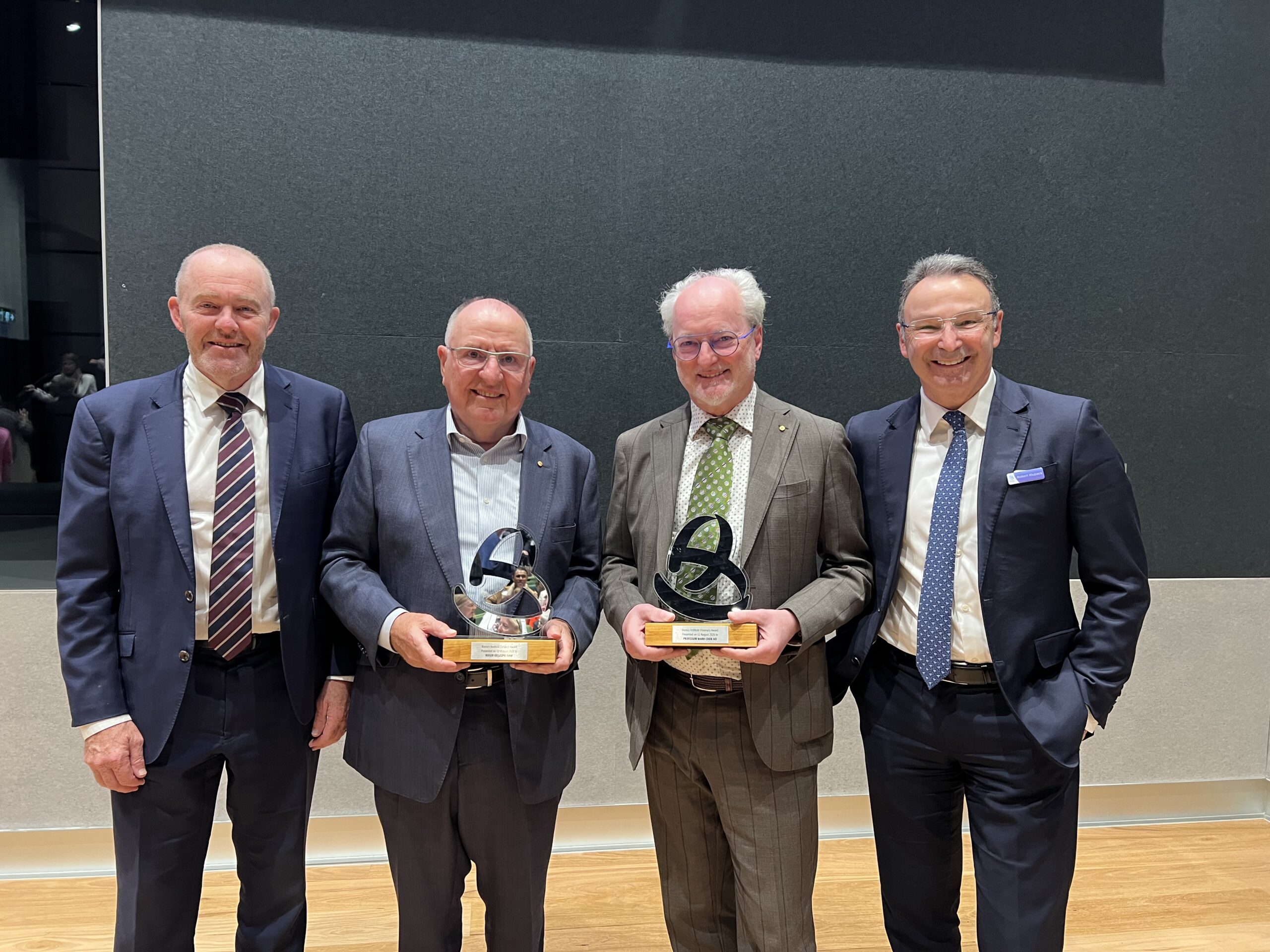
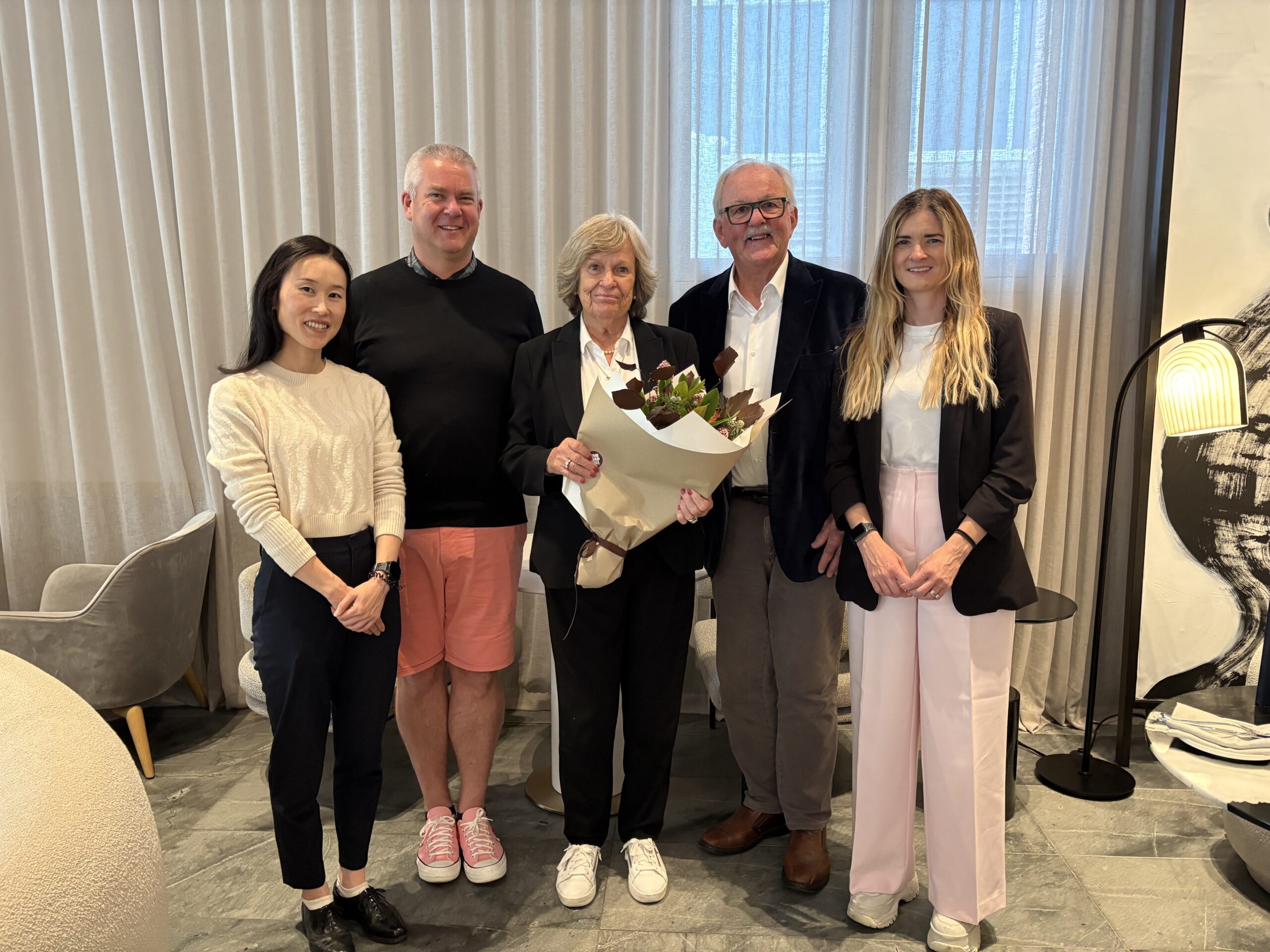
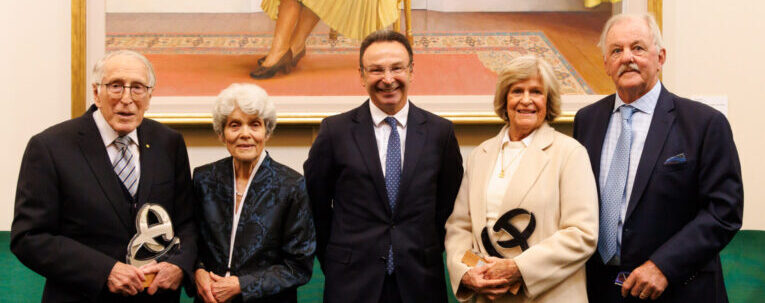
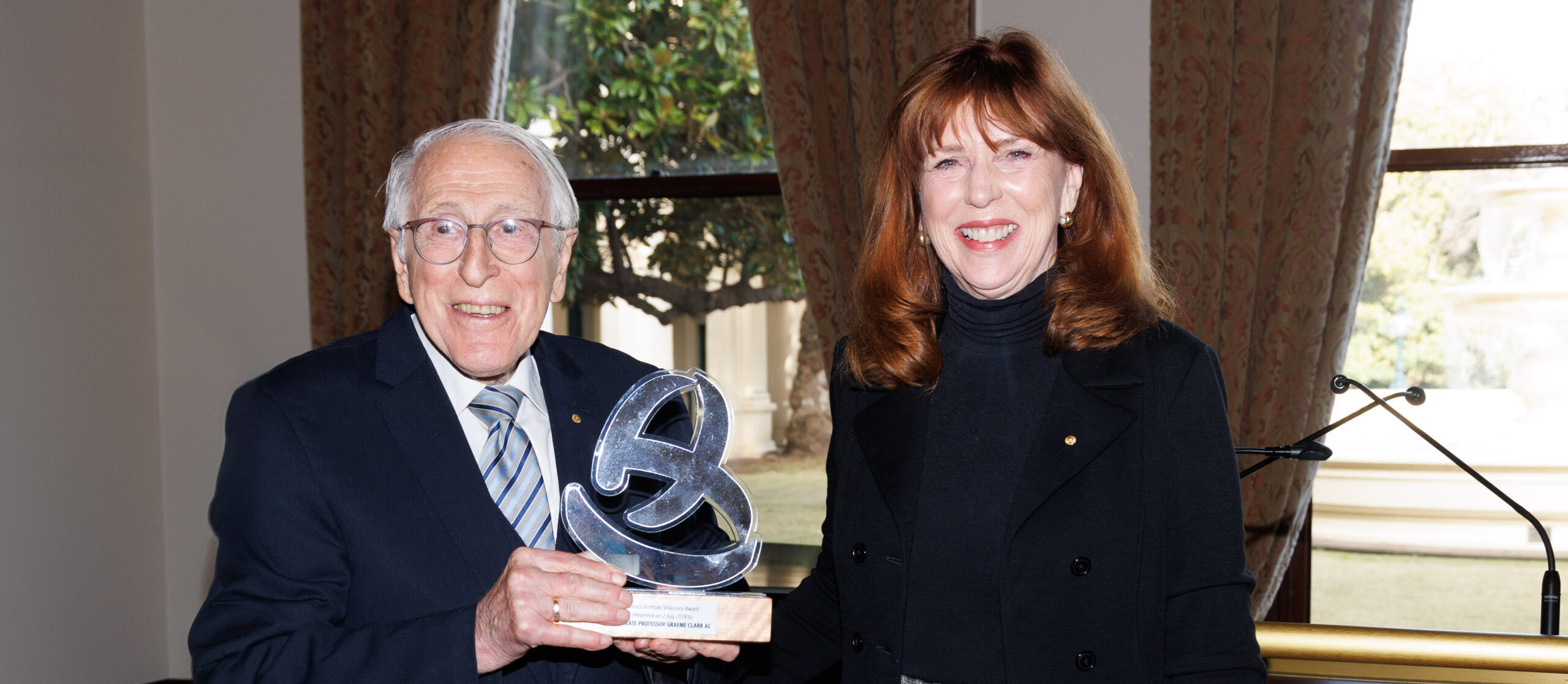
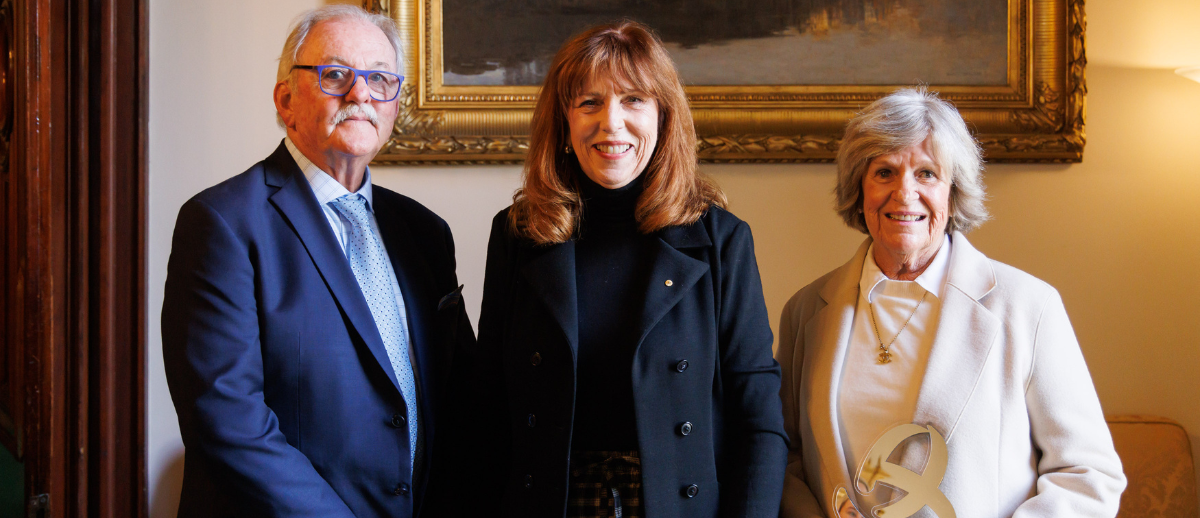
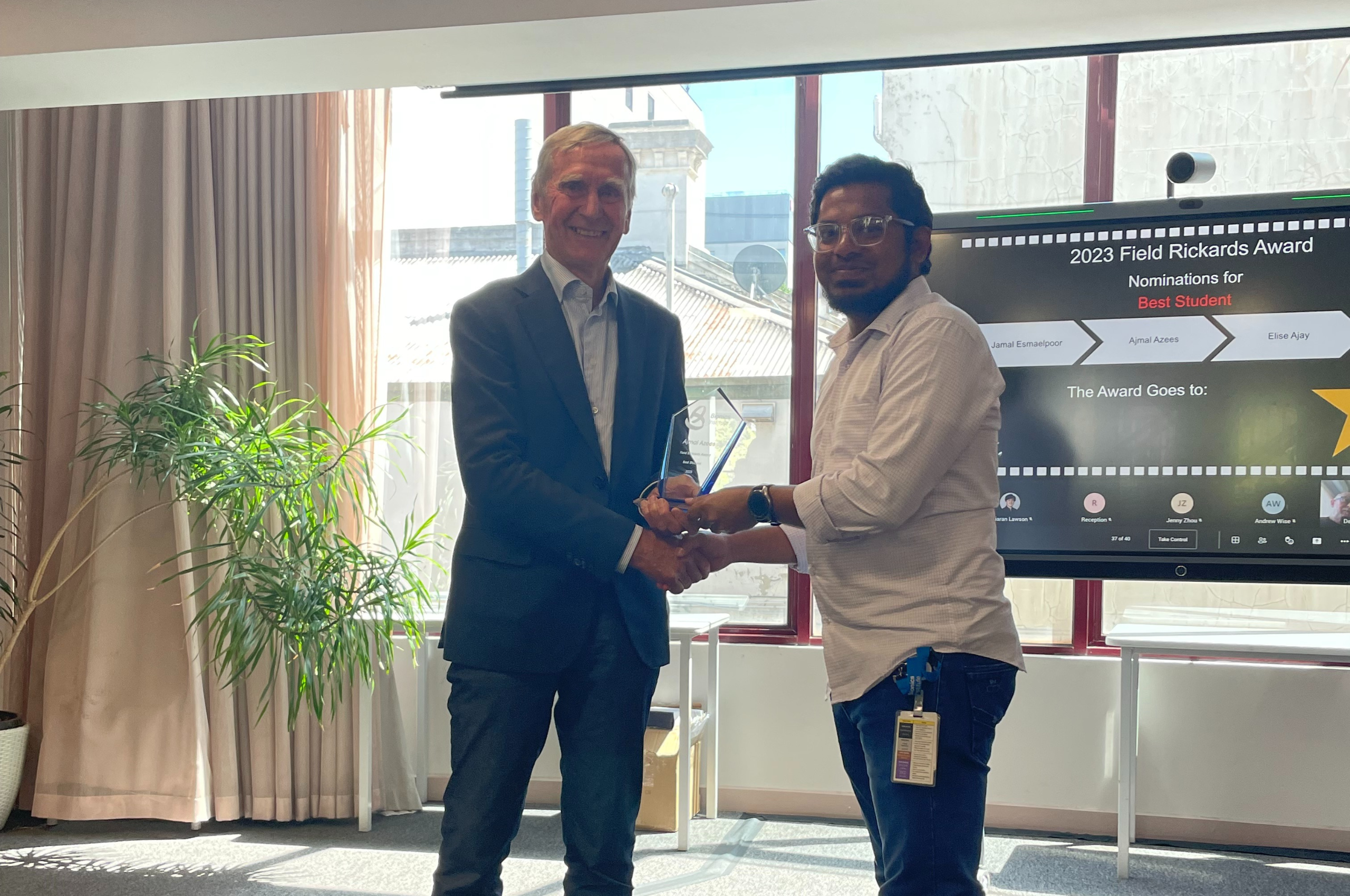
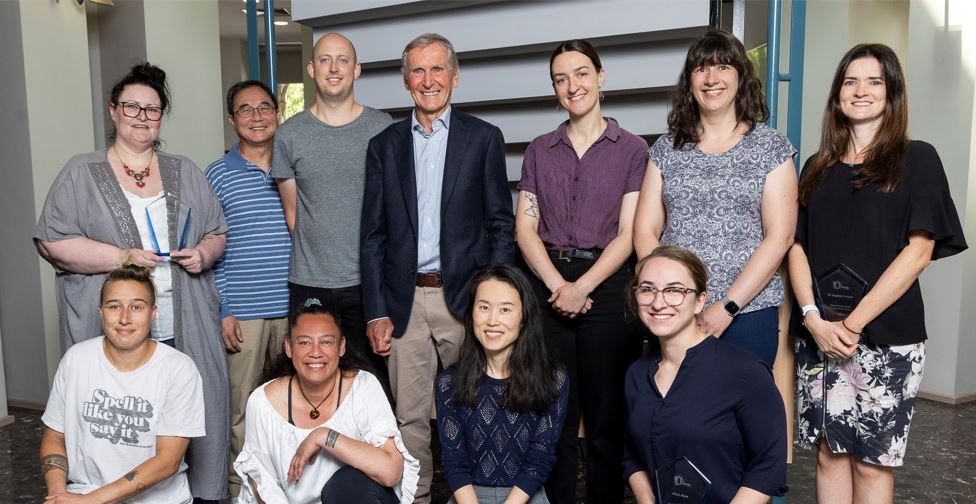
We were delighted to welcome Professor Field Rickards to our final staff meeting of 2022 to present the annual Field Rickards awards.
Professor Rickards started his career as a PhD student with Professor Graeme Clark in the Bionic Ear program.
He made a substantial contribution to hearing research during his career and was part of the team that created Australia’s cochlear implant.
Professor Rickards held a number of prestigious roles at the University of Melbourne and was a member of the Bionics Institute Board of Directors from 1988 through to 2020.
In recognition of his long service, the Bionics Institute honours Professor Rickards’ legacy through the annual Field Rickards Annual Awards for Leadership and Impact.
These were awarded to:
Best Researcher 2022
Best Student 2022
Best Research Team 2022
Biggest Impact 2022
Ms Lisa Dyball
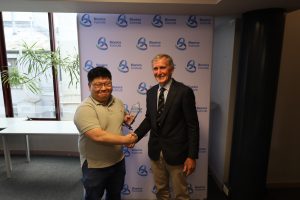
Dr Tommy Peng (L) receives the award of Best Researcher from Professor Field Rickards (R)
You might be interested in…
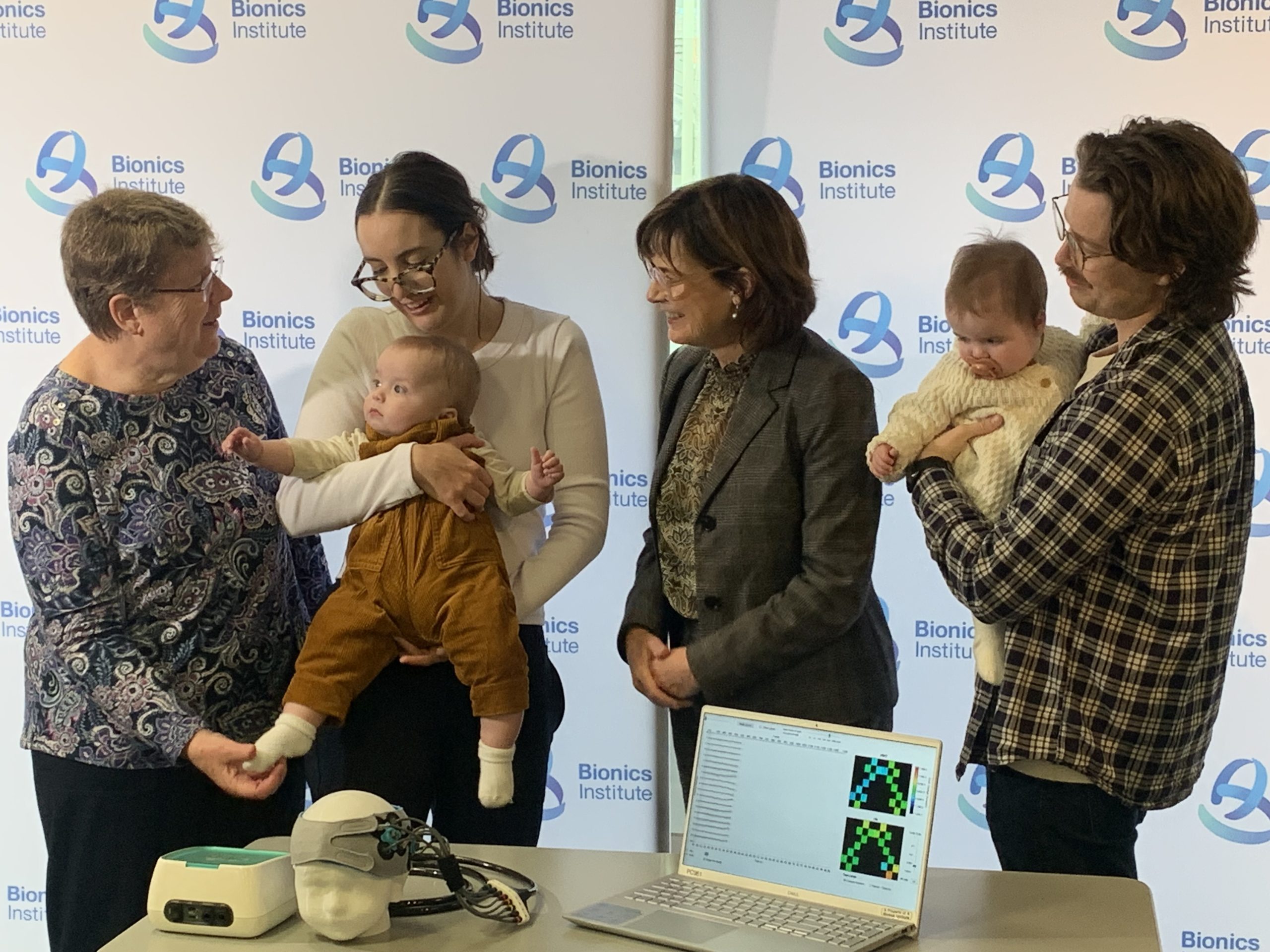
Bionic Institute’s novel hearing diagnostic system, EarGenie , moves closer to commercialisation with a new government grant of over $1m
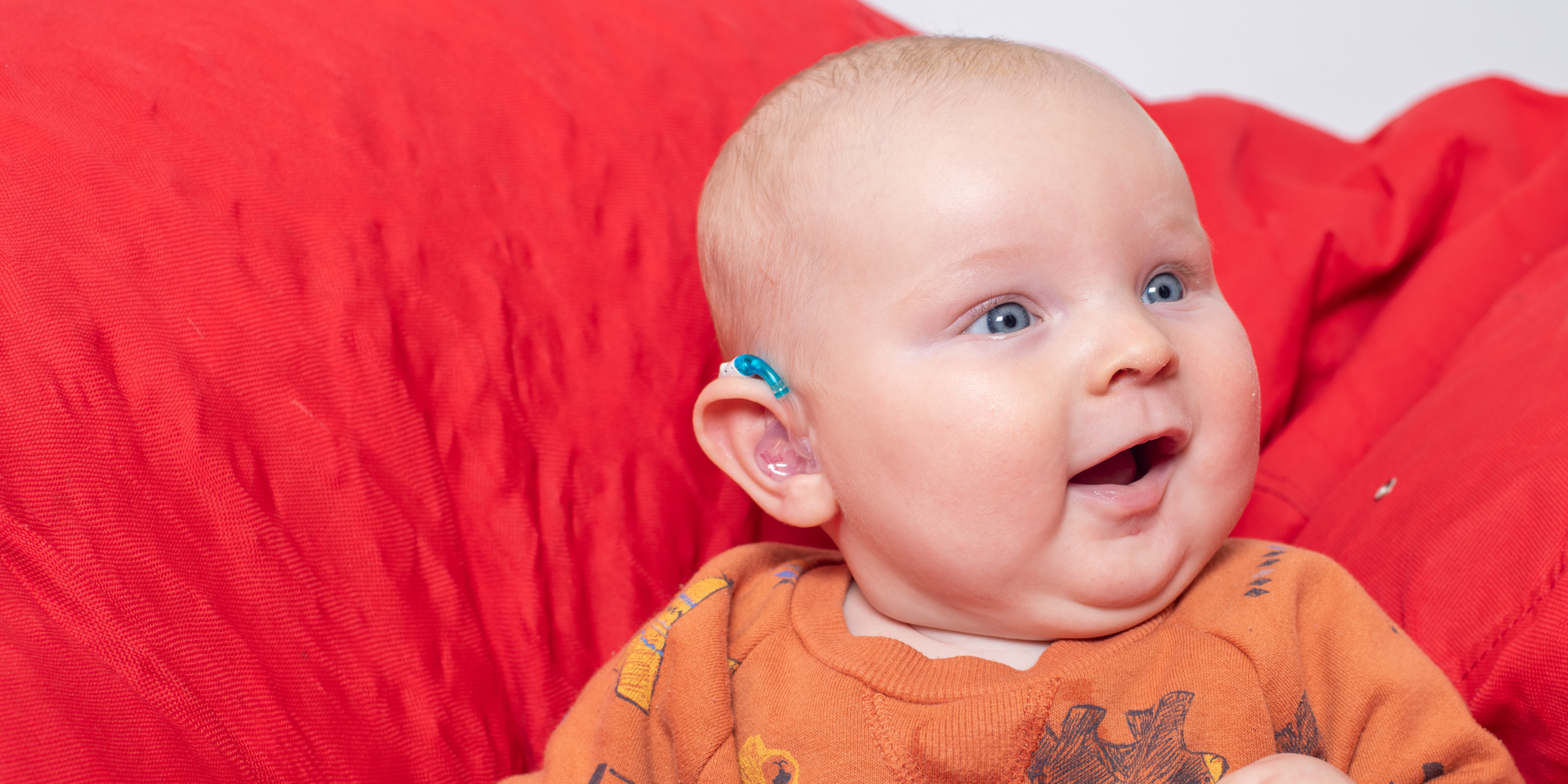
The Bionics Institute’s development of a ground-breaking hearing test for babies, called EarGenie ®, is one of 16 projects to be funded by the latest National Health and Medical Research Council (NHMRC) Development Grant round in December 2022.
The awarded grant budget of $1,176,999.50 is the second highest amount given to any research project in the latest round of development grant funding, in what is a significant boost for the EarGenie project.
Led by Professor Colette McKay, EarGenie will enable audiologists to choose the best type of hearing device and tailor it accurately for each child at an earlier age than currently possible.
Professor McKay says that after an infant is diagnosed with a hearing loss, it is vital that a hearing aid or cochlear implant is provided as soon as possible, otherwise language development is significantly impacted.
McKay says: “We are using this grant to develop a new hearing assessment system that will lead to significantly earlier intervention for infants who are born with a hearing loss, so that their language development can reach its full potential.
“The funding is a great boost for the team and will enable the project to move significantly towards commercialisation and the implementation of EarGenie testing in clinics”. Professor Colette McKay
A total of $15 million is to be shared among 16 projects, with the aim of accelerating the commercialisation of Australian research into products that improve human health.
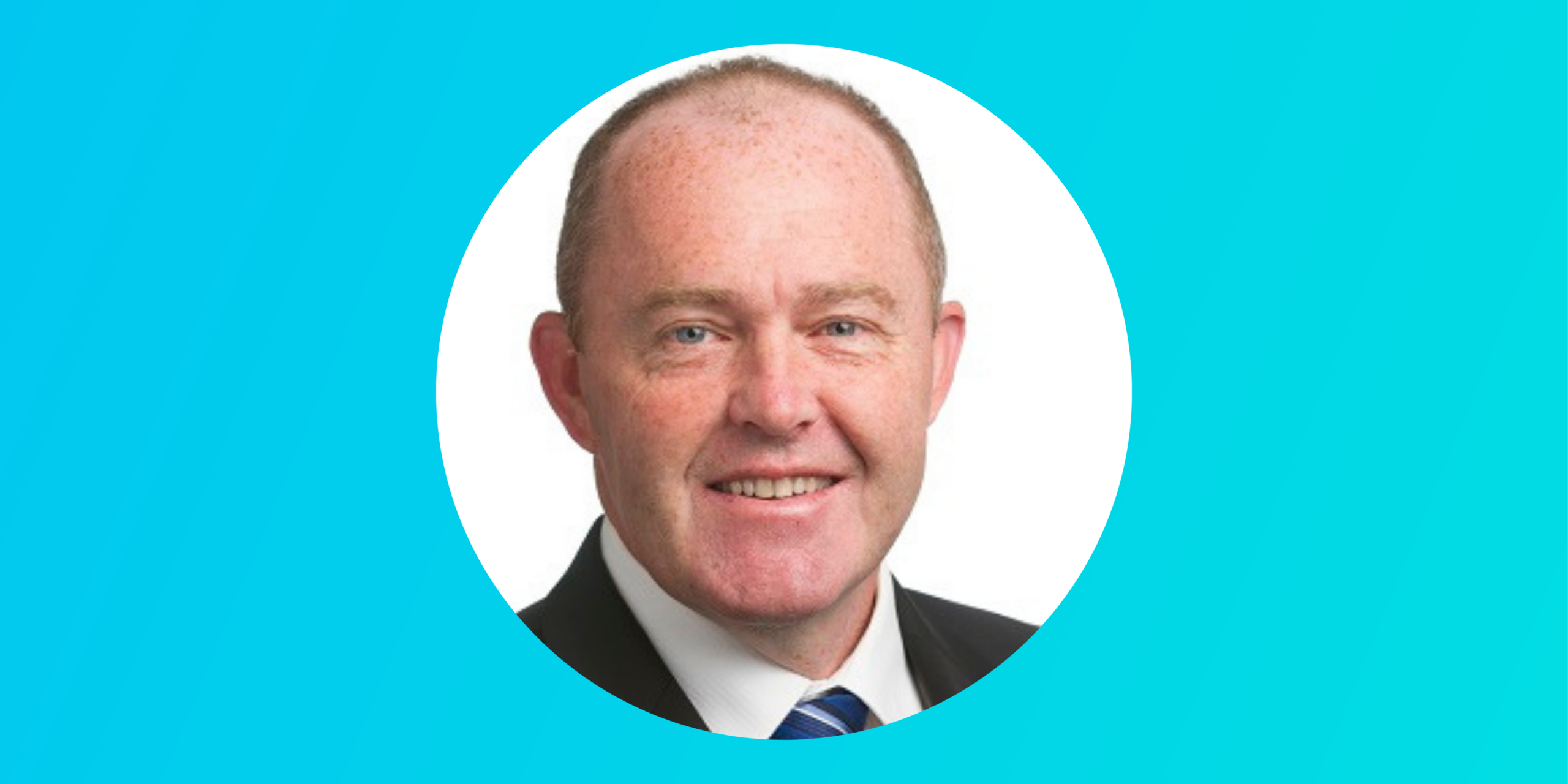
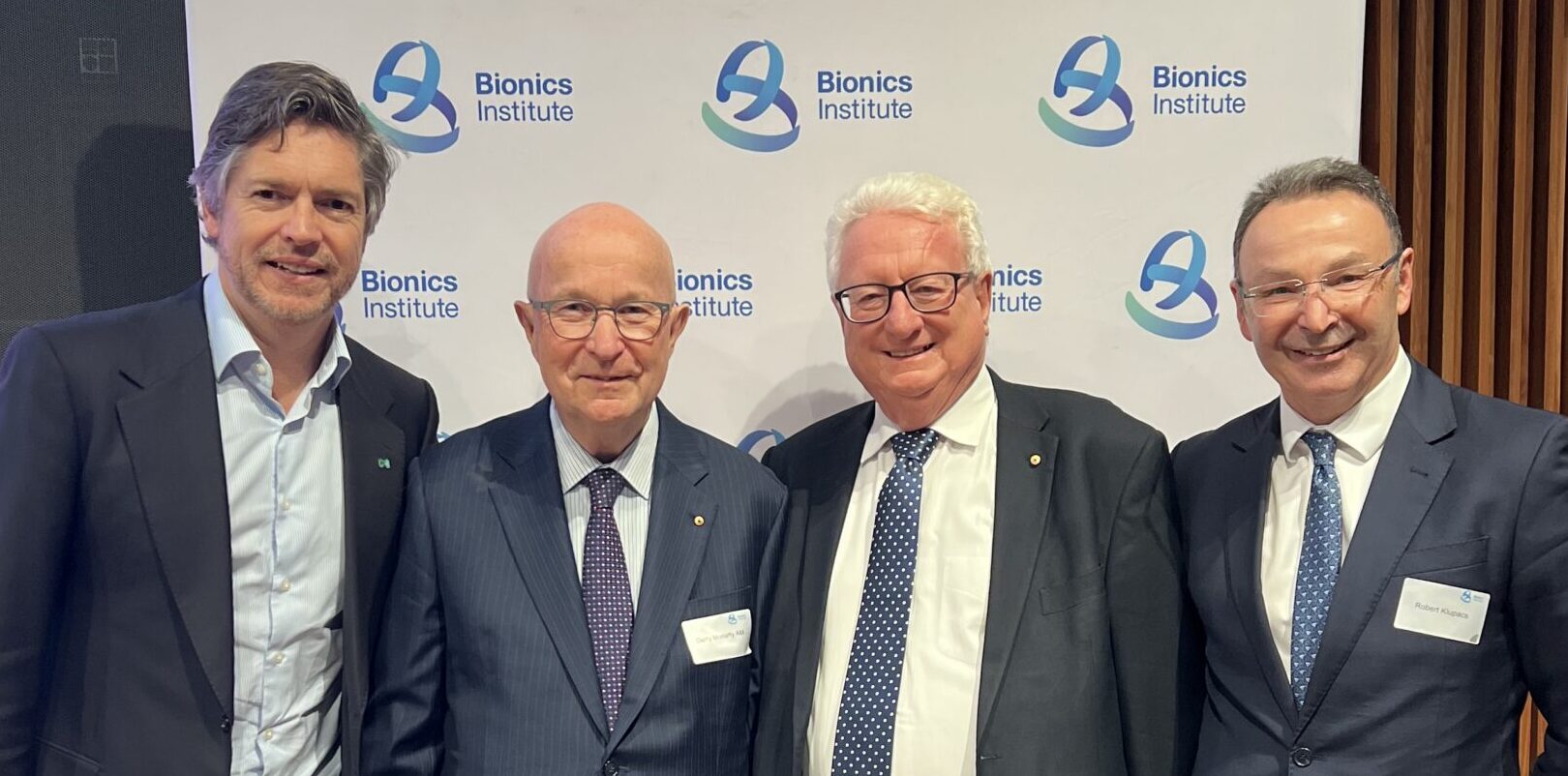
The Bionics Institute has an impressive track record of translating medical device research into commercial products, and CEO Robert Klupacs applauds the NHMRC support of EarGenie.
Klupacs says the NHMRC support will provide a tremendous opportunity for Colette and her team to help young families give their children the best possible start in life.
“Everyone at the Bionics Institute is thrilled for Professor McKay and her team, and we look forward to seeing EarGenie successfully translated into clinics for the benefit of these infants.”
You might be interested in…
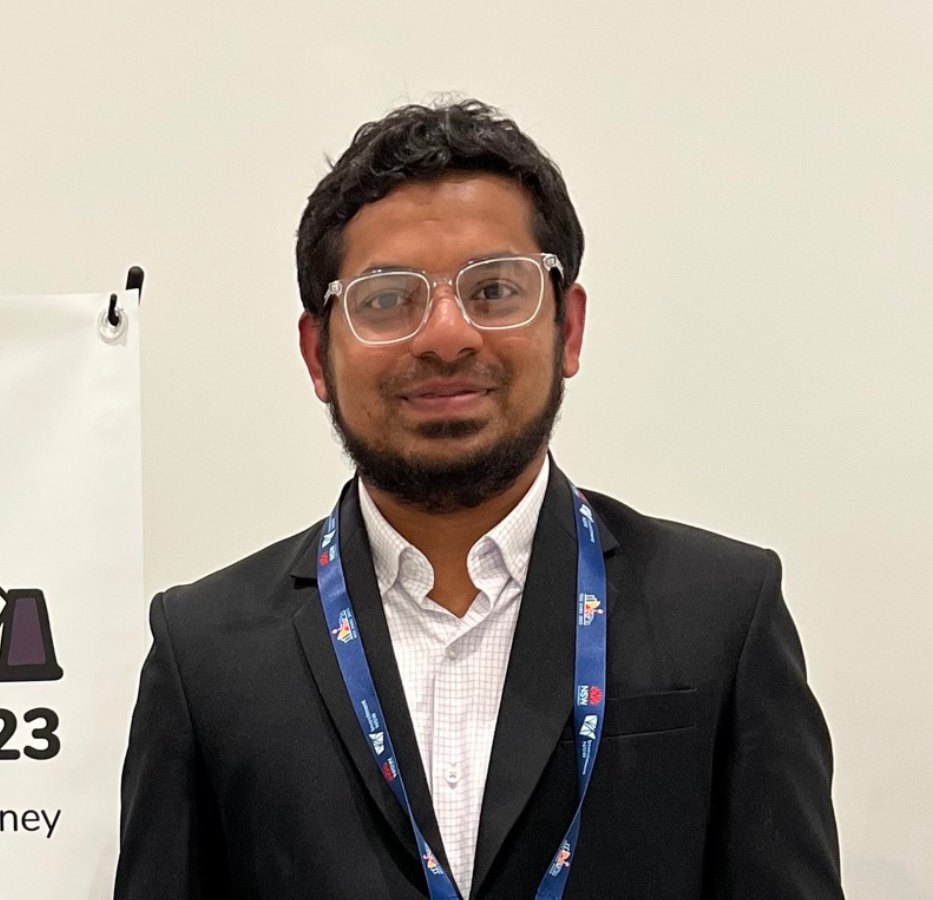
Bionics Institute PhD student wins back-to-back public speaking awards
Bionics Institute PhD student, Elise Ajay has won two prestigious public speaking awards in the space of a week, taking top prizes at the 2022 Australasian Auditory Neuroscience Workshop and the Biomed Link 2022 conference.
Elise was awarded best student speaker at the 2022 Australasian Auditory Neuroscience Workshop in November for her presentation titled: ‘A complete deafness model for optogenetic, electrical, and hybrid optogenetic-electrical stimulation of the auditory nerve’.
“It was a wonderful workshop, and I had a lot of fun sharing our latest research with the broader scientific community. I feel really lucky to be awarded for talking about what I’m passionate about!
Elise then won first prize in oral presentation at the Biomed Link 2022 conference, held at the Bio21 Institute at the University of Melbourne in December.
Following an undergraduate degree in electrical engineering and biomedical science, Elise Ajay’s passion for music and her keen interest in the field of prosthetics led her to undertaking her PhD working with the Bionics Institute’s Optogenetics team to improve hearing treatments.
The awards add to Elise’s impressive list of early-career achievements, including last year’s win in the national “Pitch it Clever” competition.
Bionics Institute is a really conducive environment to research collaboration and learning. Elise Ajay
Elise has been a student at the University of Melbourne since 2020 and will be undertaking one more year of research at the Bionics Institute to complete her PhD.
Elise has also been a mentor in the Bionics Institute Girls in STEM Mentoring Program where she worked with high school students to help cultivate their interest in science and inspire them to undertake undergraduate studies in STEM.
You might be interested in…
Find out how you can make a difference through a gift in Will
Often people feel that they do not have the means during their lifetime to help others as much as they would like to.
After taking care of your loved ones, including a gift in your Will to charity is a practical way of making a difference in people’s lives, without affecting your independence and self-sufficiency today.
Find out more about how gifts in Wills help the Bionics Institute support the future of medicine and transform the lives of people living with challenging diseases.
View a recording of the webinar below to hear:
Ann Fazakerley, Head of Philanthropy at the Bionics Institute whos explained what a gift in Will is, the huge impact they have in sustaining life-changing research at the Bionics Institute, and how they can enable the next great breakthrough.
Daniel Tomé – Partner at leading financial services firm Perpetual Private who shared the different types of gifts in Will available, who you can talk to about leaving a gift in your Will and the key things to consider.
Lucy McMorron from Gathered Here who explained the growing importance of online Wills and how with just a few clicks you can easily and quickly create your free Will in the comfort of your own home.
Event Recording
View the event recording for the Webinar: Include a charity in your Will
Write Your Will Online for Free
Bionics Institute has partnered with Gathered Here, one of Australia’s leading online Will platforms so that you can easily create your lawyer reviewed Will, for free.
With just a few clicks you can easily and quickly create your free Will in the comfort of your own home, in just 15 minutes. Gathered Here offers free and unlimited Will updates for life, supported by a legal team of highly experienced Wills and estate lawyers – something which would normally cost hundreds of dollars.
Although there is absolutely no requirement when writing your online Will, after you have taken care of your loved ones, you may also wish to leave a gift to Bionics Institute, to help us future proof our important work and transform the lives of people for generations to come.

Bionics Institute PhD student wins back-to-back public speaking awards
Bionics Institute PhD student, Elise Ajay has won two prestigious public speaking awards in the space of a week, taking top prizes at the 2022 Australasian Auditory Neuroscience Workshop and the Biomed Link 2022 conference.
Elise was awarded best student speaker at the 2022 Australasian Auditory Neuroscience Workshop in November for her presentation titled: ‘A complete deafness model for optogenetic, electrical, and hybrid optogenetic-electrical stimulation of the auditory nerve’.
“It was a wonderful workshop, and I had a lot of fun sharing our latest research with the broader scientific community. I feel really lucky to be awarded for talking about what I’m passionate about!
Elise then won first prize in oral presentation at the Biomed Link 2022 conference, held at the Bio21 Institute at the University of Melbourne in December.
Following an undergraduate degree in electrical engineering and biomedical science, Elise Ajay’s passion for music and her keen interest in the field of prosthetics led her to undertaking her PhD working with the Bionics Institute’s Optogenetics team to improve hearing treatments.
The awards add to Elise’s impressive list of early-career achievements, including last year’s win in the national “Pitch it Clever” competition.
You might be interested in…
You may be interested in



The Bionics Institute is preparing to launch a world-first clinical research trial to investigate whether a treatment for depression could be the key to fighting memory loss in Alzheimer’s disease, the most common form of dementia.
A devastating condition, not only for the individual but also their loved ones, Alzheimer’s causes decline in most areas of cognition, including memory.
There are 55 million people worldwide living with dementia today, but despite billions of dollars and decades of research, there are still no effective treatments.
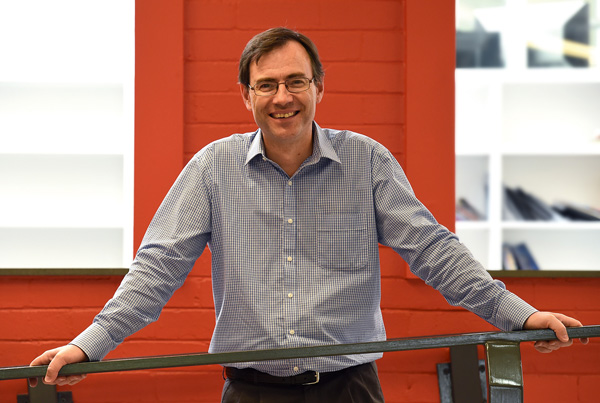
However, that is set to change with a potentially ground-breaking treatment being investigated by Bionics Institute researcher Professor Kate Hoy.
Professor Hoy, a clinical neuropsychologist by training, found that a brain stimulation treatment called Transcranial Magnetic Stimulation (TMS), which is an effective treatment for depression, may also improve cognition.
Explaining the painless, non-invasive procedure, Hoy says that TMS uses magnetic pulses to induce an electrical current in the brain, causing cells to fire.
Applied regularly over days and weeks, these magnetic pulses give rise to lasting changes in the brain cells that, in turn, can restore brain connectivity leading to an improvement in cognitive function.
Hoy said: “Results from initial research using TMS to improve cognition and fight memory loss in Alzheimer’s are promising and we’re about to launch a large-scale clinical trial to establish a personalised treatment approach – the first of its kind in the world.”
Bionics Institute CEO Robert Klupacs says this research is incredibly exciting, not only because it could improve the lives of millions of people around the world, but also improve quality of life for their carer.
He said: “With the right funding from donors and the government, we can get this trial moving and make this Alzheimer’s treatment available in clinics in the future, if shown to be effective.”
For Cheryl Conway, who has seen her 92-year-old mother deteriorate from Alzheimer’s over the past ten years, supporting research into a new treatment is incredibly important.
She says that with Alzheimer’s: ‘you lose your parent while they’re still alive’.
“Before my mother went into the nursing home it was awful. She’d ring me 20-30 times a day. She couldn’t remember how to use the oven or the washing machine. She ate like a bird and the weight just fell off.
“I just want mum to enjoy her final years, come to family gatherings, hold her great grandchildren.”
Download the media release here.
About this research
Magnetic stimulation of the brain shows promise as a potential new treatment for people with Alzheimer’s disease and is now ready for testing in larger clinical trials.
Bionics Institute senior research Professor Kate Hoy has developed a treatment program using Transcranial Magnetic Stimulation (TMS) to improve brain function in people with Alzeheimer’s disease.
Alzheimer’s disease has been shown to interfere with important networks in the brain and this disruption is linked to the cognitive difficulties experienced.
Professor Hoy will conduct a large-scale randomised, controlled trial of a personalised treatment approach. Read more about the research and how to register your interest in participating in the trial here.
Did you miss our recent event?
The Bionics Institute are developing a new treatment to improve memory function in people with Alzheimer’s disease.
Developed by Bionics Institute researcher, Professor Kate Hoy, this new treatment, called Transcranial Magnetic Stimulation (TMS), uses magnetic pulses to alter brain activity.
View a recording of the webinar below to hear:
- Lead research Professor Kate Hoy, explain how magnetic brain stimulation could be key to fighting memory loss in Alzheimer’s disease.
- Clinician Dr Renata Lemke, give an overview of dementia and the limitations of current treatment.
- The personal experience of Cheryl Conway, who is caring for a family member with Alzheimer’s disease.
Watch the full event recording below.
You might be interested in…
Hearing loss affects nearly half a billion people worldwide and is set to increase two-fold by 2050.
Despite this, there are currently no drug treatments available to restore hearing function. Bionics Institute researchers are working to change that.
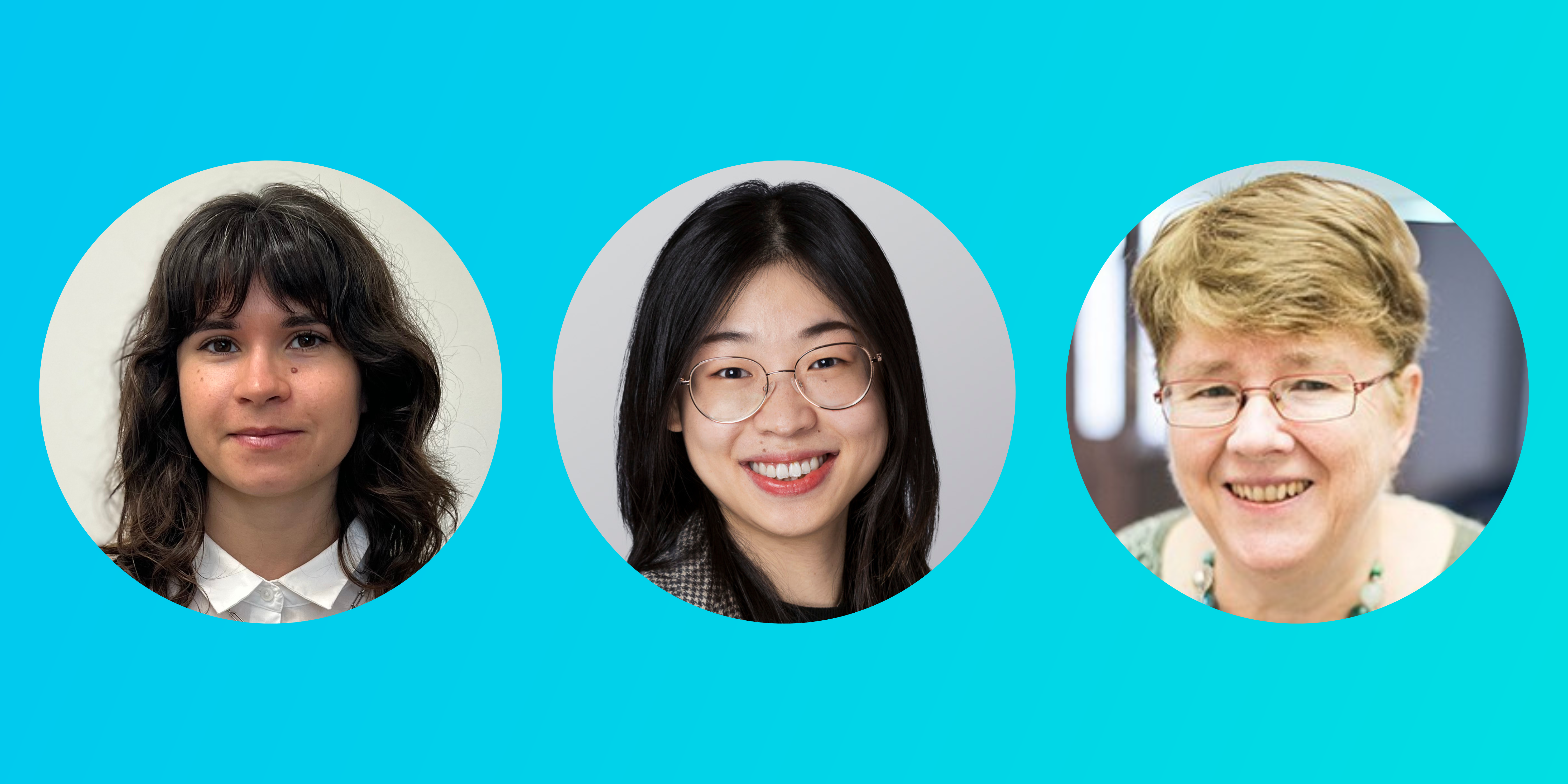
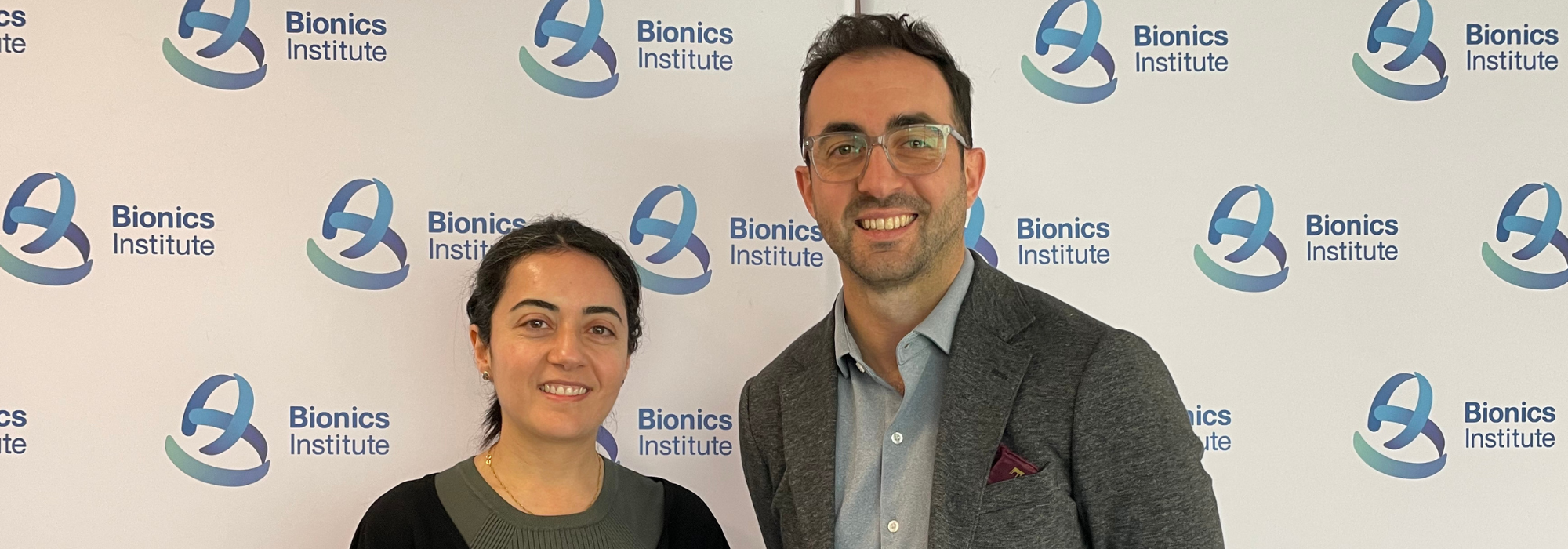
Dr Niki Gunewardene and Dr Yingjie Hu are working on a world-first treatment for hearing loss using nanotechnology, as part of a research team led by Associate Professor Andrew Wise.
“It’s widely recognised that growth factors can repair damage to the sensory nerves in the inner ear. However, until now, there hasn’t been a safe and effective way to get high payloads of drug into the inner ear, impeding clinical translation of previous research,” said Dr Niki Gunewardene, Senior Research Fellow.
The ground-breaking technology developed by our team loads a drug, called ‘growth factors’, into small drug-carrying particles created via nano-engineering. Once delivered into the inner ear, the growth factors can act to restore lost connections between the nerve fibres and sensory hair cells.
Our work paves the way for further research to develop this therapeutic technology and move towards a clinical trial to restore hearing in patients.
Dr Yingjie Hu, Research and Development Engineer, is excited by the translational opportunities made possible by Bionics Institute hearing research.
“Our particle delivery system can increase the lifespan and improve distribution of growth factors delivered to the inner ear, which is an exciting development,” she said.
The development of this pioneering nanoparticle technology was made possible thanks to to a significant gift in Will from a Bionics Institute supporter.
A generous bequest has enabled us to grow the research team, build bespoke laboratory facilities and accelerate the pace of our research project.
Associate Professor Andrew Wise, Lead Researcher Hearing Therapeutics Lead Researcher explained:
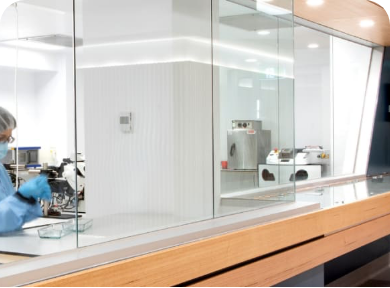
“This gift really set the foundation for our work. We were able to hire two new scientists and create a facility at the Bionics Institute to manufacture our drug delivery system. This facility is a huge step forward for the program as it enables us to develop and optimise the manufacturing process under controlled conditions, which is a key step in establishing a manufacturing process,”